
REVIEW · MOROCCO FOOD TOURS
Fez: Foodie tour in the old Medina
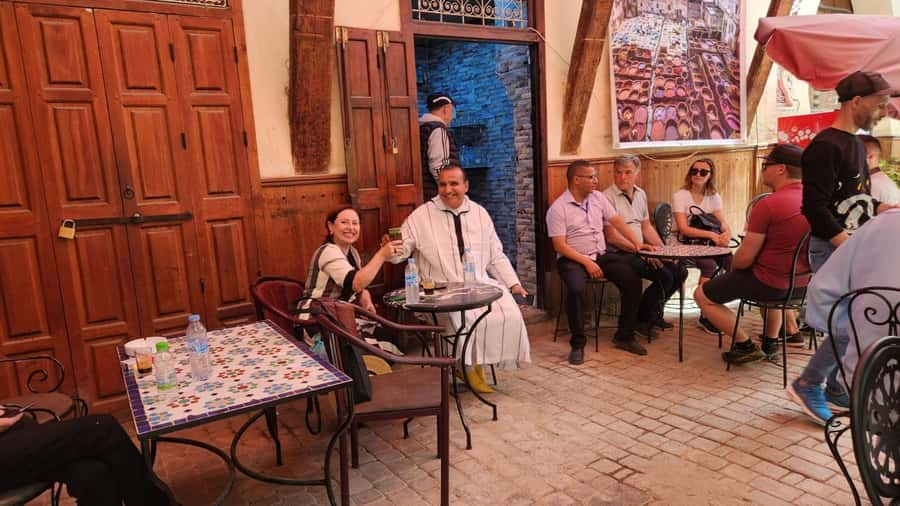
Fez is best understood one bite at a time. This four to five-hour walk through the Old Medina combines seven or more tasting stops with stories about Fassi food, local customs, and the maze of souks. You begin with pickup from your riad or hotel inside the Medina, then finish around lunchtime with a proper Moroccan dish.
I like the broad mix of food, from Baghrir pancakes and Mlaoui flatbread to dates, flavored olives, Chabakiya, and Filalia pastries. I also like that the guide does more than point at food stalls, sharing the ingredients, methods, and local traditions behind what you eat. The main consideration is that the tour may include stops at leather, copper, fabric, silk, or argan oil shops, and you may feel some pressure to browse or buy, even though purchases are not required.
Guide quality appears to be a major strength. Hussein has been praised for his excellent English and clear explanations, while Kamal and Mostafa have also received warm approval for creating a friendly, local experience. If you arrive hungry, curious, and ready to walk slowly through crowded lanes, this can be a fine first taste of Fez.
Key points at a glance
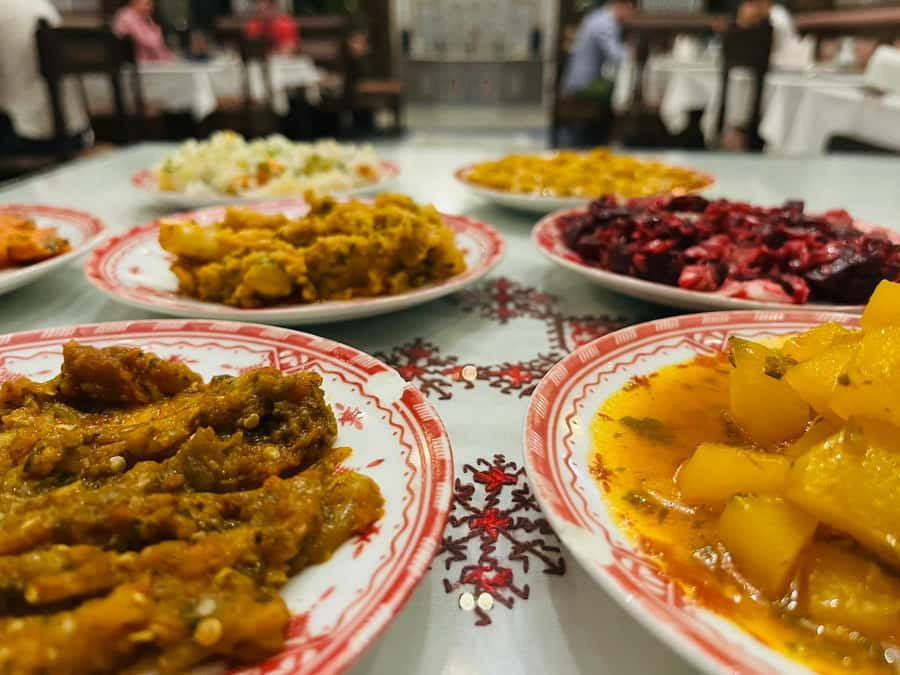
- Seven-plus food stops: Sample Moroccan breads, olives, dates, pastries, tea or coffee, and other local specialties.
- A real lunch is included: The tour ends with a Moroccan dish chosen by you or recommended by your guide.
- Food comes with context: Your guide explains ingredients, spices, cooking methods, and the culinary traditions of Fez.
- Pickup is practical: Meet at your Medina accommodation, or in front of Hotel Batha if that is easier.
- Several guide names have earned praise: Hussein, Kamal, and Mostafa are each noted for strong communication and personable guiding.
- Come with an empty stomach: The number of tastings can add up quickly before lunch.
Why food is a smart way to meet Fez
Fez can feel like a puzzle when you first enter its old city. The lanes turn sharply, shops open into one another, and a short walk can carry you from a bakery to a spice seller, a leather workshop, or a small food counter.
A food tour gives that maze a purpose. Instead of simply following a route through the Medina, you have reasons to stop and pay attention. A bread may show you how Moroccan dough is prepared. A tray of olives can introduce the habit of seasoning food with herbs, citrus, or spices. A pastry can lead to a conversation about festive cooking and sweet flavors.
I like this approach because it makes the city easier to remember. You are not just collecting names of monuments. You are learning what people eat during the day, what ingredients appear often in local cooking, and how food fits into daily life.
The tour also includes cultural and historical commentary as you walk. The exact route can change with the pace of your group and conditions in the Medina, but you should expect the food to be the main thread connecting the different stops.
A few more food tours in Morocco worth a look
- Marrakech: Street Food Tour with a Local Guide
★ 4.9 · 3,119 reviews - Marrakech: Street Food Tour by Night
★ 4.8 · 2,838 reviews - Authentic Moroccan Food Tour in Marrakech with Dinner
★ 5.0 · 1,423 reviews
Starting at your riad or Hotel Batha
Pickup is included if you are staying at a hotel or riad inside the Medina. The usual start time is 10 am or 11 am, depending on the arrangement. If pickup is not convenient, you can meet the guide in front of Hotel Batha.
That timing matters. A 10 am start gives you more time for a leisurely food walk and brings you toward lunch at the expected end of the tour. An 11 am start may suit you better if you want a slower morning, but you should be especially careful not to eat a large breakfast.
Your guide leads the way through the souks and shops, where walking conditions can change from open passages to narrow lanes. The tour duration is listed as four to five hours, but that is an estimate. Your walking pace and how busy the Medina is can make the outing shorter or longer.
You should wear comfortable shoes and keep your hands free for eating, though these are sensible suggestions rather than special requirements stated by the operator. The key practical point is simple: this is a walking food tour, not a seated tasting session with a fixed menu.
The first tastes: Moroccan breads and bakery traditions
Bread is a natural place to begin. The tour may introduce you to several traditional Moroccan types, including Baghrir, Mlaoui, and Harcha.
Baghrir is known as a soft, hole-covered pancake, while Mlaoui is a layered flatbread. Harcha is a semolina-based bread with a firmer texture. Sampling several kinds side by side helps you notice how different Moroccan breads can be, even when they look similar at first.
A stop at a traditional bakery has been singled out as an especially good sign of the tour’s local character. It gives you something more useful than a quick photo stop. You get to taste food in the place where it belongs and hear how it is made.
The tour does not promise a cooking class, so you should not expect to prepare the breads yourself. Still, the guide explains cooking methods and ingredients, and some of those lessons can be taken home if you want to try Moroccan recipes later.
Dates, olives, and the savory side of the Medina
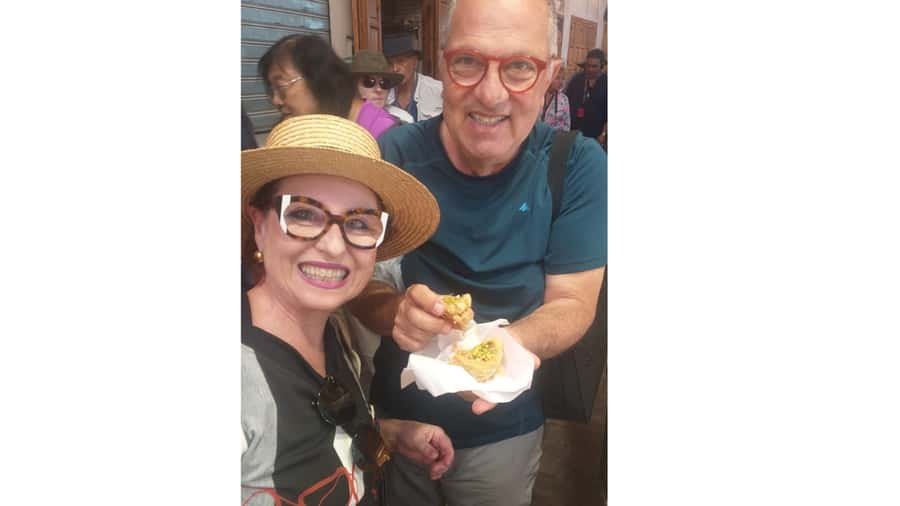
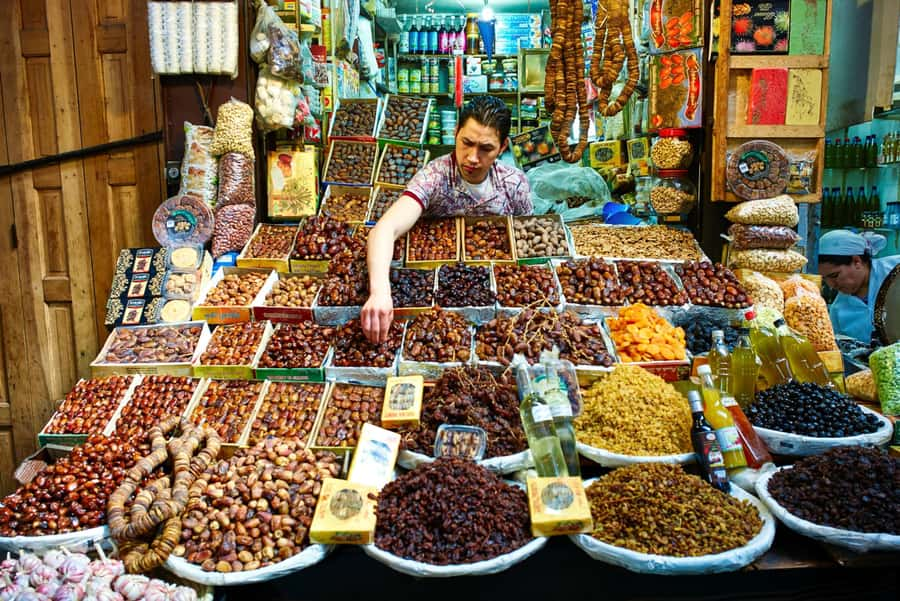
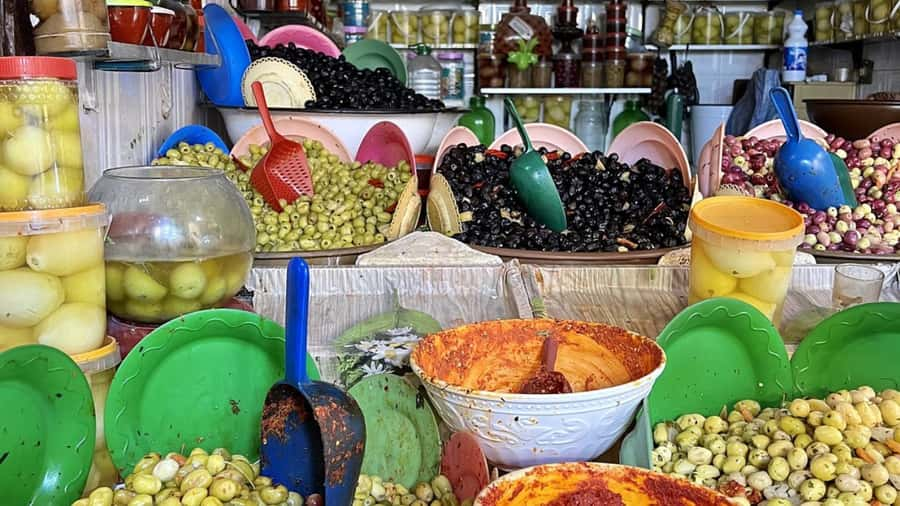
The tasting route moves beyond bread to dates and flavored olives. These are small portions, but they add variety and keep the experience from becoming a parade of pastries.
Dates bring a soft, sweet note. Olives provide the sharper, saltier side of Moroccan food, especially when flavored with different herbs or seasonings. Your guide can explain what you are tasting and how these foods fit into local eating habits.
This part of the tour is also a good chance to say what you like and dislike. The tour description specifically notes that the guide respects your desire for tasting, and you can ask about the food before trying it. Since the group may be private or small, there should be more room for that kind of conversation than on a large coach excursion.
Still, you should be clear about dietary needs before booking. The experience is listed as unsuitable for people with diabetes, food allergies, gluten intolerance, or high blood pressure. That is a serious limitation, not a minor footnote, because the tour centers on repeated food samples and a full lunch.
Same city, a different table:
- Marrakech: Jemma El Fnaa Food Tour with Dinner
★ 4.7 · 394 reviews - Evening Marrakech: Gastronomic and Market Tour Inside the Medina
★ 4.5 · 283 reviews - Marrakech: Authentic Moroccan Food Walking Tour & Dinner
★ 4.8 · 261 reviews - Marrakech Night Street Food Tour / Taste The Real Marrakech
★ 4.9 · 200 reviews
Moroccan pastries with a sweet finish
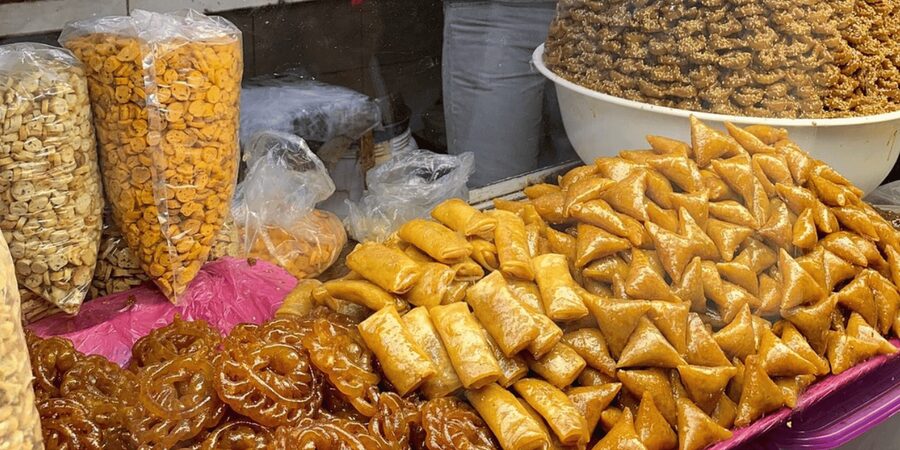
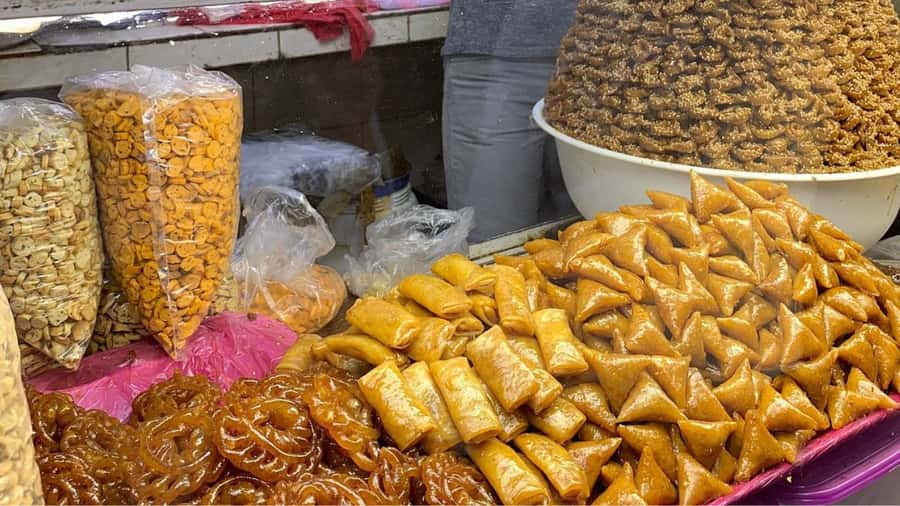
The pastry stops bring in Chabakiya and Filalia. These sweets offer a different look at Moroccan cooking, with attention to texture, sweetness, spices, and presentation.
Chabakiya is often associated with a sticky, sesame-covered pastry, while Filalia is another local sweet that you may not encounter on a standard restaurant menu. The value here is variety. You are not simply eating the same cake in several places.
I also like that the guide is expected to explain the ingredients and techniques rather than handing you food without context. Ask questions as you go. If a pastry tastes strongly spiced or sweeter than you expected, the explanation can make it easier to understand why it is prepared that way.
The tour includes coffee or tea, which gives you a short pause between tastings. It also helps balance the walking. With food arriving at more than seven stops, those breaks matter.
Lunch closes the tour with a fuller meal
The final meal is more substantial than the earlier samples. You can choose a local dish, or accept the guide’s recommendation if you want the most traditional option available through the tour.
This is one reason the $58 price can make sense. You are not paying only for a guide to walk you through the Medina. The cost includes pickup, a certified guide, coffee or tea, bottled water, more than seven tasting stops, and lunch.
Value depends on how much you eat and how much guidance you want. If you prefer to wander alone and buy small portions as you go, you could spend less. But you would also need to find the stops, explain what you want, manage the route, and arrange lunch yourself.
For a first visit to Fez, the combined food and guiding can be worthwhile. For a private group, the price may feel more reasonable because the guide can adapt the pace and conversation. For a larger small group, the cost remains easier to justify if you make full use of the explanations and included meal.
The Medina shops and the extra stops
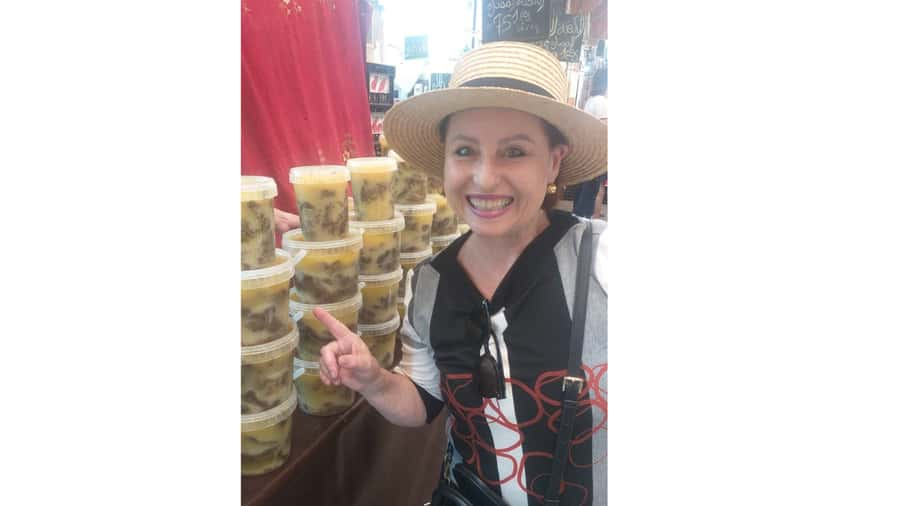
The tour also passes through shops and may include visits to leather, copper, textile, silk, or argan oil sellers. These stops can add useful cultural context. Traditional crafts are part of the Medina experience, and seeing how different trades fit into the old city can broaden the tour beyond eating.
But you should know how to handle them. One account of the tour notes required visits to friendly sellers, while also making clear that you do not have to buy anything. That distinction matters. If you dislike sales-oriented stops, you may find this part less appealing than the food walk itself.
You can politely say no and keep your focus on the tour. The best approach is to treat these stops as optional browsing rather than part of the value you must repay with a purchase. Bring curiosity, not a shopping obligation.
The guide’s role makes a difference here. A good guide can explain the trade without letting the shopping dominate the day. Hussein, Kamal, and Mostafa have each been praised for communication and for shaping the outing around what the customer wanted, which is encouraging if you prefer a flexible experience.
What the guides add to the experience
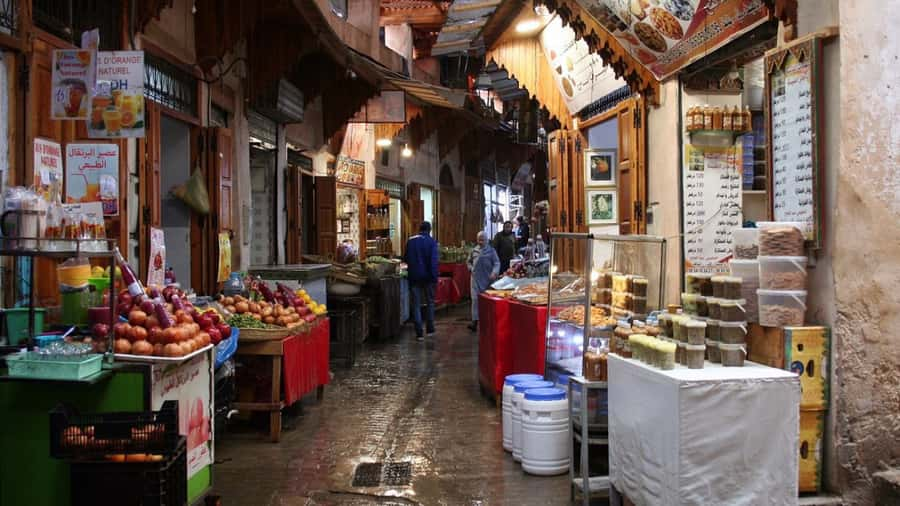
The strongest praise centers on the guides. Hussein has been described as speaking excellent English and giving plenty of information during the Medina walk. Kamal has been praised for making the local experience enjoyable, beginning with the traditional bakery stop. Mostafa has been noted for offering more than expected, with food stops mixed with culture and visits connected to tanning, carpet making, silk, and argan oil.
Language choices are English and Spanish. A live guide is included, and the group can be private or small. Those options matter because food tours work best when you can ask direct questions and request a slower pace.
I would choose a private option if you have strong preferences about food, photography, or shopping stops. A small group should suit you if you want some company but still want room to speak with the guide.
The guide also helps with the Medina’s confusing layout. You are not left to guess which lane leads to your next tasting. That practical help may be as valuable as the food, especially on your first morning in Fez.
How much should you eat before the tour?
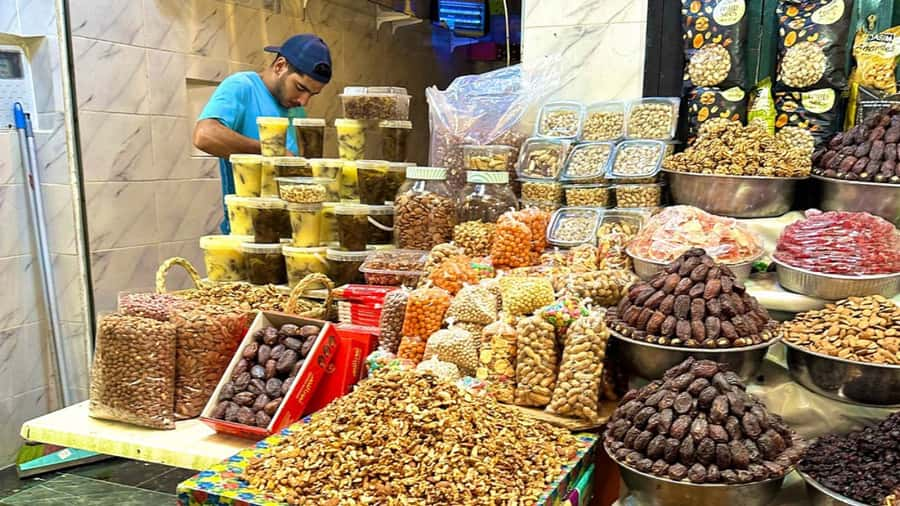
Very little. One of the clearest practical tips is to arrive with an empty stomach.
The early bread, olive, date, and pastry samples may seem modest on their own. Add more than seven stops, tea or coffee, and a complete lunch, and you can easily feel full before the final dish arrives.
You do not need to skip food for an unsafe length of time, but a heavy breakfast would work against the tour. If you have medical dietary needs, this experience is not a good match according to its stated restrictions.
Bottled water is included, which is useful during several hours of walking and tasting. You may also want to tell the guide early if you prefer smaller portions, though the tour description does not promise special dietary adjustments.
Who will enjoy this Fez food tour most?
This experience suits you if you want food, culture, and orientation in one morning. It is especially useful for a first visit, when the Medina can feel difficult to read and you want a guide to connect shops, streets, traditions, and meals.
It also works well for people who enjoy trying several small bites rather than sitting down immediately for one restaurant meal. The range of breads, olives, dates, sweets, and lunch gives you a broader introduction to Moroccan food.
You may want to choose another activity if you have serious food restrictions, dislike walking, or do not want any shopping stops. The food is the central attraction, so people with allergies, gluten intolerance, diabetes, or high blood pressure should not book this tour based on the stated suitability information.
The experience is also a good fit for couples, families with older children, and friends who want a private or small-group outing. The four to five-hour length is long enough to feel substantial without taking up the entire day.
Booking details that matter
The tour costs $58 per person. That price includes hotel or riad pickup within the Medina, a certified guide, bottled water, coffee or tea, lunch, and the tasting stops.
You can cancel up to 24 hours in advance for a full refund. You can also reserve now and pay later, which gives you some flexibility while your Fez plans are still shifting.
Pickup is limited to accommodation within the Medina. If you are staying elsewhere, the stated meeting point is in front of Hotel Batha. Confirm the time, either 10 am or 11 am, before the day begins.
The overall rating is 4.7 from 27 reviews, with especially strong praise for guide quality, food variety, and the sense of local contact. I would treat that as a good sign, while still keeping the shopping stops and dietary restrictions in mind.
Should you book the Fez foodie tour?
Book it if you want a guided introduction to Fez that uses food as the main route into the city. The strongest reasons are the range of tastings, included lunch, local bakery stop, useful cultural explanations, and guides such as Hussein, Kamal, and Mostafa who have been praised for making the experience personal.
Skip it if you need strict control over ingredients, cannot eat gluten, or dislike sales stops. Also skip it if you want a short tasting session rather than several hours on foot.
For everyone else, $58 is a fair price for a half-day that combines food, orientation, and conversation. Arrive hungry, keep your shopping wallet firmly optional, and let the Medina provide the setting.
FAQ
How long does the Fez foodie tour last?
The tour lasts about four to five hours. The timing is an estimate and can change based on your walking pace and how busy the Medina is.
What time does the tour start?
The available start times are generally 10 am or 11 am. Confirm the exact time when booking.
Is hotel or riad pickup included?
Yes. Pickup is included from accommodation within the Medina. You can also meet the guide in front of Hotel Batha.
What food is included?
The tour includes more than seven tasting stops, traditional Moroccan breads such as Baghrir, Mlaoui, and Harcha, dates, flavored olives, Chabakiya and Filalia pastries, coffee or tea, bottled water, and lunch.
Is lunch included?
Yes. The tour ends around lunchtime with a local dish of your choice or a dish recommended by the guide.
Which languages are available?
The live tour guide is available in English or Spanish.
Can I cancel or pay later?
You can cancel up to 24 hours before the tour for a full refund. Reserve now and pay later is also available.
Just added in Morocco
- Casablanca Food Tour★ 5.0 · 60 reviews
- Casablanca Food Tour – Moroccan Street Food Tour★ 5.0 · 86 reviews
- Discovery of Moroccan Culinary Heritage, History and Secrets★ 4.5 · 48 reviews
- Authentic Food Tour in Agadir – Eat Like A Local★ 5.0 · 117 reviews
- Tangier: Food Walking Tour★ 4.9 · 43 reviews
- Rabat: Walking Food Tour★ 4.9 · 48 reviews
- Marrakech Night Street Food Tour / Taste The Real Marrakech★ 4.9 · 200 reviews
- Marrakech: Medina Stories Food Tour with 15+ Tastings★ 5.0 · 141 reviews
Morocco Food Tours, compared.
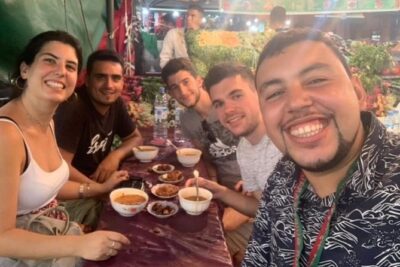
Authentic Moroccan Food Tour in Marrakech with Dinner
Read our review →
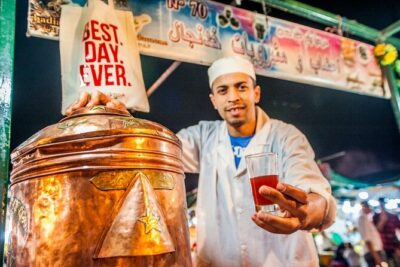
Evening Marrakech: Gastronomic and Market Tour Inside the Medina
Read our review →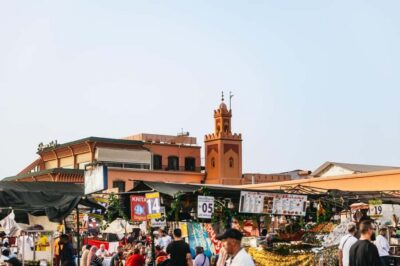
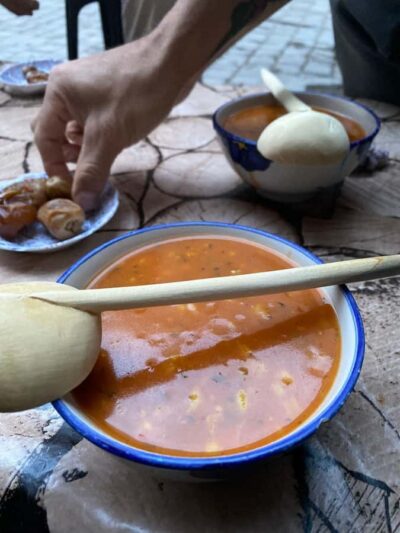
Marrakech Night Street Food Tour / Taste The Real Marrakech
Read our review →
Browse the lists this tour appears in