
REVIEW · ATHENS FOOD TOURS
Athens: The Classic Food Tasting Tour
Come hungry, Athens feeds you well. This 3 to 3.5 hour walk links bakeries, delis, the Varvakios Market, and old neighborhood food stops into one generous introduction to Greek eating. I especially like the 18-plus tastings and the way the route brings you into everyday food shops rather than keeping you on the main tourist track.
I also like the small groups, limited to 10 people, and the chance to try Cretan cheese, olives, rusks, olive oil, raki, and goat milk ice cream in one outing. The main consideration is simple: there is a lot of walking and a lot of food, so this is not the right pick after a large breakfast or for anyone wanting a light snack tour.
Key things to know before you book
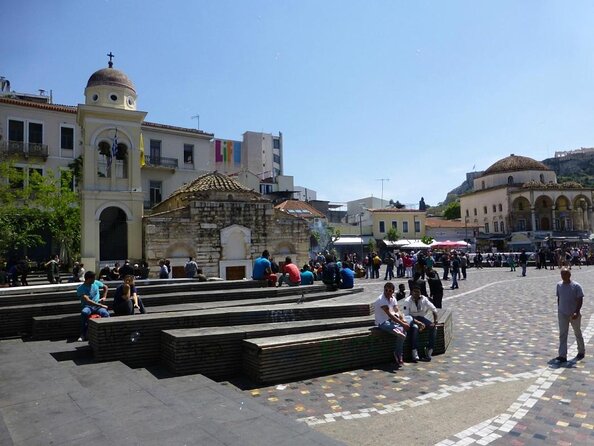
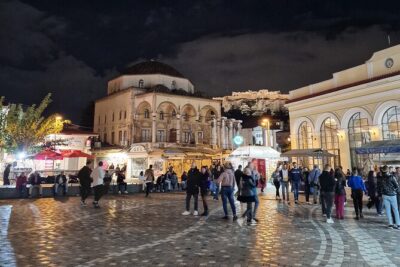
- Start at Monastiraki Square: Meet in front of the little church, with easy access from the green or blue metro lines.
- Taste more than 18 Greek specialties: Expect pastries, yogurt, coffee, market foods, deli products, sweets, and a final mezze-style stop.
- Explore the Varvakios Market: This working food market adds meat, fish, fruit, vegetables, and local shopping culture to the tasting route.
- Try traditional Cretan products: Cheese, olives, rusks, olive oil, Greek wine, and raki bring a regional angle to the Athens walk.
- Small groups help: A maximum of 10 people makes it easier to hear the guide and ask questions.
- Plan for a full stomach: Several people found the portions more generous than expected, so eat very little beforehand.
Why this Athens food tour works so well
Athens is easy to admire from its ancient monuments. It is just as rewarding to understand through its bakeries, coffee counters, markets, and small food shops. This tour gives you that second view of the city.
The route begins near Monastiraki Square and moves through the central districts on foot. You are not simply handed a plate and told what it is. The guide explains how foods fit into Greek daily life, where ingredients come from, and how local traditions still appear in ordinary shops.
The guides receive especially strong praise for their warmth and storytelling. Names that come up often include Maria, Ioanna, Elias, Eva, Anna, Kostas, Katerina, Phillip, and Manelaos. The exact guide depends on the departure, but the pattern is clear: the experience relies heavily on a friendly host who can connect food with neighborhoods, customs, and local history.
I like that balance. You get a meal, but you also get orientation. By the end, you should have a better sense of what Greek foods are called, where locals shop, and which things you may want to order again.
A few more food tours in Athens worth a look
- Greek Food Walking Tour in Athens
★ 5.0 · 4,740 reviews - Athens: Street Food Tasting Tour
★ 4.9 · 3,343 reviews - Athens: Guided Greek Food Walking Tour with Tastings
★ 4.9 · 2,859 reviews
From Omonia yogurt to old-fashioned Greek coffee
The opening tastings near Omonia ease you into Greek food without asking you to make a big leap. Greek yogurt and traditional pies or pastries provide familiar starting points, but the details make them worth trying in Athens rather than at home.
The traditional pies may include savory or sweet fillings, depending on the stop. One of the signature tastes is mpougatsa, made with delicate fyllo pastry and filled with cheese or cream. The tour visits one of the oldest mpougatsa bakeries, which gives this stop a sense of place that a generic pastry shop cannot match.
The pastry is also a good reminder that Greek food is not only grilled meat and salad. Texture matters. Flaky pastry, creamy filling, tangy yogurt, and crisp sesame bread all appear during the walk.
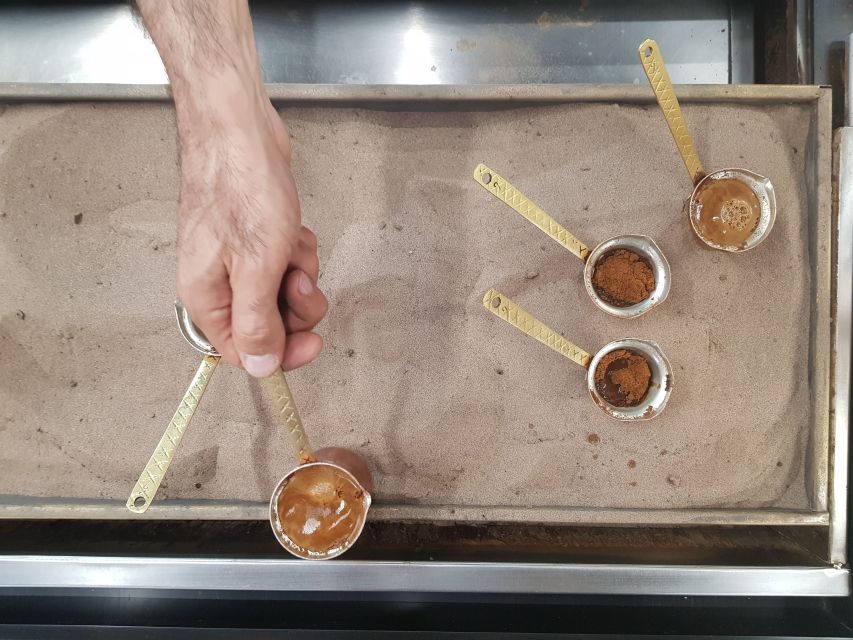
Coffee is another highlight. You may see Greek coffee prepared in a sand-heating bed, an old-style method that drew particular praise. The guide can explain the preparation while you taste coffee from a local favorite that combines traditional technique with newer ideas.
If you normally take coffee with milk or sugar, ask how the Greek version is served before changing it. This is a small but useful cultural lesson, and it gives you a better appreciation of the drink as part of Greek café life.
A close look at Varvakios Market
The Varvakios food market is one of the most useful stops because it changes the pace of the tour. Instead of tasting one finished dish after another, you see the ingredients that support Athens cooking.
The market offers meat, fish, vegetables, and fruit. It is a working commercial point, not a staged attraction built only for sightseeing. That means the atmosphere can be active and crowded, and the experience may feel less polished than a dedicated tasting room. That is also the point.
Your guide helps you make sense of what you are seeing. You can ask about ingredients, buying habits, and the role of fresh produce in Greek meals. The market gives context to later tastings, especially the deli products, olives, cheese, and prepared foods.
You should expect to walk through a functioning market rather than stop for a long meal here. Keep your belongings secure, stay with the group, and wear shoes you can manage on city streets and market floors.
Cretan cheese, olives, rusks, and olive oil
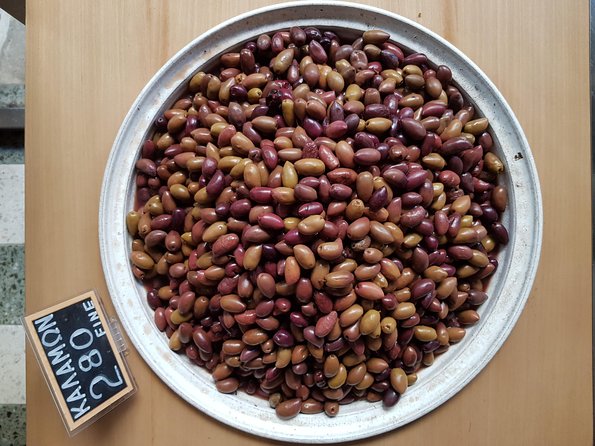
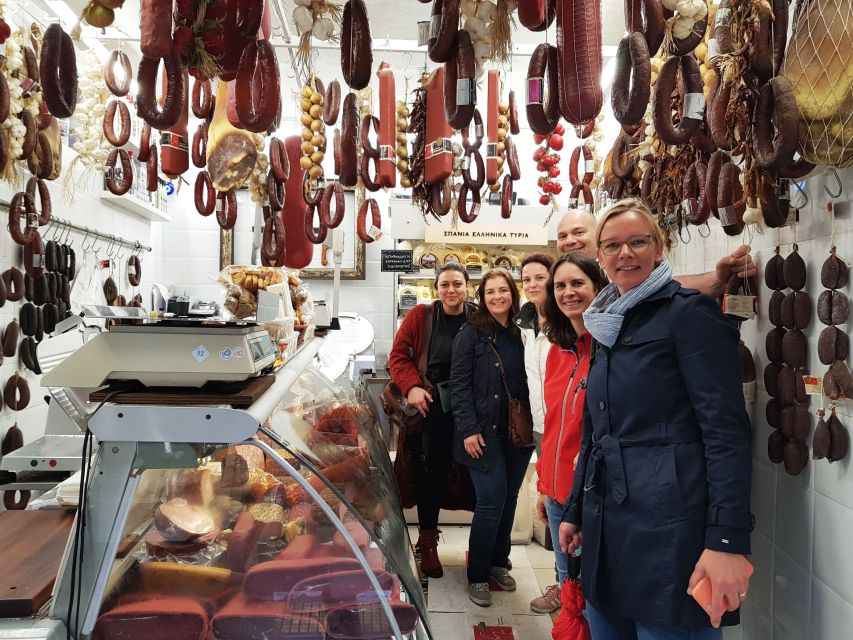
One of the strongest sections moves into regional Greek products, especially foods associated with Crete. You may taste Cretan cheese, olives, rusks, olive oil, Greek wine, and meat delicatessen products at small, historic delis.
This part is valuable because Greece does not have one single food culture. Ingredients and customs vary from island to island and region to region. Cretan rusks, for example, show how a simple preserved bread can become part of a larger meal when paired with olive oil, cheese, or tomatoes.
Olive oil tasting also deserves a little attention. Rather than treating oil as something invisible on the plate, the tour gives it a leading role. You can notice differences in flavor and texture, then understand why good olive oil matters so much in Greek cooking.
The Cretan tasting round ends with raki, a strong spirit linked with hospitality and social occasions. You do not need to be a spirits expert. The point is to understand the custom and enjoy a small taste in the company of the group.
If you do not drink alcohol, tell the guide. The tour description specifically asks you to report allergies and digestive disorders, and it is sensible to mention dietary concerns before the tastings begin.
Same city, a different table:
- Small Group Greek Traditional Food Tour in Athens 20+ Tastings
★ 5.0 · 1,759 reviews - Athens: Food Market Visit and Cooking Class with Wine
★ 4.9 · 1,087 reviews - Athens Authentic Greek Food Walking Tour (Small Group)
★ 5.0 · 809 reviews - Athens Greek Food Tour Small-Group Experience
★ 5.0 · 802 reviews
The foods you might not find alone
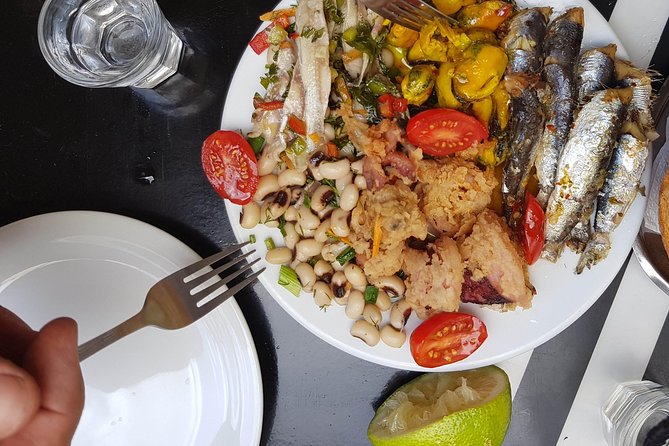
Several stops are chosen because you might walk past them without knowing what to order. That is one of the best reasons to take the tour early in your Athens stay.
A guide can point out the difference between a familiar tourist-facing food stop and a place used for ordinary local shopping. You can also learn the Greek names for foods, which makes later restaurant visits less intimidating.
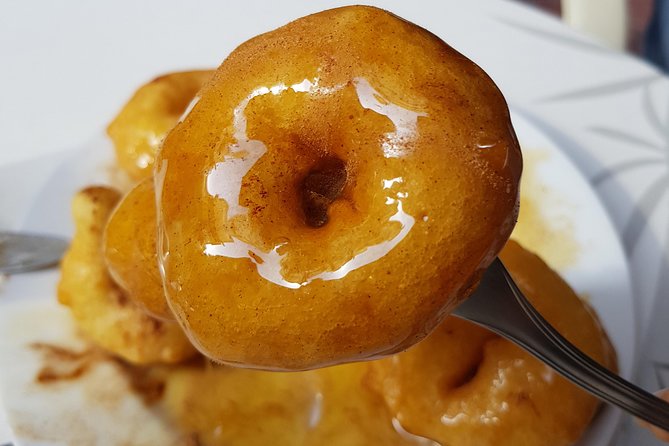
One guest particularly enjoyed Greek donuts, yogurt, and coffee. Another appreciated receiving suggestions for authentic Greek foods to buy as gifts. Those details show how the tour can keep helping after the final tasting. If a particular olive oil, rusk, cheese, or sweet catches your attention, you will have a better chance of finding something similar later.
The tour also includes koulouri, a ring-shaped sesame pastry that is a common Greek snack. It is simple, portable, and useful for understanding the everyday side of Athenian food. Not every important food experience needs to be elaborate.
Goat milk ice cream with a Greek twist
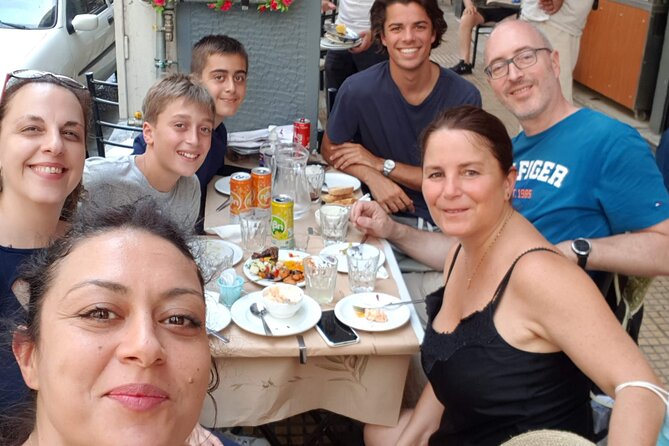
Goat milk ice cream is one of the more unusual stops. It uses a traditional Greek recipe but is presented in an inventive way, giving you a dessert that may be unlike the standard flavors at home.
This stop helps keep the tour from becoming a parade of predictable items. You get familiar foods such as yogurt and pastry, then something more unexpected. For a group with mixed tastes, that variety matters.
The guide can explain how the ingredient and preparation connect to Greek tradition. You may like the flavor immediately, or you may find it more distinctive than conventional dairy ice cream. Either response is useful. A food tour should give you a chance to try something without needing to order a full serving.
Ending with mezze, tsipouro, and a very full stomach
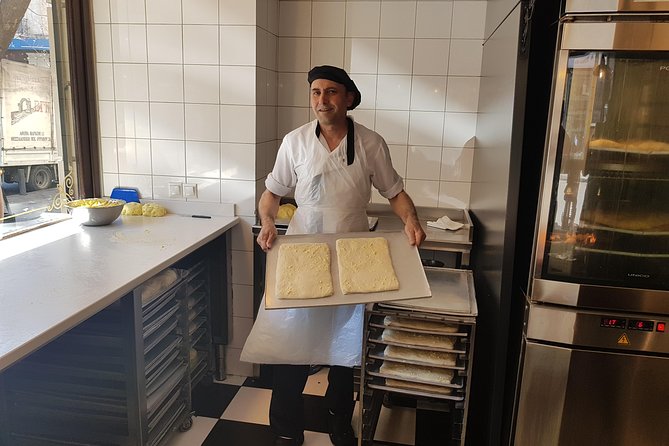
The final stage introduces the Greek habit of sharing mezze with tsipouro. Mezze is not one fixed dish. It is a social way of eating, with several small plates placed together for the table.
This is where the separate tastings start to feel like a meal. You have already sampled pastries, dairy, market goods, deli products, sweets, and bread. The final shared food adds a relaxed ending and gives the group time to talk.
Several people found the included food more generous than expected, and some described leaving very full. Take that seriously. The best strategy is to eat a light breakfast or lunch before the tour, not arrive completely empty, and keep water nearby.
The bottle of water is included, along with all food sampled during the experience. Drinks beyond what is part of the tasting are not clearly included, so ask the guide if you want anything extra.
Walking, timing, and the small-group advantage
The tour lasts about three to three and a half hours. That is long enough to cover several neighborhoods and food traditions without taking your entire day.
You will walk between stops, and the route includes markets and central city streets. Comfortable shoes are essential. Sunscreen and a hat are also wise, particularly in the warmer months, since parts of the walk take place outdoors.
Groups are limited to 10 people. That makes a real difference during tastings. You are less likely to lose the guide in a crowded market, and you have more room to ask about ingredients or customs.
The tour is listed as wheelchair accessible, but the market and street conditions can still make movement more complicated than in a modern indoor venue. If you use a wheelchair, contact the provider before booking so you can confirm the route and any current access details.
English and German tours are available. The guide’s personality matters here, and past departures have included guides such as Ioanna, Maria, Elias, Eva, Anna, and Kostas. The best guides do more than name each food. They explain why it matters and make the walk feel social rather than instructional.
Is $80 a fair price?
At $80 per person, this is not a cheap way to grab lunch. It is a guided food walk with more than 18 tastings, a market visit, a bottle of water, and a final shared meal or mezze-style experience.
The value improves if you would otherwise spend money sampling several bakeries, delis, cafés, and restaurants on your own. You also avoid the risk of ordering unfamiliar foods without knowing what they are or which places are worth your time.
The price is harder to justify if you already know Athens well, prefer to choose every dish yourself, or mainly want one large meal. You are paying for access to a sequence of tastings and for the guide’s local explanation, not just for the food itself.
I consider it good value for a first or second day in Athens. The route helps you get oriented, and the food vocabulary can improve the rest of your stay.
Who should book this experience?
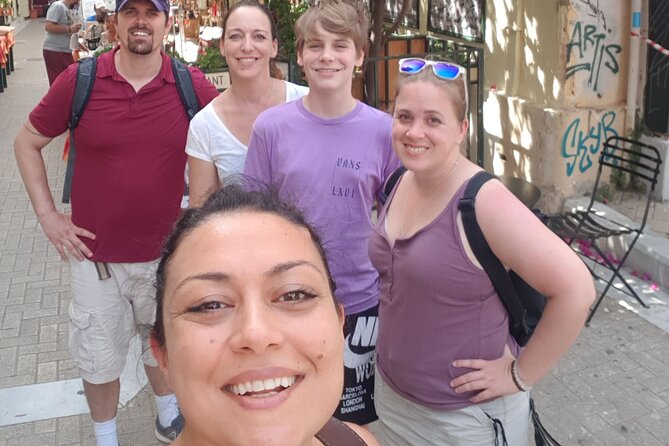
I would recommend it to first-time visitors, curious eaters, couples, solo visitors, and families with older children. One family reported that even three picky eaters, ages 13, 20, and 23, tried everything and enjoyed the tour.
It is also a strong choice if you want food plus neighborhood context. The walk includes architecture, city streets, market life, and cultural stories, so you are not sitting indoors for three hours.
You may want to skip it if you dislike group activities, have strict dietary restrictions that cannot be accommodated, or find long walks tiring. Tell the provider about allergies and digestive disorders in advance. The tour can be flexible in spirit, but the published information does not promise a fully customized menu.
Book it near the beginning of your Athens visit if possible. You can use the guide’s food suggestions, learn the Greek names of dishes, and return to favorite shops later.
Practical details before you go
Meet at Monastiraki Square, in front of the little church. The green and blue metro lines provide access to the meeting point.
Wear comfortable shoes, sunscreen, and a hat. Bring an appetite, but do not eat a large meal beforehand.
The tour is led in English or German and is limited to 10 participants. Hotel transfers and admission to museums or archaeological sites are not included, so plan your own way to and from the meeting point.
You can cancel up to 24 hours before the tour for a full refund, and the reserve-now, pay-later option gives you some flexibility when arranging your Athens schedule.
Should you book the Athens Classic Food Tasting Tour?
Book it if you want a friendly, food-centered introduction to central Athens and are happy to walk, taste widely, and share a table with a small group.
I especially recommend it for an early visit, when you still need help with Greek food names and local eating customs. The Varvakios Market, old mpougatsa bakery, Cretan tasting, sand-prepared coffee, goat milk ice cream, and final mezze give the tour enough range to feel like more than a standard pastry crawl.
Skip it if you want a quiet private meal or have little interest in trying unfamiliar foods. For most curious eaters, though, $80 buys three useful hours, a very full stomach, and a better sense of how Athens eats.
FAQ
Where does the Athens Classic Food Tasting Tour meet?
The meeting point is Monastiraki Square, in front of the little church. You can reach it using the green or blue metro line.
How long does the food tour last?
The tour lasts approximately 3 to 3.5 hours. Starting times vary, so check availability when booking.
How many foods will I taste?
The experience includes more than 18 Greek delicacies. Tastings can include yogurt, traditional pies, mpougatsa, Greek coffee, Cretan cheese, olives, rusks, olive oil, Greek wine, koulouri, goat milk ice cream, and mezze.
Is food included in the price?
Yes. All food tasted during the tour and a bottle of water are included. Hotel transfers and entry to sites or museums are not included.
Is the tour available in English?
Yes. Live tours are offered in English and German.
Is the tour wheelchair accessible?
Yes, the activity is listed as wheelchair accessible. Since the route includes city streets and the Varvakios Market, contact the provider if you need specific access information.
What should I bring to the tour?
Wear comfortable shoes and consider bringing sunscreen and a hat. Inform the provider about allergies or digestive disorders before the tour.
Just added in Athens
- Classic Athens Food Tour with Local Drink & Market Visit★ 5.0 · 34 reviews
- Best Food Tasting Tour of Athens, taste 18+ iconic Greek foods!★ 5.0 · 448 reviews
- Taste of Athens Small-Group Food Tour★ 5.0 · 33 reviews
- The Greek Food Experience (Max 8 persons)★ 5.0 · 181 reviews
- Greek Gastronomy & Wine Pairing Cruise with a Sommelier in Athens★ 5.0 · 120 reviews
- Athens Street Food Tour: Explore City’s Iconic Eateries★ 5.0 · 155 reviews
- Athens: The Classic Food Tasting Tour★ 5.0 · 106 reviews
- Private Athens Morning Food Tour (15+ tastings) – Best Seller★ 5.0 · 25 reviews
Athens Food Tours, compared.


Small Group Greek Traditional Food Tour in Athens 20+ Tastings
Read our review →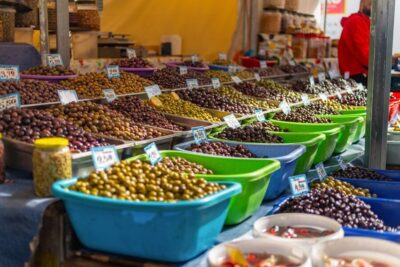
Food Market Visit and Cooking Class with Wine
Read our review →
Athens Authentic Greek Food Walking Tour (Small Group)
Read our review →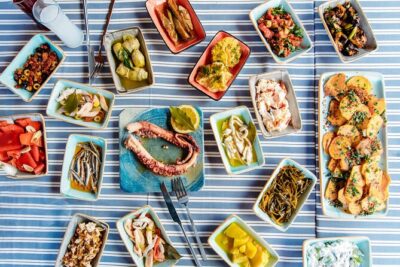
Browse the lists this tour appears in