
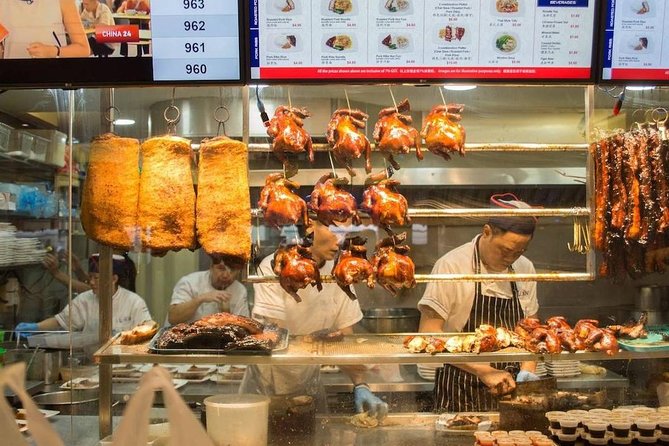
REVIEW · SINGAPORE FOOD TOURS
Small Group: Michelin and Local Hawker Food Tour with 9 tastings
Singapore eats best at a shared table. This 3.5-hour Chinatown tour links Michelin Guide-listed and Bib Gourmand hawker stalls with stories about the city’s food traditions. I like the small group of up to 10 people and the way guides such as Vincent, Swee Lin, William, Lisa, and Jon add local history instead of simply handing you plates. I also like that the food is ordered ahead, which can save you from long queues at popular stalls.
The main drawback is the fixed menu. You cannot customize every dish for allergies or preferences, and some foods may contain pork, lard, seafood, peanuts, or soy sauce. The portions can also be much larger than sample bites, so arrive hungry and plan for a serious late-morning meal.
Key things to know before you book
- Nine to 10 tastings can amount to a full meal: This is not a quick nibble tour. Several people finish comfortably full.
- The group is capped at 10: That makes it easier to hear the guide and share dishes around a table.
- The food is tied to Michelin recognition: You can try dishes from Michelin Guide-listed and Bib Gourmand hawker stalls, including the famous Hawker Chan area.
- The tour covers several Chinatown food zones: You visit Chinatown, Maxwell Food Centre, South Bridge Road, Sago Street, and Chinatown Complex.
- The guide handles the confusing parts: An assistant may secure tables and help order food before the group arrives.
- Come ready to walk in heat or rain: Comfortable shoes, water, and a poncho or umbrella are sensible.
Why this Chinatown food tour works
Singapore’s hawker centers are easy to admire and surprisingly easy to misunderstand. A food center may look like one large dining hall, but it is really a collection of independent stalls, each with its own specialties, customs, and queue patterns. The best dish may not be the stall with the longest line.
That is where this tour earns its keep. For $79.28 per person, you receive a guided food and cultural walk lasting about three and a half hours, with nine to 10 local tastings and drinks included. You are paying for the food, but also for the route, ordering help, table organization, and explanations that can turn a confusing meal into a relaxed one.
I especially like the small-group format. A maximum of 10 people is small enough for the guide to answer questions and keep the group together, yet large enough to make shared tasting plates practical. Several guides also use an assistant to order ahead or prepare tables, which helps the group avoid wasting time in queues.
The experience is a good first-day activity. It gives you an introduction to Chinatown, familiarizes you with hawker-center etiquette, and helps you learn which foods you may want to seek out later. You should not expect a quiet restaurant meal. You will be eating in public food halls and walking between stops, with the sounds, heat, and movement that come with Singapore’s everyday dining culture.
More street food tours in Singapore:
- Small Group: Singapore Street Food & Night Tour with 9 tastings
★ 5.0 · 1,240 reviews - Singapore: UNESCO Street Food & Cultural Experience
★ 5.0 · 524 reviews - Singapore: Guided Street Food Tour at Night
★ 4.5 · 393 reviews
Starting at 9:30 am on New Bridge Road
The tour begins at 133 New Bridge Road at 9:30 am. Arrive 15 minutes early. The operator is strict about punctuality, and the tour is not extended for late arrivals. There are no refunds for no-shows or late arrivals, so allow extra time to reach the meeting point.
The early start has one clear advantage: food centers are often less crowded than they become later in the day. That can make it easier to move between stalls and find seats. It also helps with the famous stalls, where queues can grow quickly.
The tradeoff is breakfast. Michelin-recognized hawker food at 9:30 am may sound like a fine idea, but you need to be ready for a substantial meal so early in the day. One practical rule is simple: skip breakfast or eat very lightly. Some portions are full plates rather than tiny tastes.
Bring water. Singapore is warm and humid, and the tour includes outdoor walking. The experience operates rain or shine, so carry a poncho or umbrella. Casual clothing and comfortable footwear are the sensible choices.
Chinatown sets the table
The first part of the experience introduces Chinatown as a place where Singapore’s many food traditions meet. The tour’s food focus includes Chinese, Malay, Indian, Western, traditional, and modern influences, showing how hawker culture reflects the city’s mixed population.
This is more useful than a list of dishes. You begin to see why Singaporean food does not fit into a single category. A meal can move from noodles to rice, fruit, coffee, soup, or pastry, with each stop connected to a different community and cooking tradition.
The guide also adds context about early immigration, the growth of hawker centers, and the way Singapore’s food habits have changed. Guides such as Swee Lin are praised for connecting food with the city’s changing society, while William is noted for explaining both the dishes and the history of the hawker centers.
Expect the guide to talk while you walk and again at the food stops. This makes the tour more than a meal plan, but it also means you should be comfortable listening in an active public place. If you want a slow, quiet food tasting with lots of time for photography, this may feel busy.
Maxwell Food Centre and the practical side of hawker dining
Maxwell Food Centre receives about an hour of the route. This is one of the most useful stops because it lets you experience the scale and rhythm of a major Singapore food center.
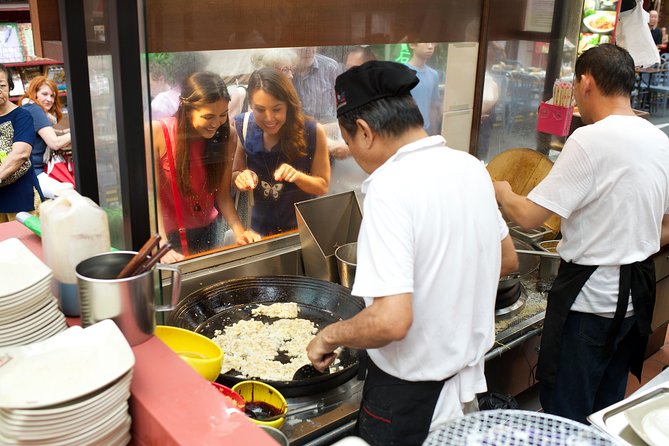
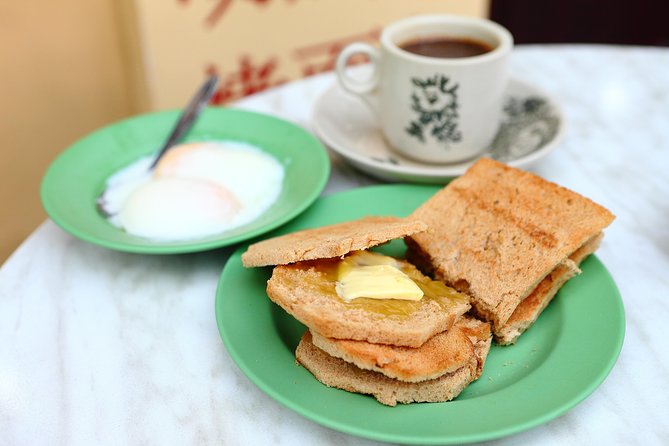
You can expect a range of hawker dishes and drinks served in a shared setting. The exact menu can vary, but the tour promises nine to 10 local tastings across the experience. Past menus have included favorites such as chicken rice, laksa, local coffee, and tropical fruit. One guide made a point of offering rambutan, jackfruit, and another less familiar fruit, along with explanations about how the fruit grows.
The food is generally served for sharing. That gives you a chance to try more dishes than you could reasonably order alone, but it also means you may not control every ingredient on your plate. The menu is fixed and is not customizable for individual dietary needs.
The ordering system is a major practical benefit. An assistant may go ahead, place orders, and prepare seating before the group arrives. That can spare you the common first-time problem of standing in a crowded hall, trying to decide what to order while a queue grows behind you.
Do not assume every stall will be visited simply because it is famous. The guide chooses the stops and organizes the meal. The value is in getting a planned selection without having to research each center in advance.
More gourmet food tours in Singapore:
- Bateaux Parisiens Seine River Gourmet Dinner & Sightseeing Cruise
★ 4.5 · 6,930 reviews - Authentic Parisian Gourmet Food Tour with 10 Local Dishes & Wines
★ 5.0 · 4,754 reviews - San Francisco Super Saver: Muir Woods & Wine Country w/ optional Gourmet Lunch
★ 4.5 · 3,352 reviews - Queenstown: Walter Peak Gourmet BBQ & Lake Whakatipu Cruise
★ 4.8 · 2,713 reviews
South Bridge Road links food with Chinatown’s past
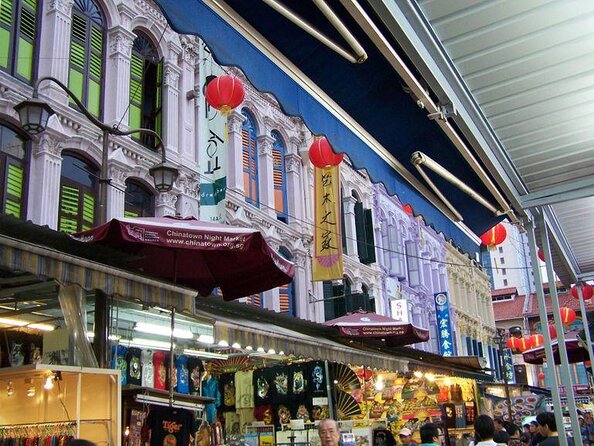
The walk along South Bridge Road lasts about 30 minutes and shifts the focus from eating to the built setting around you. You pass historic shophouses, traditional stores, and places connected with Chinatown’s cultural life.
This pause matters. Without it, the tour could become a succession of plates with little sense of place. Walking between meals gives the guide room to explain how the neighborhood developed and how food, trade, migration, and daily life became linked.
It is also a useful break for your appetite. Nine or 10 tastings over three and a half hours require some pacing. You are not expected to race through every dish, but you should listen to the guide’s advice about how much to take at each stop.
There is a moderate amount of walking, including time outdoors. The tour is not suitable for people who need walking assistance. Most people age seven and above can participate, and the experience has worked for families with children, grandparents, and even a baby, but the group still needs to stay on schedule.
Sago Street and the Street of the Dead
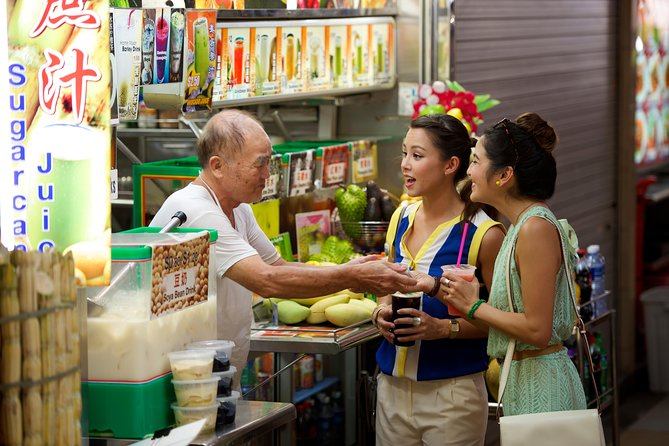
Sago Street receives a shorter visit of about 15 minutes. The guide explains its connection with early immigrants and its grim former nickname, the Street of the Dead.
This stop gives the food tour a human side. Chinatown was not built only around restaurants and shopping. Its streets also tell stories about the difficult conditions faced by early arrivals and the communities that formed around work, faith, lodging, and food.
You will have a chance to take photographs and hear local stories before moving on. It is not a long historical lecture, and the stop will not satisfy someone looking for a full heritage tour. But it adds useful context to the food centers nearby.
The tour works best when you treat these short walks as part of the meal. The guide is not just moving you from one stall to another. The route explains why this part of Singapore has the food culture it does.
Chinatown Complex and the Hawker Chan connection
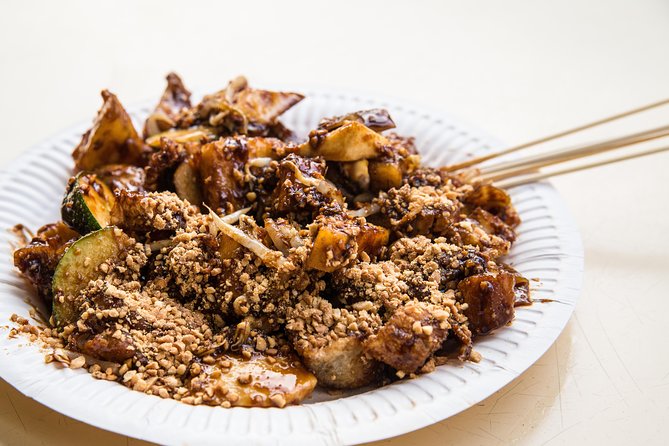
The final food-focused area is Chinatown Complex on Smith Street, where the tour ends. This stop includes Chinatown Street Market and the wider hawker setting associated with famous local dishes, including the well-known Hawker Chan stall.
The Michelin connection is appealing, but keep your expectations sensible. Michelin recognition does not mean you are entering a formal restaurant or receiving a luxury meal. Here, the appeal is the opposite: respected food prepared in an everyday hawker setting, often at prices far below restaurant dining.
The tour’s value comes from tasting several recognized and local foods in one organized outing. You avoid spending your limited holiday time finding the right level, locating each stall, waiting in line, and working out how much to order. The guide and assistant may also arrange seating, which is especially helpful in a crowded complex.
This final stop is only listed for about 15 minutes, so it is not meant to be a long independent visit. If you want more time at Chinatown Complex, plan to return after the tour. The experience ends there at 335 Smith Street, giving you a convenient point from which to continue exploring on your own.
What the food experience is really like
The strongest part of the tour is variety. You are not committing to one bowl of noodles or one plate of rice. You get a broad look at Singapore’s everyday food, with drinks and sometimes fruit included.
The portions deserve special attention. Several people find themselves full before the final dishes. That is good value if you arrive hungry, but it can be wasteful if you expect miniature samples. Share carefully, take small portions at first, and do not feel obliged to finish every plate if you are already satisfied.
Spice is generally manageable because some dishes may come with extra seasonings or chili that you can add yourself. Still, you should ask the guide about ingredients before eating if you have a serious allergy.
The fixed menu is the tour’s biggest limitation. Some food may include pork or lard, along with seafood, peanuts, soy sauce, or other ingredients. One participant with gluten intolerance received some help from a guide, and a shrimp ingredient was easy to leave aside in one dish, but you should not treat that as a guarantee of safe substitutions.
If you have a serious allergy, strict religious dietary rules, or a strong aversion to particular ingredients, contact the operator before booking. The supplied information specifically recommends asking about a private tour for a more personalized experience.
The guides make the difference
The food is important, but the guide shapes the day. The strongest guide comments focus on clear explanations, good organization, warmth, and local pride.
Vincent is praised for discussing hawker history, Chinatown, and practical ways to get around Singapore. Lisa receives credit for helping people feel more confident using hawker centers instead of relying only on restaurants. William is noted for combining food explanations with history and island-wide advice.
Swee Lin brings an especially personal style to the experience. She is described as taking pleasure in clean plates, explaining Singapore’s changing food culture, and making families with grandparents and a baby feel comfortable. Jon and Megan are praised for helping the group find stalls that first-time visitors might otherwise miss.
Guide assignments can vary, so you should not book on the assumption that one particular person will lead your tour. Still, the range of strong guide feedback points to a well-organized operation with a clear emphasis on food and culture rather than food alone.
Price, group size, and overall value
At $79.28 per person, the tour is not the cheapest way to eat in Chinatown. You could buy individual hawker dishes for much less if you already know where to go and do not mind navigating the centers alone.
The comparison changes if you value convenience. The price includes a guided route, nine to 10 foods and drinks, local explanations, ordering assistance, and a small group capped at 10. You also avoid the risk of ordering one large dish that you do not enjoy.
I consider it good value for a first visit, especially if you want a cultural introduction rather than a simple lunch. It is less compelling for experienced Singapore diners who already know Chinatown’s food centers and are happy to order independently.
The tour had been booked more than 20 times in the previous week, and it carries a 4.9 rating from 1,891 ratings with 99 percent recommending it. Those figures suggest strong demand, but the practical details matter more: arrive hungry, expect generous servings, and understand the menu limits before paying.
Who should book this experience?
I would choose this tour if you want a guided introduction to Singaporean food, prefer a small group, or feel unsure about ordering at hawker centers. It suits families, older adults who can manage moderate walking, and curious eaters who want both food and local history.
It is also a smart option early in your stay. After three and a half hours, you will know more about Chinatown, recognize several local dishes, and feel less hesitant about returning to a hawker center on your own.
I would be cautious if you have severe allergies, need a fully customized menu, dislike shared plates, or cannot walk outdoors for a moderate period. The tour operates in all weather, begins early, and does not offer refunds for late arrivals or no-shows.
Free cancellation is available when you cancel at least 24 hours before the local start time. Changes made within 24 hours are not accepted.
Should you book the Chinatown hawker tour?
Book it if you want a guided first taste of Singapore’s food culture, with enough variety to make a full meal and enough history to give the dishes meaning. The small group, advance ordering, and mix of recognized and local stalls are the strongest reasons to go.
Skip it if you already know Singapore’s hawker centers, need strict dietary control, or prefer setting your own pace. For most first-time visitors who can eat a broad range of foods, this is a practical and tasty way to get oriented.
FAQ
How long does the Michelin and local hawker food tour last?
The tour lasts approximately 3 hours and 30 minutes.
What time does the tour start?
The tour starts at 9:30 am. You should arrive at the meeting point 15 minutes early.
Where does the tour begin?
The meeting point is 133 New Bridge Road, Singapore 059413.
Where does the tour end?
The tour ends at Chinatown Complex, 335 Smith Street, Singapore 050335.
How many food tastings are included?
The tour includes nine to 10 local hawker food and drink tastings.
Does the tour include Michelin Guide food?
Yes. The route includes tastings at Michelin Guide-listed and Bib Gourmand hawker stalls, including the Chinatown area associated with Hawker Chan.
Is the menu suitable for food allergies?
The food is fixed and cannot be customized for individual dietary needs. Some dishes may contain pork, lard, seafood, peanuts, or soy sauce. Contact the operator before booking if you have serious dietary restrictions.
Is the tour suitable for children?
Participants must be at least seven years old. Most people can participate, but the tour includes moderate walking and is not suitable for anyone who requires walking assistance.
What happens if it rains or I arrive late?
The tour operates rain or shine, so bring a poncho or umbrella. Late arrivals do not receive an extended tour or a refund, and you should arrive early at the designated meeting point.
Just added in Singapore
- Street Food, Cultural & Historical Tour of 3 Ethnic Quarters★ 5.0 · 23 reviews
- Singapore: Local Street Food Tasting Tour★ 4.8 · 36 reviews
- Singapore: Private Food Tour – 10 Tastings with Locals★ 4.7 · 194 reviews
- Singapore: Guided Street Food Tour at Night★ 4.5 · 393 reviews
- Singapore: Chinatown Hawker Guided 8-Dish Tasting Tour★ 4.9 · 41 reviews
- Singapore: Local Hawker Food Tour with Tastings★ 4.7 · 181 reviews
- Singapore: Foodie Experience Guided Tour with 5 Tastings★ 4.7 · 291 reviews
- Singapore: Hawker Culture Food Tour and Sightseeing★ 4.8 · 23 reviews
Street Food Tours, compared.
Ho Chi Minh City Street Food Tour & Sightseeing By Motorbike
Read our review →
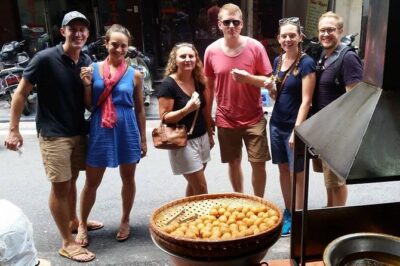
Small Group Hanoi Street Food Tour with a Real Foodie
Read our review →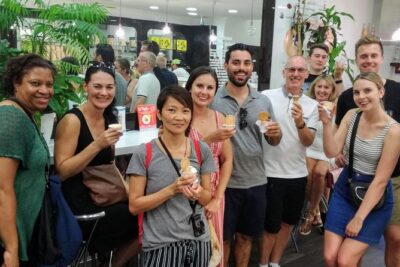
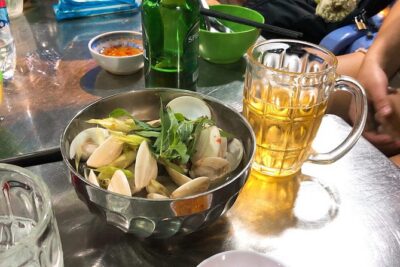
Saigon By Night and Street Food By Motorbike | Opt: Ao Dai Riders
Read our review →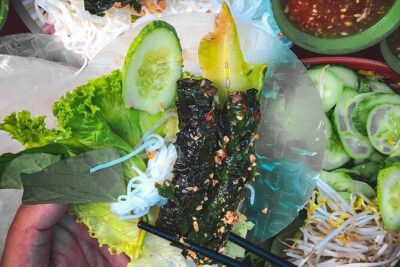
Private Street Food Tour by Motorbike/Car with Local Students
Read our review →
Cinque Terre Park Day Trip with Optional Street Food
Read our review →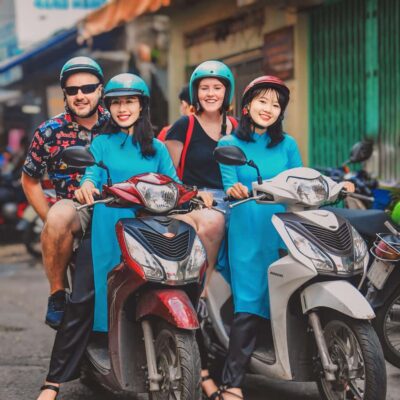
Street Food Tasting & Sightseeing Tour by Motorbike
Read our review →Browse the lists this tour appears in