
REVIEW · ATHENS FOOD TOURS
Athens Shore Excursion: Small-Group Food Tour
Athens tastes better away from the monuments. This four-hour walking tour takes you from Piraeus into central Athens for market visits, Greek snacks, neighborhood food shops, and a final gyro-style meal. I like the local-market focus and the chance to see everyday Athens beyond the Acropolis circuit. I also like the port pickup and return, a major help when your day is tied to a cruise schedule. The main drawback is the amount of walking, sometimes at a brisk pace, and the food can feel more like a long line of tastings than a formal lunch.
Come hungry. You may sample koulouri, pastries, olives, oils, herbs, meats, seafood, wine, and other Greek specialties before sitting down for a larger meal. Guides such as Eva, Artemis, Theo, Fotis, Nike, Katerina, and Orestis have been praised for adding history, food culture, and personal stories along the way. Still, stay close to your guide: one group found it hard to hear commentary while walking, and another had trouble keeping up.
Key points at a glance
- Varvakeios Market is the visual heart of the tour: Expect stalls filled with meat, fish, fruit, vegetables, herbs, and spices.
- The food comes in many small chapters: Koulouri, loukoumades, olive products, café fare, market samples, and a substantial gyro stop may all appear.
- Port transfers make this practical for cruise passengers: Pickup and return to Piraeus are included, though you should confirm the return time carefully.
- The walking reveals ordinary Athens: Back streets, specialty food shops, local cafés, and working markets replace a standard Acropolis sightseeing route.
- You get free time in Plaka afterward: This can be used for cafés, shopping, the Acropolis area, or the Acropolis Museum.
- Bring good walking shoes and an appetite: The route may cover roughly 3.5 to 4.5 miles, with limited stairs but plenty of time on your feet.
From Piraeus to the food streets of Athens
The morning begins at 8:45 am at Piraeus Port. A round-trip transfer is included, which is one of the strongest practical features for anyone arriving by cruise ship. You do not need to work out the metro, find a taxi in an unfamiliar port, or worry about getting back to the ship on your own.
The ride takes you from the port to the starting point of the walking tour in central Athens. After the food walk, you receive free time in Plaka before meeting transportation for the return to Piraeus. This split format works well because you get a guided food experience first, then time to explore at your own pace.
Pay attention to the return instructions. One group had a few hours between the end of the walk and the scheduled pickup, while another found the pickup point some distance from the final stop. A guide helped arrange a taxi when timing became tight. The lesson is simple: confirm the exact pickup time and place before you set off for independent sightseeing.
The tour is offered in English and includes a guide, food and drink samples, an Athens map, and an Athens guide magazine. Most people can participate, but this is not a sitting tour. Comfortable shoes, sunscreen, and a hat are sensible choices, particularly in warm weather.
A few more food tours in Athens worth a look
- Barbados Shore Excursion: Walking Food Tour
★ 5.0 · 51 reviews - From Penneshaw: Kangaroo Island Shore Excursion Tasting Tour
★ 4.5 · 23 reviews
A walking tour built around everyday Athens
This is not a monument-heavy morning. You may pass historic buildings and learn about Athens as you walk, but the main subject is food and the people who sell it.
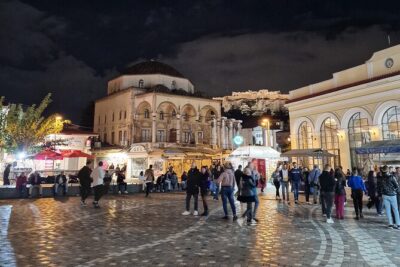
That makes the tour a useful choice if you have already seen the Acropolis or want a second look at the city. The route moves through parts of central Athens that many first-time visitors would miss on a standard sightseeing loop. You may see back streets, small shops, food stalls, cafés, and neighborhoods where shopping and eating are part of daily life.
The walking also gives the food context. Greek cuisine is not only a plate of moussaka or a Greek salad at a restaurant. It includes the bread bought in the morning, the herbs and spices chosen at the market, the olive oil used at home, the pastry eaten with coffee, and the meat or fish selected for a family meal.
Your guide explains these connections while leading the group from one stop to the next. Fotis was praised for mixing cultural information with sights along the route. Despina brought in the history of Greek food and its links with more recent cultures. Sophie added social history, economics, and a little politics to the food stops.
The quality of the morning depends partly on your guide. Names such as Eva, Artemis, Orestis, Theo, Nike, Katerina, and Fotis come up warmly in the feedback, with particular praise for humor, local insight, kindness, and the ability to keep the group moving. That personal touch is important here because the food itself is only half the experience.
Koulouri, loukoumades, and the Greek morning table
The tour usually begins with lighter foods and builds toward more substantial bites. A sesame-covered koulouri is a classic start. It is the kind of simple street food that gives you a better feel for the city than a hotel breakfast buffet.
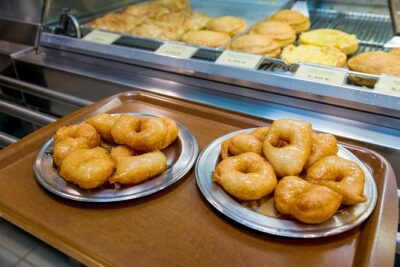
Loukoumades, small syrupy pastries, may appear later among the sweet samples. These help show the broad range of Greek eating, from quick bread on the street to fried sweets and café treats.
The schedule can include around six or seven main stops, and one group counted twelve stops with tastings at eight of them. That distinction matters. You may visit more places than you actually eat at, since some stops focus on looking, smelling, hearing an explanation, or seeing how a shop works.
Expect snack-sized portions rather than a series of full restaurant meals. Still, the total can be surprisingly large. Several people advised skipping a heavy breakfast, especially because the tour may finish with a gyro or another generous savory meal.
One person found the amount of food smaller than expected compared with other food tours. That is fair criticism if you are hoping for a large sit-down lunch. The better way to view the food is as a grazing route, with enough variety to leave you satisfied and plenty to discuss.
Varvakeios Market: meat, fish, herbs, and spice
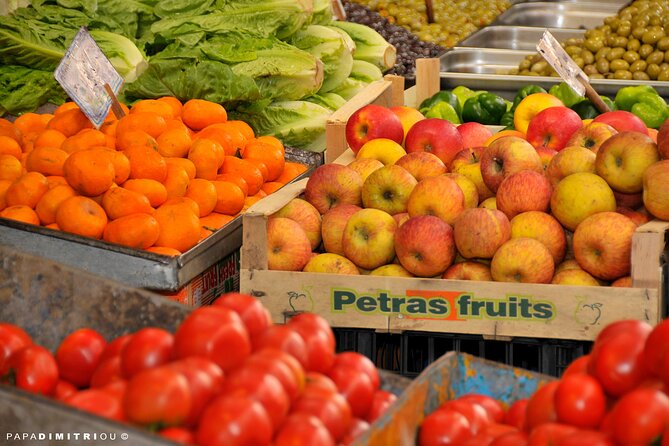
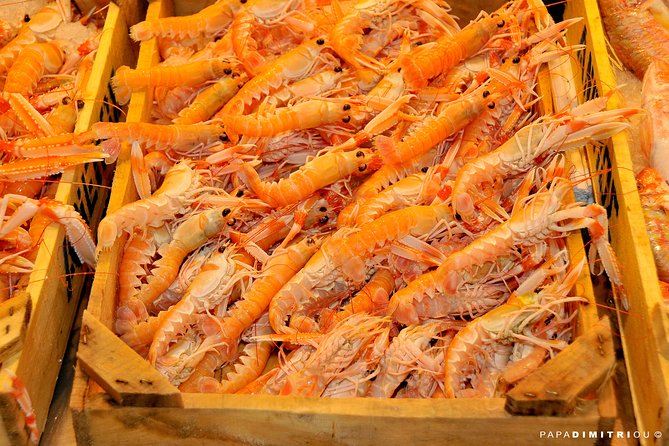
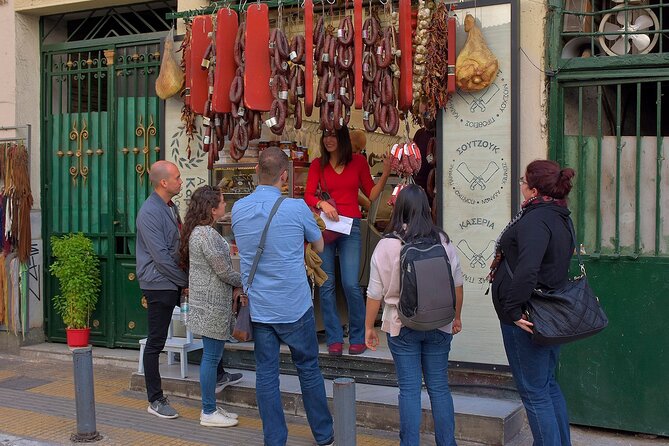
Varvakeios Market is the most distinctive part of the route. Its stalls offer a working view of Athens, not a polished display designed only for sightseeing. You may see meat, fish, fruit, vegetables, herbs, and spices arranged for local shoppers.
The market gives the guide a natural place to explain ingredients used in Greek cooking. You can connect the herbs and spices on the counter with the flavors found in later tastings. The meat and seafood sections also show how much of food culture begins with buying and preparing ingredients, not just ordering a finished dish.
Some people found the meat and fish market especially memorable. Another person loved seeing the market because it felt like a direct look at how Athenians shop. It is worth noting that a market can be intense for some visitors, with strong smells, crowded aisles, and working vendors. If you prefer quiet museums and polished restaurants, this may not be your favorite section.
The route is generally manageable in terms of stairs, but the distance is not trivial. Estimates from the walk put the total at about 3.5 to 4.5 miles, including the return walk to the pickup area after the tour. One guide was criticized for moving too quickly and not always checking whether everyone was still together. If you have a mobility issue, tell the operator in advance and repeat your needs to the guide at the start.
Same city, a different table:
- Greek Food Walking Tour in Athens
★ 5.0 · 4,740 reviews - Athens: Street Food Tasting Tour
★ 4.9 · 3,343 reviews - Athens: Guided Greek Food Walking Tour with Tastings
★ 4.9 · 2,859 reviews - Small Group Greek Traditional Food Tour in Athens 20+ Tastings
★ 5.0 · 1,759 reviews
Specialty shops and the olive-oil stop
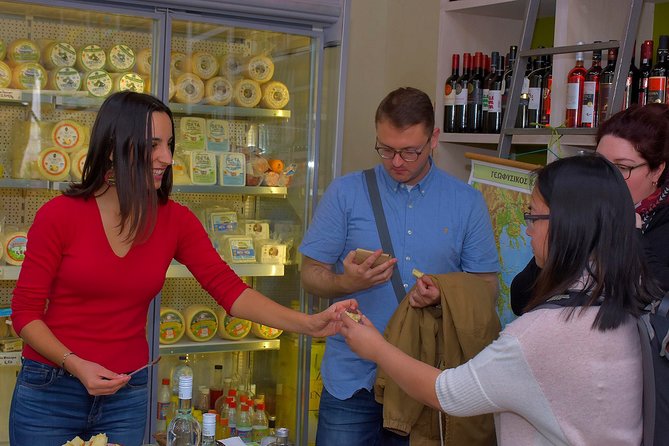
Food shops add a more personal side to the market visit. Instead of only looking at rows of ingredients, you may stop at places specializing in olive oil, spices, cured foods, or other Greek products.
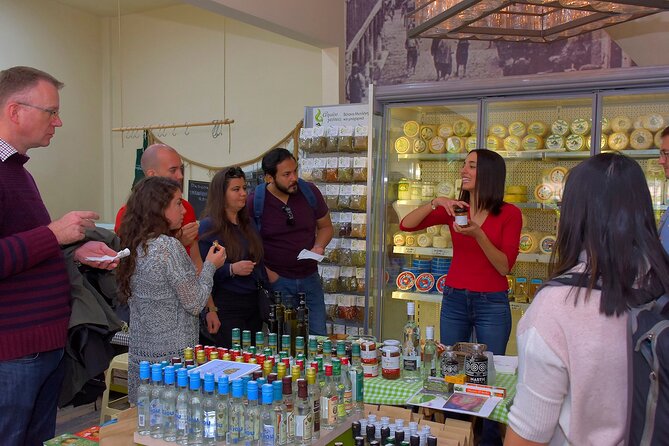
The olive-oil shop has been a favorite stop for good reason. One visit included the owner and creator, who explained the products and shared information about small Greek businesses represented in the shop. That kind of encounter can turn a tasting into a useful lesson about producers, regional foods, and the role of olive oil in Greek meals.
You may also visit spice shops and see products such as relishes and specialty oils. The exact vendors can vary, so do not expect a fixed shopping list. The value is in learning how to recognize and talk about Greek ingredients, then deciding what is worth buying later.
I would not treat this as a dedicated shopping tour. The pace may leave little time to browse, and one group wished for more time to sample cured meats in a specialty shop. If you want to purchase food gifts, ask your guide when you will have a free moment rather than waiting until the final minutes.
Café food, wine, and the final gyro
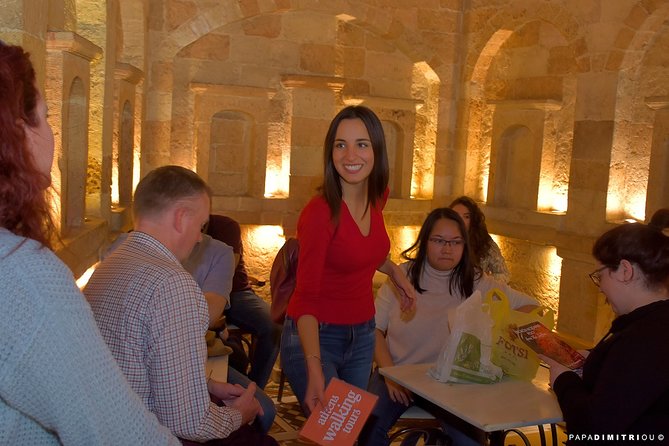
The route may include a café stop with food such as green beans and wine. You may also taste street food, pastries, and small dishes from local shops. These are not necessarily served in the order you would eat them at home, but together they create a picture of Greek eating habits.
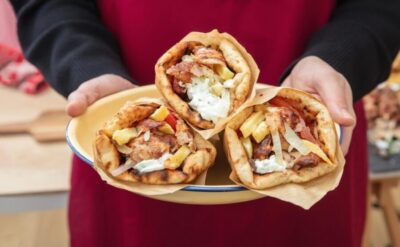
The last savory stop can be a large gyro meal. This is where the morning shifts from sampling to proper hunger control. Several people finished with full stomachs, and the repeated advice was to eat very little before the tour.
The word lunch needs a little care here. Lunch or dinner is listed as not included, but the tour clearly includes numerous food samples, and some accounts describe a substantial gyro stop. In practical terms, you should not plan a separate lunch immediately afterward. At the same time, do not assume you are receiving a conventional restaurant meal with several courses.
This is a good arrangement for a shore excursion. You taste many foods without spending time at one long meal, then still have part of the day available for sightseeing.
Plaka time and the chance to see more
After the guided food walk, you have free time in Plaka. This is one of the most useful parts of the day because it gives you room to follow your own interests.
You might browse shops, stop at a café, walk toward the Acropolis, or visit the Acropolis Museum. One group used the spare time to reach the Parthenon. Another visited the museum, where excavated remains can be seen beneath glass floors.
Do not assume the free time is long enough for every major sight. The excursion is built around food, and your exact return pickup schedule matters. If you want to enter the Acropolis or museum, check opening hours and allow time to reach the meeting point. The tour operator provides an Athens map, which helps with this planning.
Plaka also gives you a gentler finish after the market and walking route. You can choose a quiet café, browse at your own speed, or simply sit down. That flexibility is valuable after a morning that may cover several miles.
What the $133.01 price buys you
At $133.01 per person, this is not a cheap snack walk. The value comes from the combination of port transportation, a four-hour guided food route, tastings, and time for independent exploration.
A cruise passenger would normally pay separately for a taxi into Athens, food, and a guided experience. The included transfer removes much of the transport hassle, and the food stops are spread across several parts of the city rather than concentrated in one restaurant.
The small group also adds value. The tour is described as limited to 14 people, though the additional booking information gives a maximum of 24. Confirm the expected group size when booking if this matters to you. A smaller group is especially helpful in narrow streets and busy food shops, and one group found it ideal for keeping the route manageable.
The price is easier to justify if you want interpretation, not just samples. Guides explain ingredients, food customs, local history, and the city around you. If you only want to eat a gyro and stroll through Plaka, you can spend less on your own. If you want a structured morning with port pickup and a local food guide, the package makes more sense.
The experience is booked an average of 61 days ahead, so popular cruise dates may fill early. Free cancellation is available up to 24 hours before the start time. Changes or cancellations inside that window are not accepted for a refund.
Who should book this Athens food walk
I would choose this tour if you:
- Are visiting Athens from a cruise ship
- Have already seen the headline archaeological sites
- Prefer markets and neighborhood shops to a standard bus tour
- Enjoy tasting several foods instead of sitting through one long meal
- Want a guide to explain what you are eating
- Can comfortably walk several miles
- Like having free time after a structured morning
I would think twice if you need a slow pace, have trouble walking on uneven city streets, or expect a long formal lunch. The pace has not suited everyone, even after mobility concerns were shared in advance. Stay near the guide so you can hear the commentary, and speak up early if the group is moving too fast.
The tour is also less ideal for highly selective eaters. Since the route may include meat, seafood, wine, dairy, pastries, and unfamiliar specialties, tell the operator about food allergies before you go. Do not wait until you are standing at the market.
Should you book the Athens Small-Group Food Tour?
Book it if your idea of Athens includes market smells, sesame bread, olive oil, spice stalls, local cafés, and a generous gyro more than another round of ancient stones. The strongest parts are the food-market route, the variety of tastings, the enthusiastic guides, and the reliable port transfer when the schedule works as planned.
Skip it if you want a slow, seated meal or a compact route with little walking. This is a busy morning on foot, and the experience can vary with the guide and the day’s pace. For a cruise passenger seeking a practical and flavorful look at everyday Athens, though, it offers a useful change from the standard shore excursion.
FAQ
Where does the Athens food tour start?
The tour starts at Piraeus Port at 8:45 am.
Does the tour return to Piraeus Port?
Yes. Round-trip transfer from Piraeus Port and back is included, and the activity ends back at the meeting point.
How long does the experience last?
The food shore excursion lasts approximately four hours, followed by free time in Plaka before the return transfer.
Is food included?
Yes. Food and beverage samples are included. Lunch or dinner is not listed as a separate included meal, though the route may finish with a substantial gyro stop.
How much walking should I expect?
The tour includes extensive walking through central Athens. One estimate placed the total distance at roughly 3.5 to 4.5 miles, with few stairs along the route.
What should I bring?
Wear comfortable walking shoes and dress for the weather. Sunscreen and a hat are recommended.
Can I cancel for a full refund?
You can cancel at least 24 hours before the local start time for a full refund. Cancellations or changes made less than 24 hours before the start time are not accepted.
Just added in Athens
- Classic Athens Food Tour with Local Drink & Market Visit★ 5.0 · 34 reviews
- Taste of Athens Small-Group Food Tour★ 5.0 · 33 reviews
- The Greek Food Experience (Max 8 persons)★ 5.0 · 181 reviews
- Best Food Tasting Tour of Athens, taste 18+ iconic Greek foods!★ 5.0 · 448 reviews
- Greek Gastronomy & Wine Pairing Cruise with a Sommelier in Athens★ 5.0 · 120 reviews
- Athens Street Food Tour: Explore City’s Iconic Eateries★ 5.0 · 155 reviews
- Athens: The Classic Food Tasting Tour★ 5.0 · 106 reviews
- Private Greek Food Tour in Athens★ 5.0 · 56 reviews
Athens Food Tours, compared.
Small Group Greek Traditional Food Tour in Athens 20+ Tastings
Read our review →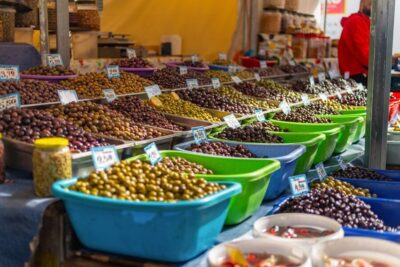
Food Market Visit and Cooking Class with Wine
Read our review →
Athens Authentic Greek Food Walking Tour (Small Group)
Read our review →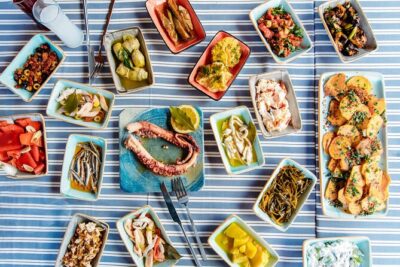
Browse the lists this tour appears in