
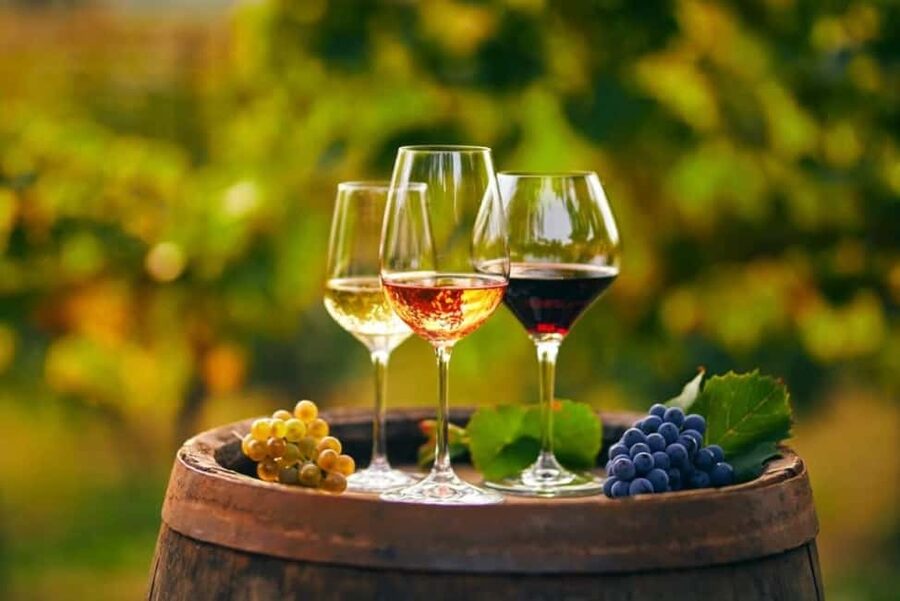
REVIEW · GREECE FOOD TOURS
Chania Area: Food Tasting Tour with Winery Visit
Crete tastes better beyond Chania. This $44 food tour links the island’s oldest olive tree with a bakery, olive grove, cheese maker, and family winery, giving you a useful introduction to everyday Cretan food. I like the generous tasting plates and the chance to meet small local producers. I also like that Linda, the guide praised most often, adds stories about food, culture, and island life.
The main drawback is that the winery feels more like a working production site than a polished boutique cellar. The bus ride can also be bumpy, and pickup details have caused confusion for some people. Still, for the price, this is a strong day out if you want local flavor without renting a car.
Key points to know before booking
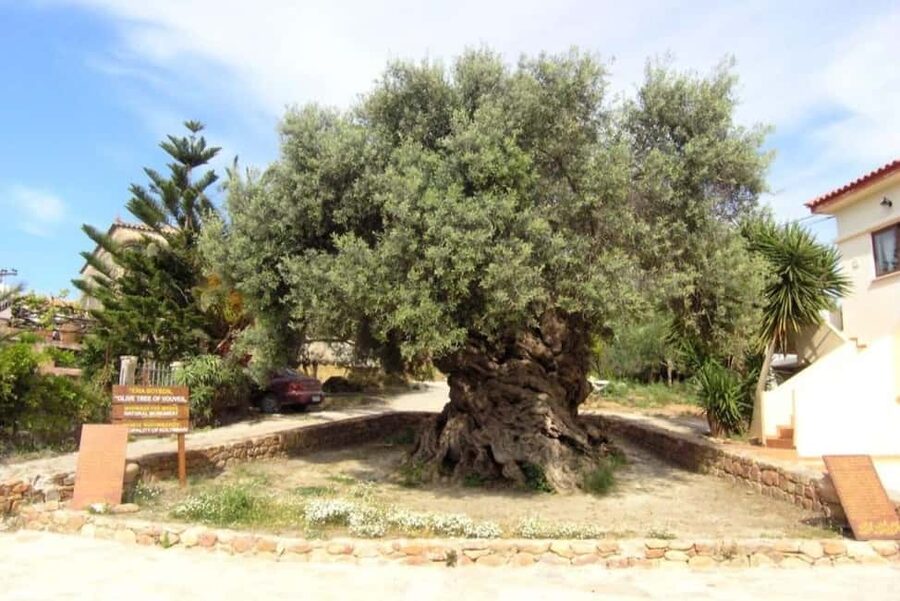
- The oldest olive tree: See the ancient olive tree at Ano Vouves, estimated at 3,000 to 5,000 years old.
- A full tasting day: Try bread, rusks, olive oil, tomatoes, olives, cheese, honey, and several Cretan wines.
- Small local businesses: The bakery, olive grove, cheese producer, and winery give the day a close look at regional food making.
- Linda makes the difference: Her energy, humor, and clear English add much to the time on the bus and at the stops.
- Good value at $44: Transport, guiding, tastings, insurance, and hotel pickup are included.
- Check the pickup carefully: Final pickup details arrive by email one day before departure, and the meeting point may be near rather than directly at your hotel.
Why this Chania food tour is worth your time
Cretan food is simple on paper, but the quality depends on the ingredients. Bread, olives, honey, cheese, and olive oil are not side notes here. They are the foundation of the meal.
That is why I like the shape of this tour. You are not simply seated at a restaurant and handed a plate. You see where several ingredients come from, hear how they are made, and then taste them together. The result is more useful than a standard meal because you learn what to look for later in a market or taverna.
At $44 per person, the value is especially good. A full day of transport around the Chania area, several guided visits, food tastings, wine, and insurance would usually cost much more if arranged separately. You do not get a private tour, and the stops are not all equally refined, but the range of food makes the price easy to justify.
The experience is conducted in English and lasts about seven hours, although the stated pickup and return window can stretch from roughly 8:00 in the morning until between 4:20 and 5:20 in the afternoon. Plan for most of your day to be occupied.
More Wine Tours in Greece
- Athens: Food Market Visit and Cooking Class with Wine
★ 4.9 · 1,087 reviews - Santorini: Wine Tasting Tour with Snacks
★ 5.0 · 693 reviews - From Chania: Olive Oil, Wine, Cheese & Honey Tasting Tour
★ 4.6 · 490 reviews
From Chania to the ancient olive tree at Vouves
Pickup takes place from your hotel or a nearby meeting point. The exact time and location arrive by email the day before, so do not ignore that message. One practical problem has been last-minute changes to meeting points, including occasions when a selected location was moved several times. I would check the details as soon as they arrive and contact the operator quickly if the point seems far away.
The ride uses an air-conditioned luxury bus, with a driver and an English-speaking guide. Reports about the vehicle are generally positive, though one account found the ride bumpy and the air conditioning inconsistent. In Crete, roads beyond the main routes can be uneven, so anyone prone to motion sickness may want to sit near the front and bring water.
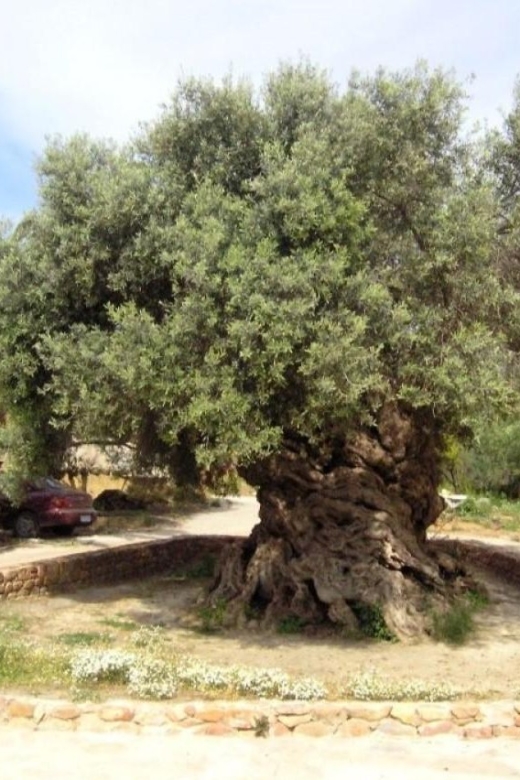
The first major stop is Ano Vouves, home to the ancient olive tree. It is described as the oldest recorded olive tree in the world and is protected as a natural monument. Its age cannot be proven exactly, but estimates range from 3,000 to 5,000 years.
The tree began as a wild olive and was later shaped by human cultivation into the Tsounati variety. Its trunk is the memorable part: time has hollowed and twisted the bole into something that looks more like carved stone than a normal tree. The circumference is about 12.5 meters, with a diameter of roughly 4.6 meters.
You do not need to be an olive oil enthusiast to enjoy this stop. It provides a physical link to the island’s farming past, and it helps explain why olives are so central to Cretan food. The stop is relatively short, so it works best as an introduction rather than a long historical visit.
One person felt the time at the tree could have been shorter. I can see why. If your main interest is food, the tastings later in the day are the real focus. If ancient sites and unusual natural monuments appeal to you, though, the tree gives the tour a memorable opening.
Perivolakia Village and the taste of rural Crete
The tour then continues to Perivolakia Village, where the food portion becomes more hands-on. The schedule allows roughly an hour and 45 minutes here, enough time to visit several local food producers without rushing from one table to the next.
The first stop is a traditional bakery with a wood oven. You get a closer look at how Cretan bread and rusks are made, along with other savory baked goods. Rusks are twice-baked pieces of bread, firm and dry enough to keep well, and they are often used as the base for dakos, a classic Cretan dish topped with tomato, cheese, and olive oil.
This is one of the more useful stops because bakery food can look simple until you see the work behind it. The wood oven also gives the visit a strong sense of place. You are seeing a method tied to village life rather than touring a modern food display.
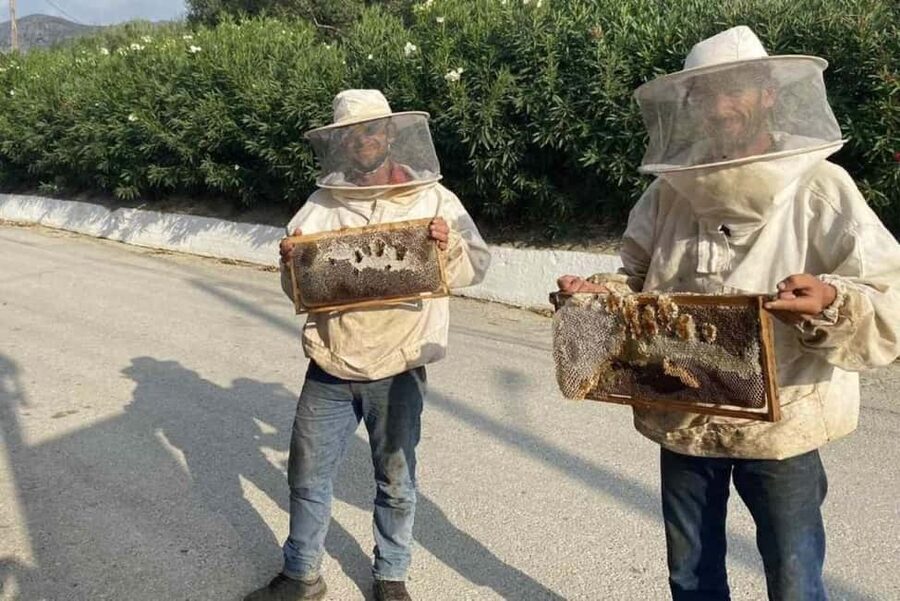
Next comes an olive grove, where the guide explains olive cultivation and the role of the tree in Cretan agriculture. This leads into a lesson about honey and beekeeping. The exact production details will depend on the season and the host, but the point is clear: honey is treated as a local product with its own methods, not just as a sweetener placed on a breakfast table.
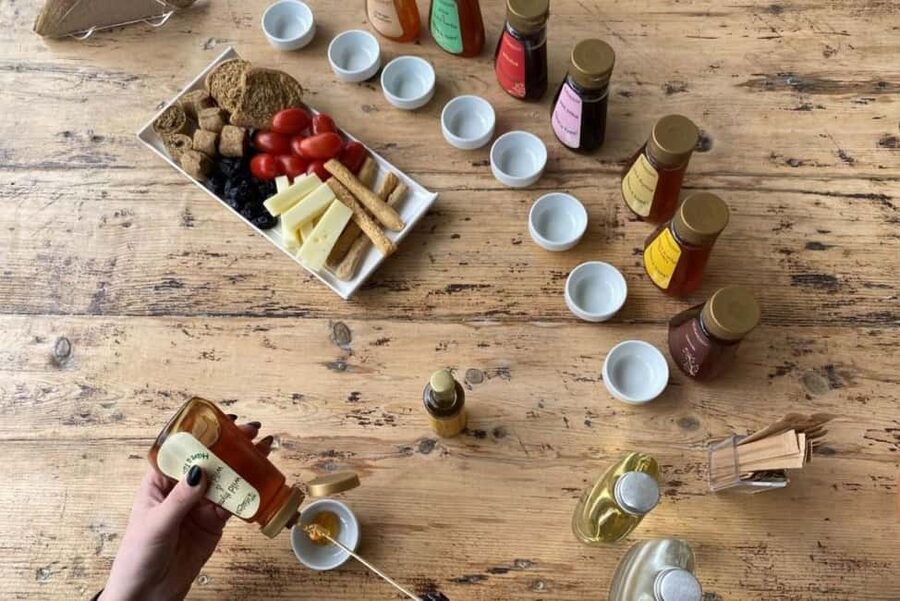
The tasting is generous. Expect combinations of bread, olive oil, honey, olives, tomatoes, and cheese. These are not tiny samples designed to make you hungry for an expensive meal later. The tasting is intended to function as a substantial part of lunch, though exact quantities can vary.
A traditional cheese factory is also part of the visit. If cheese production is taking place, you may be able to enter and see more of the process. If not, the guide explains how the cheese is made before the tasting begins. That seasonal limitation matters. You should not assume that every machine or production room will be operating during your visit.
The best part of Perivolakia is the connection between the explanation and the plate. You learn about honey, cheese, olives, and bread, then taste them together with olive oil and tomatoes. This is the kind of meal that shows why Cretan food does not need heavy sauces or long ingredient lists.
Cretan cheese, honey, and olive oil on one plate
The tasting is the heart of the experience. It gives you a chance to compare several flavors instead of simply hearing a guide describe them.
Cretan olive oil is often served with bread, and the quality becomes easier to notice when you taste it plain. Honey brings sweetness against salty cheese and briny olives. Tomatoes add freshness, while rusks give the meal a firm, crunchy base.
I like this format because it helps you understand how ordinary Cretan foods work together. You can also ask questions before buying anything. Several stops sell products, and it is easy to leave with bread, honey, olive oil, pastries, wine, or other local goods. Bring some cash, since at least one stop may not accept cards.
The local hosts are an important part of the day. The strongest moments come when the person explaining the product is also involved in making it. That personal connection gives the stop more value than a generic food museum.
The food is also a good fit for families. At the winery, children receive a special platter and drinks prepared by the family running the business. That makes the wine stop less awkward for parents, though the day is still built around food and alcohol, so adults should decide if the pace suits younger children.
Same city, a different table:
- Greek Food Walking Tour in Athens
★ 5.0 · 4,740 reviews - Athens: Street Food Tasting Tour
★ 4.9 · 3,343 reviews - Athens: Guided Greek Food Walking Tour with Tastings
★ 4.9 · 2,859 reviews - Small Group Greek Traditional Food Tour in Athens 20+ Tastings
★ 5.0 · 1,759 reviews
Pnevmatikakis Winery: a practical, not polished, tasting
After Perivolakia, the group goes to Pnevmatikakis Winery in Kissamos. It is a family-run winery with a long connection to Cretan wine production. Here you learn about the winemaking process and taste several local varieties with food to match.
The setting has received praise for its views, and the range of wines gives you a broad introduction to the island’s bottles. Depending on the format that day, the tasting may be fairly informal or self-service rather than a seated, highly structured presentation.
I would set your expectations carefully. This is not presented as a tiny, design-focused vineyard where every barrel and label receives a long explanation. It is a production winery, and some people find the facility functional and industrial. One detailed account also raised concerns about cleanliness and felt the wines lacked depth compared with other Cretan wineries.
That criticism should not be ignored, especially if wine is your main reason for booking. Other experiences found the tasting enjoyable and felt the variety and setting made it worthwhile. The fairest way to view it is as an accessible introduction to local wine, not as a specialist tasting for serious collectors.
The winery works better when treated as part of the full food day. You have already tasted the raw ingredients of Cretan cooking, and the wine gives you another way to connect those foods. If you want a quiet, refined tasting room, you may prefer a dedicated winery visit. If you want several local wines added to a wider cultural outing, this stop fits well.
Families are welcome, and children are given their own food and drink selection. That is a considerate touch and makes the stop easier for mixed-age groups.
Linda, Tasos, and the human side of the tour
The guide can make or break a group day, and Linda receives particularly strong praise for her energy, humor, and command of Cretan food and culture. She keeps the bus ride active with facts and stories, while still allowing the tasting stops to carry the day.
That matters because there is quite a bit of driving. A good guide turns the road time into part of the experience rather than dead time between stops. Linda has been described as warm, professional, and genuinely enthusiastic about the island.
The driver, Tasos, has also received praise for safe and timely driving. The two-person team gives the day a friendly tone, and the driver has sometimes joined in with the group rather than remaining completely separate.
The bus itself is practical rather than luxurious in the pampering sense. Air conditioning is included, and most reports describe the transport positively, but conditions can vary. On a hot day, bring water, sunglasses, sunscreen, and a hat even if you expect to spend much of the time inside the vehicle.
Timing, pickup, and possible changes
The advertised duration is seven hours, with a morning pickup and hotel return in the late afternoon. Because pickup points vary and return times are given as a range, avoid scheduling a flight, ferry, or fixed dinner reservation immediately afterward.
The official route covers Vouves, Perivolakia, and the winery. Some versions of the day have also included Nopigia Beach, with about two hours for swimming. That stop is not presented as a guaranteed part of the core schedule, so pack a swimsuit only if you are comfortable treating it as a possible extra rather than a promise.
The tour includes hotel pickup and drop-off, guiding, tastings, an air-conditioned bus, and full liability insurance. Cancellation is free up to 24 hours before departure, and you can reserve without paying immediately. Those policies make it easier to fit the day into a changing Crete schedule.
Who should book this food tour?
I would recommend it to you if you want a broad taste of Crete in one day, especially if you are staying in Chania and do not want to drive rural roads. It suits first-time visitors, couples, families, and anyone who enjoys food stories as much as food itself.
It is also a smart choice for people who want to buy local products but prefer to taste first. The bakery, honey, cheese, olive oil, and winery stops give you a better basis for choosing what to take home.
I would hesitate if your main goal is an expert-level wine tour. The winery is the least consistent part of the day, and its working-factory feel will not appeal to everyone. You may also want another option if you dislike long bus rides, need a fixed return time, or expect a small private group.
Should you book it?
Book this tour if you value variety, generous tastings, local producers, and a guide who brings personality to the road. At $44, it offers unusually strong value for a full day of transport, food, wine, and village visits.
Go in expecting an honest working tour, not a luxury food salon. The ancient olive tree, bakery, honey, cheese, and olive oil are the strongest reasons to go. The winery adds useful context and several tastes, but it is best approached with flexible expectations.
FAQ
How much does the Chania food tasting tour cost?
The price is $44 per person. Transport, guiding, the superior tasting package, air-conditioned bus service, and full liability insurance are included.
How long does the tour last?
The advertised duration is seven hours. The stated pickup and return window can run from about 8:00 in the morning until between 4:20 and 5:20 in the afternoon, depending on your pickup point.
Is hotel pickup included?
Yes. Pickup and drop-off are included from your hotel or from the closest available point. You receive the exact pickup time and location by email one day before the tour.
What language is the tour conducted in?
The live tour guide speaks English.
What food and drinks are included?
The tasting includes Cretan bread or rusks, olive oil, tomatoes, olives, cheese, honey, and other local delicacies. The winery visit includes several local wines and accompanying foods. Children receive a separate platter and drinks at the winery.
Can I cancel the booking?
Yes. You can cancel up to 24 hours before departure for a full refund. You can also reserve now and pay later.
What should I bring?
Bring sunglasses, a sun hat, sunscreen, and a camera. Some stops may not accept cards, so carrying cash is sensible.
Just added in Greece
- Walking “Food tasting tour” in the town of Chania★ 5.0 · 297 reviews
- The Delicious Chania Street Food Tour★ 5.0 · 138 reviews
- Sunset Craft Beer & Food Tour – Chania Old Port★ 5.0 · 86 reviews
- Cruise Ship Guest Beer & Food Tour – Chania Old Port★ 5.0 · 26 reviews
- Chania Walking Food And Wine Night Tour★ 4.5 · 31 reviews
- Chania Walking Food Tours Crete with a local!★ 4.5 · 61 reviews
- Eat & Crete Food Tour [non-touristy] Chania Villages★ 5.0 · 25 reviews
- Gastronomy tour and wine tasting in traditional villages★ 5.0 · 32 reviews
Wine Tours, compared.

Winner 2025 Undiscovered Lisbon Food & Wine Tour by Eating Europe
Read our review →
Winner 2025 Florence Sunset Food & Wine Tour by Eating Europe
Read our review →
Authentic Parisian Gourmet Food Tour with 10 Local Dishes & Wines
Read our review →
Tapas Walking Tour with Food, Wine, and History
Read our review →
Lisbon Small-Group Portuguese Food and Wine Tour
Read our review →
Browse the lists this tour appears in