
REVIEW · LISBON FOOD TOURS
Lisbon Food Tour: 10+ Tastings of Local Delicacies & Wines
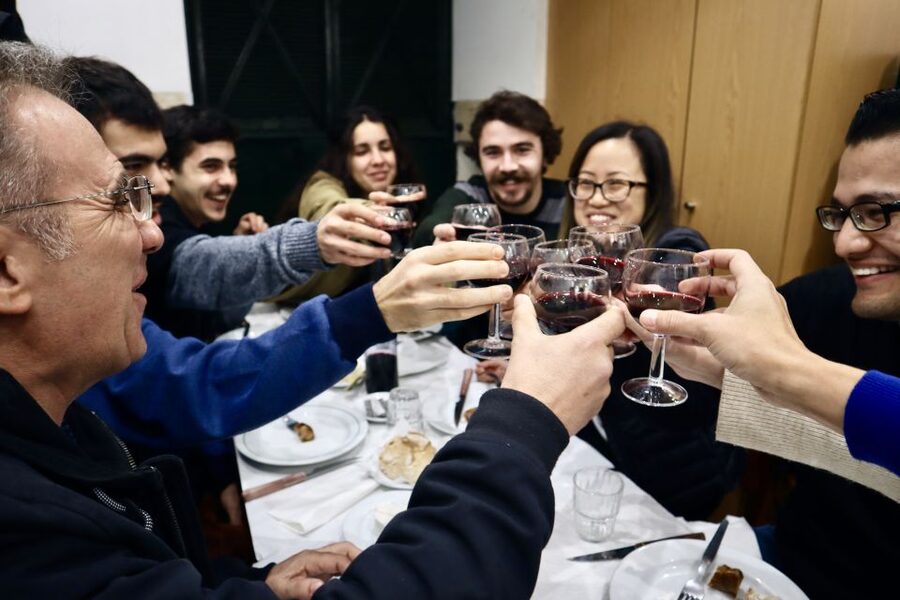
Come hungry, leave better oriented. This three-hour Lisbon food tour uses local tascas, small Portuguese taverns, to connect everyday dishes with the city’s food traditions. I like the focus on local eating spots rather than polished tourist restaurants, and I like the range of tastings, from Port wine and cheeses to a bifana pork sandwich and warm pastel de nata.
The price is $95 per person, which is fair if you value several tastings, two glasses of Portuguese wine, and a guide who adds food and cultural context. The main consideration is access: you need comfortable shoes, and the tour is not suitable for wheelchair users or people with mobility impairments.
Key things to know before booking
- A real taste of Lisbon’s tascas: The route visits local taverns where traditional dishes are part of daily life, not simply staged for visitors.
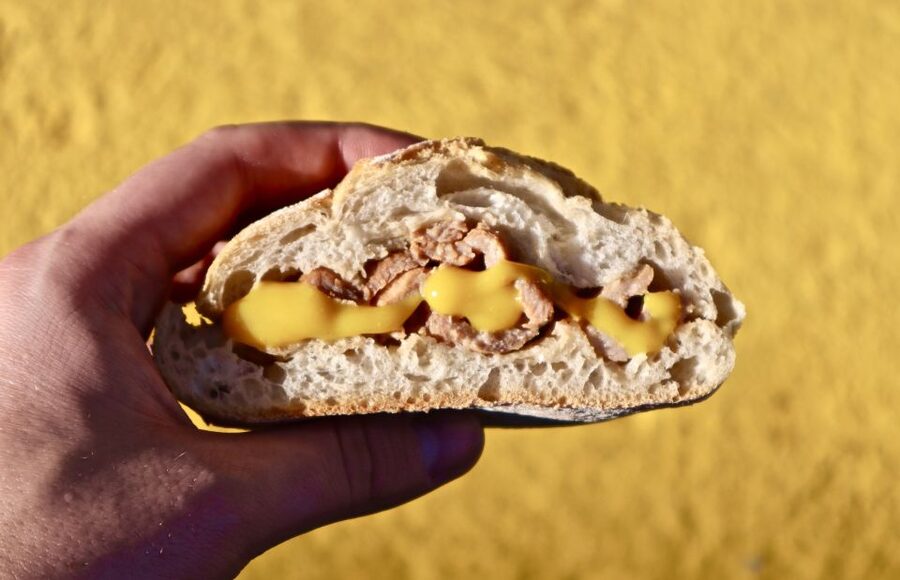
- The bifana is a main event: This juicy pork sandwich is one of Lisbon’s best-known street foods and gives the tour a filling, substantial bite.
- More than sweets and pastries: You’ll taste fish, sardines, Portuguese sausage, artisanal cheese, seasonal fruit, and small petiscos.
- Two wines are included: The tasting features one glass of Port and one glass of Vinho Verde, Portugal’s crisp green wine.
- Guides add personality: Vanda, Antonio, Martha, and Claudia have all received praise for their humor, charm, food knowledge, and sense of place.
- The secret dish changes the ending: Every tour includes one dish that is not revealed until the day.
Starting at the José Saramago Foundation
Your meeting point is in front of the José Saramago Foundation at Rua dos Bacalhoeiros 14A. Look for the guide holding an orange umbrella with the local operator’s logo.
This is a practical place to begin because you are already in Lisbon’s historic center. The tour is designed around tasting and walking, so the meeting point puts you close to the old streets and local taverns used along the route. You are not being sent across town from one restaurant reservation to another.
I would arrive a little early. The orange umbrella should make the guide easy to spot, but the start area is still part of a busy city center. Comfortable shoes matter. The tour takes place rain or shine, so a light rain jacket is a sensible choice if the forecast looks uncertain.
The exact order of tastings may vary, and that is useful for a food tour. It lets the guide work with the opening times and daily availability of the participating tascas rather than forcing every group into a rigid restaurant schedule.
More Wine Tours in Lisbon
- Winner 2025 Undiscovered Lisbon Food & Wine Tour by Eating Europe
★ 5.0 · 6,390 reviews - Lisbon: Food and Wine Small Group Walking Tour
★ 4.9 · 4,082 reviews - Lisbon Small-Group Portuguese Food and Wine Tour
★ 5.0 · 3,972 reviews
Why Lisbon’s tascas matter
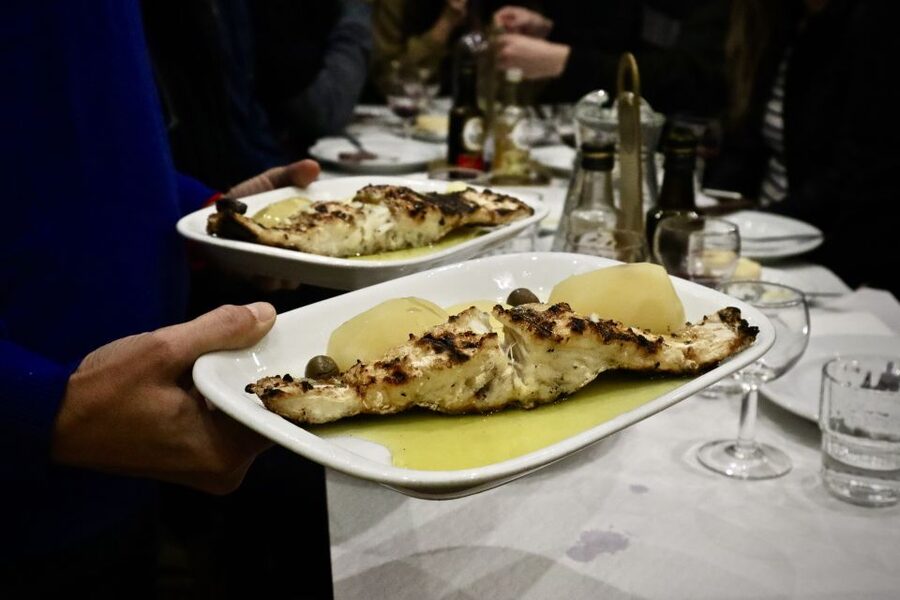
The word tasca refers to a modest Portuguese tavern, often a place where locals stop for a quick meal, a drink, or a plate to share. These establishments help explain how Portuguese food works in practice. Meals are not only about a single famous dish. They are also about small portions, familiar recipes, conversation, and food placed in the middle of the table.
This is where the tour earns its keep. A list of Portuguese dishes is easy to find online. It is harder to understand how those dishes fit into ordinary life. Petiscos, for example, are small, shareable foods that bring people together in much the same way tapas do in Spain, though Portugal has its own ingredients and customs.
I like that the experience keeps this social side in view. You are not just sampling isolated bites. You are learning why small plates, taverns, wine, and conversation belong together in Lisbon.
The tradeoff is that a tasca is not a formal dining room. You should expect a relaxed local setting rather than white tablecloths or a quiet, highly structured meal. That is part of the appeal, but it may not suit someone looking for a polished restaurant tasting menu.
Port wine begins the food story
The tour starts with one glass of Porto wine. Port is a fortified Portuguese wine, usually known for its sweetness and fuller body. Beginning with it gives the experience a clear national marker before you move into savory foods.
One glass is enough to introduce the style without turning the first stop into a long wine lesson. The value here is not an in-depth vineyard visit. It is the chance to connect a famous Portuguese drink with the food stops that follow.
I also appreciate the restraint in the alcohol plan. The tour includes one glass of Port and one glass of Vinho Verde, rather than promising a large number of drinks that could make the three-hour route uncomfortable. You still get two distinct Portuguese wine experiences, with food alongside them.
If you do not drink alcohol, the supplied details do not specify substitute drinks. You should check directly before booking if that matters to you.
Cheese, sausage, and fruit show Portugal beyond the famous dishes
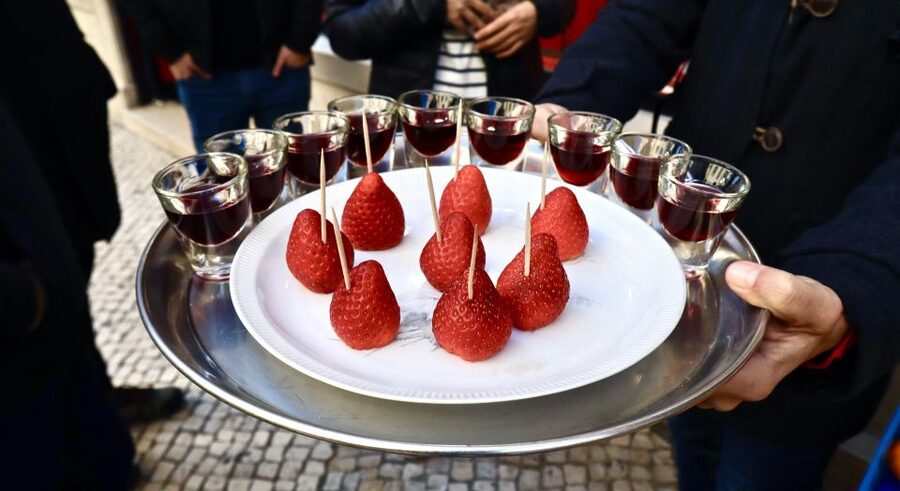
The tasting includes artisanal Portuguese cheeses, a uniquely Portuguese sausage, and seasonal fruit. These foods widen the picture beyond cod, custard tarts, and wine.
Cheese is especially useful on a food tour because it gives you a simple way to compare texture and flavor. The tour does not identify the exact cheeses in advance, so the selection may reflect what is available locally. That seasonal element is a plus, though you should not book expecting a fixed menu with every variety named ahead of time.
The Portuguese sausage adds a more savory stop. It shows how preserved meat remains part of the country’s food tradition, while the fruit brings a lighter pause between richer bites. These transitions matter. A food tour with ten or more tastings can become heavy if every stop is fried, salty, or sweet.
Seasonal fruit may sound less exciting than a famous national dish, but it gives the meal a better rhythm. It also reflects Portugal’s agricultural variety without pretending that every part of the country eats exactly the same way.
More Wine Tours in Portugal
- Lisbon Food Tour with 10+ Tastings of Local Delicacies & Wines
★ 5.0 · 1,339 reviews - Award-Winning Original Lisbon Food Wine Tour: 19 Curated Tastings
★ 5.0 · 1,288 reviews - Private Lisbon Arrabida Wine Tour: Food & Wines, Mountain and Sea
★ 5.0 · 907 reviews - Lisbon Private Food Tour – Taste 10+ Local Dishes & Wines
★ 5.0 · 896 reviews
Petiscos, sardines, and Vinho Verde

Petiscos are among the most useful things to try in Lisbon because they fit naturally into a day of sightseeing. They are smaller than a full meal, easy to share, and often served with a drink.
One featured tasting pairs marinated sardines with Vinho Verde. Sardines are closely linked with Portuguese food culture, and the crisp wine helps cut through the fish’s savory flavor. This pairing is a good example of why the tour is more useful than simply ordering random dishes at a restaurant. You get a little guidance about how the food and drink work together.
The inclusion of traditional Portuguese fish also adds balance to the route. The details do not specify the exact fish or preparation, so I would treat that part as a local selection rather than a guaranteed dish with a set recipe.
For some people, fish will be the deciding factor. If sardines and traditional seafood appeal to you, this should be a strong part of the tour. If you dislike fish, the tour still includes meat, cheese, fruit, pastry, and sausage, but fish is clearly part of its identity.
The bifana brings a proper meal to the route
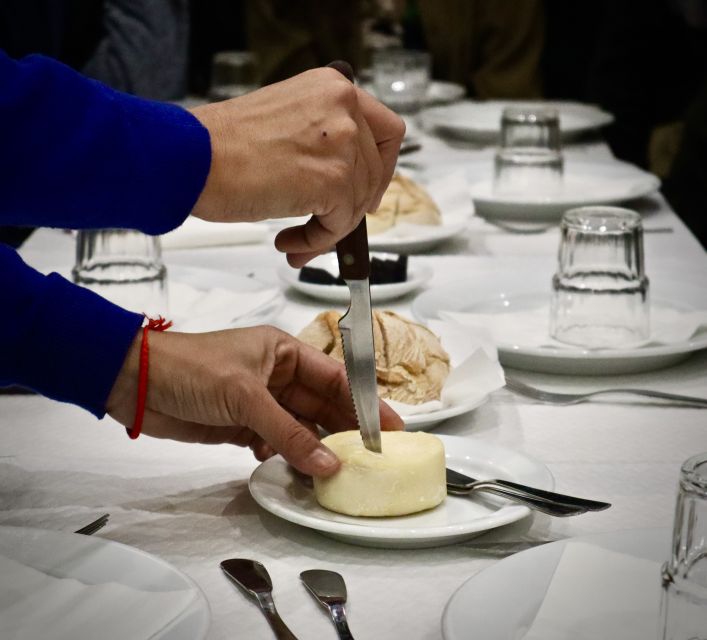
The bifana is a traditional Portuguese pork sandwich and one of Lisbon’s best-known street foods. It is often treated as a quick, humble meal, which makes it a smart choice for a tour focused on how locals eat.
The key benefit is substance. Cheese samples and petiscos are enjoyable, but a bifana gives you something filling in the middle of the experience. It also helps explain Portuguese street food better than a generic sandwich would. This is a dish with a strong local identity.
I would not think of the bifana as a gourmet centerpiece. Its appeal is direct and unfussy: seasoned pork in bread, served as a satisfying everyday bite. That plainness is exactly why it belongs on this route.
Portion size can vary by stop, and the tour promises ten or more tastings rather than ten full meals. You should arrive hungry, but not assume that every item is a large serving. The bifana is likely to do much of the work when it comes to making the tour feel like lunch rather than a sequence of samples.
Warm pastel de nata and the secret dish
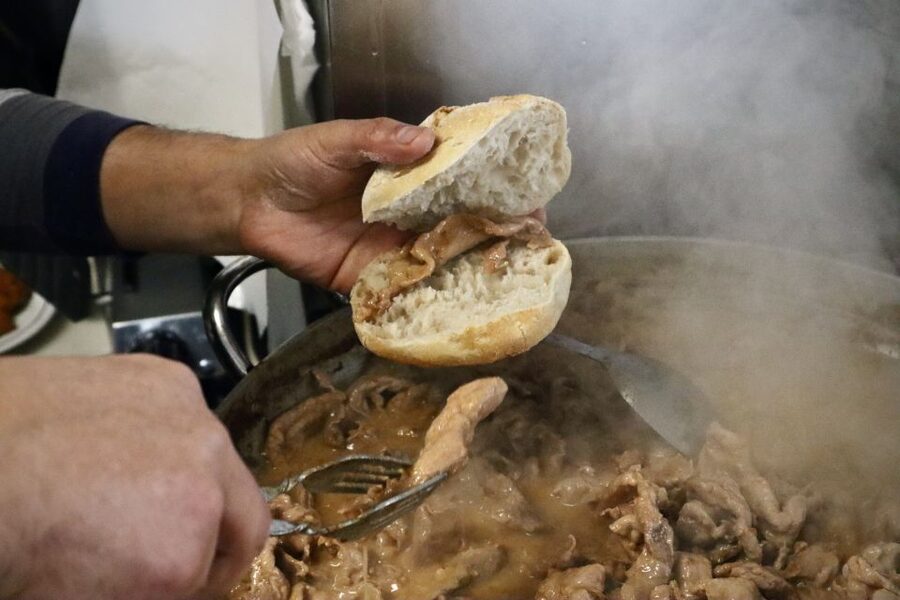
The sweet course includes a warm pastel de nata, Portugal’s famous egg custard tart. Expect flaky pastry, silky custard, and a dusting of cinnamon.
A pastel de nata is a familiar Lisbon food, but temperature matters. Served warm, it feels fresher and more satisfying than a pastry taken cold from a display case. The combination of crisp pastry, soft custard, and cinnamon gives the tour a clear sweet finish.
The pastry is not the only dessert-style moment. Every Secret Food Tour also includes a secret dish revealed on the day. Because it is not listed in advance, you cannot plan around it, but that is the point. It gives the guide a little freedom and gives you one reason to stay curious through the final stop.
I would keep expectations sensible. The secret dish is an extra feature, not a guaranteed signature meal. Its value is the surprise and the chance to try something outside the published list.
Guide quality can shape the whole afternoon
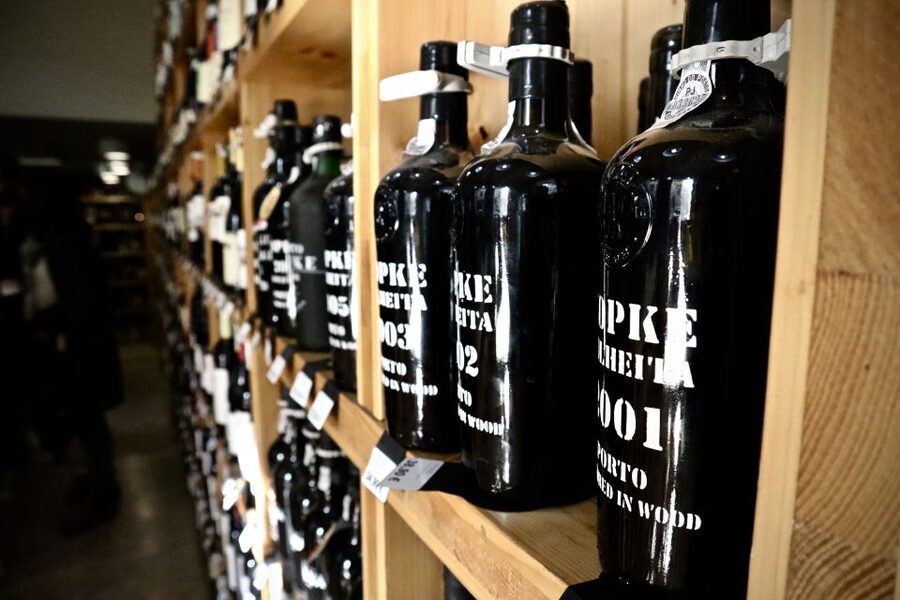
A food tour depends heavily on the person leading it. The guides named in the published feedback include Vanda, Antonio, Martha, and Claudia.
Vanda received praise for humor and for the quality and size of the food portions. Antonio was singled out for his clear grasp of Portuguese food and national history. Martha was praised for charm, local knowledge, and taking the group to appealing food locations. Claudia was appreciated for bringing people to places away from tourist-heavy areas.
Those details point to the tour’s strongest feature: the guide is not simply delivering plates. The guide helps explain what you are eating and why the setting matters. A good guide can also make unfamiliar foods easier to approach.
The language is English, and the experience uses a live guide. If you prefer a quiet, self-guided food crawl, this will feel more structured and social. If you want help making sense of Portuguese dishes, the guide adds real value.
The current rating is 4.8 from 57 published ratings, with repeated praise for the guides, food quality, portions, and local character. That does not guarantee that every group will have the same personality or route, but it does point to a consistent strength in the experience.
Is $95 a fair price?
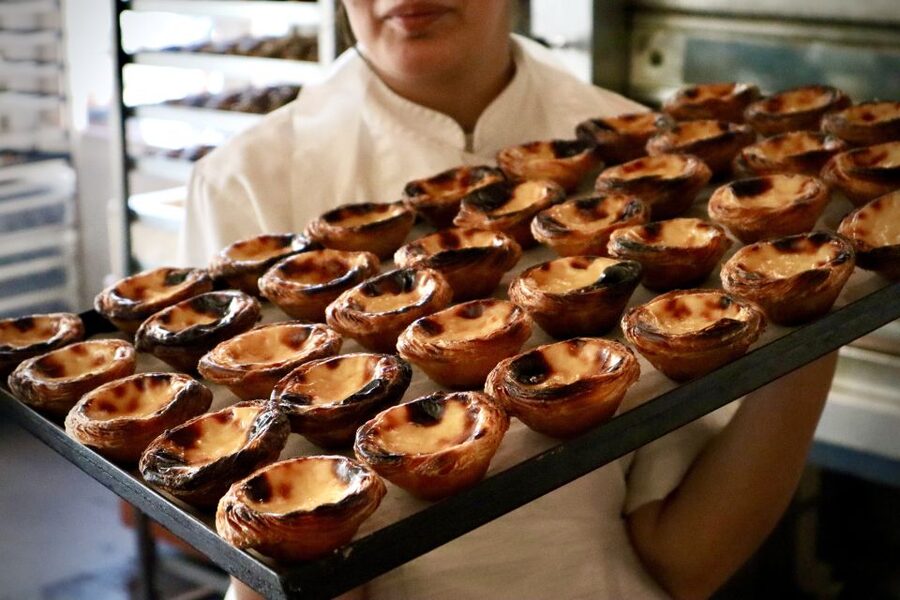
At $95 per person, this is not the cheapest way to eat in Lisbon. You can order a bifana, pastry, wine, and other snacks for less if you plan the route yourself.
The question is what you are paying for. The price includes a three-hour guided experience, ten or more tastings, two glasses of Portuguese wine, access to local taverns, and explanations that help link the dishes together. It also removes the guesswork of choosing unfamiliar places in the historic center.
I consider the price reasonable for visitors who want a structured introduction to Portuguese food. It is less attractive for independent eaters who enjoy building their own route, already know Lisbon’s food scene, or would rather spend $95 on one long restaurant meal.
The food quantity is another reason to think about value carefully. Ten or more tastings sounds generous, but many will be small portions. You should expect a satisfying food crawl, not ten separate entrees.
Who should book this Lisbon food tour?
I would recommend it to first-time visitors who want an easy introduction to Portuguese food and do not want to spend their first day guessing what to order. It also suits people who enjoy local taverns, shared plates, street food, and short explanations from a guide.
The tour works especially well early in a Lisbon visit. You can use the dishes, neighborhoods, and food ideas as a guide for later meals. It also suits couples, friends, and small groups who like to eat socially.
I would think twice if you need step-free access, use a wheelchair, or have mobility limits. The activity is not suitable for wheelchair users or people with mobility impairments, and the route requires comfortable walking shoes.
You should also consider the food mix. The tour includes fish, pork, cheese, sausage, fruit, pastry, and wine. The provided details do not list vegetarian, vegan, allergy, or alcohol-free alternatives, so check before booking if you have dietary restrictions.
Cancellation is flexible up to 24 hours before the start for a full refund, and you can reserve now and pay later. That is useful when your Lisbon plans are still moving around.
Should you book it?
Book this tour if you want Lisbon explained through its everyday food, not just its famous postcard dishes. The tascas, petiscos, bifana, sardines, Portuguese wines, and warm pastel de nata give you a well-rounded first taste of the city.
Skip it if you already know Lisbon’s food scene, prefer to eat alone, or need accessible facilities. For most first-time visitors who can walk comfortably and enjoy guided tastings, $95 is a fair price for three hours of food, local context, and a few dishes you may not think to order on your own.
FAQ
Where does the Lisbon food tour meet?
Meet the guide in front of the José Saramago Foundation at Rua dos Bacalhoeiros 14A. The guide will be holding an orange umbrella with the local operator’s logo.
How long does the tour last?
The tour lasts three hours.
What language is the tour offered in?
The tour is conducted in English with a live guide.
How many tastings are included?
The experience includes ten or more tastings of Portuguese foods and drinks.
Which wines are included?
You receive one glass of Port wine and one glass of Vinho Verde.
Is the bifana included?
Yes. The tour includes a bifana, a traditional Portuguese pork sandwich.
Does the tour run if it rains?
Yes. The tour takes place rain or shine.
Is the tour suitable for wheelchair users?
No. The activity is not suitable for wheelchair users or people with mobility impairments. Comfortable shoes are recommended.
Just added in Lisbon
- No Diet Club – Unique food tour in Lisbon with many Tastings★ 4.9 · 50 reviews
- Lisbon Small-Group Food & Wine Tour Eat & Drink like a Local★ 4.9 · 77 reviews
- Lisbon: Private Food Tour – 10 Tastings with Locals★ 4.8 · 73 reviews
- Lisbon: Portuguese street food cooking class with Drinks★ 4.9 · 37 reviews
- Lisbon: Private Food & Wine City Tour by Eco Tuk Tuk★ 4.8 · 21 reviews
- Lisbon: Food and Culture 3-Hour Walking Tour★ 4.7 · 95 reviews
- Lisbon Private Setúbal Region Wine Tasting Tour★ 4.9 · 149 reviews
- Food Tour: Portuguese wine & Tapas with Ginjinha Tasting★ 3.8 · 67 reviews
Wine Tours, compared.

Winner 2025 Undiscovered Lisbon Food & Wine Tour by Eating Europe
Read our review →
Winner 2025 Florence Sunset Food & Wine Tour by Eating Europe
Read our review →
Authentic Parisian Gourmet Food Tour with 10 Local Dishes & Wines
Read our review →
Tapas Walking Tour with Food, Wine, and History
Read our review →
Lisbon Small-Group Portuguese Food and Wine Tour
Read our review →
Browse the lists this tour appears in