
REVIEW · MALAYSIA FOOD TOURS
Penang Plates Food Tour with 15+ Tastings
Come hungry, leave happily overwhelmed. This four-hour walk through old George Town links 15-plus tastings with stories about Chinese, Indian, Malay, and Peranakan food traditions. I like the mix of street stalls and small sit-down eateries, and I like the small group limit of eight, which makes narrow food counters and shared plates much easier to manage. The main drawback is simple: $49 is not cheap by Penang standards, and the large amount of food may be too much for light eaters.
The tour begins in the courtyard of the Pinang Peranakan Mansion and moves through Little India and Chinatown. Guides such as Grace, Sandy, Ken, Dandy, Rachel, and CE are praised for explaining not just what is on the plate, but how migration, trade, local customs, and family businesses shaped George Town’s food. If you have only a few days in Penang, this is a useful way to get your bearings fast.
Key points to know before you book
- 15-plus tastings in four hours: Expect far more than a snack crawl, with light bites, full plates, drinks, and dessert.
- A real cross-section of Penang food: Chinese, Indian, Malay, and Nyonya dishes all appear, rather than one narrow food style.
- Small groups of no more than eight: This helps the group fit into modest eateries and keeps the guide’s attention close.
- Starts at the Pinang Peranakan Mansion: The central George Town meeting point is easy to reach, but Penang traffic can be unpredictable.
- Not suitable for several diets: Vegan, vegetarian, halal, no-pork, severe allergy, nut allergy, and serious gluten-intolerance needs are major concerns.
- Come with an empty stomach: The food is generous enough that some people struggle to finish the final tastings.
Starting at the Pinang Peranakan Mansion
The meeting point is the courtyard of the Pinang Peranakan Mansion, a central spot in old George Town. You arrange your own way there, so leave extra time if you are coming by car or ride-hailing service. Traffic in Penang can slow suddenly, and arriving late would be a poor start to a tour built around timed food stops.
The mansion location also gives the experience a useful sense of place. You are not beginning at a generic shopping center or hotel lobby. You start in one of George Town’s historic districts, close to the streets where Chinese, Indian, Malay, and Peranakan influences meet.
Your guide leads in English. The tone appears friendly and social rather than formal. Guides have been praised for asking about likes, dislikes, spice levels, and meat preferences before choosing what the group eats. That matters because many dishes are shared, and a good guide can help you try unfamiliar food without making the meal feel like a test.
With a maximum of eight people, conversation is easier than on a large coach excursion. Solo visitors can meet people from other countries, while couples and families still have room to ask questions. One family with two small children found the experience family-friendly, though the sheer quantity and four-hour length may test younger children’s patience.
A few more food tours in the world worth a look
- Reykjavik Food Walk – Local Foodie Adventure in Iceland
★ 5.0 · 18,952 reviews - Ho Chi Minh City Street Food Tour & Sightseeing By Motorbike
★ 5.0 · 9,413 reviews - Tokyo: Shinjuku Food Tour (13 Dishes at 4 Local Eateries)
★ 5.0 · 6,603 reviews
Little India brings the first strong hit of flavor
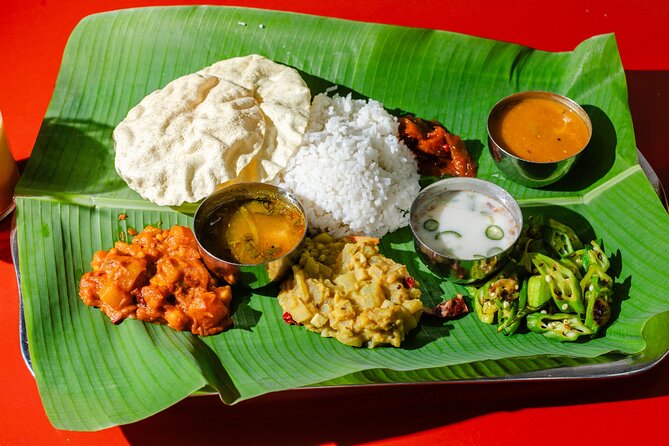
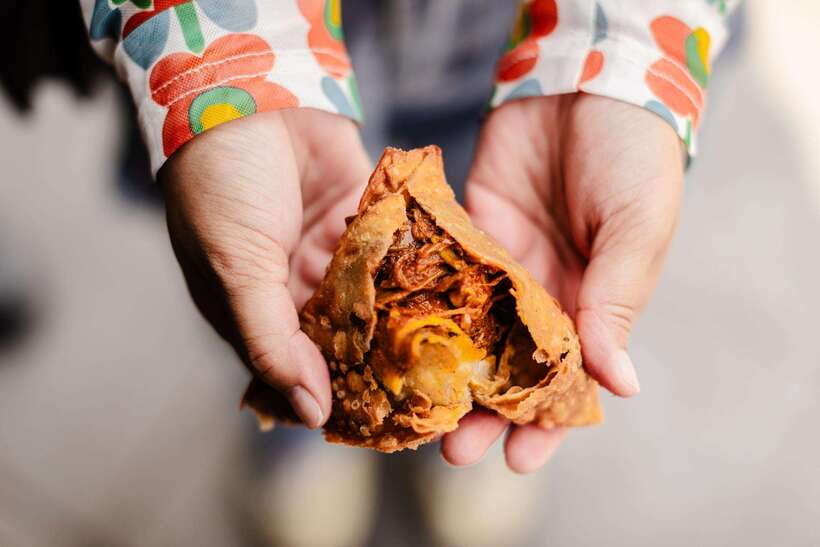
Little India is one of the tour’s important food zones. Here you may encounter Indian street food and small dishes such as curry samosas, pani puri, daals, and vegetable curries served on banana leaf thalis.
Pani puri is a lively way to begin. These small filled shells are eaten in one or two bites, often with flavored liquid, so your guide can explain the usual eating method before you try one. Curry samosas offer a more familiar starting point, while daal and vegetable curries show how much flavor can come from pulses, spices, and vegetables rather than meat.
The banana leaf meal is more substantial. Eating from a leaf is part of the experience, not just a decorative presentation. You may need to use your fingers, depending on the dish and local custom, and the guide can explain how people usually approach it. If you prefer utensils, ask. The point is to understand the food, not perform a ceremony perfectly.
This part of the route suits curious eaters who want more than Penang’s famous noodles. It also gives you a chance to compare textures and spice levels across several small plates. The limitation is that Indian dishes can be difficult for people who avoid heat, although guides may adjust selections or portions when possible.
Chinatown turns the meal toward noodles and wok cooking
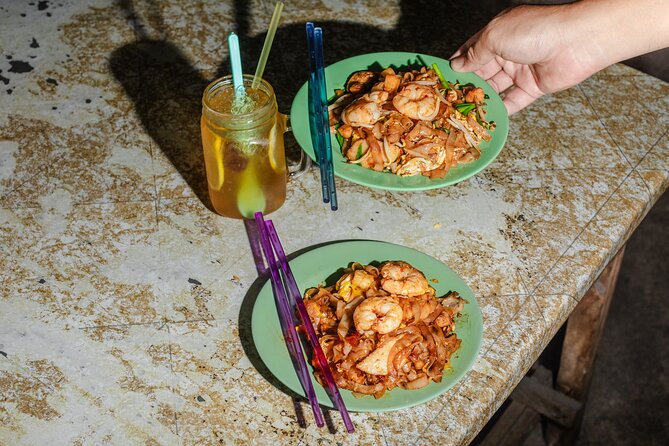
The Chinese side of George Town brings a different rhythm. Expect the possibility of Hokkien char and char ho fun, both dishes that show how noodles, sauce, heat, and timing create very different results from similar basic ingredients.
Hokkien char is typically associated with stir-fried noodles and prawns or other seafood, while char ho fun uses broad rice noodles. The appeal here is not simply tasting two noodle dishes. It is noticing how the shape of the noodle changes the bite, how wok heat affects the edges, and how sauce carries the flavor.
The tour also includes lok lok, where pieces of food are dipped into a simmering hot pot. This is interactive and easy to understand once your guide shows you the system. You select or receive small skewers, cook them in the aromatic broth, then dip them in sauce. It breaks up the sit-down meals and gives the group something to do together.
A possible drawback is that shared dishes do not always suit everyone. Seafood, pork, soy sauce, nuts, and mixed ingredients can appear across the stops. If you have a serious allergy, you should contact the provider before booking and get clear advice. The supplied information specifically lists people with food allergies and nut allergies as unsuitable for this experience.
Nyonya food gives the tour its most distinctive character
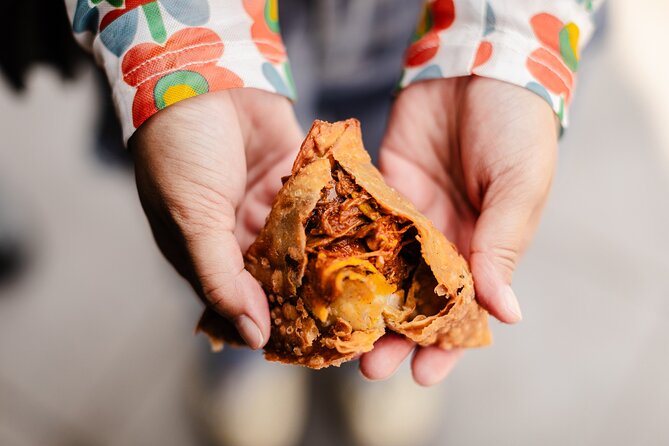
The Peranakan or Nyonya element is one of the most memorable parts of the food selection. Nyonya cooking reflects the meeting of Chinese and Malay traditions, and it can be more delicate and layered than the sharper, more immediately familiar flavors of some street dishes.
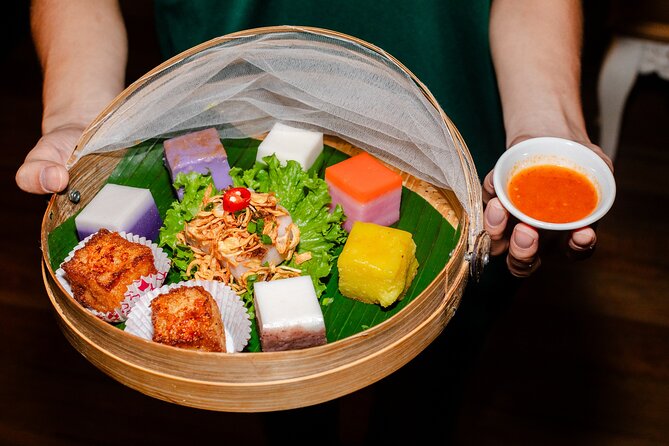
You may try Nyonya dishes as part of a sit-down stop, followed by colorful Nyonya kueh for dessert. Kueh covers a wide range of small cakes and sweets, often made with ingredients such as rice flour, coconut, palm sugar, or pandan. Their colors and textures can be surprising if you are used to Western desserts.
This is where the food becomes a window into George Town’s communities. The guide connects the dishes with the people who make and sell them, as well as with the cultural influences that shaped the city. That context gives the tour more value than simply eating at a list of popular stalls.
The exact stops can vary, so do not book expecting a fixed menu of named restaurants. The strength is the range and the guide’s judgment on the day. That flexibility may also explain why several people received extra dishes or substitutions.
Same city, a different table:
- Winner 2025 Undiscovered Lisbon Food & Wine Tour by Eating Europe
★ 5.0 · 6,390 reviews - Hanoi: Guided Food Tour with Train Street Visit
★ 4.9 · 6,239 reviews - New Orleans Food Walking Tour of the French Quarter with Small-Group Option
★ 5.0 · 6,118 reviews - Winner 2025 Rome Twilight Trastevere Food Tour by Eating Europe
★ 5.0 · 5,157 reviews
Street stalls and air-conditioned restaurants create a sensible pace
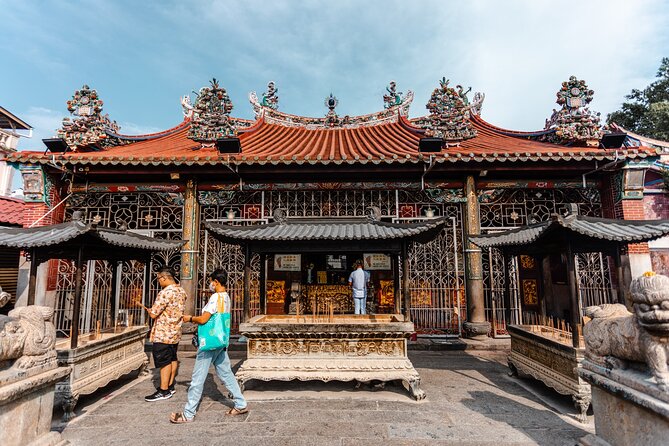
The four hours are not spent standing at one hawker center. The route combines street-food stops with small restaurants, including places where you can cool down in air conditioning. That is welcome in George Town, especially if the weather is hot or humid.
The rhythm appears to move between light bites and fuller meals. One account described four light bites and three full meals, which gives you a sense of the scale. You are not merely sampling one spoonful at 15 counters. Some stops provide enough food to count as lunch or dinner.
That generosity is the tour’s biggest pleasure and its clearest warning. You should eat lightly beforehand. Several people advise skipping lunch, and that is practical advice rather than dramatic exaggeration. If you arrive after a large meal, you may spend the last hour watching other people eat.
The pace is generally described as comfortable rather than rushed. Still, four hours is a long time for anyone with a small appetite. Children, older adults, and people who do not eat large meals should share portions and slow down when possible. Tell the guide early if you need smaller servings.
The guide is the difference between a meal and a tour
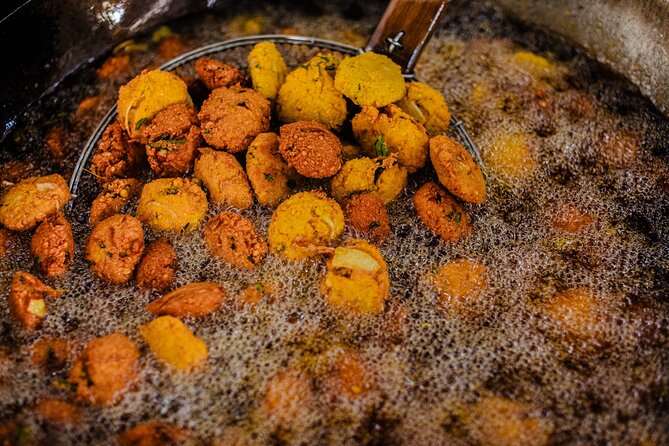
Food alone would not justify the full price for everyone. The guide is what gives the experience its shape.
Good guides explain ingredients, cooking styles, eating customs, and the story of each neighborhood. They also point out architecture, local businesses, and traces of George Town’s cultural past as you move between stops. Grace is often praised for combining warmth with clear explanations, while Sandy is noted for adjusting food choices and explaining Penang with humor and care. Ken, Dandy, Rachel, CE, Mint, and others have also been singled out for friendliness and local insight.
You should expect different personalities from different guides, since the tour is not led by one permanent host every day. That is normal for a food walk. The important thing is that the guide has room to respond to the group. Asking about spice, meat, allergies, or disliked ingredients before ordering can make the difference between an enjoyable meal and an awkward one.
The small group cap helps here. In a group of eight, you can ask why a dish is eaten in a certain way or how a particular stall fits into the neighborhood. In a group of 20, those questions would be harder to manage.
What the $49 price really buys you
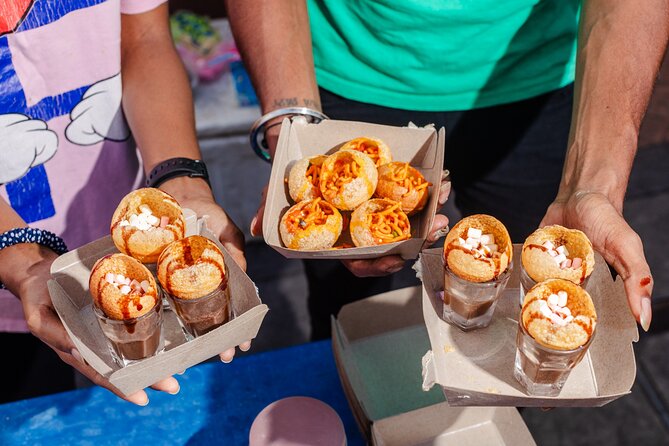
At $49 per person, this is more expensive than eating independently at hawker stalls. If your only goal is to eat cheaply, you can spend less by choosing dishes yourself.
The value comes from the breadth, planning, and guidance. You receive 15 or more tastings across four hours, bottled water, local soft drinks, access to small food businesses, and explanations that help you make sense of Penang’s many food traditions. You also avoid wasting meals on dishes that do not suit your taste or finding a famous stall only to discover you do not know what to order.
I consider the price reasonable for first-time visitors who want a strong introduction to George Town food. It is particularly useful at the beginning of your stay, because you can return to favorite stops later. One person specifically wished the tour had happened earlier so there would have been more time to revisit preferred places.
The value is weaker for experienced Penang eaters who already know the city’s food streets. It is also weaker if you do not drink soft drinks, avoid most shared foods, or cannot eat several of the dishes. Alcohol is not included, but that should not matter much because the focus is food and local drinks rather than a bar crawl.
Dietary limits need serious attention
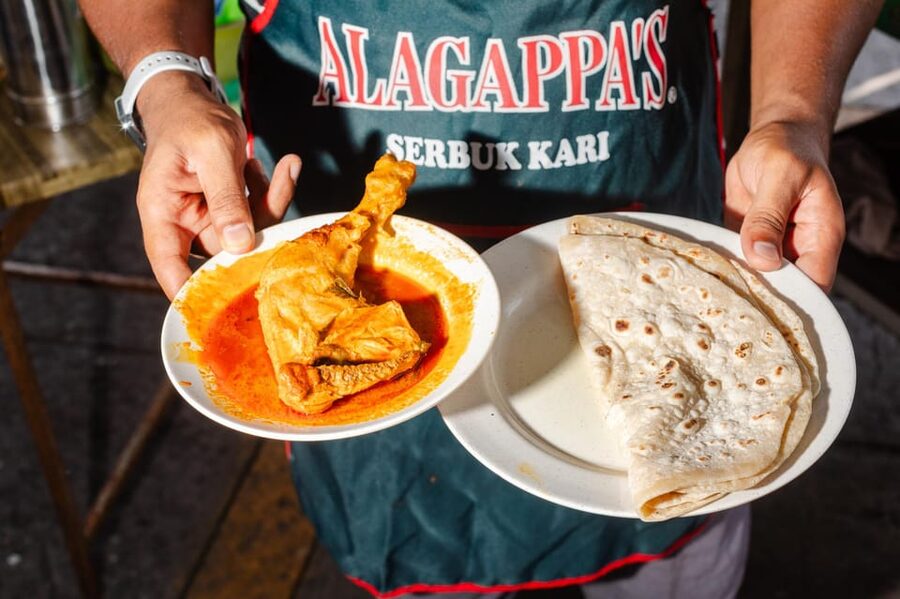
This is not a flexible tour for every diet. The information provided lists the experience as unsuitable for vegans, vegetarians, people following halal or no-pork diets, people with food allergies, people with nut allergies, and people with severe gluten intolerance.
People who avoid beef may be able to take part. Lactose intolerance is also listed as suitable. Other restrictions may mean missing some dishes, and substitutions are not guaranteed at every stop.
There is some room for adjustment. A guest with gluten concerns received alternatives at many stops, and another group with a severe allergy contacted the provider before booking so the food could be checked and arrangements made. That is encouraging, but it is not a promise that every dish can be replaced safely.
Soy sauce contains traces of gluten, so people with serious gluten intolerance should not assume that a few substitutions make the tour safe. If your allergy is severe, the safest choice may be to skip this experience entirely rather than rely on a busy food route to manage risk.
Practical advice for a smoother four hours
Wear comfortable shoes. You will be walking between stops in old George Town, and the food is only half the experience.
Carry an umbrella and dress for the weather. Rain can arrive quickly, and the tour continues through several neighborhoods rather than staying indoors. Bottled water and local soft drinks are included, but bringing your own water is sensible if you dislike waiting between tastings.
Arrive hungry, but do not arrive dehydrated. Pace yourself from the first bite, especially once the full plates begin. You can always ask how much more food is coming before taking a second helping.
This works especially well for solo visitors, couples, food-focused families, and anyone who wants help understanding what to order. It is less suitable for strict dietary needs, very selective eaters, and people who prefer to set their own pace from stall to stall.
Free cancellation is available up to 24 hours before the start time, and you can reserve now while paying later. Check the available start time when booking, since the precise schedule is not given here.
Should you book the Penang Plates Food Tour?
Book it if you want a guided introduction to George Town’s food, culture, and neighborhoods, and if you are willing to eat a lot. The combination of Indian, Chinese, Malay, and Nyonya dishes gives you a broader picture than a simple noodle hunt, while the eight-person limit keeps the experience personal.
I would book it near the start of a Penang stay. You will learn which dishes deserve a second try, gain confidence ordering street food, and see parts of Little India and Chinatown with useful context.
Skip it if $49 feels high for food you could buy cheaply yourself, or if pork, nuts, gluten, seafood, or mixed sauces create safety problems. For everyone else, the generous portions, friendly guides, and wide range make this one of the more efficient ways to meet George Town, one full plate at a time.
FAQ
How long does the Penang Plates Food Tour last?
The tour lasts four hours and includes 15 or more tastings around old George Town.
Where does the tour begin?
It begins in the courtyard of the Pinang Peranakan Mansion in central George Town.
How many people are in each group?
The group is limited to a maximum of eight participants.
What languages are available?
The tour is conducted in English with a live guide.
Are drinks included?
Bottled water and local soft drinks are included. Alcoholic drinks are not included.
Is the tour suitable for vegetarians or vegans?
No. The experience is listed as unsuitable for vegetarians and vegans. It is also unsuitable for people following halal or no-pork diets.
Can people with food allergies or gluten intolerance join?
The tour is listed as unsuitable for people with food allergies, nut allergies, and severe gluten intolerance. Soy sauce may contain traces of gluten. Some dietary substitutions may be possible, but other restrictions can mean missing dishes.
Just added in the world
- Copenhagen Private Culinary Food Tour with 6 Tastings of Classics★ 5.0 · 42 reviews
- Copenhagen Private Food Walking Tour with 6 or 10 Tastings★ 4.5 · 177 reviews
- Copenhagen Food & Drink Private Tour: Scandinavia Delight Tasting★ 5.0 · 236 reviews
- Copenhagen Modern Food Tour★ 5.0 · 32 reviews
- 3-hour Culinary Bike Tour in English★ 5.0 · 235 reviews
- Copenhagen Best of Danish Pastry Tasting Tour★ 5.0 · 30 reviews
- Classic 3-Hour Food Tour in Colorado Springs★ 5.0 · 408 reviews
- COLOMBO PRIVATE CITY TOUR WITH street food( All inclusive )★ 4.0 · 40 reviews
Malaysia Food Tours, compared.
Sambal Streets Kuala Lumpur Food Tour with 15+ Tastings
Read our review →
Good Morning Penang Food Tour with 15+ Tastings
Read our review →
Private Half Day Penang Tasty Local Street Food Tour
Read our review →Browse the lists this tour appears in