
REVIEW · MARKET FOOD TOURS
Sofia: Flea and Food Markets Tour
Come hungry, leave oriented. This one-day walking tour ties four Sofia markets to the city’s changing past, with local food at each stop and an English-speaking guide to explain what you are seeing. I like the way it mixes eating with history, and I like that the route passes major sights such as Alexander Nevsky Cathedral, the Roman ruins, and Banya Bashi Mosque.
The four food stops make the $50 price easier to justify, especially if you want more than a standard sightseeing walk. The main caution is simple: you walk about 3 kilometers, sometimes over a leisurely afternoon, and the tour is not suitable for wheelchair users or people with mobility impairments.
Key points at a glance
- Four markets, four historical periods: Connect the Flea Market, Central Market Hall, Hali Market, and Women’s Market with the postcommunist era, Communism, the Kingdom period, and Ottoman Bulgaria.
- Four included food stops: Sample Bulgarian dishes and local drinks along the way, with a soft drink included at the final stop.
- A useful first-day tour: The route passes many major Sofia sights, helping you get your bearings before exploring on your own.
- A 3-kilometer city walk: Bring comfortable shoes and clothes. You cover plenty of ground, but the pace includes food and sightseeing stops.
- Guides add personal color: Past tours have been led by Ivo, Daniella, Danny, Dany, Theodora, and Nesi, with strong praise for their warmth and local knowledge.
- Good value for curious eaters: At $50, you receive a guided city walk, market visits, four tastings, and historical background in one outing.
Why this tour makes sense on a first day in Sofia
Sofia can feel like several cities placed one on top of another. Roman ruins sit beside Ottoman-era buildings. Communist-era planning meets modern cafés. Orthodox churches, a mosque, a synagogue, and a cathedral all appear within a compact central area.
This tour gives you a way to read that mix. Instead of visiting markets as isolated shopping stops, you connect each one with a period in Bulgarian history. That context matters. A market becomes more than a place to buy food or souvenirs. It becomes a clue to how Sofia changed.
I especially like this format if you arrive in Sofia without much background on Bulgaria. One guide, Danny, was praised for covering a lot of ground while answering questions. Another guide, Ivo, was appreciated for explaining both the markets and the food. That is exactly what you want early in a city visit: a practical introduction that helps you decide where to return later.
The tour also passes major landmarks, including Alexander Nevsky Cathedral, Saint Sofia Church, The Largo, Roman ruins, Banya Bashi Mosque, Sofia Synagogue, and Lion Bridge. You do not simply move from meal to meal. The route gives you a broad look at central Sofia.
More market food tours in the world:
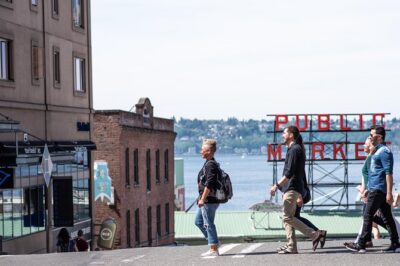
- Chef Guided Food Tour of Pike Place Market
★ 5.0 · 3,733 reviews - Tokyo Tsukiji Fish Market Food and Culture Walking Tour
★ 5.0 · 3,184 reviews - London Bridge & Borough Market Food Tour with 7 Authentic Dishes
★ 5.0 · 1,972 reviews
Meeting the guide at Crystal Park
The meeting point is the Stefan Stambolov Monument in Crystal Park. The sculpture is described as a split head, so it should be a memorable landmark rather than an ordinary street corner. Arrive 10 minutes early, which gives you time to find the monument without making the guide wait.
The tour is conducted in English and includes a live local guide. Guide quality is a major part of this experience, and the feedback here is unusually consistent. Theodora was praised for being friendly and easy to talk with. Nesi was appreciated for connecting Bulgarian history with the food. Daniella received repeated praise for her care and command of Sofia’s past. Ivo was described as friendly and well informed, including during rainy weather.
Names and guides can change, of course. The useful point is that the tour depends on a person, not an audio recording or a fixed script. You can ask about dishes, landmarks, local customs, or the different historical periods. Small groups may also receive extra attention. One couple had the tour run just for them, while another small group found that every question received an answer.
The Flea Market and the postcommunist city
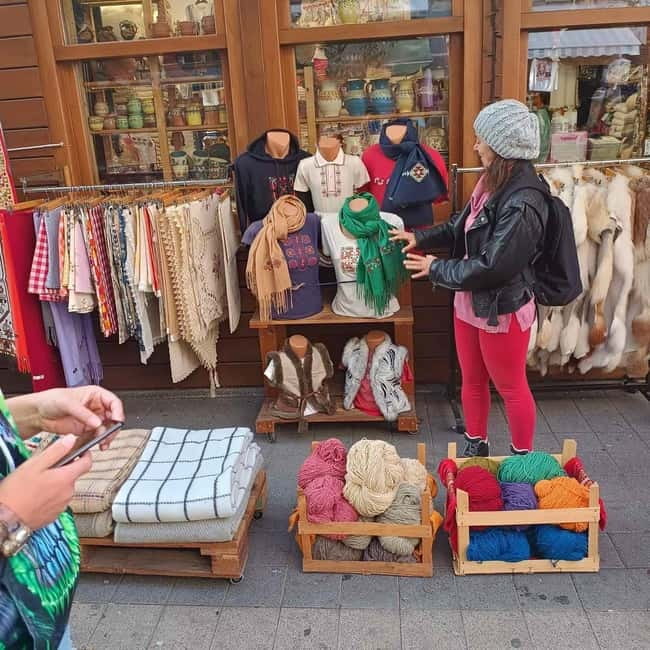
The Flea Market offers the most obvious chance to browse for souvenirs, old objects, and antiques. You might find something worth taking home, but you should treat the shopping as part of the experience rather than the main reason to book.
The market represents the postcommunist period in the tour’s historical framework. That gives your guide an opening to explain how commerce and daily life changed after Communism. The market also adds a less polished side of Sofia, which is useful if you want to see more than the city’s grand monuments.
Do not expect a guaranteed treasure hunt. The available information does not promise any particular items or vendors. Instead, think of this stop as a chance to look around, ask questions, and notice how old objects, secondhand goods, and modern souvenir shopping share the same urban space.
If you like antiques, allow yourself some browsing time. You may also spot antique shops along the way and make a note to return later. The tour itself continues through the city, so serious shoppers should not expect a long, unhurried buying session at every stall.
Central Market Hall and the Communist chapter
The Central Market Hall brings the food and history together in a more structured setting. Here, the tour links the market with Bulgaria’s Communist era. That connection helps explain why markets matter in Sofia beyond their role as places to eat.
Your guide can place the food in a wider story about the city and the country. This is where the tour becomes more useful than a simple list of tastings. You learn not just what you are eating, but how food fits into Bulgarian life and how Sofia’s public spaces changed over time.
The exact dishes are not specified in advance, so you should arrive open to trying local food rather than expecting a particular menu. That is a strength for many people, since the stops can reflect what is available that day. It is also something to keep in mind if you have strict dietary needs, because no special-diet information is provided.
Past participants repeatedly praised the food as tasty and plentiful. One person specifically advised arriving hungry, since the tastings can add up to a substantial meal. Plan your day around that. This is not a light nibble tour where you should eat a full lunch immediately beforehand.
A few more food tours in the world worth a look
- Reykjavik Food Walk – Local Foodie Adventure in Iceland
★ 5.0 · 18,952 reviews - Ho Chi Minh City Street Food Tour & Sightseeing By Motorbike
★ 5.0 · 9,413 reviews - Tokyo: Shinjuku Food Tour (13 Dishes at 4 Local Eateries)
★ 5.0 · 6,603 reviews - Winner 2025 Undiscovered Lisbon Food & Wine Tour by Eating Europe
★ 5.0 · 6,390 reviews
Hali Market and the Kingdom period
Hali Market represents the Kingdom period in the tour’s historical outline. The stop helps you see Sofia as a city shaped by more than one political system. Your guide can connect the market with the period when Bulgaria was a kingdom, then place it alongside the later Communist and postcommunist chapters.
This kind of comparison is one of the best reasons to choose the tour. You are not asked to memorize dates. Instead, you move through physical places and hear how each one reflects a different stage of the country’s development.
The food stop here adds a practical side to the lesson. Bulgarian cuisine can be easier to understand when you taste it in a market setting rather than read about it on a menu. Reviews of the experience point to traditional dishes, drinks, Bulgarian yogurt, and spring water among the food-related subjects discussed.
The tour is especially helpful if you are unsure what to order during the rest of your stay. You can ask the guide what a dish is, how it is usually served, and what local traditions surround it. That advice can save you from playing a guessing game at dinner later.
Women’s Market and the Ottoman influence
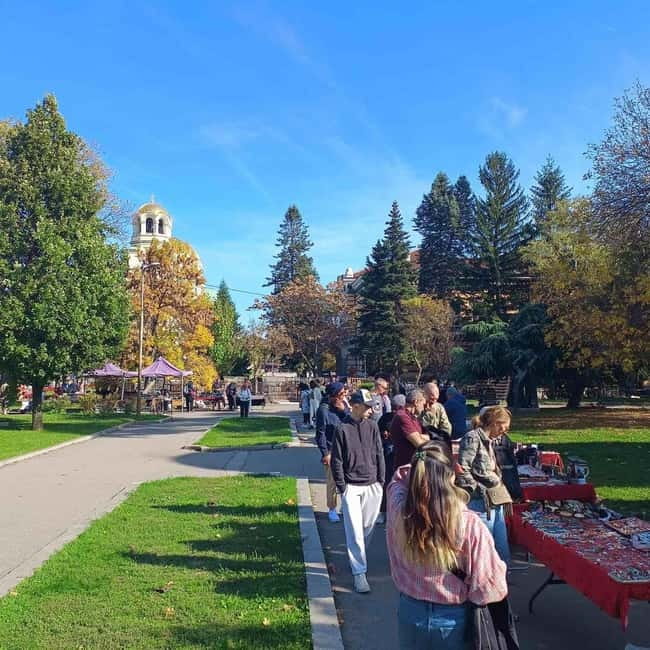
The Women’s Market represents the Ottoman presence in Bulgaria. This is a useful stop for understanding how Sofia’s food culture and city life were shaped by centuries of contact with the Ottoman Empire.
The market also gives the tour a more local, everyday feel. You see a place associated with shopping and daily needs, not just grand architecture. The guide can explain how Ottoman influence helped shape Bulgaria’s food and culture, while also showing how those influences fit into the country Sofia became.
Edward, who joined the tour, found the discussion of Bulgaria’s yogurt, spring water, and Ottoman influence particularly memorable. Those details show the range of the experience. You are not only looking at stalls. You are learning how ordinary food and drink connect to larger cultural changes.
As at the other markets, the information does not guarantee specific vendors or products. Go for the setting, the explanations, and the chance to see a working part of the city. If you want souvenirs, this is another place to keep your eyes open, but do not assume every stop is a dedicated shopping break.
Four food stops and what you actually get
The package includes four food stops with local dishes. A soft drink is included at the last stop. Other drinks are described as part of the local food experience, but the precise inclusions can vary, so check the details when booking if beverages matter to you.
The strongest praise goes to the food. People describe the portions as tasty and plentiful, and several found the stops more interesting than places they would have chosen on their own. That is an important benefit. A good food tour should take you beyond the most obvious tourist restaurants, and this one is designed to do that.
I would still keep expectations sensible. The tour does not provide a fixed menu in the information available, and food preferences are not discussed. If you have allergies or dietary restrictions, ask before booking rather than assuming substitutions will be available.
The food is best understood as part of the story. Each stop breaks up the walking, gives you time to talk with the guide, and lets you connect a dish with Bulgarian culture. You receive enough food to feel well fed, but the experience is also about learning what to notice when you eat elsewhere in Sofia.
The landmark walk between markets
The route includes some of Sofia’s most important sights. Alexander Nevsky Cathedral gives you the city’s grand religious and civic scale. Saint Sofia Church and the Roman ruins show how far back the city’s story reaches.
The Largo adds another layer, with its monumental urban design and connection to the Communist period. Banya Bashi Mosque and Sofia Synagogue help show the religious variety of central Sofia. Lion Bridge rounds out the route with another notable city landmark.
The benefit is orientation. You begin to understand where the central sights sit in relation to one another, which makes later independent sightseeing easier. Several people found the tour especially useful as a first activity in Sofia for this reason.
The drawback is that this is not a dedicated museum or cathedral tour. You pass by the landmarks and hear about their history, but the tour’s main focus remains markets and food. If you want extended interior visits, photography time, or detailed architectural study, book separate visits.
Walking, timing, and group comfort
The total walking distance is about 3 kilometers, or roughly 2 miles, with stops along the way. That is manageable for many people, but markets and central streets can make walking feel slower than the distance suggests. Comfortable shoes are essential.
The tour is listed as lasting one day, with start times available according to the date you choose. Several people describe it as an afternoon experience, but you should check the current starting time when booking. One person found that the tour began much later than expected and interfered with evening plans.
That is the one clear timing warning to keep in mind. Do not schedule a tight dinner reservation, train, or evening performance immediately afterward until you know the confirmed start and end time.
The tour is not suitable for wheelchair users or people with mobility impairments. No private transportation is included, and the experience is built around walking between the markets and sights. Wear comfortable clothes, especially if you are visiting in wet weather. One tour continued successfully in the rain, but practical footwear still matters.
Is $50 a fair price?
At $50 per person, this is not the cheapest way to walk around Sofia, but the price covers more than a standard guide service. You receive an English-speaking local guide, four food stops, a soft drink at the final stop, market visits, and historical commentary across central Sofia.
The value is strongest if you would otherwise pay for several meals and a separate city orientation. It is also useful if you are visiting Bulgaria for the first time and want help understanding what you are eating. The food portions can be generous enough to replace a meal, which improves the overall value.
The price is less compelling if you mainly want to shop or already know Sofia well. You may prefer visiting the markets independently and spending your money on exactly the dishes or souvenirs you choose.
Free cancellation up to 24 hours before the activity and reserve-now, pay-later booking add flexibility. Those terms are helpful when your Sofia plans are still moving, but the main value comes from the combination of food, walking, and context.
Who should book this experience?
I would choose this tour for a first or second day in Sofia, especially if you want a friendly introduction rather than a formal lecture. It suits curious eaters, history fans, couples, small groups, and younger visitors who want a mix of food and city sightseeing.
It is also a good fit for people who feel uncertain about Bulgarian cuisine. Your guide can explain what you are trying and point out local traditions that might otherwise pass unnoticed.
I would hesitate if you need step-free access, dislike walking, have strict dietary requirements that have not been confirmed, or want a quiet shopping trip. The tour has a social, conversational feel, and the timing may not suit a packed evening schedule.
FAQ
Where does the Sofia Flea and Food Markets Tour meet?
Meet at the Stefan Stambolov Monument in Crystal Park. The monument is a sculpture of a split head. Arrive 10 minutes before the scheduled start.
How long does the tour last?
The activity is listed as valid for one day, with starting times available when you check the date. The route includes about 3 kilometers, or 2 miles, of walking with stops.
Which markets are included?
The tour visits the Flea Market, Central Market Hall, Hali Market, and Women’s Market.
How many food stops are included?
Four food stops with local dishes are included. A soft drink is included at the final food stop.
What language is the tour conducted in?
The live tour guide speaks English.
What sights do you pass along the route?
The route passes Alexander Nevsky Cathedral, Saint Sofia Church, The Largo, Roman ruins, Banya Bashi Mosque, Sofia Synagogue, Lion Bridge, and other central Sofia sights.
Is the tour suitable for wheelchair users?
No. The experience is not suitable for wheelchair users or people with mobility impairments.
What should you bring?
Bring comfortable shoes and comfortable clothes. You should also arrive hungry enough to enjoy four food stops.
Should you book the Sofia markets tour?
Book it if you want Sofia explained through its food, markets, and changing political past. The combination is practical and enjoyable: you taste local dishes, see four different market settings, pass major landmarks, and get advice from a local guide.
The best time to take it is near the start of your stay. You can use the orientation to return to the markets, explore antique shops, and choose restaurants with more confidence. Just leave room in your schedule in case the tour runs later than expected.
At $50, this is a solid choice for a food-focused introduction to Sofia. Bring comfortable shoes, arrive at Crystal Park early, and come hungry.
Just added in the world
- Copenhagen Private Culinary Food Tour with 6 Tastings of Classics★ 5.0 · 42 reviews
- Copenhagen Private Food Walking Tour with 6 or 10 Tastings★ 4.5 · 177 reviews
- Copenhagen Food & Drink Private Tour: Scandinavia Delight Tasting★ 5.0 · 236 reviews
- Copenhagen Modern Food Tour★ 5.0 · 32 reviews
- 3-hour Culinary Bike Tour in English★ 5.0 · 235 reviews
- Copenhagen Best of Danish Pastry Tasting Tour★ 5.0 · 30 reviews
- Classic 3-Hour Food Tour in Colorado Springs★ 5.0 · 408 reviews
- COLOMBO PRIVATE CITY TOUR WITH street food( All inclusive )★ 4.0 · 40 reviews
Market Food Tours, compared.
Tokyo Tsukiji Fish Market Food and Culture Walking Tour
Read our review →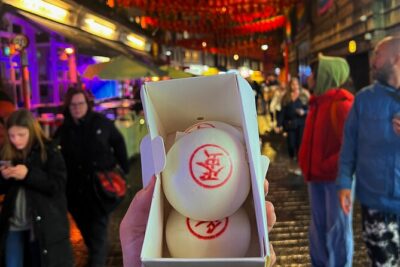
London Bridge & Borough Market Food Tour with 7 Authentic Dishes
Read our review →
Small Group Cooking Class & Market Food Tour in Florence
Read our review →
Nishiki Market Brunch Walking Tour (7 Tastings + Brunch)
Read our review →
Bologna Food & Market Tour with 6 Tastings, Pasta, Wines & More
Read our review →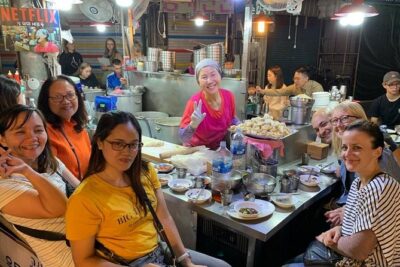
Browse the lists this tour appears in