
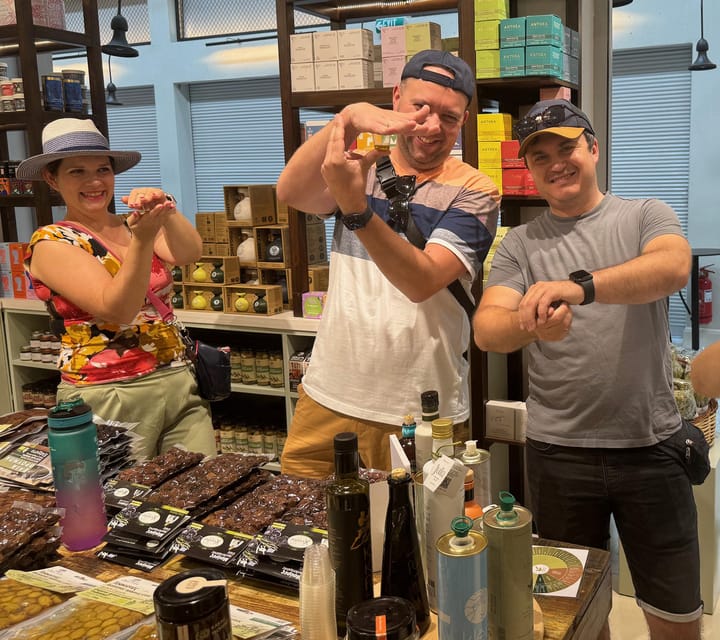
REVIEW · GREECE FOOD TOURS
Thessaloniki Food Tour with a Local Chef
Come hungry, leave curious. This 3.5-hour food tour offers a smart way to meet Thessaloniki through the food locals buy and eat, not just the dishes placed in front of tourists. I especially like the visits to the market, spice shops, and olive oil sellers, plus the chance to taste several kinds of honey and olives side by side. The main thing to consider is the price: at $129 per person, this is not a cheap snack walk, although the tastings and full lunch make it a stronger value than the headline price first suggests.
The guide, Tonia, is a major part of the experience. She brings warmth, humor, and strong knowledge of Greek food habits, and she is praised for making small groups feel at home. I also like that the route includes practical food advice for the rest of your stay. You may leave with restaurant recommendations, market tips, and a better idea of how to use Greek ingredients in your own kitchen.
Quick verdict: This is best for food lovers who want context with their meals, enjoy trying unfamiliar flavors, and prefer family-run shops over polished tourist stops. It is less suited to anyone seeking a quick lunch or a rigid sightseeing route.
The best parts of this Thessaloniki food walk
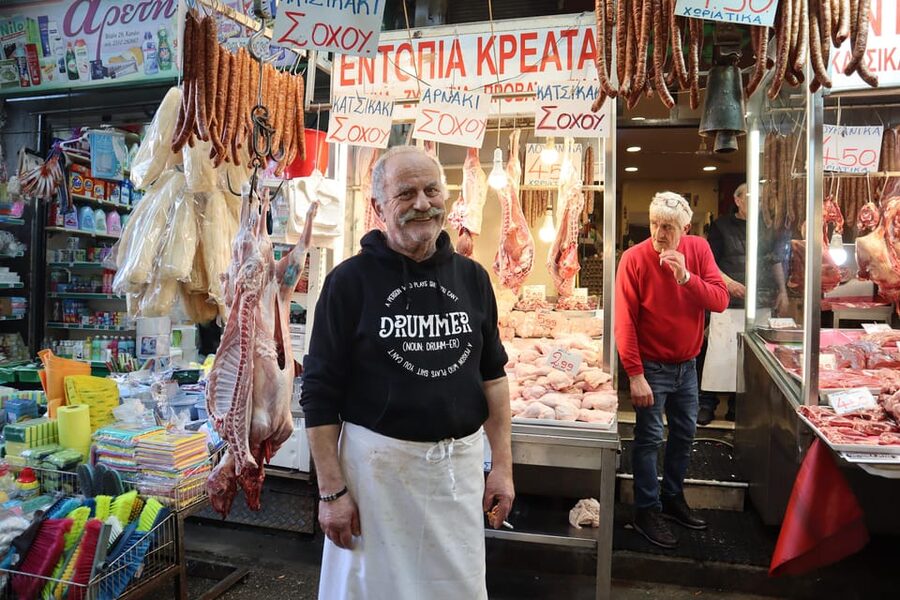
- Tonia’s personal approach: Her warm, patient style helps turn tastings into conversations about Greek customs, health habits, family food traditions, and daily life.
- Market shopping with purpose: You do not simply wander past stalls. You learn what the herbs, spices, oils, teas, and local products are used for.
- Honey tasting by variety: Sampling several honeys side by side shows how different Greek flavors can be, rather than treating honey as one generic product.
- A full farm-to-table spread: Baked goods, cheeses, cold cuts, olives, drinks, and lunch make this much more filling than a few token samples.
- Small-group feel: The group is described as staying below ten people, which makes questions and personal food requests easier.
- Useful advice for later: Booking early in your stay can help you choose restaurants and food shops for the rest of your time in Thessaloniki.
Why food is such a good way to meet Thessaloniki
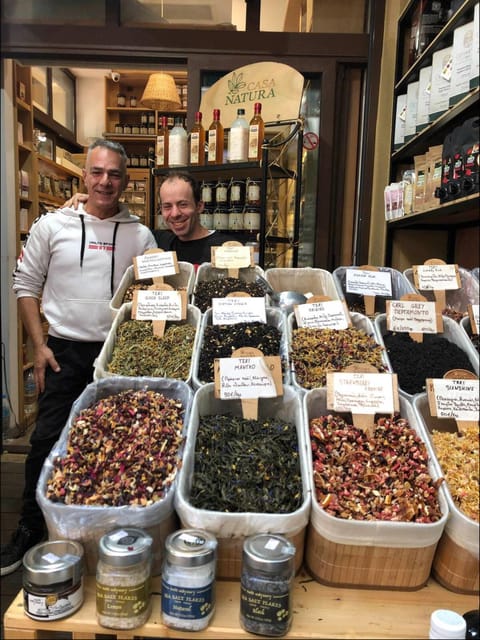
Thessaloniki is a city where food connects many parts of life. A market visit can tell you about local shopping, regional ingredients, family businesses, and the way people build meals from simple products. This tour uses that connection well.
You are not rushed from one famous sight to another. Instead, the route gives you time to taste, ask questions, and notice how an ingredient changes from shop to table. That slower rhythm is useful because Greek food can look familiar at first glance, yet the details matter. Olive varieties differ. Honey has its own flavor range. Herbs and spices can be used in ways that are not obvious if you only order restaurant dishes.
The tour also offers a pleasant introduction to Thessaloniki for a first day. Several people who took it early in their stay found the later restaurant suggestions especially useful. I would follow that advice. A food walk near the beginning of your visit can save you from spending the next few nights guessing where to eat.
More food tours with locals in Greece:
- Athens: Private Food Tour – 10 Tastings With Locals
★ 4.6 · 77 reviews - Chania Walking Food Tours Crete with a local!
★ 4.5 · 61 reviews - Acropolis Food Tour with a Local Friend
★ 5.0 · 21 reviews
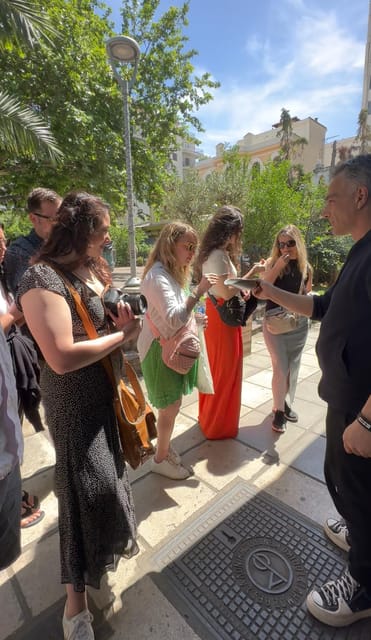
Meeting at the Grigori Lampraki monument
The meeting point is the Grigori Lampraki monument. You will need to arrange your own way there, since transportation to the meeting point is not included.
This is worth planning carefully. The activity is centered in Thessaloniki, and the route then moves through food shops, the historic market area, and a restaurant. Comfortable walking shoes are a must. Bring water, especially in warm weather, along with sunscreen and a sun hat. A camera is welcome, but your hands may be busy with small plates and samples.
The official duration is 3.5 hours. The published route breaks into food tasting, a market and shopping visit, and lunch. Those time blocks add up to a little more than the stated duration, so keep some flexibility in your schedule. The experience is clearly food-led rather than clock-led, and several past groups spent much longer than planned because the meal and tastings grew into a generous afternoon.
Baked goods, cheese, cold cuts, and Greek drinks
The opening spread sets the tone. You begin with baked goods, cheeses, and cold cuts paired with locally made Greek beverages. This is a good first stop because it lets you taste several categories at once instead of filling up on a single dish.
The farm-to-table charcuterie is one of the more substantial inclusions. You can expect a selection of meats and cheeses, with Tonia explaining how the products fit into Greek eating habits. The point is not simply to say that everything tastes good. It is to understand how quality ingredients, local production, and simple pairings shape the meal.
Greek drinks accompany the food, and the tastings can be adapted when dietary needs are discussed in advance. The tour has been praised for making sure people with restrictions still have enough to eat. You should still tell the provider about allergies or dietary limits before the tour, since the experience includes many different products and shared tasting stops.
Come with a light breakfast or an empty stomach. This is not a tour where you nibble twice and wait for lunch.
Olive oil, olives, and balsamic glazes
The olive oil tasting gives you a chance to pay attention to flavor rather than treating oil as a background ingredient. Tonia introduces the oils and helps explain what you are tasting. For anyone who normally pours olive oil without thinking about it, this can change the way you shop and cook.
You also sample several types of olives. That variety matters because olives differ in size, texture, saltiness, and flavor. Tasting them together makes the differences easier to notice than reading labels in a shop.
Rare balsamic vinegar glazes are included as well. These add another layer to the food stops and may give you ideas for using glazes with cheese, vegetables, or other simple dishes at home. The value here is practical: you are not only eating, you are learning which ingredients are worth seeking out later.
The one limitation is that exact products and quantities can vary. Food tours depend on what shops and kitchens have available, so you should see the menu as a guided tasting rather than a fixed list of guaranteed brands or dishes.
A few more food tours in Greece worth a look
- Greek Food Walking Tour in Athens
★ 5.0 · 4,740 reviews - Athens: Street Food Tasting Tour
★ 4.9 · 3,343 reviews - Athens: Guided Greek Food Walking Tour with Tastings
★ 4.9 · 2,859 reviews - Small Group Greek Traditional Food Tour in Athens 20+ Tastings
★ 5.0 · 1,759 reviews
Honey tasting and the many sides of sweetness
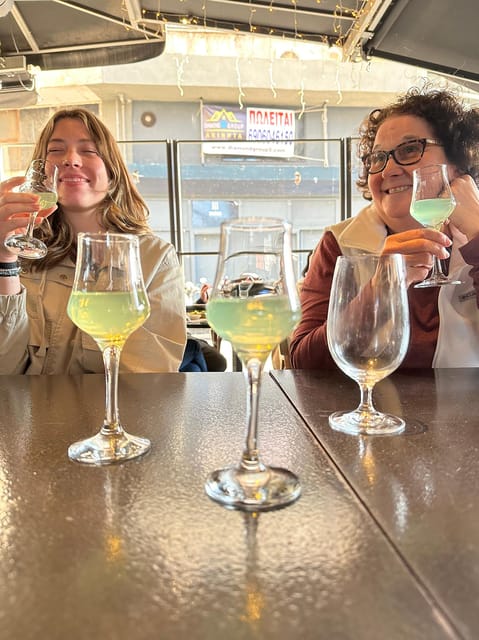
The honey session is a particularly nice touch. Instead of presenting one jar as the local answer to everything, the tour introduces several varieties and explains their different flavors.
This is useful even if you already know Greek honey. Side-by-side tasting helps you notice how one variety can be light and floral while another has a darker or stronger character. Tonia also connects the tasting to Greek food habits and the ways people use honey beyond simply adding it to tea.
Greek teas are part of the wider ingredient discussion, along with their stated benefits. The emphasis is on learning what the products are and how they fit into everyday use. You may not become an expert in one afternoon, but you should leave better prepared to read labels, ask shopkeepers questions, and choose something beyond the most familiar option.
If you have a sweet tooth, this section will be a highlight. If you prefer savory food, it still earns its place because it shows how much flavor can come from a single ingredient.
The historic market, spice shops, and family businesses
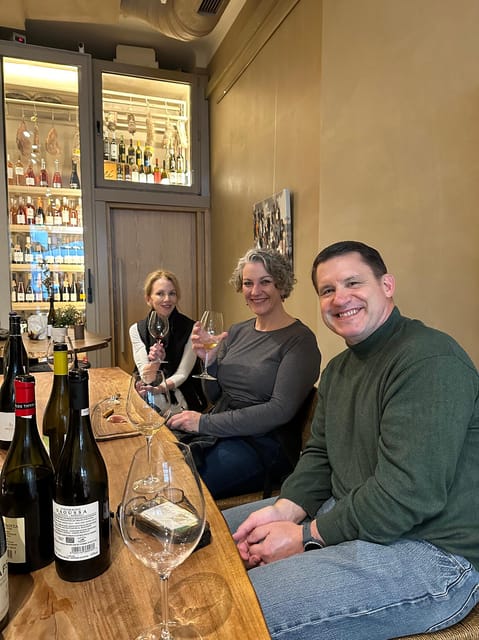
The market portion gives the tour its strongest sense of place. You walk through an older food market filled with local products, small shops, herbs, and spices. The route is concentrated enough that you are not spending the entire afternoon marching between distant stops.
The most useful part is the explanation. Rare spices can be confusing when you do not know their names or uses. Tonia helps connect them to cooking, so you can understand how to use them at home instead of buying an attractive packet that sits untouched in a cupboard.
Many of the shops visited are family-run businesses with several generations behind them. That adds human detail to the experience. You are not simply looking at ingredients in a display. You are meeting the people and places that keep local food traditions in daily use.
This is also where the tour avoids the usual tourist trap problem. You are shown shops and food places you might not think to enter on your own. The market can be busy and sensory, so people who prefer a quiet, highly structured outing may find this section a little more active.
Lunch at a local restaurant
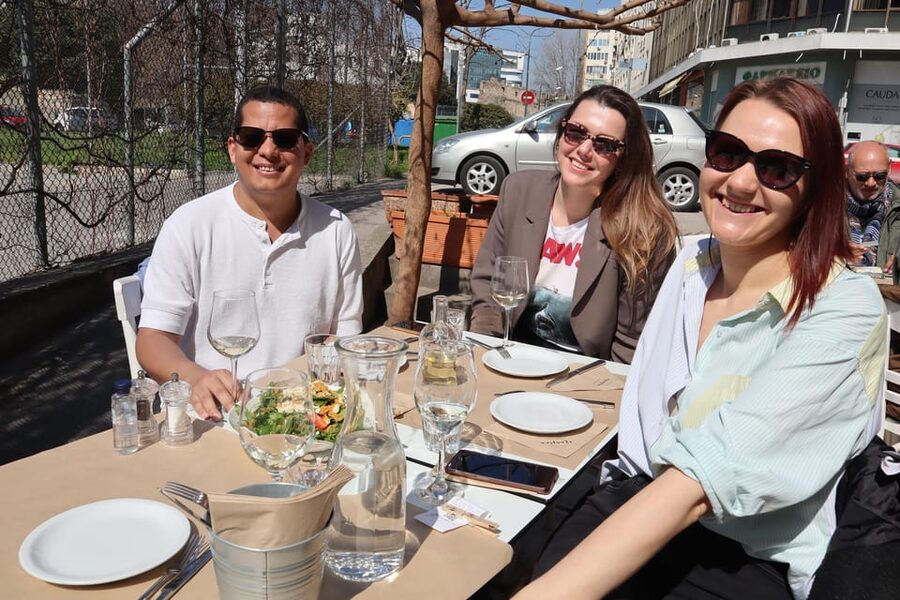
The final restaurant stop is meant to show what local kitchen skill can do with the ingredients you have just seen. You finish with a high-quality lunch, not just a final pastry or one small plate.
This closing meal gives the tour a sensible shape. First you taste ingredients, then you see where they are sold, and finally you experience them in prepared dishes. It connects the market to the table.
The restaurant is described as away from the usual tourist circuit, and Tonia helps explain what you are eating. Several people valued the fact that the meal felt like a place they would not have found alone. The food is presented as a proper ending, so plan to be comfortably full by the time you finish.
A possible drawback is the lack of a fixed published menu. If you need to know every dish in advance, ask about the current meal and dietary arrangements before booking. Food choices can change with the day, season, and group needs.
What Tonia adds to the experience
The food is the reason to book, but Tonia is the reason the tour feels personal. Her style is described as energetic, sincere, patient, and funny. She explains ingredients without turning the walk into a lecture, and she encourages questions about food, health habits, and local life.
That matters in Thessaloniki because a dish often has a story behind it. A market product may be tied to a family business. A tea may have a household use. A spice may be familiar to local cooks but new to you. Tonia’s role is to make those connections clear.
She also offers restaurant and bar recommendations for the rest of your stay. I consider this one of the tour’s best practical benefits. You can use the advice immediately, especially if you book this near the beginning of your visit.
The guide’s name appears as Tonia in the available information, and that is the name most consistently associated with the experience. Her strong presence is a reason to choose this tour over a generic food walk.
Is $129 a fair price?
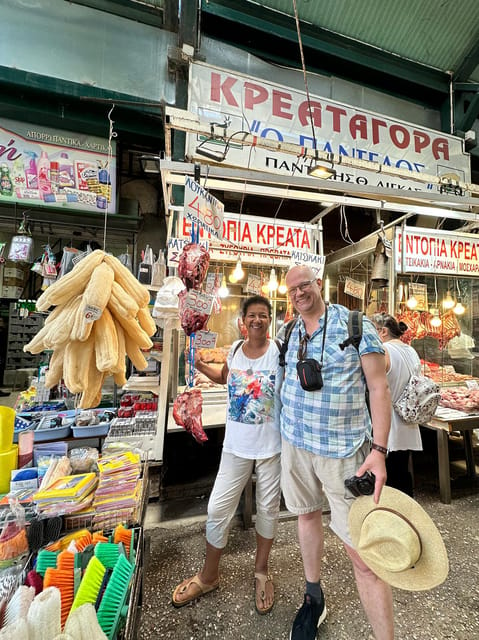
At $129 per person, this tour costs more than a self-guided market visit and a casual lunch. The price makes more sense when you count the structure: baked goods, cheeses, cold cuts, locally made drinks, olive oil, olives, honey, teas, balsamic glazes, spices, market visits, and a full restaurant meal.
You are also paying for access and interpretation. Without a guide, you could visit the market, but you might not know which shops are worth your time, which products are unusual, or how to use the ingredients. The meal and tastings add real food value, while Tonia’s advice can help you avoid poor restaurant choices later.
I would call it a good value for people who genuinely enjoy food and plan to eat well in Thessaloniki. It is less good value if you mainly want a cheap way to get lunch. In that case, a restaurant meal and independent market visit will cost less, though you will lose the guided tastings and local advice.
The cancellation policy also reduces some booking risk: you can cancel up to 24 hours ahead for a full refund, and you can reserve now and pay later.
Who should book this food tour?
I would recommend it to first-time visitors, couples, small groups, and curious eaters who like to ask questions. It suits people who want Greek food explained in everyday terms, especially if you enjoy shopping for ingredients or cooking at home.
It is also a strong choice for anyone with food restrictions, provided you share those needs before the tour. The guide has been praised for making sure people have suitable options, but clear communication remains important.
Families may enjoy the tastings, although the experience is built around walking, market stops, and a long meal rather than children’s entertainment. People who dislike trying unfamiliar foods, dislike group tours, or need a tightly timed schedule may prefer to explore independently.
My final take: book early if food matters to you
I would book this tour early in a Thessaloniki stay, not on the final afternoon. The food is generous, the market access is useful, and the restaurant advice can shape the rest of your trip.
The strongest reasons to go are Tonia’s personal guidance, the wide range of tastings, and the focus on local shops rather than standard tourist favorites. The main cautions are the $129 price, the walking, and the fact that the food schedule may run longer than the advertised 3.5 hours.
If you want a quick meal, skip it. If you want to understand how Greek ingredients move from market stall to kitchen, book it.
FAQ
How long does the Thessaloniki food tour last?
The advertised duration is 3.5 hours. The food tasting, market visit, shopping stops, and lunch may take longer, so leave extra time in your schedule.
What is the meeting point?
The meeting point is the Grigori Lampraki monument in Thessaloniki.
Is transportation to the meeting point included?
No. You are responsible for getting to the meeting point.
What language is the tour offered in?
The tour is offered in English with a live guide.
What food and drinks are included?
The experience includes baked goods, cheeses, cold cuts, Greek beverages, olive oil, olives, honey, Greek teas, balsamic vinegar glazes, rare spices, and a high-quality lunch.
Does the tour include a market visit?
Yes. You walk through a historic food market and visit local shops featuring herbs, spices, and other food products.
Is lunch included?
Yes. The tour ends with lunch at a local restaurant.
Can I cancel for a refund?
Yes. You can cancel up to 24 hours in advance for a full refund.
What should I bring?
Wear comfortable shoes and bring water, sunscreen, a sun hat, and a camera. Pets and smoking are not allowed. Be sure to communicate any food allergies or dietary restrictions.
Just added in Greece
- Walking “Food tasting tour” in the town of Chania★ 5.0 · 297 reviews
- The Delicious Chania Street Food Tour★ 5.0 · 138 reviews
- Sunset Craft Beer & Food Tour – Chania Old Port★ 5.0 · 86 reviews
- Cruise Ship Guest Beer & Food Tour – Chania Old Port★ 5.0 · 26 reviews
- Chania Walking Food And Wine Night Tour★ 4.5 · 31 reviews
- Gastronomy tour and wine tasting in traditional villages★ 5.0 · 32 reviews
- Chania Walking Food Tours Crete with a local!★ 4.5 · 61 reviews
- Eat & Crete Food Tour [non-touristy] Chania Villages★ 5.0 · 25 reviews
Food Tours with Locals, compared.
Eat Like a Local: Venice 3-Hour Small-Group Food Tasting Tour
Read our review →
Street Food Tour with a Local Guide and Tastings
Read our review →

Hungry Osaka Street Food Tour:15 Tastings & 3 Drinks with a Local
Read our review →Browse the lists this tour appears in