
REVIEW · MONTREAL FOOD TOURS
Montreal: Cooking Class & Lunch with Michelin-Trained Chef
Good food gets better when you learn why it works. This private Old Port cooking class pairs a three-course tasting menu with hands-on lessons from Michelin-trained Chef Rob. I like that you do not simply watch a chef cook. You help build one of the courses, then sit down to eat the finished meal.
I also like the focus on useful skills rather than rigid recipes. You learn sauce ratios, flavor building, cutting, searing, pan-roasting, oven poaching, and plating. The main consideration is the shifting start time: your afternoon appointment is usually between 12:30 and 1:30 p.m., with final confirmation 24 to 48 hours ahead because the menu depends on farm deliveries.
- Private Old Port setting: The class takes place at 375 Rue Saint-Paul East, with a discreet entrance through number 5.
- Chef Rob’s practical teaching: Expect clear lessons on sauces, flavor balance, slicing, and presentation.
- Montreal through many food cultures: Courses may draw from Caribbean, Asian, Middle Eastern, Persian, French, or Quebecois cooking.
- You cook and eat: Each participant helps with a course before sharing the completed three-course meal.
- A flexible seasonal menu: Farm and fish deliveries shape the start time and likely influence what appears on the plate.
- A compact 2.5-hour format: It fits neatly into an afternoon, though you should not book another fixed appointment too close afterward.
What This Old Port Cooking Class Really Is
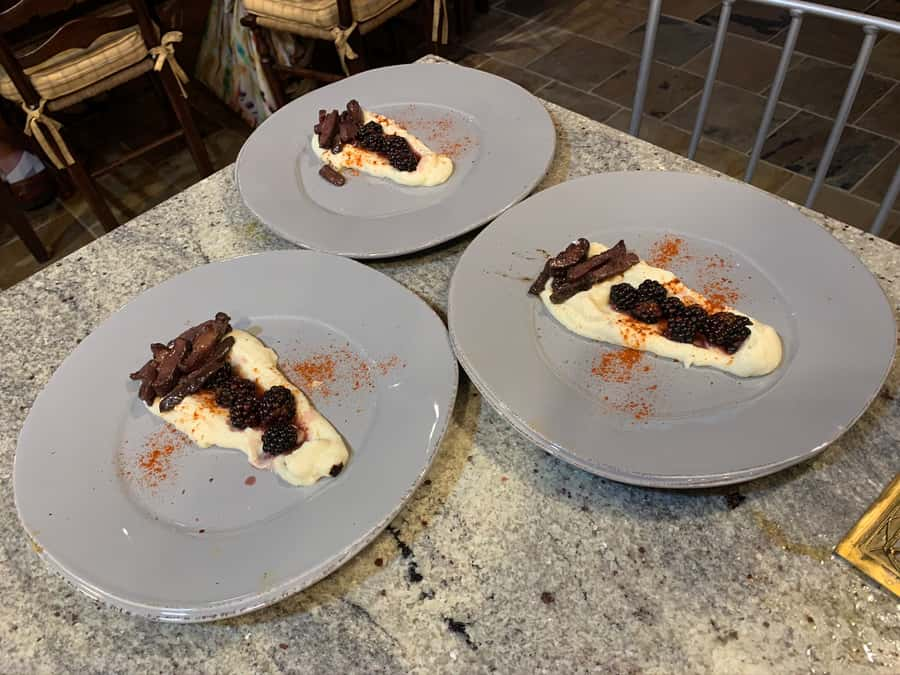
This is not a standard class where everyone follows a printed recipe from beginning to end. It is a private, guided kitchen session built around a tasting menu. Chef Rob introduces a dish, explains the thinking behind it, and gives each participant a role in preparing one part of the meal.
That difference matters. If you want to reproduce an exact Montreal dish at home, this may feel less structured than a conventional cooking school. If you want to understand how a professional thinks about flavor, texture, sauce, and presentation, the format has more to offer.
The meal tells a food story through several cultures found in Montreal. A course might use Caribbean spices, Asian ingredients, Middle Eastern or Persian touches, French bistro technique, or Quebecois influence. The menu is not fixed in the information provided, so you should expect the dishes to change with ingredients and the chef’s plan.
The class is taught in English and is for a private group. That gives the session a more personal feel than a large public workshop. You can ask questions as you work, and Chef Rob can spend time explaining why certain ingredients belong together.
Meeting Chef Rob at 375 Rue Saint-Paul East
The meeting point is in Montreal’s Old Port at 375 Rue Saint-Paul East. When you arrive downstairs, text the chef and buzz number 5. You are asked to keep quiet in the hallways while walking up, so this is clearly a home-based or residential-style setting rather than a public cooking school.
That arrangement has advantages. The setting is intimate, and the meal can feel more like being invited into a chef’s kitchen than attending a class in a commercial studio. It also means you should pay attention to the arrival instructions. Do not assume you will see a large sign or a busy storefront.
Chef Rob communicates by text before the class. That is useful because the starting time is not fixed. The schedule usually falls between 12:30 and 1:30 p.m., but the exact time is confirmed 24 to 48 hours before the session. The reason is practical: deliveries from farmers and fishermen can affect the kitchen schedule.
I would leave a little space around this appointment. The class lasts 2.5 hours, but a flexible start time makes it unwise to pair it with a museum ticket or train departure at a precise hour.
More cooking classes in Canada:
- Authentic Pizza Making Class in Naples with Appetizers and Drink
★ 5.0 · 3,178 reviews - Tokyo: Roll and Authentic Sushi Making Class in Asakusa
★ 4.9 · 1,957 reviews - Ramen Cooking Class at Ramen Factory in Kyoto
★ 5.0 · 1,937 reviews
The Opening Lesson: Montreal’s Food Cultures
The session begins with an introduction to global food cultures, tied to Montreal’s own mix of culinary traditions. This is not just a list of places and ingredients. The point is to show how a dish can borrow methods and flavors from several food cultures while still feeling suited to Montreal.
You might hear about Caribbean seasoning in one course, French sauce work in another, or Persian and Asian touches used to bring contrast to a plate. The exact combination depends on the menu. What stays consistent is the chef’s attention to balance.
This opening is useful if you are curious about more than local specialties. Montreal’s food identity is not limited to one regional style. The class presents the city through migration, restaurant culture, and the way cooks combine outside influences with French technique and local ingredients.
The food-culture talk also gives the meal a clear purpose. You are not just preparing three unrelated plates. Each course is meant to show a different idea about flavor, technique, or cultural influence.
Sauce Ratios and Building Flavor
Sauces are the heart of this experience. Chef Rob teaches professional ratios for making sauces and explains how they support the main ingredient instead of simply covering it.
That is a valuable lesson for home cooks. A recipe tells you what to add, but ratios help you adjust when you have more fish, less stock, a sharper citrus, or a sweeter vegetable than expected. Understanding balance gives you more freedom in your own kitchen.
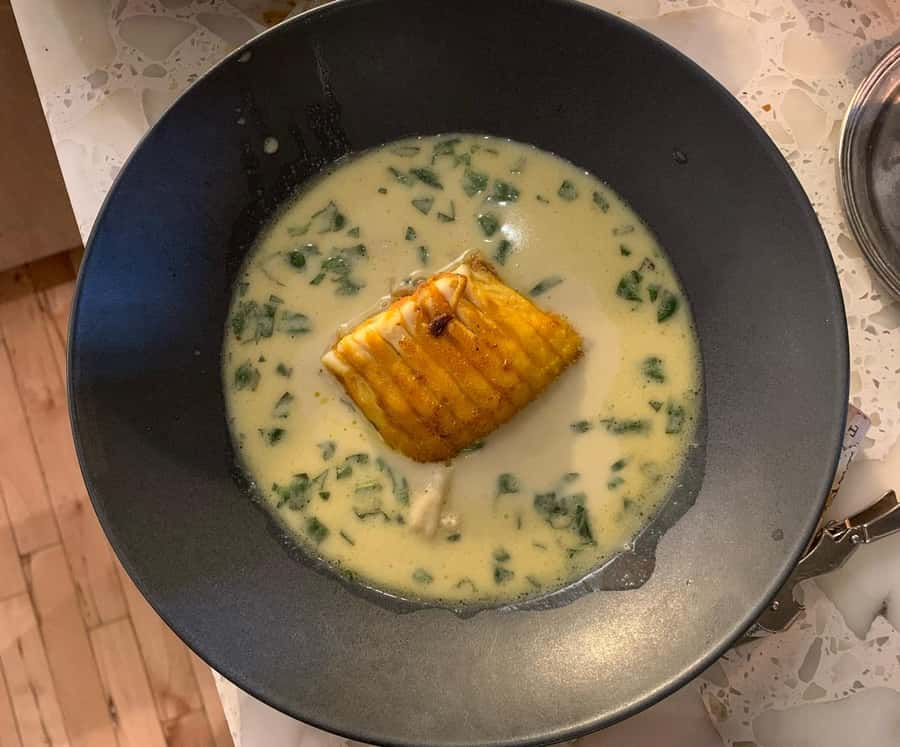
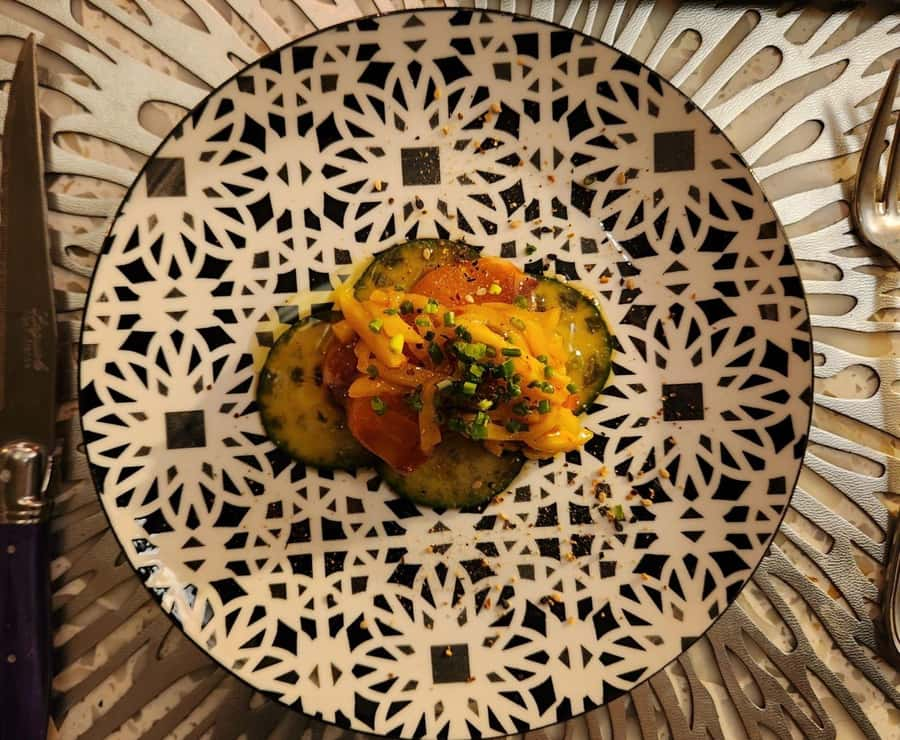
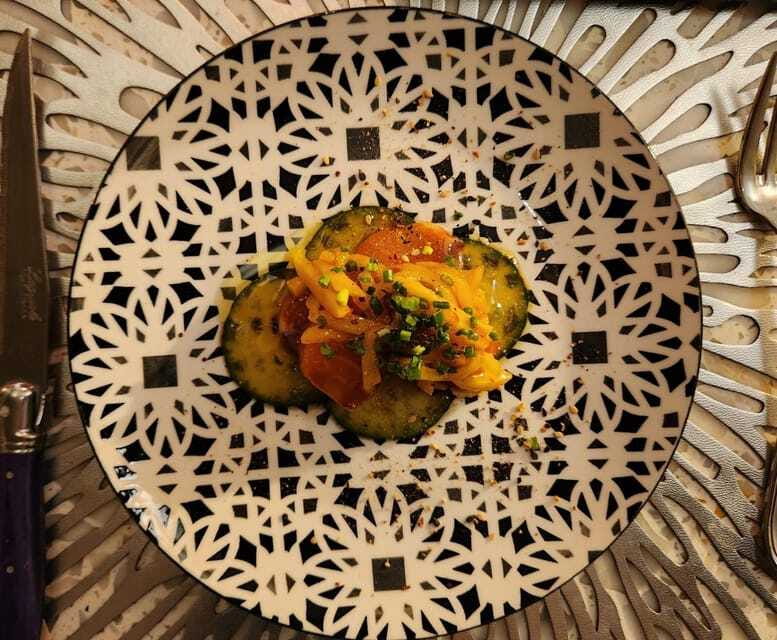
Past sessions have included lessons on several sauces, including how to bring together ingredients that might not be obvious partners. One example involved salmon with scallions and other carefully matched flavors. Another used smoked pork belly with cucumber, mango, and Caribbean spices. These examples show the style of cooking to expect: familiar ingredients placed in less predictable combinations.
You also learn how to build flavor in stages. The class covers seasoning, spice use, and the relationship between ingredients. A useful part of the teaching is the explanation of why an ingredient works with another, not just the instruction to add it.
Cutting, Searing, and Other Hands-On Skills
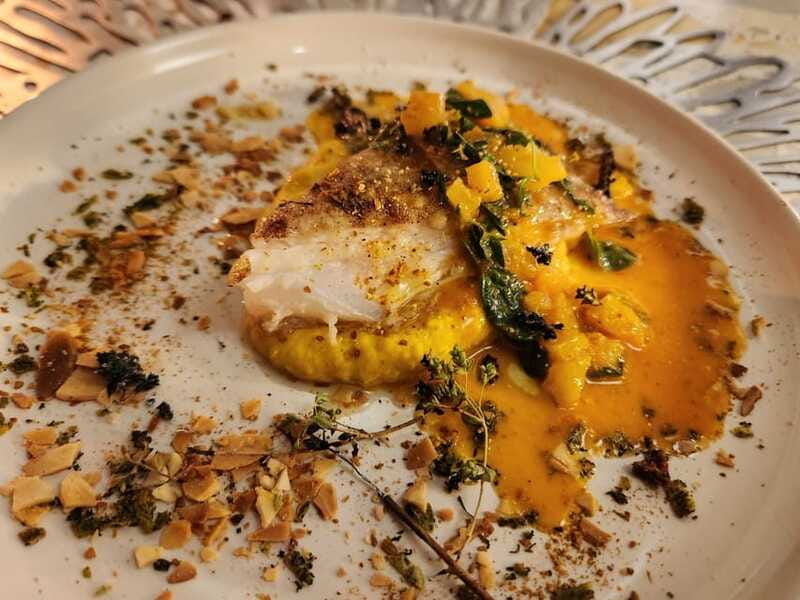
The hands-on work can include slicing, searing, pan-roasting, oven poaching, and plating. Each person collaborates on one course, so you are involved without having to manage an entire restaurant kitchen.
The cutting lesson may be especially useful. One session included instruction on cutting cherry tomatoes without losing their juices. That sounds small, but it is exactly the kind of detail that changes a salad or garnish from watery to clean and fresh.
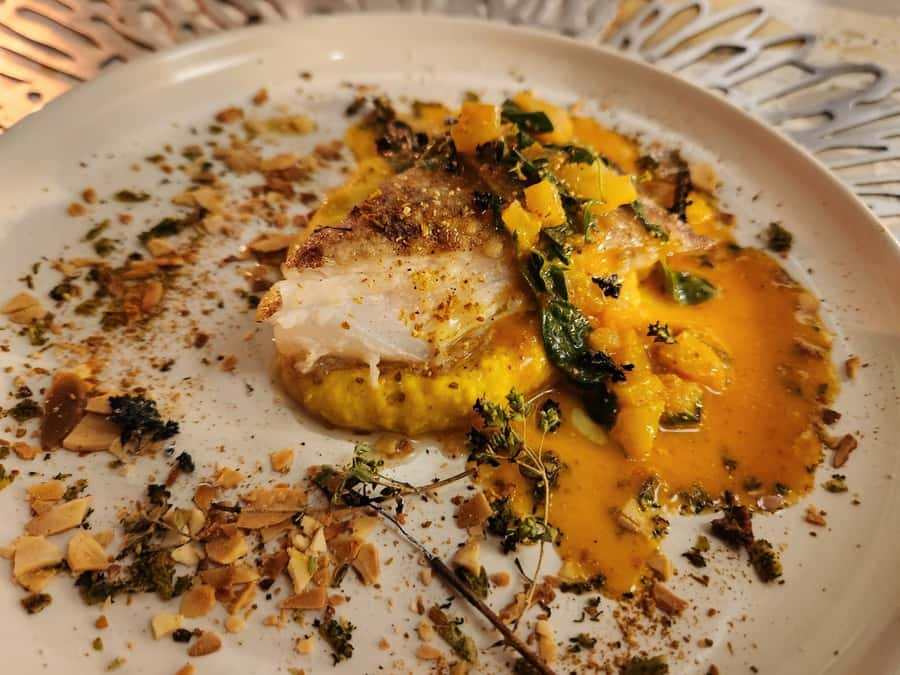
You may also work with seafood or meat. Salmon and duck have appeared in past classes, and one session included an innovative approach to cooking duck. The specific protein is not guaranteed, but the teaching style is clear: Chef Rob uses the ingredients at hand to show technique.
The pace should suit curious home cooks. Chef Rob has been praised for taking time to explain what he is doing and why. At the same time, this is a 2.5-hour class, so you are getting selected professional lessons rather than a full culinary-school curriculum.
More gourmet food tours in Canada:
- Evening Gourmet Tour 5 Course Dinner – History and Food in Old Quebec City
★ 5.0 · 496 reviews - Quebec City: Old Quebec 5-Course Gourmet Food Tour
★ 5.0 · 107 reviews - Bateaux Parisiens Seine River Gourmet Dinner & Sightseeing Cruise
★ 4.5 · 6,930 reviews - Authentic Parisian Gourmet Food Tour with 10 Local Dishes & Wines
★ 5.0 · 4,754 reviews
Plating the Three-Course Meal
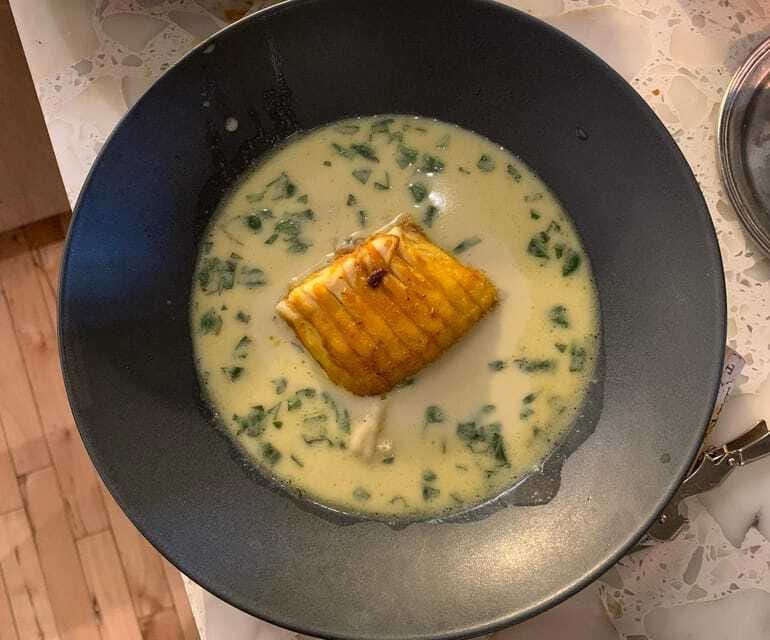
Plating is treated as part of cooking, not an afterthought. Chef Rob shows how to arrange food so the plate looks balanced and the components make sense together.
This is another place where the class gives you a method rather than a single design to copy. You learn to think about color, shape, sauce placement, and the amount of food on the plate. The goal is not decoration for its own sake. Good plating should help you see how the course is meant to be eaten.
Once the preparation is complete, the group sits down to enjoy the three-course tasting menu. That shared meal is an important part of the experience. You get to judge the result of the techniques while the flavors are fresh, and you can discuss what worked with the chef and the other members of your private group.
The menu may include French bistro ideas mixed with Caribbean, Asian, Persian, Middle Eastern, or Quebecois flavors. Since it follows seasonal deliveries, you should not expect a fixed menu printed months in advance.
What You May Eat
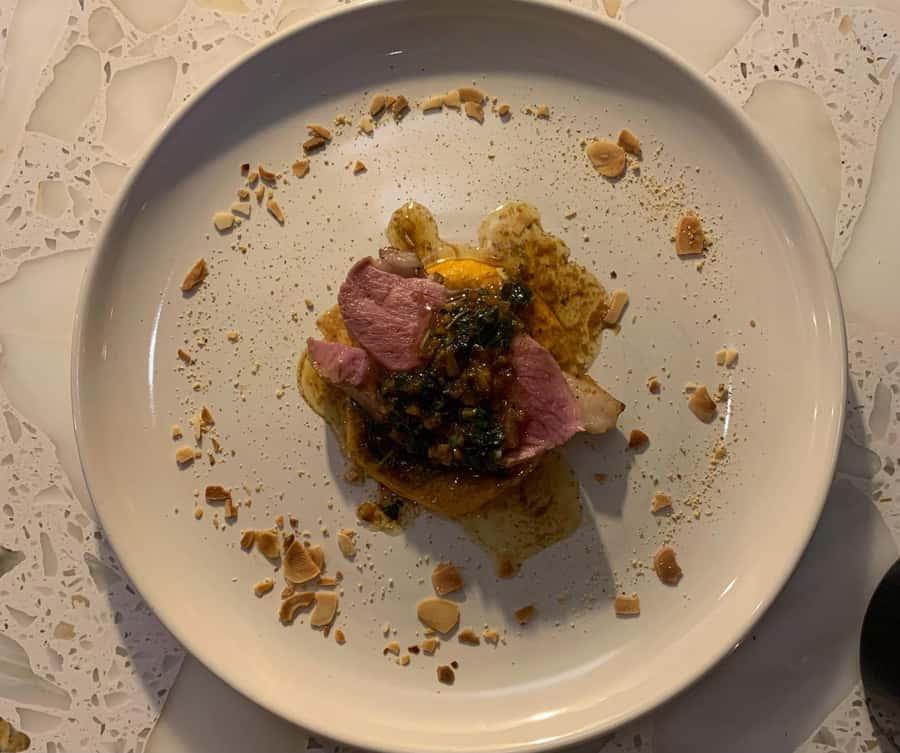
The strongest examples available point to food with layered flavor rather than plain introductory dishes. A salmon course has been paired with scallions in a way that surprised a diner who normally avoids onions. Smoked pork belly has been served with cucumber, mango, and Caribbean spices, creating a mix of richness, freshness, sweetness, and heat.
Duck has also featured in the teaching, along with unusual spice combinations. These are not promises about your exact meal. They are useful clues about the chef’s approach.
The three courses may include a starter, main course, and dessert, but the precise structure is not specified. You should think of the menu as a seasonal tasting rather than a fixed restaurant menu. Ingredients from farmers and fishermen help determine what is available.
Drinks are not included in the stated price. Past sessions have included wine pairings, adult beverages, and a nonalcoholic tea pairing with rare flavors. Since drinks are separate, ask ahead about current pairing choices and cost if that part of the experience interests you.
Is $128 a Fair Price?
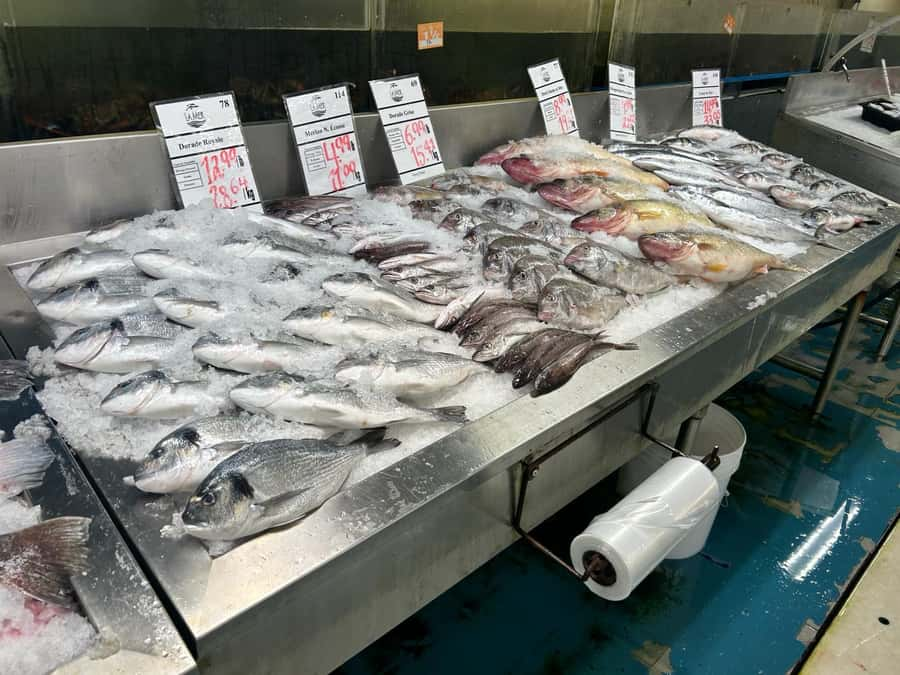
At $128 per person, this is not a budget meal. The value depends on what you want from an afternoon in Montreal.
If you only want lunch, you can eat for less. If you want a private cooking lesson, a three-course tasting, direct time with a Michelin-trained chef, and practical skills to take home, the price is easier to justify. You are paying for instruction as well as food.
The private format adds value. You are not standing at the back of a crowded demonstration or waiting for your turn with one mixing bowl. Each participant collaborates on a course, asks questions, and gets a closer look at technique.
The cost does not include drinks, so build that into your budget. A wine or tea pairing may add pleasure, but it also changes the final price. I would consider the class a good splurge for a food-focused afternoon, especially if you value personal instruction more than a large sightseeing itinerary.
Who Will Enjoy This Most
This experience suits home cooks who want to improve their instincts. You do not need to be an expert. The lessons focus on skills that can help at many levels, from sauce balance and seasoning to cutting and plating.
It is also a good fit for couples, families, and friends who like to eat together but want more than a passive restaurant meal. The private setup allows the group to work at its own pace within the class schedule.
Food and culture enthusiasts will appreciate the Montreal angle. The class does not treat French bistro cooking as the whole story. Instead, it connects local eating with Caribbean, Asian, Persian, Middle Eastern, and Quebecois influences.
I would be more cautious if you need a guaranteed menu, dislike last-minute schedule confirmation, or want a class devoted to one traditional cuisine. The shifting start time and changing menu are part of the experience, but they may not suit a tightly planned itinerary.
The activity is wheelchair accessible, and instruction is in English. Cancellation is free up to 24 hours before the class, and you can reserve now and pay later, which helps if your Montreal plans are still taking shape.
A Few Practical Tips Before You Go
Text when you are downstairs and use buzzer number 5. Keep the hallway quiet as requested, and save the chef’s confirmation message so you have the final meeting time handy.
Plan for the full 2.5 hours, with extra breathing room before your next appointment. The class usually takes place in the afternoon, but the confirmed time may shift within the 12:30 to 1:30 range.
Ask about drinks before arriving. They are not included, though prior sessions have offered wine, other adult beverages, and unusual nonalcoholic tea pairings.
Come ready to participate. This is not the place to sit back and watch every step. You will get more from it if you ask why a sauce is balanced a certain way or how you could adapt a technique at home.
Should You Book Chef Rob’s Montreal Class?
Book it if you want a private, hands-on food experience with useful skills, a seasonal three-course meal, and a chef who explains the thinking behind each dish. The strongest reasons to go are the sauce lessons, the cultural range of the menu, and the chance to cook before sitting down to eat.
Skip it if you need a fixed start time, a guaranteed menu, or drinks included in the price. For the right person, $128 buys more than lunch. It buys a compact cooking lesson and a personal look at how Montreal’s many food cultures can meet on one plate.
FAQ
Where does the cooking class take place?
It takes place at 375 Rue Saint-Paul East in Montreal’s Old Port. Text when you are downstairs and buzz number 5. You are asked to keep quiet in the hallways while walking up.
How long does the experience last?
The cooking class and tasting last 2.5 hours.
What time does the class begin?
The start time varies between 12:30 and 1:30 p.m. The final time is confirmed 24 to 48 hours ahead because of farm deliveries.
Is the class taught in English?
Yes. The listed language is English.
Is the activity private?
Yes. It is offered as a private group experience.
Are drinks included?
No. Drinks are not included in the stated price. Past sessions have included wine, other adult beverages, and nonalcoholic tea pairings, but you should ask about current options separately.
Is the experience wheelchair accessible?
Yes. The activity is listed as wheelchair accessible.
More Workshops in Canada
- Sushi Making Tokyo Roll and Authentic Japanese Sushi Class
★ 5.0 · 3,971 reviews - Small Group Cooking Class & Market Food Tour in Florence
★ 5.0 · 1,574 reviews - Tokyo: Sushi Making Class in a Happi Coat near a Famous Spot
★ 4.9 · 1,377 reviews - Sushi Making Osaka Roll and Authentic Japanese Sushi Class
★ 5.0 · 1,220 reviews
More lunch experiences in Canada
- From Porto: 2 Wine Regions, Farm-to-Table Lunch & Boat
★ 4.9 · 5,724 reviews - San Francisco Super Saver: Muir Woods & Wine Country w/ optional Gourmet Lunch
★ 4.5 · 3,352 reviews - Bateaux Parisiens Seine River Gourmet Lunch & Sightseeing Cruise
★ 4.5 · 2,680 reviews - Porto Food & Wine Tasting Tour with Lunch or Dinner Option
★ 5.0 · 2,303 reviews
Just added in Canada
- Charlottetown Food Walking Tour★ 5.0 · 59 reviews
- Charlottetown waterfront SOLAR PartyBike food & drink experience!★ 4.0 · 92 reviews
- Bites and Sites of Canmore Walking Food Tour★ 5.0 · 26 reviews
- Calgary Street Art & Craft Beer 3 Hour Tasting Tour★ 5.0 · 44 reviews
- Canadian Rocky Mountain Food Tour★ 5.0 · 91 reviews
- Banff Food Tour: Eat the Castle★ 5.0 · 130 reviews
- Toronto: St Lawrence Market Food Tour with 6 Tastings★ 4.7 · 168 reviews
- Ottawa: Taste of the ByWard Market Food Tour★ 4.9 · 50 reviews
Cooking Classes, compared.
Authentic Pizza Making Class in Naples with Appetizers and Drink
Read our review →
Roll and Authentic Sushi Making Class in Asakusa
Read our review →
Ramen Cooking Class at Ramen Factory in Kyoto
Read our review →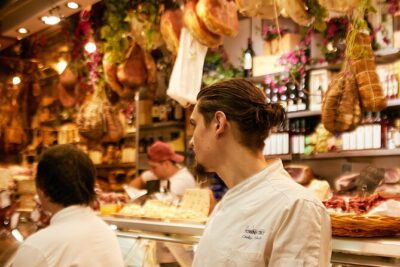
Small Group Cooking Class & Market Food Tour in Florence
Read our review →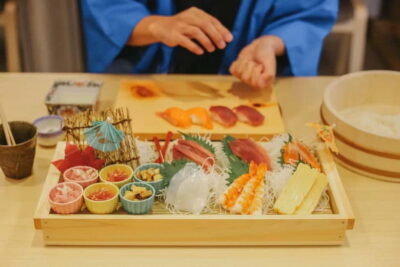
Sushi Making Class in a Happi Coat near a Famous Spot
Read our review →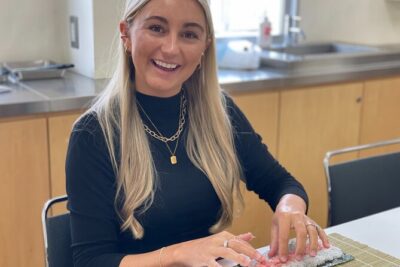
Tokyo Sushi Making Class in Tsukiji with Professional Chef
Read our review →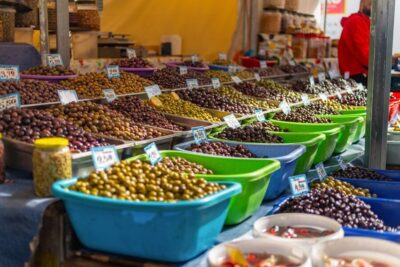
Food Market Visit and Cooking Class with Wine
Read our review →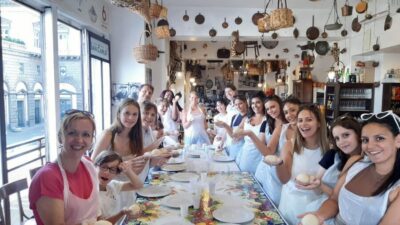
Browse the lists this tour appears in