

REVIEW · GERMANY FOOD TOURS
“Rotes Bier” and “Blaue Zipfel”. A historical-culinary walk
Nuremberg tastes better when its stories come first. This two-hour walk connects old-town sights with local food, including red beer, a genuine Nuremberg bratwurst, and gingerbread. I like the way the tour explains why the sausage is so small instead of treating it as just another snack, and I like that the route stays compact and walkable.
The strongest point is the guide-led storytelling. Sonja, one of the guides, has been praised for her wit, clear explanations, and willingness to answer questions. The main consideration is language: the tour is held in German, so it will not suit you if you need an English explanation. The snacks also sound more like useful tastings than a full meal.
Key points at a glance
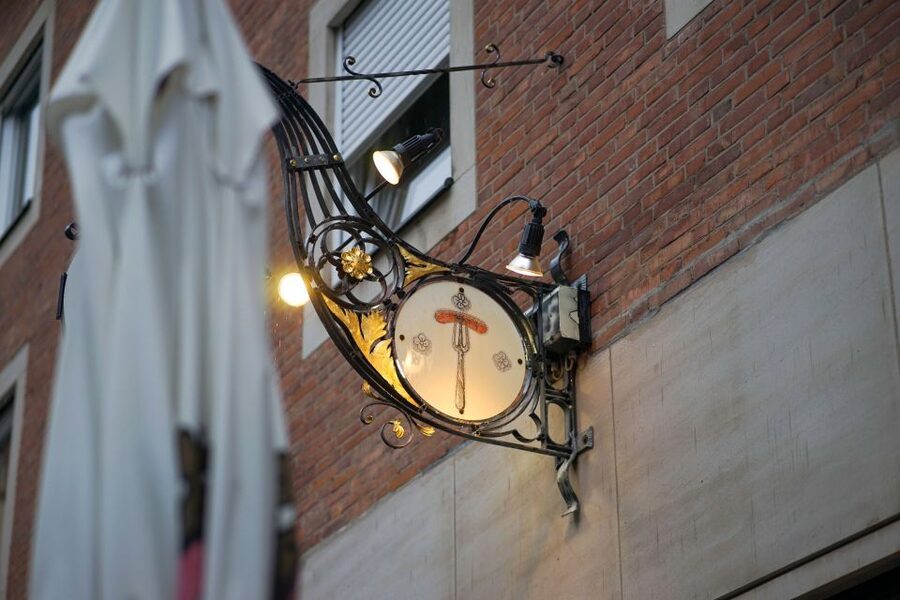
- Local food with a historical purpose: Bratwurst, gingerbread, beer, and other samples are tied to questions about Nuremberg’s cooking and trade.
- A compact old-town route: The walk begins at the Altes Rathaus and finishes at the Altstadthof Brewery, with short walks between stops.
- The famous small sausage gets an explanation: You learn why Nuremberg bratwurst has its distinctive size and shape.
- Red beer is part of the experience: The tour ends at a local brewery and includes beer among the tastings.
- German-language guiding only: The tour is best for German speakers or people comfortable following a historical talk in German.
- Good value at $29: A guide, walking tour, snacks, and beer are included, making the price reasonable if you want food and history in one outing.
Why this food walk works in Nuremberg
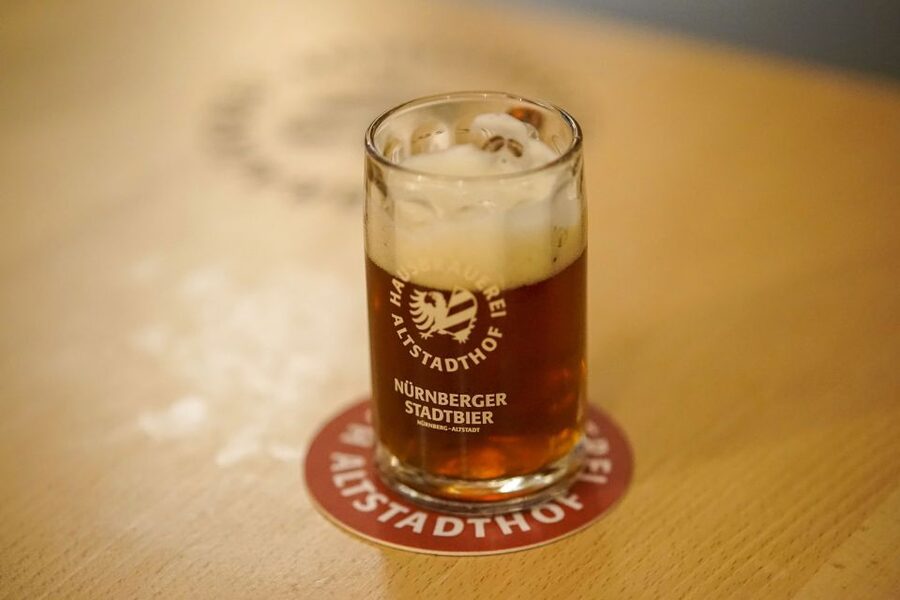
Nuremberg is easy to visit as a collection of grand buildings and famous names. This tour gives you another way in, through the city’s cooking pot.
The questions are the real framework. Why is bratwurst called bratwurst? Why are Nuremberg sausages so small? What makes Nuremberg gingerbread special? How much meat did citizens eat in earlier times? The guide uses these questions to connect everyday food with the city’s past.
You also get some less expected subjects. The tour asks about Nuremberg cooks knowing ravioli, the meaning of Devil’s Kitchen, and the connection between Nuremberg food and the planner of Munich’s English Garden. Those details help prevent the walk from becoming a simple parade of restaurants.
I especially like this approach because food gives you something concrete to remember. A date or architectural detail can fade by dinner. The taste of red beer or a small sausage usually stays with you.
The format is active but not exhausting. The full experience lasts two hours, and the longest listed walk between stops is about ten minutes. Most transfers take three to five minutes, so you spend more time listening and tasting than marching across town.
More history tours in Germany:
- Bamberg: Guided Historical Culinary Tour
★ 4.6 · 461 reviews - East Berlin Food & History Tour with Eating Europe
★ 5.0 · 204 reviews - Barcelona: Tapas Walking Tour with Food, Wine, and History
★ 4.8 · 4,261 reviews
Meeting the guide at the Altes Rathaus
The meeting point is in front of the main entrance of the Alte Rathaus, or Old Town Hall. Look for the guide holding a picture folder and displaying the green Geschichte Für Alle e.V. logo.
This is a practical meeting point in central Nuremberg. You do not need transportation during the tour, and transportation to the meeting point is not included. Plan to arrive ready for a walking tour rather than expecting to be collected from your hotel.
The Old Town Hall also sets the right tone. You begin among the city’s civic buildings, then move into the places where people ate, traded, worshiped, and brewed. The guide’s picture folder should help connect what you see now with earlier views and stories.
Wear comfortable shoes. The walk takes place rain or shine, so bring weather-appropriate clothing. This is a small but important point: food tours can sound sheltered and leisurely, but this one is an outdoor walking route with stops inside and outside.
Bratwurst Röslein and the small sausage question
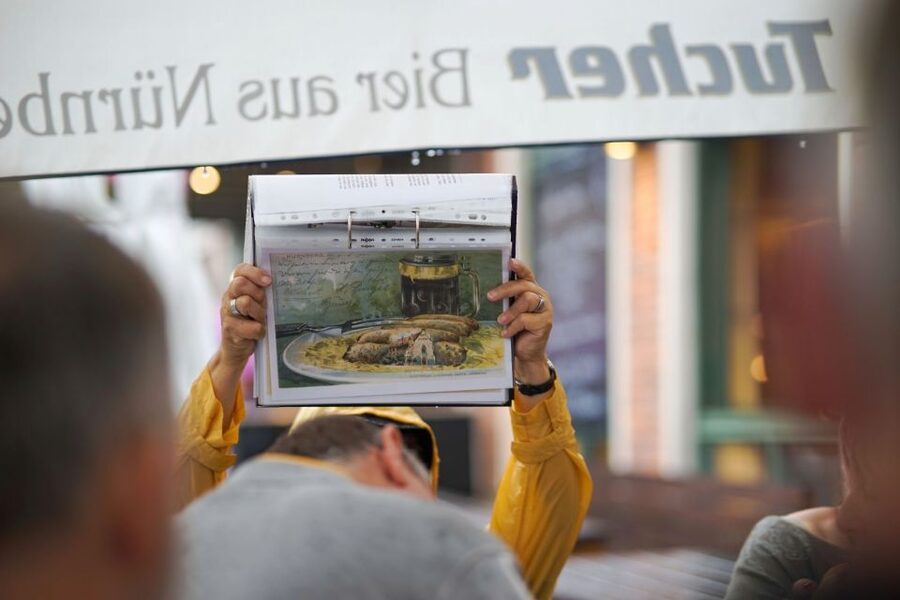
From the Old Town Hall, you walk about five minutes to Bratwurst Röslein. This is the first major food stop and one of the places where the tour’s theme becomes clear.
You get a guided explanation along with a food tasting. The focus is not simply on eating a sausage. You learn why the Nuremberg bratwurst has its small size and why its name means what it does.
That explanation matters because the sausage is one of Nuremberg’s best-known foods. Without context, a small bratwurst can seem like a portion designed to leave you wanting more. With the story, its size becomes part of the city’s food identity.
The tasting is also useful early in the walk. You can sample one of the city’s signature foods before the tour moves into broader questions about local eating habits. I would not count on this being a full lunch, however. The activity includes snacks and tastings, not a multi-course meal.
If you are hungry, plan your day around that fact. A light meal before or after may be sensible, especially if you prefer substantial portions. The tastings are there to support the historical story.
Hauptmarkt, gingerbread, and the city’s food trade
The route then takes you about three minutes to Hauptmarkt, Nuremberg’s main market square. The square is a natural place to discuss food because it links public space, commerce, and local traditions.
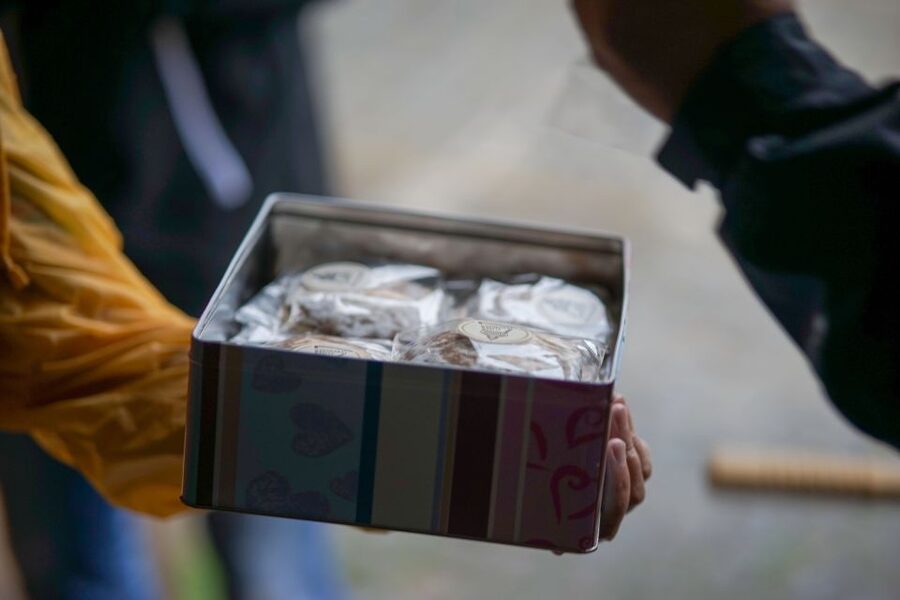
Here, the tour includes a guided stop and a food tasting. Gingerbread becomes one of the key subjects, with an explanation of what makes Nuremberg gingerbread special.
The experience presents it as some of the best gingerbread in the world. That is a proud local claim, not a scientific ranking, but the point is easy to understand: Nuremberg gingerbread is important enough to deserve its own place in the city’s culinary story.
This is where the tour should appeal to people who enjoy the background behind a product. You are not just handed a sweet and sent onward. You get a reason to pay attention to its local importance.
The next stop is at Hauptmarkt 2, only about five minutes away. The information provided does not specify every sample served at this location, so expect the guide to continue the food-focused talk with another tasting rather than assume a particular dish.
That small uncertainty is worth keeping in mind. The tour promises several samples, but it does not publish a complete tasting menu. If you need to avoid certain ingredients, ask the provider before booking.
A few more food tours in Germany worth a look
- Hamburg: Schanzenviertel Culinary Tour
★ 4.6 · 2,051 reviews - Hamburg: Elbphilharmonie Plaza and HafenCity Food Tour
★ 4.7 · 1,711 reviews - Berlin Center Food Tour with 8+ Authentic Local Tastings
★ 5.0 · 1,227 reviews - Munich: Viktualienmarkt Food Tour
★ 4.5 · 1,127 reviews
Trödelmarkt and the city’s changing food habits
After another five-minute walk, the group reaches Trödelmarkt 13. This part of the route adds variety because it moves away from the largest square and into another part of the old town.
The guide continues the historical walk and offers a food tasting. The larger subject is how Nuremberg residents ate, including the question of how much meat citizens consumed.
That question can reveal more than a menu. It points toward money, access, custom, and the role of food in daily life. The tour’s strength is that it treats eating as part of social history, not just tourism.
You may also hear about the old connection between Nuremberg cooking and dishes that resemble ravioli. The supplied description does not state exactly how the guide answers that question, so I would treat it as an intriguing historical thread rather than expect a cooking demonstration.
The stops are close together, which keeps the tour from losing energy. You are not left standing in one place for a long lecture, but the short walks give you time to look around and reset your attention.
Unschlitthaus and the meaning of Devil’s Kitchen
The walk continues for about five minutes to Unschlitthaus. This is another guided food-tasting stop, and it gives the route a more unusual historical flavor.
One of the questions connected with the tour is the meaning of Devil’s Kitchen. That phrase alone should catch your attention, especially if you enjoy the odd corners of urban history that do not appear on every standard sightseeing route.
The available description does not provide the answer, which is a good reason to listen closely rather than read ahead. The point of this tour is the explanation delivered on the street, with the city around you.
Unschlitthaus also helps break up the better-known sights. Nuremberg’s major attractions can draw all the attention, but a food-history walk gains much of its character from places with less obvious connections to modern visitors.
This is one reason the guide matters so much. A weak guide could turn these locations into a list of names. A good one gives each stop a reason to exist in the story. Sonja has been praised for explaining with humor and strong command of the subject, which is exactly the style that suits this route.
St. Sebaldus Church and food beyond the plate
The next walk takes about ten minutes, the longest transfer listed, to St. Sebaldus Church. You receive another guided explanation and tasting here.
The church adds a different setting to a tour that could otherwise feel like a chain of restaurants and market squares. It reminds you that food traditions develop within a city’s religious, civic, and commercial life.
The route does not promise a full church tour or a separate architectural lecture. Instead, St. Sebaldus is one link in the food-history story. The guide may connect the place to the wider questions raised throughout the walk, but the exact detail is not specified in the activity information.
That makes this a good stop for people who like connections between subjects. You get food, old buildings, and local stories in the same outing. If your main goal is a formal art-historical visit inside the church, this tour is probably not the right substitute.
The tasting at this point also keeps the experience sensory. You are not expected to absorb two hours of facts without a pause. The samples provide small breaks and help anchor the talk in something familiar.
Altstadthof Brewery and the final red beer
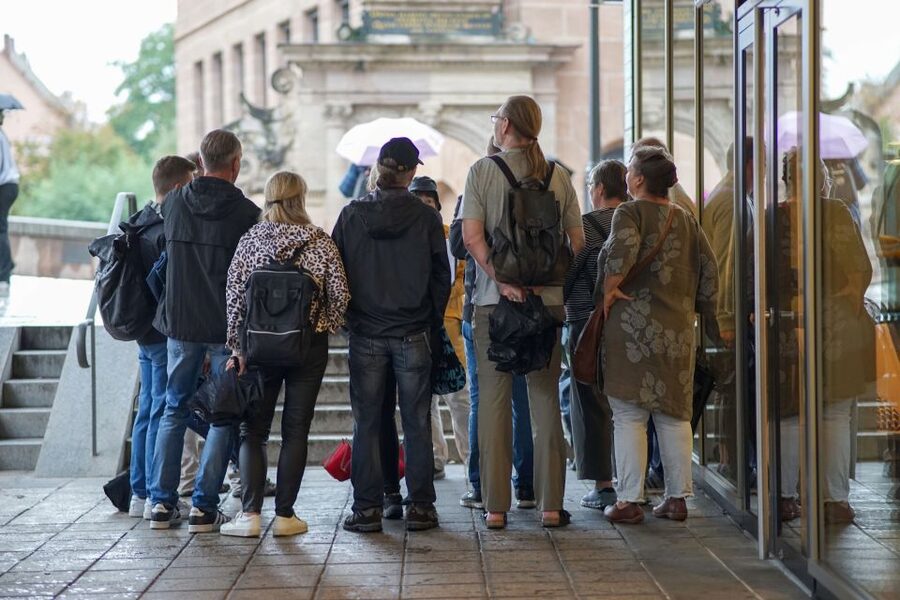
The final walk takes about five minutes to the Altstadthof Brewery, where the tour ends at the Rotbierstüberl, brewery, and whisky distillery. This is the most obvious place to discuss the experience’s title focus on red beer.
Beer is included, and the tour highlights the distinctive taste of local red beer. The brewery finish gives the walk a natural ending: after hearing about Nuremberg’s food traditions, you get to taste one of its local drinks in a brewing setting.
The name also tells you that this is more than a standard beer hall stop. The venue includes a brewery and whisky distillery, though the tour information only promises beer. Do not assume a whisky tasting is part of the $29 price.
Ending here is convenient if you want to continue eating or drinking afterward, but there is no included return transportation. The tour finishes at the brewery, not back at the Old Town Hall.
The beer sample is likely to be one of the most memorable parts for people who enjoy regional drinks. If you do not drink alcohol, check with the provider about alternatives before booking, since only beer is specifically listed among the inclusions.
What the $29 price really covers
At $29 per person, this is fairly priced for a two-hour guided walk that includes a live guide, several snacks, and beer. You are paying for the interpretation as much as for the food.
A normal snack crawl could give you bites without explaining why they matter. A standard city walk could give you history without anything to taste. This tour combines the two, which makes the price easier to justify.
Still, keep your expectations in check. The food is served as samples, not as a complete meal. One German-language assessment described the snacks as something that could be more substantial, while also praising the bratwurst, gingerbread, and beer. I would budget for another meal if you need to leave full.
There is also no transportation included. That is not a serious drawback in central Nuremberg, since the listed route is on foot and the stops are close together. It does mean you should handle your own way to the Old Town Hall and from the brewery afterward.
The booking offers free cancellation up to 24 hours in advance and a reserve-now, pay-later option. If you book through GetYourGuide, the booking confirmation serves as proof of payment because an invoice cannot be issued for those bookings.
Who will enjoy this German-language walk
I would recommend this tour most strongly to German speakers who want a local angle on Nuremberg. The content goes beyond the usual postcard sights, and the food samples give you an easy way to connect with the subject.
It also suits repeat visitors and residents who already know the main old-town streets. One recent German participant from Nuremberg still learned new things, which suggests the route is not limited to first-time sightseeing.
Families may like the short distances and tasting format, though the amount of historical explanation depends on the children’s patience. Food lovers will appreciate the focus on sausage, gingerbread, and beer, while history fans will enjoy the questions about cooking, trade, and daily life.
You should think twice if you need English guiding, want a large meal, or prefer a tour with a fixed list of every tasting. The experience is built around German narration and a series of small samples.
The tour is wheelchair accessible, but the provided information does not describe the exact surface conditions or any restroom arrangements. If you need those details, ask before booking.
Should you book the Rotes Bier and Blaue Zipfel tour?
Book it if you want Nuremberg explained through food rather than only through monuments. The compact route, strong guide reports, red beer, small bratwurst, and gingerbread make this a practical introduction to local tastes and stories.
I would choose it early in a Nuremberg visit, when the old town is still unfamiliar and the historical clues can shape the rest of your sightseeing. Just remember that it is a German-language walk with snack-sized portions, not an English tour or a full dinner.
At $29, the experience offers good value for the right audience. German speakers who enjoy local food and clear historical storytelling should find it a worthwhile two hours. If you need English or a substantial meal, spend your budget elsewhere.
FAQ
Where does the tour begin?
The meeting point is in front of the main entrance of the Alte Rathaus, or Old Town Hall, at Rathausplatz 5.
How do I identify the guide?
Look for a guide holding a picture folder and displaying the green logo of Geschichte Für Alle e.V.
Where does the tour finish?
The tour finishes at Hausbrauerei Altstadthof, specifically the Rotbierstüberl, brewery, and whisky distillery.
How long does the tour last?
The walking tour lasts two hours.
Is the tour held in English?
No. The live tour guide speaks German, and German is the listed tour language.
What food and drink are included?
The tour includes snacks and beer. The experience highlights Nuremberg bratwurst, gingerbread, and local red beer.
Is this a full meal?
No. The activity includes snacks and tastings rather than a full meal. You may want to plan another meal if you need larger portions.
Is transportation included?
No. Transportation to and from the meeting point is not included. The tour itself is conducted on foot.
Does the tour run in bad weather?
Yes. The tour takes place rain or shine, so bring weather-appropriate clothing and wear comfortable shoes.
Is the tour wheelchair accessible?
Yes. The activity is listed as wheelchair accessible.
Can I cancel for a refund?
Yes. You can cancel up to 24 hours in advance for a full refund.
Can I reserve now and pay later?
Yes. A reserve-now, pay-later option is available.
Can I receive an invoice for a GetYourGuide booking?
No invoice can be issued for bookings made through GetYourGuide. The booking confirmation serves as proof of payment.
Just added in Germany
- Cologne Food and Kolsch Tasting Walking Tour★ 5.0 · 22 reviews
- Small-Group Berlin Sightseeing and Food Tour of Prenzlauer Berg and Mitte★ 5.0 · 25 reviews
- East Meets West: Berlin Food Culture & Street Art★ 5.0 · 157 reviews
- Berlin Evening Culinary Tour – Award Winning★ 5.0 · 118 reviews
- The Berlin Culinary Experience: A Regional & Cultural Food Tour★ 5.0 · 79 reviews
- Classic Bites and Culinary Trends Neighborhood Food Tour in Berlin★ 5.0 · 191 reviews
- Private Tour: Daytime Food Tour Trends & Classics★ 5.0 · 24 reviews
- The 10 Tastings of Berlin Kreuzberg Private Food Tour With Locals★ 4.5 · 31 reviews
Historical Tours, compared.
Tapas Walking Tour with Food, Wine, and History
Read our review →
Sevilla Food Tour: Tapas, Wine, History & Traditions
Read our review →
Madrid Tapas & Taverns Small Group Food & History Tour
Read our review →
Barcelona Tapas Walking Tour: Food, Wine & History
Read our review →
Boston Food & History: Pizza, North End & Freedom Trail
Read our review →Browse the lists this tour appears in