
REVIEW · GERMANY FOOD TOURS
Stuttgart: Culinary Excursion through Bad Cannstatt
Bad Cannstatt rewards a slower look. I like that this 150-minute tour pairs old-town sights with regional food, giving you more than a quick photo stop in Stuttgart’s oldest and largest district. I also like the local focus, from Hefezopf to Maultaschen, with stories that make the city church and Cannstatt Wells more meaningful.
The main thing to consider is the food quantity. You get tasting sessions, not a full meal, and one recent booking found the culinary side lighter than expected. The tour is also conducted in German, and you walk about 2 kilometers, so it suits you best if you want local context as much as lunch.
Key details before you book
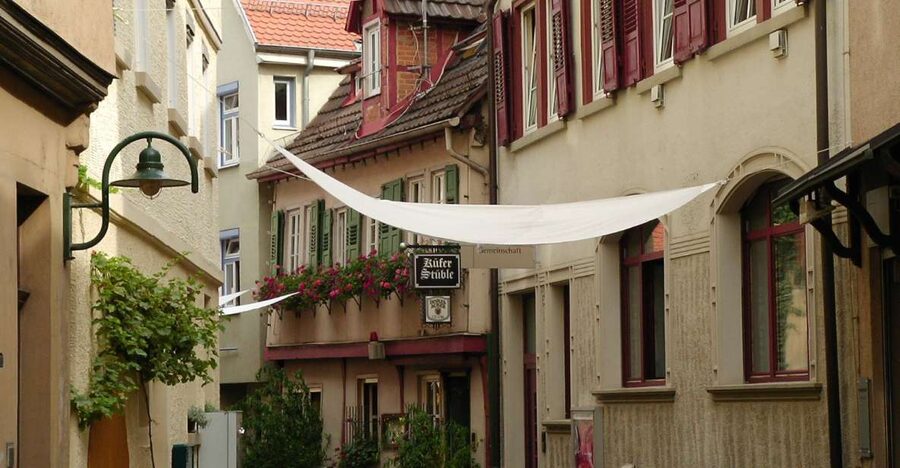
- Bad Cannstatt is Stuttgart’s oldest and largest district, with an old town that offers a different side of the city.
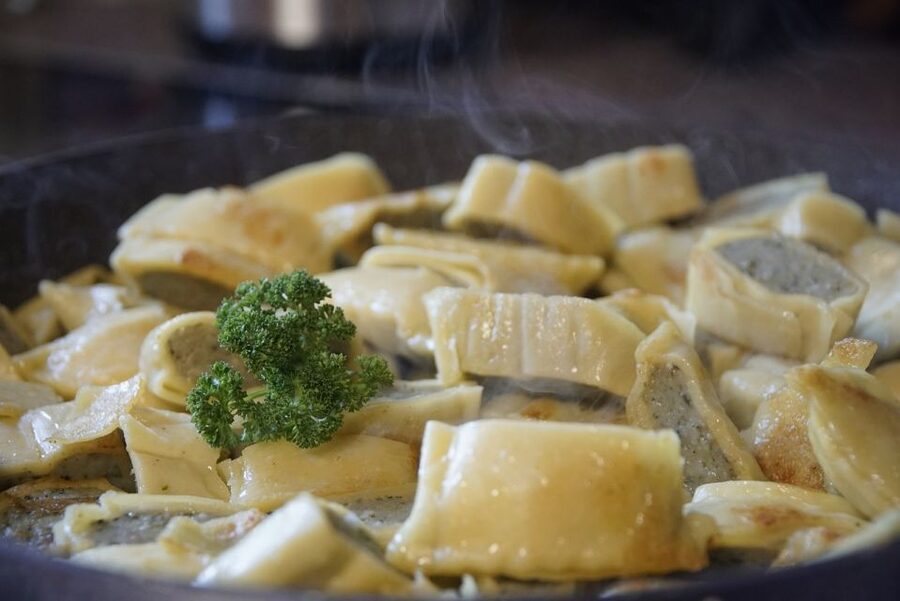
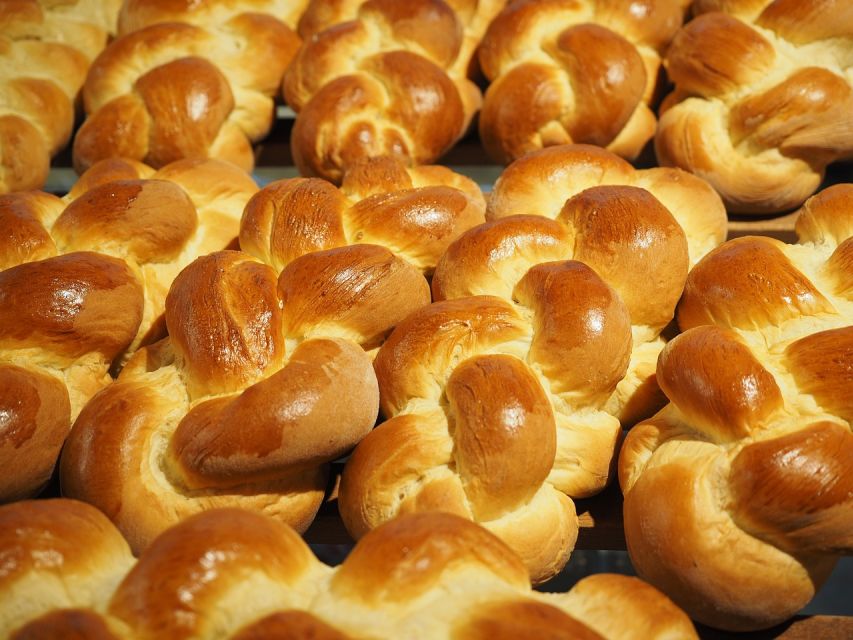
- Two classic Swabian tastes are part of the food stops: braided Hefezopf and Maultaschen, pasta squares filled with meat or cheese and served in clear soup.
- The walk covers about 2 kilometers, according to one participant, over roughly 150 minutes.
- The city church and Cannstatt Wells are among the notable sights discussed along the way.
- The tour runs in German, with a live guide from Cool-Tours StattReisen Stuttgart.
- The price is $46 per person, a fair choice for a guided food-and-history outing, but not if you expect a full meal.
Why Bad Cannstatt makes a good food-tour setting
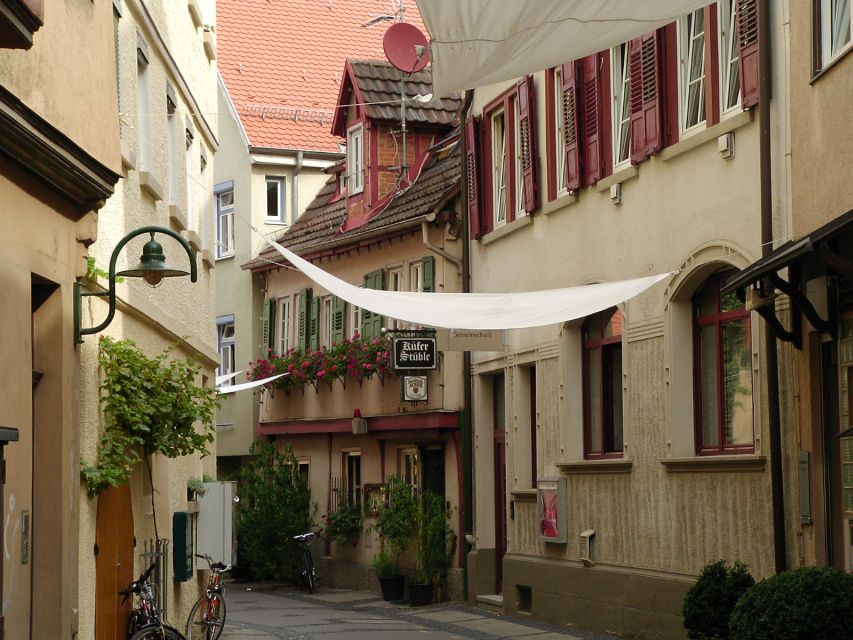
Stuttgart is often linked with cars, industry, and grand city-center sights. Bad Cannstatt gives you another angle. This district is the oldest and largest part of Stuttgart, and its old-town streets provide the setting for a walk that connects everyday food with local history.
I like that the tour does not treat cuisine as a separate subject. The food is tied to the place. Hefezopf is a familiar regional braided bread, while Maultaschen are one of the best-known Swabian dishes: pasta squares filled with meat or cheese and served in clear soup.
That combination makes sense for a short city tour. You are not simply handed a snack and sent onward. You hear stories about Cannstatt, look at important local sights, and use the tastings as a way into regional culture.
The district also gives the guide room to tell a different Stuttgart story. The tour focuses on Cannstatt itself rather than trying to squeeze every major city attraction into two and a half hours. If you have already seen the central sights, this can add a more local layer to your visit.
A few more food tours in Germany worth a look
- Hamburg: Schanzenviertel Culinary Tour
★ 4.6 · 2,051 reviews - Hamburg: Elbphilharmonie Plaza and HafenCity Food Tour
★ 4.7 · 1,711 reviews - Berlin Center Food Tour with 8+ Authentic Local Tastings
★ 5.0 · 1,227 reviews
Starting at Zaisgasse and Überkinger Straße
The meeting point is the parking area of Restaurant Schreinerei, at the corner of Zaisgasse and Überkinger Straße. You will want to check the exact starting time when booking, since several departure times may be available.
This is not a city-center meeting point described by a famous landmark, so allow a little time to locate it. Having the address ready on your phone is sensible, especially if you are unfamiliar with Bad Cannstatt.
From there, the guide leads you through the old town. The stated walking distance is around 2 kilometers, which is manageable for most people, but the tour is still a walking activity rather than a seated tasting session. Comfortable shoes will help.
The 150-minute length is useful. It gives the guide enough time to explain what you are seeing without turning the walk into a rushed checklist. You should still expect a steady pace, with stops for stories and tastings rather than long periods in one place.
Seeing the old town through local stories
The best part of this tour is likely the guide’s interpretation. The food itself is familiar and traditional, but the stories give it a sense of place.
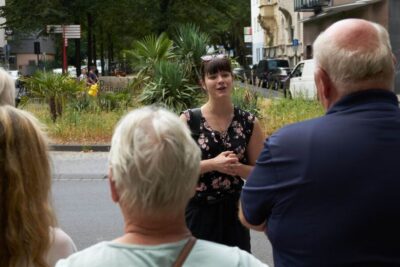
Several participants praised the guide for being friendly, lively, and entertaining. One person said the guide shared plenty of insider knowledge, while another described the presentation of Cannstatt’s history as lively and easy to follow. A further comment said the guide seemed to truly know and care about Cannstatt.
That praise matters because a walking tour can easily become a list of dates and building names. Here, the tone appears to be more conversational and amusing. You hear anecdotes alongside the city story, which should make the two and a half hours pass quickly.
There is one useful warning. One participant noted that the guide assumed a fair amount of local knowledge from those taking part. That does not mean you need to study before arriving, but you may want to ask questions if a reference is unfamiliar. The German language also makes this more important for anyone who does not speak German comfortably.
The city church and Cannstatt Wells
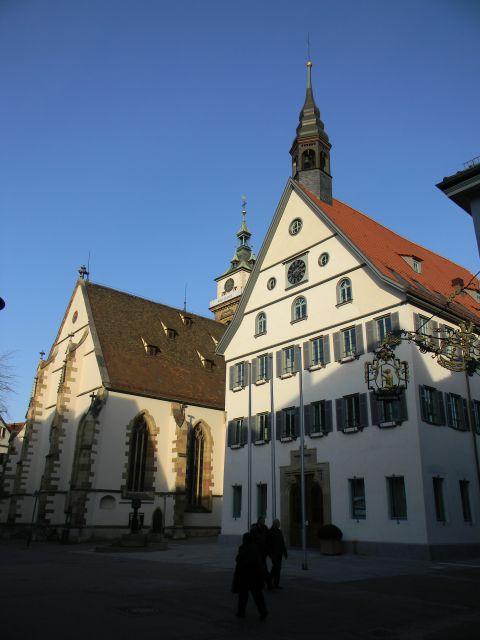
The city church is one of the sights included in the route. The available details do not specify the length of the stop or the full architectural focus, so you should think of it as part of the wider old-town walk rather than a dedicated church visit.
That is still valuable. A guide can point out why a building matters, explain its place in Cannstatt, and connect it with the district’s development. You get more from a short look when someone supplies the local setting.
Cannstatt Wells are another highlight. Their presence helps explain why this part of Stuttgart has its own identity. The tour uses the wells as a point of interest during the walk, adding variety beyond streets and buildings.
Because the route includes both food and sights, you should not expect a museum-style historical lecture at each stop. Instead, the appeal is the mix: a bit of architecture, a bit of local history, a few amusing stories, and something to taste along the way.
Same city, a different table:
- Munich: Viktualienmarkt Food Tour
★ 4.5 · 1,127 reviews - Munich: Beer and Food Tour with Dinner & Oktoberfest Museum
★ 4.7 · 1,086 reviews - Kreuzberg: Culinary Food Tour
★ 4.5 · 770 reviews - Cologne: Südstadt Guided Foodie Walking Tour
★ 4.6 · 624 reviews
Tasting Hefezopf and Maultaschen
The food stops are the heart of the tour, but it is best to set your expectations correctly. The cost includes tasting sessions, not a full lunch or dinner.
Hefezopf is a braided yeast bread and a classic regional treat. It is the kind of food that works well on a walking route because it is simple, familiar, and tied to local eating habits. Maultaschen offer a more substantial taste: pasta squares filled with meat or cheese and served in clear soup.
I like the choice of these foods because they show two different sides of Swabian cooking. Hefezopf is bread-based and gently sweet or plain, while Maultaschen are savory and filling. Together, they give you a quick introduction to the region without asking you to commit to a long restaurant meal.
Still, the number and size of the portions are not specified. One participant expected more from the phrase culinary excursion, so I would not book this as your main meal of the day. Have breakfast or lunch plans in place, especially if you have a large appetite.
The food also seems to be traditional rather than elaborate. That is a plus if you want familiar local dishes instead of fashionable reinterpretations. It may feel modest if you are looking for a long tasting menu, several restaurant visits, or generous portions.
How the 150-minute pace works
A two-and-a-half-hour tour gives you time to settle into the district. You are not racing from one tasting to the next. The guide can explain the city story, point out sights, and add humor between food stops.
At the same time, this is a compact outing. The walking distance of about 2 kilometers suggests that the route is focused on the old town rather than a broad tour of all Stuttgart. That makes it a good choice for an arrival day, an afternoon between other plans, or a quieter alternative to a major city attraction.
The pace should work well for you if you enjoy stopping to listen. It may be less appealing if you want to roam independently, take long photographs, or sit down for an extended meal. The guide sets the rhythm, and the value comes from that structure.
Since the guide speaks German, language ability is a central practical issue. If you understand German well, you should get the full benefit of the jokes, historical details, and food explanations. If you do not, the tour may be difficult to follow because no other language is listed.
Is $46 a fair price?
At $46 per person, this tour sits in the reasonable range for a guided food-and-history activity lasting 150 minutes. You are paying for a live guide, a planned route, local stories, and several tastings.
The value is strongest if you would otherwise spend part of your day walking around Bad Cannstatt without much context. The guide adds structure and helps you notice details you might pass by. The food also saves you from choosing regional dishes without knowing what to order.
The value is weaker if you mainly want to eat. Since the portions are tasting-sized and one person expected more from the culinary element, you should compare this with the cost of ordering Maultaschen and a regional dessert at a restaurant. This tour gives you the stories and sightseeing, but it is unlikely to replace a full meal.
I would call the price fair for the combined format. It is not a bargain food tour, and it is not priced like a full dining event. Think of it as a guided neighborhood walk with edible examples of Swabian cuisine.
Who will enjoy this Bad Cannstatt walk
I would recommend it to you if you like learning about a place through ordinary food and local stories. It suits people who want to see an older part of Stuttgart rather than spend their entire visit around the best-known central attractions.
It is also a good fit if you enjoy an entertaining guide. The strongest praise centers on the guide’s friendly style, local knowledge, and ability to make Cannstatt’s story interesting. That personal delivery appears to be a major part of the tour’s appeal.
You may also like it as a gentle introduction to Swabian food. If Maultaschen are new to you, this gives you a chance to try them in context. The Hefezopf adds a lighter, familiar contrast.
I would hesitate to recommend it if you need an English-language tour, want a large amount of food, or dislike walking. The route is not especially long, but you will be on your feet for much of the 150 minutes. It is also not ideal if your main goal is independent sightseeing with no set schedule.
Practical advice for a smoother visit
Arrive at the Restaurant Schreinerei meeting point with enough time to find the parking area at Zaisgasse and Überkinger Straße. The location is specific, but it is not described as a major landmark, so do not leave navigation until the last minute.
Wear shoes suited to walking through an old town. The route covers about 2 kilometers, and the tour includes several stops rather than one fixed venue.
Plan the tour around a meal rather than instead of one. The tasting sessions should introduce you to local specialties, but the available information does not promise full portions. If you want to try more Swabian food afterward, you will still have room for it.
You can cancel for a full refund up to three days before the tour. That gives you some flexibility when arranging a Stuttgart schedule, but check the available starting times before you commit.
Final call: should you book it?
Book this tour if you want local history, an amusing German-speaking guide, and a modest taste of Swabian food in one well-paced outing. The strongest reasons to go are the focus on Bad Cannstatt, the guide’s lively delivery, and the chance to connect sights such as the city church and Cannstatt Wells with everyday regional dishes.
Skip it if you expect a full culinary event or need English commentary. For the right audience, $46 is a fair price for a two-and-a-half-hour neighborhood tour with food included. Just arrive hungry for stories, not necessarily for dinner.
FAQ
Where does the Bad Cannstatt culinary tour meet?
The meeting point is the parking area of Restaurant Schreinerei, at the corner of Zaisgasse and Überkinger Straße.
How long does the tour last?
The tour lasts 150 minutes, or two and a half hours.
What food is included?
The tasting sessions may include Hefezopf, a traditional braided bread, and Maultaschen, pasta squares filled with meat or cheese and served in clear soup.
Which language is the tour conducted in?
The live tour guide conducts the tour in German.
How far do you walk?
The route covers about 2 kilometers in total, according to information from a participant.
What sights are included?
The tour explores the old town of Bad Cannstatt and includes sights such as the city church and Cannstatt Wells.
Just added in Germany
- Small-Group Berlin Sightseeing and Food Tour of Prenzlauer Berg and Mitte★ 5.0 · 25 reviews
- East Meets West: Berlin Food Culture & Street Art★ 5.0 · 157 reviews
- Berlin Evening Culinary Tour – Award Winning★ 5.0 · 118 reviews
- The Berlin Culinary Experience: A Regional & Cultural Food Tour★ 5.0 · 79 reviews
- Classic Bites and Culinary Trends Neighborhood Food Tour in Berlin★ 5.0 · 191 reviews
- Private Tour: Daytime Food Tour Trends & Classics★ 5.0 · 24 reviews
- Private Berlin Street Food Tour by Bike★ 5.0 · 87 reviews
- Food tasting tour in Berlin of HIDDEN GEMS (Small Groups)★ 4.5 · 60 reviews
Germany Food Tours, compared.

Elbphilharmonie Plaza and HafenCity Food Tour
Read our review →
Berlin Center Food Tour with 8+ Authentic Local Tastings
Read our review →
Beer and Food Tour with Dinner & Oktoberfest Museum
Read our review →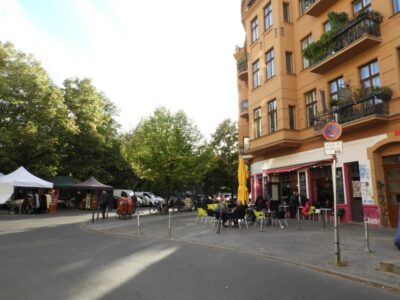

Browse the lists this tour appears in