
REVIEW · TOKYO FOOD TOURS
Tokyo: 3-Hour Food Tour of Shinbashi at Night
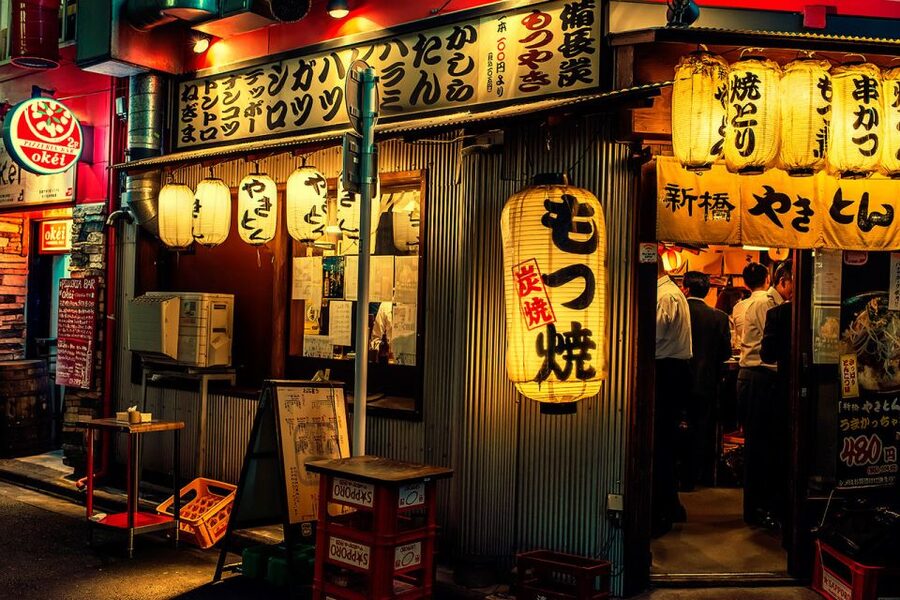
Tokyo eats after dark. Shinbashi shows you how.
This three-hour evening food walk takes you through the narrow backstreets where office workers gather for ramen, grilled meat, sake, and small pub meals. I like the local working-life setting and the chance to visit places you would be unlikely to choose on your own. I also like the small group, limited to 10 people, which makes it easier to ask questions and keep pace. The main drawback is the price: at $170 per person, you are paying for guidance, organization, and several tastings, not simply a meal.
You meet at the decommissioned steam engine outside the Hibiya exit of Shinbashi Station. From there, an English-speaking guide leads you into the neighborhood’s after-work scene. Guides have included Ray, Francois, Tommy, Yappy, Marc, Yoko, Ryan, and Anne, with past tours praised for clear food explanations, personal recommendations, and a warm sense of humor. The tour is for adults aged 20 and over, and smoking is allowed in much of Shinbashi, so that is worth knowing before you book.
Key points at a glance
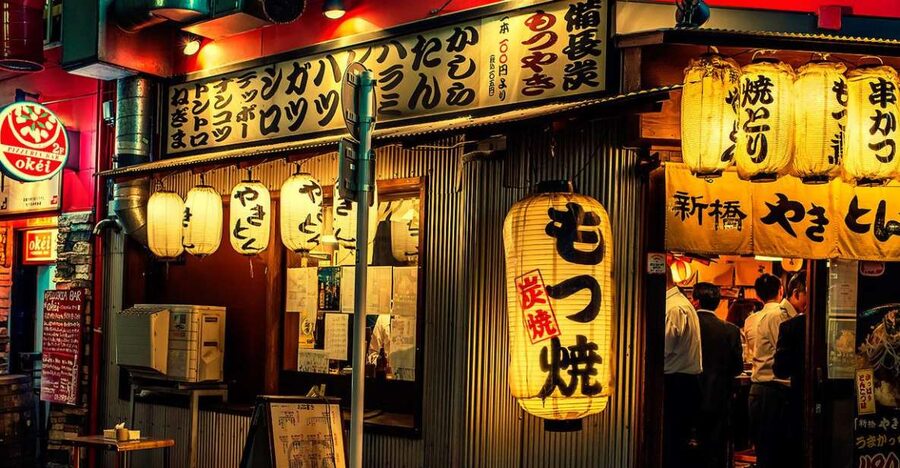
- Shinbashi after work: See where Japan’s office workers eat, drink, and unwind after a long day.
- Several food stops: Expect local dishes that may include ramen, Wagyu, regional specialties, and a traditional dessert.
- Regional sake tasting: Compare different styles and learn how the flavor changes from one pour to the next.
- Small group format: With no more than 10 participants, the guide can explain dishes and answer questions without shouting across a crowd.
- Backstreet walking: The route focuses on local lanes and small establishments rather than Tokyo’s most polished dining districts.
- Strict timing: Your guide waits only five extra minutes, and cannot give directions by phone once the tour has left.
Why Shinbashi makes a good food-tour setting
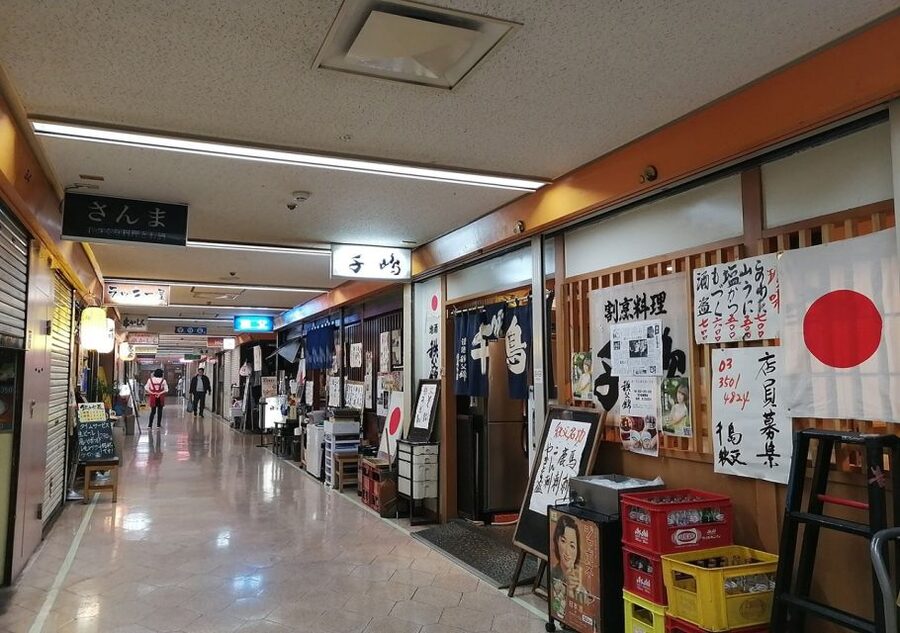
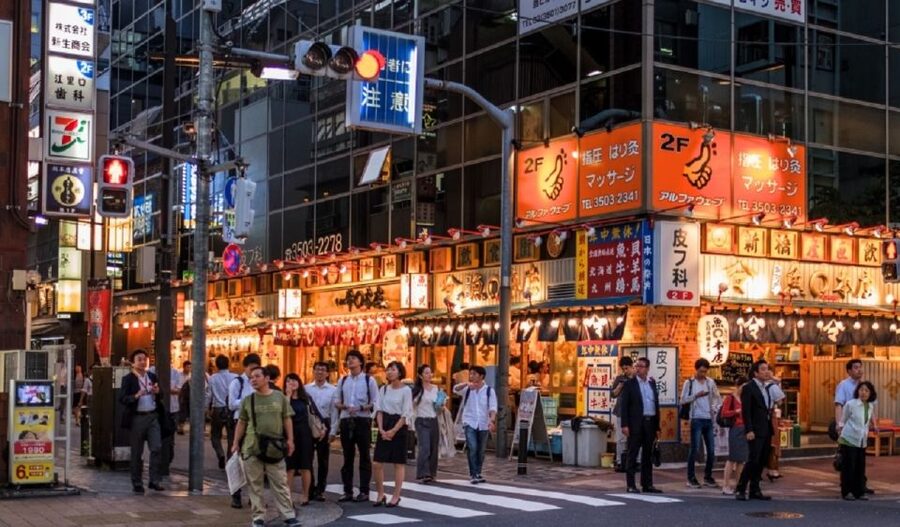
Shinbashi is a useful antidote to the Tokyo many first-time visitors see around major sights. Its famous steam locomotive marks the meeting point, but the real appeal begins after you leave the station area and enter the smaller lanes.
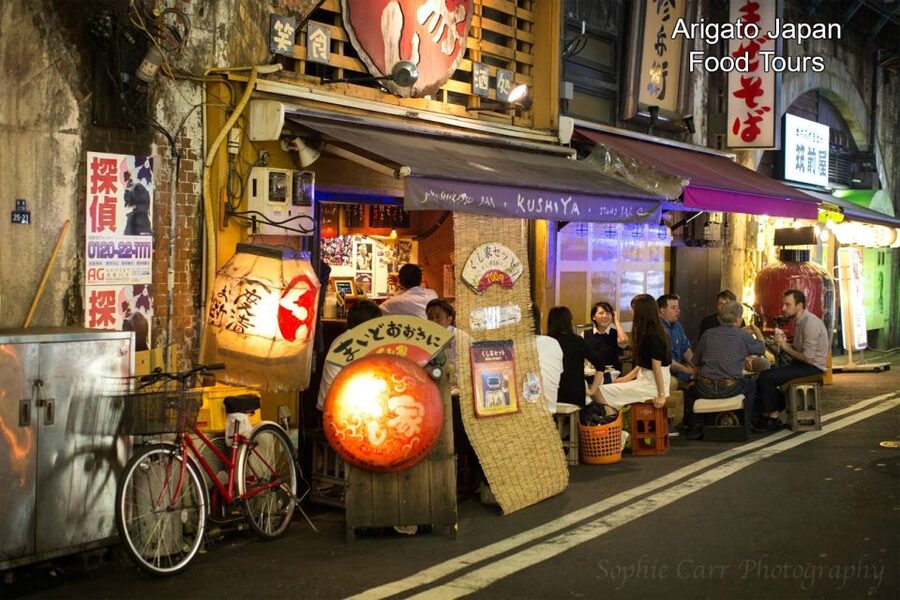
This is office-worker Tokyo. The district is tied closely to the daily rhythm of commuters, company employees, and small after-work gatherings. You are not only tasting Japanese food. You are seeing the setting in which that food is commonly enjoyed: in compact restaurants, casual drinking spots, and local pubs where the evening starts as soon as the workday ends.
I like this kind of neighborhood tour because it gives food a social context. Ramen is not just a bowl of noodles. Sake is not just an alcoholic drink. The guide can explain why certain dishes fit the setting and how the local pub culture works.
The mood is informal, but Shinbashi is not quiet. You may encounter cigarette smoke, crowded sidewalks, and tight dining rooms. Comfortable shoes matter, and you should be ready for a neighborhood that feels more lived-in than polished.
More evening experiences in Tokyo:
- Tokyo Night Foodie Tour in Shinjuku – Seasonal Sushi, Wagyu Beef
★ 5.0 · 1,161 reviews - Tokyo After 5: Authentic Japanese Food & Drink Night Tour
★ 4.5 · 560 reviews - Winner 2025 Florence Sunset Food & Wine Tour by Eating Europe
★ 5.0 · 5,015 reviews
Meeting at the steam engine outside Shinbashi Station
The meeting point is easy to identify: the decommissioned steam engine at the Hibiya exit of Shinbashi Station. Arrive early. The guide can wait only five minutes after the scheduled start, and once the group has departed, the guide cannot provide directions by phone.
That rule may sound strict, but it protects the tour’s timing. Small restaurants often work with limited space, and a late arrival can disrupt the group and the relationship between the guide and the restaurant. I would allow extra time to find the Hibiya exit, especially if you are coming from another part of Tokyo.
The tour lasts three hours. Transportation is not included, so you should plan your route to and from Shinbashi separately. Hotel pickup may be arranged for an additional charge, but the regular meeting point is the station.
The first taste: local food in a working neighborhood
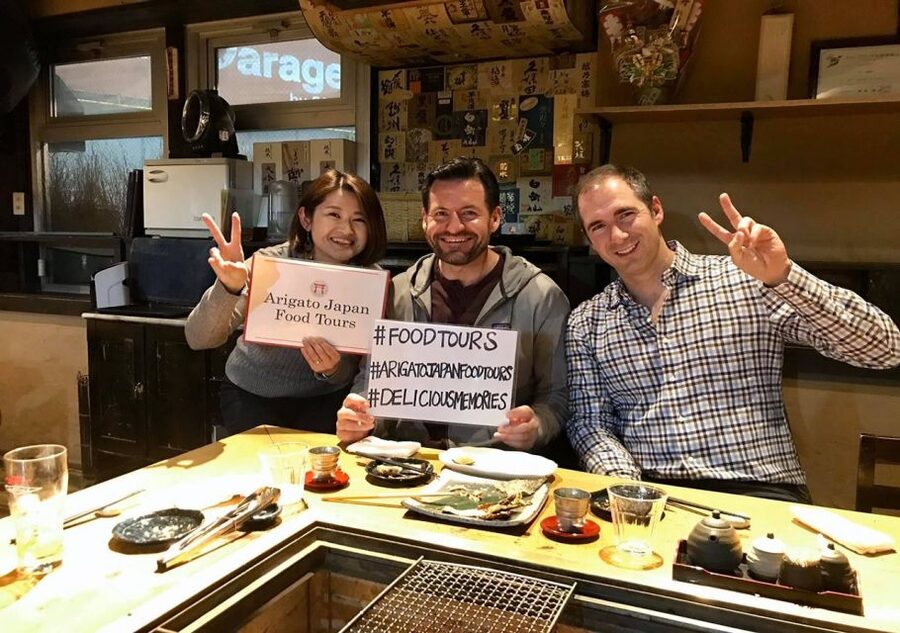
The exact restaurant sequence can vary, but the tour visits several food stops rather than settling into one long meal. That format is one of its strengths. You get a series of smaller impressions, and each stop can show a different side of Shinbashi dining.
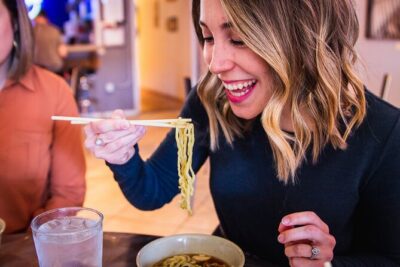
A likely highlight is ramen, described as a steaming bowl with a strong umami flavor. Ramen is a good dish for this part of Tokyo because it is quick, comforting, and closely tied to everyday eating. The heat of the broth also makes it especially welcome after walking through the evening streets.
You may want to pace yourself. A bowl of ramen can be filling, and it may arrive before other dishes. Since additional food and drinks are available at your own expense, you should not assume that every item you see is part of the included tasting. Ask the guide what is covered before ordering extras.
The food is not presented as a formal restaurant dinner. It is closer to a guided tasting walk, with several stops and plenty of explanation between them. That makes the tour a strong choice for someone who wants variety. It is less suitable if you want a long, quiet meal at one table.
Wagyu, smoke, and the pleasure of simple preparation
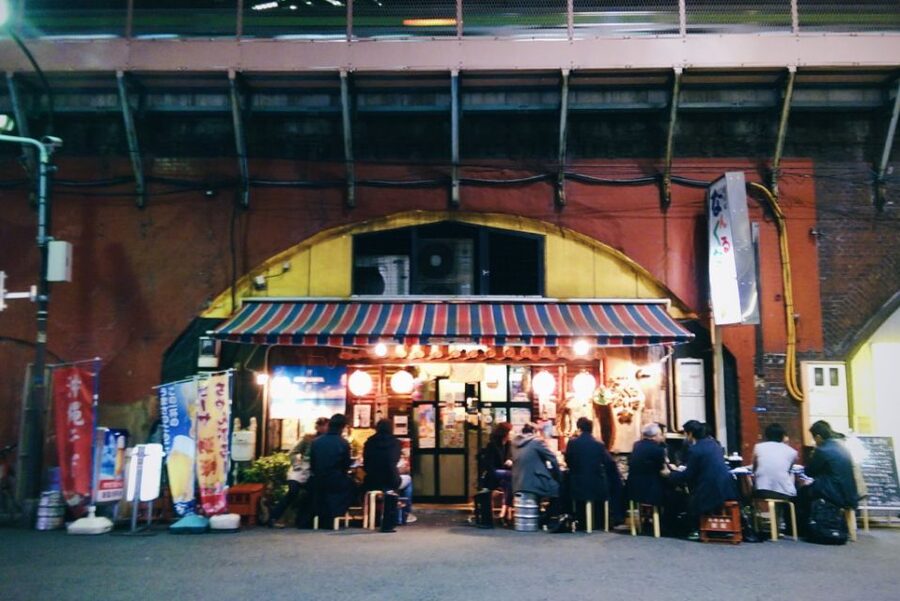
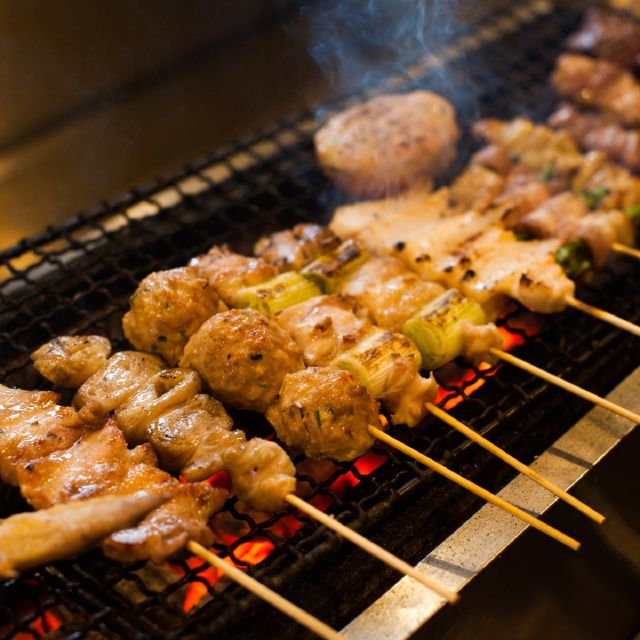
Wagyu is another featured taste. The description focuses on buttery meat, a soft texture, and a delicate smoky char. That combination gives you a chance to experience one of Japan’s best-known ingredients in a casual neighborhood setting rather than only in an expensive specialist restaurant.
The guide’s role matters here. A good explanation can help you notice the difference between rich fat, seared edges, and the clean flavor of the meat itself. Past guides have been praised for explaining culinary techniques and the culture behind different kinds of establishments, so you should expect more than a plate placed in front of you.
Still, keep your expectations in check. The tour does not state how much Wagyu you receive or which cut is served. Think of it as one stop within a varied evening, not a full Wagyu dinner. If you are booking mainly for a large steak, this is probably not the right choice.
A few more food tours in Tokyo worth a look
- Award-Winning Geneva Chocolate &Old Town Tour with Boat Ride (3h)
★ 5.0 · 3,721 reviews - Eat Like a Local: Venice 3-Hour Small-Group Food Tasting Tour
★ 5.0 · 3,137 reviews - Porto: 3-Hour Food Tour
★ 4.9 · 807 reviews - Shanghai: 3-Hour Local Food Tasting Tour
★ 4.9 · 806 reviews
Regional sake with a guide beside you
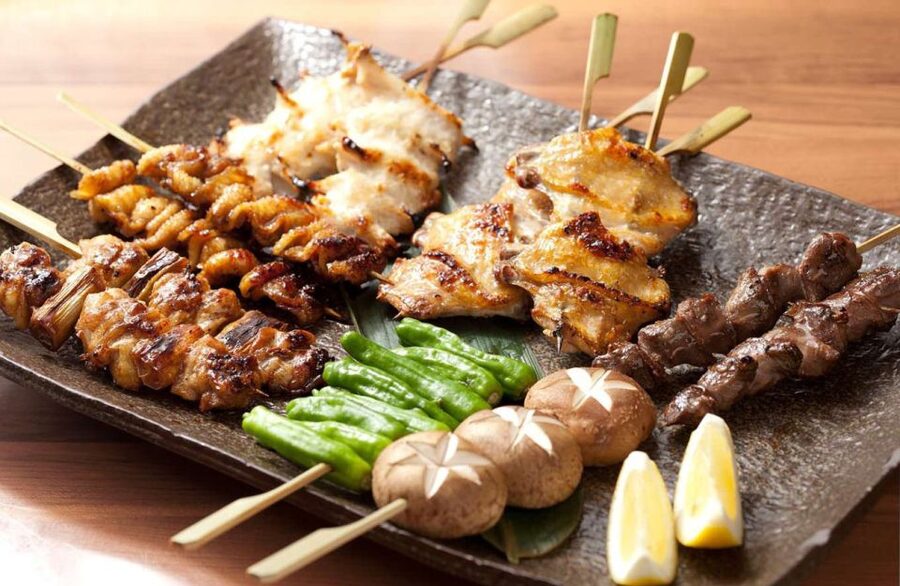
The sake tasting is one of the more distinctive parts of the evening. You sample regional sake and compare its aroma, texture, and finish as the tasting progresses. The description suggests a progression from crisp and aromatic to smoother, more complex flavors.
This is particularly useful if you are unsure about sake. You do not need to arrive with technical knowledge. The guide can help you identify what you like, and the tasting can show you that sake is not one uniform drink.
One participant, Sandra, arrived thinking she might not enjoy sake and discovered a new appreciation for nihonshu. That is exactly the kind of small surprise a guided tasting can provide. You may find that you prefer a crisp style, or you may respond better to a fuller and smoother pour.
Additional drinks are not included, so check with the guide before ordering more. The included tasting is designed to introduce you to regional flavors, not to cover every drink you might want throughout the evening.
Dessert brings the walking meal to a close
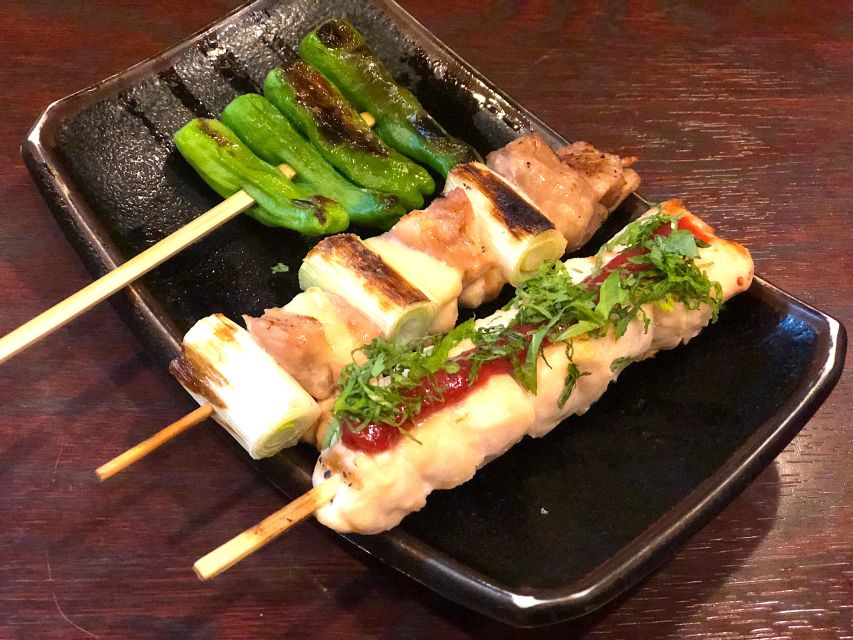
The tour finishes with a traditional dessert. Specific dessert details are not provided, so you should expect a Japanese sweet rather than a named dish. Ending with something sweet is a sensible touch after savory food, smoky meat, and sake.
It also gives the evening a clear rhythm: several local dishes, a tasting, and a final bite. You are not simply moving from bar to bar. The guide is building a food story, with room for both familiar comfort food and less familiar flavors.
If you have dietary restrictions or strong dislikes, tell the guide before ordering. The information provided does not promise a special dietary menu, so you should not assume substitutions are available.
The guide is the real value of the evening
The food matters, but the guide is what can make this tour worth its price. Past guides have been praised for warmth, humor, food knowledge, and practical advice for the rest of a Tokyo stay.
Ray has been noted for using visual aids to explain how to bless a meal and thank restaurant staff when leaving. That sort of small cultural lesson is useful because it gives you something you can use after the tour, not just a fact to forget.
Francois was praised for making a birthday outing special and for joining a karaoke session afterward. Karaoke is not listed as part of the standard tour, so treat that as a possible extra rather than a guaranteed stop. Yappy has been praised for showing guests places they would not have found alone, while Tommy has been valued for giving recommendations for the rest of a Tokyo visit.
The guide lineup can change, so you cannot book this tour solely for a particular person. The consistent advantage is the English-language help in places where ordering, etiquette, and menu choices might otherwise feel uncertain.
Walking, smoking, and the feel of the backstreets
You will walk between stops, but the route is presented as manageable. One past participant felt the group covered a lot of delicious food without feeling like a long march. Even so, wear comfortable shoes.
The lanes can be tight, and the evening atmosphere may include cigarette smoke. Smoking is allowed in most areas of Shinbashi, which may be a serious concern if you are sensitive to smoke. This is not a smoke-free food walk.
The neighborhood is also an active after-work district. You will see a side of Tokyo shaped by local routines rather than major attractions. That is the point, but it also means you should expect small spaces and a less controlled setting than a tour built around large restaurants.
Is $170 a fair price?
At $170 per person, this is not a bargain food crawl. You are paying for three hours of a small-group guide, several food stops, a sake tasting, and access to local places that may be difficult to choose or navigate alone.
The value improves if you are new to Tokyo, uncertain about ordering, or eager to understand Japanese pub culture rather than simply eat a large meal. An English-speaking guide can save you guesswork and explain what you are tasting. The maximum group size of 10 also keeps the evening more personal than a large bus-style food tour.
The value is weaker if you already know Shinbashi well, speak Japanese comfortably, or mainly want the cheapest possible meal. Food portions and the exact stop sequence are not specified, and extra food, extra drinks, transportation, and gratuity cost more.
I would judge the price as reasonable for a guided introduction to Shinbashi, but only if you care about the neighborhood and cultural explanation as much as the food itself.
Who should book this Shinbashi evening?
I would recommend it to adults who want a social evening and enjoy trying several dishes instead of sitting down for one formal dinner. It is also a good first-night choice for anyone who wants practical food advice for the rest of a Japan trip.
It suits solo visitors, couples, and small groups who like talking with a guide. The small group size gives you a better chance to ask about ingredients, etiquette, and where to eat later.
I would think twice if you are under 20, cannot comfortably walk between stops, dislike smoking, or need guaranteed dietary accommodations. You should also skip it if a late arrival is likely. The five-minute waiting limit is firm.
Free cancellation is available up to 24 hours before the tour, and you can reserve now and pay later. Those policies help if your Tokyo schedule is still changing, but they do not remove the need to arrive at the station on time.
Should you book it?
Book this tour if you want to see working Tokyo after dark, taste ramen and Wagyu, compare regional sake, and let a guide handle the small decisions that make local eating easier.
Skip it if you want a low-cost dinner, a smoke-free setting, or a detailed promise of specific dishes and restaurant names. For the right person, the best part is not one famous bite. It is the combination of backstreet food, office-worker culture, casual pubs, and a guide who can help you feel less like an outsider at the table.
FAQ
Where does the tour meet?
Meet in front of the decommissioned steam engine at the Hibiya exit of Shinbashi Station.
How long does the tour last?
The tour lasts three hours.
What is included?
The tour includes local dishes at several food stops, a sake-tasting experience, and an English-speaking local guide.
Are drinks besides the sake tasting included?
No. Additional drinks and food are not included, but you may purchase them at your own expense.
Is transportation included?
No. Transportation costs are not included. Hotel pickup may be arranged for an additional charge.
How large is the group?
The tour is limited to 10 participants.
What language does the guide speak?
The live tour guide speaks English.
Is the tour open to children?
No. Only adults aged 20 and over are permitted.
What should I bring?
Bring a passport or ID card and wear comfortable walking shoes.
Just added in Tokyo
- Tokyo: Allstar Food Tour★ 4.7 · 29 reviews
- Tokyo: West-Side Cycling and Food Tour with Guide★ 5.0 · 37 reviews
- Tokyo: Togoshi Ginza Street Food Tour★ 5.0 · 34 reviews
- Tokyo Tsukiji Food & Culture Private Tour Licensed Guide★ 4.9 · 28 reviews
- Tokyo: Wagyu and Sushi Gastronomic Journey★ 4.3 · 24 reviews
- Tokyo: Sushi and Ramen Cooking Class with Sake Pairing Set★ 5.0 · 81 reviews
- Tokyo: Sushi Making Class★ 4.9 · 390 reviews
- Tokyo: Ramen Tasting Tour with 6 Mini Bowls of Ramen★ 4.9 · 432 reviews
3-Hour Experiences, compared.

Award-Winning Geneva Chocolate &Old Town Tour with Boat Ride (3h)
Read our review →
Eat Like a Local: Venice 3-Hour Small-Group Food Tasting Tour
Read our review →

Browse the lists this tour appears in