
REVIEW · TOKYO FOOD TOURS
Tokyo: Kichijoji Gourmet Tour with Lunch
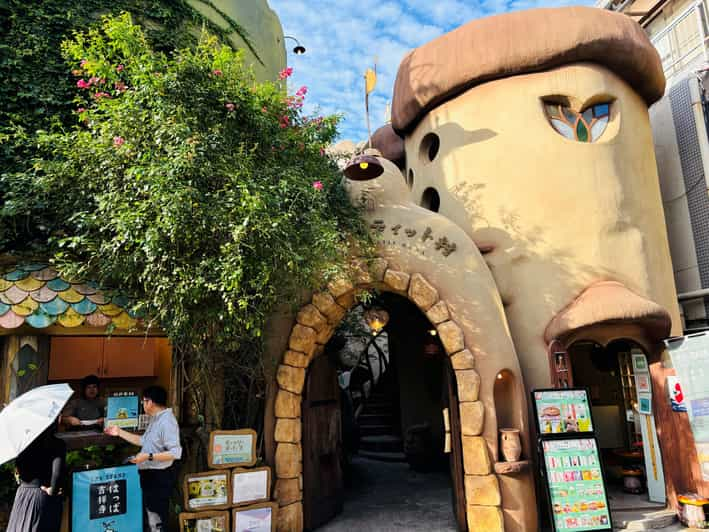
Tokyo has quieter corners worth your afternoon. This four-hour Kichijoji tour pairs local food and small streets with a peaceful walk through Inokashira Park, then finishes with two hours at the Ghibli Museum. I like the mix of ordinary neighborhood life and a major Tokyo attraction. You get more than a museum ticket, but you still have time to enjoy the museum at your own pace.
I also like the small group size, limited to 10 people, and the chance to ask a local guide about Japanese food and daily life. Guides named Daiske, Chono, and Miki have been praised for being friendly, helpful, and informative. The main drawback is simple: there is a fair amount of walking, and the food may not feel worth the full price if you could easily find similar dishes on your own.
Key Things to Know Before You Book
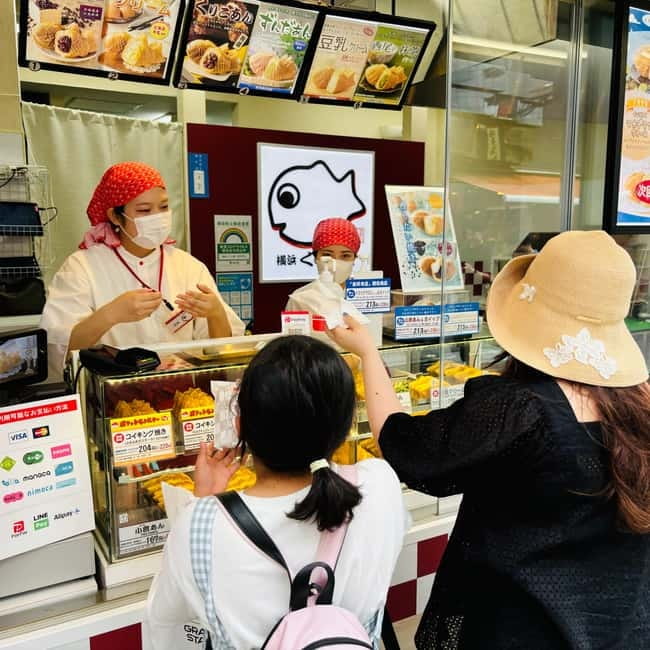
- Taiyaki in Harmonica Yokocho: Enjoy a freshly made fish-shaped pastry filled with sweet red bean paste in one of Kichijoji’s most atmospheric lanes.
- Seasonal Japanese lunch: The meal is served at a local restaurant, with recommendations shaped around your preferences.
- A calmer Tokyo walk: Inokashira Park, Inokashira Benzaiten, and the Mitaka Forest provide a welcome break from shop-lined streets.
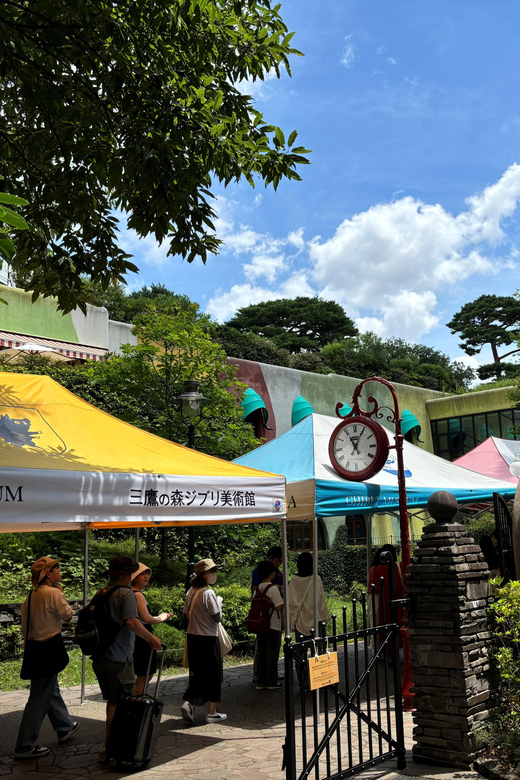
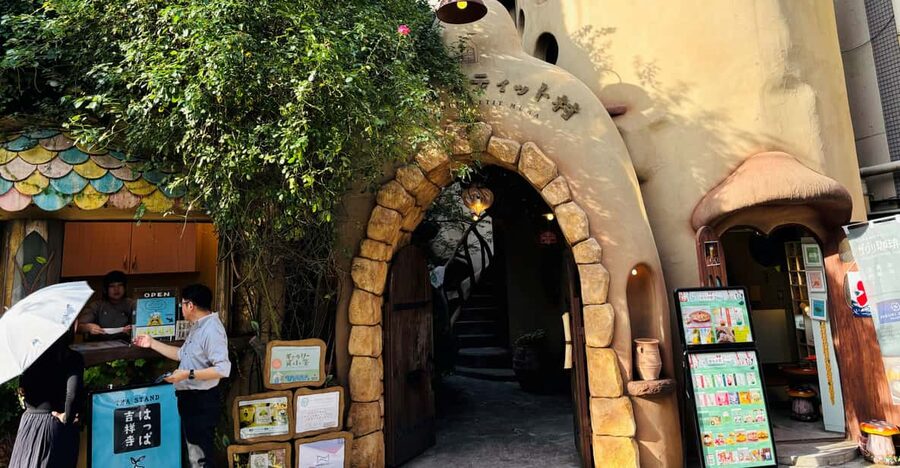
- Ghibli Museum included: The tour allows about two hours inside the museum, a major reason the price may make sense.
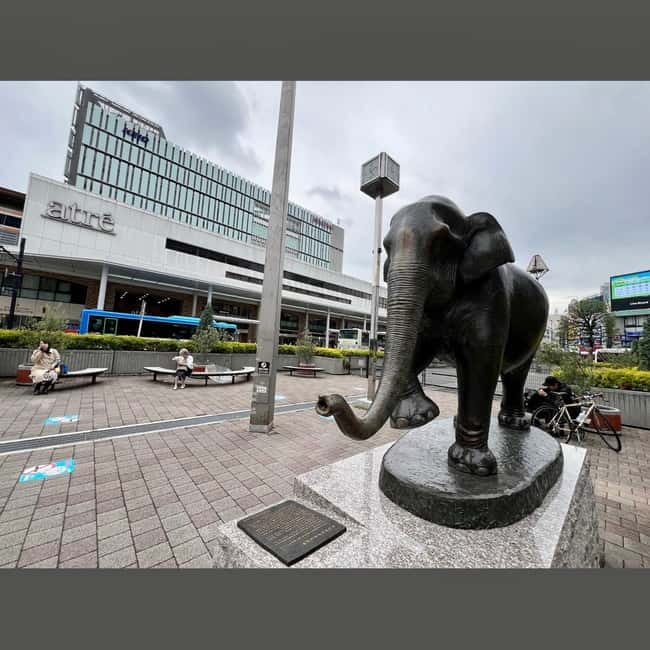
- Easy meeting point: Meet at the Hanako Elephant Statue by the north exit of Kichijoji Station, where your guide will wear a lanyard.
- English and Japanese guides: The group is capped at 10 people, making it easier to ask questions and keep the pace comfortable.
Why Kichijoji Makes a Good Half-Day Base
Kichijoji is a useful place to see a different rhythm of Tokyo. The neighborhood has shopping streets, small cafés, food stalls, and side lanes, yet it also sits beside one of the city’s best-known green spaces. That combination gives this outing a good sense of range without requiring a long trip across the capital.
You begin at the Hanako Elephant Statue outside Kichijoji Station’s north exit. Look for a guide wearing a lanyard. This is a practical meeting point, especially if you are not familiar with the area, because the station exit gives you a clear landmark.
The first part of the walk takes about 10 minutes. That short transfer helps move you from the station area into the neighborhood streets. Wear comfortable shoes, as requested, because the tour continues on foot through shopping areas, park paths, and the route toward the museum.
The tour is best for someone who wants an introduction rather than a deep food crawl. You sample selected local treats, eat lunch, learn about the area, and see the park. You are not spending the entire afternoon at restaurants, and you are not rushing through a long list of dishes.
More Gourmet Food Tours in Japan
- Tokyo: Toyosu Tuna Auction &Tsukiji Market Gourmet Adventure
★ 4.8 · 187 reviews - Kyoto Michelin Ramen Workshop or Painting Ramen Essentials
★ 4.9 · 100 reviews - Kyoto: Ramen Bowl Painting and Michelin Cooking Class
★ 4.9 · 96 reviews
Harmonica Yokocho and the First Taste of Kichijoji
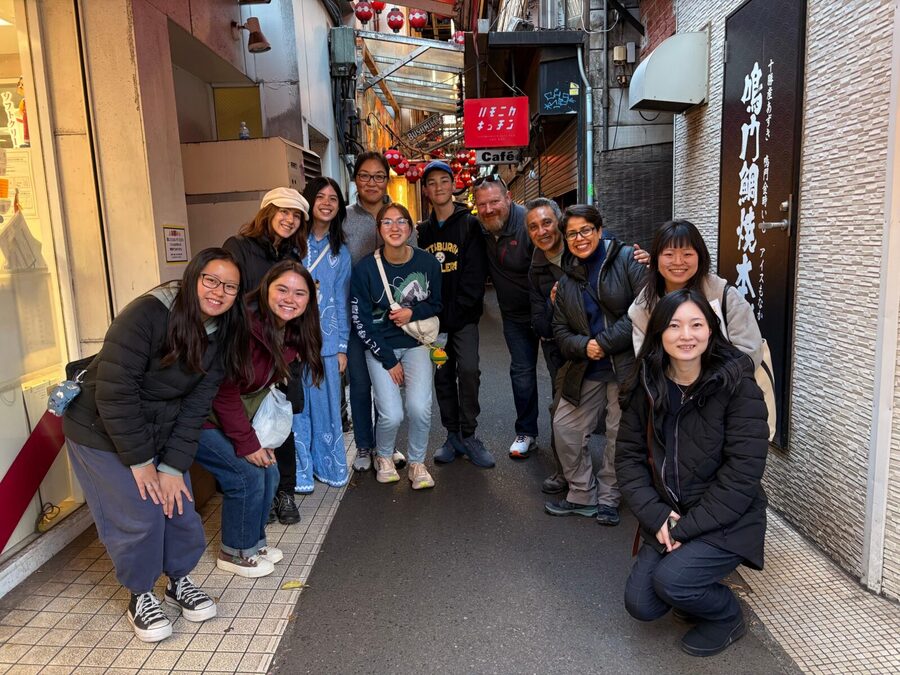
Harmonica Yokocho is one of the most memorable stops. This narrow area is filled with tiny eateries and old-fashioned character. The lanes give you a closer look at the compact, informal side of Tokyo dining, where small restaurants sit close together and the atmosphere feels more personal than a large food hall.
Here, you get a freshly made taiyaki. The fish-shaped pastry is traditionally filled with sweet red bean paste. It is a simple snack, but it gives the walk a clear local flavor, especially when eaten warm.
The taiyaki is also a useful measure of the tour’s style. You are not being taken only to polished restaurants or famous landmarks. You are stopping for an everyday Japanese sweet in a place where the setting matters as much as the food.
Still, keep your expectations sensible. The taiyaki is a small treat, not a full tasting menu. If you already know Kichijoji or enjoy finding food stalls independently, you may not need a guide for this part. The value comes from having the route organized and getting context from someone who can answer questions.
A guide can also help you understand what you are seeing in Harmonica Yokocho. Chono was praised for being polite and informative, while Miki was described as kind and easy to talk with. The guide you receive may differ, but the small group format should make conversation possible.
A Seasonal Japanese Lunch at a Local Restaurant
Lunch lasts about 50 minutes and takes place at a local restaurant. The meal is made with seasonal ingredients, and the guide can help tailor recommendations to your preferences. That is useful if you have particular tastes or want help choosing something unfamiliar.
The supplied information does not specify the restaurant or exact menu, so you should not book this expecting a named specialty. Think of it as a chance to sit down for a proper Japanese meal during the walk, rather than a restaurant review with a fixed dish list.
This stop is important for the tour’s pace. After walking through the shopping streets and eating taiyaki, you get time to sit, eat, and ask questions. Several guide experiences have been praised for the meal, with one guide taking the group to an especially enjoyable lunch and dessert. Another account described the food as good but not something impossible to find independently.
That mixed view is fair. The lunch adds convenience and local guidance, but it does not necessarily justify the full cost by itself. If you are comfortable ordering in Japanese or researching restaurants, you could likely create your own Kichijoji food stop for less. The tour makes more sense when you count the guide, the group experience, the park walk, and Ghibli Museum admission together.
Inokashira Benzaiten and the Walk Through Green Space
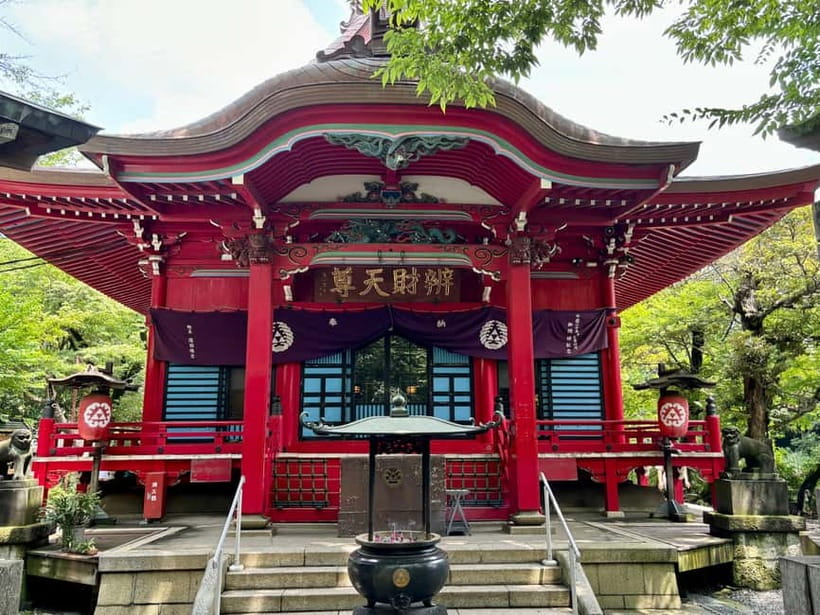
After lunch, the route turns toward Inokashira Benzaiten, where you spend about 15 minutes. This stop adds a cultural and religious note to the day. It also breaks up the food-focused part of the experience before the walk through Inokashira Park and the Mitaka Forest.
The exact amount of explanation may depend on your guide, but this is a good place to ask questions about Japanese customs, shrines, and temples. One guide was praised for answering all sorts of questions about Japanese culture, which is one of the stronger reasons to choose a guided visit rather than simply following a map.
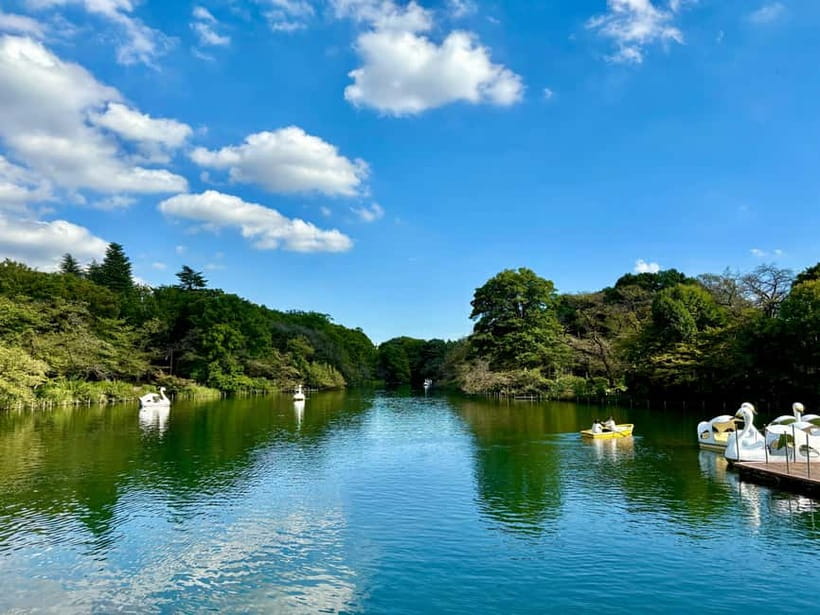
The walk itself takes about another 10 minutes before the museum portion. Inokashira Park is known for its pond, trees, and quiet paths. Cherry blossoms make spring especially appealing, but the area is designed as a peaceful pause from the city at any time of year.
I like this part because it gives the tour breathing room. Kichijoji’s shops and food lanes are lively, but the park lets you slow down. The walk toward the museum feels like a change of scene, not just transportation between stops.
The drawback is that the tour involves more walking than the short schedule might suggest. You cover the station area, Harmonica Yokocho, the restaurant, Inokashira Benzaiten, the park, and the museum route. If you have mobility concerns, ask the provider before booking, since the available details only advise comfortable shoes and do not describe accessibility arrangements.
More gourmet food tours in Tokyo:
- Bateaux Parisiens Seine River Gourmet Dinner & Sightseeing Cruise
★ 4.5 · 6,930 reviews - Authentic Parisian Gourmet Food Tour with 10 Local Dishes & Wines
★ 5.0 · 4,754 reviews - San Francisco Super Saver: Muir Woods & Wine Country w/ optional Gourmet Lunch
★ 4.5 · 3,352 reviews - Queenstown: Walter Peak Gourmet BBQ & Lake Whakatipu Cruise
★ 4.8 · 2,713 reviews
Two Hours at the Ghibli Museum
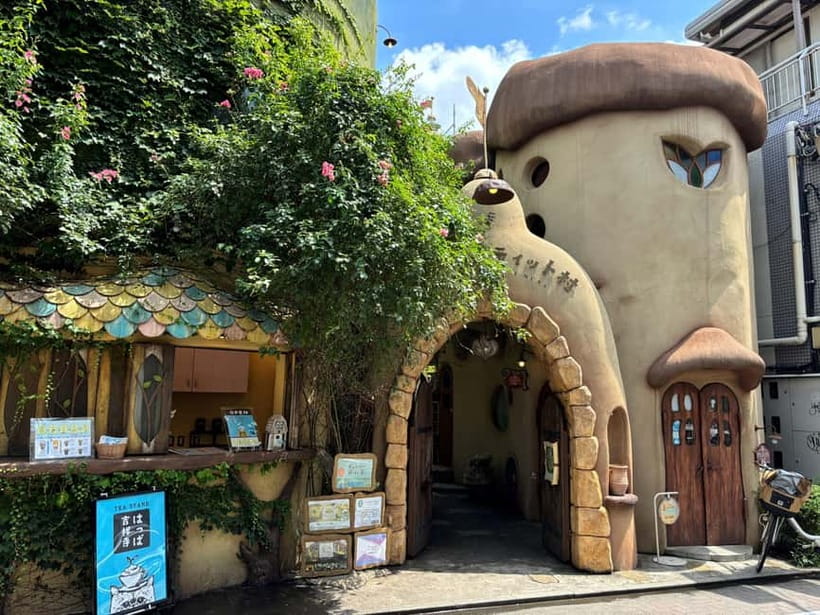
The final major stop is the Ghibli Museum, with about two hours of free time. Admission is included, which changes the value calculation considerably. A separate museum visit would require its own planning, and adding it to a neighborhood food walk gives the day a clear finish.
The tour does not describe a guided museum visit, so expect to explore at your own pace once inside. That suits many people. You can linger over the displays that interest you, move on when you are ready, and avoid being rushed through every room by a guide.
Two hours is enough for a meaningful visit, though you should not expect to see everything slowly. The museum is the final scheduled attraction, so budget your attention accordingly. If you are a devoted Studio Ghibli fan, you might want more time than the tour allows. If you mainly want to see the museum while also experiencing Kichijoji, two hours gives you a balanced afternoon.
The information says the activity ends back at the meeting point, while the highlight notes that you can enjoy the museum at your leisure. Confirm the exact end arrangement and museum timing when you reserve, especially if you have an evening train, dinner booking, or another fixed plan.
What the $94 Price Really Buys
At $94 per person, this is not a cheap neighborhood stroll. The price includes the walking tour, guide, lunch, and admission to the Ghibli Museum. The group is limited to 10 people, and the guide speaks English or Japanese.
The strongest value comes from combining several separate expenses and decisions into one half-day. You do not need to plan a Kichijoji food route, choose a lunch restaurant, work out how to reach the park, or arrange the museum visit independently. You also get a local person to answer questions along the way.
The weaker value comes if you care mainly about food. One assessment found the dishes good but not unique enough to make the tour essential. You could probably find taiyaki and lunch independently, then visit the neighborhood without paying for a guide.
I would judge the price this way:
- If you already plan to visit the Ghibli Museum, the included admission makes the tour more appealing.
- If you want local conversation and cultural explanation, the guide adds real value.
- If you prefer choosing every restaurant yourself, the included meal may feel restrictive.
- If you are visiting Tokyo for the first time, the ready-made route saves planning time.
- If you dislike walking or scheduled group outings, the format may not suit you.
The reserve-now-and-pay-later option also gives you some planning flexibility. You can cancel up to 24 hours ahead for a full refund, according to the supplied booking terms. Keep checking the available start times before you commit, since the schedule varies by date.
The Guide Makes the Difference
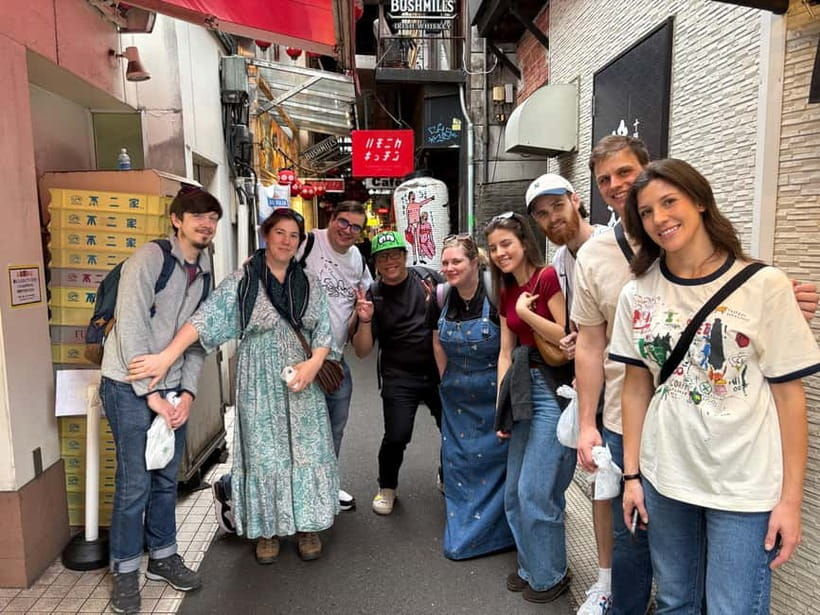
This experience depends more on the guide than a standard museum ticket does. The best version includes a friendly local who helps you understand what you are eating, points out details in the neighborhood, and responds to your questions without making the walk feel like a lecture.
Daiske was praised for taking a group to a memorable meal and dessert, then continuing through the neighborhood park to the museum. Chono was described as friendly, polite, and informative. Miki was praised for creating a pleasant walking food experience and helping with cultural questions.
Those names show the range of what the tour can offer, but they do not guarantee which guide you will receive. The common thread is personal interaction. You should use that opportunity. Ask about the food, the area, Japanese customs, or anything you notice along the route.
Because the group has no more than 10 people, you have a better chance of being heard than on a large coach excursion. That also means the pace and social feel can vary with the group. Some people will enjoy chatting as they walk, while others may prefer to focus on the sights and food.
Who Will Enjoy This Kichijoji Tour Most
I would recommend this outing to first-time Tokyo visitors who want to see beyond the main central districts. It gives you a manageable introduction to Kichijoji without asking you to build a route from scratch.
It is also a good match for Studio Ghibli fans who want the museum visit paired with something more grounded in daily neighborhood life. The food, park, and museum create a fuller half-day than visiting the museum alone.
Families may appreciate the varied pace, though the tour includes walking and a set lunch arrangement. Food-focused visitors should book if they value explanations and company, not simply because they want the cheapest possible meal.
I would be more cautious if you have already explored Kichijoji, know exactly where you want to eat, or have limited walking stamina. The tour’s food is not presented as a rare culinary event, and one assessment found it possible to discover similar food without a guide.
Should You Book It?
Book this tour if you want a friendly introduction to Kichijoji, a seasonal Japanese lunch, a park walk, and Ghibli Museum admission in one organized outing. Its best feature is the combination: food streets first, nature in the middle, and the museum at the end.
Skip it if your priority is a highly specialized food tour or complete freedom over your schedule. You may get better value by exploring Kichijoji alone and arranging the museum separately.
For most first-time visitors, the $94 cost is reasonable when you count lunch, admission, the small group, and the guide. Wear comfortable shoes, meet at the Hanako Elephant Statue by the north exit, and leave enough flexibility around the museum portion. The result is a gentle, well-balanced way to spend four hours in one of Tokyo’s more appealing neighborhoods.
FAQ
How long does the Kichijoji Gourmet Tour last?
The tour lasts four hours. Check the available dates to see the possible starting times.
Where does the tour meet?
Meet at the Hanako Elephant Statue at the north exit of Kichijoji Station. Look for a guide wearing a lanyard.
What food is included?
The tour includes a traditional Japanese lunch made with seasonal ingredients and a freshly made taiyaki from Harmonica Yokocho.
Is admission to the Ghibli Museum included?
Yes. Ghibli Museum admission is included, with about two hours of free time scheduled for the visit.
What languages are available?
The tour is offered with a live guide in English or Japanese.
How large is the group?
The group is limited to 10 participants.
Can I cancel the booking?
You can cancel up to 24 hours in advance for a full refund. The reserve-now-and-pay-later option lets you book without paying immediately.
More lunch experiences in Tokyo
- From Porto: 2 Wine Regions, Farm-to-Table Lunch & Boat
★ 4.9 · 5,724 reviews - Bateaux Parisiens Seine River Gourmet Lunch & Sightseeing Cruise
★ 4.5 · 2,680 reviews - Porto Food & Wine Tasting Tour with Lunch or Dinner Option
★ 5.0 · 2,303 reviews - Barossa Premium Wine Tasting Tour & lunch Departs 7 days a week
★ 5.0 · 1,475 reviews
Just added in Tokyo
- Tokyo: Allstar Food Tour★ 4.7 · 29 reviews
- Tokyo: West-Side Cycling and Food Tour with Guide★ 5.0 · 37 reviews
- Tokyo: Togoshi Ginza Street Food Tour★ 5.0 · 34 reviews
- Tokyo Tsukiji Food & Culture Private Tour Licensed Guide★ 4.9 · 28 reviews
- Tokyo: Wagyu and Sushi Gastronomic Journey★ 4.3 · 24 reviews
- Tokyo: Sushi and Ramen Cooking Class with Sake Pairing Set★ 5.0 · 81 reviews
- Tokyo: Sushi Making Class★ 4.9 · 390 reviews
- Tokyo: Ramen Tasting Tour with 6 Mini Bowls of Ramen★ 4.9 · 432 reviews
Gourmet and Michelin Food Tours, compared.

Bateaux Parisiens Seine River Gourmet Dinner & Sightseeing Cruise
Read our review →
Authentic Parisian Gourmet Food Tour with 10 Local Dishes & Wines
Read our review →
San Francisco Super Saver: Muir Woods & Wine Country w/ optional Gourmet Lunch
Read our review →
Queenstown: Walter Peak Gourmet BBQ & Lake Whakatipu Cruise
Read our review →
Bateaux Parisiens Seine River Gourmet Lunch & Sightseeing Cruise
Read our review →
Montmartre Hill French Gourmet Food and Wine Tasting Walking Tour
Read our review →
Small Group: Michelin and Local Hawker Food Tour with 9 tastings
Read our review →Browse the lists this tour appears in