
REVIEW · BERLIN FOOD TOURS
Berlin Center Food Tour with 8+ Authentic Local Tastings
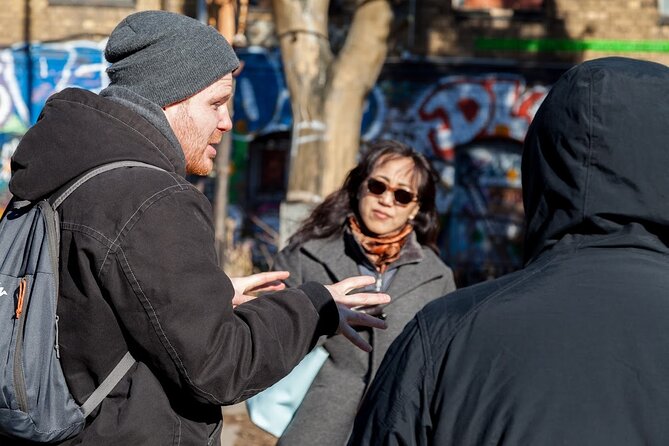
Berlin tastes better on foot. This three-hour food walk links local staples with street art, Cold War stories, and the changing character of East Berlin. I like the way food is used as a guide to the city, not just as a series of snacks. I also like the small-group limit of 12 people, which gives the guide room to answer questions.
The strongest feature is the mix of food and place. You may eat kebab near old industrial courtyards, pass Soviet-era boulevards, and finish by the Berlin Wall with a final treat. The main caution is value: at $118.51 per person, you should expect a full cultural outing with food and drinks, not merely a cheap tasting crawl.
Key points at a glance
- Berlin staples with a global accent: Expect kebab, currywurst, Berliner doughnut, German pastries, Käsespätzle, beer or Riesling, and a Turkish sweet.
- Food tied to city history: The route connects Berlin’s changing politics, immigration, architecture, and street culture with what you eat.
- A maximum of 12 people: The smaller group should make it easier to hear the guide and ask questions.
- A walk through East Berlin: Art galleries, painted courtyards, Soviet-era streets, and the East Side Gallery shape the route.
- Come ready for plenty of food: Several reviews describe the portions as generous, though one person would have preferred more small samples and greater variety.
- Book early and check the meeting point: The tour is often booked 39 days ahead, and the supplied meeting details are not fully consistent.
Why Berlin food makes a good history lesson
Berlin has no single, tidy food identity. Its cooking reflects German tradition, immigration, division, reunification, and the city’s constant reinvention. That makes a food walk especially useful here. A plate of currywurst can lead to a story about postwar Berlin, while kebab points to the city’s Turkish community and the way everyday food changes as people settle in a new place.
I like this approach because it gives you something concrete to remember. Instead of hearing a long account of Berlin’s past and then wandering off hungry, you connect a location with a taste. The food becomes a small memory hook.
The route also appears to balance famous dishes with less obvious corners. You are not simply sent from one restaurant to the next. You pass courtyards covered in murals, old passageways, cafés, galleries, and remnants of earlier Berlin. That helps explain why the city can feel both historic and experimental within the same few blocks.
The guide is important here. Several guides are praised by name, including Daniel, Francesco, Donia, Danielle, Fotini, Dania, and Vincent. The most consistent praise goes to guides who explain both the food and the surrounding streets. Francesco is described as warm and entertaining, while Vincent is noted for linking architecture, city growth, and cuisine. Your actual guide will depend on the date, but the experience clearly depends heavily on this personal storytelling.
A few more food tours in Berlin worth a look
- Kreuzberg: Culinary Food Tour
★ 4.5 · 770 reviews - Berlin: Mitte Culinary Food Tour
★ 4.5 · 447 reviews - Berlin: Downtown Food Tour with 8 Authentic Local Tastings
★ 4.8 · 342 reviews
Starting in Berlin’s changing center
The supplied information gives two different starting details. The overview says you meet in the morning at Warschauer U-Bahn Station, while the formal meeting information lists Burgstraße 19 in Berlin and an end point at Hackescher Markt. Because these details do not match, check your confirmation carefully before setting out. Do not assume that the general route description is your final meeting instruction.
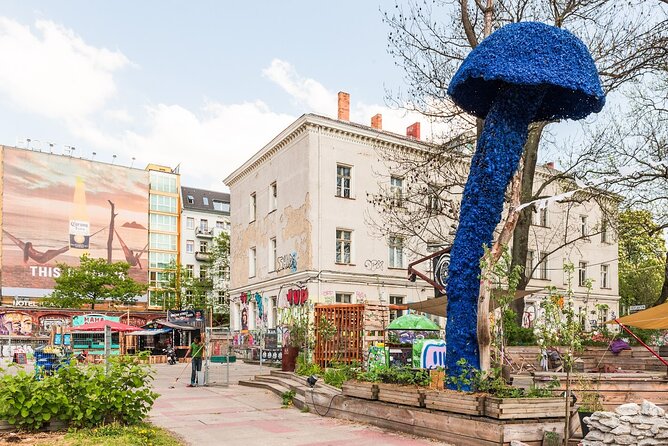
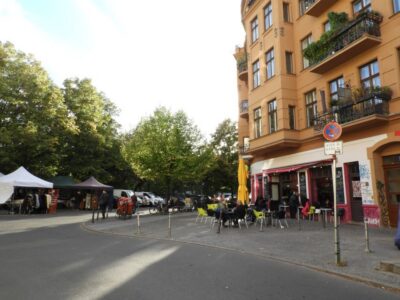
The itinerary opens with a look at Berlin’s less obvious central spaces. You may pass through courtyards and narrow passages covered in street art, with cafés, cinemas, and older buildings tucked around them. This is a good beginning because it shows you a Berlin that is easy to miss when you stick to the main avenues.
The first food stop includes a Berliner doughnut from a small pastry shop. This is a simple but useful introduction to the local sweet tooth. A Berliner is not merely a generic doughnut in a different city. It is one of the classic Berlin treats, and eating it early gives you a quick taste of the city’s bakery culture.
The opening section is listed as about 10 minutes for one stop, but the entire walking route naturally takes longer once the food stops and historical explanations are included. You should think of the timing as a three-hour neighborhood walk with frequent pauses, not a fast march between restaurants.
Kebab, courtyards, and Berlin’s immigrant food culture
One of the headline tastings is a famous Berlin kebab. This is an important inclusion. Kebab is now one of the city’s best-known quick meals, and it shows how strongly Berlin’s food culture has been shaped by immigration.
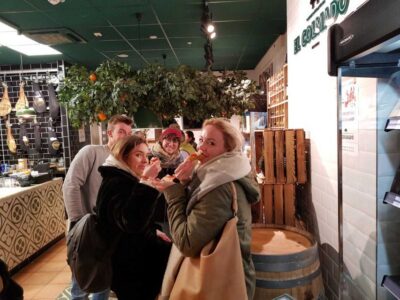
The kebab stop also gives the tour a practical advantage. You get something filling fairly early, rather than relying only on tiny decorative samples. That matters because the itinerary includes several later dishes, and some food reviews describe the total amount as more than sufficient.
The tradeoff is that a filling kebab can reduce your appetite for later stops. If you want to sample everything, pace yourself. You do not need to finish every bite immediately, especially with pastries, Käsespätzle, currywurst, and dessert still ahead.
The surrounding streets add more than scenery. You may see colorful murals and art spaces while the guide explains how Berlin changed from the 19th century through the Cold War and after 1989. This connection between modern street culture and older political divisions is one of the better reasons to choose the tour early in your visit.
The old church and Berlin’s quieter historical details
The route includes an 18th-century Evangelical church connected with a clandestine Martin Luther King service during the Cold War. That is the kind of smaller historical detail that can make a walking tour memorable. It is not one of Berlin’s headline sights, yet it gives you a glimpse of how religion, politics, and divided-city life overlapped.
This part of the walk may appeal most if you like local stories more than a checklist of major monuments. The tour does not focus only on famous landmarks. It uses courtyards, churches, train stations, and ordinary streets to explain the city.
One review specifically praised the guide for treating serious historical places with respect while keeping the rest of the tour light and social. That balance matters. A food tour should not become a lecture, but Berlin’s past deserves more than a quick joke between bites.
Same city, a different table:
- Berlin: Guided Street Food Tour with Tastings
★ 4.8 · 310 reviews - East Berlin Food & History Tour with Eating Europe
★ 5.0 · 204 reviews - Classic Bites and Culinary Trends Neighborhood Food Tour in Berlin
★ 5.0 · 191 reviews - East Meets West: Berlin Food Culture & Street Art
★ 5.0 · 157 reviews
Flammenkuchen, Käsespätzle, and the warm-food stops
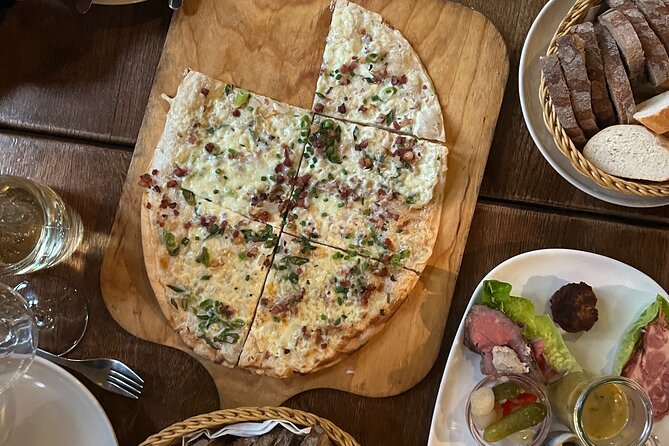
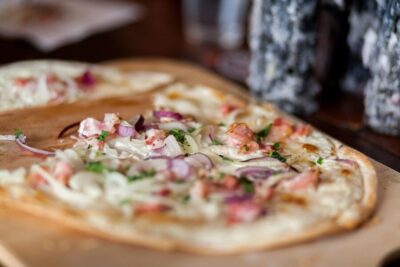
At a local restaurant, you stop for Flammenkuchen, a thin flatbread-style German tart. It is a useful change of pace after the kebab. The dish brings the focus back toward German regional cooking, while the thin base keeps the meal from becoming too heavy too early.
Käsespätzle is also included. This is a hearty comfort food made with soft egg noodles and cheese. It may appeal to you if you prefer substantial, savory food over dainty samples. It also helps explain why the tour can feel closer to a light meal than a conventional tasting session.
The food list includes traditional beer garden food as well, though the exact dish can change. The company notes that the menu and route may shift with weather, availability, and other conditions. That flexibility is useful for keeping the tour running, but it means you should not treat every named dish as guaranteed.
One stop was reported to have run out of a particular dish, with no replacement offered. That is a small but fair warning. The overall food plan is broad, yet restaurant stock can affect what reaches your plate on the day.
Pastries, beer, and the question of value
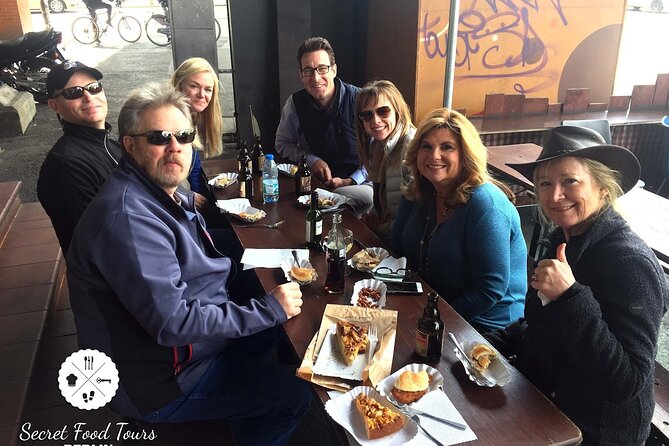
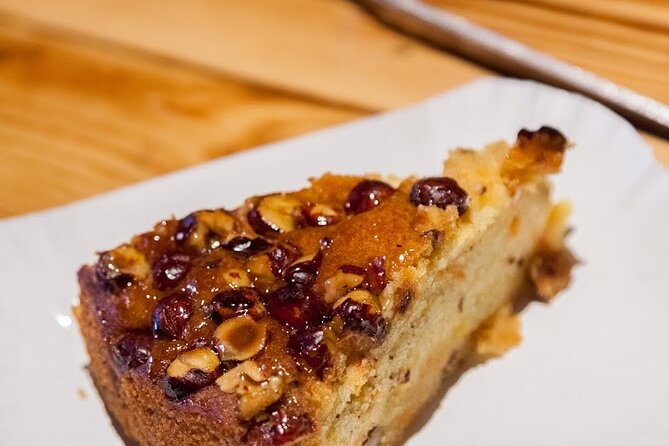
A boutique bakery stop brings several cakes and pastries into the picture. Along with the Berliner doughnut, this gives the tour a noticeable sweet side. If you like European bakeries, this may be one of the most enjoyable sections.
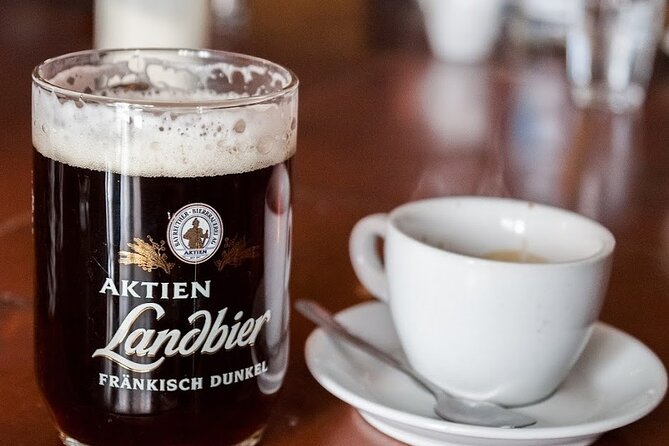
Drinks are part of the package. The published inclusions specify a glass of German Riesling and a fresh pint of local draft beer. Some descriptions from the experience also refer to three alcoholic drinks overall, with nonalcoholic choices available. Since the exact drink count is not perfectly consistent across the supplied details, confirm what is included when you book.
That point matters when judging the $118.51 price. If you receive multiple alcoholic drinks, a kebab, warm dishes, pastries, currywurst, a Turkish sweet, and a final tasting, the cost is easier to justify. You are also paying for a guide, route planning, and the historical context between stops.
Still, one person felt the food purchases did not match a fee of more than £80. Another found the food side merely average because there were four stops and five main foods, with more quantity than variety. I would take those concerns seriously if you are comparing this with a low-cost walking tour or prefer many small, highly varied bites.
The best value comes when you want three things at once: enough food to replace a meal, a guided walk, and a clear introduction to Berlin’s neighborhoods. If you only want to eat cheaply, this is not the right format.
Currywurst and a sweet taste of Berlin’s Turkish community
Currywurst is one of the most recognizable Berlin foods, and it earns its place here. The dish is casual, filling, and strongly tied to the city’s postwar street-food identity. It is also a useful contrast with the kebab. Both are quick foods, but they point to different parts of Berlin’s social and culinary story.
The Turkish sweet adds another layer. It keeps the tour from presenting German food as a sealed-off tradition. Berlin’s everyday eating is a mix of old local habits and foods brought, adapted, and embraced by immigrant communities.
This is where the tour’s international angle works best. You are not told that one dish represents all of Berlin. Instead, you taste the city as it actually functions: German classics beside food shaped by migration and modern city life.
Finishing at the East Side Gallery
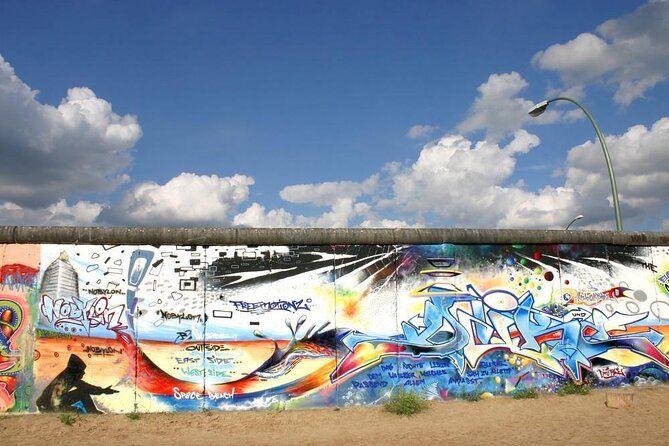
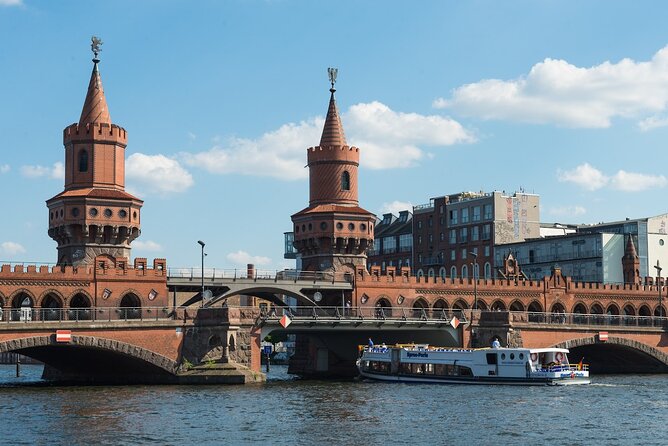
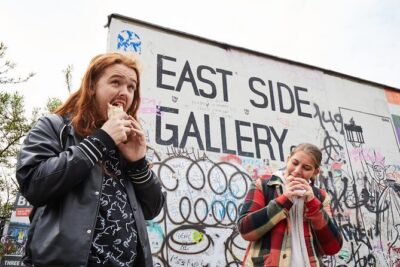
The route ends at the East Side Gallery, one of the most famous surviving sections of the Berlin Wall. The setting gives the tour a strong final chapter. After streets, courtyards, restaurants, and cafés, you reach a place where Berlin’s division and reunification are visible on a large scale.
You also receive one final food treat here. That last bite gives the walk a clear finish rather than leaving you somewhere random after the final restaurant.
The East Side Gallery is popular, so it will not feel like a private discovery. Its value comes from arriving there with more context. After hearing about East Berlin, Soviet-era streets, Cold War life, and the city’s later transformation, the painted wall carries more meaning.
Walking pace, group size, and practical comfort
The tour lasts about three hours and involves a fair amount of walking. Wear comfortable shoes. One description says the route is not especially demanding, with stops close enough to keep the pace easy, but the official information still warns you to expect plenty of time on foot.
The maximum group size is 12. That is a useful middle ground. You get the social feel of a group outing, but the guide should still be able to speak with you directly. Small groups also help in narrow courtyards and busy food shops.
The tour is offered in English and is near public transportation. Most people can participate, but no hotel pickup or drop-off is included. Plan to reach the meeting point on your own and allow extra time, especially because the supplied meeting information names both Warschauer U-Bahn Station and Burgstraße 19.
Dietary needs should be raised in advance. The company says it will try to accommodate them, but last-minute requests may be difficult when the route relies on several independent food stops.
Who will enjoy this food walk most
I would recommend it to a first-time Berlin visitor who wants an easy introduction to local dishes and city history. It also suits families with older children and teenagers. One family found that two teens with modest appetites could still sample everything, although you should expect enough food for hungry adults.
It is a good choice for people who like walking but do not want a formal history tour. You get architecture, street art, political stories, and food without spending three hours inside museums.
It may be less suitable if you want refined dining, exact menu control, or a long list of tiny samples. The food is designed to be familiar and filling. Some dishes may be repeated in spirit, and the itinerary can change.
I also like the idea of taking this tour near the beginning of your Berlin stay. Guides have offered restaurant suggestions for later meals, and the route can help you understand which parts of the city you want to explore again.
Should you book the Berlin Center Food Tour?
Book it if you want a substantial food walk with Berlin context, not a bargain meal or a precision tasting menu. The strongest parts are the friendly guides, the mix of German and immigrant-influenced foods, the street art, and the connection between everyday eating and Berlin’s divided past.
At $118.51, the price is fair only if you value the full package. You receive several tastings, drinks, a three-hour guided route, and help finding places you might otherwise pass by. If food variety matters more to you than quantity, keep your expectations measured.
I would book this early in a Berlin visit, confirm the meeting point, tell the operator about dietary needs, and arrive hungry. Comfortable shoes will help, and a flexible attitude is wise because dishes and stops can change.
FAQ
How long does the Berlin food tour last?
The experience lasts approximately three hours.
What food is included?
The listed tastings include a Berlin kebab, a traditional baked pastry, currywurst, beer garden food, Käsespätzle, a Berliner doughnut, a signature secret dish, and a Turkish sweet. The exact menu may change.
Are drinks included?
The listed inclusions specify a glass of German Riesling and a pint of local draft beer. Nonalcoholic options are available. Some tour details refer to three alcoholic drinks, so confirm the exact drink arrangement when booking.
Where does the tour start and finish?
The formal meeting information lists Burgstraße 19 in Berlin as the start and Hackescher Markt as the end. The route description also refers to meeting at Warschauer U-Bahn Station, so check your booking confirmation for the correct starting place.
How many people can join?
The tour has a maximum of 12 participants.
Can I cancel for a full refund?
Yes. You can cancel at least 24 hours before the start time for a full refund. Cancellations or changes made less than 24 hours before the experience are not accepted for a refund.
Just added in Berlin
- Small-Group Berlin Sightseeing and Food Tour of Prenzlauer Berg and Mitte★ 5.0 · 25 reviews
- East Meets West: Berlin Food Culture & Street Art★ 5.0 · 157 reviews
- Berlin Evening Culinary Tour – Award Winning★ 5.0 · 118 reviews
- Classic Bites and Culinary Trends Neighborhood Food Tour in Berlin★ 5.0 · 191 reviews
- Private Tour: Daytime Food Tour Trends & Classics★ 5.0 · 24 reviews
- The Berlin Culinary Experience: A Regional & Cultural Food Tour★ 5.0 · 79 reviews
- Private Berlin Street Food Tour by Bike★ 5.0 · 87 reviews
- Food tasting tour in Berlin of HIDDEN GEMS (Small Groups)★ 4.5 · 60 reviews
Berlin Food Tours, compared.
Downtown Food Tour with 8 Authentic Local Tastings
Read our review →
East Berlin Food & History Tour with Eating Europe
Read our review →
Classic Bites and Culinary Trends Neighborhood Food Tour in Berlin
Read our review →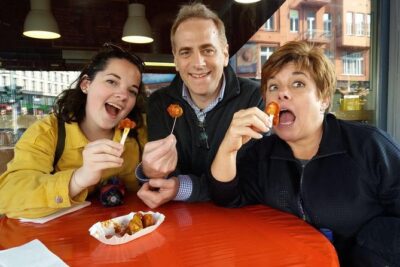
East Meets West: Berlin Food Culture & Street Art
Read our review →
Berlin Private Walking Food Tour With Locals: the 10 Tastings
Read our review →Browse the lists this tour appears in