
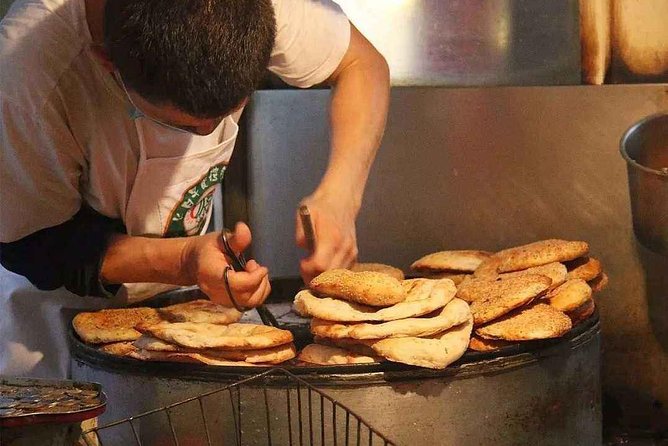
REVIEW · SHANGHAI FOOD TOURS
Authentic Local Food Tour in Central Shanghai
Come hungry, leave with a map of Shanghai. This three-hour walk through central Shanghai combines excellent local food with a useful look at how the city eats, from delicate soup dumplings to red-braised pork and scallion oil noodles. I especially like the choice of morning, lunch, evening, and late-night departures, plus the fact that tastings add up to a full meal. The one thing to consider is the amount of walking, including a 15-minute stretch between areas.
The small-group format, capped at 15 people, should make it easier to ask questions and share dishes. Guides such as Jade, TJ, Kurt, Jim, Helen, and Wang Jian have been praised for explaining ingredients, regional dishes, and Shanghai customs. Arrive very hungry, since the food is generous and the early tours may focus more on eating than drinking.
Key reasons to consider this Shanghai food walk
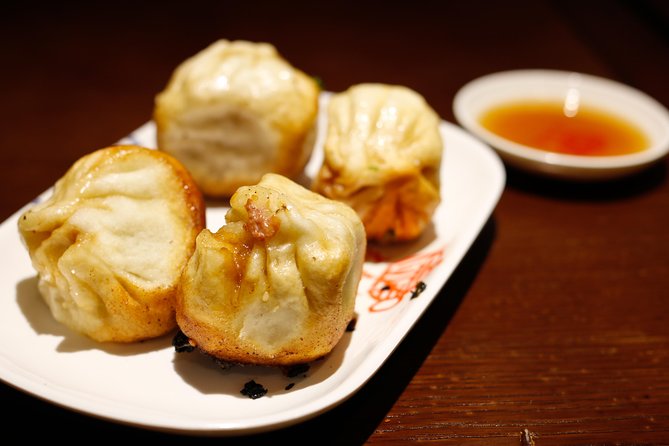
- Soup dumplings come first: Start with xiao long bao and learn to judge the broth, filling, and wrapper.
- Several local restaurants: Eat at traditional spots around Xintiandi, the Former French Concession, and Yunnan Road.
- Enough food for a meal: Tastings can include roast duck, pan-fried dumplings, spring rolls, noodles, pork, tea, and dessert.
- Different tour times: Morning, lunch, evening, and late-night options let you fit the walk around your plans.
- A useful city introduction: Walking between meals brings in local streets, public life, food customs, and neighborhood history.
- Small-group setting: The maximum group size is 15, with food served for sharing.
Starting with soup dumplings near Xintiandi
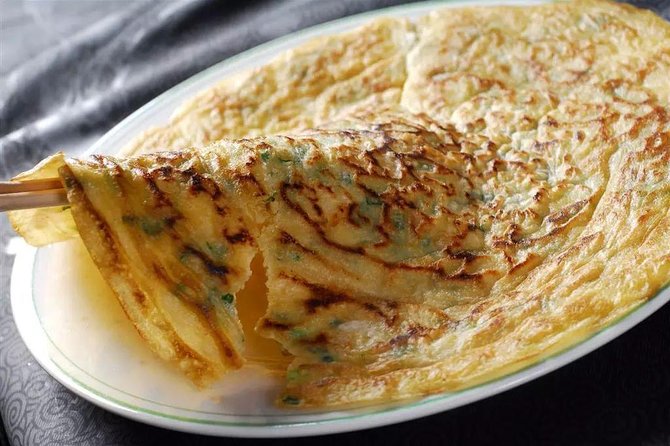
Your meeting point is near Huangpi Nan Road metro station, at 333 Huai Hai Zhong Lu. From there, you walk toward Xintiandi, a central Shanghai area known for its restored lanes, restaurants, and mix of old and new city life.
The first stop focuses on soup dumplings. This is a smart opening choice because xiao long bao are not just a famous Shanghai dish. They also give your guide plenty to explain. You learn how the dumplings are made, how the broth sits inside the wrapper, and what to notice in the meat filling and skin.
The tasting is treated as more than a quick bite. You are encouraged to pay attention to the broth’s flavor, the filling’s texture, and the thinness of the wrapper. That makes the dish easier to understand, especially if you have only eaten soup dumplings in restaurants outside China.
Take care with the hot broth. The tour includes discussion of how to eat and assess the dumplings, but a careful first bite is still wise. This is one of the places where the guide adds real value, since the food itself may be familiar to you, while the details of construction and local habits may not be.
The Xintiandi stop lasts about 45 minutes, including the tasting and explanation. It is also a good chance to meet the group before the walk gathers speed.
A few more food tours in China worth a look
- Shanghai: 3-Hour Local Food Tasting Tour
★ 4.9 · 806 reviews - Xi’an Evening Food Tour by TukTuk
★ 5.0 · 715 reviews - Eat Like A Local: Shanghai Night Food Tour
★ 5.0 · 616 reviews
Walking through the Former French Concession
After Xintiandi, the route includes about a 15-minute walk toward Yunnan Road in the Former French Concession. This is not a bus tour with food stops placed right beside one another. You move through the city on foot, which gives the experience a stronger sense of place.
On the way, you may notice French lane houses and the changing mix of older streets, shops, and modern development. The guide’s commentary connects the food to Shanghai’s neighborhoods and changing urban life. If you enjoy learning where people live and eat, not just checking off dishes, this part earns its place.
The walk also gives you time to digest. That matters because the portions are not token samples. Several people have found the food plentiful enough to leave them completely full, and the pace is designed to spread the meal across the three-hour route.
The main food section around Yunnan Road includes three traditional restaurants and one dessert shop. Sitting alongside local diners is part of the appeal. You are not simply sampling food in a setting designed only for international visitors. You get a look at the ordinary restaurant rhythm of central Shanghai.
Still, the route requires comfortable shoes. The tour operates in all weather conditions, so you should dress for rain, wind, or heat. Poor weather can affect the experience, even though the operator may cancel for weather and offer another date or a full refund.
Yunnan Road and the range of dishes
The exact dishes can vary by departure, but the food list gives you a clear idea of the range. Expect traditional Shanghainese favorites along with dishes from other parts of China.
Possible tastings include:
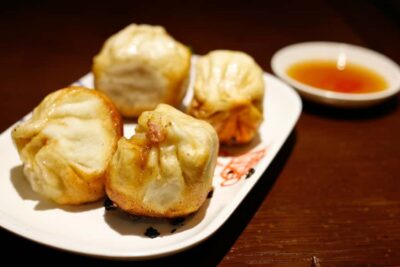
- Soup dumplings and pan-fried dumplings
- Spring rolls
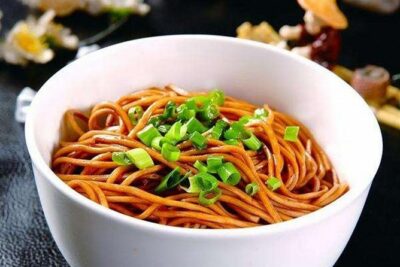
- Scallion oil noodles
- Red-braised pork
- Roasted duck
- Parched chicken
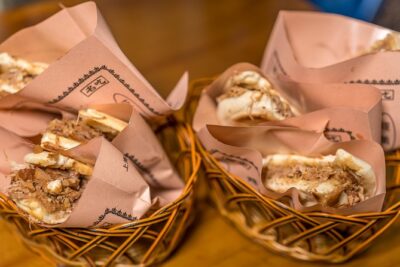
- Savory pancakes
- Candied lotus rice
- Tea and dessert
The scallion oil noodles are a good example of the tour’s strength. They are simple, but the aroma and seasoning show how much flavor can come from a few ingredients. A guide can also explain how this type of noodle dish fits into everyday Shanghai eating.
Red-braised pork gives you a richer, heavier taste. It is useful to try it beside lighter dishes such as soup dumplings or noodles, since the contrast makes the meal feel more complete. Roasted duck brings another texture and seasoning style, while spring rolls offer a crisp change of pace.
The food is served across multiple stops rather than in one large sitting. That makes it easier to try unfamiliar dishes without filling up immediately. Still, this is not the tour for someone hoping to have only a few tiny tastes. You should plan on eating a full breakfast, lunch, or dinner.
Some departures also include modern or less expected stops. One evening route included local Shanghainese food, Xinjiang specialties, modern Cantonese dishes, and a tea tasting. Another morning experience included fried soup dumplings, a savory pancake, local coffee, fruit, roast duck, tea, and noodles with toppings.
That variety is useful, but it also means the experience is not limited to one narrow definition of Shanghainese cuisine. If you want a strict regional tasting menu, ask about the departure time and current food plan before booking. If you prefer a broader introduction to Chinese food in Shanghai, the variety is a plus.
Tea breaks, coffee, and the late-night difference
Tea appears between food stops as a way to refresh your palate and slow the pace. You may be offered green or black tea, and some tours include a more detailed tea tasting. This pause is practical as well as cultural. It lets you digest, regroup, and listen while the guide explains local food customs.
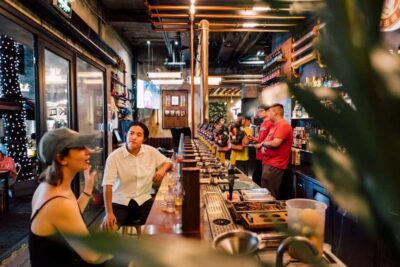
The timing and focus change with the departure. The early tour is described as more food-focused, while the evening tour gives more attention to drinks. The late-night session includes local beer or dessert. This distinction matters if you are choosing between schedules.
A morning or lunch outing may suit you best if your main goal is to taste as many dishes as possible. An evening outing may work better if you want a social walk with drinks included. The late-night option is not necessarily a lighter version, so do not assume it will feel like a small snack tour.
Coffee has also appeared on a morning route, including Luckin coffee with coconut and black sesame latte flavors. That is a fun modern contrast to soup dumplings and tea, though it should not be treated as a guaranteed stop on every departure.
Same city, a different table:
- Tuktuk Food Tour Through Chengdu’s Local Eats
★ 5.0 · 435 reviews - Hong Kong’s Tin Hau Hidden Eats Food Tour with 7+ Local Tastings
★ 5.0 · 352 reviews - Small-Group Hong Kong Island Food Tour
★ 5.0 · 343 reviews - Hong Kong Food Tour: Central and Sheung Wan Districts
★ 5.0 · 333 reviews
Finishing at People’s Square
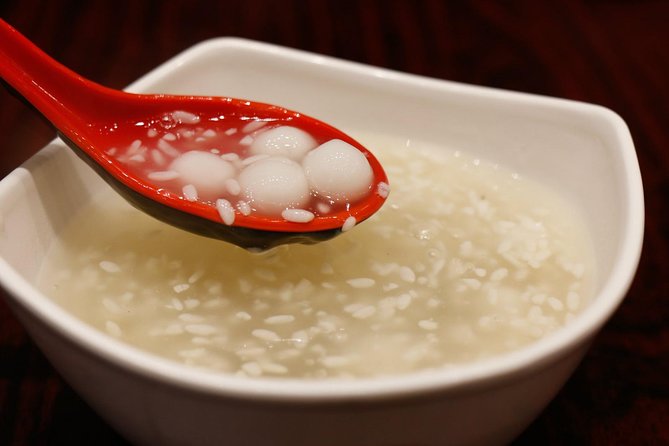
The route ends around People’s Square, also called Renmin Guang Chang. This is convenient if you want to continue exploring central Shanghai afterward, and it avoids sending you back to the starting point.
The final stop area may include more food, tea, or dessert depending on the route and timing. The listed itinerary gives about 50 minutes for the People’s Square section. Along the way, guides may point out public spaces where local people dance, practice tai chi, sing karaoke, or spend time together.
That kind of observation is one of the tour’s best features. You are not only eating dishes with unfamiliar names. You are seeing how food fits into daily life, social habits, and the way Shanghai residents use their neighborhoods.
Because the tour ends at People’s Square rather than the original meeting point, check your onward plan before setting out. The area is near public transportation, but hotel drop-off is not included.
What the guides add to the experience
The food is the main reason to book, but the guide can make the difference between a good meal and a useful introduction to Shanghai.
Jade has been praised for taking groups to places they might not find alone, explaining the neighborhoods, and making sure nobody finishes hungry. Kurt is described as enthusiastic and careful about explaining each dish. TJ has been especially appreciated for explaining where dishes come from and for her knowledge of Shanghai as a local.
Jim has led routes with six or seven food stops, offered practical advice about finding local restaurants, and added a tea break at a good point in the meal. Wang Jian has been noted for fluent English, strong local knowledge, and a well-paced walk that included a public park.
The guides are not all described in exactly the same way. One account found the food excellent but felt the group introduction at the start could have been smoother. Bad weather made that beginning more awkward, and it is a useful reminder that group tours can have small organizational bumps.
Overall, the strongest pattern is clear: guides explain what you are eating, answer questions, and help you enter places you might otherwise pass by. That is particularly useful for first-time visitors who are unsure how to order, what to taste, or how to judge a dish.
Is $79 a fair price?
At $79 per person, this is not the cheapest way to eat in Shanghai. You can spend far less by ordering one dish at a local restaurant and using the metro to move around on your own.
The value comes from the number of stops, the amount of food, the local guide, and the ease of having someone choose and explain the dishes. Tastings are described as enough for breakfast, lunch, or dinner, and the route may include five to seven stops depending on the departure.
You are also paying for access and confidence. A guide can help you enter busy traditional restaurants, select dishes, explain unfamiliar flavors, and keep the meal moving. If you are only comparing the price of individual plates, the tour will seem expensive. If you value a full meal plus neighborhood orientation and food guidance, the price is more reasonable.
The small group helps support that value. With a maximum of 15 people, the guide should have a better chance to answer questions and manage shared dishes than on a large coach-style outing. The experience is still social, so solo visitors and couples should expect to eat with others.
Who will enjoy this food tour most?
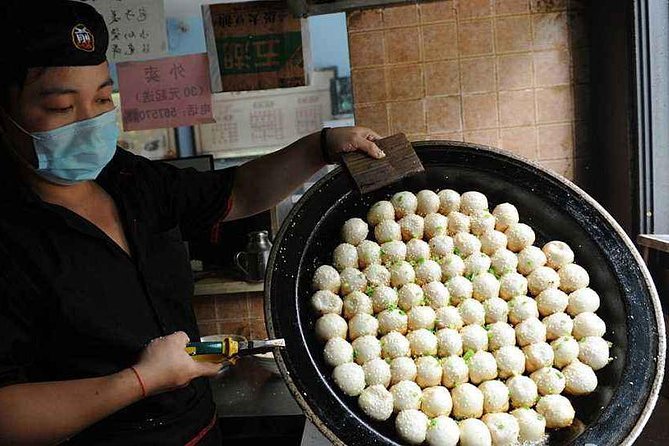
I would recommend it most to first-time visitors who want a quick, friendly introduction to Shanghai food without spending days researching restaurants.
It also fits you well if you:
- Like trying several dishes in one sitting
- Prefer walking to riding between restaurants
- Want explanations about ingredients and food customs
- Enjoy small-group experiences
- Are happy to share dishes
- Want a meal that covers more than one style of Chinese cooking
Families can join, though children must be accompanied by an adult. Children under three are free. Vegetarian options are available if requested at booking, and you should provide any other dietary requirements in advance.
This may not suit you if you dislike group dining, need a completely fixed menu, or have difficulty walking for three hours. The operator says most people can participate, but the route includes restaurant visits and walking in all weather.
The food is also not presented as a formal cooking class. You will learn about dishes and culinary customs, but the main activity is eating and walking.
Practical details before you book
The tour lasts about three hours and uses a mobile ticket. It begins near Huangpi Nan Road metro station and finishes around People’s Square.
Wear comfortable walking shoes. Bring an appetite, and avoid scheduling a large meal immediately before the tour. If you choose an evening or late-night departure, check whether the current emphasis is food, drinks, or both.
Vegetarian requirements and other dietary needs should be supplied when booking. Service animals are allowed. Hotel pickup and drop-off are not included, so you will need to reach the meeting point independently.
Free cancellation is available if you cancel at least 24 hours before the local start time. Cancellations within 24 hours are not refunded, and changes within that period are not accepted. If poor weather causes the operator to cancel, you are offered another date or a full refund.
Should you book this Shanghai food walk?
Yes, if you want a generous meal, several central neighborhoods, and a guide who can explain why the food matters. The soup dumpling discussion, tea pauses, traditional restaurants, and walk to People’s Square give the tour more substance than a simple list of tastings.
I would choose a morning or lunch departure if food variety is your top priority. Choose evening if you want a more social outing with drinks, and consider the late-night session if local beer or dessert sounds appealing.
Book it early in your Shanghai stay if possible. The experience can give you a practical food map for the rest of your visit, including dishes you may want to seek out again. Just remember to wear good shoes, allow for weather, and arrive with plenty of room in your stomach.
FAQ
How long is the Shanghai food tour?
The tour lasts approximately three hours.
How much does the tour cost?
The listed price is $79 per person.
Where does the tour begin?
It begins at 333 Huai Hai Zhong Lu in Huangpu, near Huangpi Nan Road metro station.
Where does the tour end?
The tour ends around People’s Square in Huangpu, Shanghai.
Is hotel pickup included?
No. Hotel pickup and drop-off are not included.
What food is included?
Food may include soup dumplings, spring rolls, roasted duck, scallion oil noodles, red-braised pork, parched chicken, spring pancakes, candied lotus rice, dessert, and other local dishes.
Is enough food included for a full meal?
Yes. The food and drink tastings are intended to provide enough for breakfast, lunch, or dinner.
Are vegetarian options available?
Yes. A vegetarian option is available, but you must request it when booking.
Can children join the tour?
Yes. Children must be accompanied by an adult, and children under three are free.
What happens if I need to cancel?
You can receive a full refund if you cancel at least 24 hours before the experience start time. Cancellations within 24 hours are not refunded.
Just added in China
- Tuktuk Food Tour Through Chengdu’s Local Eats★ 5.0 · 435 reviews
- Half-Day Chengdu Back Alley Foodie Tour★ 5.0 · 58 reviews
- 4-Hour Private Tour: Lama Temple, Confucius Temple, Guozijian Museum with Dim Sum★ 5.0 · 21 reviews
- Online Cooking Class Beijing Dumplings and Cuisine by Sunflowerli Renowned Chef★ 5.0 · 65 reviews
- Beijing Walking Food Tour with a Local Friend★ 5.0 · 73 reviews
- Beijing Hutong Breakfast Food Tour★ 5.0 · 120 reviews
- Experience Beijing Walking Food Tour Private★ 5.0 · 56 reviews
- 3-Hour Private Night Tour: Beijing Foodie Experience★ 5.0 · 53 reviews
Shanghai Food Tours, compared.

Private Shanghai Evening Street Food Walking and Cruise Tour
Read our review →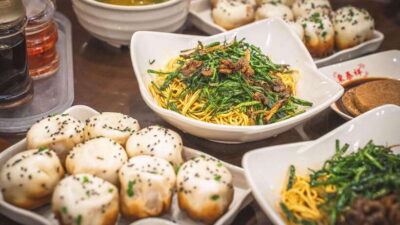
Shanghai Must-See and Foodie Test Bike Tour( Day & Night)
Read our review →
Late night food tour in Shanghai’s French Concession
Read our review →Browse the lists this tour appears in