
REVIEW · POLAND FOOD TOURS
Warsaw’s No 1 cooking class-Polish dumplings with liqueur tasting
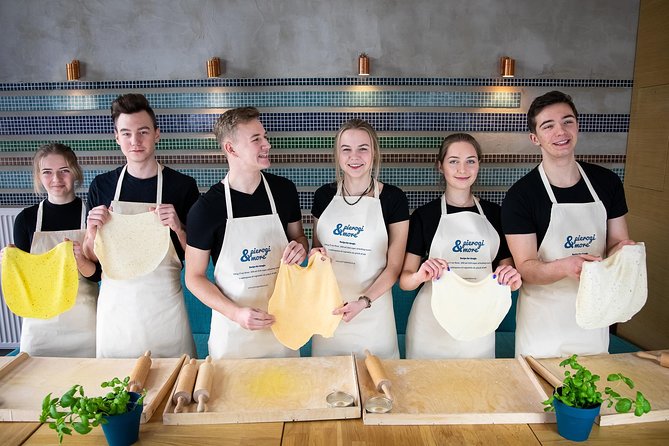
Come hungry, leave with a new skill. This two-hour class at Pierogi & More gives you a hands-on way to meet Polish food culture, not just eat it at a restaurant. I especially like the clear step-by-step teaching and the family-style meal at the end, where the group shares the dumplings everyone made.
The Polish liqueur tasting adds a playful local touch, and the small group, capped at 10 people, allows the instructors to move around and help. The main drawback is that the meal is shared, so this may not suit anyone uncomfortable eating food prepared by other participants. The room can also feel hot during the class.
Five useful things to know before booking
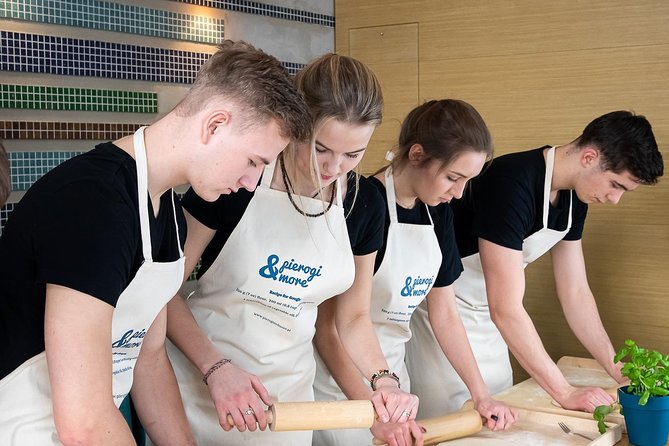
- You make several kinds of pierogi: Learn the dough, fillings, rolling, folding, and cooking rather than simply watching a demonstration.
- The class ends with dinner: You eat the dumplings produced by the whole group, served family-style.
- Vegetarian and vegan requests are accepted: Tell the provider when booking so the fillings and cooking order can be arranged.
- The group is small: A maximum of 10 people means more room for questions and personal help.
- Polish liqueurs are part of the fun: The tasting follows the meal and may include a guessing game.
- The class is near public transportation: It takes place at Stawki 3, northwest of Warsaw’s Old Town, and is generally easy to reach.
What happens at Pierogi & More
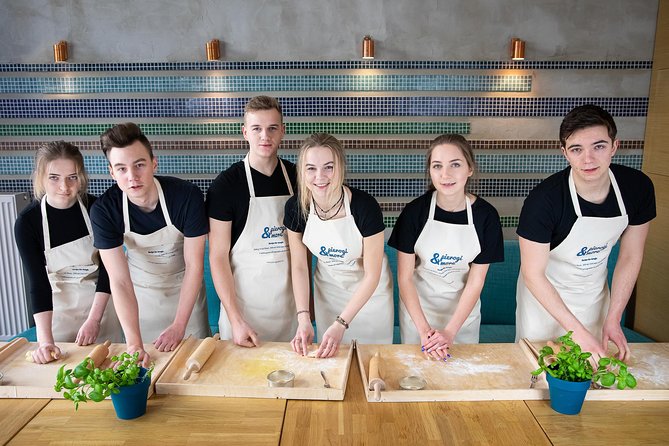
The class takes place at Pierogi & More culinary workshops at Stawki 3, 00-193 Warsaw. The activity begins and ends at this address, so you do not need to move between several cooking sites.
The room is set up for hands-on work, usually with two people at each station. That arrangement suits couples and friends especially well, though solo participants can also join. With no more than 10 people, the class has a personal feel rather than the hurried rhythm of a large demonstration.
You begin with a short introduction to the origins of pierogi. That context matters because these dumplings are more than a familiar comfort food. They are part of Poland’s everyday cooking traditions, and the class connects the practical work at the table with Polish food customs and family recipes.
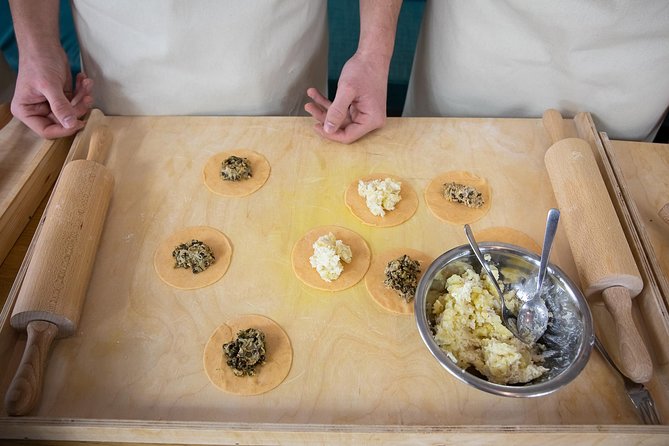
The instruction is built around doing, not just listening. You learn how to knead the dough, roll it to the right thickness, add the filling, and seal the edges. The instructor also shows several folding methods, so you can leave with more than one way to shape your dumplings.
More cooking classes in Poland:
- Krakow Pierogi Cooking Class with Market Visit & Home-Cooked Meal
★ 5.0 · 212 reviews - Authentic Pizza Making Class in Naples with Appetizers and Drink
★ 5.0 · 3,178 reviews - Tokyo: Roll and Authentic Sushi Making Class in Asakusa
★ 4.9 · 1,957 reviews
Kneading, rolling, and filling the dough
Making pierogi looks simple until you try to produce a batch that is thin, sealed, and evenly filled. The class breaks the job into manageable stages, which is one reason it suits beginners.
You first work with the dough. The goal is a pliable wrapper that can stretch around the filling without tearing. Rolling is the next test. If the dough is too thick, the dumplings can feel heavy. If it is too thin, the filling may escape during cooking.
The instructor demonstrates the process and then coaches you while you follow along. That format is useful because small mistakes can be corrected before you have a whole table of imperfect dumplings.
The fillings include meat and vegetable options. You are not limited to one shape either. Folding methods and small preparation tricks are part of the lesson, with the instructors encouraging you to try different designs.
One point to keep in mind is that the class focuses on preparing and shaping the pierogi rather than having you make every component from scratch. The fillings are presented as part of the cooking process, but one participant specifically wished there had been more work devoted to making them. If your main interest is dough and traditional folding, this is a strength. If you want a full professional kitchen lesson, you may find the scope narrower.
The best part: eating your own pierogi
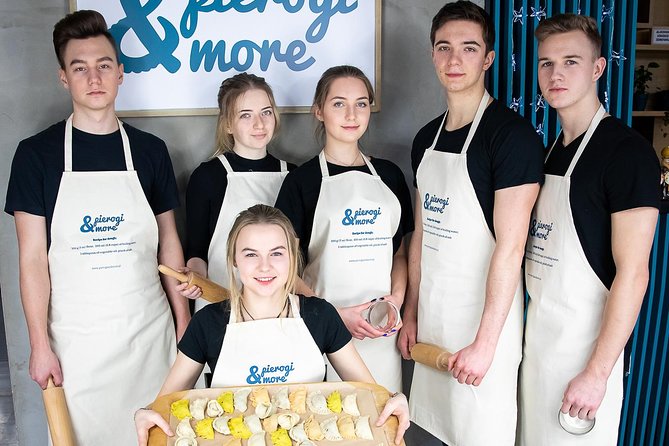
Once the dumplings are assembled, you learn how to cook them. Then the room changes from workshop to shared dining table.
The finished pierogi are served family-style, with the entire group eating the combined results. This gives you a chance to compare different shapes and fillings, and it turns the final meal into a social part of the class rather than a quick taste at your own station.
You should arrive hungry. The dumplings serve as the meal, and several people have found the portions generous enough to feel properly full. In some cases, there may even be leftovers.
The shared setup is worth understanding before you book. You are eating dumplings made by everyone in the room, not only the batch you shaped yourself. That is part of the communal character, but anyone with strict concerns about shared food should consider it carefully.
I like this format because it rewards the work immediately. You do not spend two hours learning a recipe and then leave to find dinner elsewhere. You make the meal, sit down with the group, and taste the result while the process is still fresh.
Polish liqueurs and a light finish
After the food, the class includes a tasting of Polish liqueurs. This is not presented as a separate bar tour. It is a short part of the cooking experience and gives you a chance to try something associated with Polish drinking culture.
The tasting can include a simple guessing game involving two liqueurs. That small touch helps keep the ending relaxed and social. You do not need to know anything about Polish spirits beforehand.
Because this is an included tasting, the $77.97 price covers more than instruction and ingredients. You are also paying for a full meal, a cultural introduction, and a small-group activity that can fill an evening or provide a substantial midday break.
The value depends on what you want from a cooking class. If you only want to eat pierogi, a restaurant will cost less. If you want a practical skill, a guided experience, and a meal with new people, the price is easier to justify.
A few more food tours in Poland worth a look
- Sushi Making Tokyo Roll and Authentic Japanese Sushi Class
★ 5.0 · 3,971 reviews - Ramen Cooking Class at Ramen Factory in Kyoto
★ 5.0 · 1,937 reviews - Small Group Cooking Class & Market Food Tour in Florence
★ 5.0 · 1,574 reviews - Tokyo: Sushi Making Class in a Happi Coat near a Famous Spot
★ 4.9 · 1,377 reviews
The instructors and teaching style
The teaching style is organized and friendly. Instructors demonstrate each stage, give directions, and circulate to help at the workstations. The class is designed to remain light-hearted, so you can ask questions without feeling as if you are being graded in a culinary exam.
Several instructors have led sessions, including Daria, Patrycya, Ben, Nina, and Zuzia. The individual personalities may differ, but the useful pattern is consistent: clear instructions, patient help, and attention to the group.
Daria has been praised for starting promptly, explaining the plan clearly, and guiding the class through different fillings and folding techniques. Ben has combined food instruction with information about Polish traditions and suggestions for things to do in Warsaw. Nina and Zuzia have been noted for creating a casual but professional atmosphere.
You may also receive photographs from the class and a pierogi recipe afterward. That has been part of the follow-up for some sessions, along with practical tips for preparing the dish at home. I would treat this as a pleasant extra rather than the main reason to book.
The instructors also take photographs during the class, while allowing you to take your own pictures. That is useful because your hands will often be covered in flour, and you may not want to stop the lesson every few minutes to reach for your phone.
Dietary needs and family suitability
Vegetarian and vegan options are available by request. Dairy-free needs have also been accommodated, with vegan dumplings prepared and cooked first to reduce cross-contact before vegetarian and other fillings.
You should provide dietary information when booking rather than waiting until you arrive. The more notice the kitchen has, the easier it is to organize suitable fillings and cooking arrangements.
The class is not suitable for children under 8. If you bring a child, at least one adult must be responsible for that child during the lesson. That rule matters because the class includes dough preparation, cooking, hot equipment, and a shared dining period.
Older children, teenagers, and adults who enjoy practical activities should fit the format well. Families can work together, while couples and solo participants can share a station or join other pairs.
Location, timing, and group size
The class lasts about two hours. That is long enough to learn the basic process and eat the result without taking over your entire Warsaw schedule.
The meeting point is Stawki 3 in Warsaw. It is near public transportation and just northwest of the Old Town. It is also walkable from the Old Town for many visitors, though you should allow time to find the exact entrance and arrive ready for the scheduled start.
The maximum group size is 10. That is one of the strongest practical features of the experience. A cooking class becomes frustrating when an instructor must shout instructions across a crowded room. Here, the small group allows the staff to stop by each station and offer hands-on correction.
The stations are generally arranged for two people. Couples will find this natural, while solo participants may share with another person. The class also works for mixed groups because the shared meal gives everyone an easy topic of conversation.
One comfort issue is worth noting: the room has felt hot during at least some sessions. Wear light, comfortable clothing and avoid arriving overdressed. You will be working with dough and food, so practical clothes are a better choice than anything precious.
What makes this experience valuable in Warsaw
Warsaw has plenty of museums, monuments, and formal sightseeing stops. A cooking class gives you a different kind of connection to the city. You spend time at a table, learn a dish associated with Polish home cooking, and meet people who may be visiting from very different places.
The class also gives you something useful to take home. Pierogi do not require a professional kitchen, and the folding methods can be repeated in your own kitchen. The recipe and instruction may help you recreate the dish for friends or family after your trip.
That practical souvenir is better than another object in your luggage. You leave with a meal in your memory and a skill you can use.
The high satisfaction rate, 4.9 rating from 576 ratings, and 97 percent recommendation rate support the idea that the experience is consistently well received. Still, the details matter more than the numbers. You need to enjoy group activities, shared food, and a class that balances instruction with conversation.
Who should book this class
I would recommend it most strongly to:
- First-time visitors who want a Polish food experience with real participation
- Couples looking for an evening activity beyond sightseeing
- Families with children old enough to follow kitchen instructions
- Solo visitors who enjoy meeting people over a shared meal
- Vegetarians, vegans, and people with dairy restrictions who give advance notice
- Anyone who wants to learn a recipe they can repeat at home
It may be less suitable if you want a private lesson, a formal chef-led course, or complete control over every ingredient. It is also not the best pick if you dislike shared dining or prefer a quiet, individual meal.
Booking, cancellation, and value
The price is $77.97 per person. For two hours, that is not a bargain in the narrow sense, but it includes instruction, ingredients, a filling meal, and Polish liqueur tasting. The small group and direct help improve the value compared with a large demonstration where you simply watch.
The activity is often booked about 35 days ahead. If your Warsaw dates are fixed, booking early is sensible, especially because the group is limited to 10 people.
You can cancel free of charge up to 24 hours before the start time for a full refund. Changes or cancellations made within 24 hours are not accepted for a refund. If the minimum number of participants is not reached and the activity is canceled, you will be offered another date or experience, or a full refund.
Should you book the Warsaw pierogi class?
Yes, if you want a warm, practical introduction to Polish food and do not mind sharing the final meal with the whole group. The strongest parts are the patient instruction, small class size, tasty results, and the chance to learn folding techniques you can use at home.
Book it with dietary needs noted in advance, arrive hungry, and wear comfortable clothes for a warm kitchen. Skip it if you want a private, highly technical cooking course or dislike communal dining. For most visitors, the class offers a useful skill, a generous dinner, and a genuinely social way to spend two hours in Warsaw.
FAQ
How long does the Polish pierogi class last?
The class lasts approximately two hours.
Where does the class take place?
It takes place at Pierogi & More culinary workshops, Stawki 3, 00-193 Warsaw, Poland.
Where does the experience end?
The activity ends back at the meeting point at Stawki 3.
What food do I make?
You make Polish pierogi with meat or vegetable fillings.
Are vegetarian options available?
Yes. Vegetarian options are available on request.
Are vegan options available?
Yes. Vegan options are available on request.
Is dairy-free food possible?
Dairy-free requirements have been accommodated. You should provide the request in advance.
Is the liqueur tasting included?
Yes. A tasting of Polish liqueurs is included.
How many people can join the class?
The activity has a maximum of 10 participants.
Can children join the class?
Children under 8 cannot join. If you bring a child, at least one adult must take care of the child during the class.
Is the class offered in English?
Yes. The experience is offered in English.
Can I cancel for a full refund?
Yes, if you cancel at least 24 hours before the scheduled start time. Cancellations made less than 24 hours in advance are not refunded.
Just added in Poland
- Krakow: Traditional Street Food Walking Tour★ 4.6 · 51 reviews
- Krakow: Vodka Tasting Tour: Tapas, Tipsy Tales & Hidden Gems★ 5.0 · 203 reviews
- Krakow: Traditional Polish Food and Drinks Tasting Tour★ 4.8 · 77 reviews
- Krakow: Guided Polish Food and Culture Tour with Tastings★ 4.8 · 134 reviews
- Krakow: 4-Hour Polish Food Tour★ 4.9 · 39 reviews
- Krakow: 6-Course Full Polish Food Tour with Vodka Tasting★ 4.8 · 98 reviews
- Gdansk: 4-Hour Polish Food Tour★ 4.9 · 35 reviews
- Gdańsk: Authentic Polish Vodka & Food Experience★ 4.9 · 50 reviews
Cooking Classes, compared.
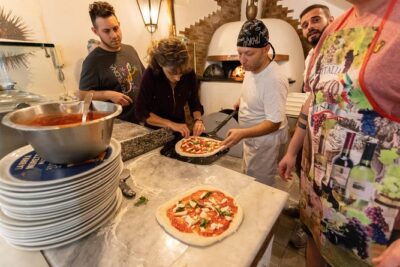
Authentic Pizza Making Class in Naples with Appetizers and Drink
Read our review →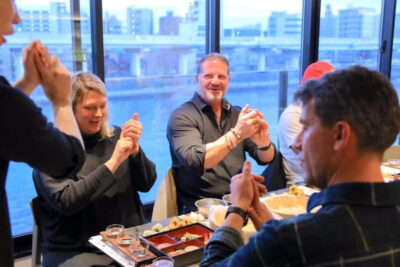
Roll and Authentic Sushi Making Class in Asakusa
Read our review →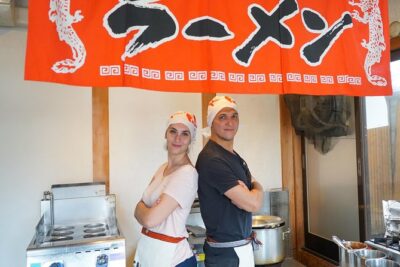
Ramen Cooking Class at Ramen Factory in Kyoto
Read our review →
Small Group Cooking Class & Market Food Tour in Florence
Read our review →
Sushi Making Class in a Happi Coat near a Famous Spot
Read our review →
Tokyo Sushi Making Class in Tsukiji with Professional Chef
Read our review →
Food Market Visit and Cooking Class with Wine
Read our review →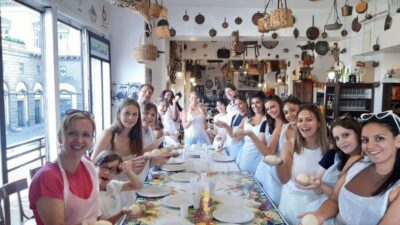
Browse the lists this tour appears in