
REVIEW · HO CHI MINH CITY FOOD TOURS
Farm-To-Table Healthy Cooking Class: Half-Day Tour
Fresh food starts in the garden. This six-hour farm-to-table class takes you outside Ho Chi Minh City to pick herbs, study Vietnamese plants, and cook a traditional meal with a chef. I like the hands-on harvesting, and I like that the class teaches cooking principles rather than only handing you a list of recipes. The main drawback is the journey, which can take about 1 to 1.5 hours each way in traffic.
The $70 price includes transportation, lunch, iced tea, instruction, recipes, a certificate, and souvenirs. I would allow most of a day for the outing, especially if you choose the afternoon class. You should also share allergies or dietary needs before you go, since the food is built around freshly chosen local ingredients.
Key points to know before booking
- You pick the vegetables yourself: Walk through the medicine garden and select herbs and vegetables for the meal.
- The class goes beyond recipes: A pharmacist and chef explain how Vietnamese plants are used in food and traditional medicine.
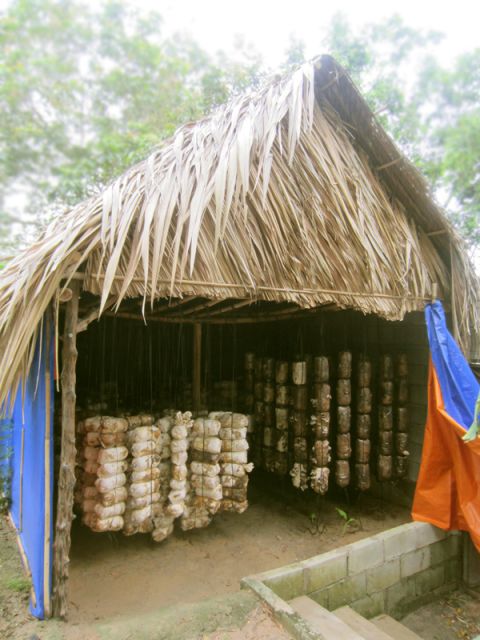
- The mushroom house adds something different: You learn how several mushroom varieties are cultivated in a dedicated growing area.
- The cooking is practical: Past classes have prepared about four dishes, with advice on how to cook using ingredients already at home.
- The transfer takes time: Pickup is included from hotels in Ho Chi Minh City or the airport, but traffic can make the trip 1 to 1.5 hours.
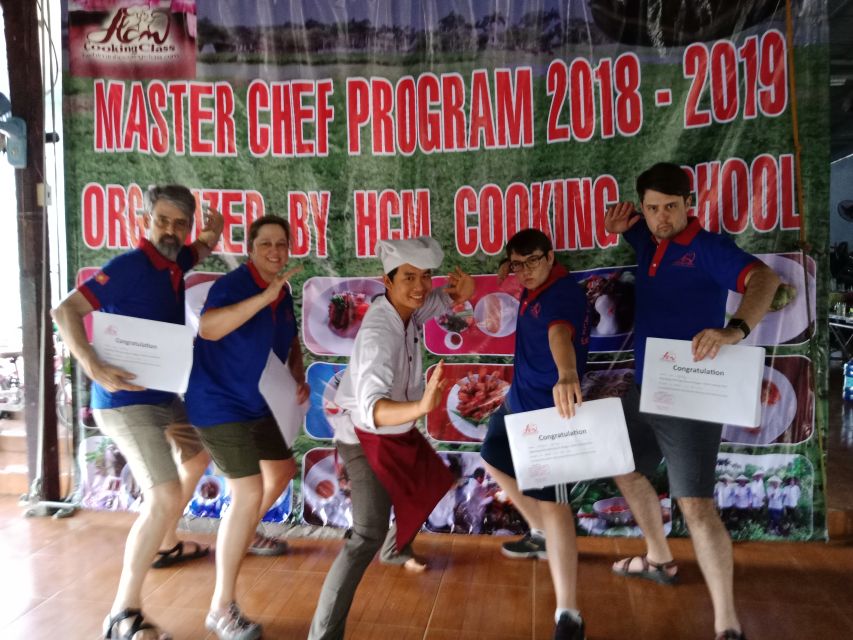
- The final meal is part of the lesson: You eat what you prepare, then leave with recipes, a certificate, and souvenirs.
Leaving Ho Chi Minh City for the farm
This is not a quick cooking demonstration in a city kitchen. It is a six-hour outing built around the connection between Vietnamese agriculture, food, and health.
Pickup is available from hotels in Ho Chi Minh City and from the airport. Transportation is included, with the activity describing pickup by car or bus. Plan for a long road journey, since the farm can take around an hour to an hour and a half from the city depending on traffic. That travel time is the biggest practical issue, but it also changes the feel of the day. You are leaving the city behind for open fields, farm animals, and a slower setting.
Starting times are offered in the morning and afternoon. The morning option gives you the rest of the day afterward, while the afternoon class may suit you if you prefer a later start. If you choose the afternoon, confirm pickup details carefully because traffic affects the return trip as well.
Communication is available in Vietnamese and English. The class is also listed as wheelchair accessible, though you should still advise the operator about any mobility needs before booking so the pickup and farm visit can be handled properly.
More cooking classes in Ho Chi Minh City:
- Authentic Pizza Making Class in Naples with Appetizers and Drink
★ 5.0 · 3,178 reviews - Tokyo: Roll and Authentic Sushi Making Class in Asakusa
★ 4.9 · 1,957 reviews - Ramen Cooking Class at Ramen Factory in Kyoto
★ 5.0 · 1,937 reviews
The medicine garden: vegetables with a purpose
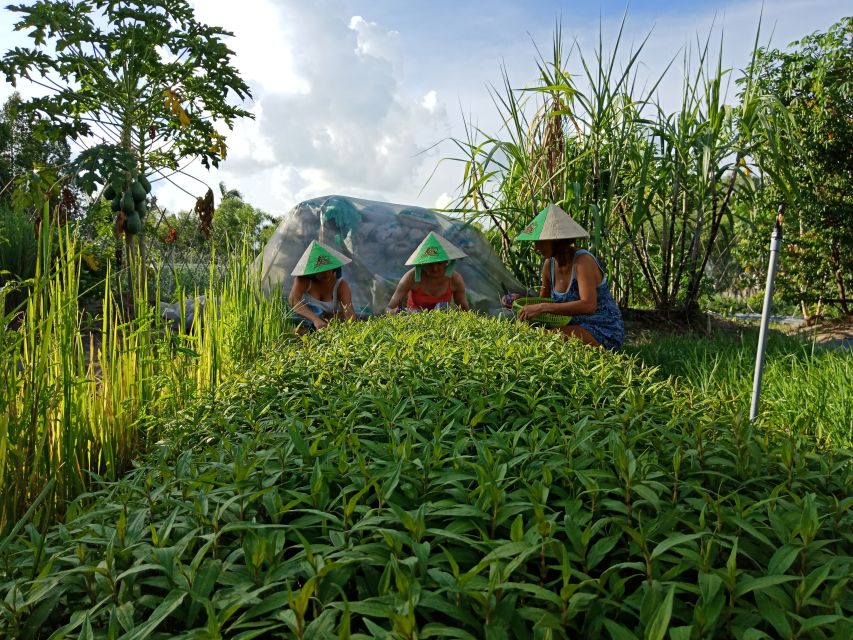
The first major part of the outing is the medicine garden. Here, the plants are not treated as decoration or simply as cooking ingredients. You learn how Vietnamese herbs, spices, and vegetables can be used in food and traditional medicine.
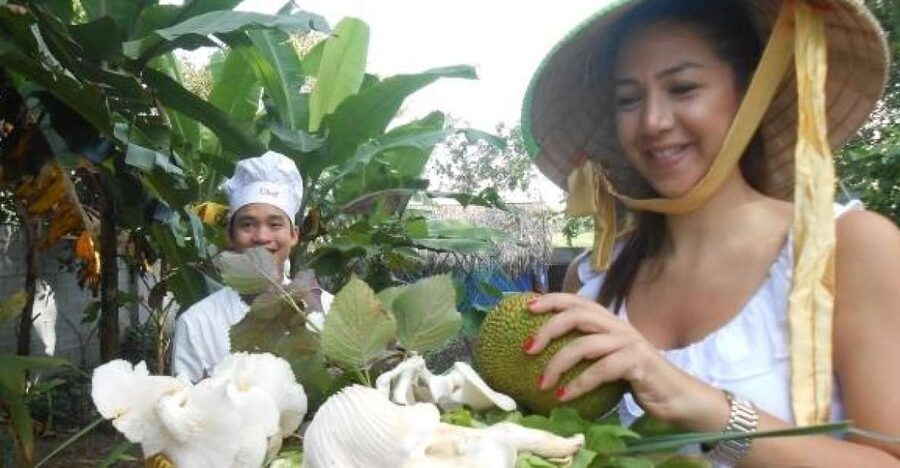
The guide introduces plants such as morning glory, jackfruit, and banana flowers. These are useful ingredients to encounter in person because they may look unfamiliar at first, even if you have seen them prepared in Vietnamese dishes. The garden also includes herbs and plants selected for their reported health uses, giving you a clearer idea of why Vietnamese cooking relies so heavily on fresh leaves, roots, flowers, and aromatics.
A pharmacist and chef are involved in explaining the plants and their uses. That combination is one of the more unusual parts of the experience. The chef connects the ingredients to flavor and preparation, while the pharmacist discusses their role in medicine. You should treat the health information as traditional and educational rather than personal medical advice, especially if you have a medical condition or take medication.
This section works best if you enjoy asking questions. You are not simply shown a plant and told its name. You can ask how it is grown, how it is eaten, and which parts are used. The guides also explain possible benefits and disadvantages of plants, which gives the lesson more balance than a simple list of supposed health claims.
Becoming the farmer for lunch
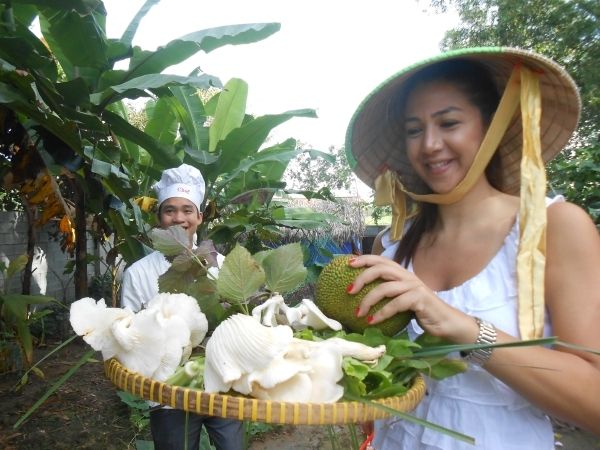
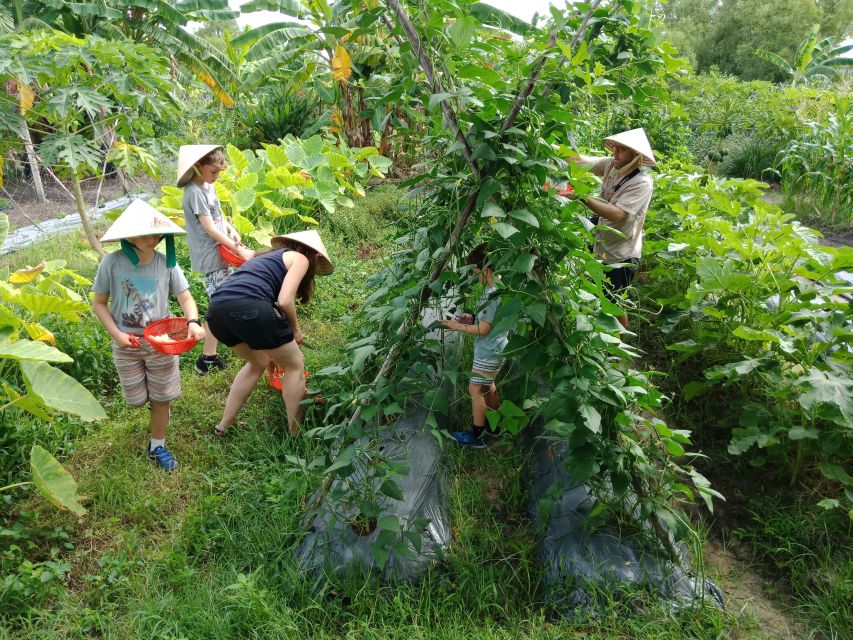
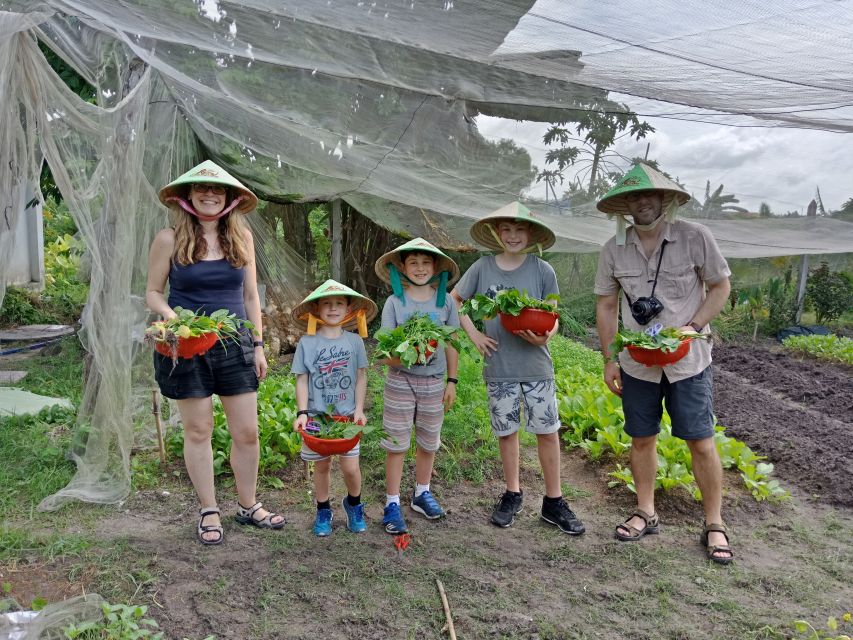
After the garden walk, you help choose and pick the ingredients for your meal. This is a small but important change from most cooking classes, where the vegetables are already washed and waiting on the counter.
You learn to identify the plants, select suitable vegetables, and gather herbs for the dishes. The process makes you pay attention to texture, freshness, and the difference between similar leaves. It also gives you a better sense of the work behind a Vietnamese meal. A dish that looks simple on a plate may depend on several herbs and vegetables being chosen at the right stage.
I especially like this part for families and first-time visitors to Vietnam. Children can take part without needing advanced cooking skills, and adults get a practical introduction to ingredients they may later see in local markets. The activity is also a good fit for anyone who wants more than a market tour but does not want a full farming program.
Do not expect a large commercial farm tour with a long list of agricultural stops. The garden visit is focused on the ingredients used in the class. Its value comes from the connection between picking the plants and cooking them soon afterward.
Inside the mushroom house
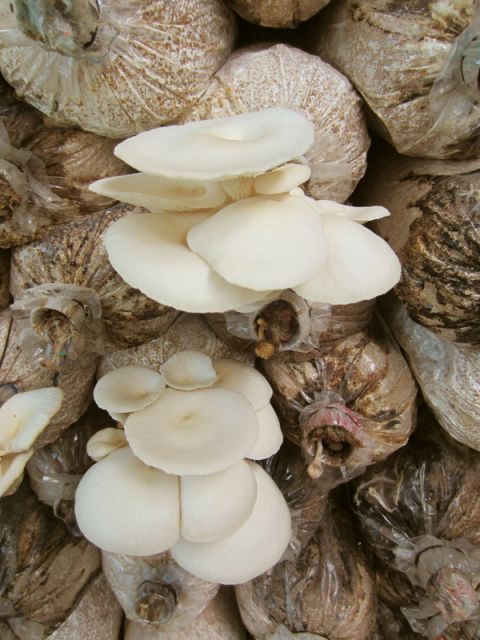
The mushroom house adds a different subject to the day. You learn about several varieties of mushrooms and how they are cultivated in a controlled growing space.
This stop is useful because mushrooms are often treated as a minor ingredient in cooking classes. Here, you see that they require their own growing conditions and methods. The guide explains the cultivation process, giving you a better understanding of how a familiar food reaches the kitchen.
The mushroom house is also a welcome change of pace after the garden. Instead of walking among herbs and vegetables, you focus on a single type of crop and the work needed to grow it. If you are interested in sustainable food production, this may be one of the most memorable stops.
The information provided does not promise that you will harvest mushrooms yourself, so consider this an educational visit rather than a mushroom-picking activity. The main hands-on picking takes place in the vegetable and herb garden.
A few more food tours in Ho Chi Minh City worth a look
- From Porto: 2 Wine Regions, Farm-to-Table Lunch & Boat
★ 4.9 · 5,724 reviews - Sorrento Farm and Food Experience including Olive Oil, Limoncello, Wine tasting
★ 5.0 · 2,524 reviews - Maui: Road to Hana Adventure with Farm to Table Lunch
★ 5.0 · 877 reviews - Kauai Chocolate Farm Tasting Tour
★ 5.0 · 666 reviews
Rice cultivation and everyday Vietnamese agriculture
The class also explains how rice is cultivated. Rice is central to Vietnamese food, but many visitors see it only after it has been milled, cooked, and served. A short lesson on its cultivation helps connect the dishes on your plate with the farms that support them.
The rice discussion is part of the broader agricultural presentation rather than a separate full-length rice tour. You may learn about the stages of growing rice and the work involved, while the rest of the day stays focused on vegetables, herbs, mushrooms, and cooking.
This context matters because the class presents Vietnamese cuisine as a food system, not just a collection of attractive dishes. Fresh ingredients, farming knowledge, medicine, and cooking are treated as related subjects. That approach gives the day more substance than a standard recipe lesson.
Cooking four healthy Vietnamese dishes
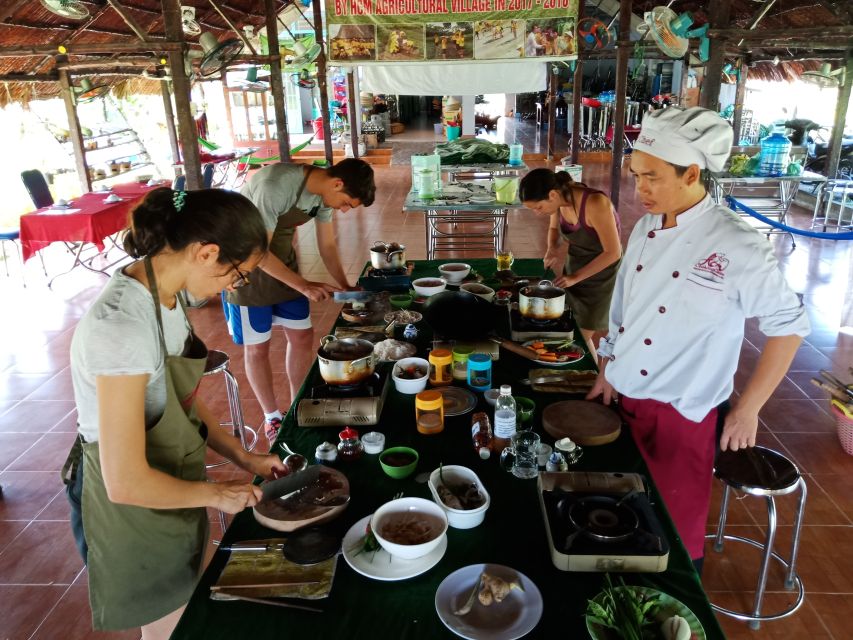
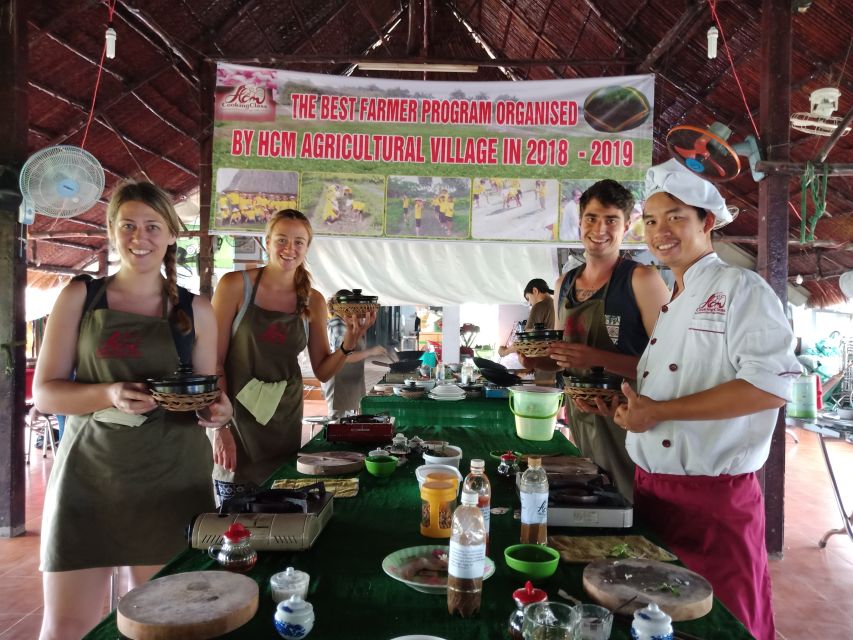
Once you have gathered the ingredients, you move into the cooking class. The chefs guide you through preparing traditional Vietnamese dishes, and the instruction is designed for people with different levels of kitchen experience.
One useful feature is the focus on cooking logic. The lesson does not only tell you how much of each ingredient to use. It also explains how to think when cooking at home with whatever vegetables and herbs you have available. That makes the class more practical than a recipe card alone.
A typical class can include about four dishes, though the exact menu may vary. Some participants may prepare different but similar dishes at the same time, with extra staff nearby to watch, answer questions, and offer help. That setup lets several people work together without everyone crowding the same cutting board.
The recipes are described as healthy Vietnamese dishes, with an emphasis on fresh vegetables, herbs, mushrooms, and local produce. You will prepare food with the ingredients you selected earlier, so the cooking feels like the natural next step rather than a separate activity.
The kitchen instruction appears suitable for beginners, but experienced cooks should not dismiss it. The useful lesson is the method: how to combine herbs, how to work with unfamiliar vegetables, and how to adapt the cooking process to what is available. If you already cook often, you may get the most from the explanations of ingredients and technique.
Eating the meal you prepared
At the end, you sit down and eat the food made during the class. This is not just a final meal added for convenience. It gives you a chance to compare the dishes, taste the effect of the herbs you picked, and ask last questions while the cooking is still fresh in your mind.
The setting is described as being among fields, with views that can include butterflies, birds, cows, and water buffalo. Those details make the lunch feel distinctly different from eating in a city restaurant. You are not only tasting Vietnamese food, you are seeing the agricultural setting connected to it.
Lunch and iced tea are included. Napkins are also provided. The meal can be social, with new food-focused companions sharing what they prepared. If you prefer a quiet private class, confirm the group arrangement before booking, because the experience is designed as a shared activity.
The food is the strongest test of any cooking class, and the preparation is intended to be simple enough to repeat at home. You leave with recipes, so the class can continue after your trip rather than ending when lunch is finished.
How much value do you get for $70?
At $70 per person, this is not the cheapest way to eat lunch in Ho Chi Minh City. It is also not simply a meal. The fee covers a full six-hour outing, pickup and return transportation, a local guide, the farm and garden visits, the mushroom house, cooking instruction, lunch, iced tea, recipes, a certificate, and souvenirs.
The price makes the most sense if you value several activities in one day. You receive a countryside excursion, a food lesson, an introduction to Vietnamese medicinal plants, and a hands-on cooking class. Paying separately for transport, a guide, ingredients, and a cooking lesson could easily become inconvenient, even if the total price is not directly comparable.
The main value depends on your interest. If you only want to learn two or three Vietnamese recipes, a shorter city class may be more efficient. If you want a day away from central Ho Chi Minh City and enjoy understanding where food comes from, the package is stronger.
The included transportation is important. A long journey to the farm could be awkward to arrange independently, especially if you are unfamiliar with the area. Just remember that a pickup included in the price does not remove traffic from the equation.
Practical advice for the day
Wear comfortable shoes because you will walk through the garden and take part in picking ingredients. Sunglasses and a camera are recommended, especially for the outdoor sections.
Tell the operator about allergies and special dietary requirements before the class. This matters more here than in a normal restaurant because you will be working with the ingredients and building the menu around them.
Pets are not allowed. The tour is listed as wheelchair accessible, but a detailed conversation about the garden paths and vehicle setup is still sensible if you use a wheelchair.
Bring an appetite, but do not expect the whole day to be passive. You will walk, listen, pick, prepare, cook, and eat. The class rewards curiosity and participation.
Who will enjoy this cooking class most?
I would recommend this for food-focused visitors who want to understand Vietnamese cuisine through its ingredients. It is also a good choice for couples, families, small groups, and solo visitors who enjoy meeting people over a shared meal.
Beginners should feel comfortable because the chefs provide instruction and extra staff can help when needed. Experienced home cooks may enjoy the unusual plants, mushroom cultivation, and advice on adapting recipes.
This is less suitable if you have limited time in Ho Chi Minh City, dislike long road transfers, or want a short class close to your hotel. It may also disappoint anyone expecting a formal restaurant-style lesson with advanced techniques. The appeal is the full chain from farm to plate.
The experience has earned a 4.8 rating from 41 reviews, and the most consistent praise centers on the guides, the garden visit, the hands-on format, and the quality of the meal. Guides named in feedback include Linh and Alice. Linh is praised for explaining local agriculture and teaching ways to think about cooking, while Alice is praised for clear communication, harvesting, and the transition from farm guide to chef.
Should you book the farm-to-table class?
Book it if you want a full countryside day and like the idea of picking your own herbs before cooking them. The mushroom house, medicine garden, rice lesson, and outdoor meal give the class a broader purpose than a standard city cooking course.
Skip it if your schedule is tight or if a 1 to 1.5-hour road journey each way sounds tiring. For everyone else, $70 is a fair price for transportation, instruction, food, and a day built around Vietnamese agriculture. Confirm dietary needs in advance, choose your preferred morning or afternoon start, and arrive ready to take part rather than simply watch.
FAQ
How long does the experience last?
The activity lasts six hours. Morning and afternoon start times are available, depending on availability.
How much does the cooking class cost?
The price is $70 per person.
Is transportation included?
Yes. Pickup is included from hotels in Ho Chi Minh City or from the airport. Pickup is described as being by car or bus.
How far is the farm from Ho Chi Minh City?
The journey can take about 1 to 1.5 hours from Ho Chi Minh City, depending on traffic.
What languages are available?
The live guide is available in Vietnamese and English.
What food and drinks are included?
Lunch and iced tea are included, along with napkins.
What should I bring?
Bring comfortable shoes, sunglasses, and a camera. Tell the operator in advance about allergies or special dietary requirements. Pets are not allowed.
More half-day tours in Ho Chi Minh City
- Top Rated Brooklyn Half-Day Food, History & Culture Tour via bus
★ 5.0 · 758 reviews - Adelaide: Half-day McLaren Vale & Glenelg Wine Tasting Tour
★ 4.8 · 417 reviews - Taormina: Half-Day Pizza Making Class
★ 4.8 · 353 reviews - Shanghai: Half-Day Biking and Local Food Tour
★ 4.9 · 170 reviews
More Workshops in Ho Chi Minh City
- Sushi Making Tokyo Roll and Authentic Japanese Sushi Class
★ 5.0 · 3,971 reviews - Small Group Cooking Class & Market Food Tour in Florence
★ 5.0 · 1,574 reviews - Tokyo: Sushi Making Class in a Happi Coat near a Famous Spot
★ 4.9 · 1,377 reviews - Sushi Making Osaka Roll and Authentic Japanese Sushi Class
★ 5.0 · 1,220 reviews
Just added in Ho Chi Minh City
- Ho Chi Minh City: Super Niche Walking Street Food Tour★ 5.0 · 438 reviews
- Saigon: Private Food Tour Discovery & City Tour by Jeep★ 4.6 · 38 reviews
- Saigon: Night Craft Beer And Street Food Tour By Vespa★ 5.0 · 25 reviews
- Saigon: Private Backstreets Walking Food Tour★ 4.9 · 83 reviews
- Saigon at Sunset: Ultimate Street Food Experience★ 4.7 · 153 reviews
- Saigon: Michelin Guide Food Tour with Ao Dai Female Riders★ 4.9 · 25 reviews
- Saigon: Best Price Authentic Food Tour with Female Rider★ 5.0 · 37 reviews
- Private Vegan Food Tour By Scooter in Ho Chi Minh City★ 4.9 · 96 reviews
Cooking Classes, compared.
Authentic Pizza Making Class in Naples with Appetizers and Drink
Read our review →
Roll and Authentic Sushi Making Class in Asakusa
Read our review →
Ramen Cooking Class at Ramen Factory in Kyoto
Read our review →
Small Group Cooking Class & Market Food Tour in Florence
Read our review →
Sushi Making Class in a Happi Coat near a Famous Spot
Read our review →
Tokyo Sushi Making Class in Tsukiji with Professional Chef
Read our review →
Food Market Visit and Cooking Class with Wine
Read our review →
Browse the lists this tour appears in