
REVIEW · BERLIN FOOD TOURS
Kreuzberg kulinarisch – Die Food Tour
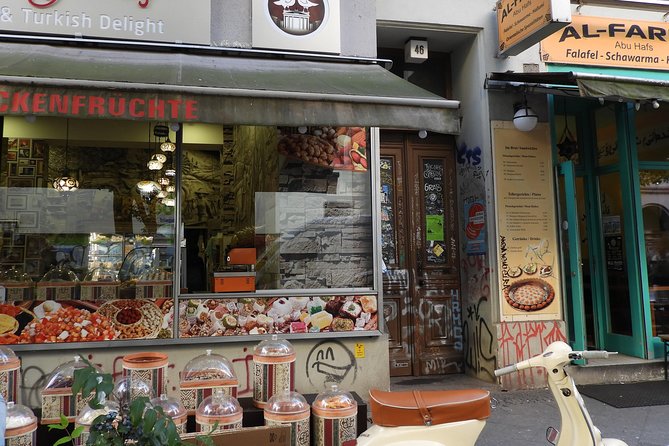
Kreuzberg tastes better on foot. This three-hour food walk pairs included tastings with stories about working-class Berlin, immigrant culture, and local architecture. I like that you get more than German staples: fusion dishes and international food reflect Kreuzberg as it is today. The main drawback is that food portions are tasting-sized, and drinks cost extra.
The tour also earns praise for its guides. Nike is described as warm and well informed, while Dan brought history to life with an easy, authentic style. I especially like the balance between food and place, though anyone expecting a meal with many large courses may find the focus more cultural than culinary.
Key points at a glance
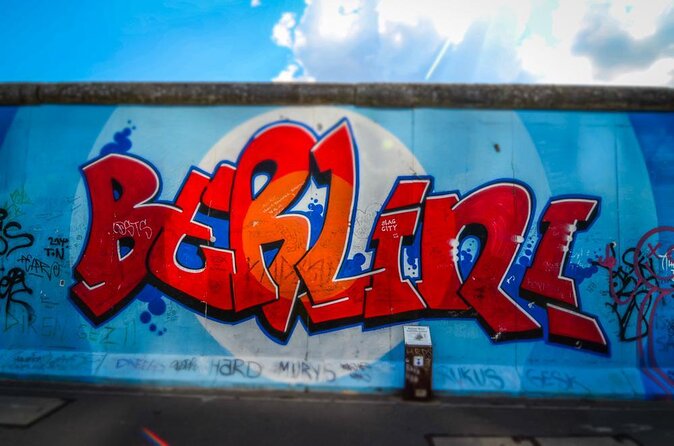
- Kreuzberg beyond the postcard: Follow a route through Kottbusser Tor, Oranienstraße, and nearby streets while learning how the district changed from a poor workers’ quarter into one of Berlin’s most diverse areas.
- Food is included: Tastings and snacks are covered in the tour price, so you can focus on eating rather than stopping to pay at every station.
- International flavors: Expect a mix of traditional Berlin-style food, international dishes, and fusion cooking rather than a narrow German menu.
- History in the courtyards: The tour explains the old tenement blocks and cramped living conditions that shaped Kreuzberg’s identity.
- A compact three-hour route: The walk gives you a useful introduction without taking up an entire day, but you need to keep pace with the guide.
- Small enough to stay personal: Groups can reach 25 people, so this is not an intimate private tour, but it remains manageable for a walking group.
Why Kreuzberg works so well for a food walk
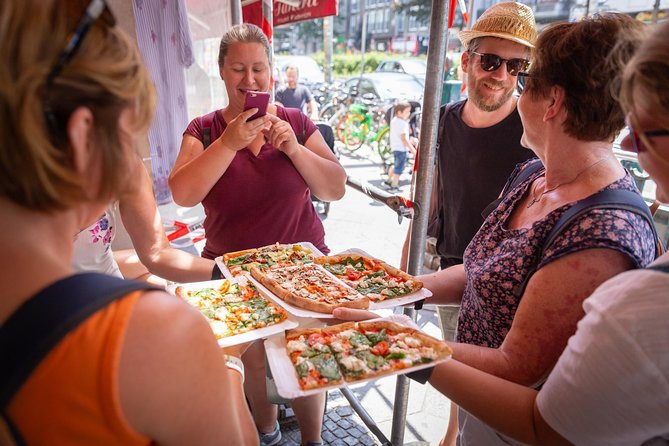
Kreuzberg is a good choice when you want Berlin to feel like a lived-in city rather than a collection of grand monuments. The district grew as a working-class neighborhood in the 19th century, and its story is tied to crowded housing, low wages, migration, political change, and sharp contrasts between hardship and new wealth.
That background matters because the food is not presented as a random series of snacks. The local restaurants, small shops, and international kitchens make more sense once you understand who lived here and how the area changed.
I like the way this tour uses food as a door into the neighborhood. You may taste something familiar, then hear why Kreuzberg became home to communities from many countries. The next stop may point you toward a modern fusion idea, showing how old local traditions and newer influences now share the same streets.
The setting also gives the walk texture. Instead of only discussing famous sights, the guide leads you through ordinary streets and former tenement areas. That makes the tour useful for anyone who wants to understand Berlin’s social history without sitting through a formal lecture.
A few more food tours in Berlin worth a look
- Berlin Center Food Tour with 8+ Authentic Local Tastings
★ 5.0 · 1,227 reviews - Kreuzberg: Culinary Food Tour
★ 4.5 · 770 reviews - Berlin: Mitte Culinary Food Tour
★ 4.5 · 447 reviews
Meeting at Reichenberger Straße and Kottbusser Tor
The published starting point is Reichenberger Str. 174, 10999 Berlin, while the route description places the opening introduction at Kottbusser Tor, known locally as Kotti. The advertised end point is Kottbusser Damm 95, 10967 Berlin.
Because the information names both Reichenberger Straße and Kottbusser Tor for the beginning, check the exact meeting instructions after booking. This is especially important if you are arriving by public transport or planning a tight connection afterward. The area is served by public transportation, but Kreuzberg has several nearby streets and busy junctions that can make a first meeting point easy to miss.
The opening introduction gives you a broad view of Kreuzberg’s history and way of life. You are not simply handed a snack and sent to the next stop. The guide sets up the story first, so later food stops have a clearer connection to the neighborhood.
Arrive ready to walk. The tour is described as a public walking experience, and you need to keep up with the guide. It is not recommended for anyone with major walking problems.
Oranienstraße and the old backyard courtyards
One of the most useful parts of the route is the look at Oranienstraße and the large tenement complexes behind it. In 19th-century Kreuzberg, buildings often stretched through several courtyards, with some apartments located in a fifth or sixth backyard.
That layout tells you a lot about daily life at the time. Fresh air was scarce, apartments were crowded, and many people could not afford a full room or flat. The tour explains the extreme housing arrangements, including short mattress stays rented for only part of the day.
This is a sobering section, but it gives the neighborhood’s present-day food culture a needed frame. Kreuzberg’s character did not appear from nowhere. Its reputation for social variety grew from decades of working-class life and migration.
I appreciate that the tour does not treat architecture as background decoration. The courtyards and building blocks become evidence of how people lived. You can look at a passageway and understand that it once held a very different kind of city life.
The subject matter may feel heavier than the food-focused title suggests. That is not a flaw if you want context, but it is worth knowing before you book. This is partly a history and architecture walk, not only a three-hour eating session.
From Berlin comfort food to international kitchens
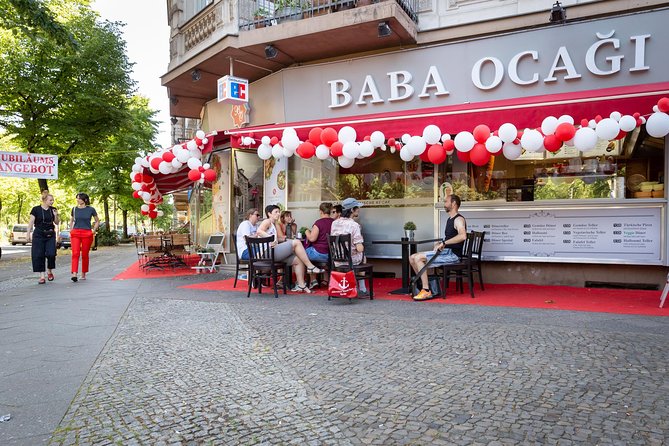
The food selection is one of the tour’s strongest features. You can expect a mix of Berlin-style food, international cuisine, and fusion concepts. The exact stops are not listed in the supplied details, so you should not book this expecting a fixed menu of named restaurants or dishes.
That uncertainty has one benefit: the experience can introduce you to places you might never find by searching only for traditional German food. Kreuzberg’s appeal lies in the way different cooking traditions sit close together, and the route uses that variety to explain the area.
The included food tastings and snacks add practical value. At $52.18 per person, you are paying for the guide, the route, the background stories, and several food samples. You will not need to pull out your wallet at each station, though drinks are not included.
The portions are best viewed as samples rather than lunch. If you have a large appetite, plan another meal before or after the walk. If you want a broad introduction to local food without committing to several full restaurant meals, the format makes more sense.
I also like that the tour does not force Kreuzberg into a single food identity. Berlin-style dishes are part of the story, but so are international and mixed influences. That gives you a more honest picture of the neighborhood than a tour built around only sausages, pretzels, and beer.
Same city, a different table:
- Berlin: Downtown Food Tour with 8 Authentic Local Tastings
★ 4.8 · 342 reviews - Berlin: Guided Street Food Tour with Tastings
★ 4.8 · 310 reviews - East Berlin Food & History Tour with Eating Europe
★ 5.0 · 204 reviews - Classic Bites and Culinary Trends Neighborhood Food Tour in Berlin
★ 5.0 · 191 reviews
The guide makes or breaks the experience
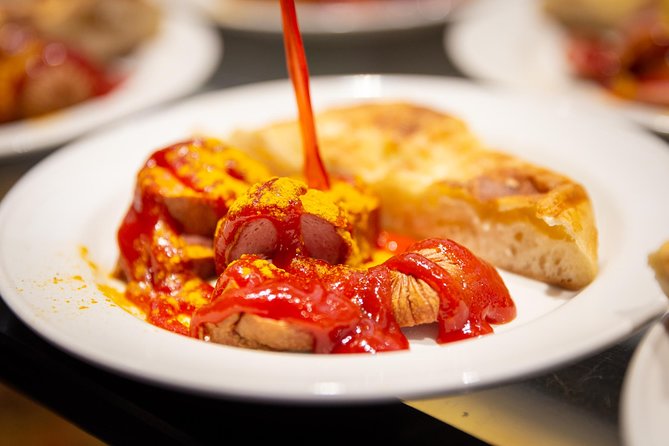
The strongest praise goes to the guides’ style. Nike is described as sympathetic and able to share a great deal of information in a relaxed way. Dan is praised for making history and architecture feel alive, with an authentic and engaged manner.
Guide quality matters here because the tour covers difficult material. A flat list of dates and building names would make the walk feel dry. A good guide can connect housing, migration, poverty, food, and present-day Kreuzberg without turning the whole thing into a classroom.
You should also expect a tour shaped by the guide’s personality. The comments point to a loose, engaging delivery rather than a rigid script. That suits Kreuzberg, where the most useful discoveries often come from small details about streets, buildings, and local life.
The maximum group size is 25 people. That is not a private walk, and you may not hear every word if the group spreads out or the street is noisy. Still, the limit is more reasonable than an oversized city tour and should allow the guide to keep the route moving.
What three hours feels like on the street
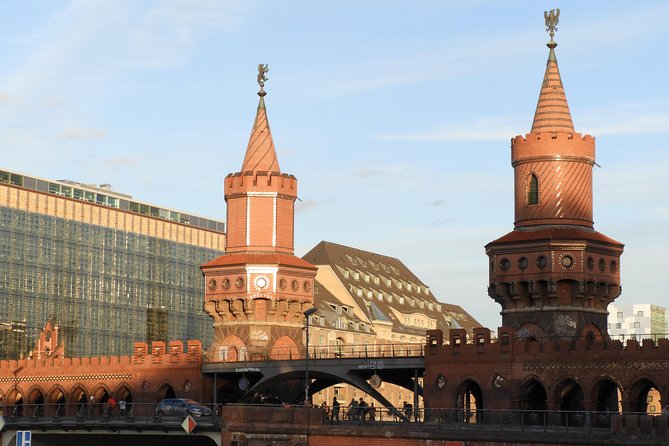
Three hours is a good length for this subject. It gives the guide time to explain the district, make several food stops, and cover architecture without turning the outing into an all-day commitment.
The route begins with orientation, then moves through the streets and courtyards around Kreuzberg. Food tastings break up the walking, while the commentary gives each area a larger meaning. The end at Kottbusser Damm places you in another useful part of the district, with public transportation nearby.
You should wear comfortable shoes and dress for the weather. The tour operates in all conditions, so rain or cold will not automatically cancel the walk. There is no hotel pickup, meaning you need to reach the start point yourself and arrange your own way back afterward.
Keep your schedule flexible after the tour. A three-hour estimate is useful, but a walking route with food stops and group movement can run at a natural pace rather than a tightly timed one. If you are catching a train or booking a timed museum entry, allow room between activities.
Is $52.18 a fair price?
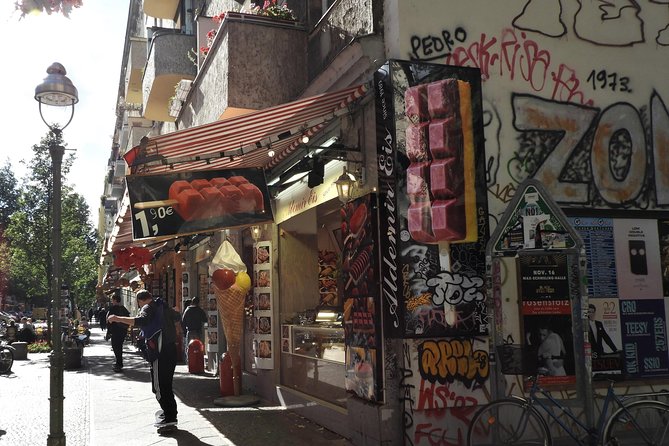
The price makes the most sense if you value both the food and the explanation. You are not paying only for snacks. You are also paying for a professional guide, a planned walking route, local context, and the convenience of several included tastings.
For a visitor who would otherwise spend time guessing where to eat, the shortlist of food spots can save effort. The guide can also help you understand why Kreuzberg’s restaurants are varied, rather than leaving you with disconnected meals.
The value is weaker if you want a full lunch, drinks, or a long list of substantial courses. Those extras are not included. You should think of the price as a guided neighborhood introduction with food samples, not an all-you-can-eat event.
The tour is booked an average of 39 days ahead, which suggests that planning early is sensible, particularly if your Berlin dates are fixed. Free cancellation is available up to 24 hours before the start time for a full refund. If the minimum group size is not reached and the tour is canceled, you are offered another date or experience, or a full refund.
Who will enjoy this Kreuzberg walk?
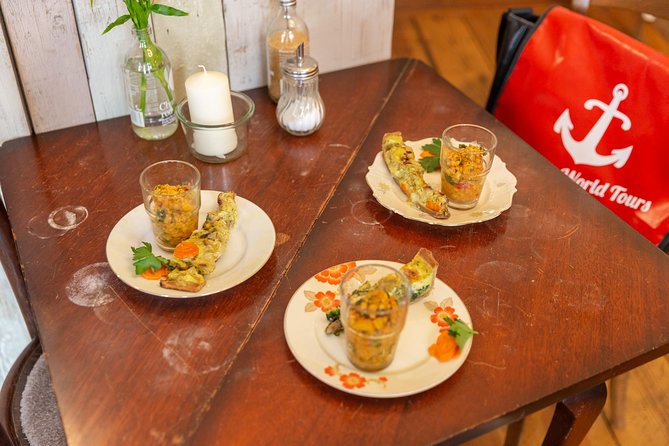
I would recommend this experience to you if you want your food tour to explain the city around you. It suits first-time visitors who want a quick introduction to Kreuzberg, as well as returning visitors who have seen Berlin’s major sights and want a more local street-level angle.
It is also a good match for people who enjoy international food and dislike narrow, one-note menus. The mix of Berlin cooking, global dishes, and fusion ideas reflects the district more honestly than a strictly traditional food tour.
You may want something else if you need a highly structured sightseeing route, a private group, or large portions. The tour also demands steady walking, so it is not a good choice for anyone with major mobility limits.
Vegetarian food is available, but you must request that option when booking. The supplied information does not describe the exact number or type of tastings, so contact the operator if dietary needs go beyond vegetarian preferences.
Should you book it?
Book this tour if you want Kreuzberg explained through both its food and its people. The best part is the combination of tasting stops with courtyards, working-class housing, migration, and architecture. Guides such as Nike and Dan have been praised for making that material clear and enjoyable.
Skip it if your main goal is a large meal or a purely culinary crawl. For everyone else, $52.18 is a fair price for a three-hour introduction that gives you food ideas and a better sense of why Kreuzberg feels the way it does.
FAQ
How long is the Kreuzberg food tour?
The experience lasts approximately three hours.
What food is included?
Food tastings and snacks are included in the tour price. The selection combines Berlin-style food with international and fusion cuisine.
Are drinks included?
No. Drinks are not included.
Where does the tour start and finish?
The published start point is Reichenberger Str. 174, 10999 Berlin. The route description refers to an introduction at Kottbusser Tor, and the published end point is Kottbusser Damm 95, 10967 Berlin. Check the final meeting instructions after booking.
Is a vegetarian option available?
Yes. You need to request the vegetarian option when booking.
Can I cancel for a full refund?
Yes. You can cancel at least 24 hours before the start time for a full refund. Cancellations or changes made less than 24 hours before the start time are not refunded or accepted.
Just added in Berlin
- Small-Group Berlin Sightseeing and Food Tour of Prenzlauer Berg and Mitte★ 5.0 · 25 reviews
- East Meets West: Berlin Food Culture & Street Art★ 5.0 · 157 reviews
- Berlin Evening Culinary Tour – Award Winning★ 5.0 · 118 reviews
- The Berlin Culinary Experience: A Regional & Cultural Food Tour★ 5.0 · 79 reviews
- Classic Bites and Culinary Trends Neighborhood Food Tour in Berlin★ 5.0 · 191 reviews
- Private Tour: Daytime Food Tour Trends & Classics★ 5.0 · 24 reviews
- Private Berlin Street Food Tour by Bike★ 5.0 · 87 reviews
- Food tasting tour in Berlin of HIDDEN GEMS (Small Groups)★ 4.5 · 60 reviews
Berlin Food Tours, compared.

Berlin Center Food Tour with 8+ Authentic Local Tastings
Read our review →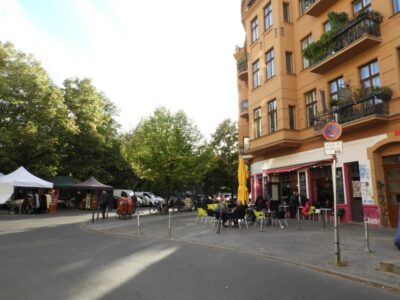
Downtown Food Tour with 8 Authentic Local Tastings
Read our review →
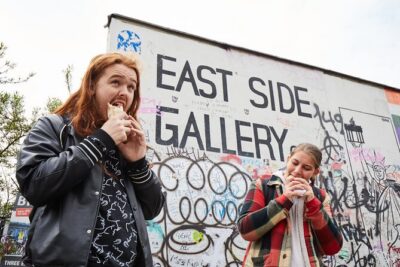
East Berlin Food & History Tour with Eating Europe
Read our review →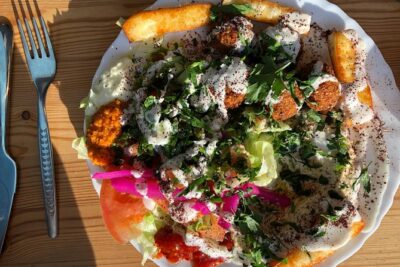
Classic Bites and Culinary Trends Neighborhood Food Tour in Berlin
Read our review →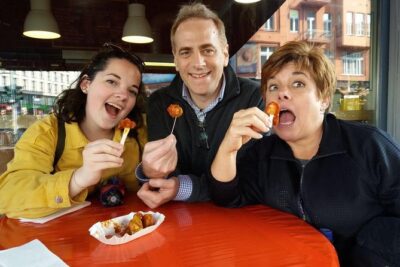
East Meets West: Berlin Food Culture & Street Art
Read our review →Browse the lists this tour appears in