
REVIEW · HONG KONG FOOD TOURS
Hong Kong Food Tour: Central and Sheung Wan Districts
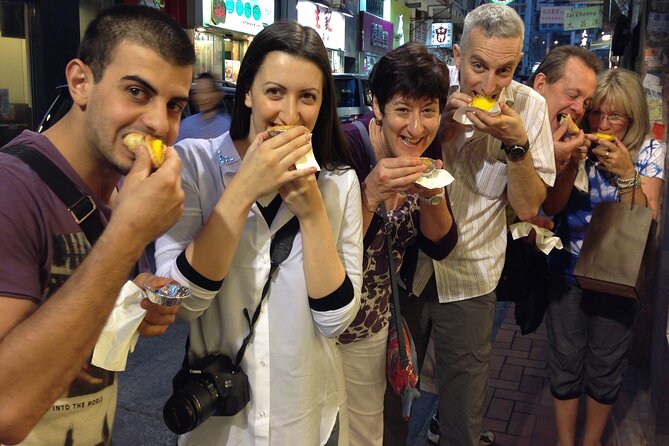
Hong Kong tastes better on foot. This 3.5-hour tour joins six food tastings with a walk through Central and Sheung Wan, two districts where office towers, old markets, temples, colonial buildings, and family-run eateries sit close together. I like the small maximum of 12 people, which keeps the group manageable in narrow lanes and compact restaurants. I also like the mix of familiar and unusual bites, from wonton noodles and dim sum to sugar cane juice and preserved fruit. The main consideration is the physical effort: expect hills, steps, uneven sidewalks, and plenty of walking.
The meeting point is at 139 Queen’s Road Central, right in Hong Kong’s financial center. From there, your guide helps you make sense of the streets, food customs, and local neighborhoods without asking you to hunt down each stop yourself. Guides such as Ed, Yammy, Cecelia, and Lilian have earned especially warm praise for their clear English, humor, local stories, and personal food advice. The tour ends near Sheung Wan MTR station, making it a useful introduction early in your stay.
Key points to know before booking
- Six substantial tastings can add up to a full meal, so arrive hungry rather than planning a large lunch or dinner afterward.
- Central and Sheung Wan are explored together, giving you both modern Hong Kong and older streets in one compact outing.
- The group is capped at 12 people, a real advantage in narrow streets and small local restaurants.
- The walk includes Graham Street Market, one of Hong Kong’s oldest outdoor wet markets, plus a historic temple and Hollywood Road.
- The food is mainly Cantonese, with wonton noodles, roast meat, dim sum, pork buns, egg tarts, and other local specialties.
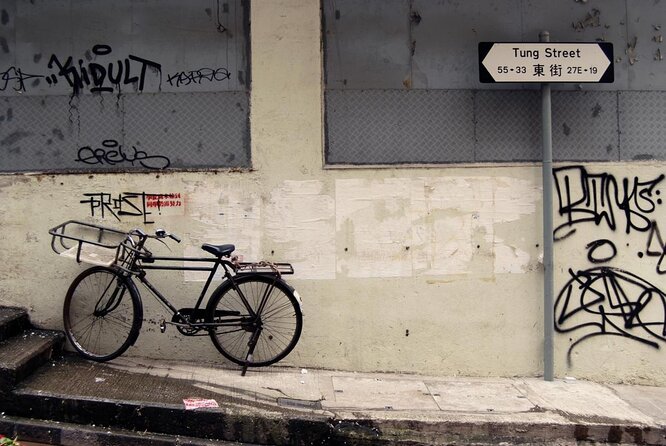
- Good walking shoes matter, since sidewalks can be narrow and irregular, and some routes include slopes and steps.
Starting in Central, where Hong Kong moves fast
The tour begins at 139 Queen’s Road Central, in the heart of Hong Kong’s financial district. This is a useful starting point because Central can feel overwhelming at first: towers rise above crowded streets, signs compete for attention, and the quickest routes are not always obvious.
Your guide leads the group toward the Central and Sheung Wan food stops, pointing out details that are easy to miss when you are focused on getting from one address to the next. You may hear about the city through its food, family businesses, changing neighborhoods, and everyday customs rather than through a long formal lecture.
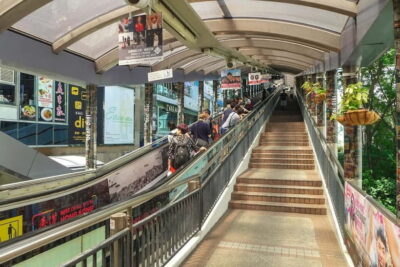
One early feature is the Central-Mid-Levels Escalator system, described on the tour as the longest outdoor covered escalator in the world. It is not just a transport oddity. It gives you a quick sense of how Hong Kong adapts to steep ground, dense construction, and heavy foot traffic.
The tour is not built around grand attractions. Its strength is the connection between ordinary streets and local eating places. That makes it a good first or second-day activity, especially if you want help getting your bearings before eating independently.
A few more food tours in China worth a look
- Authentic Local Food Tour in Central Shanghai
★ 5.0 · 1,382 reviews - Shanghai: 3-Hour Local Food Tasting Tour
★ 4.9 · 806 reviews - Xi’an Evening Food Tour by TukTuk
★ 5.0 · 715 reviews
Graham Street Market and the local shopping routine

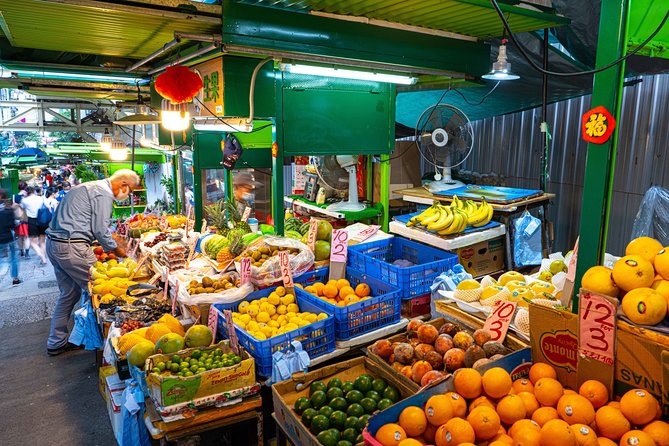
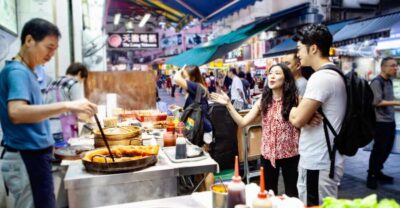
Graham Street Market is one of the tour’s best cultural stops. You spend about 15 minutes walking through Hong Kong’s oldest outdoor wet market, looking at the groceries local residents buy and learning how the market fits into daily life.
This is not a staged food display. It is a working market, and that matters. You get a glimpse of the ingredients behind Cantonese home cooking, from produce to goods that may be unfamiliar if you usually shop in Western supermarkets. Your guide can provide the context that a quick solo walk often lacks.
The market also gives the tour a useful pause between restaurant tastings. Food tours can become a string of plates with little connection between them. Here, the market helps show where some of the food traditions begin.
Keep your expectations practical. Graham Street Market is a short visit, not a full market tour, and the surrounding paths can be tight. Stay close to the guide and wear shoes with a firm sole. The narrow sidewalks are one reason the 12-person limit is helpful.
Hollywood Road, old streets, and a historic temple
After the market, the route takes you toward Hollywood Road and some less obvious corners of the surrounding districts. The guide points out places that many people would pass without understanding, including stories linked to the street and the older parts of Central and Sheung Wan.
You also stop at one of Hong Kong’s oldest temples. The temple visit adds a quiet cultural note to a tour that otherwise moves between streets and restaurants. It also helps explain why these neighborhoods cannot be reduced to office towers and shopping streets.
I like this balance. You are not asked to choose between a food tour and a sightseeing walk. The meal provides the structure, while the streets, architecture, market, and temple add meaning to what you are eating.
The walking is not especially long by Hong Kong standards, but it is not flat or effortless. One detailed account described narrow, uneven sidewalks, steps, and slopes similar to San Francisco hills. Someone with limited mobility, a wheelchair, or difficulty managing inclines should ask questions before booking. The company advises a moderate level of physical fitness.
The six tastings, from noodles to roast meat
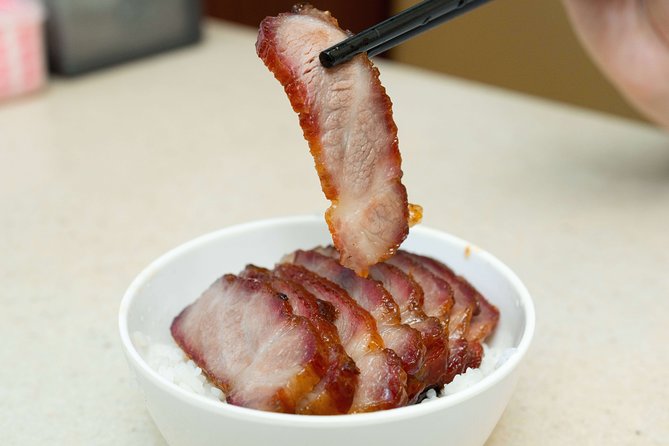
The exact order may vary, but the tour includes six different food stops. The tastings are designed to cover several parts of Cantonese eating, including noodles, roast meats, drinks, preserved fruit, dim sum, and pastry.
Same city, a different table:
- Eat Like A Local: Shanghai Night Food Tour
★ 5.0 · 616 reviews - Tuktuk Food Tour Through Chengdu’s Local Eats
★ 5.0 · 435 reviews - Hong Kong’s Tin Hau Hidden Eats Food Tour with 7+ Local Tastings
★ 5.0 · 352 reviews - Small-Group Hong Kong Island Food Tour
★ 5.0 · 343 reviews
Wonton noodle soup
A noodle stop at Tsim Chai Kee has included wonton noodle soup. This is a useful introduction to Cantonese food because it is simple, focused, and familiar enough for first-time tasters. The portion is part of the tour’s overall meal, not a full restaurant order for each person.
You get the chance to pay attention to texture and balance, especially the noodles and wontons. For many people, this is the sort of dish they might recognize from a menu but would not know where to find on their own.
Roast meat at a family restaurant
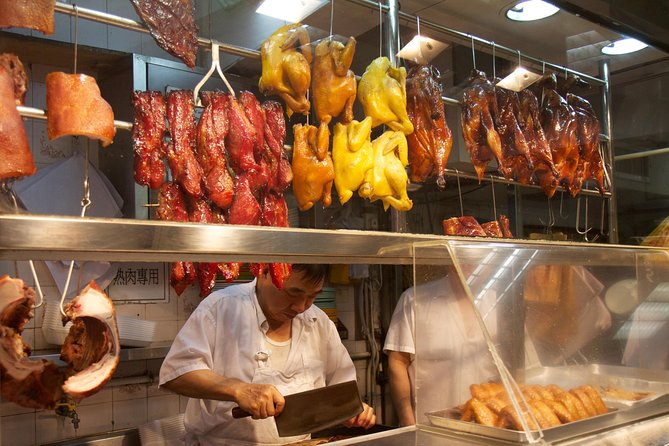
Roast meat at Dragon Restaurant has been a favorite tasting, and the tour may include a look behind the scenes at the large ovens used for roast pork and suckling pig. This is one of the more distinctive parts of the food experience because you see how the restaurant’s signature food is prepared rather than simply receiving a plate.
The flavor is described as especially rich, and it gives you a strong contrast with the lighter noodle course. If you are curious about how Cantonese roast meats become such a major part of local restaurant culture, this stop is likely to be one of the highlights.
Sugar cane juice and Chinese herbal tea
At Kung Lee Sugar Cane Juice, you may try sugar cane juice along with Chinese herbal tea. This is a refreshing change from solid food and one of the less familiar tastings for many first-time visitors to Hong Kong.
The herbal tea can be an acquired taste, but that is part of the point. A good food tour should not limit itself to the easiest dishes. Your guide can explain how these drinks fit into local habits and why they remain part of the city’s food culture.
Preserved fruit
At Wong Wing Kee, the group has sampled preserved fruit. This small tasting shows another side of Cantonese snacking, one that is easy to miss if your food plans focus only on dim sum and noodles.
It may not be the most filling stop, but it adds variety and gives you something unusual to compare with the sweeter pastry at the end. If you have strong preferences about sweet, salty, or preserved flavors, tell the guide about them when you arrive.
Dim sum and dumplings
The dim sum stop at Dim Sum Square Kitchen is likely to be the most filling section of the tour. Tastings have included shrimp dumplings, pork dumplings, siu mai, deep-fried spring rolls, crispy barbecue pork buns, char siu bao, and har gao.
You will not necessarily receive every item on every departure, but the range gives you a sense of how much variety can fit under the broad label of dim sum. There are steamed, fried, savory, and filled options, so this is a strong part of the tour for anyone who wants an introduction to Cantonese small plates.
The portions are tasting portions, yet the total amount of food can be enough to replace a meal. Several detailed accounts describe finishing the tour without needing dinner afterward. Plan accordingly, especially if you are taking the tour in the middle of the day.
Egg tart and pastry
The final sweet stop may be Hei Lee Cake Shop, where egg tarts, or daan taat, have been served. This is a fitting finish because the custard tart offers a clear contrast to the savory dishes earlier in the afternoon.
The pastry stop also gives the tour a simple ending near Sheung Wan. You leave with a better idea of which snacks and bakeries to seek out on your own, rather than only a list of restaurants you visited once.
Why the guide makes the difference
The food is important, but the guide can determine how useful the experience feels. Ed has been praised for his clear English, humor, energy, and ability to explain both the dishes and the neighborhoods. Yammy has been appreciated for her enthusiasm, personal stories, and recommendations for the rest of a Hong Kong stay. Cecelia and Lilian have also been described as organized, friendly, and well informed about the food and streets.
That range matters because the tour is not only about naming dishes. You want someone who can explain what you are eating, answer questions, keep the group moving, and point out details between stops. The best guide for you will also adjust the conversation to the group, whether you are curious about Cantonese cuisine, Hong Kong history, family businesses, or practical restaurant advice.
I especially like that guides may offer suggestions for places to eat after the tour. This makes the experience more useful than a single afternoon of sampling. You get a short list of ideas to pursue independently while the food is still fresh in your mind.
The guide’s English has been described as easy to understand, which is important in a tour built around unfamiliar names and ingredients. Still, food preferences and dietary needs should be shared when booking, not when the first plate arrives.
Price, group size, and what the $107.82 buys
At $107.82 per person, this is not a cheap snack walk. The value depends on what you want from the afternoon.
You are paying for six food tastings, bottled water, an English-speaking guide, a small group, and help navigating two districts. You are also paying for access to family-run eating places and for the time saved researching which restaurants to try. In a city where ordering can feel confusing, that guidance has real value.
The price is easier to justify if you treat the tour as both lunch and a neighborhood introduction. It is less attractive if you mainly want a large meal, prefer to choose every dish yourself, or already know Central and Sheung Wan well.
The small-group limit of 12 is a strong feature. A larger group would be harder to manage in the market and narrow lanes, and it could make small restaurants feel crowded. The experience is still shared, not private, but it should feel more personal than a large coach-style excursion.
The activity has a 4.9 rating from 333 reviews and is recommended by 99 percent of its audience. Those numbers point to a consistently strong experience, though one practical criticism is worth noting: one person felt the tour had too few stops and not enough variety. If you have taken many food tours, you may share that view. Six tastings provide a solid introduction, but they are not an exhaustive survey of Hong Kong cuisine.
Who should book this food walk?
I would recommend it to first-time visitors who want a confident start in Hong Kong. You can eat local dishes without spending your first afternoon deciphering menus, finding restaurants, or worrying about ordering the wrong amount.
It also suits curious eaters who want Cantonese staples with a few less obvious choices. The combination of preserved fruit, herbal tea, roast meat, dumplings, and egg tart gives you more range than a tour focused only on dim sum.
Families with older children and teenagers can enjoy it too. Children aged 14 and under must be accompanied by an adult, while children under five are free if they do not need an additional tasting.
I would hesitate if you have serious mobility limitations, need a wheelchair-friendly route, or dislike walking on hills and uneven pavement. I would also check the dietary arrangements carefully if you avoid several ingredients, since the tastings are planned around local specialties.
The tour requires good weather, and the booking is non-refundable or changeable if you cancel. If the operator cancels because of poor weather, you are offered another date or a full refund. That policy makes travel insurance or careful scheduling worth considering.
Final call: a strong first taste of Hong Kong
Book this tour if you want a small, guided introduction to Cantonese food and the older streets of Central and Sheung Wan. The best reasons are the local family-run eateries, the mix of six tastings, the market and temple stops, and guides such as Ed or Yammy who add personal context without turning the outing into a classroom.
Skip it if you want a long, restaurant-heavy feast, complete freedom over what you order, or an easy flat walk. For most people who can manage the hills and arrive hungry, the $107.82 price is fair because it covers both a substantial meal and a useful orientation to Hong Kong.
FAQ
How long does the Hong Kong food tour last?
The tour lasts approximately 3 hours and 30 minutes.
Where does the tour begin?
It begins at 139 Queen’s Road Central in Central, Hong Kong.
Where does the tour end?
The tour ends at 69 Wing Lok Street in Sheung Wan, near Sheung Wan MTR station.
How many people can join the tour?
The tour has a maximum group size of 12 people.
What food is included?
All food tastings and bottled water are included. Tastings may include wonton noodle soup, roast meat, sugar cane juice, Chinese herbal tea, preserved fruit, dim sum, pork buns, shrimp dumplings, and egg tarts.
Are drinks included?
Bottled water is included. Other beverages are not included unless they are listed as part of the tastings.
Is the tour suitable for children?
Children aged 14 and under must be accompanied by an adult. Children under five are free if they do not require an additional tasting.
What level of fitness is needed?
A moderate level of physical fitness is recommended. The route can include narrow and uneven sidewalks, slopes, steps, and considerable walking.
Can I request dietary accommodations?
You should provide any specific dietary requirements at the time of booking.
What happens if bad weather cancels the tour?
If the experience is canceled because of poor weather, you are offered a different date or a full refund.
Just added in China
- Tuktuk Food Tour Through Chengdu’s Local Eats★ 5.0 · 435 reviews
- Half-Day Chengdu Back Alley Foodie Tour★ 5.0 · 58 reviews
- 4-Hour Private Tour: Lama Temple, Confucius Temple, Guozijian Museum with Dim Sum★ 5.0 · 21 reviews
- Online Cooking Class Beijing Dumplings and Cuisine by Sunflowerli Renowned Chef★ 5.0 · 65 reviews
- Beijing Walking Food Tour with a Local Friend★ 5.0 · 73 reviews
- Beijing Hutong Breakfast Food Tour★ 5.0 · 120 reviews
- Experience Beijing Walking Food Tour Private★ 5.0 · 56 reviews
- 3-Hour Private Night Tour: Beijing Foodie Experience★ 5.0 · 53 reviews
Hong Kong Food Tours, compared.
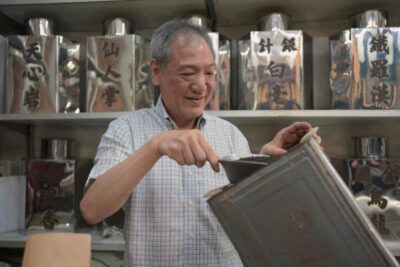
Street Food Tour with Locals – Dim Sum and Wonton
Read our review →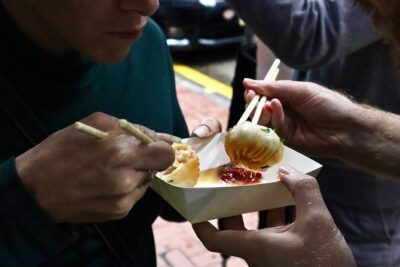
Hong Kong’s Tin Hau Hidden Eats Food Tour with 7+ Local Tastings
Read our review →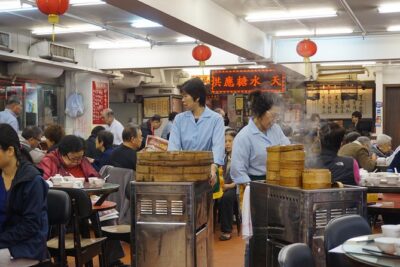
Hong Kong Day Tour: Priority Peak Tram, City Walk & Dim Sum
Read our review →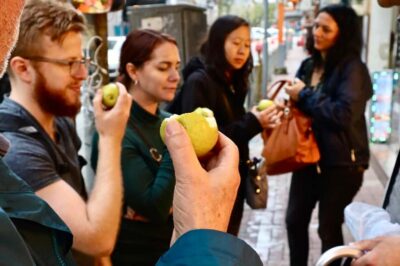
Browse the lists this tour appears in