
REVIEW · GERMANY FOOD TOURS
Dresden: Taste of Dresden Food Walk
Food tells Dresden’s story. This 2.5-hour Old Town walk links Saxon specialties with tales of medieval inns, Baroque coffee culture, and everyday life under communism. I like the mix of local history and six food and drink samples, especially the Saxon wine and classic eierschecke. I also like the low price, $22 per person, which makes this an easy first-day introduction to Dresden.
The main thing to consider is language. The live guide speaks German, so this tour suits you best if you understand German well enough to follow stories and explanations. The meeting point is also given in German, inside the lower level of the QF Passage at the seating area of Dresden Information.
What makes this Dresden food walk worth your time
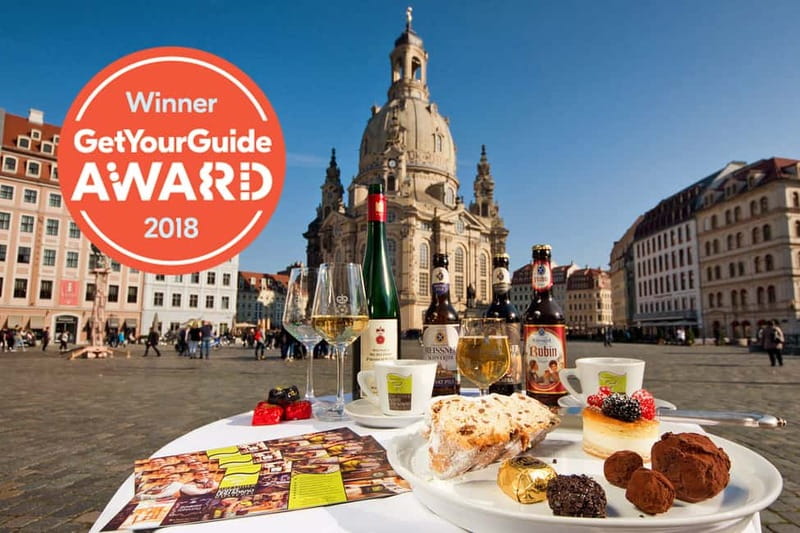
- Six local tastings in 2.5 hours: You sample a Saxon wine, regional beer, eierschecke, coffee, chocolate, and another local food or drink product.
- Old Town stories with a culinary angle: The route connects Dresden’s food traditions to medieval inns, Baroque coffee houses, and communist-era daily life.
- A taste of Saxony’s wine culture: The tour includes an exclusive wine from Saxony, a useful counterpoint to the better-known beer traditions of Germany.
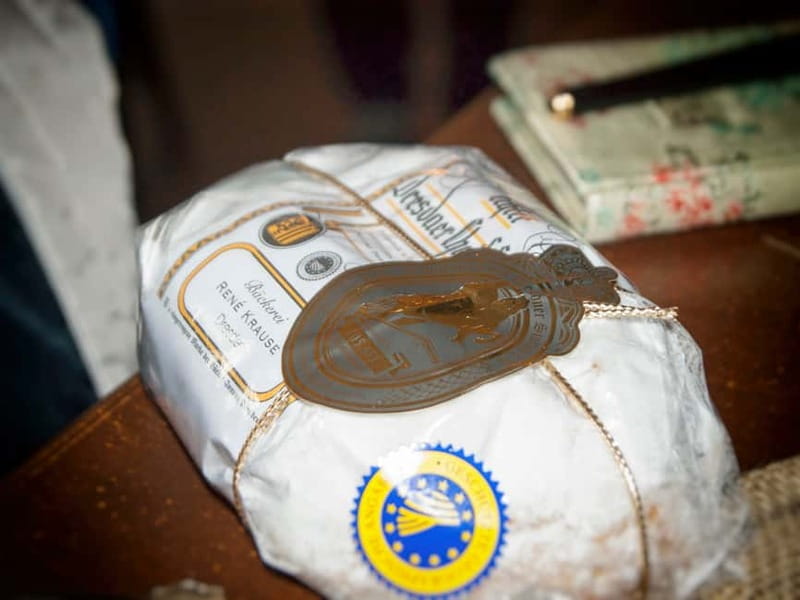
- A proper Dresden cake stop: Eierschecke, a local cheese cake, is one of the food highlights and is presented as the best in town.
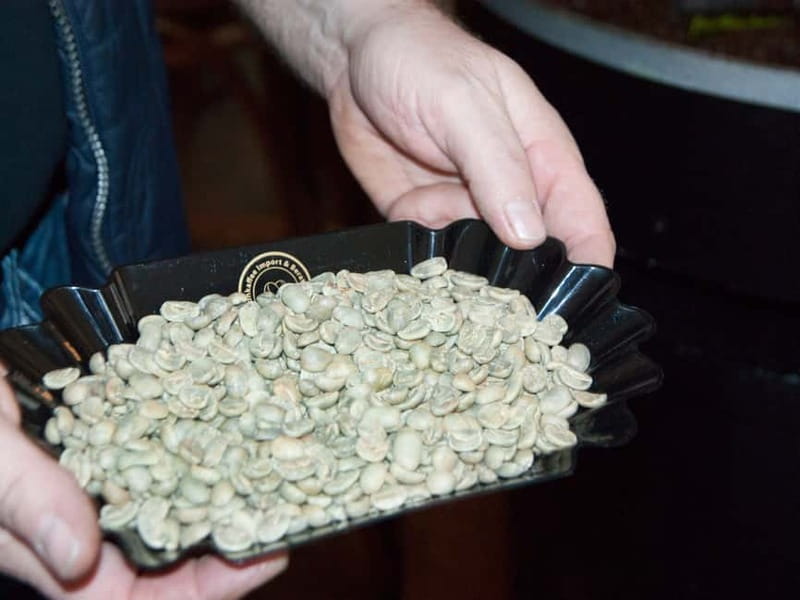
- Coffee and chocolate from a Dresden specialist: The Dresdner Kaffeerösterei supplies a fine coffee and chocolate tasting.
- A strong price for a short introduction: At $22, the tour gives you a guided walk, local context, and six samples without taking up a full day.
Starting beneath the QF Passage
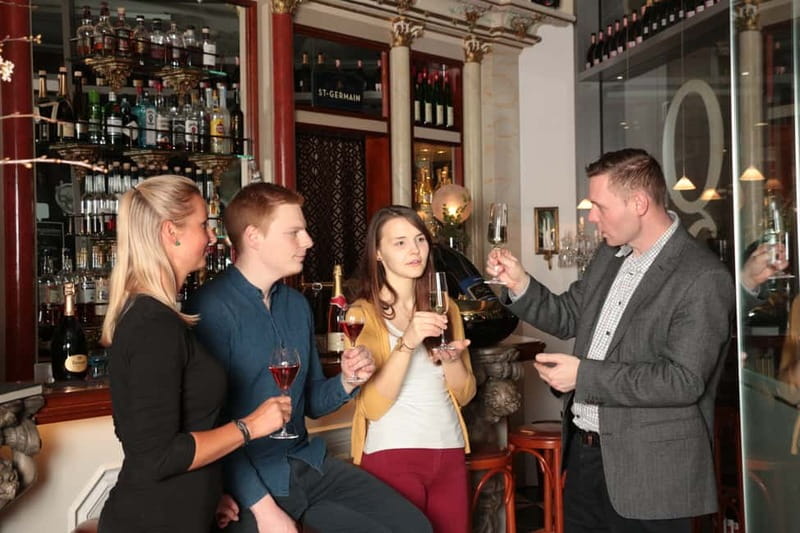
The meeting point is easy to miss if you look only at street level. Go into the lower level of the QF Passage and find the seating area of Dresden Information. The instructions are written in German: Bitte gehen Sie in das Untergeschoss der QF Passage. That means you should allow a few extra minutes to get downstairs and locate the correct area.
This is a useful central starting point because the tour begins in Dresden’s Altstadt, or Old Town. You do not need to arrange transport between food stops. The walk keeps the focus on the historic center, with the guide explaining how food, drink, and hospitality fit into the city’s past.
The tour is conducted in German. That is not a minor detail. Food names may be easy to recognize, but the value of this experience comes from the stories between the tastings. If you speak German, you can follow the jokes, background, and explanations more fully. If you do not, this is not the right choice simply because the food sounds appealing.
More Food Walking Tours in Germany
- Cologne: Südstadt Guided Foodie Walking Tour
★ 4.6 · 624 reviews - Munich: Guided Food Walking Tour with Beer Tasting
★ 4.7 · 183 reviews - Berlin Private Walking Food Tour With Locals: the 10 Tastings
★ 4.5 · 139 reviews
A walking introduction to Saxon hospitality
The first part of the experience sets up Dresden’s reputation for hospitality. You walk through the Old Town while hearing about regional specialties and the old culture of inns. The stories reach back to the Middle Ages, including the excesses associated with historic drinking and eating places.
This gives the samples a useful frame. You are not just stopping for a beer or a slice of cake. You are hearing why inns mattered, how people gathered, and how food and drink helped shape social life. Dresden’s hospitality is presented as something with a long tradition, not just a modern tourism theme.
The medieval material also adds a bit of humor. Stories about the excesses of inns should make the history feel less like a lecture and more like a walk with a good storyteller. The exact route and order of the tastings can vary, so you should think of this as a guided introduction rather than a fixed restaurant crawl.
Saxon wine, beer, and the taste of the region
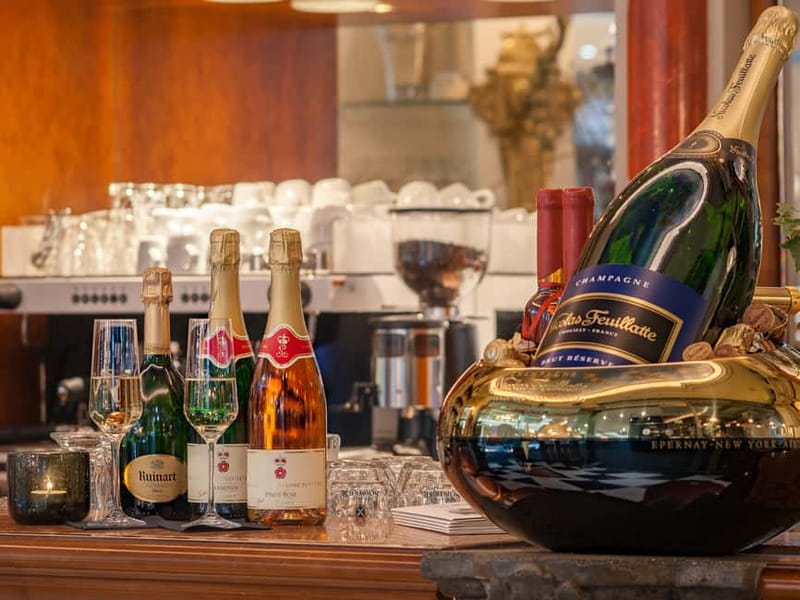
One of the more distinctive samples is an exclusive wine from Saxony. Germany is often associated first with beer, so a Saxon wine tasting gives you a broader view of the region. It also helps explain that local drinking culture is not limited to one familiar German style.
You also try a typical beer from the region. The pairing of wine and beer is practical: it lets you compare two drinks that played different roles in Saxon food culture. You do not need to spend another afternoon searching for regional labels after the tour, since the guide gives you a first taste and some context in one sitting.
Keep your expectations sensible. This is a $22 walking tour, not a full winery visit or a formal beer tasting with a long technical breakdown. The value comes from trying the products while learning where they fit in Dresden’s story.
The food samples also help balance the drinks. A local specialty can tell you more about a place than a grand monument if you know what to look for. Here, the guide uses simple tastes to point you toward Saxon habits and traditions.
Eierschecke, Dresden’s signature cake
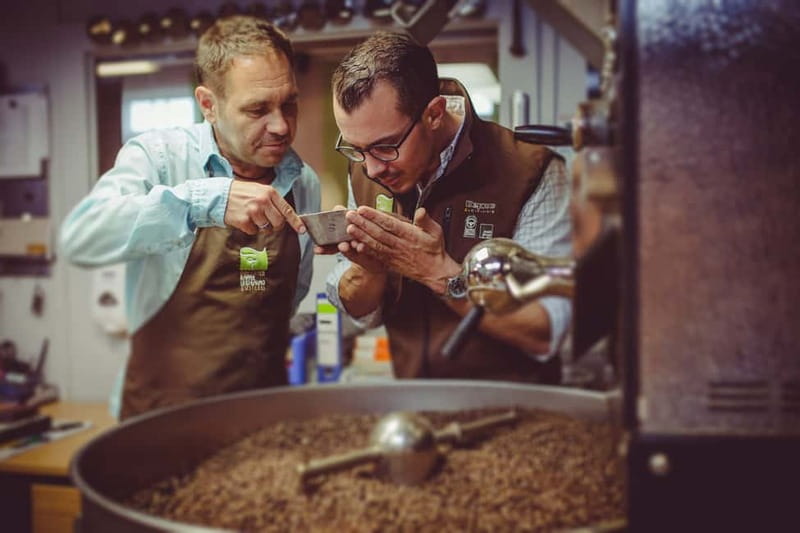
The most memorable food stop may be the eierschecke. This traditional cake is associated with Saxony and is described here as the best in town. It is a cheese cake, though you should not expect the dense New York style automatically suggested by the English translation.
For you, this is one of the clearest reasons to choose the walk. Eierschecke is not simply a generic dessert that could appear anywhere in Germany. It gives the tour a local marker, something specific to seek out during the rest of your time in Dresden.
The tasting is also a good example of how the walk works. You get a small but meaningful introduction to a regional food, then learn about Dresden’s habits around coffee and sweets. If you enjoy finding a city’s everyday specialties rather than ticking off only major sights, this stop should appeal to you.
One practical point: six tastings over 2.5 hours does not mean six large meals. You should arrive ready to sample, not expecting lunch or dinner. The portions may be enough to keep the walk pleasant, but you may still want a separate meal later.
Same city, a different table:
- Hamburg: Schanzenviertel Culinary Tour
★ 4.6 · 2,051 reviews - Hamburg: Elbphilharmonie Plaza and HafenCity Food Tour
★ 4.7 · 1,711 reviews - Berlin Center Food Tour with 8+ Authentic Local Tastings
★ 5.0 · 1,227 reviews - Munich: Viktualienmarkt Food Tour
★ 4.5 · 1,127 reviews
Baroque coffee culture and Dresden chocolate
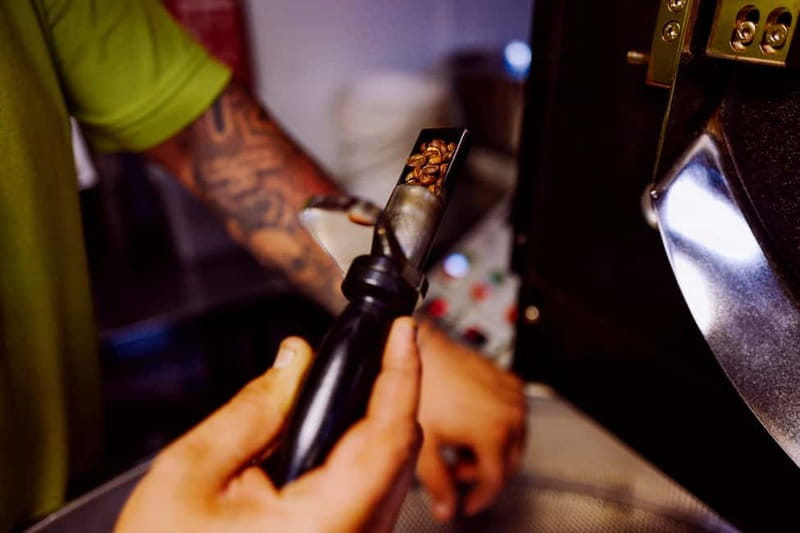
Dresden’s coffee story is another major part of the tour. The guide explains the coffee culture of the Baroque era, a period known for court life, elaborate taste, and public displays of wealth. Coffee gives the discussion a daily, human scale. It shows how a drink can move from fashion to habit.
The tour includes fine coffee and chocolate from the Dresdner Kaffeerösterei. That named local roaster gives this part of the walk a clear anchor. You are not just hearing that Dresden has a coffee tradition. You are tasting products connected with a Dresden business.
I like this pairing because coffee and chocolate work well as a break from the beer and wine. It also makes the experience friendly to people who are more interested in sweets and café culture than alcohol. If you do not drink, the nonalcoholic samples still provide a meaningful part of the tour, although the activity does include alcoholic products.
The Baroque section should also help you understand why Dresden’s food culture cannot be separated from its larger urban story. Coffee, cake, hospitality, and public life all meet in the Old Town. The walk uses those links without requiring you to sit through a long museum-style presentation.
Everyday life under communism
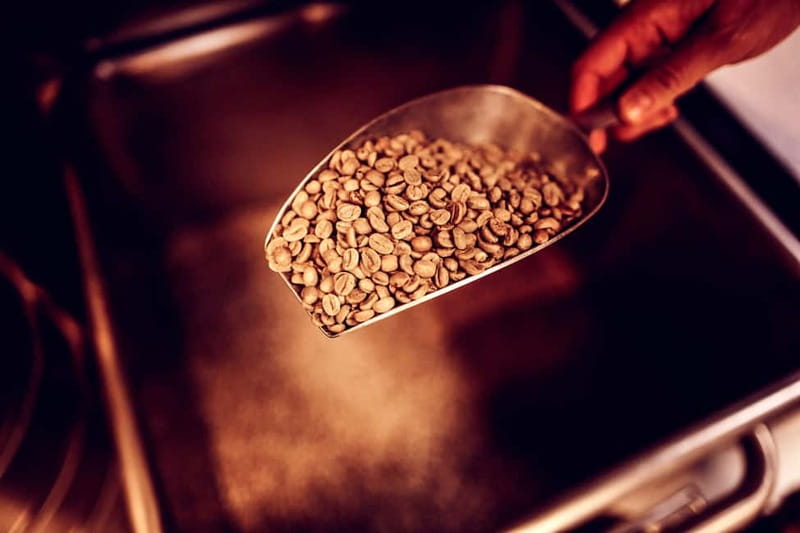
The final historical thread looks at improvised joy during the communist period. This is a useful change of tone. Medieval inns and Baroque coffee houses can feel distant, but stories about finding pleasure in ordinary life under communism bring the subject closer to modern memory.
Food is a natural way to discuss that period. People still celebrated, gathered, shared drinks, and made the best of what was available. The tour presents this as a story of everyday resourcefulness rather than a grand political lecture.
You should value this part if you want more than postcard Dresden. The Old Town is full of famous architecture, but a city also lives in its kitchens, cafés, and social rituals. This section gives the walk a wider time span, from medieval dining to Baroque coffee to recent history.
The tour cannot cover every part of Dresden’s past in 2.5 hours. That is a limitation, but a sensible one. It offers selected stories tied to food instead of trying to explain the whole city.
How the six tastings fit together
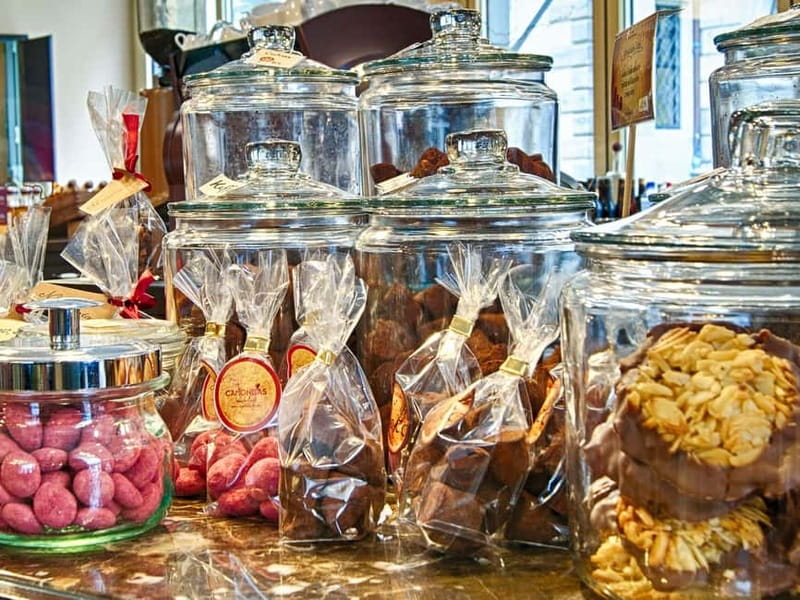
The six food and drink products create a steady rhythm for the walk. The known samples include:
- An exclusive wine from Saxony
- A typical beer from the region
- Eierschecke, a traditional Saxon cheese cake
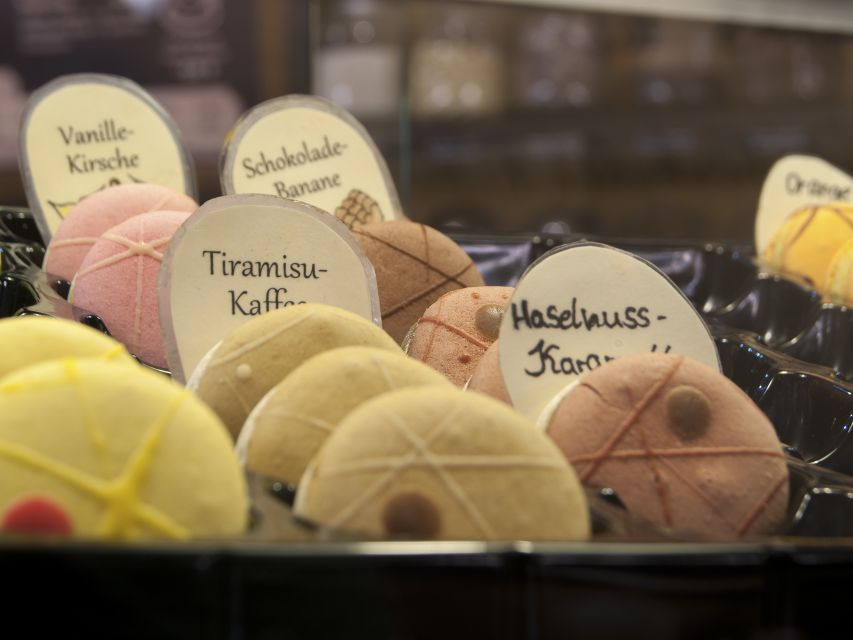
- Fine chocolate from the Dresdner Kaffeerösterei
- Coffee from the Dresdner Kaffeerösterei
- One additional food or drink product
Because the full order is not specified, do not plan your appetite around a particular sequence. The guide may place the drinks, cake, coffee, and chocolate wherever they work best with the route and the opening times of the stops.
The range is the strength. You taste sweet and savory elements, hot and cold drinks, and both alcoholic and nonalcoholic products. That gives you a wider picture than a tour focused only on beer or only on pastries.
The limitation is that the tour is not designed for serious food experts seeking detailed production visits. You do not get a stated market visit, cooking class, or full meal. You get a compact tasting walk with local context.
Guide quality and the tone of the walk
A good food walk depends heavily on the guide. Jörg Richter receives especially strong praise for his knowledge, manner, and ability to keep the tour interesting. Those qualities matter here because the tour covers several periods and uses short tastings to connect them.
The most useful guide will make the transitions feel natural: from medieval inns to Saxon wine, from Baroque coffee to Dresden chocolate, and from communist-era daily life back to the streets around you. Jörg’s reported style suggests a guide who can make the material lively without losing the facts.
The tour is also described as informative and entertaining rather than drawn out. That is important for a 2.5-hour walk. You get enough time for explanation and sampling, but the activity should not consume your whole day in Dresden.
Since the language is German, the guide’s storytelling style will matter most to German-speaking participants. If you are comfortable with German conversation, this could be one of the better ways to hear local history in a casual setting.
Is $22 a fair price?
Yes, $22 is a strong price for the combination of a guided Old Town walk and six tastings. You are paying for more than the food itself. The guide adds local history, directions through the center, and an explanation of what makes each product connected to Dresden or Saxony.
The price is especially attractive if you are visiting for a short stay. You can get a quick orientation to local food and then decide what you want to seek out again on your own. The tour may also help you avoid spending money on random cafés or souvenir foods with no local connection.
Still, value depends on what you want. If you prefer a large meal, a private guide, or a tour in English, this may not suit you. The tastings are part of a walking history experience, not a replacement for lunch.
The booking terms also reduce the risk. You can reserve now and pay later, and you can cancel up to 24 hours before the start for a full refund. Starting times depend on availability. Four children’s tickets can be booked per adult at most, so families should check that rule before booking.
Who should book this Dresden experience?
I would choose this walk for a German-speaking visitor who wants a gentle introduction to Dresden’s food traditions and Old Town. It works well early in a visit because the samples can point you toward foods and drinks worth trying again.
It also suits couples, families with older children, and anyone who likes history served in small portions. The child ticket rule allows up to four children per adult, but the activity is still a guided history walk, so younger children need to be comfortable walking and listening.
This is less suitable for anyone looking for a full dinner, a focused wine seminar, or a tour in English. It is also not the best pick if you want a highly detailed architectural tour with only a token snack.
Should you book the Taste of Dresden Food Walk?
Book it if German is comfortable for you and you like the idea of combining Dresden’s Old Town with six local tastes. The Saxon wine, regional beer, eierschecke, and Dresdner Kaffeerösterei coffee and chocolate give you a useful spread of local flavors, while the stories add a reason behind each stop.
Skip it if you need an English-language guide or want a substantial meal. For everyone else, the $22 price is hard to fault. A strong guide, a compact route, and clear local specialties make this a practical way to get your bearings and eat something more specific than a standard German pretzel.
FAQ
Where does the Dresden food walk meet?
Meet in the lower level of the QF Passage, in the seating area of Dresden Information.
How long does the tour last?
The food walk lasts 2.5 hours.
How much does the experience cost?
The listed price is $22 per person.
How many tastings are included?
Six food and drink tastings are included.
Which foods and drinks are sampled?
The tastings include an exclusive Saxon wine, a regional beer, eierschecke, fine chocolate, and coffee from the Dresdner Kaffeerösterei. One additional food or drink product is also included.
Is the tour conducted in English?
No. The live tour guide language is German.
Does the tour visit Dresden’s Old Town?
Yes. The guided walk takes place through Dresden’s Altstadt, or Old Town.
Can I cancel for a full refund?
Yes. You can cancel up to 24 hours in advance for a full refund.
Can I reserve now and pay later?
Yes. You can reserve your spot and pay nothing at the time of booking, according to the listed booking terms.
Just added in Germany
- Cologne Food and Kolsch Tasting Walking Tour★ 5.0 · 22 reviews
- Small-Group Berlin Sightseeing and Food Tour of Prenzlauer Berg and Mitte★ 5.0 · 25 reviews
- East Meets West: Berlin Food Culture & Street Art★ 5.0 · 157 reviews
- Berlin Evening Culinary Tour – Award Winning★ 5.0 · 118 reviews
- The Berlin Culinary Experience: A Regional & Cultural Food Tour★ 5.0 · 79 reviews
- Classic Bites and Culinary Trends Neighborhood Food Tour in Berlin★ 5.0 · 191 reviews
- Private Tour: Daytime Food Tour Trends & Classics★ 5.0 · 24 reviews
- Food tasting tour in Berlin of HIDDEN GEMS (Small Groups)★ 4.5 · 60 reviews
Food Walking Tours, compared.
Reykjavik Food Walk – Local Foodie Adventure in Iceland
Read our review →
New Orleans Food Walking Tour of the French Quarter with Small-Group Option
Read our review →
Savannah First Squares Culinary & Cultural Walking Food Tour
Read our review →
Guided Food Walking Tour with Wine in Trastevere
Read our review →
Trastevere & Campo de Fiori Street Food Walking Tour
Read our review →Browse the lists this tour appears in