
REVIEW · BEIJING FOOD TOURS
Beijing: Hutong Breakfast Food Tour
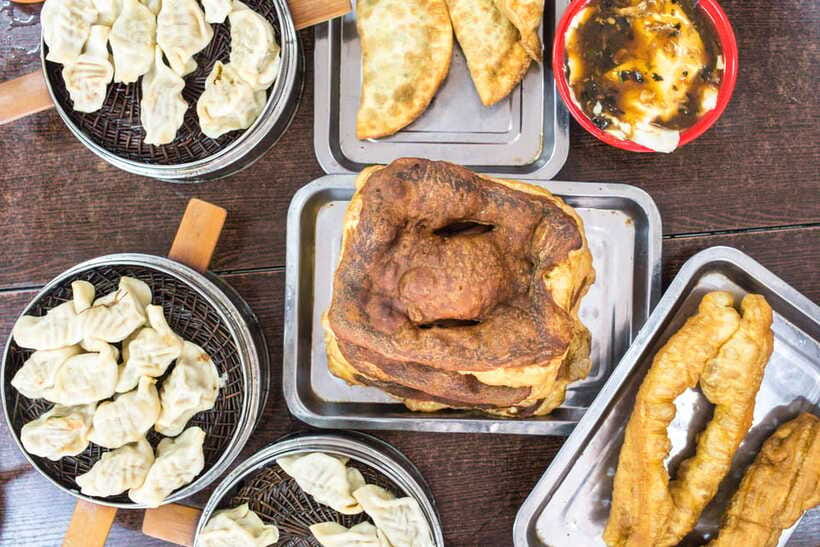
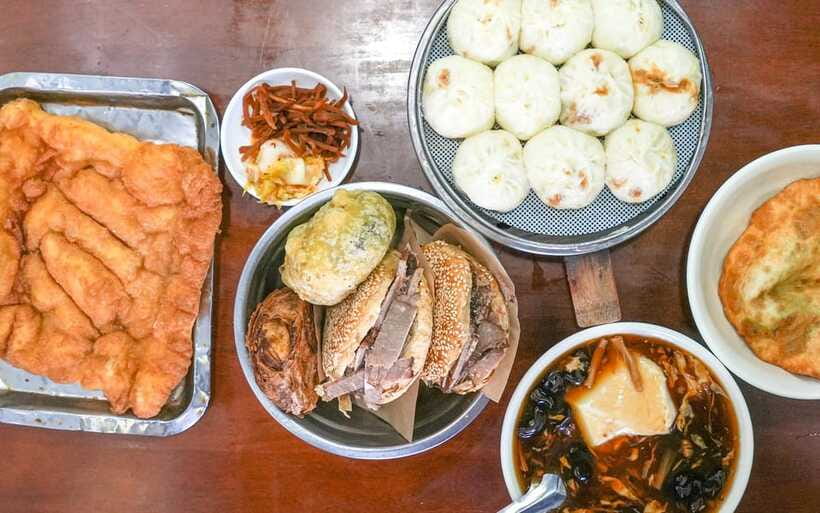
Breakfast in Beijing starts before the sightseeing. I like the way this three-hour hutong food tour pairs more than 12 dishes with stories from local cooks, and I like that it leads you into small markets and food stalls you would be unlikely to find alone. Aunt Jie’s handmade pork zongzi, Mr. Yu’s beef flatbread, and a cheesy jianbing give the morning a personal feel rather than a standard restaurant lineup.
The main consideration is that some flavors are bold, especially douzhi, Beijing’s tangy fermented mung bean drink. The route also includes several sweet red bean desserts, which can feel repetitive, and the walking is not suited to people with mobility impairments. Still, guides such as Kelly, Lynn, and Yoyo have earned praise for clear explanations, warm hosting, and practical help at the meeting point.
Key points to know before booking
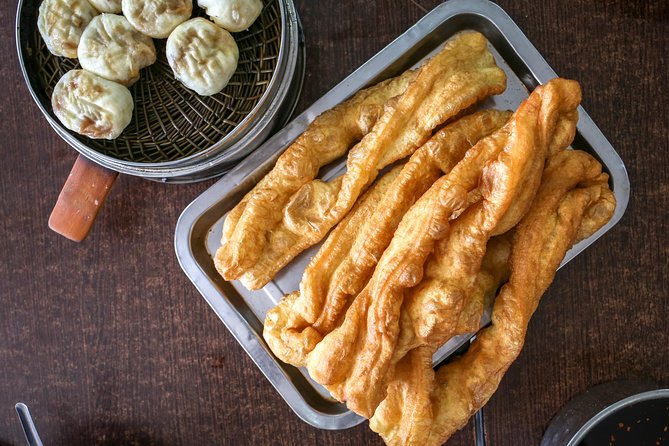
- More than 12 breakfast dishes: You sample zongzi, jianbing, meat pies, tofu pudding, beef flatbread, douzhi, sweets, and other local favorites.
- Aunt Jie’s handmade zongzi: The pork-filled rice parcels come from a generations-old recipe and add a real person to the food story.
- Douzhi is the bold test: This tangy Beijing specialty is not a gentle introduction, but it is one of the morning’s most memorable tastes.
- Hutong details matter: Your guide points out stone doorways, signs, courtyards, and small clues that are easy to miss while walking.
- Small local stops: The food comes from more than five tucked-away places, including a market and a hole-in-the-wall jianbing shop.
- Good value for hungry eaters: At $45 per person, the price includes unlimited food and drinks at more than six eateries and stalls.
Why this breakfast tour works
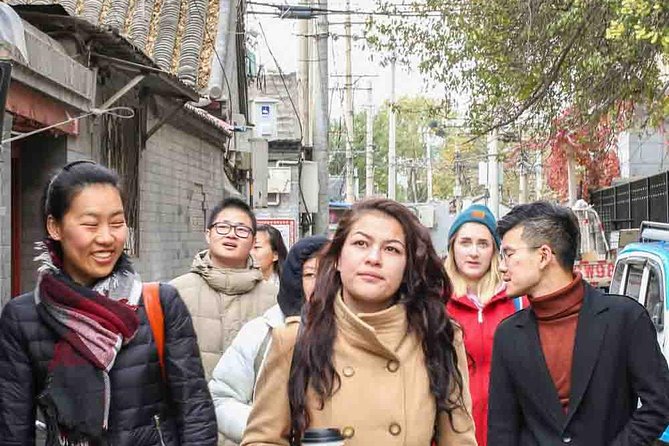
Beijing is famous for grand sights, but its daily food culture often makes more sense on a side street than beside a palace gate. This tour puts breakfast first. Over about three hours, you walk through historic hutongs, stop at small food businesses, and connect each dish with a person, a neighborhood habit, or an older Beijing tradition.
I like this approach because breakfast in northern China is not one neat plate. It can be savory, sweet, crisp, soft, sour, and filling within the same morning. The large number of tastings lets you compare textures and flavors instead of betting your entire breakfast on one unfamiliar dish.
The experience is run in English by Lost Plate Food Tours. A live guide leads the walk, explains what you are eating, and helps make sense of strong flavors. Kelly received especially warm praise for her food knowledge, stories, and ability to make the morning easy. Lynn was also noted for taking the group to special local places, while Yoyo was praised for connecting each dish to a story.
That personal guidance matters here. Several dishes are not obvious from appearance alone, and a sign outside a stall may not tell you how a food fits into Beijing life. You get more from the food when someone explains why it is eaten, how it is made, or what makes one version different from another.
A few more food tours in Beijing worth a look
- Beijing: Hidden Gems Guided Food Tour with Beer and Tastings
★ 4.9 · 306 reviews - Beijing Private Hutong Food Walking Tour
★ 5.0 · 299 reviews - Beijing: Hutong Culinary Walking Tour with 15+ Tastings
★ 5.0 · 162 reviews
Meeting your guide near the National Art Museum
The meeting point is Zhongguo Meishuguan, or National Art Museum, subway station, Exit B. The station is on Line 8. Your guide waits at street level outside the exit with a bright yellow Lost Plate tote bag.
The subway is strongly recommended. Traffic around the area can be heavy during rush hour, so a taxi or Didi may take longer than expected. If you need to show a driver the destination, use 地铁8号线中国美术馆地铁站 B出口.
The meeting point deserves a little care because the museum name can cause confusion. Follow the signs inside the station to Exit B, then go upstairs and outside. If you use a map app, the Chinese map link is the safer option in China. Google Maps requires a VPN there, and the written directions are more useful than relying on a map pin alone.
Arrive with comfortable shoes and no large bag. You will be walking, eating, and moving through narrow local spaces. Luggage is not allowed on the tour, so this is best scheduled after leaving your hotel bags behind or before collecting them.
First tastes at a local market
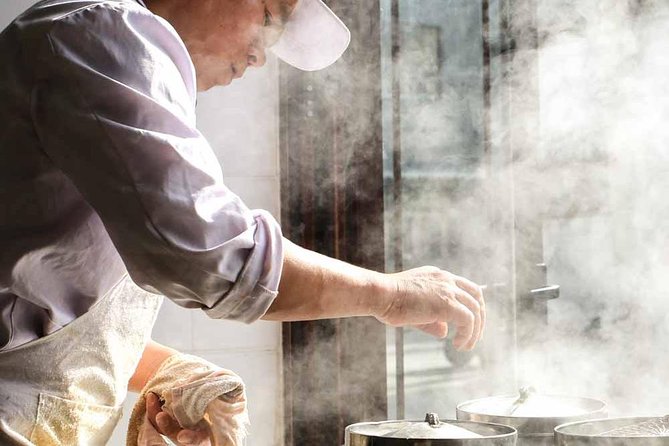
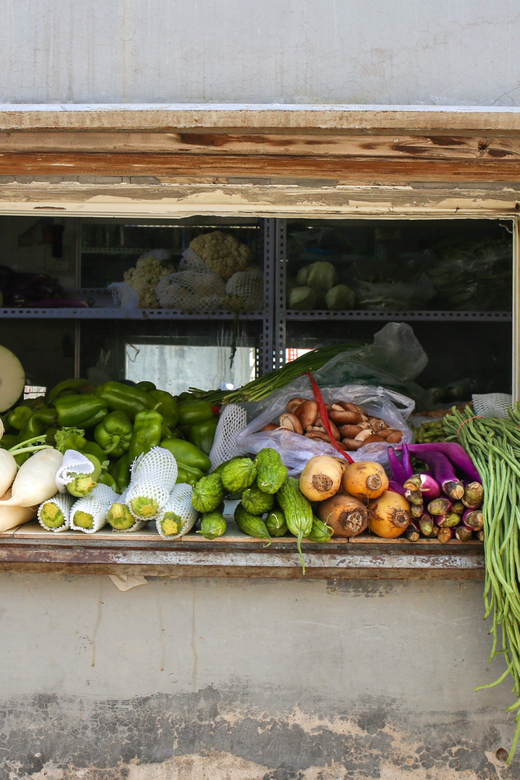
The tour begins with a local market stop, which gives you a quick look at how Beijing breakfast shopping works. This is not simply a photo stop. The market provides the setting for the food, showing the everyday places where residents buy ready-to-eat dishes and ingredients.
One of the key foods here is Aunt Jie’s handmade pork zongzi. Zongzi are sticky rice parcels wrapped in leaves, and this version is connected to a generations-old family recipe. The important part is not only the parcel itself. You meet the person behind it, which gives the dish a human scale that a generic tasting cannot provide.
The pork filling makes this a substantial start to the morning. The sticky rice is filling, so pace yourself. With more food ahead, you do not need to treat the first stop as a full meal. Take time to notice how the leaf wrapping, rice, and savory filling work together.
A market can also be one of the less polished parts of the route. You may be standing rather than sitting, and the surroundings are practical rather than designed for visitors. That is part of the point, but anyone who prefers a slow, comfortable restaurant breakfast may find the format busy.
Douzhi, Beijing’s boldest breakfast challenge
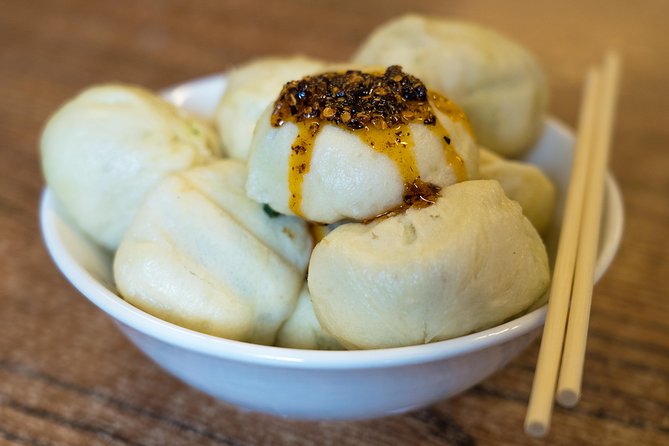
Then comes douzhi, a traditional Beijing drink with a strong tangy flavor. It is often described as one of the city’s boldest breakfast traditions, and that is fair warning. This is not a mild juice or a familiar smoothie. You may love it, tolerate it, or decide that one taste is enough.
I appreciate that the tour includes it instead of avoiding unusual foods. A food walk should give you a chance to try the things that define a place, not only the safest choices. The guide can provide context and help you approach it with the right expectations.
The drink has also received Michelin recognition as part of Beijing’s food tradition, which helps explain why it appears on a serious local tasting route. Still, recognition does not make every flavor easy. Keep an open mind, but do not feel that you need to pretend it is your favorite.
Douzhi is useful as a contrast to the richer and sweeter foods later in the morning. It shows that Old Beijing breakfast has a sharper side, too. If you are sensitive to fermented or sour flavors, this is the moment to slow down and take a small taste.
Same city, a different table:
- Beijing Hutong Breakfast Food Tour
★ 5.0 · 155 reviews - Beijing Hutong Breakfast Food Tour
★ 5.0 · 120 reviews - Beijing Walking Food Tour with a Local Friend
★ 5.0 · 73 reviews - Beijing: Dumpling Making Workshop with Meal and Tea
★ 4.7 · 69 reviews
Beef flatbread and tofu pudding with Mr. Yu
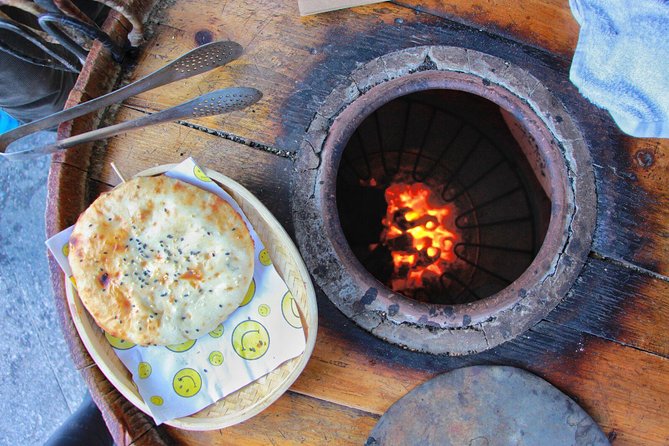
Another stop introduces Beijing comfort food through Mr. Yu’s beef flatbread and tofu pudding. The pairing gives you two very different textures. The beef flatbread is savory and satisfying, while the tofu pudding is soft and delicate.
This is one of the tour’s stronger combinations because it shows how everyday Beijing food can be filling without being complicated. You are not eating a costly specialty made for a formal occasion. You are trying the kind of food that connects with childhood memories and ordinary routines.
The story of Mr. Yu adds weight to the stop. Food tastes more specific when you know who is serving it and why it matters to him. I would pay close attention to the guide here, since the personal stories are a major part of what you are paying for.
The portions across the tour are designed for sampling, but the total amount of food can still be substantial. If you normally eat a light breakfast, you may want to keep dinner modest the night before. The price includes unlimited food and drinks, so you do not need to rush or worry about running out of tastings.
Jianbing with a cheesy twist
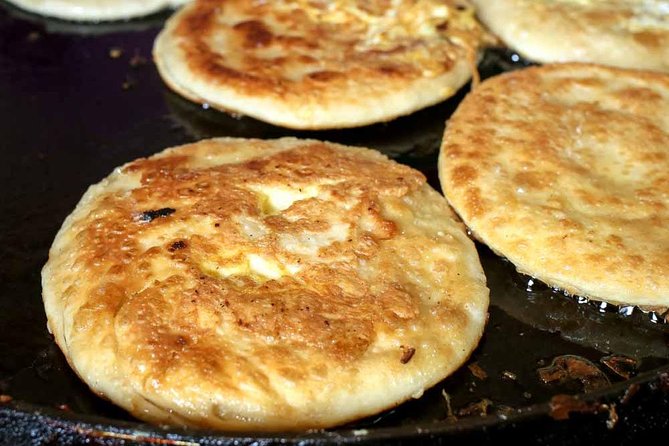
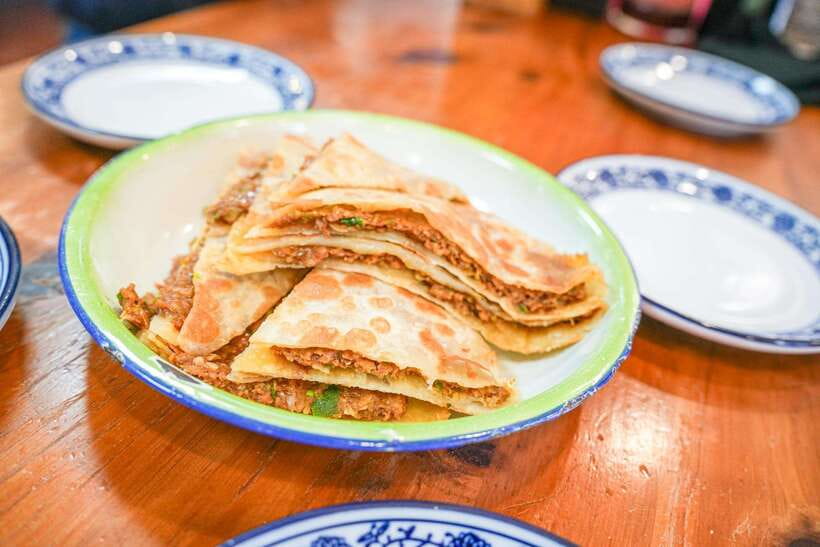
Jianbing is one of Beijing’s best-known breakfast foods, and this tour adds a playful twist with cheese. Traditionally, jianbing is a thin savory crepe folded around fillings and crisp elements. The cheesy version keeps the familiar street-food spirit while adding a flavor that may feel more immediately accessible.
The stop is at a hole-in-the-wall favorite, which is exactly the right setting. Jianbing is best understood as quick food made for the morning, not as a carefully plated dish. You see how something can be cheap, fast, filling, and still worth seeking out.
The cheesy jianbing is likely to be one of the easier favorites for first-time visitors. The combination of egg, crisp texture, and savory filling makes it less challenging than douzhi. It also provides a useful counterpoint to the sweeter foods later.
You may also try an egg and bacon pancake during the morning, along with a sweet pancake. These familiar elements help balance the more distinctly Beijing flavors. The tour works best when you treat each stop as a sample rather than searching for one perfect dish.
Sweets from old Beijing and the imperial table
The final stretch includes imperial-era sweets once made for emperors. This gives the tour a link to Beijing’s courtly past, but the setting remains grounded in local food shops rather than grand halls.
Red bean paste appears in several of the sweet dishes. I enjoy trying traditional sweets, but I would be prepared for repetition. If you prefer salty breakfasts, the number of red bean desserts may feel like too much of one flavor in a short period.
A drink with the sweets would help balance the sequence, and this is one area where the food order may not suit everyone. Water and soft drinks are included, so you will have something to drink, but the sweet course can still feel concentrated.
The benefit is range. You see that Beijing food is not only meat, bread, and noodles. Sweet bean paste, sticky rice, pastry, and soft textures all have a place in the city’s food culture. The guide’s explanations help keep these items from becoming a blur of unfamiliar snacks.
Walking through hutong courtyards and stone doorways
The food is only half the reason to book this experience. Between stops, the guide points out hutong details that are easy to pass without noticing. Look for stone doorways, old signs, courtyard entrances, and small clues in the layout of the neighborhood.
The route does not treat the hutongs as a backdrop. Their doors and courtyards help explain how older Beijing neighborhoods work. A narrow entrance can hide a much larger shared space, while a sign may hint at a business or household history that is not obvious at first glance.
I like this part because it slows the morning down. You are not only moving from one snack to the next. You are learning to look at the neighborhood around the food.
The walking surface and access can be uneven or inconvenient. The tour is specifically not suitable for people with mobility impairments. Wear sturdy, comfortable shoes, and dress for the weather because the tour runs rain or shine.
Is $45 good value?
At $45 per person, this is not the cheapest breakfast in Beijing. You could eat a single local dish for far less. The value comes from the number of tastings, the guide, the translation help, the market visit, and the access to several small food stops.
You receive more than 12 dishes and unlimited food and drinks at over six eateries and street stalls. For a visitor who wants to sample widely without ordering full portions everywhere, that adds up well. You also avoid the waste and uncertainty of buying several unfamiliar foods alone.
The price makes less sense if you are mainly looking for a relaxed sit-down meal. This is a walking experience with multiple stops, and the strongest part is the combination of food and explanation. You are paying for access and context as much as for calories.
The tour requires at least two people to operate. If that minimum is not met, an alternative date or a full refund is offered. You can cancel up to 24 hours ahead for a full refund, and reserve now while paying later, which is useful when your Beijing plans are still shifting.
Who should book this morning?
I would recommend it to first-time visitors who want to understand Beijing through everyday food. It is also a good choice if you are curious but cautious, because the guide can explain dishes before you try them and help you move through the unfamiliar flavors.
Food-focused visitors will appreciate the range, especially the handmade zongzi, douzhi, beef flatbread, tofu pudding, and jianbing. The tour is also a good fit for anyone who enjoys meeting the people behind small food businesses.
Vegetarians can join, but substitutions are not available for every dish. If you do not eat meat, ask ahead about what you can try, and expect the selection to be narrower than the standard route.
I would skip it if you have limited walking ability, need to carry luggage, or want a quiet indoor meal. I would also think twice if fermented, sour, or sweet bean flavors are not appealing. For everyone else, this is a practical way to reach Beijing’s local breakfast culture quickly, with a guide who helps you understand what is on the table.
FAQ
How long does the Beijing Hutong Breakfast Food Tour last?
The tour lasts three hours.
How much does the tour cost?
The price is $45 per person.
Where is the meeting point?
Meet at Zhongguo Meishuguan, or National Art Museum, subway station, Exit B, at street level. The guide will carry a bright yellow Lost Plate tote bag.
How should I reach the meeting point?
The subway is strongly recommended. Zhongguo Meishuguan station is on Line 8. Follow signs to Exit B, then go upstairs and outside. Traffic near the meeting point can be heavy during rush hour.
What food and drinks are included?
The tour includes more than 12 dishes, with unlimited food and drinks at over six eateries and street stalls. Unlimited water and soft drinks are also included.
Is the tour suitable for vegetarians?
The tour is vegetarian-friendly, but substitutions are not available for every dish.
Can I bring luggage, and is the tour accessible for people with mobility impairments?
Large bags and luggage are not allowed. The tour is not suitable for people with mobility impairments, and comfortable shoes are recommended.
Just added in Beijing
- 4-Hour Private Tour: Lama Temple, Confucius Temple, Guozijian Museum with Dim Sum★ 5.0 · 21 reviews
- Online Cooking Class Beijing Dumplings and Cuisine by Sunflowerli Renowned Chef★ 5.0 · 65 reviews
- Beijing Walking Food Tour with a Local Friend★ 5.0 · 73 reviews
- Beijing Hutong Breakfast Food Tour★ 5.0 · 120 reviews
- Experience Beijing Walking Food Tour Private★ 5.0 · 56 reviews
- 3-Hour Private Night Tour: Beijing Foodie Experience★ 5.0 · 53 reviews
- Half-Day Private Beijing Hutong Walking Tour with Dim Sum★ 5.0 · 48 reviews
- Authentic Local Food Tour in Center Beijing★ 5.0 · 26 reviews
Beijing Food Tours, compared.
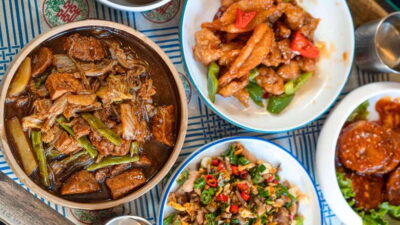
Hidden Gems Guided Food Tour with Beer and Tastings
Read our review →
Online Cooking Class Beijing Dumplings and Cuisine by Sunflowerli Renowned Chef
Read our review →Browse the lists this tour appears in