
REVIEW · BEIJING FOOD TOURS
Beijing Private Hutong Food Walking Tour
Come hungry, leave very full. This four-hour private walk through Beijing’s Dongsi Hutong and LongFuSi Jie combines more than 20 food tastings with old lanes, local shops, and stories about everyday Chinese food. I like the private format, which gives you room to ask questions and set the pace, and I like that the food comes from ordinary markets, bakeries, restaurants, and small neighborhood businesses rather than a tourist-only dining circuit. The main drawback is simple: there is a lot to eat, and some dishes may be challenging if you prefer familiar flavors.
This is also a useful first activity in Beijing. Guides such as Miko, Lucy, Jay, Allen, Anson, Mike, Kevin, Kassie, and May have helped visitors understand how to order, how to eat unfamiliar dishes, and how to get around the city. Still, tell the operator about allergies, vegetarian needs, diabetes, or other dietary limits when you book. Last-minute changes may be harder to manage.
Key points at a glance
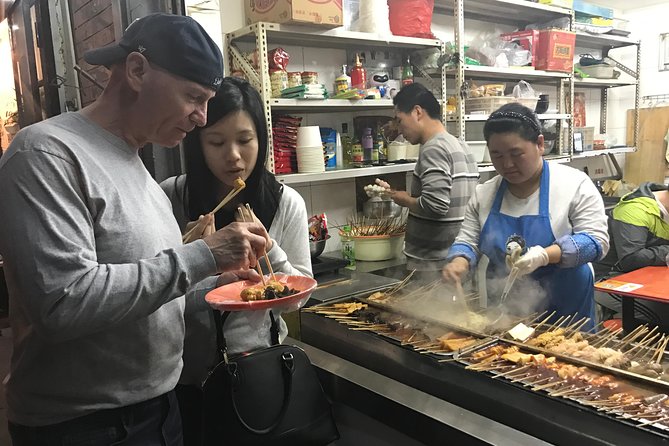
- 20-plus tastings in four hours: Pace yourself because the food arrives in many small stops.
- Dongsi Hutong and LongFuSi Jie: You see old Beijing lanes, courtyard homes, markets, shops, and local eating places.
- Private guide for your group: You can ask questions freely and request a gentler pace or food adjustments.
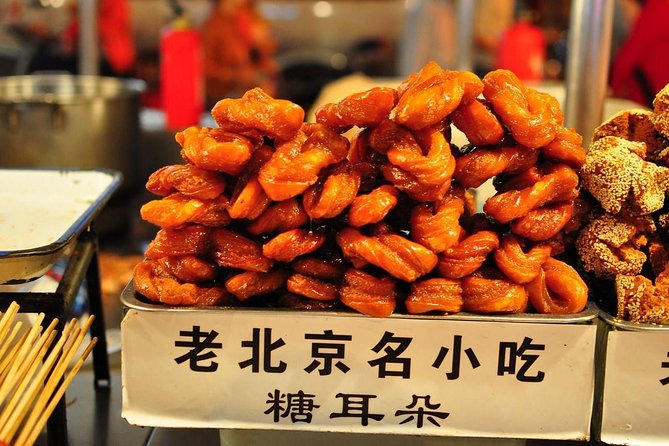
- Unusual dishes are part of the fun: Depending on your preferences, you might try donkey burgers, douzhi, jianbing, dumplings, noodles, sweet sesame treats, or pig intestine.
- Vegetarian options are available: Dietary needs should be shared at booking, not left until the meeting point.
- $82 includes the tastings and guide: Transport costs extra if you choose the option without private transfer.
Why this Beijing food walk works so well
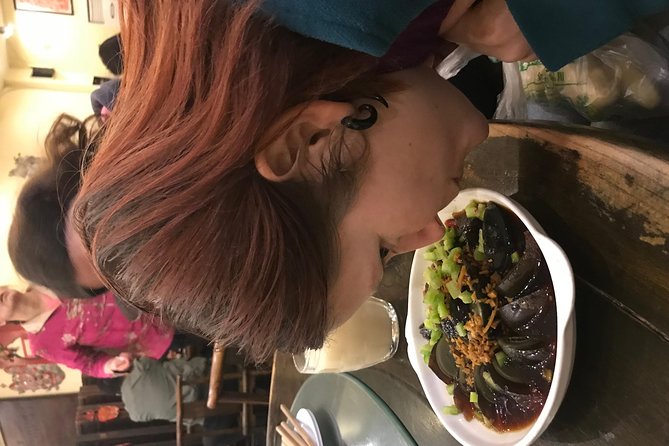
Beijing food can be hard to decode on your own. Menus may not be in English, portion sizes can be unclear, and a dish that looks ordinary may carry a local custom or a very particular way of eating it. A private food guide solves much of that trouble.
You are not simply moving from one famous restaurant to another. The route uses a mix of markets, neighborhood shops, bakeries, and restaurants. That variety matters. You get small samples instead of committing to a full plate, and you can compare textures, cooking styles, and flavors across several stops.
I especially like the way the walk connects food with the neighborhood. Your guide can explain Chinese culinary customs, regional flavors, the background of individual dishes, and the old-city setting around you. The food gives you an excuse to look closely at daily life rather than just passing through a hutong with a camera.
The private format is another strong point. Only your group participates, so you can ask about ingredients, slow down, skip a dish, or spend more time on a subject that interests you. That is more useful than it may sound. A food walk moves at the pace of the people eating, and a private guide can adjust better than a large group.
The tour has a top rating of 5 from 299 ratings, with 100 percent recommending it. That does not mean every bite will suit every person. It does suggest that the guide service, food variety, and personal attention are consistently strong parts of the experience.
More Food Walking Tours in China
- Beijing: Hutong Culinary Walking Tour with 15+ Tastings
★ 5.0 · 162 reviews - Beijing Walking Food Tour with a Local Friend
★ 5.0 · 73 reviews - Experience Beijing Walking Food Tour Private
★ 5.0 · 56 reviews
Starting in Dongsi Hutong
The first two hours focus on Dongsi Hutong, one of the old-style neighborhoods that gives Beijing much of its character. Hutongs are narrow lanes lined with traditional courtyard homes and older neighborhood buildings. They offer a look at how Beijing functioned before the modern city spread outward.
The value here is not just architectural. You are seeing the setting where local food shops and family-run eating places fit into daily routines. The walk lets you connect the buildings, streets, and food instead of treating them as separate attractions.
The route is described as less focused on the most crowded tourist lanes. That can make the experience feel more grounded, though you should not expect an untouched time capsule. This is still a living part of Beijing, with ordinary businesses and modern city life alongside older structures.
Your guide is important at this stage. Miko has been praised for explaining the hutong area and adjusting the walking speed. Lucy has shown visitors traditional multi-generational courtyard houses and added cultural context beyond the planned food stops. Those details can turn a pleasant walk into a clearer picture of how old Beijing neighborhoods work.
You will also begin tasting food during this section. The exact selection may change, since the guide needs to account for shop availability, your preferences, and dietary needs. That flexibility is useful, but it means you should not book this expecting a fixed menu printed in advance.
The food stops: a sampler, not one large meal
The tour includes more than 20 tastings, which sounds generous because it is. You might try noodles, dumplings, wontons, jianbing, beef dumplings, street snacks, sweet sesame items, and other Beijing specialties. Some tastings are familiar and easy to like. Others are included because they show a side of local food you might never order alone.
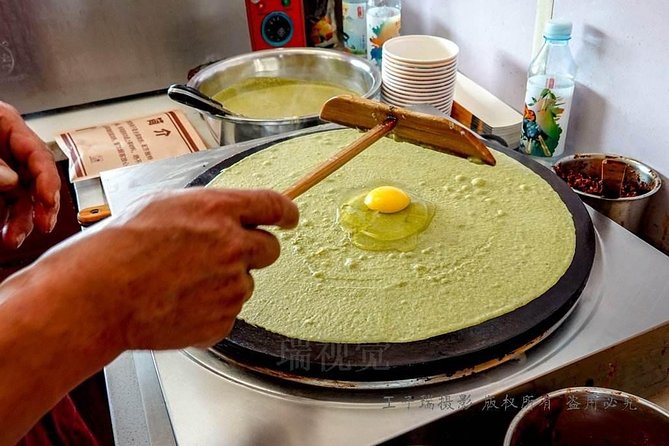
One example is the jianbing, a crepe-style street food that several people particularly enjoyed. Another is the donkey burger, which was described as tasting more like a savory beef-filled pastry when eaten without knowing the filling. Douzhi, a traditional fermented mung bean drink, can be a more demanding taste, but it has cultural importance and gives you a chance to try something strongly tied to Beijing food traditions.
Some guides ask how adventurous you feel before choosing the more unusual dishes. Mike, for example, checked the group’s comfort level before serving intestines and switched to another option when needed. That is the right approach. You should feel invited to try something, not forced to prove your courage.
A tasting may also involve learning the customary way to eat it. Miko demonstrated how to handle dishes at different stops, while other guides explained the story and local habits connected with each food. This is where the tour becomes more than a list of snacks.
Do not eat a large meal beforehand. The stops are spread across the walk, so you get breaks between bites, but the total amount is still substantial. You are not expected to finish everything. Small portions and shared tastings make it possible to sample widely without treating every stop as a full restaurant meal.
LongFuSi Jie and the second half of the route
The second two-hour section takes you toward LongFuSi Jie, with additional stops at food shops, restaurants, bakeries, and market-style locations. This part keeps the emphasis on variety. You may move from savory dumplings to noodles, then to a soup, pastry, sweet snack, or another specialty.
The route is useful for first-time visitors because the guide handles the uncertainty. You do not have to guess which shop is worth entering, work out an unfamiliar menu, or decide how much food to order. In one account, the guide called ahead so seats were ready and the group did not wait long. That kind of planning matters when you are eating at several places in one afternoon.
You may also see places that have received outside food recognition, including a dumpling stop described as Michelin recommended. The main point is not the label. It is that the tour mixes everyday local eating with places that have earned a good reputation, giving you a wider sense of Beijing’s food scene.
LongFuSi Jie also keeps the historical and cultural side in view. You are not being rushed from plate to plate. The walking sections provide time to digest, ask questions, take photographs, and notice the street around you. One visitor appreciated having restroom opportunities along the way, which is a small but practical advantage on a four-hour food walk.
The exact path and dish list can change. Think of this as a guided food route through old Beijing rather than a rigid checklist. That is a strength if you value freshness and personal attention. It is a weakness if you want to know every dish before paying.
More food walking tours in Beijing:
- Reykjavik Food Walk – Local Foodie Adventure in Iceland
★ 5.0 · 18,952 reviews - New Orleans Food Walking Tour of the French Quarter with Small-Group Option
★ 5.0 · 6,118 reviews - Naples: Street Food Walking Tour with Local Guide
★ 4.9 · 4,976 reviews - Greek Food Walking Tour in Athens
★ 5.0 · 4,740 reviews
The guides make the biggest difference
Food tours depend heavily on the person leading them. Here, the individual guide can shape the whole afternoon.
Jay has been praised for his humor, professionalism, and care with dietary restrictions. Allen is described as friendly and good at explaining the background of each dish. Anson combines food information with Beijing history and is noted for clear English and a good sense of humor.
Lucy has helped visitors with more than food. She has explained the Beijing subway, helped with travel apps, and offered extra cultural information during the walk. Miko has helped visitors understand local customs, adjusted the pace, and even assisted with basic travel logistics. Kassie has been praised for making thoughtful food choices around allergies and preferences, while May adapted a tour for vegetarians.
These examples show why the private setup has real value. You can tell your guide what you want from the afternoon. Are you keen on obscure dishes? Do you want more history? Do you need vegetarian food? Do you walk slowly? Clear communication at booking gives the guide a better chance to shape the experience well.
There was one case where a vegetarian request was not passed on correctly, and Mike had to improvise. He handled it well, but the situation is a reminder to repeat important dietary information when you book and again before the tour begins.
How adventurous is the food?
You control more of this than the food list might suggest. The tour is designed to introduce local dishes, not to feed you only safe, familiar choices. You might be offered pig intestine, fermented bean drink, unusual fillings, or ingredients you would not recognize from an English menu.
That is part of the appeal. A private guide can explain what you are eating, how locals approach it, and what alternatives are available. If you are curious but cautious, this format is better than ordering blind.
If you dislike strong flavors or unfamiliar textures, you may not love every tasting. One person enjoyed the authenticity of trying food they would never have found alone, while admitting that some dishes would not be repeated. That is a fair expectation. A good food tour should broaden your choices, not promise that every bite will become a favorite.
Vegetarians can book an adapted version, and guides have successfully handled vegetarian groups. Specific dietary needs, allergies, and diabetes should be communicated when you reserve. The operator states that children aged one to six are free, but the amount of walking and food may still make the tour better for families whose children can manage a four-hour outing.
Is $82 a fair price?
At $82 per person, this is not the cheapest way to eat in Beijing. It can still be good value if you use the tour for what it offers: a private guide, more than 20 tastings, neighborhood interpretation, and help navigating places you might not find or confidently use alone.
The food samples are included, as is bottled water and the professional guide. Private transfer is included only when that option is selected. If you choose the tour without transfer, transportation costs are extra, so check that choice before booking.
For a solo visitor or a small group, private guiding can justify the price because you get direct attention instead of sharing explanations with a large crowd. It is also useful early in your stay. You can learn which foods appeal to you, understand local ordering habits, and return to favorite dishes later.
The value is weaker if you mainly want a cheap dinner or already feel comfortable reading menus and finding local eateries. You are paying for access, explanation, convenience, and range, not just calories.
Timing, walking, and practical comfort
The experience lasts about four hours. It is a walking tour, with food stops spread through Dongsi Hutong and LongFuSi Jie. Wear comfortable shoes and arrive ready to eat slowly.
The pace can be adjusted in a private group. Miko slowed down for one group, and Kevin continued to look after a visitor even in rainy weather. Still, the tour is not a seated tasting event. You should expect regular movement between stops.
Food arrives in stages, which helps, but you need self-control. The best strategy is to take a small portion at each stop, share when possible, and remember that you do not have to finish every dish. The walk between eateries is part of the design, giving you time to reset before the next tasting.
The tour offers a mobile ticket and pickup. Transportation depends on the option you select. If the no-transfer option is chosen, transportation fees are not included. Confirmation is provided when you book.
Free cancellation is available if you cancel at least 24 hours before the start time. Cancellations within 24 hours are not refunded, and changes inside that period are not accepted.
Who should book this food tour?
I would recommend it most strongly to first-time visitors who want food and neighborhood life in the same experience. It suits curious eaters, couples, families with older children, and anyone who feels nervous about ordering from a menu they cannot read.
It is also a smart choice for people who want a private guide rather than a fixed group. You can ask more questions, change the pace, and explain your limits without holding up a busload of strangers.
Vegetarians should consider it, too, provided the request is stated clearly at booking. People with serious allergies or strict medical diets should confirm in advance exactly what can be accommodated.
You may want to skip it if you dislike walking, want only famous dishes, or prefer to choose every meal yourself. The point is sampling and discovery. Some dishes will be familiar, some will be odd, and a few may be better remembered than repeated.
Should you book the Dongsi Hutong food walk?
Yes, if you want an approachable way to understand Beijing through its food and old neighborhoods. The combination of 20-plus tastings, a private guide, traditional lanes, local businesses, and practical help with ordering is hard to reproduce on your own in four hours.
Book it near the start of your Beijing stay so you can return to foods you like later. Arrive hungry, share your dietary needs early, and keep your expectations open. You will probably not love every dish, but you should leave with a better sense of what Beijing eats and how the city’s old quarters still function.
FAQ
How long does the Beijing Hutong food tour last?
The tour lasts approximately four hours. About two hours focus on Dongsi Hutong and about two hours on LongFuSi Jie and its food stops.
How many dishes are included?
More than 20 food tastings are included at markets, shops, bakeries, and restaurants.
Is the tour private?
Yes. Only your group participates in the private tour or activity.
Are vegetarian options available?
Yes, vegetarian options are available. You should advise the operator of this requirement when booking.
Is transportation included?
Private transfer is included if you select the transfer option. If you choose the tour without transfer, transportation fees are not included.
What is the cancellation policy?
You can cancel for a full refund up to 24 hours before the experience starts. Cancellations or changes made within 24 hours are not accepted and are not refunded.
Just added in Beijing
- 4-Hour Private Tour: Lama Temple, Confucius Temple, Guozijian Museum with Dim Sum★ 5.0 · 21 reviews
- Online Cooking Class Beijing Dumplings and Cuisine by Sunflowerli Renowned Chef★ 5.0 · 65 reviews
- Beijing Walking Food Tour with a Local Friend★ 5.0 · 73 reviews
- Beijing Hutong Breakfast Food Tour★ 5.0 · 120 reviews
- Experience Beijing Walking Food Tour Private★ 5.0 · 56 reviews
- 3-Hour Private Night Tour: Beijing Foodie Experience★ 5.0 · 53 reviews
- Half-Day Private Beijing Hutong Walking Tour with Dim Sum★ 5.0 · 48 reviews
- Authentic Local Food Tour in Center Beijing★ 5.0 · 26 reviews
Food Walking Tours, compared.
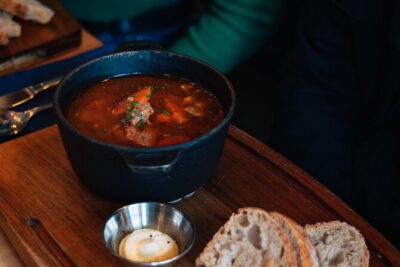
Reykjavik Food Walk – Local Foodie Adventure in Iceland
Read our review →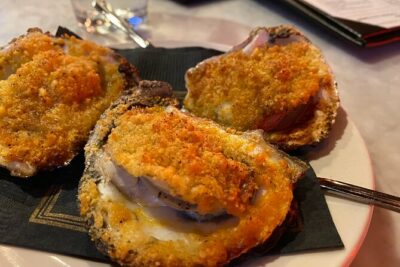
New Orleans Food Walking Tour of the French Quarter with Small-Group Option
Read our review →
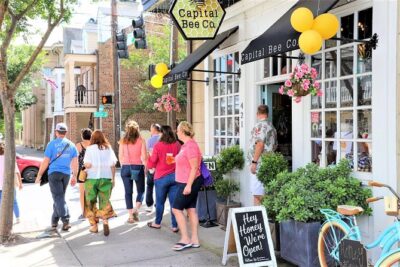
Savannah First Squares Culinary & Cultural Walking Food Tour
Read our review →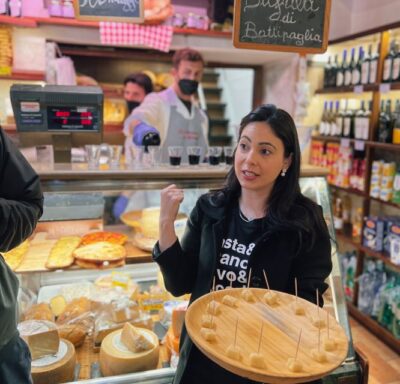
Guided Food Walking Tour with Wine in Trastevere
Read our review →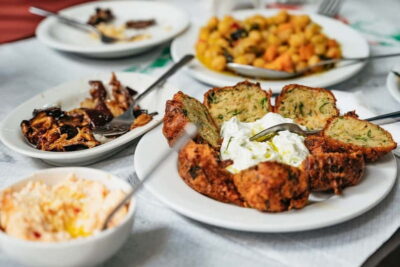
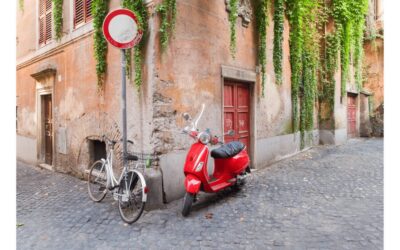
Trastevere & Campo de Fiori Street Food Walking Tour
Read our review →Browse the lists this tour appears in