
REVIEW · CYCLING TOURS
Tokyo: West-Side Cycling and Food Tour with Guide
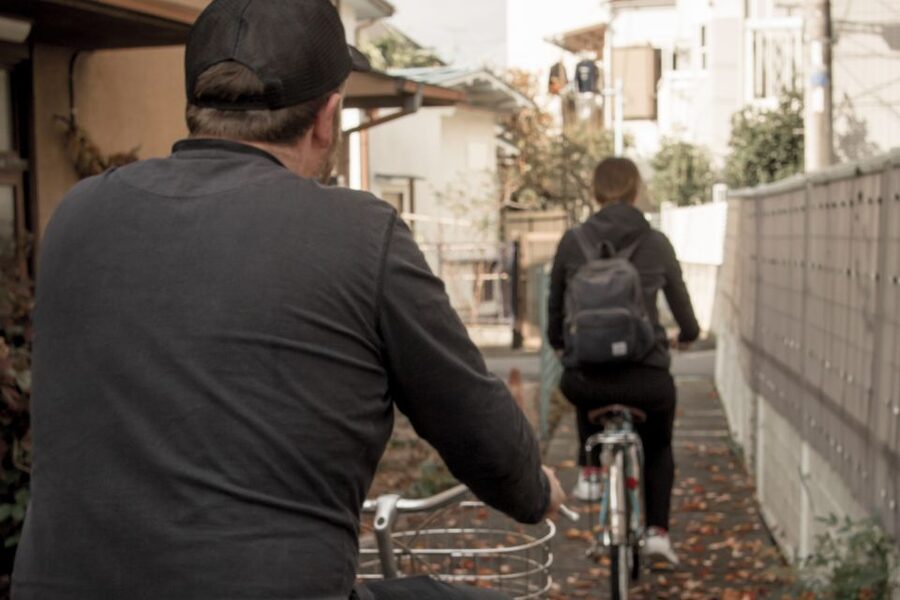
Tokyo reveals itself best at street level. This 3.5-hour bike and food tour trades famous sights for the back lanes of Nakano, Koenji, and Asagaya, where daily life takes center stage. I like the easygoing pace and the chance to ride a classic mamachari bicycle, complete with a front basket. I also like the food stops, which include lunch, two street snacks, and a bottled drink.
The main catch is the cycling itself. You will cover about 7.5 to 9.5 miles, often on narrow streets and uneven surfaces, and the tour normally runs in light rain. Food choices are fixed, so this is not a good pick for vegans or anyone with food allergies.
Key points at a glance
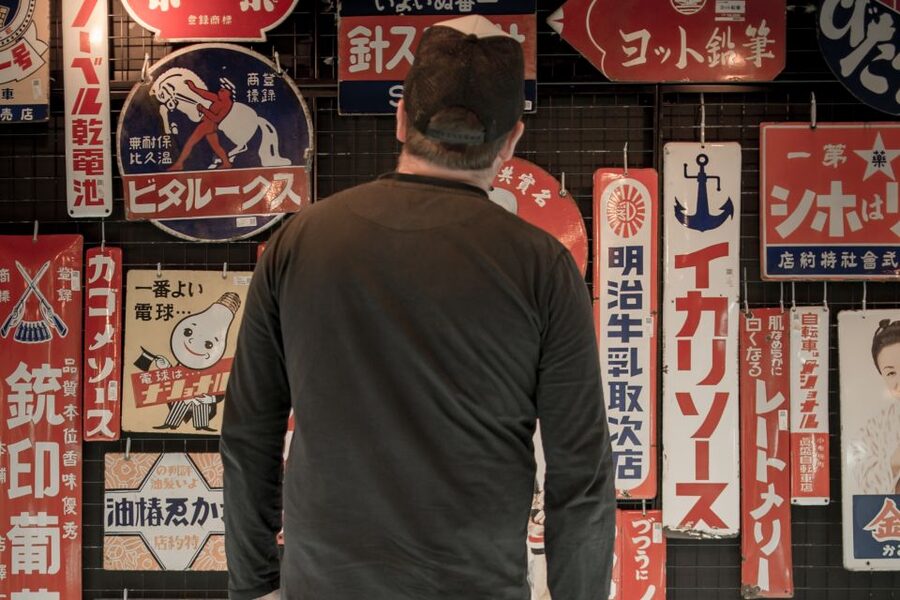
- Ride a true city bicycle: The salvaged mamachari bikes are simple, sturdy, and closely tied to ordinary Japanese life.
- See three local neighborhoods: Nakano, Koenji, and Asagaya offer a very different Tokyo from Shinjuku or Shibuya.
- Eat like a local: The tour includes a simple lunch, two street food treats, and one bottled drink.
- Learn the rules of city cycling: Your guide explains bicycle parking, neighborhood riding habits, and daily customs.
- Meet at a convenient station: Koenji is six minutes from Shinjuku by train and 18 minutes from Shibuya.
- Expect a small-group feel: Private or small-group arrangements are available, with English guidance throughout.
Why this tour shows you a more useful Tokyo
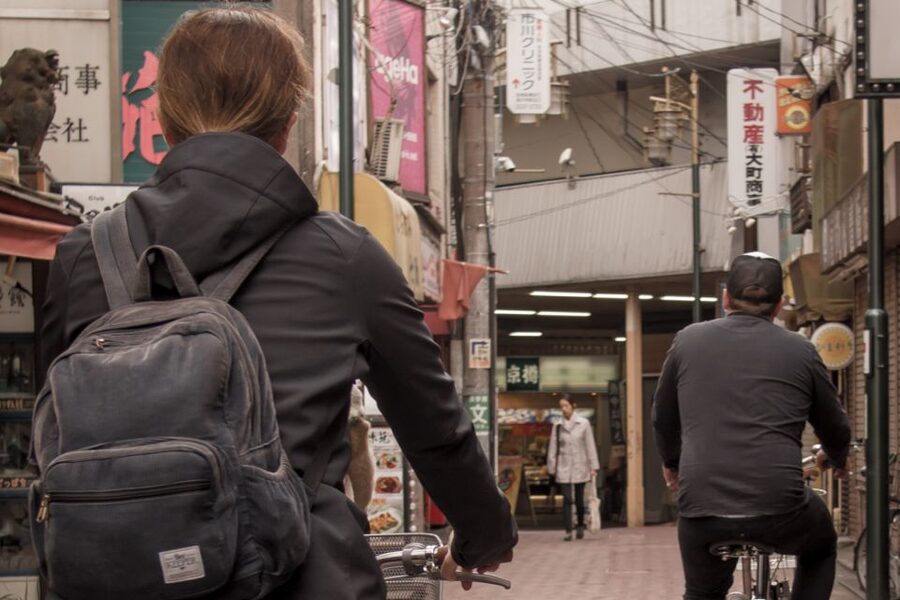
Tokyo can feel like a city of giant stations, glowing signs, and famous crossings. That version is worth seeing, but it tells only part of the story. On the west side, the pace changes. You pass residential lanes, small shops, local eating places, and ordinary corners that are easy to miss from a train window.
A bicycle helps you connect these areas. You cover more ground than you would on foot, but you move slowly enough to notice the details. A narrow turn, a riverside path, or a small neighborhood shopping area becomes part of the experience rather than something you rush past.
The tour also gives you a practical look at Japanese bicycle culture. The mamachari is not a sleek racing bike. It is the everyday bicycle many people use for errands, short trips, and local travel. Some bikes may feel creaky or squeaky, but they are described as well maintained and easy to ride. The front basket is useful for small personal items and adds to the ordinary, lived-in feel.
Your guide, Andy, is an Australian living in Japan who brings humor and a strong grasp of local customs. He is especially useful if you want more than place names. He can explain why people behave in certain ways, how neighborhood life works, and what you are eating. Several comments about the tour praise his patience, local insight, and willingness to answer unusual questions.
A few more food tours in Tokyo worth a look
- Rome by Night – Ebike Small Group Tour – Food and Wine (Option)
★ 5.0 · 1,275 reviews - Rome by Night: E-bike Small Group Tour -Food & Wine (Option)
★ 4.9 · 1,233 reviews - Bangkok: Must-Try Hidden Bike & Food Experience
★ 4.9 · 613 reviews
Starting at Koenji Station
The meeting point is directly outside the ticket gates at Koenji Station. You should arrive five minutes before departure and look for a guide wearing a baseball cap. The tour leaves on time, so this is not the moment to test Tokyo’s famous rail efficiency by arriving at the last second.
Koenji is on the JR network, about six minutes from Shinjuku and 18 minutes from Shibuya. That makes the meeting point easy to reach from many central Tokyo hotels. It is also a useful first look at the west side, since you begin in a quieter suburban setting rather than at a major sightseeing hub.
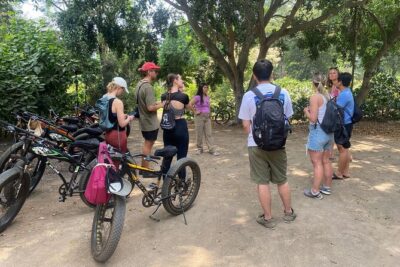
After a short introduction, you get set up with a mamachari bicycle. You should be comfortable controlling a bike around occasional crowds, tight corners, narrow streets, and uneven surfaces. The pace is described as leisurely, but leisurely does not mean completely effortless. You still need to pay attention to pedestrians, other cyclists, and local traffic.
The height guideline is at least 140 centimeters, or about 4 feet 7 inches, for a comfortable fit. Children under 10 are not accepted. The tour is best for people who already ride bicycles with confidence, not for someone hoping to learn during the outing.
Nakano by bicycle: local streets instead of headline sights
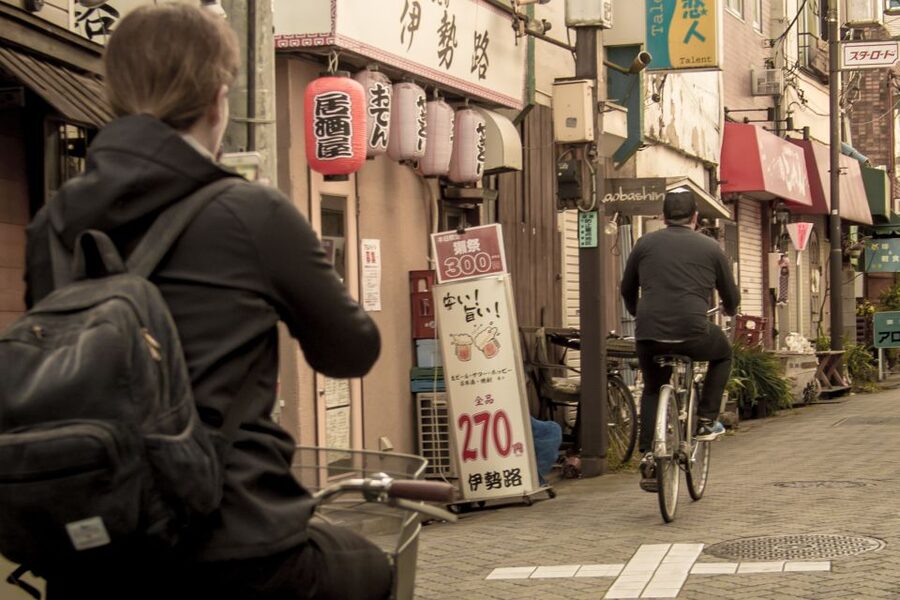
Nakano is one of the first major areas on the route. The tour does not treat it as a checklist of famous sights. Instead, you ride through the local streets and see how the neighborhood fits together.
That is the strength of this kind of outing. You do not need every stop to be a major attraction. The value comes from seeing the smaller connections between places: a residential road leading toward a busier activity area, a turn into a narrow lane, or a sudden change from shopfronts to homes.
Andy’s commentary adds context as you go. He explains local habits and points out features you might otherwise pass without noticing. Past stops have included architectural points of interest and everyday details that help make the area easier to understand.
The bicycle can also take you into spaces that feel awkward on foot or inaccessible by tour vehicle. You move through twisting backstreets and stop when the group needs to gather. That makes the route feel less like a ride between attractions and more like an introduction to the way the neighborhoods actually function.
Do keep your expectations realistic. This is not a grand architectural tour, and no exact list of buildings or landmarks is promised. If you want Tokyo’s famous towers, temples, and major museums, choose a different experience. If you want a closer look at how people live between those headline sights, Nakano is a strong start.
Koenji’s food, lanes, and everyday rhythm
Koenji brings a slightly more active feel to the route, with local activity hubs and plenty of places where people stop to eat or shop. The tour uses the area to connect cycling with food, culture, and daily routine.
One of the most useful parts is learning how bicycle parking works. Tokyo does not simply allow bikes to be left anywhere. Parking systems, fees, and neighborhood rules are part of city life, and the tour includes bicycle parking costs. That small detail matters because it gives you information you can use later if you rent a bike or notice how carefully bicycles are stored.
The route may include sharper turns and tight passages. One description of the outing called it adventure-filled, with some sharp corners, so you should not picture a straight ride on a broad, empty road. The reward is access to streets where a bus or large group could not go.
Koenji is also where the food side becomes especially useful. You stop for popular local snacks and later eat a simple Japanese lunch. One lunch stop has been a small noodle bar, where you may find yourself sharing limited counter space with local office workers. That setting is part of the appeal. You are not being served a formal tasting menu. You are being shown how an ordinary meal can fit into the day.
The food is intentionally uncomplicated. That makes the experience approachable, but it also means you should not book it expecting a custom menu or a long restaurant visit. The tour does not cater to personal tastes, allergies, or dietary requirements. Vegans and people with food allergies should not book.
Same city, a different table:
- Tokyo: Shinjuku Food Tour (13 Dishes at 4 Local Eateries)
★ 5.0 · 6,603 reviews - Sushi Making Tokyo Roll and Authentic Japanese Sushi Class
★ 5.0 · 3,971 reviews - Tokyo Tsukiji Fish Market Food and Culture Walking Tour
★ 5.0 · 3,184 reviews - Tokyo: Shinjuku Food Tour (15 Dishes and 4 Eateries)
★ 4.9 · 2,033 reviews
Asagaya and the riverside ride
Asagaya adds another layer to the west-side route. You continue through local streets and may ride beside the river, giving you a change from the tighter urban lanes. Riverside cycling paths offer room to settle into the rhythm of the ride, although the tour remains an outdoor activity and conditions can change.
The three neighborhoods work well together because they show different versions of inner west Tokyo. Nakano gives you a broad local introduction, Koenji brings food and activity, and Asagaya helps complete the picture of a connected suburban district. You are not simply visiting three isolated names on a map. You are moving between them in the way a local cyclist might.
The route covers approximately 12 to 15 kilometers. That distance is manageable at a relaxed pace for a competent cyclist, but it still takes time and energy. Add in stops, food, street crossings, and walking, and the 210-minute duration makes sense.
You should wear comfortable clothing and shoes suitable for both riding and walking. Bring a passport or identification card, hand sanitizer or tissues, and a garbage bag. The last item may sound odd, but Tokyo expects people to manage their own rubbish, and food stops do not always mean a nearby bin.
What the food package is really worth
At $110 per person, this is not the cheapest way to spend half a day in Tokyo. The value depends on what you want from a tour.
You receive a bicycle, an English-speaking guide, a simple lunch, two street food items, one bottled drink, bicycle parking fees, and cycling liability insurance. You also avoid the work of planning a route through three neighborhoods and figuring out where to stop for food.
The strongest value is the local explanation. You could rent a bicycle and ride around the west side for less money, but you would not necessarily know which streets to use, how bicycle parking works, or what the snacks and customs mean. You might also spend time navigating instead of noticing the neighborhoods.
The food is a pleasant bonus rather than the sole reason to book. The lunch is described as simple but delicious, and the snacks include sweet treats. If you measure value by the number of dishes or the size of the meal, you may find the price high. If you see the food as part of a guided introduction to local life, the package makes more sense.
The fixed menu is the clear limitation. Personal tastes, allergies, and dietary needs are not accommodated. This is worth checking carefully before payment, since bringing your own alternative food may not solve the issue during a moving group tour.
Riding comfort, weather, and group size
The mamachari bikes are a major part of the experience. They are practical city bikes with front baskets, rather than performance bicycles. That suits the route, since you are riding at a leisurely pace and stopping often.
Still, a basic bicycle will not remove the need for balance and awareness. You will ride on narrow and crowded streets at times, along with uneven surfaces. If you are nervous in traffic or have not ridden for years, this may not be the relaxed outing you imagine.
The tour generally goes ahead in rain. You should expect the possibility of getting wet and dress accordingly. There is no promise of a weather-free alternative, so check the forecast and decide if you are comfortable spending several hours outdoors.
Private and small-group options are available. The small-group format should suit people who like conversation and a shared experience without joining a large coach tour. A private option may be better if you want a more personal pace, though the supplied details do not specify how much the private format costs or how much the route changes.
The English guide is another major strength. Andy has been praised for combining Australian humor with Japanese cultural insight, and for sending extra recommendations after the ride. That kind of follow-up can be helpful if you want to continue exploring Koenji, Nakano, or Asagaya after the tour.
Who should book this Tokyo bike tour?
I would point this tour toward several types of visitors:
- You have already seen the major central sights and want a different side of Tokyo.
- You enjoy learning how cities work, not just taking photographs of famous places.
- You are comfortable riding 12 to 15 kilometers in an urban setting.
- You like simple local food and do not need a customized menu.
- You want an English-speaking guide who can explain customs as well as directions.
- You prefer small groups and neighborhood experiences over large sightseeing circuits.
I would skip it if you have food allergies, follow a vegan diet, dislike cycling near pedestrians, or want a polished bike with a sporty feel. I would also choose a walking or food-only tour if rain would spoil your day.
The tour can work well early in a Japan trip because it gives you useful context for later meals, bicycle parking, vending machines, and neighborhood travel. It can also make a good final-day activity if you want something relaxed and local rather than another major attraction.
Practical details before you reserve
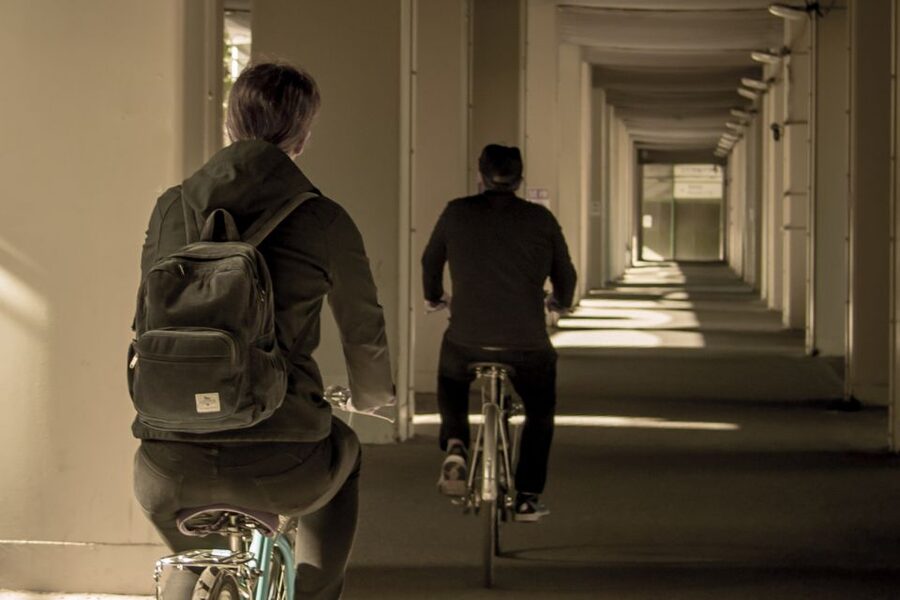
The experience lasts 210 minutes, or three and a half hours. Starting times vary, so check availability when booking. English is the tour language.
The meeting point is outside the Koenji Station ticket gates. Arrive five minutes early, find the guide in a baseball cap, and be ready to leave on time. Do not count on joining later if you miss the departure.
Bring identification, tissues or hand sanitizer, and a garbage bag. Wear clothes that are comfortable for cycling and walking, and prepare for rain. The tour includes one bottled drink, but you may want to carry extra water if you normally drink more during outdoor activities.
Cancellation is free up to 24 hours before the start time, and you can reserve now and pay later. That flexibility is useful when Tokyo plans are still changing.
Should you book it?
Book this tour if you want a practical, food-focused look at Tokyo away from the major sightseeing routes. The combination of mamachari cycling, local snacks, a noodle lunch, and Andy’s explanations gives you a strong sense of ordinary west-side life in a short amount of time.
Skip it if you need dietary flexibility or are not a confident urban cyclist. For everyone else, the $110 price is reasonable when you value the route planning, food, parking, insurance, and local guidance. The best reason to book is simple: you will see parts of Tokyo that are easy to miss, and you will leave with a better idea of how the city works at street level.
FAQ
How long does the Tokyo cycling and food tour last?
The tour lasts 210 minutes, or three and a half hours.
Where does the tour meet?
It begins directly outside the ticket gates at Koenji Station on the JR Train Network.
How early should I arrive?
You should arrive five minutes before the scheduled start time. The tour departs on time.
How far do you cycle?
You should expect to cycle about 7.5 to 9.5 miles, or 12 to 15 kilometers, at a leisurely pace.
What neighborhoods does the tour visit?
The route explores Nakano, Koenji, and Asagaya in west Tokyo.
What food and drinks are included?
The price includes a simple local lunch, two street food items, and one bottled drink.
Is the tour suitable for vegans or people with food allergies?
No. The experience does not cater to vegan diets, food allergies, or other personal dietary requirements.
What should I bring?
Bring a passport or identification card, hand sanitizer or tissues, and a garbage bag. You should also prepare for the possibility of rain.
Can I cancel the booking?
Yes. You can cancel up to 24 hours before the experience for a full refund. Reserve now and pay later is also available.
Just added in Tokyo
- Tokyo: Allstar Food Tour★ 4.7 · 29 reviews
- Tokyo: Togoshi Ginza Street Food Tour★ 5.0 · 34 reviews
- Tokyo Tsukiji Food & Culture Private Tour Licensed Guide★ 4.9 · 28 reviews
- Tokyo: Wagyu and Sushi Gastronomic Journey★ 4.3 · 24 reviews
- Tokyo: Sushi and Ramen Cooking Class with Sake Pairing Set★ 5.0 · 81 reviews
- Tokyo: Sushi Making Class★ 4.9 · 390 reviews
- Tokyo: Ramen Tasting Tour with 6 Mini Bowls of Ramen★ 4.9 · 432 reviews
- Tokyo: Shibuya Food Tour (13 dishes and 4 Eateries)★ 5.0 · 178 reviews
Cycling Tours, compared.
Rome by Night – Ebike Small Group Tour – Food and Wine (Option)
Read our review →
Rome by Night: E-bike Small Group Tour -Food & Wine (Option)
Read our review →
Browse the lists this tour appears in