
REVIEW · BEIJING FOOD TOURS
Beijing: Hutong Culinary Walking Tour with 15+ Tastings
Beijing is best tasted one small bite at a time. This three to four hour walk through the Hutongs combines 15 or more local tastings with stories about neighborhood life, Chinese food customs, and everyday eating habits. You move between handpicked local restaurants and snack shops rather than sitting down for one long meal, so the experience feels like a guided introduction to Beijing’s food culture.
I like the flexible food choices, especially if you want to try something adventurous without being pushed into it. I also like the private-group format and the way guides such as Jimmy, Anson, Lucy, Mike, Miko, Andy, and Allen adjust the stops to suit your tastes. The main consideration is the sheer amount of food. You should arrive very hungry, and anyone with a small appetite may find the pace demanding.
Key points at a glance
- Meet at Dongsi Subway Station Exit B: The central meeting point is easy to reach by subway or taxi, and your guide waits with a sign bearing your name.
- More than 15 tastings: Expect a broad mix of savory snacks, sweets, noodles, dumplings, hot pot ingredients, drinks, and grilled food.
- A real Hutong walk: Between bites, you stroll quiet alleyways and hear about Beijing neighborhoods, street vendors, food customs, and daily life.
- Flexible food planning: You can request classic dishes, avoid foods you have already tried, or ask about more unusual choices.
- Private English-language tour: The private format makes it easier to ask questions and discuss allergies, dislikes, vegetarian needs, or adventurous food choices.
- Best tip: Do not eat for several hours beforehand. Several people finished the tour feeling very full, which is exactly what the 15-plus tasting promise suggests.
Starting at Dongsi and entering the Hutongs
The tour begins at Dongsi Subway Station Exit B. This is a practical meeting point because you can reach it by subway or taxi. If you take a taxi, the suggested Chinese phrase is 请带我去东四地铁B出口附近, meaning please take me near Dongsi Subway Station Exit B.
Your guide waits with a sign showing your name. That small detail matters in a busy city, particularly if you are arriving after a long flight or dealing with a new phone connection. Hotel pickup is also available if you choose the private transfer option, with the guide meeting you in your hotel lobby.
From Dongsi, the walk moves into Hutong lanes. These narrow passages give the food stops a useful setting. You are not simply eating dishes in isolation. You hear how food fits into local routines, how Beijing snacks developed, and how to behave at casual restaurants and food stalls.
The alley walk also gives the tour some breathing room between tastings. Still, this is primarily a food experience, not a formal architecture tour. The neighborhood stories support the meal rather than replace it.
More Food Walking Tours in China
- Beijing Private Hutong Food Walking Tour
★ 5.0 · 299 reviews - Beijing Walking Food Tour with a Local Friend
★ 5.0 · 73 reviews - Experience Beijing Walking Food Tour Private
★ 5.0 · 56 reviews
Sesame cakes, fried twists, and the first local bites
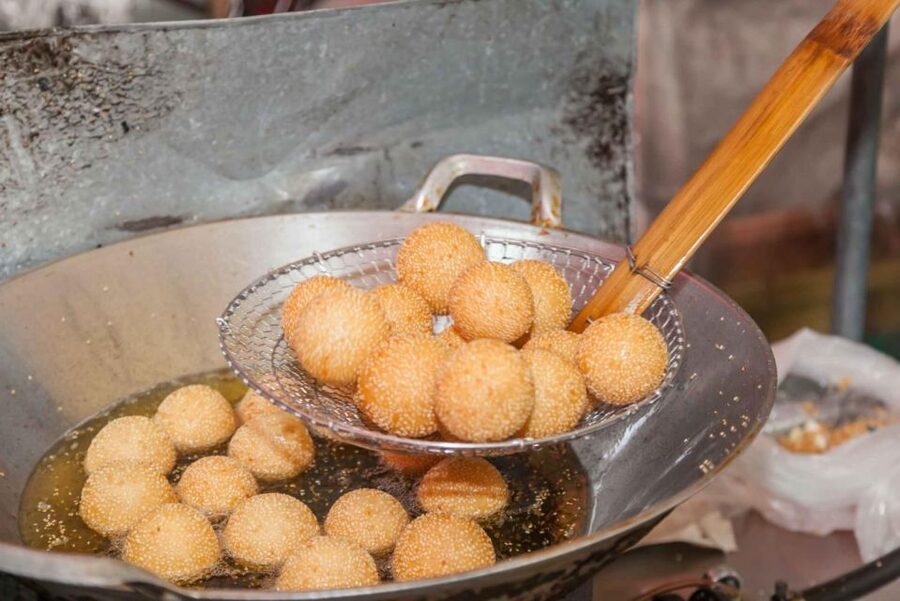
Early stops may include sesame cakes, ma hua, and other small Beijing snacks. Sesame cakes can be sweet, sometimes using honey, while ma hua is a fried dough twist with a crisp texture.
These first foods are useful introductions because they show how much Chinese snacking differs from the Western idea of a single breakfast, lunch, or dinner dish. You get small portions, contrasting textures, and foods designed for sharing or eating on the move.
The exact shops change from day to day. That flexibility is helpful because the guide can respond to opening hours, local conditions, and your preferences. It also means you should not expect a fixed checklist of identical restaurants every time you book.
If you prefer familiar flavors, tell your guide early. If you want to test your limits, say so as well. The food plan can include more traditional choices instead of stopping only at dishes that are easy for international visitors.
Dumplings, pancakes, and noodles with a local guide
Soup dumplings are one of the likely highlights. They require a little care because the filling can be hot, but they also give you a chance to learn how to eat them properly. Guides explain eating etiquette along the way, which is one of the more useful parts of the experience.
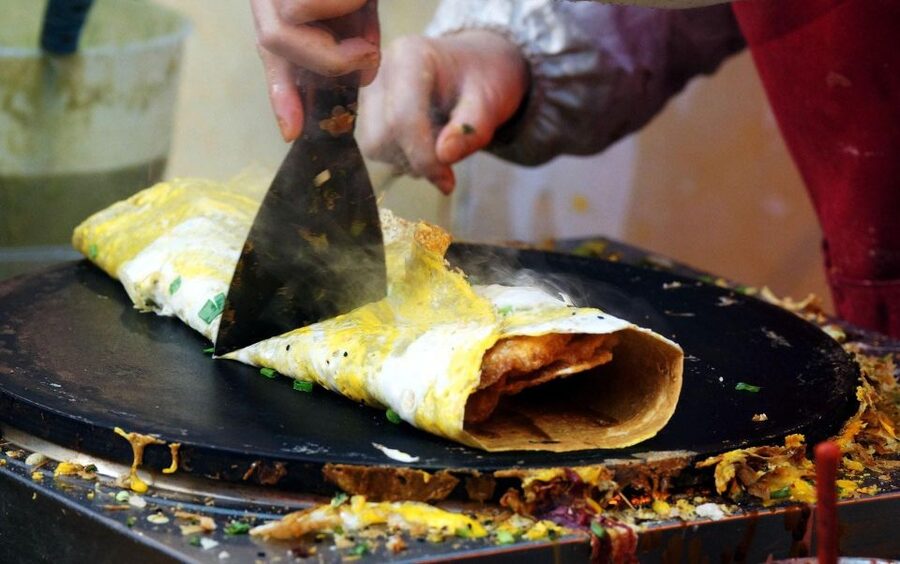
You may also try jianbing, a fried pancake commonly served with savory fillings and sauces. It is a street-style food that works well on a walking tour because it is made quickly and offers a different texture from dumplings and pastries.
Cross Bridge rice noodles add another regional note. The dish comes from Yunnan rather than Beijing, which gives your guide a chance to explain that Chinese food is not one single national cuisine. Regional ingredients, cooking methods, and flavors vary greatly across the country.
Several guides have also included hand-pulled or freshly made noodles, depending on the day’s route. One itinerary included a stop where noodles were made by hand, followed by street food, soup, dumplings, pastries, and a made-to-order soup. You should see this as a tasting route rather than a strict menu.
Hot pot and the pleasure of choosing your ingredients
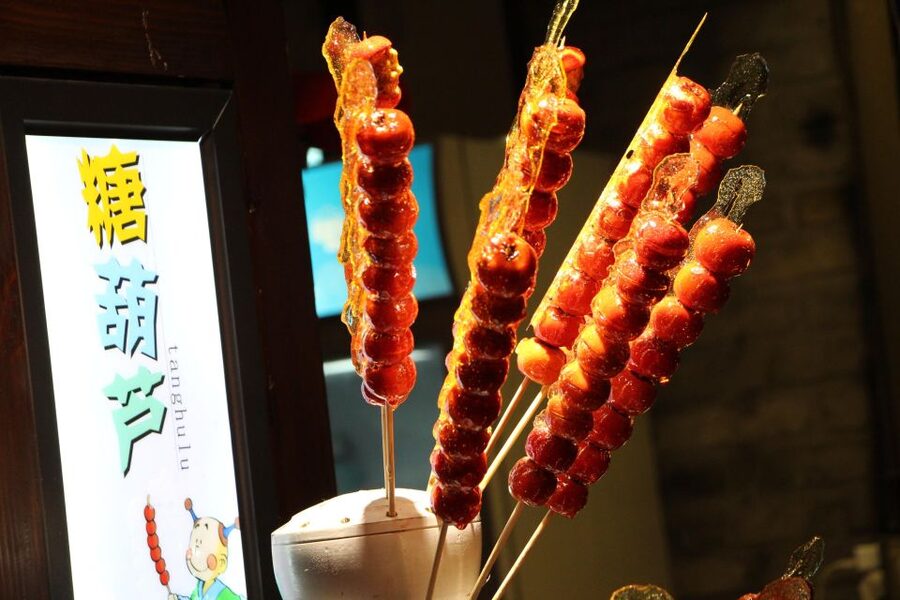
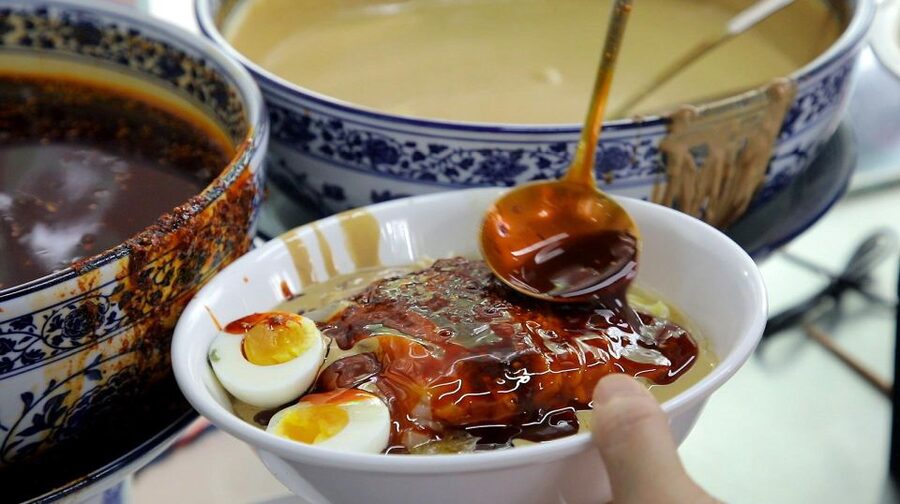
Malatang is a form of hot pot with a spicy soup base. You choose from ingredients such as vegetables, meats, seafood, tofu, and noodles, which are then cooked in the broth.
This can be one of the most enjoyable stops because it gives you control over what goes into your bowl. It is also a good choice for people who want to try unfamiliar vegetables or tofu varieties with an explanation from the guide.
The soup may be spicy, so tell your guide how much heat you prefer. A private tour makes this conversation easier. You can also ask for substitutions if you have dietary restrictions or simply do not like a particular ingredient.
Several food choices can be made with vegetarian needs in mind. One family specifically had a vegetarian child, and the guide made sure suitable dishes were included. Still, you should explain your requirements before the tour begins, since the available foods and stops change daily.
More food walking tours in Beijing:
- Reykjavik Food Walk – Local Foodie Adventure in Iceland
★ 5.0 · 18,952 reviews - New Orleans Food Walking Tour of the French Quarter with Small-Group Option
★ 5.0 · 6,118 reviews - Naples: Street Food Walking Tour with Local Guide
★ 4.9 · 4,976 reviews - Greek Food Walking Tour in Athens
★ 5.0 · 4,740 reviews
Sweets, yogurt, and Beijing’s snack table
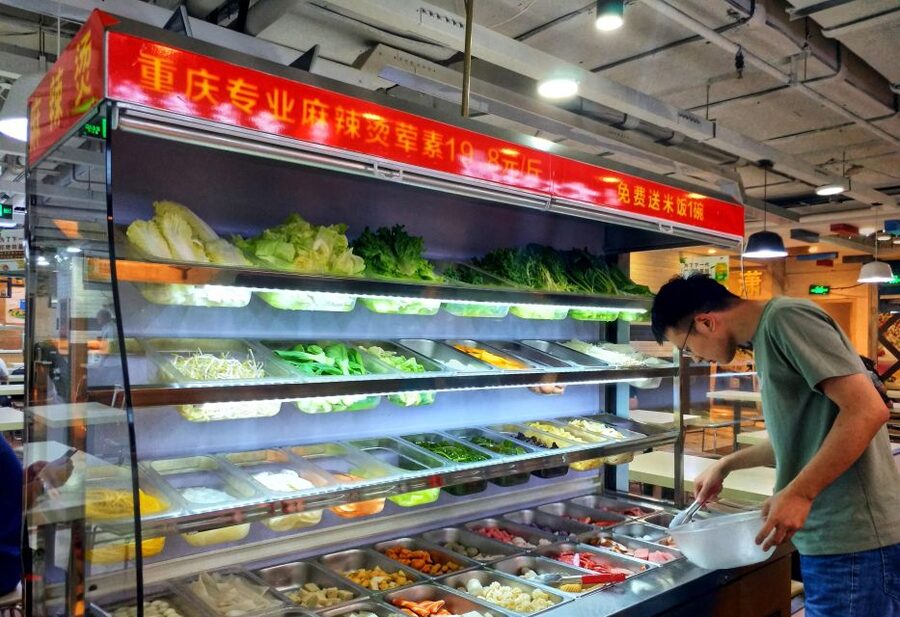
The route is not all meat and spice. Beijing jar yogurt, steamed rice cakes with sweet fillings, pastries, and other local sweets may appear during the walk.
The yogurt is usually served in a small jar and offers a cool, mild contrast to hot dishes. Sweet rice cakes bring a softer, stickier texture, while fried pastries add crunch and richness.
This variety is important. Fifteen tastings does not mean fifteen full meals. Many portions are small, but the range is broad enough to show how Beijing food moves between savory, sweet, crisp, soft, hot, and chilled.
If you already know you like desserts, mention that to your guide. Anson was praised for making sure sweets were included even when a shop was close to closing. That kind of flexibility can make a difference on a food route with changing stops.
Lamb skewers, nang bread, and a glass of baijiu
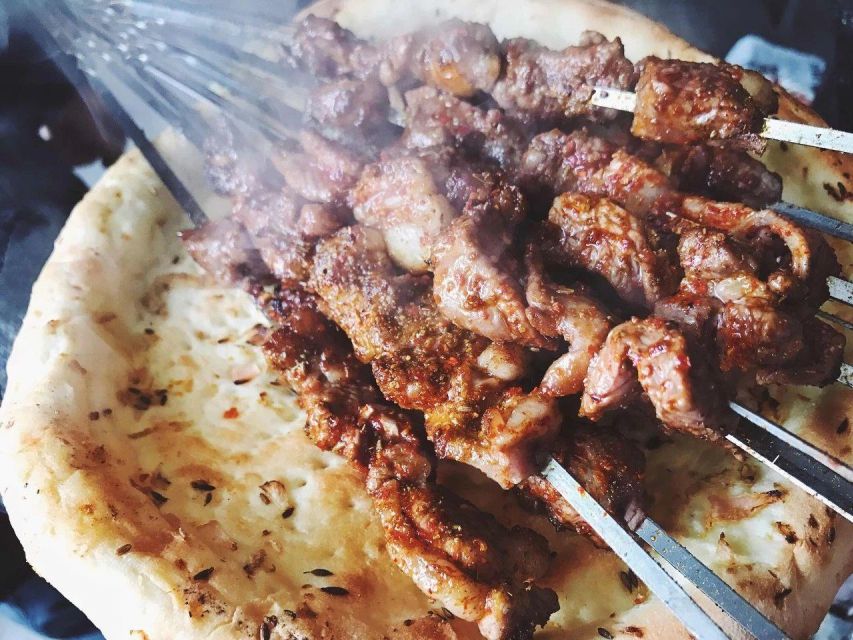
Later in the tour, you may try Xinjiang lamb skewers with nang bread and vegetable kebabs. The combination reflects the influence of western Chinese food traditions in Beijing.
The lamb is grilled, while nang bread gives you something substantial and chewy alongside the skewers. Vegetable kebabs can help balance the meat-heavy portion of the meal.
Baijiu may also be offered. This clear Chinese liquor commonly ranges from 35 to 60 percent alcohol by volume, so even a small tasting deserves caution. If you do not drink, tell your guide. Local soft drinks and bottled water are included, and some experiences have included beer as well, though beer is not listed as a standard inclusion.
The drinks are less about having a large amount and more about understanding how Chinese meals can include strong regional spirits. Baijiu has a powerful aroma and taste, so it is best approached as a cultural sample, not as an obligation.
The adventurous menu is genuinely optional
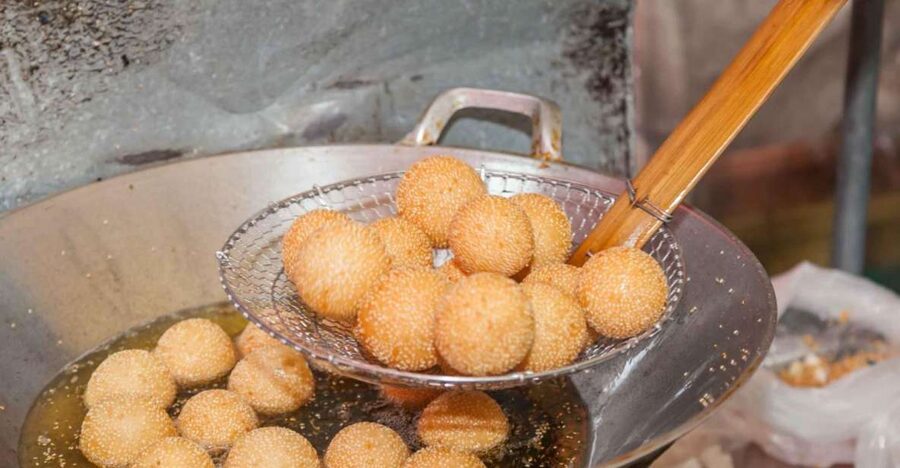
If you want food beyond the standard route, ask about donkey burgers, fried liver, intestine soup, century egg, or bamboo worm. These choices may cost extra, and you should not assume every unusual item will be available on every day.
The guide can also offer substitutes. One person chose not to eat intestines and received an alternative meal instead. That is a sensible approach: you can try one challenging item without turning the whole evening into a test of endurance.
The more adventurous choices are best for people who enjoy unusual textures and regional specialties. If you are cautious with food, there is still plenty to enjoy among the dumplings, pancakes, noodles, hot pot, pastries, lamb, and sweets.
What the guide adds beyond the food
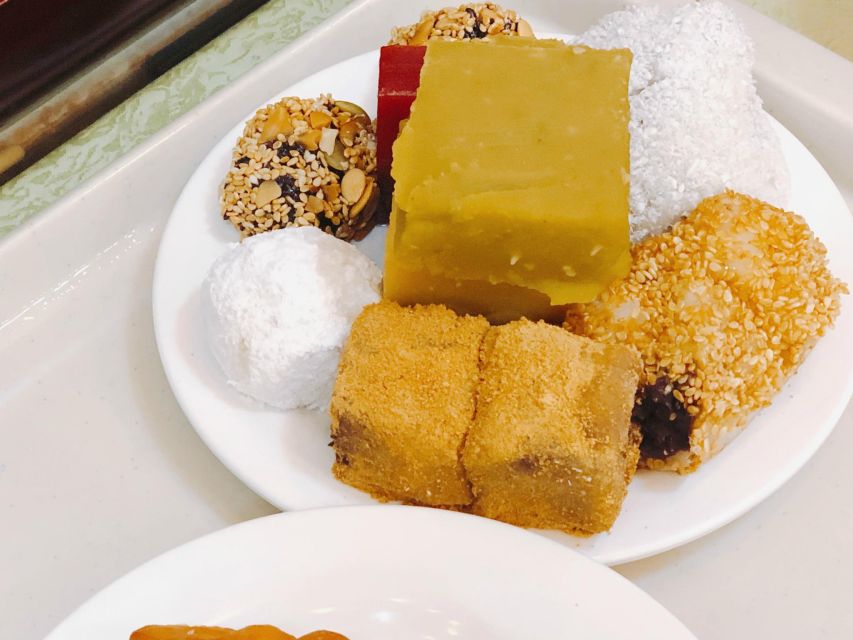
The strongest part of this experience is the guide’s role. The food would still be enjoyable on its own, but a local guide explains what you are eating, how it is served, and why it matters.
Guides have discussed Beijing history, Hutong life, culinary traditions from different Chinese regions, the former role of street vendors, and everyday life in China. They also answer questions about language, local habits, and restaurant etiquette.
The individual guide can shape the mood. Jimmy is noted for his care with families and vegetarian needs. Anson is especially good at combining food explanations with history and conversation. Lucy has been praised for her clear explanations, patience, and ability to tailor stops. Miko and Mike are both associated with friendly food guidance and strong local knowledge, while Andy and Allen are noted for thoughtful selections and easy conversation.
Your experience will naturally vary with the guide assigned to you, but the private format gives you a better chance to set the tone. Ask questions, explain what you have eaten already, and be clear about foods you want to avoid.
Is $76 a fair price?
At $76 per person, the tour is not the cheapest way to eat in Beijing. You could buy individual snacks for far less, especially if you are comfortable ordering without English support and finding local shops yourself.
The value comes from the range, the guidance, and the time saved. Fifteen or more tastings across several stops would be difficult to organize during a first visit, especially if you do not read Chinese or know which small restaurants are worth entering. The tour also includes bottled water and local soft drinks, with hotel transfers available if you choose that option.
For a private food walk lasting three to four hours, the price is reasonable if you care about context and variety. It is less appealing if you want one large sit-down meal, dislike walking between stops, or prefer to make all food choices independently.
Timing, group size, and practical advice
The duration is listed as three to four hours, with starting times subject to availability. The route can include several restaurants and street-food stops, so leave room in your schedule afterward rather than booking another major activity immediately.
Private groups are useful for families, couples, and friends with different food preferences. The guide can adjust the tasting plan more easily than on a large group outing.
Wear comfortable shoes. The route involves walking through Hutong lanes, and weather can affect the experience. One tour continued in heavy rain, while another was especially enjoyable in chilly weather because the warm soup and hot dishes felt welcome. That suggests you should dress for the forecast and bring a light rain layer when needed.
Arrive hungry, but do not arrive dehydrated. The tour includes water and soft drinks, and alcohol is optional. If you have food allergies, vegetarian requirements, or strong dislikes, share them when booking and repeat them at the meeting point.
Cancellation is free up to 24 hours before the experience for a full refund. You can also reserve now and pay later, which helps if your Beijing schedule is still changing.
Who should book this Hutong food walk?
I would recommend it most strongly to first-time visitors who want a quick education in Beijing food. It works particularly well early in your stay because you learn what dishes to look for during the rest of your trip.
It also suits curious eaters who want to try dishes they might walk past on their own. Families can benefit from the private setup, especially when one person is vegetarian or needs substitutions.
You may want to skip it if you have a very limited appetite, do not enjoy frequent food stops, or want a focused tour of Beijing architecture. This is a generous tasting session with a neighborhood walk, not a light snack outing.
Should you book it?
Book this tour if you want variety, local guidance, and flexible food choices in one evening. The combination of Hutong lanes, small restaurants, regional dishes, sweets, hot pot, lamb skewers, and optional unusual foods gives you a useful first look at Chinese eating culture.
I would book it near the start of a Beijing visit, arrive extremely hungry, and tell the guide exactly what you want to try. At $76, the strongest value is not the food alone. It is the confidence to enter unfamiliar places, order a wide range of dishes, and understand what is on the table.
FAQ
Where does the Beijing Hutong food tour meet?
The meeting point is Dongsi Subway Station Exit B. You can reach it by subway or taxi, and the guide waits with a sign showing your name.
How long does the tour last?
The experience lasts approximately three to four hours, with about three hours devoted to eating and walking around the Hutong neighborhood.
How many foods are included?
More than 15 food tastings are included. Possible foods include sesame cakes, fried dough twists, soup dumplings, jar yogurt, rice noodles, jianbing, sweet rice cakes, malatang, lamb skewers, nang bread, and other Beijing snacks.
Is the tour private?
Yes. The experience is offered as a private group tour with a live English-speaking guide.
Can the guide adjust the food choices?
Yes. You can tell the guide if you prefer classic foods, want more adventurous choices, need vegetarian dishes, or wish to avoid foods you have already tried. Stop locations vary each day.
Is hotel pickup available?
Hotel pickup and drop-off are available if you choose the option with a private transfer. The guide waits in your hotel lobby with a sign bearing your name.
Just added in Beijing
- 4-Hour Private Tour: Lama Temple, Confucius Temple, Guozijian Museum with Dim Sum★ 5.0 · 21 reviews
- Online Cooking Class Beijing Dumplings and Cuisine by Sunflowerli Renowned Chef★ 5.0 · 65 reviews
- Beijing Walking Food Tour with a Local Friend★ 5.0 · 73 reviews
- Beijing Hutong Breakfast Food Tour★ 5.0 · 120 reviews
- Experience Beijing Walking Food Tour Private★ 5.0 · 56 reviews
- 3-Hour Private Night Tour: Beijing Foodie Experience★ 5.0 · 53 reviews
- Half-Day Private Beijing Hutong Walking Tour with Dim Sum★ 5.0 · 48 reviews
- Authentic Local Food Tour in Center Beijing★ 5.0 · 26 reviews
Food Walking Tours, compared.
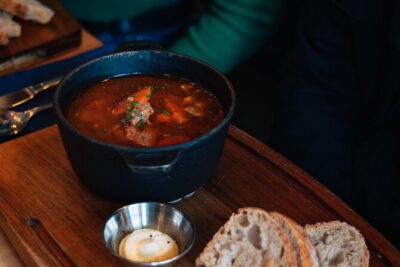
Reykjavik Food Walk – Local Foodie Adventure in Iceland
Read our review →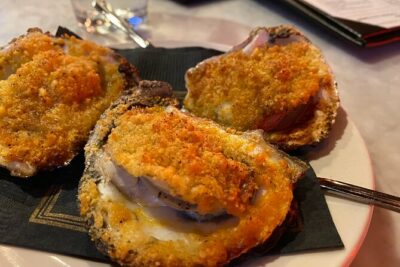
New Orleans Food Walking Tour of the French Quarter with Small-Group Option
Read our review →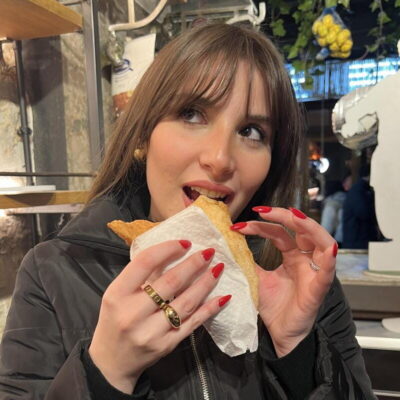
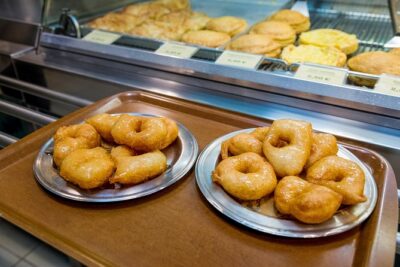
Savannah First Squares Culinary & Cultural Walking Food Tour
Read our review →
Guided Food Walking Tour with Wine in Trastevere
Read our review →
Trastevere & Campo de Fiori Street Food Walking Tour
Read our review →Browse the lists this tour appears in