
REVIEW · BEIJING FOOD TOURS
Beijing: Dumpling Making Workshop with Meal and Tea
Flour, filling, and a seat at the table. This three-hour Beijing workshop gives you a practical taste of Chinese food culture, from kneading and rolling dough to folding dumplings and sharing a meal with tea. I especially like the patient English-speaking instruction and the generous food spread, which includes more than the dumplings you make yourself.
I also like the setting in a traditional Beijing hutong, where the class feels closer to a local meal than a polished cooking demonstration. The main consideration is that not every step may be fully hands-on: some sessions use prepared fillings, and one participant wished the dough itself had been made from scratch. People with food allergies should not book this activity.
Key points to know before booking
- Three hours from 16:30: Plan for an afternoon and evening activity rather than a quick cooking stop.
- Prepared fillings may be used: You learn how to roll, fill, and fold, but the filling preparation can vary.
- More than dumplings: The meal may include local dishes such as kung pao chicken, egg with tomato, cabbage, breaded chicken, desserts, beer, juice, and tea.
- Local instructors matter: Eric, Jenny, Janine, Heyang, Lan, Zoey, and others are praised for clear demonstrations and friendly help.
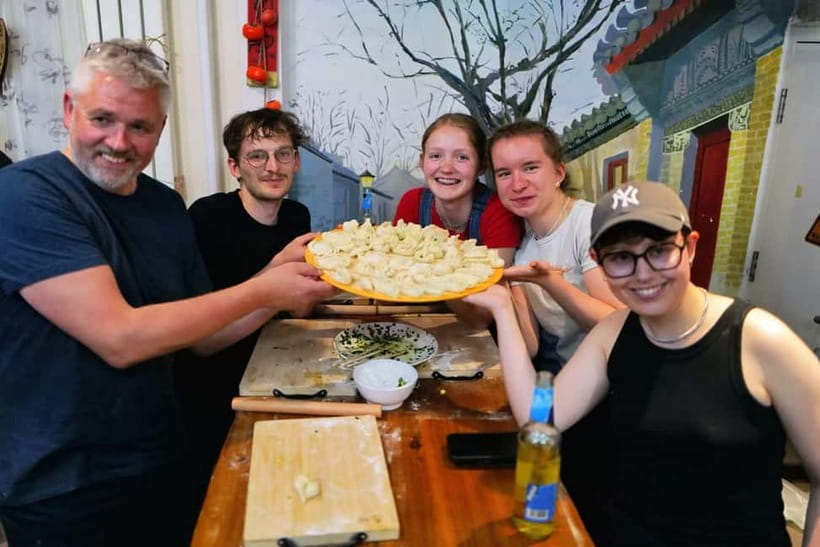
- A social meal follows the class: You eat together as the dumplings are boiled or pan-fried, making this a good choice for couples, families, and solo visitors.
- Good value at $35: The price covers instruction, ingredients, tea, other food, and drinks, though hotel transfers are not included.
Meeting your guides in Beijing
The experience begins at 16:30, with the meeting arranged at a hotel lobby. The supplied directions identify the lobby as the meeting point, and one detailed note places it at the Sacred Hotel, close to the map pin. Check your confirmation carefully before setting out, since this is not a hotel pickup service.
That distinction matters in Beijing. You need to reach the meeting point yourself, and the class requires booking at least 12 hours ahead. There is no need to pay immediately if you choose the reserve-now, pay-later option, and cancellation is free up to 24 hours before the start.
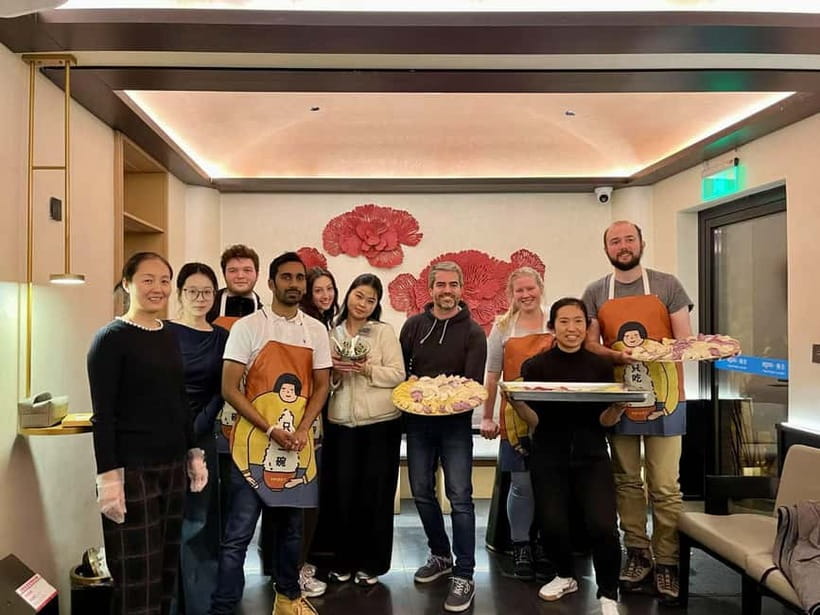
Once you arrive, the tone appears to be relaxed and personal. The instructors work with small groups or shared tables, helping each person copy the folding technique. English is the teaching language, and the feedback is especially strong on clear communication. Raiden found the instructor easy to understand, while Sofi praised Janine’s English and friendly manner.
This is not the right activity if you want a silent, formal lesson. The appeal is the human contact. You sit with other people, make food with your hands, and have time to talk while the dumplings cook.
A few more food tours in Beijing worth a look
- Online Cooking Class Beijing Dumplings and Cuisine by Sunflowerli Renowned Chef
★ 5.0 · 65 reviews - Sushi Making Tokyo Roll and Authentic Japanese Sushi Class
★ 5.0 · 3,971 reviews - Authentic Pizza Making Class in Naples with Appetizers and Drink
★ 5.0 · 3,178 reviews
Rolling dough and learning the folding tricks
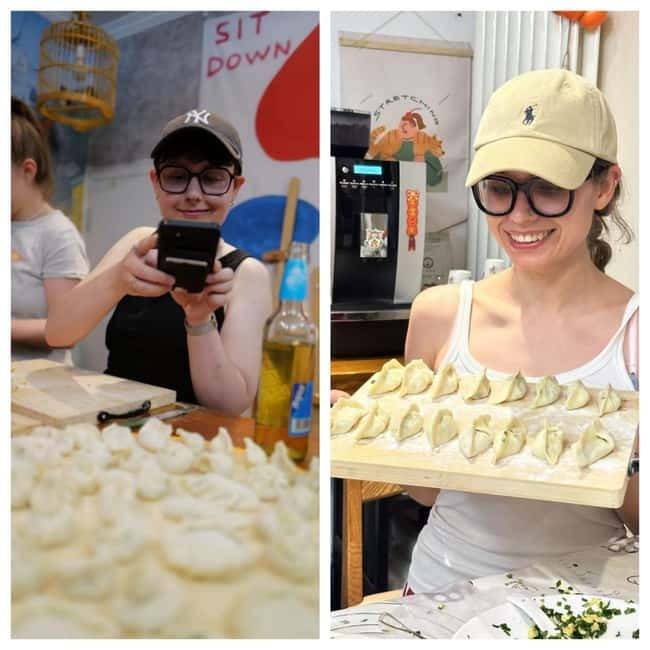
The class centers on the basic dumpling process. You learn how to roll the dough into wrappers, hold one in your palm, add filling, and pinch the edges closed. The instructors demonstrate several folding styles, so you are not limited to producing one plain crescent.
This is where the workshop earns its keep. Dumpling folding looks simple when a skilled cook does it, but the first few attempts can be lopsided or overfilled. The instructors are described as patient, and that patience matters more than fancy equipment. Amy specifically appreciated the step-by-step demonstrations and the willingness of the instructors to keep helping.
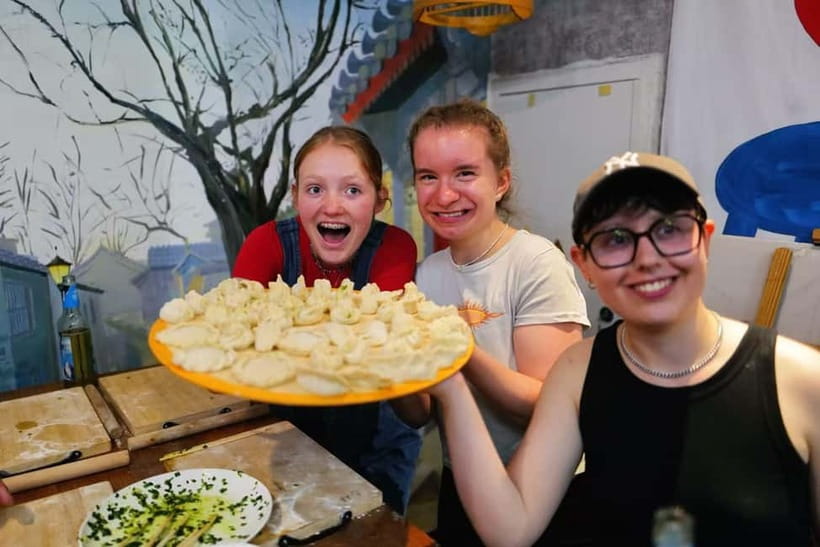
You will likely make a large batch. Matthew described preparing dozens of meat and vegetable dumplings, which gives you enough time to improve. Your first dumpling may look like a small pillow. By the end, your hands should have a better sense of how much filling the wrapper can hold and how firmly the edges need to be sealed.
The class is practical rather than perfectionist. You are not being judged on appearance. The point is to learn a skill you can try again at home, then eat the evidence at dinner.
One detail deserves a clear warning. The advertised experience describes kneading dough and crafting fillings, but the actual hands-on portion may vary. Several participants worked with premade fillings, and one person specifically wished they had made the dough. You may roll and shape the dumplings without handling every part of the preparation from the beginning.
That is not necessarily a flaw. Prepared fillings keep the class moving and leave more time for shaping, conversation, and eating. But if your main goal is a full from-scratch cooking lesson, ask for clarification before booking.
The cultural story behind Beijing dumplings
The class adds context to the food instead of treating dumplings as simple snacks. Your guide explains their place in Chinese cuisine and the symbolism connected with Lunar New Year. The lesson also touches on regional variations, giving you a sense that there is no single correct dumpling style across China.
Dumplings can carry associations with family gatherings, prosperity, and celebration. That makes the folding table more meaningful than a standard restaurant meal. You are not only copying a recipe. You are learning why this food appears at important family occasions and how techniques change from one region to another.
The cultural explanation seems to be woven into the work rather than delivered as a long lecture. That suits the format. Your hands stay busy while the guide explains the food, and you can ask questions as you go.
This part also makes the class useful early in a Beijing visit. It gives you a way to understand an everyday food before you encounter more versions in restaurants and markets. For someone who wants more than sightseeing, the link between food and family tradition is the real reward.
Boiled, pan-fried, and ready for the table
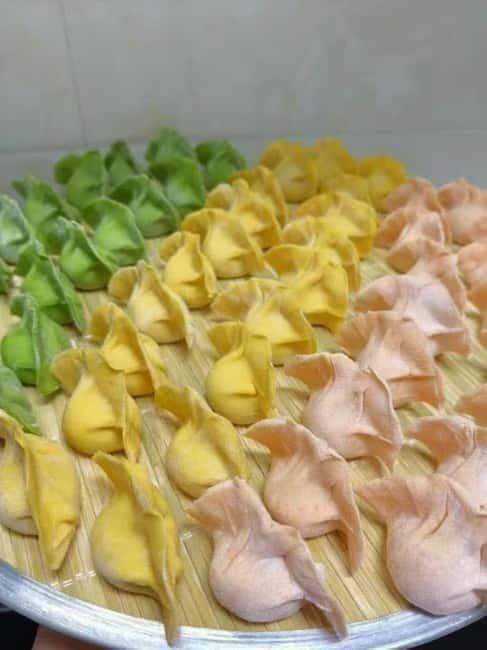
After the folding, the dumplings are cooked for the group. The meal can include both boiled dumplings and crispy pan-fried versions, with the precise balance depending on the session. The contrast is worth noticing: boiled dumplings are soft and tender, while pan-fried ones have a browned underside and a firmer bite.
Your creations are not served alone. The table may also include several traditional local dishes. The food described in the experience includes items such as kung pao chicken, egg and tomato, cabbage, breaded chicken, desserts, and other shared plates. Drinks can include tea, beer, water, and juice.
This generous spread is one of the strongest reasons the $35 price feels fair. You receive a lesson, ingredients, a substantial dinner, and drinks. It is not merely a quick class followed by a token tasting.
The meal is communal, so you should expect to share the table and conversation. That works well for solo visitors who want an easy way to meet people, and for couples or families looking for an activity that does not feel like a lecture. The food gives everyone a common subject, even when the group does not share much language beyond English.
Vegetarian food is possible according to one participant, who found the activity suitable for a vegetarian diet. Still, the available details do not promise a fully vegetarian menu or cover every dietary restriction. If you have a serious allergy, do not book. The activity is specifically marked as unsuitable for people with food allergies.
Same city, a different table:
- Beijing: Hidden Gems Guided Food Tour with Beer and Tastings
★ 4.9 · 306 reviews - Beijing Private Hutong Food Walking Tour
★ 5.0 · 299 reviews - Beijing: Hutong Culinary Walking Tour with 15+ Tastings
★ 5.0 · 162 reviews - Beijing Hutong Breakfast Food Tour
★ 5.0 · 155 reviews
Tea, beer, and a relaxed evening meal
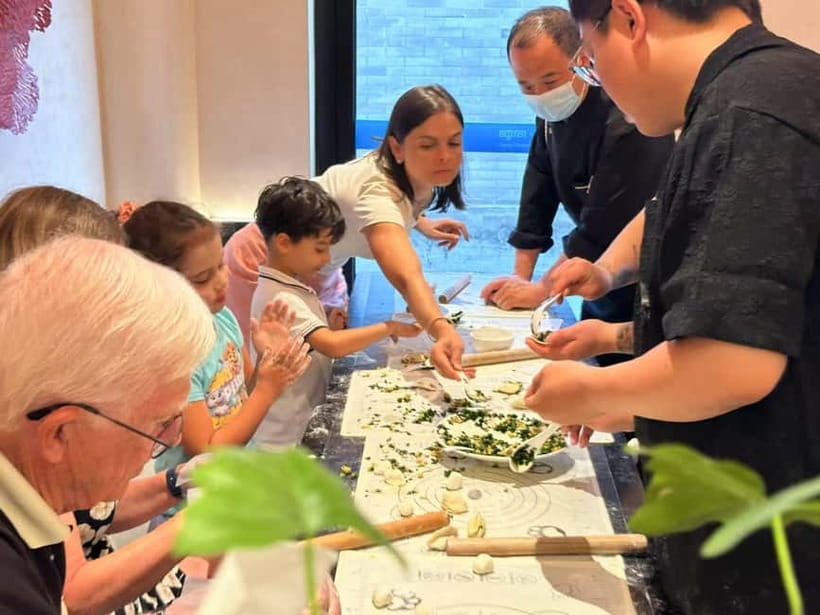
Tea is part of the meal, not an afterthought. You get to try Chinese tea alongside the dumplings and other dishes, giving the dinner a calmer rhythm than a hurried restaurant stop.
Beer and other drinks are also included. That matters if you are comparing the total cost with a standard cooking class, where drinks are often extra. The combination of tea, beer, juice, and shared dishes makes the evening feel generous, though the exact selection can vary.
The best part of this format is the change in pace. The busy work happens first, with flour, wrappers, fillings, and repeated folding. Once the dumplings are cooking, you sit down and talk. The activity shifts from lesson to dinner without requiring you to find another restaurant afterward.
Several instructors are praised by name for creating this friendly mood. Jenny is described as a fun host, while Eric and Zoey are credited with making people feel at home. Heyang and his sister are praised for guiding beginners through the whole process. Janine is noted for her patience, good English, and warm manner.
You should not assume that the same instructor will lead every session, but the pattern is clear: the hosts are an important part of the experience. Their help makes the difference between a pleasant cooking class and a frustrating attempt to fold unfamiliar food.
What the setting adds to the experience
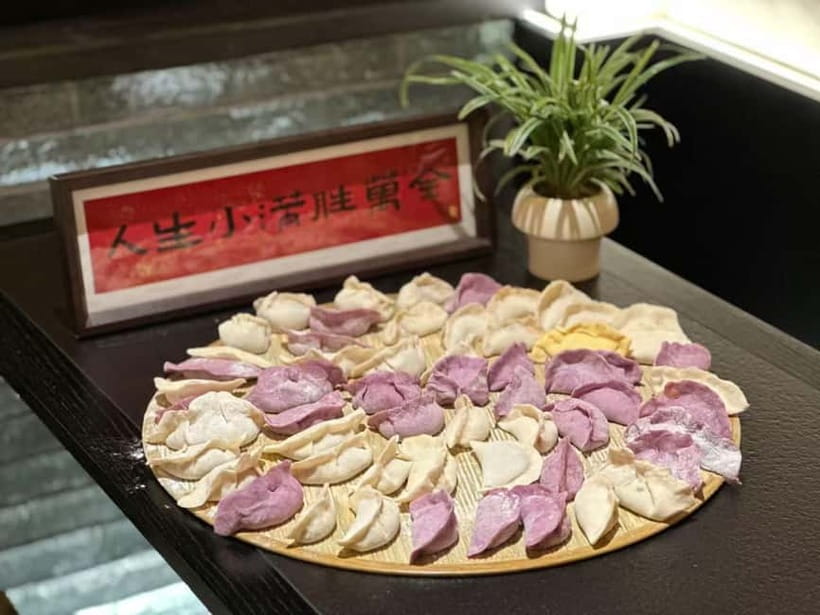
The workshop takes place in a traditional Beijing hutong setting, according to one participant. That detail gives the class a stronger sense of place than a generic hotel kitchen.
A hutong is a traditional neighborhood lane or courtyard area, and its scale can feel more personal than Beijing’s large modern streets. You should not expect a museum-style presentation. The attraction is the everyday setting, shared food, and direct contact with local hosts.
The exact room and group size are not specified, so I would keep expectations flexible. You may find a cozy table and an intimate group, but you should not book this expecting a private chef lesson unless your confirmation says so.
The meeting instructions also deserve care. One participant who got lost in Beijing missed the class, although the host, Leo, tried to help and even delivered dumplings to the hotel. That is unusually kind service, but it is not a substitute for arriving on time. Use the confirmed meeting point, allow extra time, and remember that hotel pickup and drop-off are not included.
Is $35 a good price in Beijing?
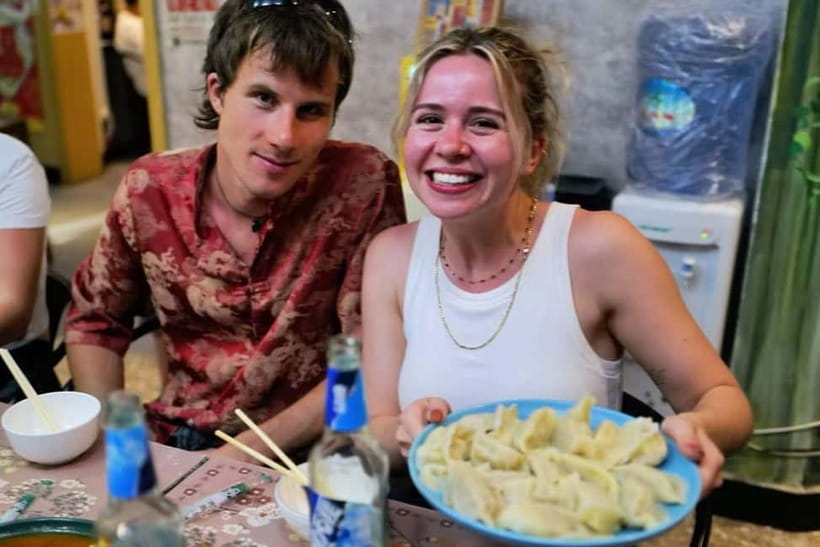
At $35 per person, this is a strong-value evening activity if you want both instruction and dinner. The fee includes the three-hour class, ingredients, tea, other foods, and beverages, including beer. You are also paying for local guidance and the chance to share a meal rather than simply watching a demonstration.
The value is best for someone who would otherwise pay separately for a meal and a cultural activity. Even if you regard the cooking lesson as the main product, the food included afterward makes the cost easier to justify.
The comparison changes if you want advanced culinary training. The class is aimed at beginners, and the filling or dough work may be partly prepared in advance. A specialist cooking school could offer more detailed recipe work, but it would not necessarily provide the same relaxed social meal or hutong setting.
I would also factor in transport. Since you make your own way to the hotel lobby, your local taxi or public transport costs are separate. The activity does not include pickup or drop-off.
Who will enjoy this class most?
I would recommend it most strongly to:
- First-time visitors who want a friendly introduction to Chinese food culture
- Solo visitors who enjoy meeting people over a shared meal
- Couples looking for an evening activity beyond sightseeing
- Families with older children who can follow a hands-on lesson
- Beginners who want a dumpling technique they can repeat at home
- People who enjoy generous meals and trying several dishes in one sitting
It may be less suitable if you want a quiet, private experience, a strict professional cooking lesson, or total control over every ingredient. It is also not suitable for people with food allergies.
Comfortable clothes are the sensible choice. Flour and filling are part of the fun, but you do not need to dress for a formal dinner. Smoking is not allowed.
Should you book the Beijing dumpling workshop?
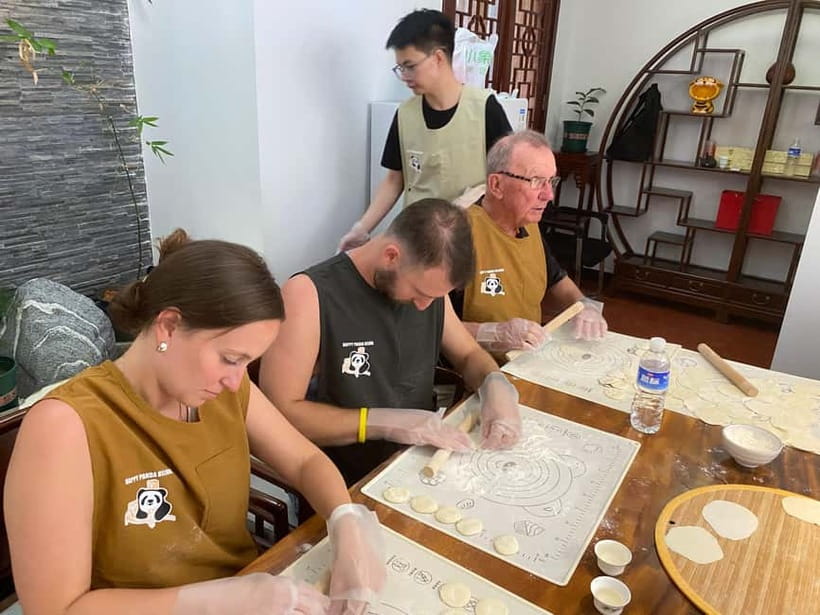
Yes, if you want a social, food-focused evening with clear instruction, plenty to eat, and a real connection to Chinese family traditions. The high rating of 4.7 from 69 reviews fits the strongest features: friendly guides, easy-to-follow demonstrations, good English, generous portions, and a warm group atmosphere.
Book it with realistic expectations. You may not knead every batch of dough or prepare every filling from scratch, and the meeting point requires your own transport. If those limits are acceptable, $35 buys far more than a plate of dumplings. You get a useful cooking skill, a shared Chinese meal, tea, drinks, and an evening that feels personal rather than packaged.
FAQ
How long does the Beijing dumpling workshop last?
The experience lasts three hours and starts at 16:30.
What does the $35 price include?
The price includes the three-hour dumpling-making class, all ingredients, tea with the meal, other foods, and beverages including beer.
Is hotel pickup and drop-off included?
No. You meet the guide at the specified hotel lobby and arrange your own transportation.
Is the workshop taught in English?
Yes. English is the listed language, and the instructors demonstrate the techniques step by step.
Can people with food allergies join?
No. The activity is marked as unsuitable for people with food allergies.
Can I cancel for a full refund?
Yes. You can cancel up to 24 hours in advance for a full refund.
Just added in Beijing
- 4-Hour Private Tour: Lama Temple, Confucius Temple, Guozijian Museum with Dim Sum★ 5.0 · 21 reviews
- Online Cooking Class Beijing Dumplings and Cuisine by Sunflowerli Renowned Chef★ 5.0 · 65 reviews
- Beijing Walking Food Tour with a Local Friend★ 5.0 · 73 reviews
- Beijing Hutong Breakfast Food Tour★ 5.0 · 120 reviews
- Experience Beijing Walking Food Tour Private★ 5.0 · 56 reviews
- 3-Hour Private Night Tour: Beijing Foodie Experience★ 5.0 · 53 reviews
- Half-Day Private Beijing Hutong Walking Tour with Dim Sum★ 5.0 · 48 reviews
- Authentic Local Food Tour in Center Beijing★ 5.0 · 26 reviews
Workshops, compared.
Sushi Making Tokyo Roll and Authentic Japanese Sushi Class
Read our review →
Authentic Pizza Making Class in Naples with Appetizers and Drink
Read our review →
Roll and Authentic Sushi Making Class in Asakusa
Read our review →
Ramen Cooking Class at Ramen Factory in Kyoto
Read our review →
Small Group Cooking Class & Market Food Tour in Florence
Read our review →
Sushi Making Class in a Happi Coat near a Famous Spot
Read our review →
Sushi Making Osaka Roll and Authentic Japanese Sushi Class
Read our review →
Tokyo Sushi Making Class in Tsukiji with Professional Chef
Read our review →Browse the lists this tour appears in