
REVIEW · TOKYO FOOD TOURS
Shinjuku: Food Tour – 15 Dishes at 4 local eateries
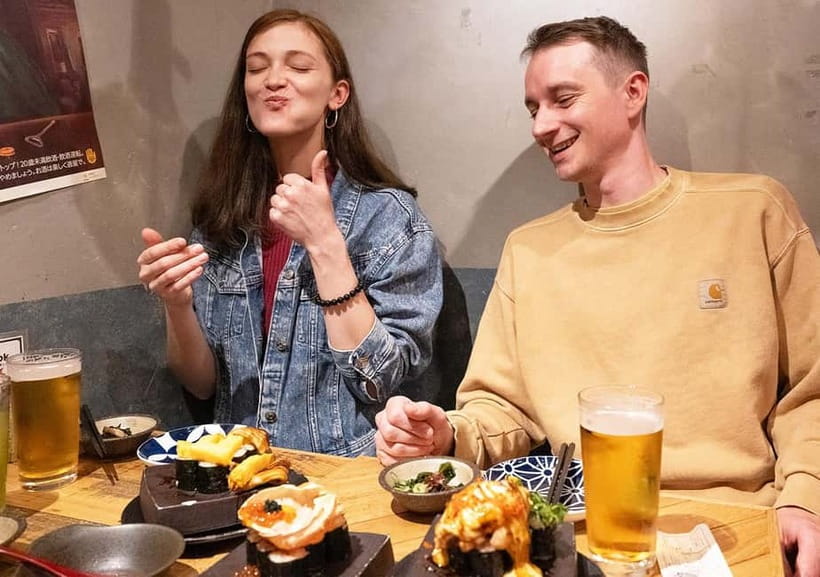
Come hungry, and bring your curiosity. This three-hour Shinjuku food tour combines 15 Japanese dishes at four local eateries with walks through Omoide Yokocho, Kabukicho, and Golden Gai. I like the generous range of food, from sushi and gyoza to kushikatsu, tonkatsu, takoyaki, sake, and other drinks. I also like the local guidance, especially when a guide such as Sota, Ayaka, Shun, or Yuto explains how to read a menu, order politely, and understand the neighborhood around you.
The main consideration is pace. Four stops in three hours means you will eat often and walk between venues, but you will not linger over a long dinner at any one place. The meeting point at Shinjuku Station can also be confusing, so arrive early and look for the guide holding a sign marked Local Guide Stars.
Key things to know before booking
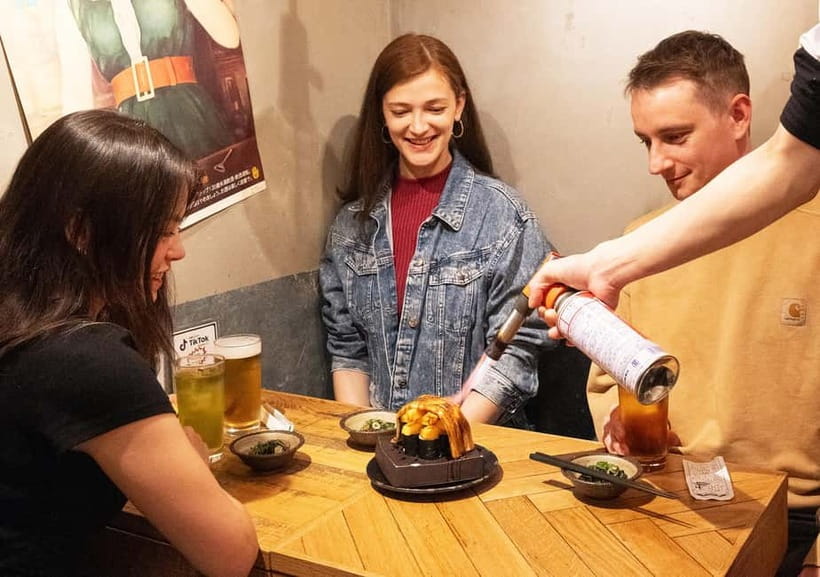
- Four eateries, four different moods: Expect a mix of food stalls, izakayas, specialty restaurants, and bars rather than one formal meal.
- A full dinner, not just tastings: The tour includes up to 15 dishes, with portions described as generous enough for a complete meal.
- Shinjuku after dark: The route covers Omoide Yokocho, Kabukicho, and Golden Gai, with short guided walks between food stops.
- Drinks are part of the experience: The included details specify three alcohol or non-alcoholic drinks, though the summary mentions two, so confirm the current arrangement when booking.
- Strong guide feedback: Guides including Sota, Ayaka, Shun, Sakura, Yuto, and Noa are repeatedly praised for friendly explanations and personal recommendations.
- Useful for first-time visitors: You get help with unfamiliar menus, local etiquette, and dishes you might not order on your own.
Why this works as a first night in Shinjuku
Shinjuku can feel like three different cities piled together. There are enormous station exits, neon streets, small dining alleys, office towers, arcades, bars, and narrow lanes where a tiny restaurant may have only a few seats. A food tour gives you a reason to move through the area instead of simply staring at a map and choosing the brightest sign.
I like that this experience treats food and neighborhood sightseeing as one activity. You are not just carried from restaurant to restaurant. You walk through well-known parts of Shinjuku while your guide explains what you are seeing and points out places that are easy to miss.
The focus is casual Japanese food rather than expensive dining. That is important. If you want a polished tasting menu, this is not the right choice. If you want gyoza at an ordinary eatery, crispy fried food, sushi, sake, and the social energy of an izakaya, the format makes good sense.
The 4.8 rating from 246 reviews also fits the strongest pattern in the feedback: people praise the guides, the variety of food, and the fact that the route reaches places they would not have chosen alone. The food matters, but the guide often makes the evening work.
A few more food tours in Tokyo worth a look
- Tokyo: Shinjuku Food Tour (13 Dishes at 4 Local Eateries)
★ 5.0 · 6,603 reviews - Tokyo Tsukiji Fish Market Food and Culture Walking Tour
★ 5.0 · 3,184 reviews - Tokyo: Shinjuku Food Tour (15 Dishes and 4 Eateries)
★ 4.9 · 2,033 reviews
Meeting at Shinjuku Station East Exit
The tour starts at Shinjuku Station East Exit Police Box, at 3-38-1 Shinjuku, Shinjuku-ku, Tokyo. This is a practical meeting point, but Shinjuku Station is famously large and crowded, so do not leave it until the last minute.
Look for the guide holding a sign marked Local Guide Stars. The operator will contact you through WhatsApp, so download the app before the tour and check that you can receive messages.
I would allow extra time to reach the East Exit. One participant specifically found the meeting point tricky, even though the rest of the evening went smoothly. Once you meet the guide, the route becomes much easier to follow, and the tour returns to the same police box at the end.
The activity is offered in English and Japanese. Guides such as Sota, who has also lived in the United Kingdom, and others praised for clear English can make cultural explanations easier to follow. Guide assignments vary, so you should not expect a particular person unless the operator confirms it.
Omoide Yokocho: small lanes and a quick start
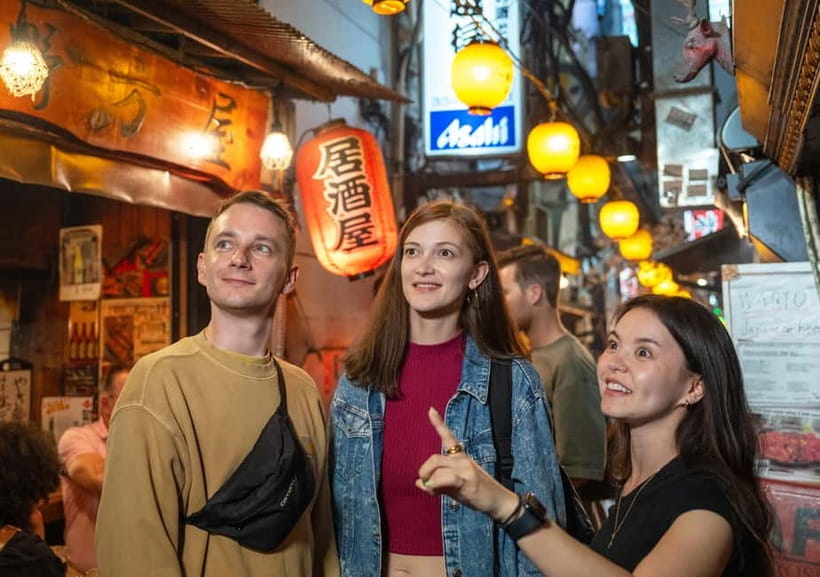
The first major area is Omoide Yokocho, where the tour spends about an hour including dinner and a guided walk. This narrow dining area is one of the best places in Shinjuku to see compact eateries operating close together.
The appeal here is atmosphere and scale. Instead of a large restaurant with a long menu, you may find small counters, food stalls, and simple places focused on a few specialties. The tour description points to dishes such as sushi, gyoza, and other familiar Japanese favorites, though the exact menu changes with the season and restaurant availability.
This is a good point in the evening to ask questions. Your guide can explain what you are eating, how a dish is normally served, and which ingredients or sauces are worth trying first. Several guides have been praised for helping with menus and suggesting foods that people would not have ordered alone.
There is one practical issue. Omoide Yokocho is compact, and the walking space can be tight. If you prefer quiet restaurants and plenty of room around your table, this may feel busy. If you enjoy close-up city scenes and small local dining rooms, it is a strong opening stop.
Kabukicho: food with Shinjuku’s nightlife around you
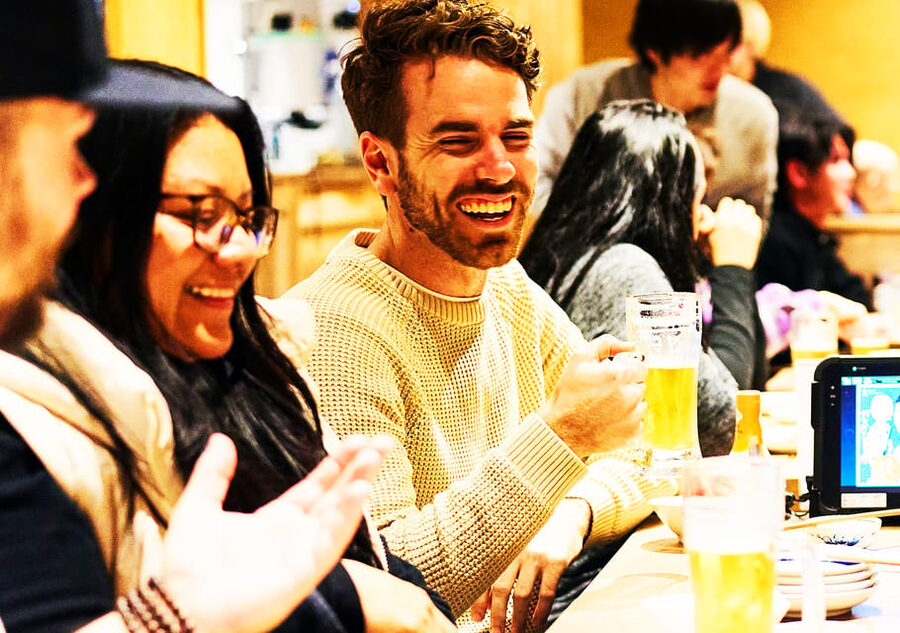
The route continues into Kabukicho, with another hour for dinner and guided walking. This is the part of Shinjuku most associated with nightlife, bright signs, late-night restaurants, arcades, and a constant flow of people.
A guide adds useful context here. Without one, you may see only the signs and crowds. With one, you can hear about the area, understand how its restaurant streets fit together, and find places that are not obvious from the main road.
The food at this stage may include crispy tonkatsu, juicy dumplings, takoyaki, or other Japanese comfort dishes. The selection is not fixed, so think of the examples as a guide to the style rather than a guaranteed menu. The aim is variety, with each restaurant offering a different kind of food and setting.
This stop also shows why the tour is more than a meal. You get a short walking tour through one of Tokyo’s best-known nightlife areas, then sit down to eat. The movement helps break up the meal, though you should wear comfortable shoes and expect city noise.
Families can join, and people under 20 are welcome. Anyone under 20 cannot drink alcohol, so tell the guide if that applies to someone in your group. The experience can still work well for a family with an older teenager, as one account describes a 17-year-old being included in the conversation.
Same city, a different table:
- Sushi Making Tokyo Roll and Authentic Japanese Sushi Class
★ 5.0 · 3,971 reviews - Tokyo: Roll and Authentic Sushi Making Class in Asakusa
★ 4.9 · 1,957 reviews - Best of Shinjuku: Izakaya Food Tour (4 Stops, 14+ Tastings)
★ 5.0 · 1,863 reviews - Tokyo: Sushi Making Class in a Happi Coat near a Famous Spot
★ 4.9 · 1,377 reviews
Golden Gai: the smallest-scale finish
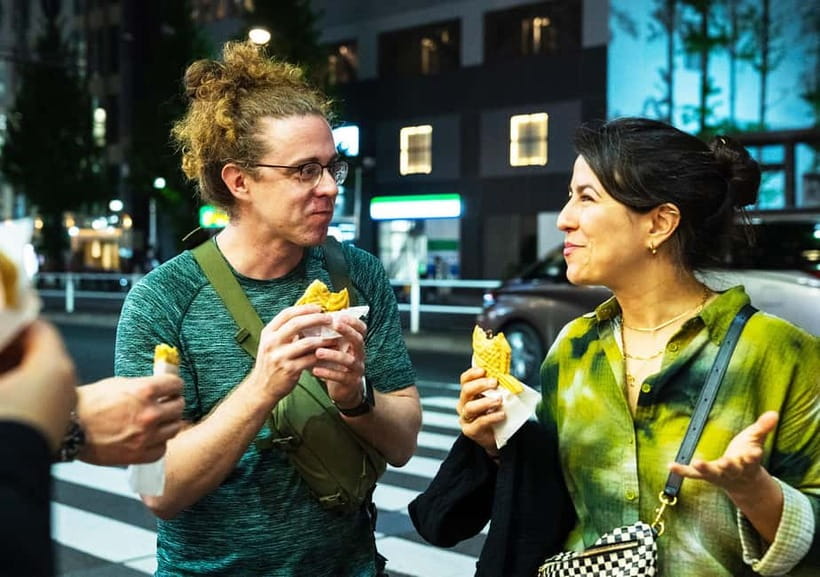
The final area is Golden Gai, again with about an hour for food and a guided walk. This district is known for its narrow lanes and tiny bars, many with only a small number of seats. It has a very different feel from the wide streets and giant station complex nearby.
This is often the most memorable setting of the evening because the surroundings are so compact. You walk through lanes where each doorway suggests another small drinking place. The group format helps here because the guide can choose an appropriate venue and explain what to expect.
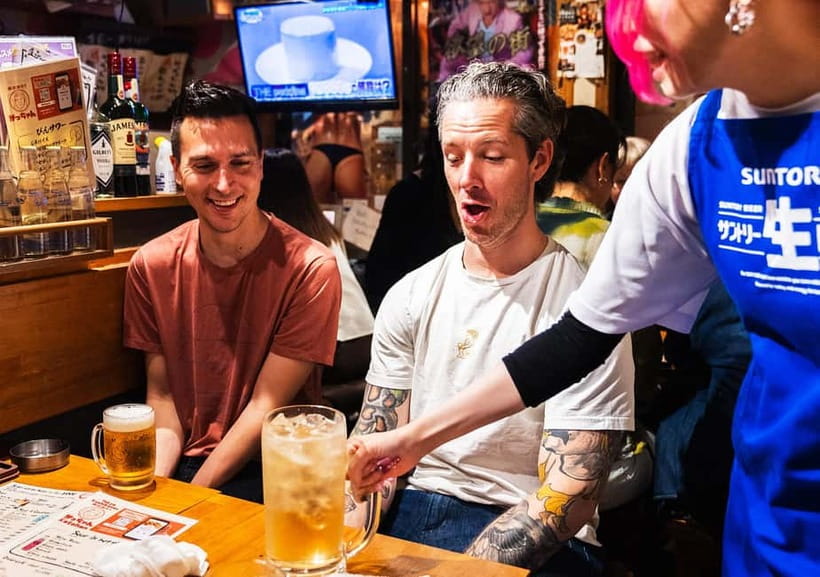
Sake is a key part of the final stretch for some groups. One account describes tasting three different sakes in a sake bar, while another mentions plum wine, highballs, and lemon sours during the evening. The exact drinks vary, but the experience gives you more than one way to sample Japanese beverages.
Golden Gai can also be the least comfortable stop for anyone who dislikes tight spaces or small bars. This is not a wide-open restaurant district. It is better suited to you if you enjoy atmosphere, conversation, and seeing a compact side of Tokyo nightlife.
After the final stop, the group returns to the Shinjuku Station East Exit Police Box. The three-hour schedule is fairly full, but the walk between stops gives you time to digest and talk with the group.
What you may eat and drink
The tour promises up to 15 dishes, enough for a full meal. The stated examples include:
- Fresh sushi
- Crispy kushikatsu
- Tonkatsu
- Gyoza
- Takoyaki
- Other Japanese specialty dishes
- Japanese sake and other alcoholic or non-alcoholic drinks
- Matcha ice cream on some outings
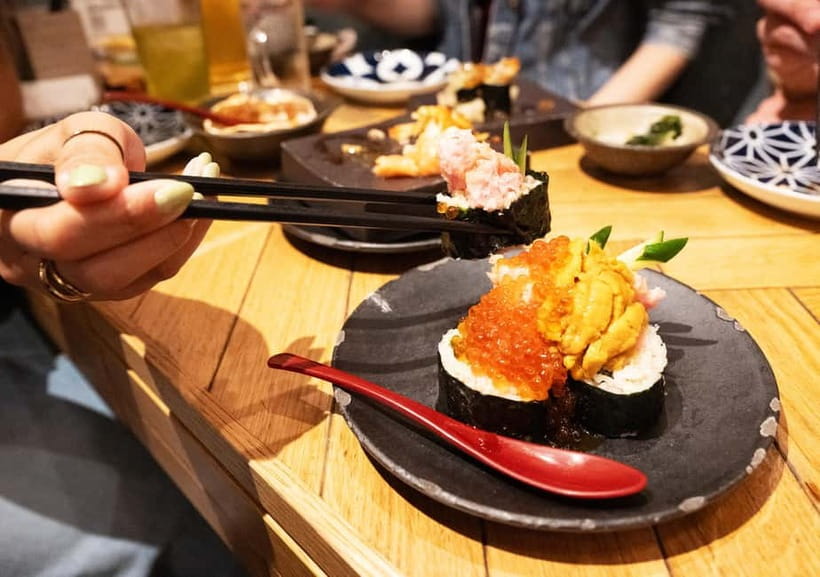
The strength here is range. You might move from raw fish to fried food, dumplings, grilled or battered dishes, and dessert. That makes this more useful than a tour centered on one food, especially if you are still learning what you like in Japanese cuisine.
The menu can change because of the season and restaurant availability. You should not book it expecting a fixed list of 15 named dishes. Instead, think of the number as a promise of quantity and variety within the tour’s style.
Portion size is another positive. Several accounts describe the servings as generous, and one person said the group was very full at the end. The tour is unlikely to replace every meal of your trip, but it should function as dinner rather than a few decorative bites.
Extra food and drinks are not included. The package includes the planned dishes and drinks, but anything additional is at your own cost.
The guide makes the difference
The restaurants matter, but the guide is the part most likely to shape your evening. Strong guides do three jobs: they get you to the right places, explain the food and customs, and keep the group comfortable as you move through busy streets.
Sota is praised for clear explanations, useful recommendations, and a strong sense of humor. Ayaka appears repeatedly in the feedback, with praise for her food knowledge, area tips, energy, and help after the tour. Shun is described as funny, friendly, and especially good at sharing places that are difficult to find without local help.
Other guides, including Sakura, Yuto, Noa, Hannah, Miiko, Rinna, and Akira, are praised for warmth and personal attention. Miiko even followed up with bakery recommendations after the tour, which shows the sort of practical local advice you may receive when the conversation goes beyond the meal.
Do keep expectations realistic. Guide quality can vary from person to person, and the company assigns the guide. The strong record is encouraging, but the exact style of your evening depends on who leads it and on the group itself.
Is $72 good value?
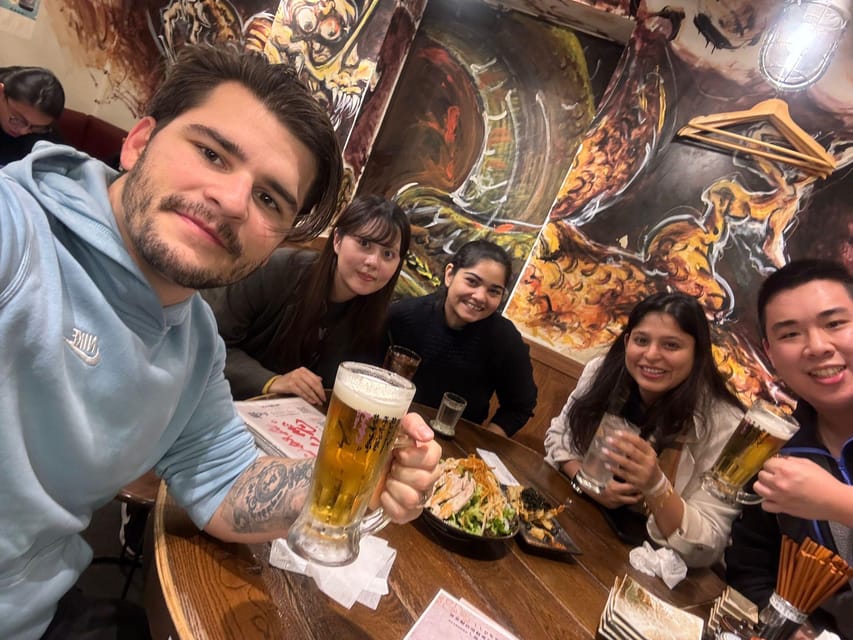
At $72 per person, the value depends on how much you would normally spend on dinner and how much help you want in Shinjuku. You are paying for up to 15 dishes, three drinks according to the inclusion details, four eateries, guided walks, and help with ordering and etiquette.
A self-guided meal might cost less, especially if you choose inexpensive restaurants and skip alcohol. But you would also need to find four suitable places, work out how to order, judge which dishes to share, and navigate Shinjuku at night. For a first evening in Tokyo, that assistance has real value.
The drink count needs clarification. The summary mentions two drinks, while the included section says three drinks, including alcohol and non-alcoholic options. I would confirm the current arrangement before booking, especially if the price is a deciding factor.
The tour is best value for you if you want a complete dinner and a guided introduction to Shinjuku. It is less attractive if you already know the area well, dislike group dining, or prefer choosing every dish yourself.
Who should book this food tour?
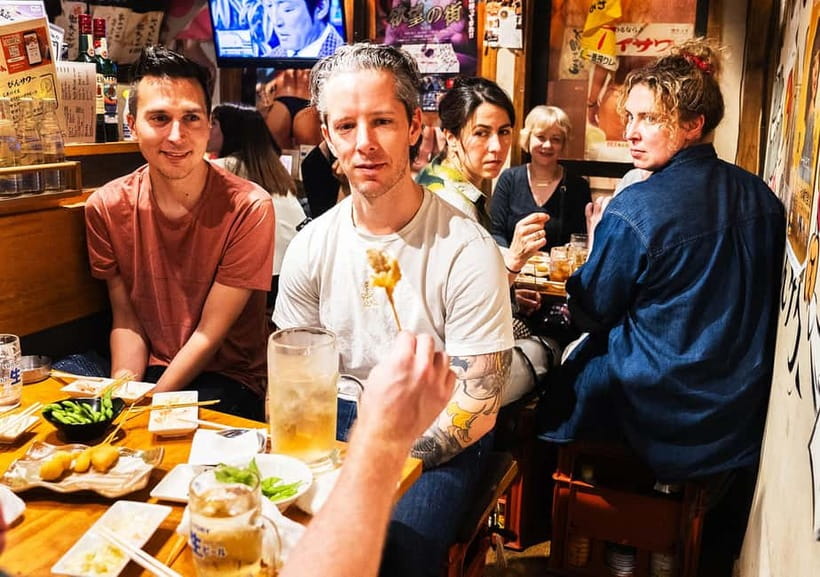
I would recommend it to first-time visitors who want a friendly way into Shinjuku’s food scene. It also suits solo visitors, couples, friends, and families with older children or teenagers who can enjoy the walking and restaurant stops.
It is particularly useful if you feel unsure about Japanese menus. Guides can explain unfamiliar dishes, suggest combinations, and help you try food beyond the safest choices.
You may want a different plan if you have strict dietary requirements, need a fully fixed menu, or want a quiet fine-dining evening. The supplied information does not promise specific allergy, vegetarian, vegan, or halal arrangements, so ask the operator before booking if food restrictions are important.
Book with comfortable shoes, an appetite, and an open mind. The best part is not simply eating 15 dishes. It is learning how the food fits into Shinjuku’s streets, bars, alleys, and everyday evening life.
FAQ
Where does the Shinjuku food tour start?
It starts at the Shinjuku Station East Exit Police Box, at 3-38-1 Shinjuku, Shinjuku-ku, Tokyo.
How do I find the guide?
Look for the guide holding a sign marked Local Guide Stars. The operator will also contact you through WhatsApp, so download the app before the tour.
How long does the experience last?
The tour lasts three hours.
How many dishes are included?
The tour includes up to 15 Japanese dishes, described as enough for a full meal.
How many drinks are included?
The inclusion details state three drinks, including alcoholic and non-alcoholic options. The summary mentions two drinks, so confirm the current number when booking.
Which parts of Shinjuku does the tour visit?
The route includes Omoide Yokocho, Kabukicho, and Golden Gai, followed by a return to the starting point.
Which languages are available?
The tour is offered in English and Japanese.
Can people under 20 join?
Yes. Participants under 20 may join, but they cannot consume alcohol.
Are extra food and drinks included?
No. Additional food and drinks are not included in the tour price.
Can I cancel for a full refund?
You can cancel up to 24 hours in advance for a full refund.
Just added in Tokyo
- Tokyo: Allstar Food Tour★ 4.7 · 29 reviews
- Tokyo: West-Side Cycling and Food Tour with Guide★ 5.0 · 37 reviews
- Tokyo: Togoshi Ginza Street Food Tour★ 5.0 · 34 reviews
- Tokyo Tsukiji Food & Culture Private Tour Licensed Guide★ 4.9 · 28 reviews
- Tokyo: Wagyu and Sushi Gastronomic Journey★ 4.3 · 24 reviews
- Tokyo: Sushi and Ramen Cooking Class with Sake Pairing Set★ 5.0 · 81 reviews
- Tokyo: Sushi Making Class★ 4.9 · 390 reviews
- Tokyo: Ramen Tasting Tour with 6 Mini Bowls of Ramen★ 4.9 · 432 reviews
Tokyo Food Tours, compared.
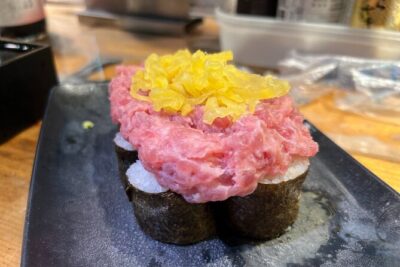
Shinjuku Food Tour (13 Dishes at 4 Local Eateries)
Read our review →
Sushi Making Tokyo Roll and Authentic Japanese Sushi Class
Read our review →
Tokyo Tsukiji Fish Market Food and Culture Walking Tour
Read our review →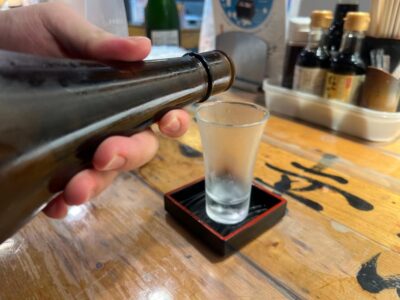
Shinjuku Food Tour (15 Dishes and 4 Eateries)
Read our review →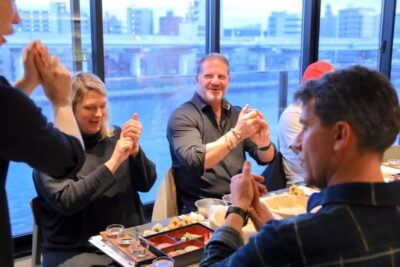
Roll and Authentic Sushi Making Class in Asakusa
Read our review →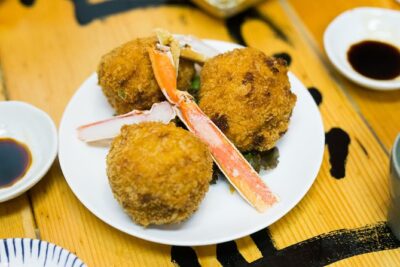
Best of Shinjuku: Izakaya Food Tour (4 Stops, 14+ Tastings)
Read our review →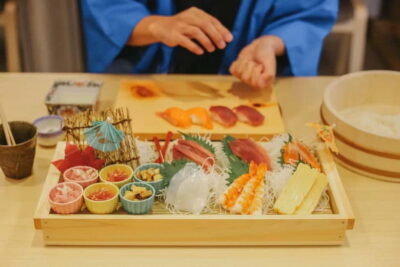
Sushi Making Class in a Happi Coat near a Famous Spot
Read our review →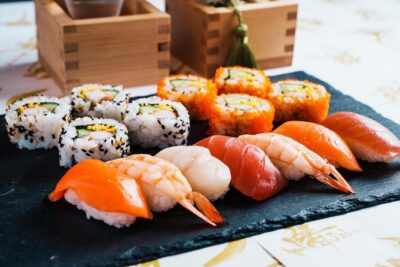
Sushi Making Tokyo! Popular Maki Sushi & Japanese Sushi(+Recipe!)
Read our review →Browse the lists this tour appears in