
REVIEW · TOKYO FOOD TOURS
Shinjuku: Golden Gai Food Tour
Tokyo after dark is a different kind of lesson. This three-hour Shinjuku food tour pairs smoky yakitori and Tokyo-style ramen with stories about the district’s postwar past. I especially like the small group limit of eight and the chance to enter Golden Gai with an English-speaking guide instead of guessing which tiny bar will welcome you. The main drawback is the $170 price, which can feel high for food that is often inexpensive on its own.
You’ll walk through neon-lit streets, eat at several local stops, and finish with a drink in a Golden Gai bar. Guides such as Alex, Ray, Wes, Yappy, and Daniele have made a strong impression, but food quality can vary, and one past guest found the meal merely average for the cost. Still, for a first night in Tokyo, this gives you a friendly way to get your bearings fast.
Key points at a glance
- Golden Gai after dark: Finish among more than 200 tiny pubs, karaoke rooms, and bars packed into narrow lanes.
- A full evening of food: Expect several stops with yakitori, sushi or other local dishes, ramen, and two included drinks.
- Shinjuku’s past and present: Hear how the area grew from a postwar black-market district into one of Tokyo’s most famous nightlife quarters.
- Small group format: The group is limited to eight people, making it easier to ask questions and fit into compact restaurants.
- A guide-led introduction: English-speaking guides explain ordering, table manners, local customs, and useful Tokyo tips.
- Strict meeting time: The group leaves after five minutes, and the guide cannot provide directions or take calls once the tour begins.
Starting at Shinjuku Station’s West Gate
The tour begins in front of KISSATEN Tajimaya Coffee House at 1 Chome-2-6 Nishishinjuku. From Shinjuku Station, follow signs for the West Gate and leave through exit B15.
This sounds simple on paper, but Shinjuku Station is a maze. Give yourself plenty of time to get out of the station and find the coffee house. The five-minute grace period is firm. Once the group leaves, the guide cannot stop to give directions or answer calls, partly because the restaurant reservations need to stay on schedule.
That rule may feel strict, but it matters on a food tour. Tiny Japanese restaurants have limited space, and a late arrival can disrupt the whole group. I would aim to reach the station area at least 15 to 20 minutes early, especially if this is your first visit to Shinjuku.
You do not need to arrange hotel transportation, although pick-up can be arranged for an additional charge. Transportation costs are not included, so plan on walking between stops and paying any train or taxi costs separately.
A few more food tours in Tokyo worth a look
- Tokyo: Shinjuku Food Tour (13 Dishes at 4 Local Eateries)
★ 5.0 · 6,603 reviews - Tokyo Tsukiji Fish Market Food and Culture Walking Tour
★ 5.0 · 3,184 reviews - Tokyo: Shinjuku Food Tour (15 Dishes and 4 Eateries)
★ 4.9 · 2,033 reviews
Neon streets and Shinjuku’s postwar story
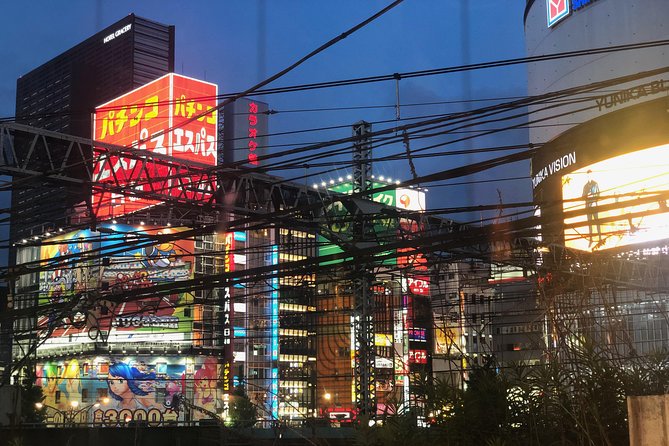
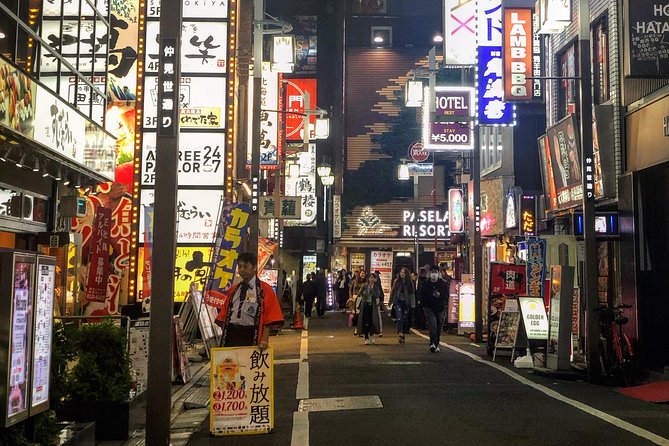
The opening walk introduces Shinjuku as more than a collection of bright signs and crowded crossings. Your guide explains how parts of the district once grew from a busy postwar black market, then developed into a center for restaurants, bars, entertainment, and nightlife.
I like this historical layer because it gives the streets a reason. Instead of simply passing through a maze of signs, you begin to understand how the older lanes and newer towers sit side by side. The tour also passes through the Kabukicho area, known for its nightlife and red-light district. The setting is lively and sometimes visually surprising, but the tour presents it as part of Tokyo’s urban story rather than as a sensational stop.
Guides use local knowledge to point out small lanes and shortcuts that are easy to miss. Some have also shown historic photographs during the walk, giving you a useful before-and-after view of the streets. That kind of context is valuable in Shinjuku, where a narrow alley can look ordinary until you learn what once happened there.
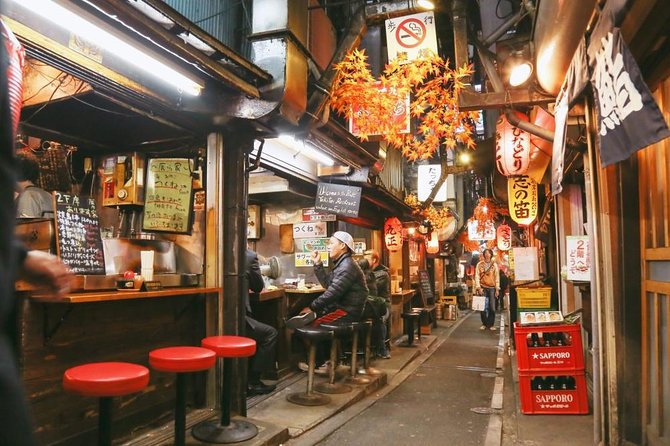
The route may include a stop near the famous Godzilla landmark. It can also pass through Omoide Yokocho, sometimes called Piss Alley, where small food counters sit beneath old-fashioned signs. These locations help connect the tour’s history lesson with the food stops that follow.
Yakitori in a tiny Shinjuku alley
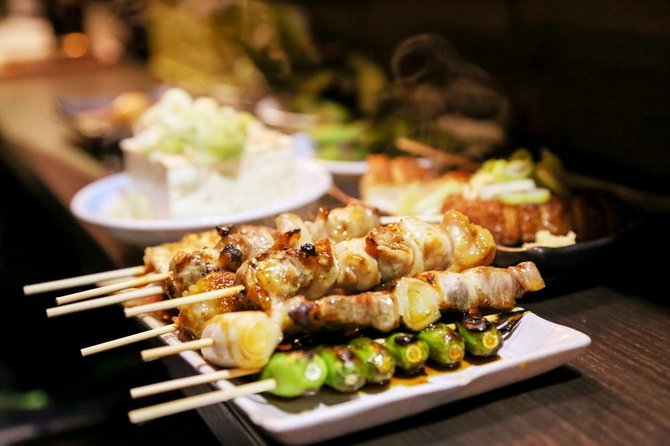
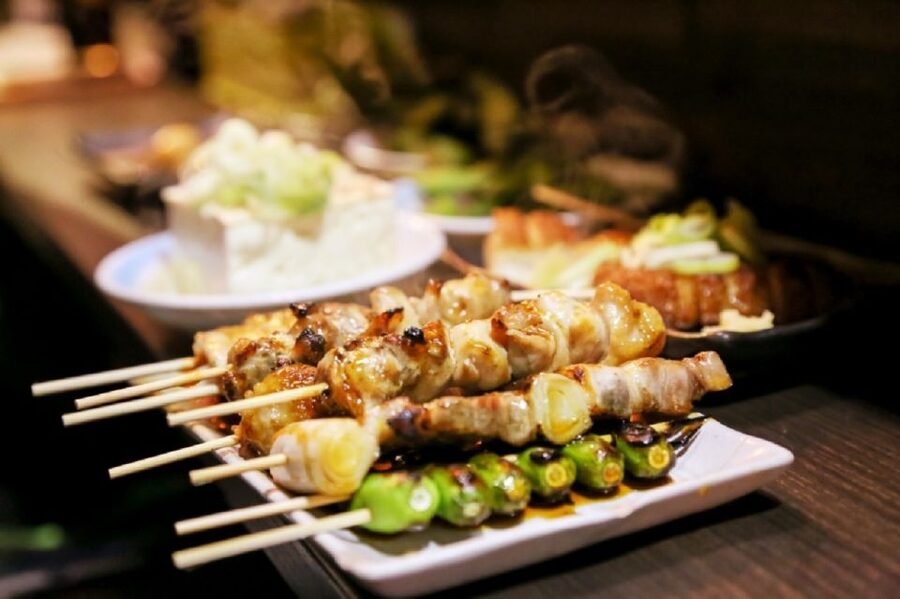
Yakitori is one of the evening’s central pleasures. These grilled chicken skewers arrive smoky, hot, and easy to share, making them a good first taste of Japanese drinking food.
The appeal is not fancy presentation. It is the smell of charcoal, the compact setting, and the simple pleasure of eating a few skewers while the city moves around you. A guide can help you understand what you are ordering and how the food fits into Japanese bar culture.
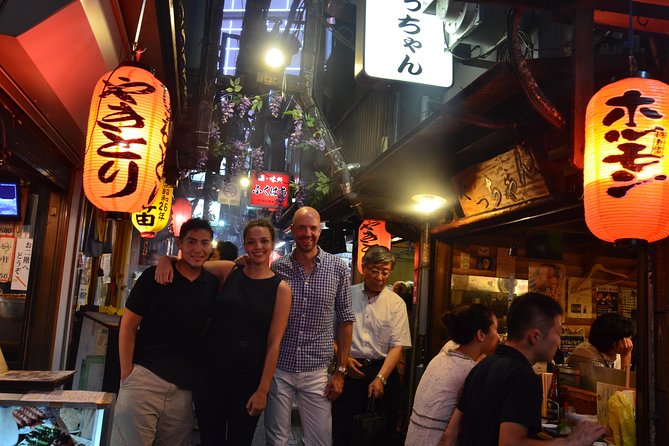
The small group size matters here. A group of eight is still large enough to create a social evening, but compact enough to enter restaurants that would be difficult for a larger tour. Still, space is tight in these places, and you should expect close seating rather than a leisurely dinner table.
The food is not designed as a series of expensive showcase dishes. It is a sampling of local eating habits. That is useful if you want an introduction to casual Tokyo food, but it also explains why the $170 cost may seem high if you judge the tour only by the ingredients.
Local dishes, sushi tips, and dining manners
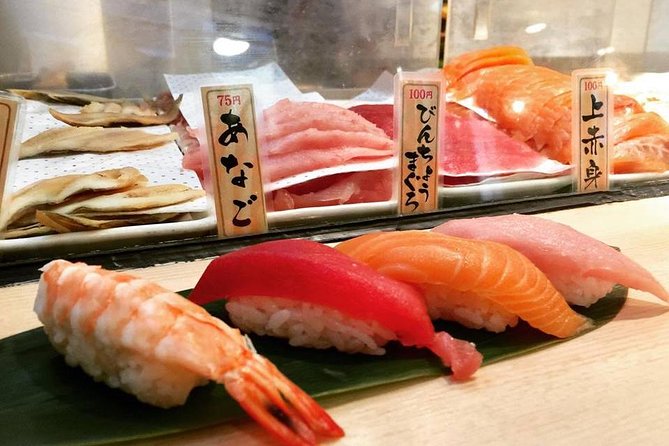
After yakitori, the tour visits additional food stops. Depending on the route, you might sample sushi or other local dishes before moving on to ramen. Past departures have included lessons on how to eat sushi and basic restaurant etiquette, including ordering advice and table manners.
This is one of the tour’s strongest features for a first visit. You can always find food in Tokyo, but knowing how to approach an unfamiliar counter or vending machine is another matter. A guide can remove that hesitation and explain what to do without making you feel clumsy.
One useful ramen tip from a past route involved selecting from the upper-left button on the shop’s vending machine. It is a small detail, but these are exactly the moments that make a guided food walk helpful. Japanese restaurant machines can be confusing when you cannot read the buttons, and the wrong choice can produce an unexpected meal.
The food quality deserves a fair warning. Some portions have been generous enough that people finished the evening very full, while one past experience found the food acceptable but not especially memorable. Another concern is that tour groups cannot always use the tiniest or most sought-after restaurants. You are paying for access, interpretation, organization, and company, not simply for the retail value of each dish.
Same city, a different table:
- Sushi Making Tokyo Roll and Authentic Japanese Sushi Class
★ 5.0 · 3,971 reviews - Tokyo: Roll and Authentic Sushi Making Class in Asakusa
★ 4.9 · 1,957 reviews - Best of Shinjuku: Izakaya Food Tour (4 Stops, 14+ Tastings)
★ 5.0 · 1,863 reviews - Tokyo: Sushi Making Class in a Happi Coat near a Famous Spot
★ 4.9 · 1,377 reviews
Ramen as the evening’s comfort food
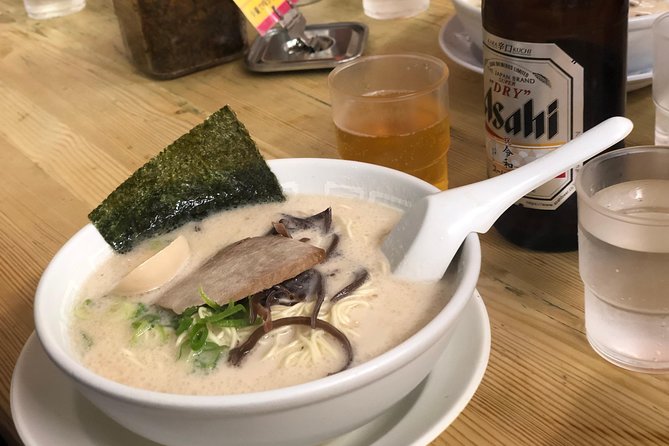
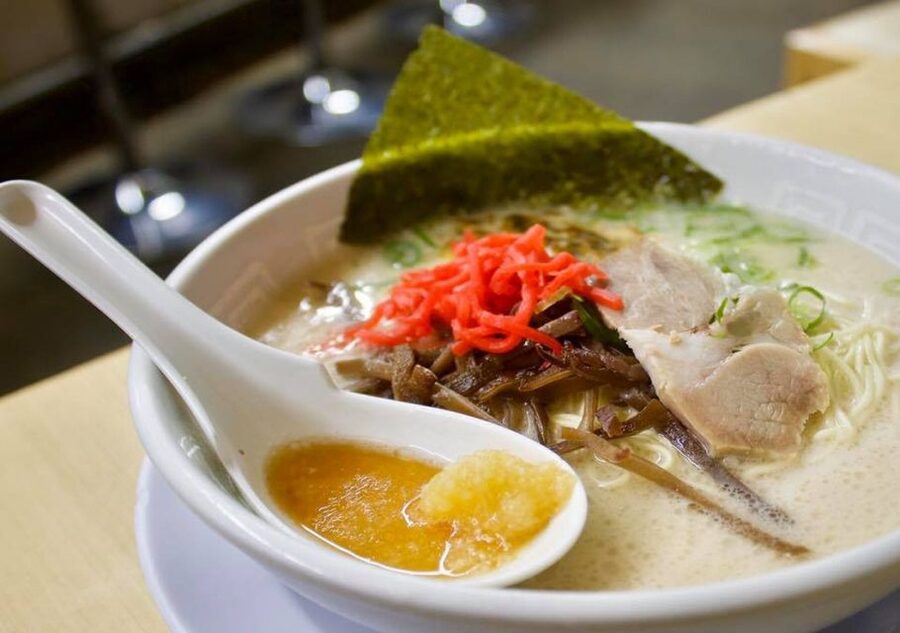
A bowl of ramen provides a filling middle or final course. The tour describes the ramen as a specialty stop, and it helps round out the meal after smaller dishes and skewers.
Ramen is also a good place for practical guidance. Your guide may explain the ordering system, the machine, and the basic rhythm of eating at a compact noodle shop. You will likely have a set amount of time to eat before the group moves on, so this is not the place for a long, relaxed conversation over dinner.
The generous portions are worth noting. Several past departures have left people full, and one person felt the tour included almost too much food. If you have a small appetite, pace yourself at the early stops. You do not need to treat every dish as a test of endurance.
Dietary requirements are not specified in the supplied details, so ask the operator before booking if you have allergies, restrictions, or strong food preferences. The food focus is broad, but no specific substitutions are promised.
Golden Gai: more than 200 tiny bars
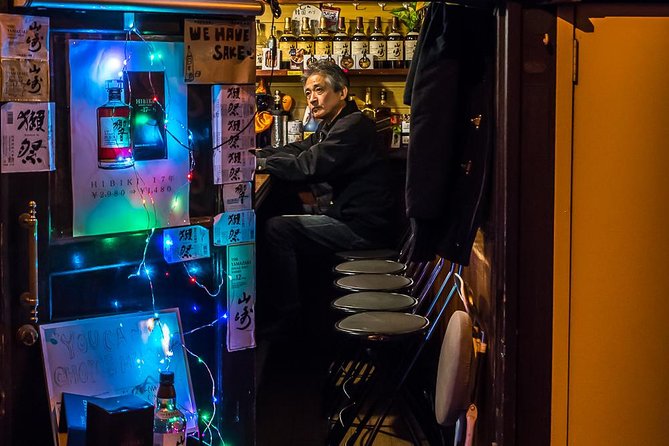
Golden Gai is the evening’s main event. Its narrow lanes contain more than 200 small pubs, bars, quirky stalls, and karaoke rooms. Many are only large enough for a handful of people, which makes arriving with a local guide especially useful.
The area feels like a compact nightlife village tucked into central Tokyo. Retro decorations, dim interiors, and small counters create a setting that feels very different from the city’s giant stations and high-rise hotels. Some bars date stylistically to the 1950s, giving the area an older mood even though Shinjuku’s modern towers are close by.
The tour includes a bar visit and two drinks. Sake may be part of the experience, but the exact drink selection can vary. Additional drinks and food are available at your own cost.
Golden Gai is also where the guide’s local knowledge matters most. A first-time visitor may hesitate at an unmarked doorway or wonder about cover charges and seating customs. The tour does not promise entry to every bar, but it gives you a structured way to experience the district without wandering alone.
Past routes have ended in a karaoke bar, which can add a playful finish to the night. Do not assume every departure will have exactly the same stop, though. The food venues and bar choice may change according to availability.
Two drinks, small groups, and the $170 question
The price is $170 per person for three hours. That is not a bargain if you compare it with the cost of yakitori, ramen, and drinks purchased independently. The value comes from the guide, the route planning, the small group, restaurant coordination, and the confidence of entering places that may be hard to handle on your own.
You receive a variety of dishes at several food stops, two drinks, and a Golden Gai bar visit. Hotel pick-up, transportation, gratuity, and extra food or drinks are not included.
I would consider the tour good value for a first-time visitor who wants a planned evening and practical cultural guidance. It is less compelling for an experienced Tokyo diner who already knows Shinjuku, can read Japanese menus, and is comfortable choosing tiny bars without help.
The group limit of eight is a real advantage. One past departure had nine participants, so group size may occasionally differ in practice, but the advertised format is a small group. Fewer people generally means better conversation with the guide and less trouble fitting into narrow restaurants.
The guides make the difference
The guide is central to this experience. Alex has been described as friendly, entertaining, and full of useful information. Ray has helped explain food culture and table manners, while Wes has been praised for local tips and an engaging presentation.
Other guides connected with past departures include Yappy, Daniele, Sandra, Norma, Hayato, Tommy, and Westley. Their styles differ, but the strongest pattern is clear: the evening works best when the guide turns a sequence of food stops into a conversation about Tokyo.
A good guide also handles the small social details. They help the group order, keep people together, answer random questions, and explain why a particular street or restaurant matters. One past guide even continued for extra time because the group was having such a good evening, though you should expect the advertised duration to be three hours.
The tour has a rating of 4.6 from 77 reviews, which supports the idea that guide quality is usually a major strength. It does not guarantee a particular guide or an identical route, so book this for the format and setting rather than for one named person.
Who will enjoy this night most?
This tour suits you if you are visiting Tokyo for the first time, want nightlife without planning every stop, or feel unsure about ordering in small Japanese restaurants. It also works well for solo visitors and couples who would rather share the evening with a small group than spend the night guessing where to go.
You should be at least 20 years old. Every person in your group must meet that age requirement because the tour focuses heavily on alcohol and visits places that may not admit minors.
The walking and late-night setting may not suit everyone. You will move through busy streets and compact venues, and the evening revolves around food, drinks, and nightlife rather than major indoor attractions. If you want a quiet historical walk or a high-end dining experience, choose a different tour.
Bring comfortable shoes and arrive early. The meeting point is near one of the world’s most confusing stations, and missing the group means losing the experience.
Should you book the Shinjuku Golden Gai food tour?
Book it if you want a friendly, organized introduction to Shinjuku after dark. The combination of yakitori, ramen, local stories, two drinks, and a guided Golden Gai visit is hard to arrange smoothly on your first night.
Skip it if $170 feels too steep for casual food, or if you already know Tokyo’s restaurant customs and nightlife streets. The food can be good without being the best meal of your trip, and the tour format limits your control over each restaurant.
For many first-time visitors, the real value is confidence. You finish knowing more about Shinjuku, understanding a few basic dining customs, and seeing why Golden Gai is worth returning to. That makes this a strong opening-night experience, as long as you treat the price as payment for guidance and access, not just dinner.
FAQ
How long does the Shinjuku Golden Gai food tour last?
The tour lasts three hours.
How much does the tour cost?
The listed price is $170 per person.
Where does the tour meet?
Meet in front of KISSATEN Tajimaya Coffee House at 1 Chome-2-6 Nishishinjuku, Shinjuku City, Tokyo 160-0023.
How do I reach the meeting point from Shinjuku Station?
Follow signs for the West Gate, then leave the station through exit B15.
What happens if I arrive late?
The guide can wait only five additional minutes after the scheduled start. After that, the group leaves, and the guide cannot provide directions or be contacted by phone during the tour.
Are drinks included?
Two drinks are included. Additional drinks and food can be purchased at your own expense.
What food is included?
The tour includes a variety of dishes at multiple food stops, including yakitori and ramen. Other stops may include sushi or local dishes.
Is the tour suitable for people under 20?
No. Every person in the group must be at least 20 years old.
How many people are in the group?
The tour is advertised as a small group limited to eight participants.
Is hotel pick-up included?
No. Hotel pick-up is not included, but it can be arranged for an additional charge. Transportation costs are also separate.
Is the tour offered in English?
Yes. It has a live English-speaking guide.
Can I cancel for a refund?
You can cancel up to 24 hours in advance for a full refund. You can also reserve now and pay later.
Just added in Tokyo
- Tokyo: Allstar Food Tour★ 4.7 · 29 reviews
- Tokyo: West-Side Cycling and Food Tour with Guide★ 5.0 · 37 reviews
- Tokyo Tsukiji Food & Culture Private Tour Licensed Guide★ 4.9 · 28 reviews
- Tokyo: Wagyu and Sushi Gastronomic Journey★ 4.3 · 24 reviews
- Tokyo: Togoshi Ginza Street Food Tour★ 5.0 · 34 reviews
- Tokyo: Sushi and Ramen Cooking Class with Sake Pairing Set★ 5.0 · 81 reviews
- Tokyo: Sushi Making Class★ 4.9 · 390 reviews
- Tokyo: Ramen Tasting Tour with 6 Mini Bowls of Ramen★ 4.9 · 432 reviews
Tokyo Food Tours, compared.
Shinjuku Food Tour (13 Dishes at 4 Local Eateries)
Read our review →
Sushi Making Tokyo Roll and Authentic Japanese Sushi Class
Read our review →
Tokyo Tsukiji Fish Market Food and Culture Walking Tour
Read our review →
Shinjuku Food Tour (15 Dishes and 4 Eateries)
Read our review →
Roll and Authentic Sushi Making Class in Asakusa
Read our review →
Best of Shinjuku: Izakaya Food Tour (4 Stops, 14+ Tastings)
Read our review →
Sushi Making Class in a Happi Coat near a Famous Spot
Read our review →
Sushi Making Tokyo! Popular Maki Sushi & Japanese Sushi(+Recipe!)
Read our review →Browse the lists this tour appears in