
REVIEW · TOKYO FOOD TOURS
Tokyo: Private Personalized Local Food Tour
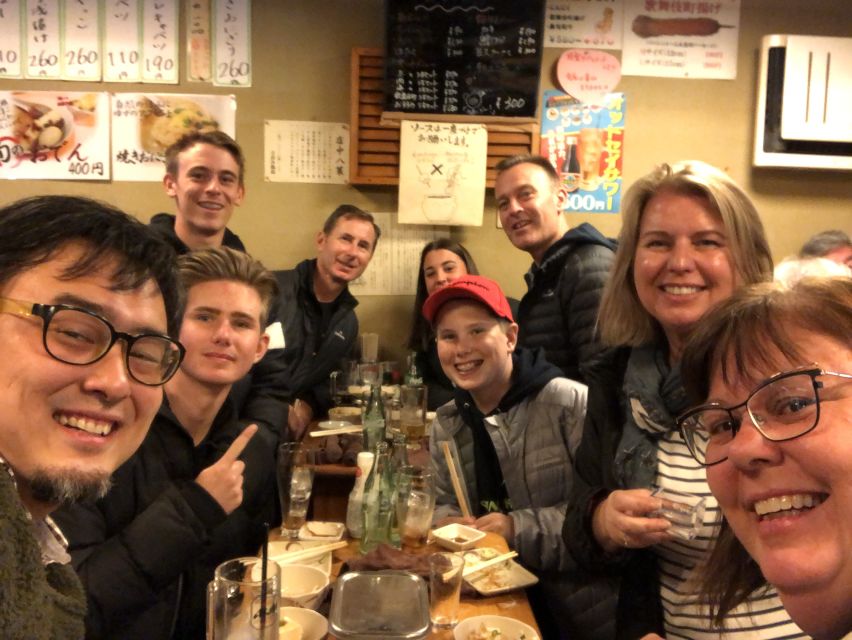
Tokyo tastes better after dark. This private food tour pairs you with a local host who shapes the evening around your appetite, interests, and comfort level. I like the personal planning and the chance to eat in neighborhood izakayas instead of simply following a fixed restaurant route. I also like that you get 8 to 10 dishes and drink tastings at two or three eateries. The main catch is price: at $172 per person, you are paying for guidance, translation, planning, and company, not just dinner.
The three-hour walk can begin around Nakano’s retro Sun Mall, at a ramen shop, or in a quieter alley serving oden and sake. Your host may take you to karaage, grilled skewers, miso eggplant, plum wine, or another local specialty that fits your tastes. The route can change on the night, which is useful, but it also means the exact food and neighborhoods are not guaranteed until you speak with your host.
Key points at a glance
- Start with a personal questionnaire: Your answers about food, interests, personality, and preferred pace help match you with a suitable English- or Japanese-speaking host.
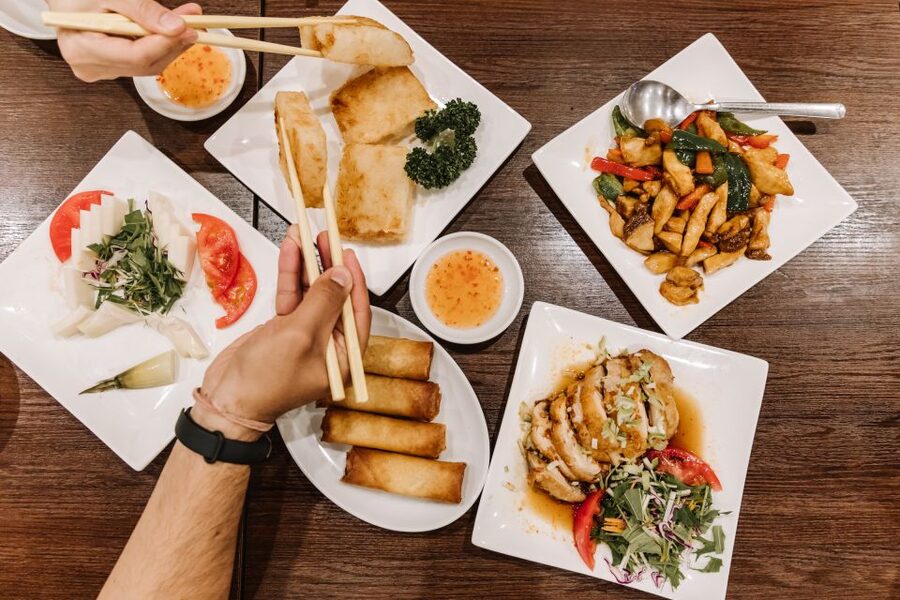
- Eat 8 to 10 dishes: Tastings may include ramen, oden, karaage, skewers, miso eggplant, sake, and other local specialties.
- Visit two or three eateries: The evening focuses on small izakayas and yatai-style places rather than one long restaurant meal.
- Meet Tokyo beyond the headline sights: Nakano, Ueno, Shibuya, Tsukiji, and other areas have featured in the hosts’ routes, depending on the group.
- Expect a walking tour: Hotel pickup is possible from central Tokyo hotels, but transport between areas and any local fares cost extra.
- Best for a first night: Hosts such as Apy, Mari, Steven, Amir, and Michael have helped people understand food customs, train travel, and local neighborhoods early in their Japan trip.
Why the personal format matters in Tokyo
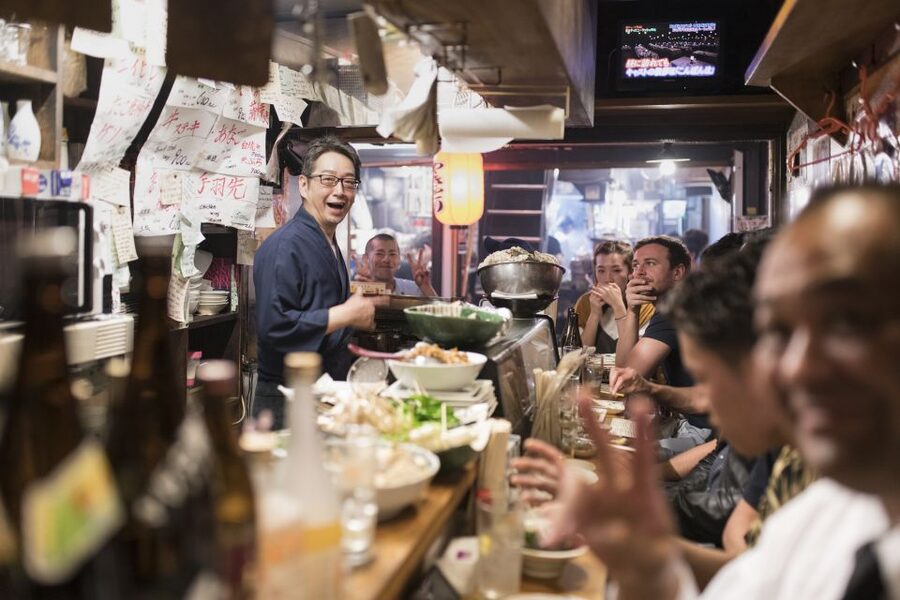
Tokyo food can be thrilling and baffling at the same time. Menus may be short, ordering customs may not be obvious, and a small doorway can hide a terrific meal. A private host removes much of that guesswork without turning the evening into a lecture.
Before meeting, you receive a questionnaire about your tastes and interests. You can explain that you want comfort food, unusual dishes, a quiet evening, family-friendly choices, vegetarian food, or a taste of ordinary local life. You can also say if you want sightseeing mixed into dinner.
That information matters. Till adjusted an outing for a vegetarian guest and a young child. Mari helped with a dietary restriction while taking a group to a less touristy area. Other hosts have encouraged people to try dishes outside their normal choices, but the arrangement remains personal rather than forced.
I especially like the host matching system. You are not simply assigned a guide and handed a standard script. The host contacts you before the tour, suggests ideas, and can discuss the route. That early conversation also gives you a chance to clarify what is included and what extra transport or food might cost.
The tradeoff is that this is not a precise restaurant reservation package. The experience depends on the host, your answers, the neighborhood, and what is open that day. If you want a guaranteed sushi counter, exact menu, or named restaurant, this format may feel too loose.
More private experiences in Tokyo:
- Tokyo Tsukiji Food & Culture Private Tour Licensed Guide
★ 4.9 · 28 reviews - Private Street Food Tour by Motorbike/Car with Local Students
★ 5.0 · 3,950 reviews - Private Street Food Evening Walking Tour in Ho Chi Minh City
★ 5.0 · 3,175 reviews
From Sun Mall ramen to small izakayas
One suggested starting point is JR Nakano Station, beside the retro Sun Mall shopping street. Nakano gives the evening a different feel from the major sightseeing districts. Lanterns, shop signs, ramen steam, and narrow side streets create a useful first look at everyday Tokyo.
The route might begin with ramen. One group started at a local ramen shop at opening time and waited briefly in line. That wait was worthwhile for them, but it shows an important point: a popular small restaurant can involve queues, and a flexible tour cannot always bypass them.
From there, your host may guide you into an izakaya. These casual Japanese drinking restaurants work well for a tasting tour because plates are often shared and the menu can cover several styles of food. You might move from crispy karaage to grilled skewers, then try miso eggplant or another dish your host thinks suits you.
The value is not just the number of plates. A host can explain what you are eating, how it is usually ordered, and why a place is known locally. Steven, for example, explained the foods, their regional origins, and Japanese customs while talking with his group over a meal. That kind of conversation gives context without making the night feel like a class.
A second or third stop may focus on drinks and smaller bites. Expect traditional tastings such as sake or plum wine, with the precise choices shaped by the route. You should plan to arrive hungry, but not so hungry that you cannot enjoy several modest portions.
What 8 to 10 tastings really means
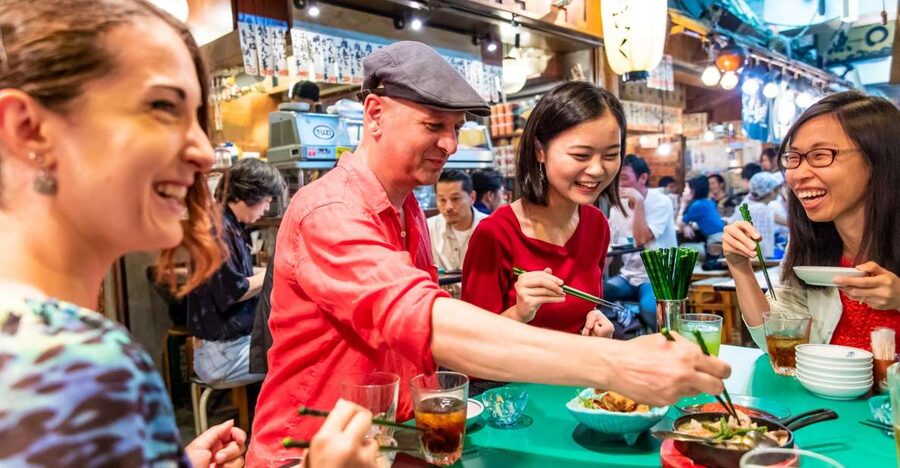
The advertised food count sounds generous for three hours, and it can be. The key is to think of the dishes as tastings rather than eight to ten full restaurant meals. Shared plates allow you to sample more without ordering a complete dinner at every stop.
The food list is intentionally broad. Possible stops include:
- Ramen in a local shop
- Oden with sake in a quiet alley
- Karaage
- Grilled skewers
- Miso eggplant
- Regional or seasonal specialties
- Street food from an area such as Tsukiji Market or Ameyoko Street
- Sake and plum wine tastings
Not every tour will include every item. The questionnaire and the host’s communication help set the direction, but the final choices remain flexible.
This works particularly well if your group has mixed tastes. One person can ask for familiar dishes, while another tries something new. Parents can flag a child’s preferences. Vegetarians and people with food restrictions should explain their needs before the tour, then confirm them again with the host.
I would not treat the food count as a reason to skip lunch and arrive exhausted. Tokyo portions and drinking customs vary, and the evening may include walking between stops. A light meal earlier in the day is the safer plan.
Food, customs, and a better first day
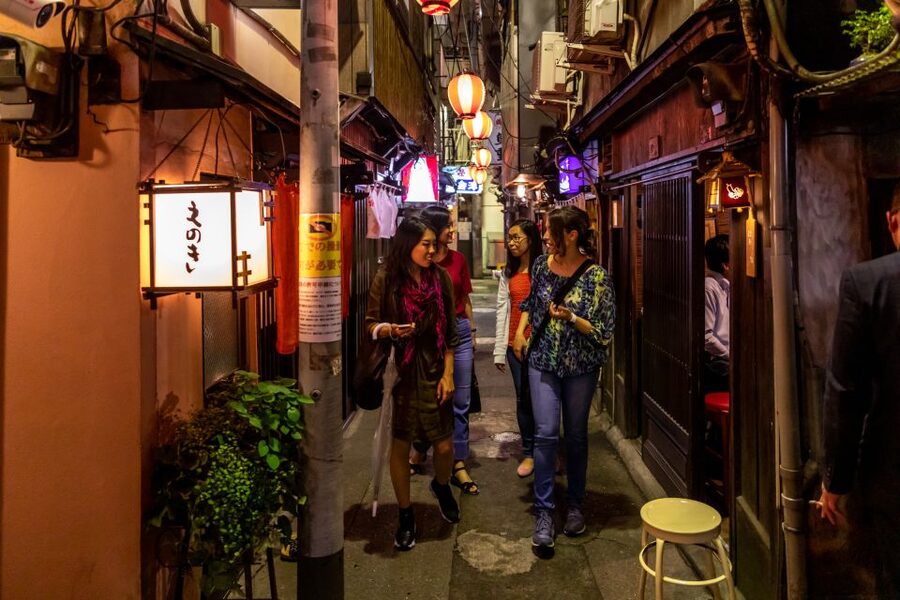
The strongest use of this experience may be your first evening in Tokyo. Several hosts have helped new arrivals get oriented to the city, local manners, and the railway system while eating.
Apy helped one group understand Tokyo’s cuisine, customs, and train network. Amir showed his group parts of the city they would not have found alone, then left them better prepared for the rest of their Japan trip. Megumi provided translation and local guidance, which gave her group more confidence moving around town.
That practical help can be worth as much as the food. Tokyo’s stations can be confusing, and an explanation from someone beside you is easier to remember than a page of instructions. If your host points out useful areas for later meals, you leave with ideas for the rest of your stay.
The sightseeing side also varies. One route included a shrine, bonsai, and cherry blossoms. Another included Tsukiji Market, where a group combined a ramen stop with street food booths. A food tour is not a replacement for a dedicated Tokyo sightseeing day, but it can help you connect districts, meals, and local habits.
You should tell the host if you want food only, food plus history, or food plus a little sightseeing. Yuki, Mari, Sergio, and others have adapted their routes to those different requests.
A few more food tours in Tokyo worth a look
- Tokyo: Shinjuku Food Tour (13 Dishes at 4 Local Eateries)
★ 5.0 · 6,603 reviews - Tokyo Tsukiji Fish Market Food and Culture Walking Tour
★ 5.0 · 3,184 reviews - Tokyo: Shinjuku Food Tour (15 Dishes and 4 Eateries)
★ 4.9 · 2,033 reviews - Best of Shinjuku: Izakaya Food Tour (4 Stops, 14+ Tastings)
★ 5.0 · 1,863 reviews
The guide makes or breaks the evening

Private tours are personal by nature. The host’s warmth, communication, and ability to explain local life shape the experience more than a fixed list of dishes.
The strongest guide reports point to friendly conversation and good judgment about food. Apy, Ady, Mari, Steven, Amir, Ayaka, Michael, and Martina were praised for making the evening feel easy and personal. Hosts were also credited with recommending places, explaining customs, and helping people try food they would not have ordered alone.
That does not mean every guide will offer the same depth of cultural explanation. One group received good food and pleasant company in Ameyoko Street but less area-specific information than expected. The host later spent extra time helping with train reservations, which was useful, but the experience leaned more toward companionship than formal guiding.
This is worth noting before you book. If your priority is an outgoing local friend who can translate and make decisions easier, the format is a strong fit. If your priority is detailed history at every stop, state that clearly in the questionnaire and your messages.
The host’s English level can also vary. English and Japanese are offered, and many hosts have been praised for clear English, but the personal communication before the tour is the best way to make sure the match suits you.
Is $172 per person a fair price?
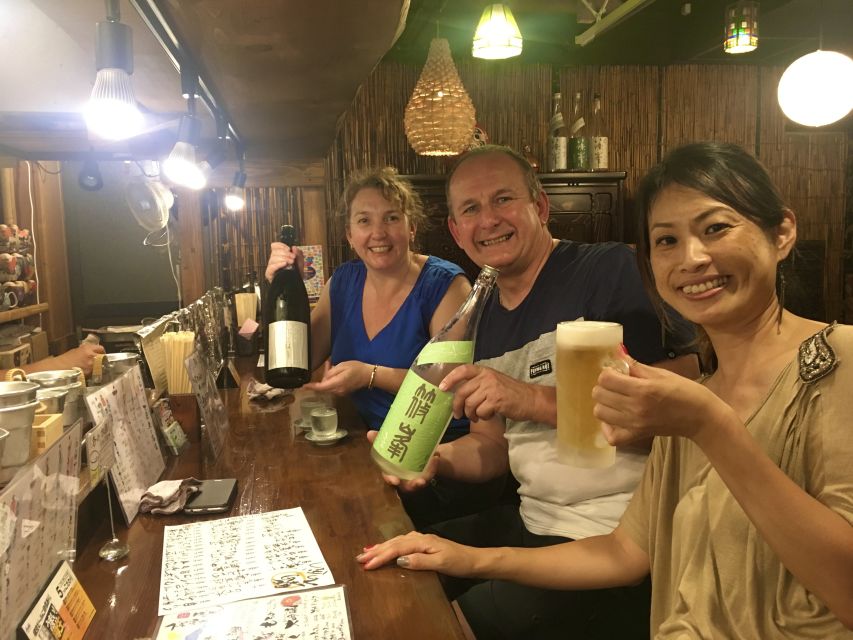
At $172 per person, this is not a cheap way to eat in Tokyo. You are paying well above the cost of ordering a casual izakaya meal on your own. The question is what the extra money buys.
You receive a private group, advance planning, a local host, 8 to 10 included dishes, drink tastings, and visits to two or three eateries. You also get help with menus, customs, dietary requests, neighborhood choices, and possibly train or area advice. For a first night in Japan, that service can prevent several small mistakes and save time.
The value is better for a couple, family, or small group that wants personal attention. It is less compelling for a confident solo eater who enjoys ordering independently, or for anyone mainly looking for the lowest dinner cost.
Remember that extra food, drinks, attraction tickets, and transport are not included. Public transit or taxis may be used between locations, and those costs should be discussed with your host after booking. Hotel pickup can be arranged at central Tokyo hotels, but it does not mean a private vehicle is included.
The 4.5 rating from 101 submitted ratings suggests a strong overall record, while the range of guide experiences is a reminder to communicate your priorities. I would ask about the likely neighborhood, food style, included drinks, and any expected transport before the date.
Walking, timing, and practical comfort
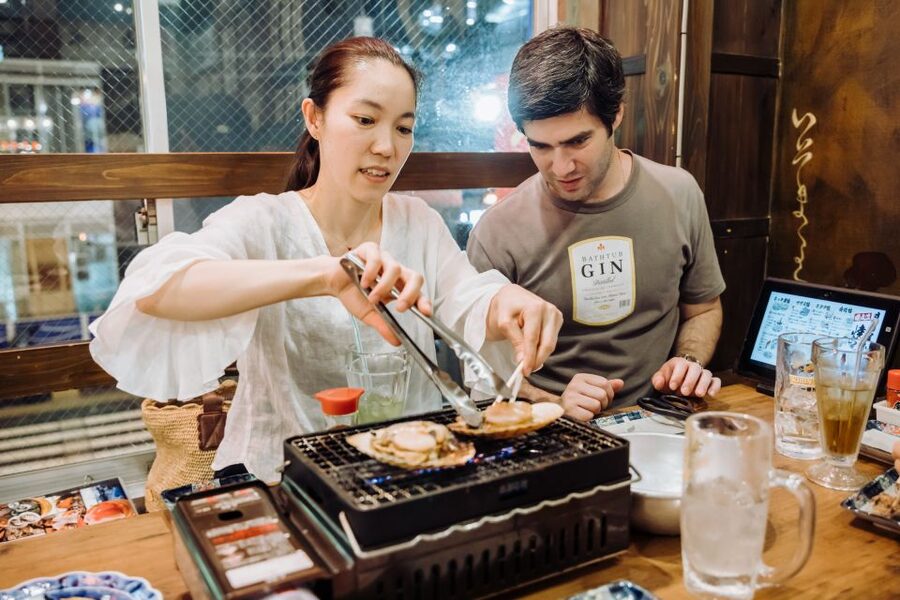
The tour lasts three hours and begins at a time you select from available slots. Evening starts make sense for izakayas, sake, and lantern-lit streets, though some routes have begun earlier with ramen or market food.
The meeting point is JR Nakano Station unless hotel pickup has been arranged from a central Tokyo hotel. Since the route is on foot, comfortable shoes matter. You may also use public transport or a local taxi if the host links separate areas.
The private format is helpful here. You do not have to match the pace of a large group, and the host can respond to tired children, dietary needs, or a preference for fewer stops. It also means the evening can feel more like going out with a local acquaintance than joining a formal procession.
Wheelchair access is listed, but Tokyo’s older alleys, small eateries, and station connections can vary. If you use a wheelchair, discuss the planned route and individual restaurants with the host before the tour so the route can be adjusted where needed.
Free cancellation is available up to 24 hours before the start time, and you can reserve now and pay later. Those terms are useful if your Tokyo schedule is still changing.
Who should book this food tour?
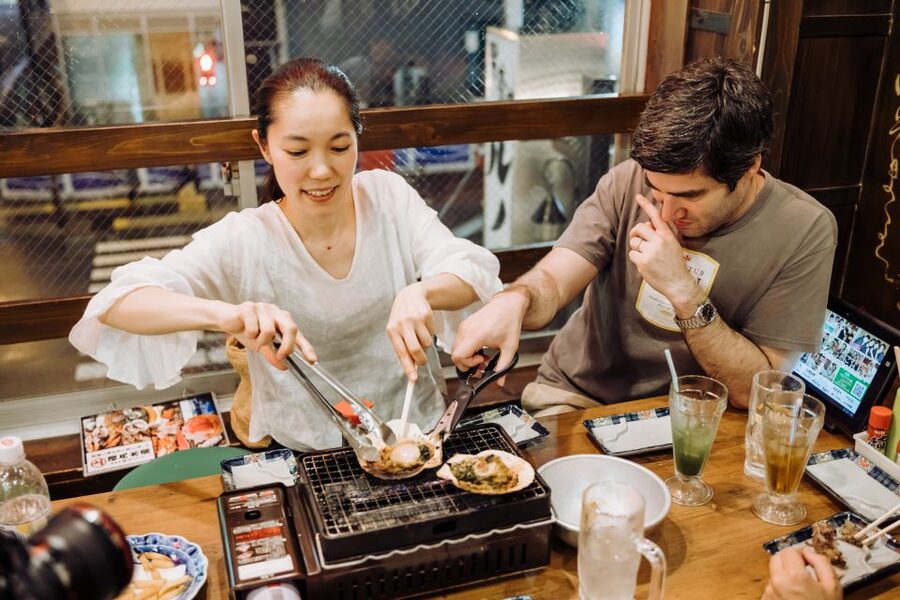
I would choose this experience for a first-time visitor who wants food, orientation, and conversation in one evening. It is also a good match for families, couples, and small private groups with different appetites or confidence levels.
You will get the most from it if you:
- Enjoy trying several small dishes
- Want help reading menus or ordering
- Prefer local neighborhoods to a polished restaurant circuit
- Need vegetarian or other dietary planning
- Want train and neighborhood advice
- Like leaving room for surprise stops
- Prefer a private guide to a large group
I would think twice if you need an exact menu, a fixed route, or a guaranteed famous restaurant. The free-flowing plan is the charm, but it is also the uncertainty.
Should you book the Tokyo private food tour?
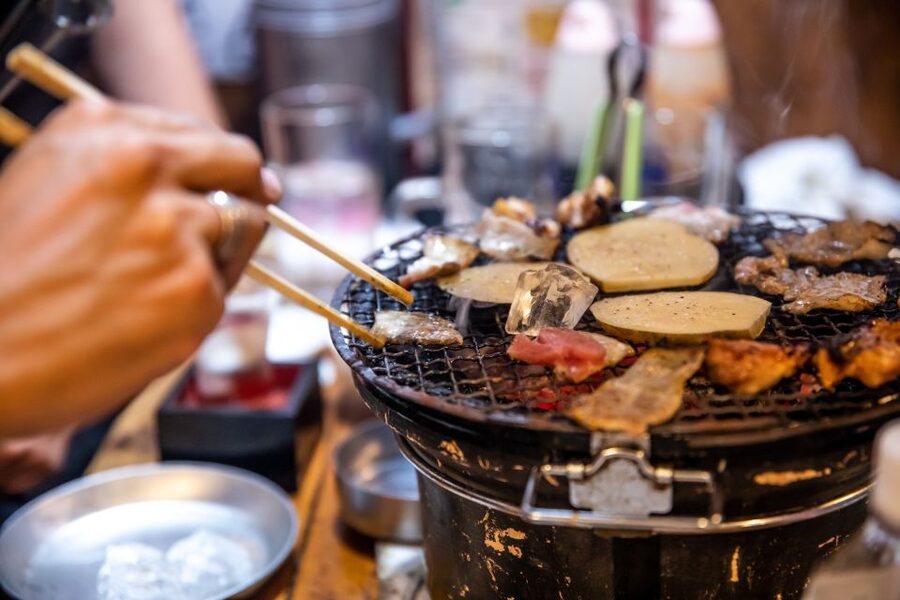
Book it if you want a friendly local guide to get you eating confidently and moving around Tokyo with less guesswork. The best payoff comes early in your trip, when advice about dishes, customs, stations, and neighborhoods can shape the days that follow.
At $172 per person, I see it as a guided introduction rather than a bargain meal. Ask for the kind of evening you want, mention dietary needs clearly, and confirm extra transport costs. If you value personal attention and 8 to 10 carefully chosen tastings, this is a useful and enjoyable way to meet Tokyo through its food.
FAQ
How long is the Tokyo private food tour?
The experience lasts three hours.
How many dishes and drinks are included?
You receive 8 to 10 local dishes and drink tastings at two or three eateries.
Is the tour private?
Yes. It is offered as a private group experience.
Where does the tour meet?
The standard meeting point is JR Nakano Station at 5 Chome Nakano, Nakano City, Tokyo. Hotel pickup can be arranged from a central Tokyo hotel.
Can the itinerary be adjusted to my food preferences?
Yes. You complete a pre-tour questionnaire about your food preferences, interests, personality, and preferred style. Your host then uses this information to suggest a flexible plan.
Which languages are available?
The tour is available in English and Japanese.
Is transportation included?
No private vehicle is included. The tour is primarily on foot, and public transport or local taxis may be used at an additional cost.
Can I cancel for a full refund?
Yes. You can cancel up to 24 hours in advance for a full refund.
Is the experience wheelchair accessible?
The activity is listed as wheelchair accessible. You should still discuss the proposed walking route and eateries with your host before the tour.
Just added in Tokyo
- Tokyo: Allstar Food Tour★ 4.7 · 29 reviews
- Tokyo: West-Side Cycling and Food Tour with Guide★ 5.0 · 37 reviews
- Tokyo Tsukiji Food & Culture Private Tour Licensed Guide★ 4.9 · 28 reviews
- Tokyo: Wagyu and Sushi Gastronomic Journey★ 4.3 · 24 reviews
- Tokyo: Togoshi Ginza Street Food Tour★ 5.0 · 34 reviews
- Tokyo: Sushi and Ramen Cooking Class with Sake Pairing Set★ 5.0 · 81 reviews
- Tokyo: Sushi Making Class★ 4.9 · 390 reviews
- Tokyo: Ramen Tasting Tour with 6 Mini Bowls of Ramen★ 4.9 · 432 reviews
Tokyo Food Tours, compared.
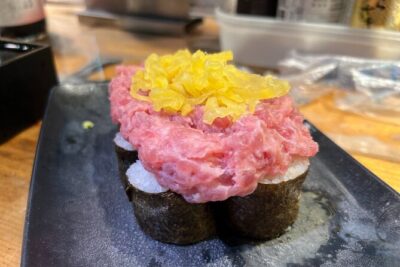
Shinjuku Food Tour (13 Dishes at 4 Local Eateries)
Read our review →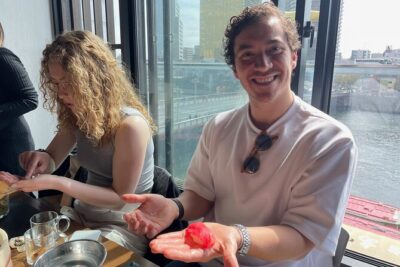
Sushi Making Tokyo Roll and Authentic Japanese Sushi Class
Read our review →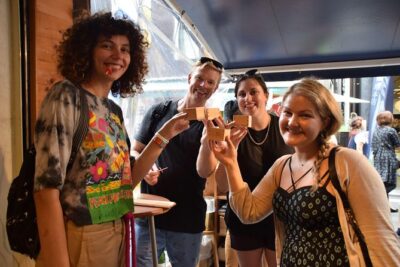
Tokyo Tsukiji Fish Market Food and Culture Walking Tour
Read our review →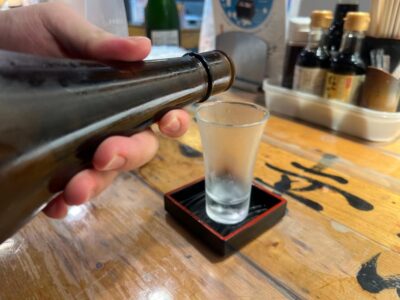
Shinjuku Food Tour (15 Dishes and 4 Eateries)
Read our review →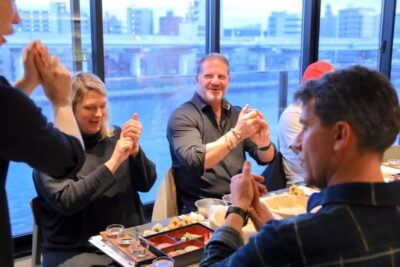
Roll and Authentic Sushi Making Class in Asakusa
Read our review →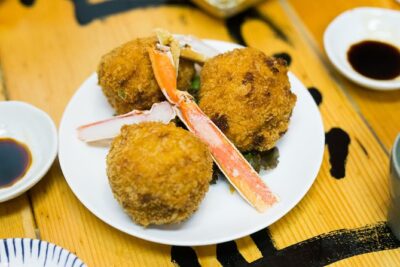
Best of Shinjuku: Izakaya Food Tour (4 Stops, 14+ Tastings)
Read our review →
Sushi Making Class in a Happi Coat near a Famous Spot
Read our review →
Sushi Making Tokyo! Popular Maki Sushi & Japanese Sushi(+Recipe!)
Read our review →Browse the lists this tour appears in