
REVIEW · OSAKA FOOD TOURS
Osaka: Guided Food Tour with 12 Dishes at 4 Local Eateries
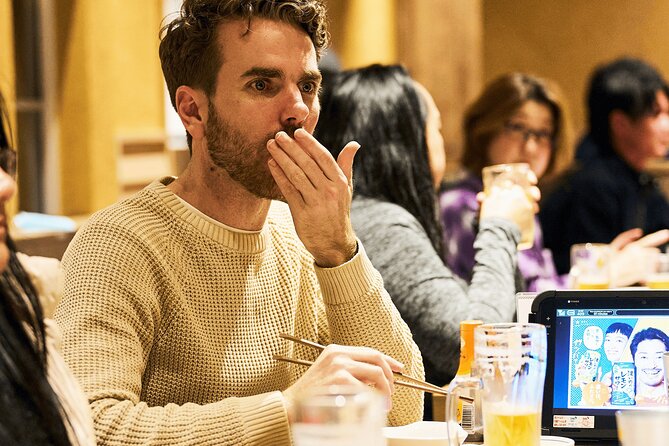
Follow your appetite through Osaka. This 150-minute food walk combines 12 Japanese dishes, two drinks, local restaurants, sake bars, street food, and useful advice from English-speaking guides. It begins and ends at Don Quijote Dotonbori Midosuji Store, making it easy to fit into an evening in central Osaka.
I like the wide food range and the chance to eat in places you may not choose on your own. I also like the social setup, especially for solo visitors, since the small groups often lead to easy conversation over shared plates. The main consideration is that the restaurants and dishes change from day to day, so you cannot book this expecting one fixed menu. Bring cash for anything extra.
Key points at a glance
- Twelve dishes in 150 minutes: Expect a generous sampling of fish, grilled items, street food, regional dishes, and traditional sweets.
- Three food stops: The route includes local restaurants, a bar, and a street-food or less obvious stop, depending on the day.
- Osaka classics included: Okonomiyaki and takoyaki have appeared on outings, along with sashimi, fried chicken, skewers, and sake.
- Guides add local color: Guides such as Mao, Spike, Ukyo, Nao, Nako, Kenta, and Momo have been praised for humor, food explanations, and Osaka advice.
- Good for first-time Japanese food explorers: Your guide explains what each dish is and how to eat it.
- Bring cash: The tour includes food and drinks, but extras must be paid for in cash.
Starting beneath the Don Quijote sign
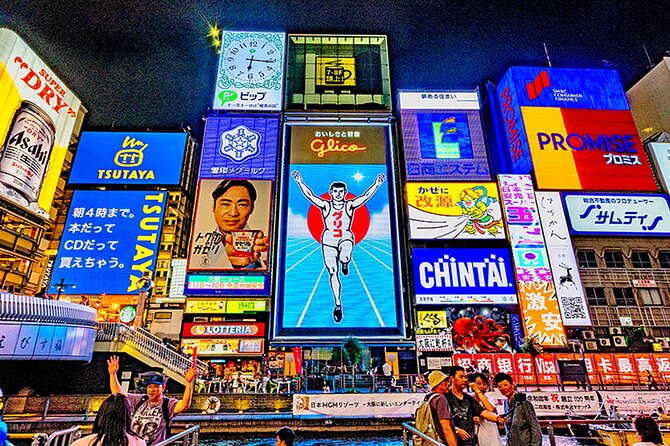
Meet in front of the Don Quijote Dotonbori Midosuji Store and look for the Local Guide Stars sign. This is a practical meeting point in the Dotonbori area, one of Osaka’s best-known food districts and a place where the crowds, signs, and bright storefronts can make a first walk feel slightly chaotic.
That is part of the point. You are not being dropped into a quiet neighborhood with a carefully staged meal. You begin in one of Osaka’s loudest food zones, then let a local guide sort the useful places from the obvious tourist stops.
The tour returns to the same location, so you do not need to arrange transportation between stops. Wear comfortable shoes. The route includes walking between restaurants and bars, and some outings have taken place on busy Friday nights or during rain.
The activity is listed as wheelchair accessible. If you use a wheelchair, it is still sensible to confirm the exact route and restaurant access before booking, since the stops can change.
A few more food tours in Osaka worth a look
- Osaka: Guided Food Tour with 12 Dishes at 4 Local Eateries
★ 5.0 · 533 reviews - Osaka Food Adventure Tour: Walking with a Local Guide
★ 5.0 · 119 reviews - Hanoi: Guided Food Tour with Train Street Visit
★ 4.9 · 6,239 reviews
Twelve tastes instead of one large dinner
The best reason to book this experience is variety. Rather than spending two hours at one restaurant, you sample a sequence of Japanese foods in smaller portions. The food can include fresh fish, sashimi, grilled skewers, fried chicken, takoyaki, okonomiyaki, local snacks, regional dishes, and sweets.
That range matters if you are new to Japanese food. You can try unfamiliar dishes with a guide nearby, rather than ordering a full serving and hoping for the best. Momo, for example, has explained both the ingredients and the proper way to eat each dish. That sort of help turns a meal into a useful introduction to Japanese dining customs.
The menu is not fixed. Restaurants and dishes vary by day, which protects the tour from feeling like a conveyor belt, but it also means you should treat the 12-dish promise as a number rather than a precise menu. One evening may lean toward sashimi and grilled food. Another may feature more street food, fried dishes, or sweets.
The quantity appears generous. Several outings left people feeling very full, and one person specifically praised the amount of food. You may want a light lunch or early snack if you are joining in the evening. Arriving hungry is wise, but arriving with an empty stomach after a long day may be risky if you cannot eat large portions quickly.
First restaurant: local dishes with explanations
The opening restaurant stop sets the tone. You may begin with an aperitif, beer, cocktail, tea, coffee, wine, or another listed drink, then share several recommended Japanese dishes.
Fresh fish has been a highlight, including sashimi at an izakaya. An izakaya is a casual Japanese drinking and dining spot, usually designed for sharing several small plates. It is a good setting for this tour because you can taste more than one dish without committing to a full meal of a single type.
The guide does more than place food on the table. You can expect explanations about what you are eating, how it is normally served, and how it fits into Japanese food culture. The best guides also adjust to preferences. Mao has been praised for asking about food likes and dislikes, while Momo helped explain dishes and eating methods.
This is especially helpful if you have dietary restrictions. Gluten-free arrangements have been handled successfully on at least one outing, but you should communicate your needs before booking and confirm what can be changed. The changing restaurant schedule means no dietary request should be left to chance.
The local bar and Osaka-style drinking culture
The second stop is a local bar, often an izakaya or sake-focused venue. The idea is to move beyond the most obvious Dotonbori signs and try places a local guide considers worthwhile.
Sake has featured alongside sashimi and fried chicken. Beer and other drinks may also be available, depending on the stop and your selection. The advertised package includes two drinks. Some outings have included three drinks, so check the current booking details if the drink count matters to you.
The bar stop is where the social side of the tour usually works best. Shared dishes give you something to discuss, and the guides often keep the conversation moving with jokes, food facts, and stories about Osaka. Spike has been praised for energy and humor, while Ukyo and Mary were described as friendly and fun.
You should not expect a quiet tasting seminar. This is a casual night out in a busy city district. Noise, close seating, and changing restaurant conditions are part of the setting. If you want a formal sake lesson with detailed tasting notes, this probably is not the right format. If you want to understand how ordinary Osaka dining feels, it makes more sense.
Participants under 20 may join, but they cannot drink alcohol. That rule is clear, and the tour includes more than enough food for a young participant to take part in the meal.
Same city, a different table:
- Osaka: Shinsekai Food Tour with 13-15 Dishes at 5 Eateries
★ 4.8 · 2,204 reviews - Osaka Food Tour: 13 Dishes at 5 Local Eateries
★ 5.0 · 2,149 reviews - Hungry Osaka Street Food Tour:15 Tastings & 3 Drinks with a Local
★ 5.0 · 1,727 reviews - Sushi Making Osaka Roll and Authentic Japanese Sushi Class
★ 5.0 · 1,220 reviews
Street food and the Osaka favorites
Osaka has a strong street-food identity, and this walk includes a street-food stop. Takoyaki, the small battered octopus balls associated with Osaka, has appeared on the route. One evening also included food from a street stall and finished with Osaka-style okonomiyaki.
Okonomiyaki is a savory pancake cooked with a mixture of ingredients and toppings. It is one of the dishes most closely linked with Osaka, and it makes a satisfying final course after lighter plates, fish, or drinks. A guide can also explain the local style and help you understand why it is such a fixture of the city’s food culture.
One useful detail is that some street food on the route has been featured in the Michelin Guide. That does not turn the tour into a fine-dining experience. It simply suggests that the guide may take you to a humble-looking food stop with a stronger reputation than its casual appearance suggests.
The street-food stop may be the most fun part for first-time visitors because it connects the food directly to the streets around you. You are not just sitting inside a restaurant. You are seeing the food culture of Dotonbori while moving between places.
The final stop and the changing route
The third stop is described as a less obvious local place, where you may have dessert, more dinner, or another regional dish. Because the schedule changes, this could be another restaurant, a street-food stop, or a small venue that would be easy to miss without local help.
The changing route is both a strength and a weakness. It gives repeat visitors a reason to book and lets the local team respond to restaurant availability. It also means you should not arrive expecting a guaranteed sequence of sashimi, skewers, takoyaki, and okonomiyaki in that exact order.
The evening ends back at Don Quijote Dotonbori Midosuji Store. At 150 minutes, the tour is long enough for several stops but short enough to leave room for another plan. Still, allow flexibility around the scheduled finish. Food service, crowds, and weather can slow a walking tour.
Rain has not ruined every outing. On one occasion, the group waited under cover during heavy rain and continued afterward. That shows a practical approach, but you should still check the forecast and carry suitable rain gear during wet seasons.
The guides are a major part of the value
The food is the reason to book, but the guide can determine how much you get from it. The strongest feedback has focused on friendly personalities, clear explanations, local advice, and the ability to make people comfortable.
Mao has been singled out several times for thoughtful explanations, local anecdotes, dietary care, and restaurant recommendations for the rest of an Osaka visit. Spike has brought humor and energy. Ukyo, Nao, Nako, Kenta, Momo, Diego, Nammi, Mary, and others have also been praised for making the walk feel personal and relaxed.
You may get a small group, or you may find the booking is nearly private. One couple had only Momo with them, which meant they could ask many questions and enjoy something close to dinner with a local friend. Another person appreciated the small group size, while someone else noted that a very small group was pleasant but lacked the social mix they had expected.
That is worth considering if meeting people is important to you. The tour often attracts an international mix, and solo visitors can find it easy to join the conversation. But group size can vary, so nobody can promise a particular social atmosphere.
What the $73 price really buys
At $73 per person, this is not the cheapest way to eat in Osaka. You can buy individual street-food portions for much less. The value comes from the combination of 12 recommended dishes, two included drinks, a guide, restaurant coordination, explanations, and the chance to try places you might otherwise pass.
If you ordered a similar spread independently, you would need to choose several venues, understand the menus, manage portions, and decide how to move between them. The tour removes that planning work. For a first night in Osaka, that convenience has real value.
The price makes the most sense for you if you want a broad introduction rather than a single memorable meal. It is also useful early in your stay because the guides may suggest other dishes, restaurants, and sights. Several people used advice from guides such as Mao and Spike during the following days.
The cost is less compelling if you already know Osaka’s food districts well, prefer to order at your own pace, or do not drink. You still receive the food, and under-20 participants can join, but part of the package is built around bars and drinks.
Bring cash for extra orders. The included food is described as generous, but anything beyond the package must be paid for in cash. That is a small detail that can prevent an awkward moment at the end of the night.
Who should book this Osaka food walk?
I would put this near the top of the list for first-time visitors who want a fast introduction to Japanese food. You receive enough variety to discover what you like, and you can ask questions before ordering similar dishes on your own.
It also suits solo visitors. The shared-table format, short walks, and friendly guides make it easier to meet people without joining a formal sightseeing group. Couples can enjoy it too, especially if they want local suggestions for the rest of their stay.
Families with participants under 20 can join, provided younger members do not consume alcohol. People with dietary restrictions should contact the operator in advance and explain exactly what they cannot eat.
I would be more cautious if you dislike crowded city streets, prefer a fixed menu, or need a long, quiet meal. The route is centered in Dotonbori, the pace includes several stops, and the food changes according to the day.
Should you book it?
Book this tour if you want many small tastes, local guidance, and an easy way into Osaka’s food scene. The strongest advantages are the variety, generous portions, relaxed guides, and the chance to visit restaurants and bars you might skip on your own.
Do not book it expecting a fixed culinary itinerary or a formal restaurant review-style tasting. The dishes and stops change, group size varies, and the experience is social and casual.
For $73, the package is a fair deal if you value planning help and cultural context as much as the food itself. I would schedule it near the start of your Osaka stay, arrive hungry, wear comfortable shoes, and bring cash. That way, you can use the guide’s suggestions for the rest of your time in the city.
FAQ
Where does the Osaka food tour begin?
It begins in front of the Don Quijote Dotonbori Midosuji Store. Look for the Local Guide Stars sign.
Where does the tour finish?
The tour returns to the Don Quijote Dotonbori Midosuji Store.
How long does the experience last?
The tour lasts 150 minutes.
How many dishes are included?
The experience includes 12 recommended Japanese dishes. The exact dishes can differ because the restaurants and route change by day.
How many drinks are included?
Two drinks are included. Some outings have included three drinks, so check the current details when booking.
What kinds of food might be served?
Possible dishes include fresh fish, sashimi, grilled skewers, fried chicken, takoyaki, okonomiyaki, local snacks, regional foods, and traditional sweets. The exact selection is not fixed.
Is the tour available in English?
Yes. The tour has a live English-speaking guide.
Can people under 20 join?
Yes. Participants under 20 may join, but they are not allowed to consume alcohol.
Do I need to bring cash?
Yes. Food and included drinks are covered, but any extra orders must be paid for in cash. Comfortable shoes and a camera are also recommended.
Just added in Osaka
- Hidden Osaka – Yukaku Red Light Tour & Culinary Adventure★ 4.8 · 96 reviews
- Eat Like a Local in Osaka – Private Custom Street Food Tour★ 4.3 · 33 reviews
- Osaka: Sushi Class in Dotonbori★ 4.9 · 160 reviews
- Osaka: Sushi Making in Spacious Studio (SAME-DAY OK!)★ 5.0 · 75 reviews
- Osaka: Gluten-Free Ramen and Gyoza Cooking Class★ 5.0 · 42 reviews
- Osaka: Kuromon Market Food Walking Tour (6 stops, 6 tastes)★ 4.6 · 272 reviews
- Osaka: Roll and Authentic Sushi Making Class in Dotonbori★ 4.9 · 239 reviews
- Osaka Dotonbori: Sushi Making Experience★ 4.9 · 122 reviews
Osaka Food Tours, compared.
Shinsekai Food Tour with 13-15 Dishes at 5 Eateries
Read our review →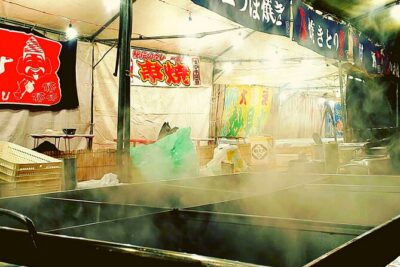
Osaka Food Tour: 13 Dishes at 5 Local Eateries
Read our review →
Hungry Osaka Street Food Tour:15 Tastings & 3 Drinks with a Local
Read our review →
Sushi Making Osaka Roll and Authentic Japanese Sushi Class
Read our review →
Osaka Local Foodie Walking Tour in Dotonbori and Shinsekai
Read our review →
Hungry Osaka Street Food Tour: 15 Dishes & 3 Drinks
Read our review →
Kuromon Market Food Walking Tour in Osaka (6 stops, 6 tastes)
Read our review →
Guided Food Tour with 12 Dishes at 4 Local Eateries
Read our review →Browse the lists this tour appears in