
REVIEW · OSAKA FOOD TOURS
Osaka Dotonbori: Sushi Making Experience
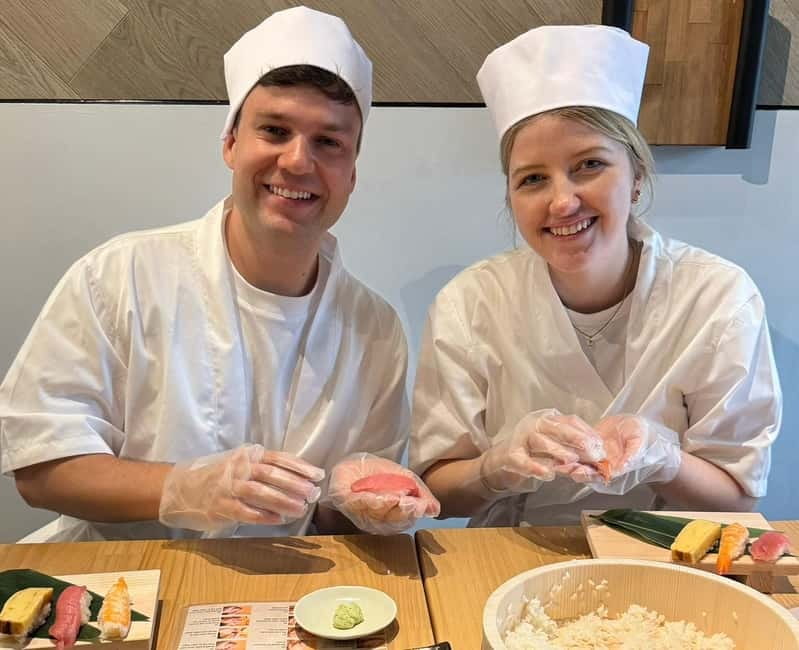
Fresh sushi, made by you. Osaka’s Dotonbori Sushi Making Experience turns lunch into a hands-on lesson in Japanese food and culture, with English-speaking instructors guiding you through every step. I especially like the chance to make 12 pieces of sushi and the friendly, playful atmosphere created by hosts such as Mako, Mika, Saki, and Yumiko. The sushi cosplay and certificate add a nice bit of fun, too.
The main consideration is that the seafood may not always feel exceptional to diners used to top-end sushi counters. One recent participant still found it good, but noted that it was not extremely fresh. Also, the location can be a little hard to find, so allow extra time before your 90-minute session.
Quick Reasons to Book
- You make 12 pieces yourself: The class covers sushi rice, toppings, wasabi, and hand-shaping, then lets you eat what you prepare.
- The instructors make the difference: Mako, Mika, Saki, Yumiko, Kosei, and others are praised for clear English, humor, patience, and useful tips.
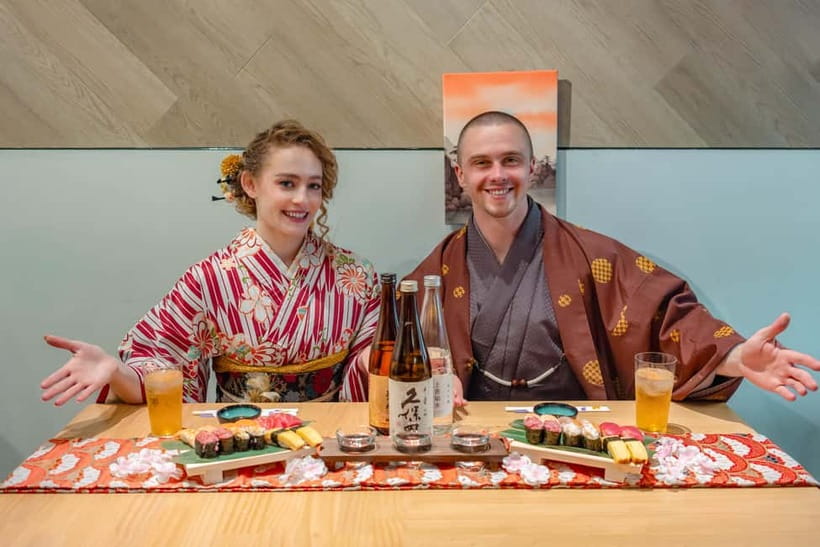
- Sake is part of the experience: You can enjoy Japanese sake alongside your sushi and learn a little about this traditional drink.
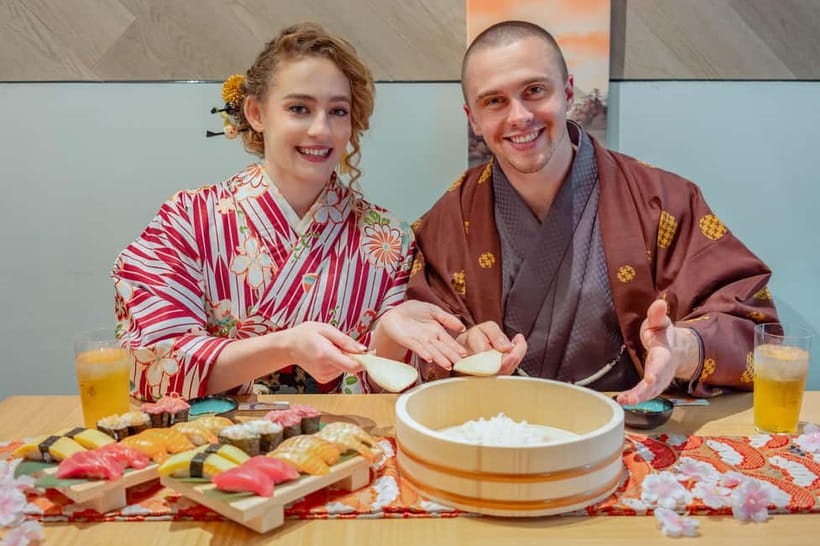
- It is more than a cooking lesson: Sushi cosplay, photographs, a certificate, and a special gift give the session a playful Osaka feel.
- Dietary choices are available: Vegan and halal sushi are offered, and gluten-free soy sauce has been provided for at least one participant.
- Good for families and beginners: A fifteen-year-old joined one family group successfully, and the instructions are designed for first-time sushi makers.
What This Dotonbori Class Is Really Like
Dotonbori is one of Osaka’s best-known food districts, and this experience gives you a reason to pause between restaurant meals. Instead of simply ordering sushi, you learn how the pieces come together, from seasoned rice to topping and final shape.
The class lasts about 90 minutes and is taught in English. That timing works well in an Osaka itinerary. You can fit it into an afternoon, use it as a lunch activity, or schedule it before an evening walk along the canal and neon signs of Dotonbori.
I would not book this expecting a formal culinary-school course. The mood is social, light, and encouraging. The instructors explain the basics, help you copy the movements, and keep the room cheerful. This makes the class especially useful if you want an activity that works for children, teenagers, couples, or a small group of friends.
The 4.9 rating from 122 reviews reflects a very consistent strength: the people leading the class. Names vary by session, but Mako, Mika, Saki, Yumiko, Kosei, Anri, and others are repeatedly praised for being friendly, funny, and easy to understand.
More Sushi and Ramen Tours in Osaka
- Sushi Making Osaka Roll and Authentic Japanese Sushi Class
★ 5.0 · 1,220 reviews - Osaka: Five Must-See Highlights Walking Tour & Ramen Lunch
★ 4.7 · 411 reviews - Osaka Sushi Making Experience
★ 5.0 · 400 reviews
Starting With Shari, The Sushi Rice
The first real lesson is about shari, the seasoned rice used for sushi. You pour sushi vinegar over the rice and learn how that simple step changes its flavor and texture.
This is a useful beginning because sushi is not just raw fish placed on rice. The rice carries much of the taste, and getting the balance right matters. The instructors then show you how to form the rice into a compact ball or base.
You should expect to work with your hands. The class is not designed for you to watch from a distance. You take part from the start, which makes the final meal more satisfying, even if your first rice shapes are not perfectly even.
The teaching style appears to be calm and easy to follow. Several participants praised the simple explanations, while one person suggested that instructors could pay closer attention to each individual’s technique and correct mistakes more often. That is a fair point to keep in mind in a busy session. You will receive demonstrations and assistance, but the amount of personal correction may depend on the group size.
Shaping Neta and Building Each Piece
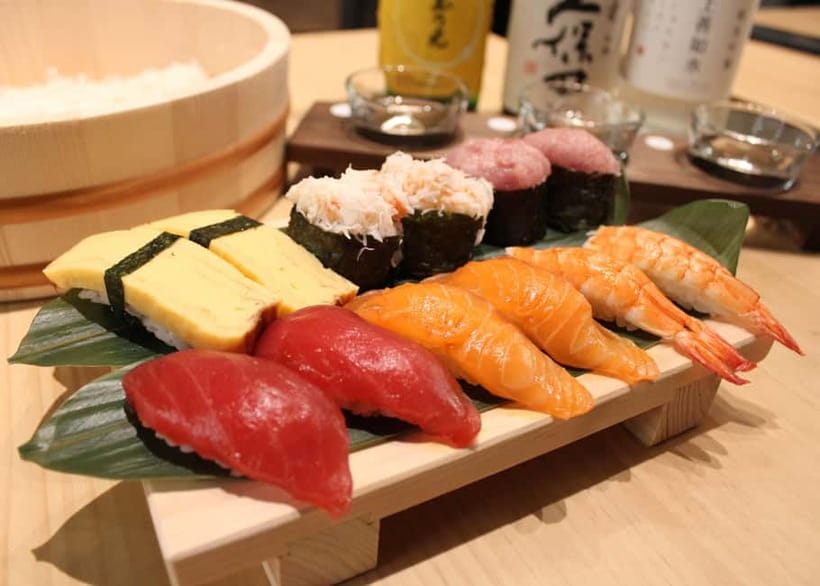
Next comes neta, the sushi topping. You place wasabi on the topping, bring it together with the rice, and begin shaping the sushi with your fingers.
This part gives you a better sense of why sushi chefs use controlled, careful movements. It is easy to press too hard, use too much rice, or make a piece that loses its shape. The instructors show you the basic technique without making beginners feel clumsy.
You will make 12 pieces in total. That is enough food to feel like a proper meal or substantial snack, but not so much that the lesson becomes a long production line. You also get to see your own progress. The first piece may look a little rough, while the later ones should feel more natural.
The class is aimed at beginners, so you do not need previous cooking experience. The focus is on learning a method you can understand and repeat, not on producing restaurant-perfect sushi.
A Sake Tasting With Your Homemade Sushi
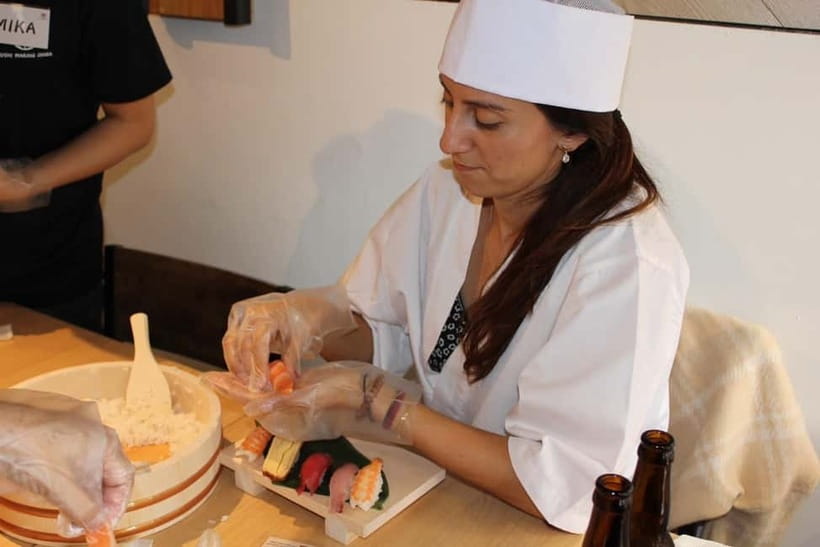
Japanese sake adds a second cultural element to the class. You can taste it while enjoying the sushi you have prepared, and the instructors provide information about the drink and its place in Japanese food culture.
This is not presented as a separate, lengthy tasting course. Think of it as a small companion to the sushi lesson. It gives you a chance to try sake in a relaxed setting rather than ordering it without knowing what to expect.
The sake portion has been a favorite part for some participants, especially those who wanted more than a basic cooking demonstration. If you do not drink alcohol, check the arrangements before booking, since the provided details specifically mention Japanese sake but do not explain non-alcoholic alternatives.
The food itself has earned strong praise overall. One person singled out the Japanese omelette sushi, while others enjoyed the quality of the ingredients and the finished pieces. A more cautious assessment found the seafood good but not extremely fresh. I would treat this as a learning and cultural activity first, with a tasty meal included, rather than as a substitute for Osaka’s best sushi restaurant.
Same city, a different table:
- Osaka: Shinsekai Food Tour with 13-15 Dishes at 5 Eateries
★ 4.8 · 2,204 reviews - Osaka Food Tour: 13 Dishes at 5 Local Eateries
★ 5.0 · 2,149 reviews - Hungry Osaka Street Food Tour:15 Tastings & 3 Drinks with a Local
★ 5.0 · 1,727 reviews - Osaka Local Foodie Walking Tour in Dotonbori and Shinsekai
★ 5.0 · 985 reviews
Sushi Cosplay, Photos, and the Certificate
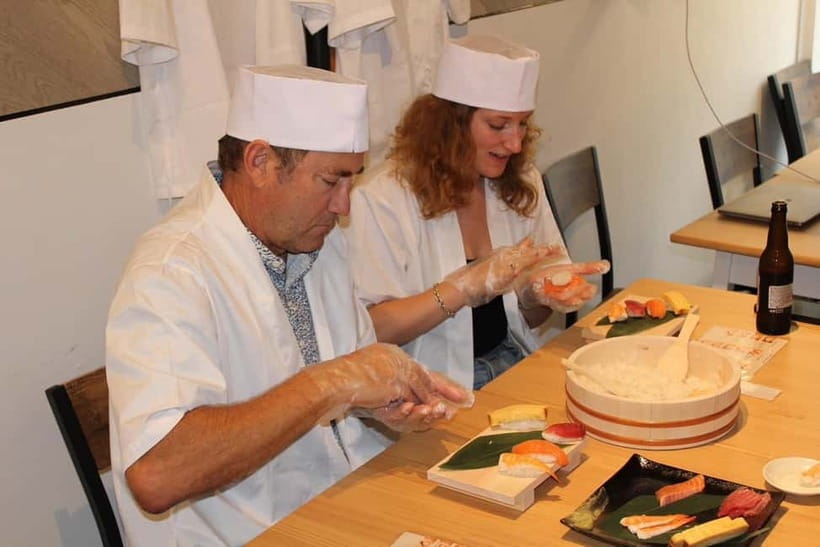
The playful extras help set this experience apart from a plain cooking class. You can wear sushi cosplay, take photographs, and receive a certificate identifying you as a sushi master.
The certificate is not a professional qualification, of course. It is a fun souvenir and a good photo prop. The cosplay has the same purpose. If you enjoy lighthearted holiday pictures, these extras give the class a memorable finish.
There is also a special gift. The exact gift is not specified, so do not book the experience expecting a particular item. Still, the combination of photographs, certificate, and gift gives you something tangible to take away beyond a full stomach.
This informal style will suit some people much more than others. Families and groups of friends are likely to enjoy it. If you prefer a quiet, serious cooking lesson with little posing or conversation, the cosplay element may feel less important to you.
The Instructors Are the Main Attraction
The strongest part of the experience is the teaching team. Mako is often praised for explaining sushi, Osaka, and Japanese culture in a clear and entertaining way. Mika, Saki, Yumiko, Kosei, Anri, and other instructors also receive credit for good English and warm interaction.
That matters because food classes can become frustrating when instructions move too quickly. Here, the steps are broken down into small jobs: season the rice, shape it, add the topping, use wasabi, and form the finished piece.
Several people appreciated that the instructors also taught small cultural details, Japanese words, and chopstick use. One participant enjoyed a short explanation of sushi’s origins, including how it was eaten in earlier periods and who it originally served. Another suggested adding more facts about sushi, so the cultural background may be fairly brief rather than a full history lesson.
You should also expect conversation. The hosts make an effort to talk with participants and share advice about Osaka. One group even received help after transport problems, with the staff assisting them as they tried to reach their next destination. That kind of personal care is a real advantage when you are dealing with a busy foreign city.
Food Quality, Dietary Needs, and What You Eat
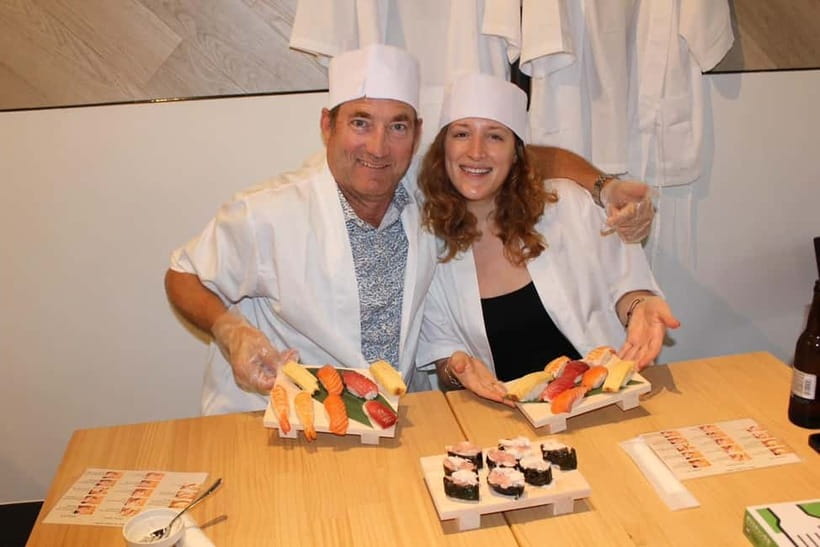
All ingredients for 12 pieces are included. The menu can accommodate vegan and halal sushi, which makes the class easier to recommend to mixed groups with different dietary requirements.
A gluten-free soy sauce was also provided for a participant with a gluten allergy. If you have a serious allergy or strict dietary rule, I would still confirm the details before attending. The information supports these options, but it does not provide a full ingredient list or explain how separate the preparation areas are.
The finished sushi is generally praised as delicious. That praise includes people who already like sushi and at least one person who does not usually enjoy fish. You might find the class a useful way to try sushi in a less intimidating format because you can focus on the ingredients and preparation rather than facing a large restaurant menu.
Still, keep your expectations sensible. This is a beginner class in a central entertainment district. The overall experience, instruction, and fun matter as much as the exact quality of every seafood topping.
Is $45 a Fair Price?
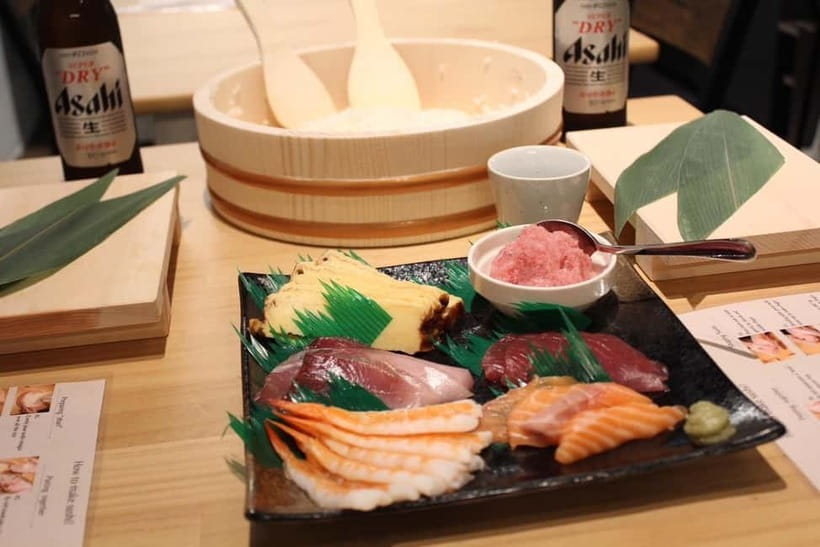
At $45 per person, the cost is not the cheapest way to eat sushi in Osaka. You can certainly find a less expensive meal if your only goal is to fill up.
The value improves when you count what is included: 12 pieces of sushi, instruction in English, sake, cosplay, a photo opportunity, a certificate, and a special gift. You are paying for an activity as well as food. For a visitor who wants a story to remember from Osaka, that makes the price reasonable.
The 90-minute length also helps. You are not giving up an entire day, and the class is long enough to provide real participation rather than a quick demonstration. I see the best value for couples, families, and friends who would otherwise spend an hour or two simply choosing where to eat.
Solo visitors can enjoy it too, especially if they like meeting people and joining a social class. The experience may be less appealing if you are a serious sushi fan seeking rare seafood, advanced knife work, or professional chef training.
Location, Timing, and Practical Tips
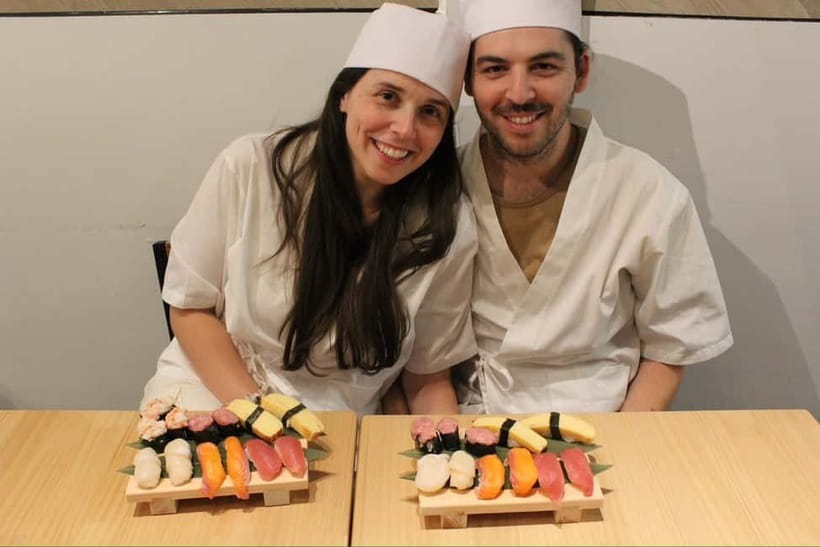
The class is in Osaka’s Dotonbori area, a convenient place to pair with sightseeing and food stops. The central location is one of its advantages, but finding the exact entrance can take effort.
Two people specifically found navigation difficult, and one suggested fixing the Google Maps location. I recommend arriving early rather than trying to locate the venue at the last minute. Dotonbori has plenty of signs, shops, crowds, and side streets, so a few extra minutes can prevent unnecessary stress.
Starting times vary. Check the available session when you book and plan your route around it. The activity is wheelchair accessible, which is useful for visitors who need step-free access, though the supplied information does not provide detailed restroom or seating information.
Cancellation is free up to 24 hours in advance for a full refund. You can also reserve now and pay later, which helps if your Osaka schedule is still changing.
Who Will Enjoy This Most?
I would recommend this class to:
- First-time sushi makers who want simple, guided instruction
- Families with older children or teenagers
- Couples looking for a hands-on date activity
- Friends who want photos and a light cultural experience
- Visitors who enjoy tasting sake with food
- People seeking vegan or halal sushi options
- Anyone who wants an English-language activity in Dotonbori
I would be more cautious if your top priority is premium seafood, advanced sushi technique, or a quiet meal. The class is social and playful. Its strength is the combination of food, instruction, conversation, and fun extras.
Should You Book Osaka Dotonbori Sushi Making?
Yes, if you want to do more than order sushi and move on. The instructors receive unusually consistent praise for their patience, humor, and clear English, and the class gives you a complete little experience in 90 minutes.
Book it for the chance to make 12 pieces, taste sake, learn basic sushi culture, and leave with a certificate and photos. Just allow extra time to find the venue, and remember that the seafood is good rather than guaranteed to be exceptional.
For a first visit to Osaka, this is a smart activity to place between Dotonbori sightseeing and dinner. You will eat what you make, learn how the pieces are formed, and gain a better understanding of one of Japan’s best-known foods. At $45, that is fair value for an afternoon memory, not simply a meal.
FAQ
How long does the Osaka Dotonbori sushi class last?
The experience lasts 90 minutes. Starting times vary, so check the available time when reserving.
How many pieces of sushi will I make?
You will make 12 pieces of sushi. The class includes the ingredients needed for those pieces.
Is the class taught in English?
Yes. English instruction is provided, and participants have praised the instructors for clear explanations and easy-to-understand guidance.
Is sake included?
Yes. You can enjoy Japanese sake with the sushi and receive information about traditional sake.
Are vegan and halal sushi options available?
Yes. Vegan and halal sushi are available. A gluten-free soy sauce has also been provided for a participant with a gluten allergy, but you should confirm your own dietary needs before attending.
Can I cancel or pay later?
You can cancel up to 24 hours before the activity for a full refund. You can also reserve now and pay later, and wheelchair access is available.
Just added in Osaka
- Hidden Osaka – Yukaku Red Light Tour & Culinary Adventure★ 4.8 · 96 reviews
- Eat Like a Local in Osaka – Private Custom Street Food Tour★ 4.3 · 33 reviews
- Osaka: Sushi Class in Dotonbori★ 4.9 · 160 reviews
- Osaka: Sushi Making in Spacious Studio (SAME-DAY OK!)★ 5.0 · 75 reviews
- Osaka: Gluten-Free Ramen and Gyoza Cooking Class★ 5.0 · 42 reviews
- Osaka: Kuromon Market Food Walking Tour (6 stops, 6 tastes)★ 4.6 · 272 reviews
- Osaka: Roll and Authentic Sushi Making Class in Dotonbori★ 4.9 · 239 reviews
- Osaka: Guided Food Tour with 12 Dishes at 4 Local Eateries★ 4.9 · 90 reviews
Sushi and Ramen Tours, compared.
Sushi Making Tokyo Roll and Authentic Japanese Sushi Class
Read our review →
Roll and Authentic Sushi Making Class in Asakusa
Read our review →
Ramen Cooking Class at Ramen Factory in Kyoto
Read our review →
Best of Shinjuku: Izakaya Food Tour (4 Stops, 14+ Tastings)
Read our review →
Sushi Making Class in a Happi Coat near a Famous Spot
Read our review →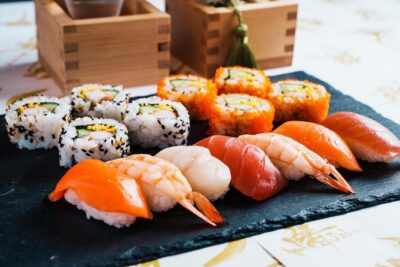
Sushi Making Tokyo! Popular Maki Sushi & Japanese Sushi(+Recipe!)
Read our review →
Sushi Making Osaka Roll and Authentic Japanese Sushi Class
Read our review →
Tokyo Sushi Making Class in Tsukiji with Professional Chef
Read our review →Browse the lists this tour appears in