
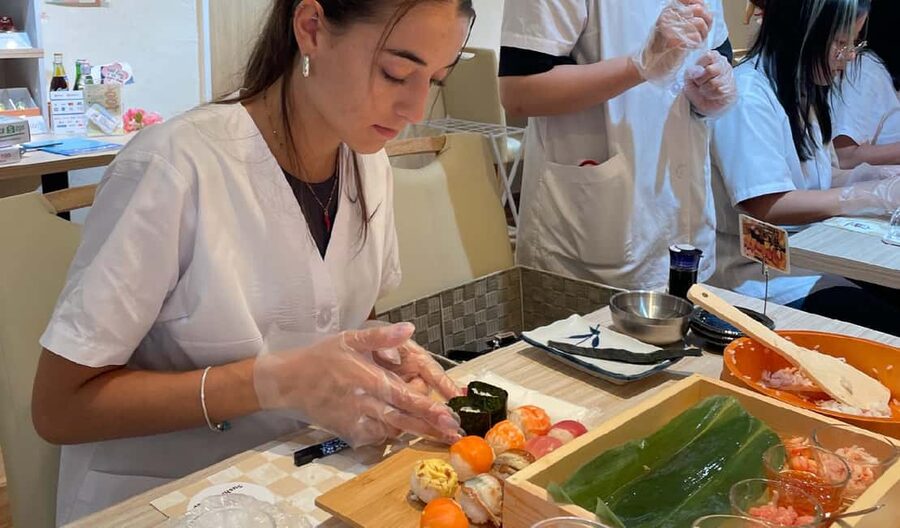
REVIEW · OSAKA FOOD TOURS
Osaka: Sushi Making in Spacious Studio (SAME-DAY OK!)
Roll up your sleeves for Osaka sushi. This 90-minute class near Namba gives you a friendly English-speaking instructor, prepared ingredients, and a chance to make and eat your own sushi. I like the hands-on format and the warm teaching style praised by guests who worked with Naho, Aki, Tsuki, Seina, and Matsuri. The $25 price also includes your sushi, a certificate, and a small souvenir.
I especially like that the class works for solo visitors, couples, families, and first-timers. You learn basic sushi rice preparation, nigiri, gunkan, rolls, or temari sushi, depending on the lesson. One thing to consider is that drinks cost extra, and vegetarians need to contact the class ahead of time so fish toppings can be replaced.
Key points at a glance
- Three minutes from Namba Station: The central location makes this an easy activity to fit between sightseeing, shopping, and dinner.
- English instruction: Guides such as Naho, Aki, Tsuki, Seina, and Matsuri have been praised for clear English and patient help.
- A real meal, not just a demonstration: You make either eight or ten pieces, then eat what you prepared.
- Useful beginner skills: The class covers sushi rice, basic shaping, nigiri, gunkan, rolls, and in some sessions, temari sushi.
- Vegetarian arrangements are possible: Contact the provider in advance for vegetable-based toppings.
- A cheerful finish: You leave with a Sushi Master Certificate and a small Japanese souvenir.
Why this Namba sushi class works so well
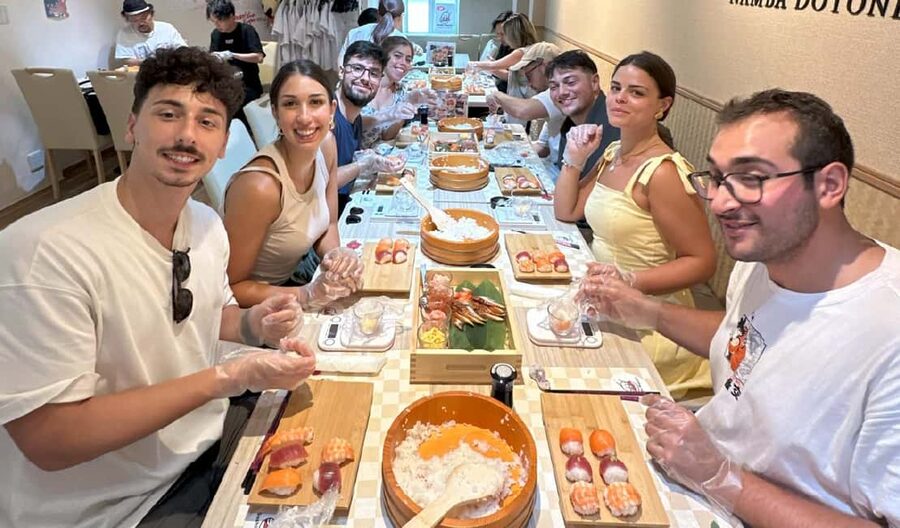
Osaka is a fine place to learn sushi. The city is famous for food, and Namba puts you close to the action, but restaurant dining alone does not show you how sushi comes together. This class fills that gap without taking up half a day.
For $25, you receive the ingredients, the food you make, instruction in English, a certificate, and a small gift. That is a strong value in a central Osaka location. You are not paying only for a meal. You are paying for a short cultural activity, a little kitchen practice, and a meal you have helped create.
The class also has a useful balance. It is not presented as advanced chef training, and you should not expect to learn every style of sushi in 90 minutes. Instead, it focuses on basic techniques that are easy to understand and fun to try. You get enough structure to feel successful, but not so much technical detail that the class becomes work.
I like the personal tone, too. Nona described being able to ask as many questions as needed, while Jay, who attended alone, felt comfortable and quickly picked up the techniques. That matters if you are arriving without cooking experience or without a companion.
More Sushi and Ramen Tours in Osaka
- Sushi Making Osaka Roll and Authentic Japanese Sushi Class
★ 5.0 · 1,220 reviews - Osaka: Five Must-See Highlights Walking Tour & Ramen Lunch
★ 4.7 · 411 reviews - Osaka Sushi Making Experience
★ 5.0 · 400 reviews
Finding the Orange Building near Namba
The meeting point is listed as Sushi Master Namba on Google Maps. The map may be slightly off, so allow a few extra minutes and look for the narrow orange-colored building. The class is on the second floor.
The location is about three minutes from Namba Station, which is a major advantage. You can pair the class with Dotonbori, shopping around Namba, or an evening meal nearby. It also makes this a sensible choice on a rainy day, since you do not need to travel across Osaka for a short indoor activity.
If you have trouble finding the entrance, the provider asks you to call 0664848070. I would save that number before leaving your hotel. The meeting instructions are brief, and the note about the map being slightly misaligned is worth taking seriously.
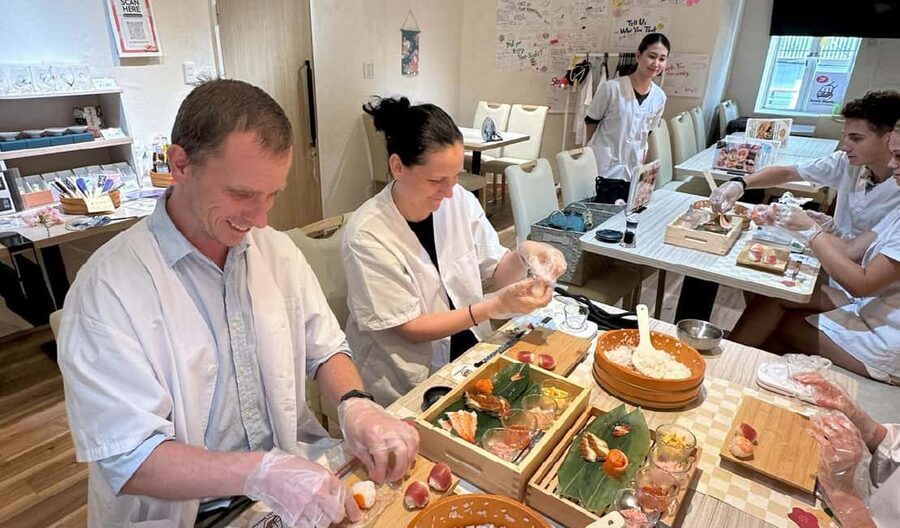
The room is described as spacious and welcoming. That is useful for a food class, where cramped tables can make every small movement awkward. A larger classroom should give you room to work, watch the instructor, and enjoy the social side without feeling squeezed.
The welcome and introduction to Japanese food culture
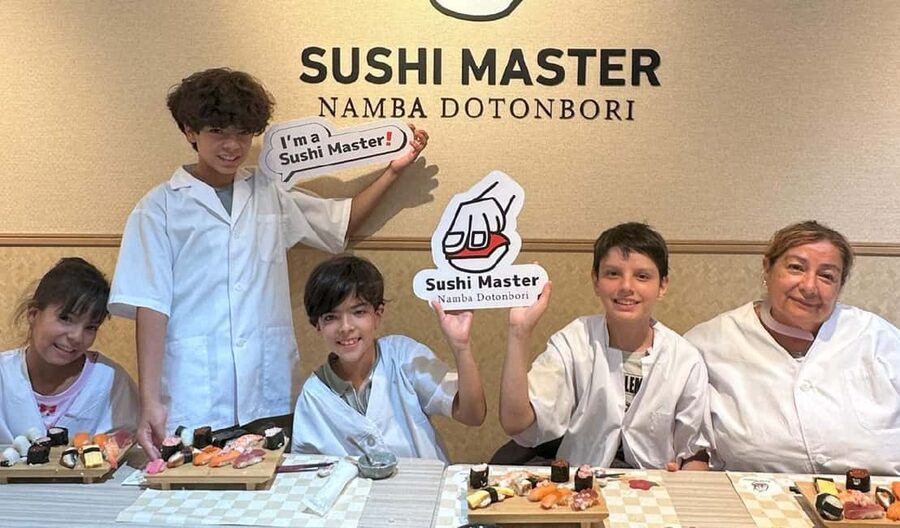
The session begins with a welcome and an introduction to Japanese food culture in English. Some classes also use an informative video before the practical work begins.
This opening gives the food a little context. You are not simply handed rice and toppings with instructions to copy the person in front of you. You get an explanation of sushi and the basic ideas behind the food before handling the ingredients.
The class is led in English and Japanese. The English-speaking instructors have received especially strong praise for being easy to follow. Naho is described as kind and dedicated, while Aki is praised for clear communication and a fun manner. Seina was noted for patience, and Tsuki for being friendly and helpful.
Those details tell you what kind of class this is likely to be. The instructor is not only there to demonstrate a technique and move on. You can ask questions, get help with shaping, and receive encouragement when your first piece looks more homemade than restaurant-ready.
That is part of the appeal. Sushi can appear simple on the plate, but the rice, pressure, shape, and topping all matter. A patient teacher helps you understand the small adjustments that make the process less mysterious.
Making sushi rice and preparing the ingredients
A key part of the experience is learning how to make or handle sushi rice. The rice is central to the final result, and the class treats it as more than a background ingredient.
The exact preparation may vary by session. One detailed account noted that the rice, fish, egg, and seaweed had already been prepared, leaving the class to cool the rice and assemble the sushi. That is important to understand. This is a hands-on assembly class with instruction in sushi basics, not a full professional kitchen course in which you prepare every ingredient from scratch.
That setup is sensible for a 90-minute activity. Preparing rice, fish, egg, and seaweed from the beginning would take much longer and could leave little time for shaping and eating. By doing some preparation before you arrive, the class keeps the focus on the parts you can practice and enjoy during the session.
You will likely learn why rice temperature and texture matter, then work with the prepared ingredients at your station. The goal is not simply to make attractive pieces for photographs. You are learning how the parts fit together, from rice to topping to final presentation.
This is also where a little patience helps. Your first piece may be uneven. That is normal. The instructor can show you how much rice to use, how firmly to press, and how to keep the shape together without crushing it.
Same city, a different table:
- Osaka: Shinsekai Food Tour with 13-15 Dishes at 5 Eateries
★ 4.8 · 2,204 reviews - Osaka Food Tour: 13 Dishes at 5 Local Eateries
★ 5.0 · 2,149 reviews - Hungry Osaka Street Food Tour:15 Tastings & 3 Drinks with a Local
★ 5.0 · 1,727 reviews - Osaka Local Foodie Walking Tour in Dotonbori and Shinsekai
★ 5.0 · 985 reviews
Nigiri, gunkan, rolls, and temari sushi
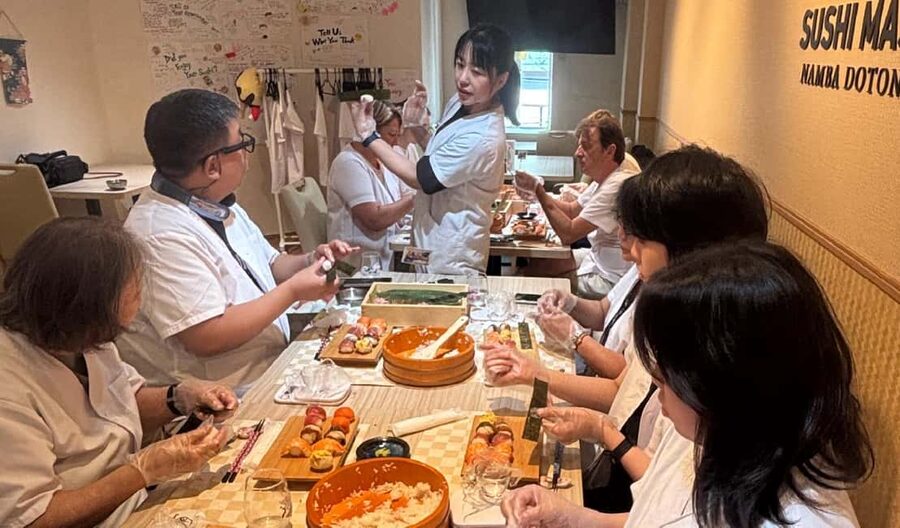
The standard course includes eight pieces, while the premium course includes ten. The precise styles can vary, but the class has included nigiri and gunkan, with some sessions also covering rolls and temari sushi.
Nigiri is the familiar hand-shaped sushi with a topping placed over rice. It looks plain, but the shape and pressure take practice. Gunkan, often called battleship sushi, uses a strip of seaweed around the rice and leaves space for a topping. It gives you a different lesson in structure and presentation.
Temari sushi is a rounder, decorative style. It can be especially enjoyable for beginners because the finished pieces look distinctive even when you are still learning. Rolls add another basic skill, as you work on keeping the rice and fillings together.
The premium option gives you two extra pieces, but the real value depends on your appetite and the course details available for your date. If you are hungry after a morning of sightseeing, ten pieces may be the better choice. If you mainly want the lesson and have other food plans, eight pieces may be enough.
You should arrive ready to eat. The portions have been described as generous enough for a proper snack or light meal, and the food quality has received frequent praise. Still, the class is not designed as an all-you-can-eat experience. You receive the pieces you make, then enjoy them on the spot.
Eating what you made, with drinks available
The best part comes at the table. After the shaping and assembly, you eat the sushi you made. It is a small reward, but it changes the class from a craft activity into a complete food experience.
You also get a clear sense of cause and effect. A piece that seemed difficult to form becomes lunch. Even if your sushi does not look perfect, it can still taste very good, especially with fresh ingredients and the guidance you received.
Soft drinks and alcohol can be ordered during the class. Sake is available as an option to enjoy with the sushi, but drinks are not included in the $25 price. That keeps the basic cost low, but you should budget a little more if you want a drink with your meal.
Outside food and drinks are not allowed. Smoking is also not permitted. These are simple rules, but they matter in a food-preparation space.
I would schedule the class when you are ready for a meal rather than immediately after a large lunch. Arriving hungry makes the final tasting more enjoyable, especially if you choose the ten-piece premium course.
Certificates, photos, and the small souvenir
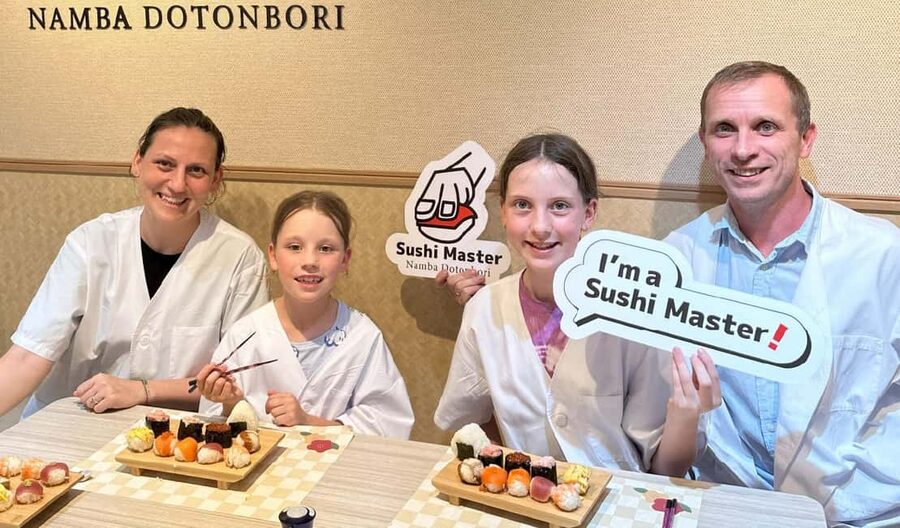
At the end, you receive a Sushi Master Certificate. It is not a professional qualification, of course, but it makes a cheerful keepsake and gives the class a clear finish.
You also receive a small Japanese souvenir. The exact item is not specified, so treat it as a surprise rather than a particular product you are promised. That little extra has helped make the activity feel more personal, especially for families and children.
One instructor was happy to take photos during the class. You can ask for a picture of your sushi or your group, though photography help may depend on how busy the session is. I would keep your phone nearby but out of the way of the food-preparation area.
The certificate and gift also make this a good choice for a first Osaka activity. You return with something tangible from the day, not just a full stomach and a few blurry pictures.
Vegetarian options and food allergies
Vegetarian options are available, but you must send a direct message in advance. The fish toppings can be replaced with vegetable-based ingredients.
Do not wait until you arrive to explain a dietary need. The provider specifically asks you to report allergies ahead of time, so the staff can prepare appropriately. The information supplied does not list every possible ingredient or allergy accommodation, so you should communicate clearly before booking.
This advance notice is especially important in a class involving rice, seaweed, fish, egg, and other prepared toppings. If you have a serious allergy, ask the provider what can be accommodated before you reserve.
The class is also useful for families with mixed preferences, since a vegetarian participant may be able to join the same session with adjusted toppings. Just make the request early.
Who will enjoy this 90-minute activity
I would recommend this class to you if you want a short, affordable food experience close to central Osaka. It suits solo visitors particularly well because the instructor provides direction and the format gives you an easy way to meet others without forced conversation.
It is also a good family activity. The steps are visual, the food is familiar to many children, and the certificate adds a playful reward. Adults who already eat sushi will still find value in seeing how rice and toppings are shaped, though experienced sushi makers may want a more advanced lesson.
Couples can use it as a change from restaurant meals. You make something together, compare the results, and eat immediately. It is also a practical rainy-day plan, since the entire activity takes place indoors.
This may not be right for you if you want a long culinary course, a professional knife lesson, or a detailed tour of Osaka’s food markets. The class is short and beginner-focused. Its strength is its friendly pace, not technical depth.
Price, timing, and booking advice
At $25 per person, this is one of the easier Osaka activities to justify. The price includes ingredients, eight or ten pieces of sushi, instruction, the certificate, and the souvenir. In a central Namba location, the combination gives you a good amount for 90 minutes.
You can reserve now and pay later, which helps if your Osaka schedule is still shifting. Free cancellation is available up to 24 hours in advance for a full refund. Check the available starting times before booking, since the class schedule can affect how easily you fit it around other plans.
The provider is WILL Co., Ltd. The experience is offered in English and Japanese, and the repeated praise for patient, friendly instructors is one of its strongest points. Named instructors include Naho, Aki, Tsuki, Seina, and Matsuri, but you should not assume a particular teacher will lead your session.
Plan to arrive with enough time to find the orange building and second-floor room. Save the phone number, 0664848070, in case the map places you slightly off target.
Should you book this Osaka sushi class?
Yes, if you want an affordable, social, and practical food activity near Namba. I would choose it for a first visit to Osaka, a rainy afternoon, a family outing, or a break from restaurant meals.
The biggest reasons to book are the clear English instruction, the chance to eat what you make, and the strong value at $25. The friendly teaching style is the real heart of the experience, with instructors such as Naho and Aki receiving special praise for patience, warmth, and clear explanations.
Book with two cautions in mind. Drinks cost extra, and vegetarian requests or allergy information need to be sent ahead of time. If you accept that this is a beginner class rather than a full chef course, you should leave with new skills, a full stomach, a certificate, and a small souvenir from Osaka.
FAQ
Where is the sushi-making class located?
The class is near Namba Station in Osaka, about three minutes away. Search for Sushi Master Namba on Google Maps and look for the second floor of the narrow orange-colored building.
How long does the sushi class last?
The experience lasts 90 minutes.
How much does the experience cost?
The listed price is $25 per person.
Is the instruction available in English?
Yes. The instructors speak English and Japanese, and the class includes English instruction.
How much sushi will I make?
The standard course includes eight pieces, while the premium course includes ten pieces.
Can I eat the sushi I make?
Yes. The sushi ingredients and the sushi meal you prepare are included in the experience.
Are drinks included in the price?
No. Soft drinks and alcohol, including sake options, can be ordered during the class but cost extra.
Are vegetarian options available?
Yes. Fish toppings can be replaced with vegetable-based ingredients, but you need to contact the provider in advance.
What happens if I need to cancel?
You can cancel up to 24 hours in advance for a full refund. You can also reserve now and pay later.
Just added in Osaka
- Hidden Osaka – Yukaku Red Light Tour & Culinary Adventure★ 4.8 · 96 reviews
- Eat Like a Local in Osaka – Private Custom Street Food Tour★ 4.3 · 33 reviews
- Osaka: Sushi Class in Dotonbori★ 4.9 · 160 reviews
- Osaka: Gluten-Free Ramen and Gyoza Cooking Class★ 5.0 · 42 reviews
- Osaka: Kuromon Market Food Walking Tour (6 stops, 6 tastes)★ 4.6 · 272 reviews
- Osaka: Roll and Authentic Sushi Making Class in Dotonbori★ 4.9 · 239 reviews
- Osaka: Guided Food Tour with 12 Dishes at 4 Local Eateries★ 4.9 · 90 reviews
- Osaka Dotonbori: Sushi Making Experience★ 4.9 · 122 reviews
Sushi and Ramen Tours, compared.
Sushi Making Tokyo Roll and Authentic Japanese Sushi Class
Read our review →
Roll and Authentic Sushi Making Class in Asakusa
Read our review →
Ramen Cooking Class at Ramen Factory in Kyoto
Read our review →
Best of Shinjuku: Izakaya Food Tour (4 Stops, 14+ Tastings)
Read our review →
Sushi Making Class in a Happi Coat near a Famous Spot
Read our review →
Sushi Making Tokyo! Popular Maki Sushi & Japanese Sushi(+Recipe!)
Read our review →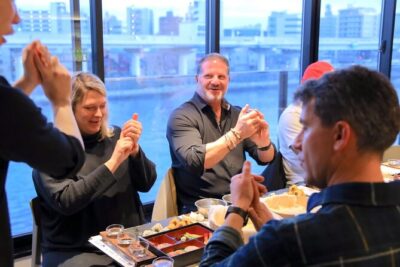
Sushi Making Osaka Roll and Authentic Japanese Sushi Class
Read our review →
Tokyo Sushi Making Class in Tsukiji with Professional Chef
Read our review →Browse the lists this tour appears in