
REVIEW · OSAKA FOOD TOURS
Osaka: Gluten-Free Ramen and Gyoza Cooking Class
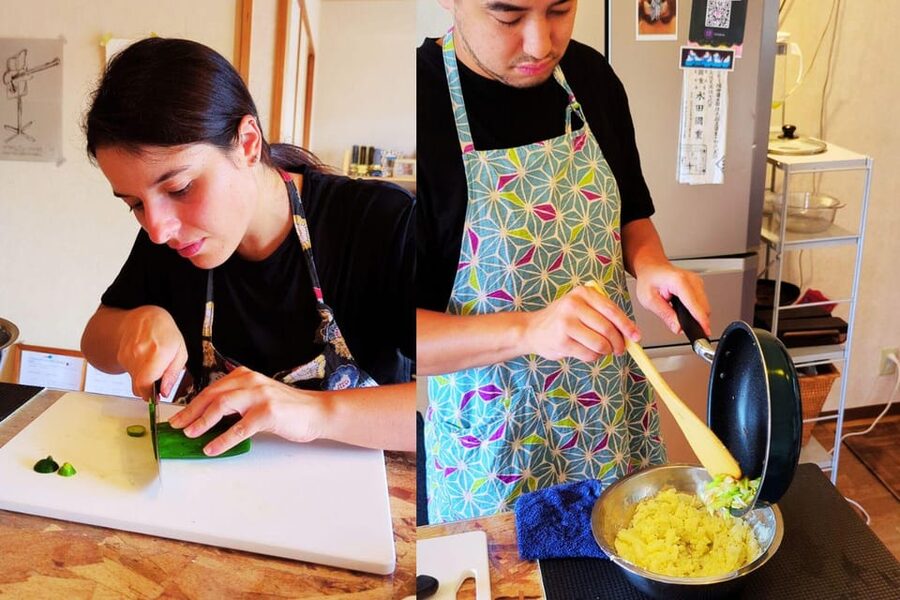
Fresh noodles change the whole Osaka experience. This three-hour class gives you a rare chance to make gluten-free ramen and gyoza from scratch in chef Yuki’s Japanese-style home, rather than simply watching a demonstration. I especially like the small maximum of four participants and the practical recipes you can recreate after Japan. The main consideration is price: at $103 per person, this is not a budget meal, though the instruction, food, and personal attention make the cost easier to justify.
The class also reaches beyond the usual cooking lesson. You prepare two ramen styles, shape rice-flour dumpling wrappers, fry the gyoza, and sit down to eat everything afterward. The setting is personal and relaxed, but a home kitchen may feel less polished than a dedicated cooking studio, and guests with serious allergies should discuss food-handling needs before booking.
Key points to know before booking
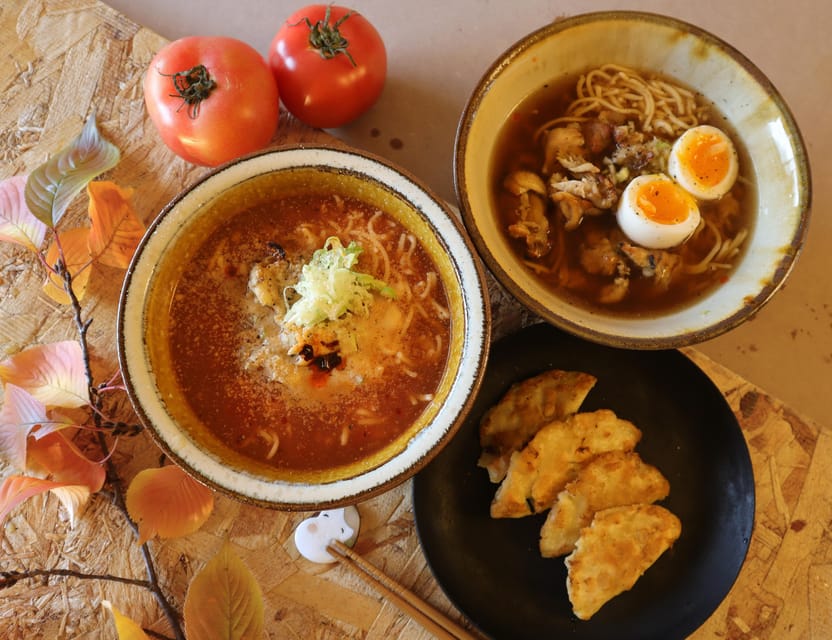
- Two ramen styles in one class: Prepare classic soy sauce ramen and a less common tomato ramen, both with gluten-free noodles.
- Small group of four: Yuki can give direct help with noodle texture, dough handling, and gyoza folding.
- Rice flour from start to finish: Make both the ramen noodles and dumpling wrappers without wheat flour.
- A meal, not just a lesson: You eat the ramen and gyoza you prepared during the final part of the class.
- Optional sake pairing: Try three 45 ml servings, including chilled Junmai, chilled Junmai Ginjo, and warm Junmai.
- Easy station access: The home is about five minutes on foot from Nukata Station, at 4-19 Nukata-cho, Osaka.
Why this Osaka cooking class is different
Osaka has no shortage of food experiences, but many focus on eating specialties at a market or restaurant. This one asks you to handle the ingredients yourself. You learn why a dough behaves as it does, how to shape a dumpling, and how to bring several dishes together at the right time.
That matters for anyone who follows a gluten-free diet. Japanese food can look safe at first glance, yet wheat appears in many familiar items, including noodles and some sauces. Here, the class is built around gluten-free versions of dishes that are normally made with wheat.
I also like that the lesson is not limited to one bowl of ramen. You make soy sauce ramen, tomato ramen, and gyoza in the same visit. That gives you more variety for the price and lets you compare a traditional flavor with a newer idea.
Yuki has more than ten years of professional cooking experience and teaches in English and Japanese. Her teaching style is patient and clear, which helps if you have little kitchen experience. You do not need to arrive with special skills. You need comfortable clothes and an appetite.
More Cooking Classes in Japan
- Osaka: Ramen and Gyoza Cooking Class in Dotonbori
★ 5.0 · 378 reviews - Osaka: Roll and Authentic Sushi Making Class in Dotonbori
★ 4.9 · 239 reviews - Osaka: Cooking Class Ramen & Gyoza Course in Nanba
★ 4.9 · 86 reviews
Arriving at Yuki’s home near Nukata Station
The meeting point is 4-19 Nukata-cho, Osaka, in a quiet residential neighborhood. From Nukata Station, it is about a five-minute walk. Detailed directions arrive after booking, and a welcoming sign marks the entrance.
The home setting is a major part of the experience. You are not sitting in rows while an instructor works at the front of a room. You take part in the preparation, ask questions as you go, and share the meal in a small dining area at the end.
That personal format suits people who want conversation along with cooking. Several participants described the atmosphere as kind, friendly, and home-like. Yuki also shares stories and insights about Japanese cuisine, so the lesson has a cultural side without turning into a formal lecture.
The tradeoff is simple: this is a residential kitchen, not a large commercial studio. If you prefer a highly polished setup with lots of space, you may find the home environment more basic. If you value direct contact with your instructor, the setting is a strong point.
Making gluten-free ramen noodles from rice flour
The first major task is making ramen noodles with rice flour. This is one of the most useful parts of the class because noodles are often the hardest item for gluten-free diners to find in Japan.
You work through the process step by step, learning how to handle the dough and aim for a chewy texture without wheat. Noodle making can look easy when someone else does it. The class gives you the chance to feel the texture, notice how the mixture changes, and understand what you would need to repeat at home.
The rice-flour technique is also more practical than simply buying a gluten-free product. You leave with recipes and tips, not just a pleasant memory and a full stomach. That is a real benefit for anyone who wants to keep cooking Japanese food after returning home.
Do not expect the same process as standard wheat ramen. Gluten-free dough has different qualities, and the point is to learn a workable method rather than imitate every detail of a ramen shop. Yuki’s guidance is especially helpful here because timing and texture can make the difference between satisfying noodles and disappointing ones.
Two bowls, two different directions
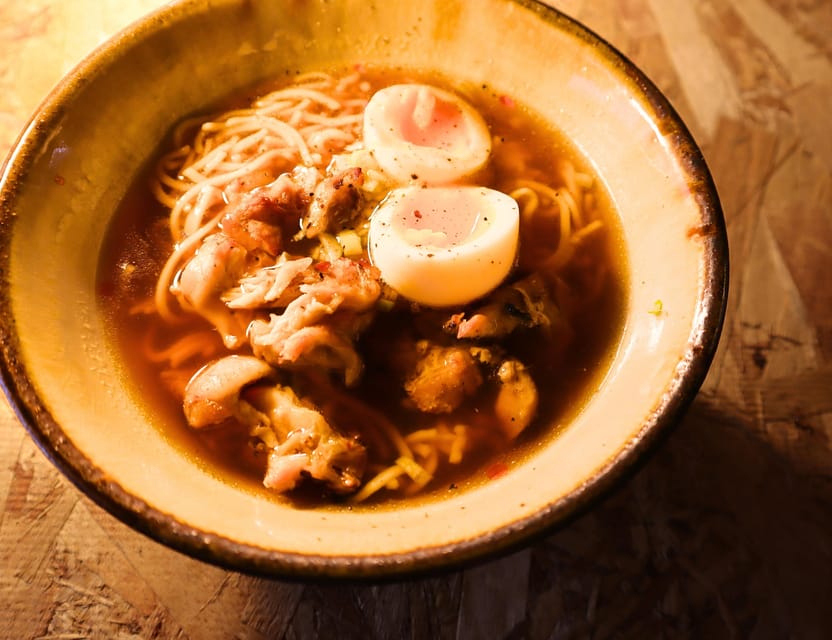
Once the noodles are underway, the class moves into the broths. You prepare soy sauce ramen first, using a savory base that connects to the familiar taste most people associate with ramen.
The soy sauce version gives you a useful foundation. You learn how a simple broth can carry the noodles and how Japanese flavoring works without needing a long restaurant production line. It is the classic choice, and it offers a good reference point for the second bowl.
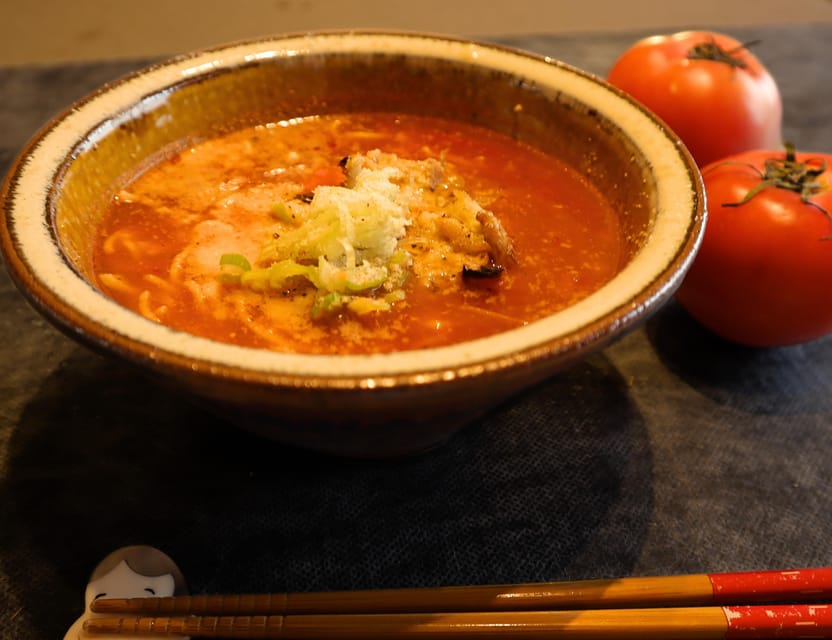
Then comes tomato ramen, a more unusual variation. The tomato broth brings a fresh, tangy quality and shows how Japanese cooks can adapt a familiar format. It is still ramen, but it does not stay inside the narrow idea that ramen must have one traditional flavor profile.
Making both styles gives the class a better rhythm. You are not repeating one recipe for three hours. You get a classic preparation and a creative one, then taste how the same handmade noodles work with each broth.
For diners seeking strictly traditional dishes, tomato ramen may feel less essential. I see it differently: it gives you a useful glimpse of how Japanese home cooking can change and experiment. It also adds variety to a meal already built around noodles and dumplings.
More Sushi and Ramen Tours in Osaka
- Sushi Making Osaka Roll and Authentic Japanese Sushi Class
★ 5.0 · 1,220 reviews - Osaka: Five Must-See Highlights Walking Tour & Ramen Lunch
★ 4.7 · 411 reviews - Osaka Sushi Making Experience
★ 5.0 · 400 reviews - Osaka: Sushi Class in Dotonbori
★ 4.9 · 160 reviews
Shaping rice-flour gyoza wrappers
The gyoza portion begins with another gluten-free dough, this time for dumpling wrappers. You make the wrappers from rice flour rather than using prepared wheat wrappers.
This is a worthwhile skill because wrapper making is often the most intimidating part of homemade gyoza. The dough has to be workable enough to fold, but strong enough to hold the filling and survive cooking. Yuki guides you through the process so you can concentrate on the feel and shape of the wrapper.
The class then prepares a savory filling. The supplied details do not specify every ingredient, so you should not expect a fixed list beyond the gluten-free approach. The useful lesson is the method: how to portion the filling, keep the dumpling manageable, and avoid making the wrapper too difficult to close.
This part can take patience. Rice-flour wrappers may not behave exactly like wheat wrappers, and folding them neatly may require help. That is where the four-person limit matters. Yuki can correct your technique rather than leaving you to struggle through a pile of dumplings.
Folding and pan-frying the gyoza
Folding gyoza is the class’s most hands-on skill. You learn to close the dumplings into a neat shape, then pan-fry them until the outside is crisp and the inside remains tender.
The goal is not just attractive dumplings. You are also learning how cooking changes the wrapper. The finished gyoza should have a golden, crisp surface with a soft filling inside. It is a small lesson in heat control and timing, and the reward comes quickly when you sit down to eat them.
I like this part for practical reasons. Ramen is satisfying, but handmade dumplings give you a skill you can practice many times at home. You can also see your progress immediately. The first folds may be uneven, while later ones become easier and more consistent.
The class is friendly to beginners, but you should still expect to work. This is not a tasting session where food appears in front of you. You will mix, shape, fold, and cook. Wear clothing suitable for kitchen work, and avoid arriving in anything you would worry about getting messy.
Eating the meal you prepared
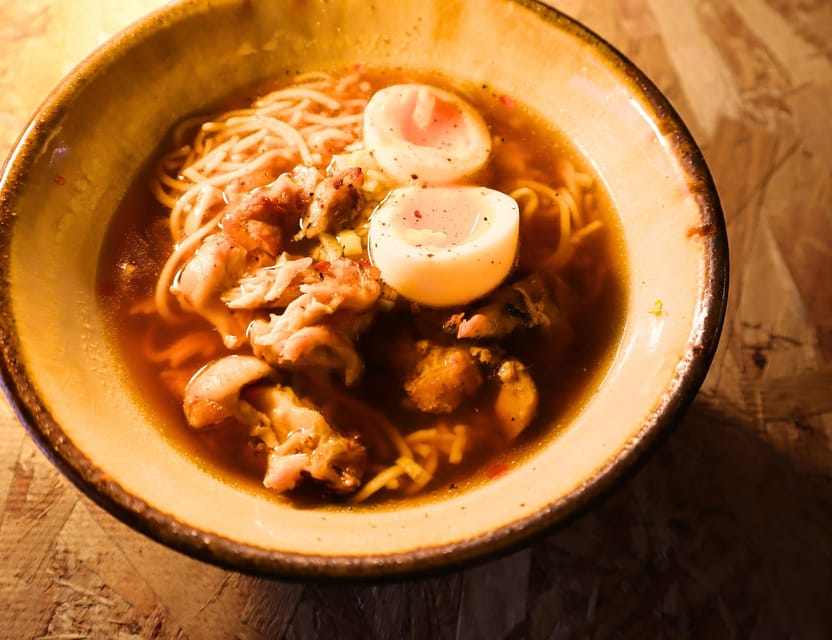
After the cooking is finished, you gather in a cozy dining area and eat the results. The meal includes the ramen and gyoza you made during the class, so the final course feels like part of the lesson rather than a separate restaurant stop.
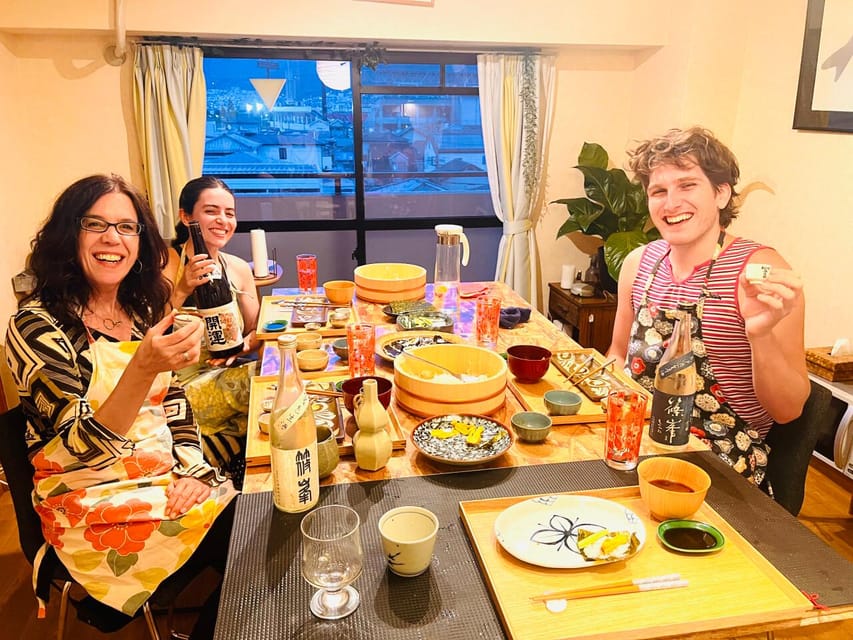
This is when the three-hour format makes sense. You have put effort into several dishes, and you can judge the results while the methods are still fresh in your mind. Yuki also explains the flavors and, if you choose the pairing, how the sake works with the food.
The class offers an optional sake pairing with three 45 ml servings: chilled Junmai, chilled Junmai Ginjo, and warm Junmai. The selection lets you compare styles and temperatures alongside the meal. If you do not drink alcohol, the cooking class and meal remain the main experience, but confirm pairing details when booking if you want to know exactly how it is handled.
Come hungry. You are preparing a full meal, and the final sitting is one of the best parts of the visit. Several people specifically praised the taste of the finished ramen and gyoza, along with the pleasure of eating food they had made themselves.
Value at $103 per person
At $103, this class costs more than buying a bowl of ramen and a plate of gyoza in Osaka. That comparison misses the point, though. You are paying for three hours of instruction, hands-on preparation, a personal teacher, recipes, cooking tips, and a full meal.
The maximum group size of four improves the value. You are not one person among twenty trying to see a demonstration from the back. You have a reasonable chance to ask questions and receive help with the parts that require practice, especially noodles and wrapper folding.
The class is also unusually useful for gluten-free diners. Finding a safe and satisfying ramen meal can take extra planning, while this experience makes gluten-free cooking the central subject. For that audience, the value is stronger than the price alone suggests.
For a visitor who simply wants the cheapest Japanese meal, I would skip it. For someone who enjoys cooking, needs gluten-free options, or wants a social activity with a local chef, the price is fair. The recipes add lasting value because you can try the dishes again at home.
Transportation is not included, so you must make your own way to Nukata Station and walk the final five minutes. The location is straightforward once you receive the directions, but allow enough time to find a residential address without rushing.
Who should book this experience
This class suits beginners and experienced home cooks. Yuki explains each stage clearly, and the small group allows room for questions. You do not need prior cooking experience.
It is particularly useful for people who follow a gluten-free diet and want more confidence with Japanese food. Couples may enjoy the shared tasks, while solo visitors can expect a social setting because the group is limited to four people.
It also works for travelers who want a break from sightseeing. Three hours in a home kitchen offers a slower change of pace from Osaka’s stations, shopping streets, and restaurant meals. You leave with food in your stomach and techniques you can use later.
I would be more cautious about booking if you dislike hands-on activities, do not want to eat a full meal, or prefer a formal cooking school. The home environment is warm and personal, but it is not designed for people who want to remain spectators.
The activity is listed as not suitable for people over 95. Guests with serious dietary concerns should contact the provider before booking to discuss ingredients and preparation needs, even though the class is designed around gluten-free recipes.
Should you book the Osaka gluten-free ramen class?
I would book this if you want more than a restaurant meal. Chef Yuki’s class combines useful cooking skills, a personal Japanese setting, and a meal that includes two ramen styles and handmade gyoza.
The strongest reasons to go are the four-person limit, the rare gluten-free focus, and the chance to recreate the dishes at home. The main reason to pass is the $103 price if your goal is simply to eat cheaply.
For gluten-free diners, curious cooks, and anyone who enjoys a small, friendly food experience, this is a strong choice in Osaka. Bring comfortable clothes, arrive ready to work, and save room for the meal you make yourself.
FAQ
How long does the Osaka gluten-free ramen and gyoza class last?
The class lasts three hours.
How much does the cooking class cost?
The price is $103 per person.
Where is the cooking class held?
The class is held at 4-19 Nukata-cho, Osaka, in a Japanese-style home near Nukata Station.
How far is the venue from Nukata Station?
The venue is about a five-minute walk from Nukata Station.
How many people can join the class?
The group is limited to four participants.
Do I need previous cooking experience?
No. The class is suitable for beginners, and Yuki provides step-by-step instruction.
What food will I make?
You will make gluten-free ramen noodles, soy sauce ramen, tomato ramen, gyoza wrappers, gyoza filling, and pan-fried gyoza.
Is sake included in the class?
An optional sake pairing is available. It includes three 45 ml servings: chilled Junmai, chilled Junmai Ginjo, and warm Junmai.
More Workshops in Osaka
- Sushi Making Tokyo Roll and Authentic Japanese Sushi Class
★ 5.0 · 3,971 reviews - Tokyo: Sushi Making Class in a Happi Coat near a Famous Spot
★ 4.9 · 1,377 reviews - Tokyo Sushi Making Class in Tsukiji with Professional Chef
★ 5.0 · 1,177 reviews - Athens: Food Market Visit and Cooking Class with Wine
★ 4.9 · 1,087 reviews
More cooking classes in Osaka
- Authentic Pizza Making Class in Naples with Appetizers and Drink
★ 5.0 · 3,178 reviews - Tokyo: Roll and Authentic Sushi Making Class in Asakusa
★ 4.9 · 1,957 reviews - Ramen Cooking Class at Ramen Factory in Kyoto
★ 5.0 · 1,937 reviews - Small Group Cooking Class & Market Food Tour in Florence
★ 5.0 · 1,574 reviews
Just added in Osaka
- Hidden Osaka – Yukaku Red Light Tour & Culinary Adventure★ 4.8 · 96 reviews
- Eat Like a Local in Osaka – Private Custom Street Food Tour★ 4.3 · 33 reviews
- Osaka: Sushi Class in Dotonbori★ 4.9 · 160 reviews
- Osaka: Sushi Making in Spacious Studio (SAME-DAY OK!)★ 5.0 · 75 reviews
- Osaka: Kuromon Market Food Walking Tour (6 stops, 6 tastes)★ 4.6 · 272 reviews
- Osaka: Roll and Authentic Sushi Making Class in Dotonbori★ 4.9 · 239 reviews
- Osaka: Guided Food Tour with 12 Dishes at 4 Local Eateries★ 4.9 · 90 reviews
- Osaka Dotonbori: Sushi Making Experience★ 4.9 · 122 reviews
Cooking Classes, compared.
Authentic Pizza Making Class in Naples with Appetizers and Drink
Read our review →
Roll and Authentic Sushi Making Class in Asakusa
Read our review →
Ramen Cooking Class at Ramen Factory in Kyoto
Read our review →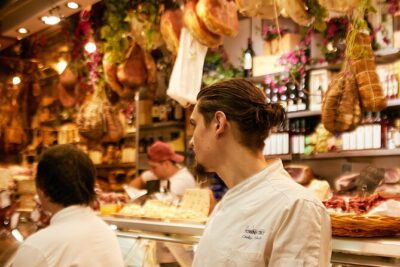
Small Group Cooking Class & Market Food Tour in Florence
Read our review →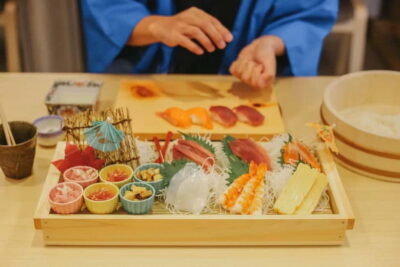
Sushi Making Class in a Happi Coat near a Famous Spot
Read our review →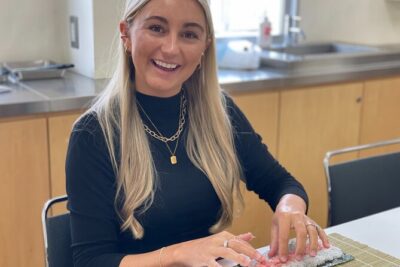
Tokyo Sushi Making Class in Tsukiji with Professional Chef
Read our review →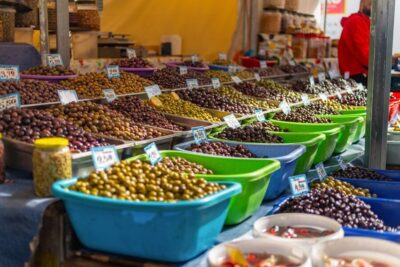
Food Market Visit and Cooking Class with Wine
Read our review →
Browse the lists this tour appears in