
REVIEW · OSAKA FOOD TOURS
Osaka: Roll and Authentic Sushi Making Class in Dotonbori
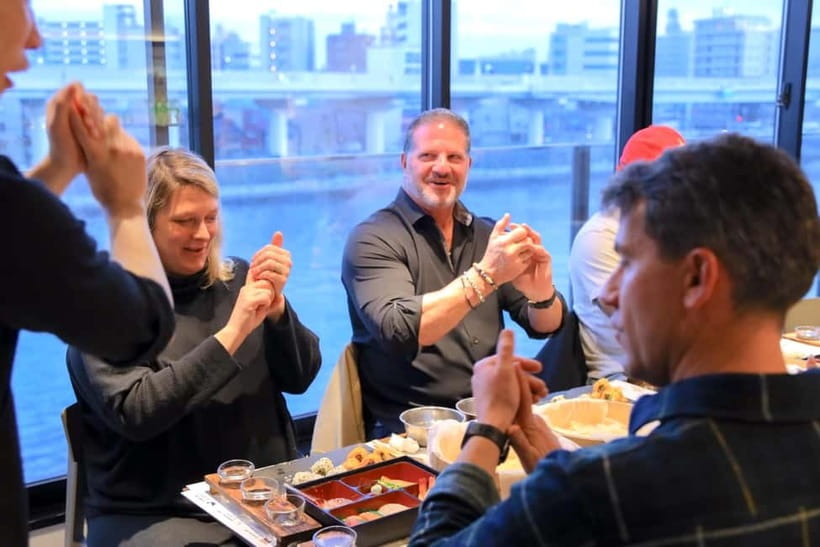
Sushi tastes better when you make it. This 100-minute class in central Osaka combines maki rolls and nigiri sushi with a playful lesson on sushi history, making it a useful break from restaurant hopping. I like the friendly English-speaking staff, especially instructors such as Shoki, Yui, Rika, and Takara, who keep the room lively without making beginners feel awkward. I also like that you eat what you prepare, rather than leaving with a small sample and an empty stomach.
The main drawback is timing. The class packs history, demonstrations, preparation, and eating into 100 minutes, so the final meal can feel rushed. A few practical details also deserve attention: the ingredients tray may be collected before everyone has finished, and the workshop is on the third floor, with one note indicating that the elevator does not reach that floor.
For $45 per person, this is a fair-value Osaka activity. You get the instruction, ingredients, and a proper meal in a central location near Dotonbori and Shinsaibashi. It suits couples, families, solo visitors, and anyone who wants more from a food activity than simply ordering another plate of sushi.
Key points to know before booking
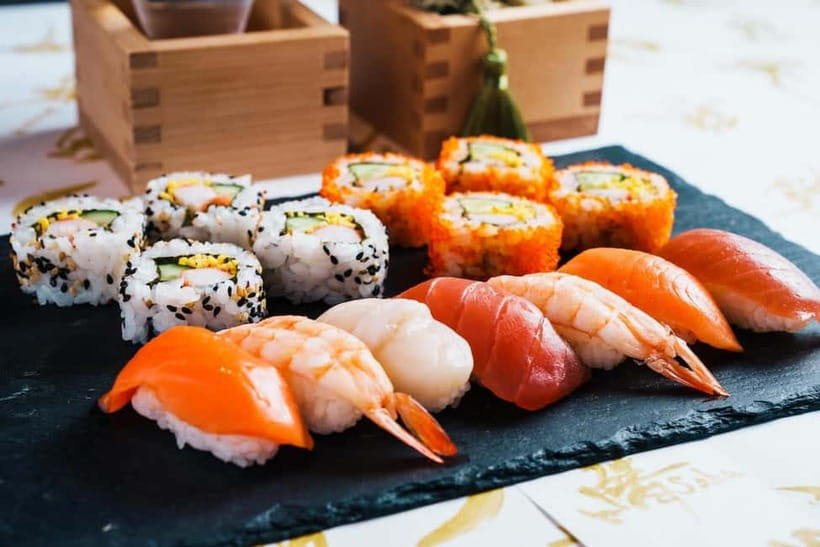
- Two sushi styles in one class: Learn to prepare maki rolls and nigiri, the hand-shaped sushi often called authentic Japanese sushi.
- A light history lesson: An interactive quiz and short presentation explain how sushi developed before you start working with food.
- Friendly English instruction: Staff members guide each step, demonstrate techniques, answer questions, and keep the mood relaxed.
- Central Osaka location: The class is about five minutes from Shinsaibashi Station, close to Dotonbori’s famous food streets.
- Dietary requests are possible: Vegan, vegetarian, gluten-free, halal, and allergy-related menu changes can be arranged if requested at least three days ahead.
- Allow time to eat: The class is well organized, but the making portion can leave only a short period for enjoying the finished sushi.
Why this Osaka class works for first-time sushi makers
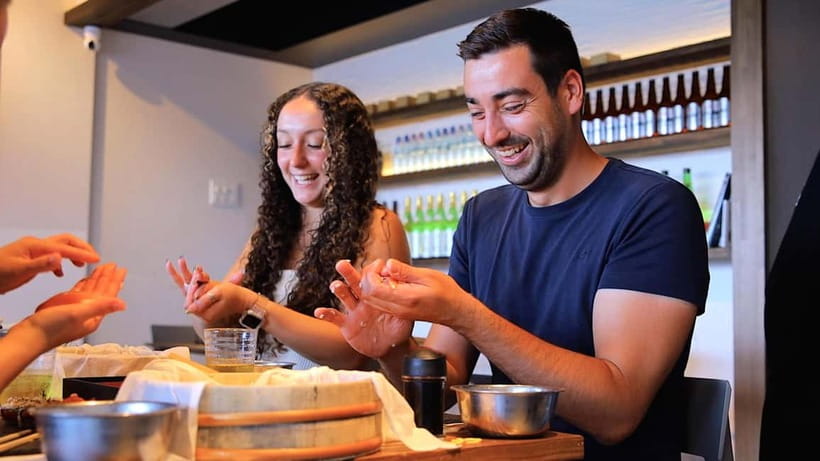
You do not need cooking experience here. The teaching is broken into small steps, with demonstrations and clear instructions before you handle the rice and fillings yourself.
That matters because sushi looks simple until you try shaping it. Maki rolls need the right amount of filling and pressure. Nigiri needs enough firmness to hold together without becoming a compact block of rice. The instructors focus on the practical moves, so you can make something attractive and edible even if your kitchen skills are limited.
I especially like the balance between instruction and fun. The class is not presented as a formal chef school. Instead, it uses jokes, conversation, visual demonstrations, and a quiz to keep the lesson moving. Shoki has been praised for making the history section interesting and for reminding the group to be kind to the sushi while shaping it. That playful approach may sound small, but it helps remove the pressure many people feel when trying a new technique.
The staff also make an effort to talk with the group. They ask where you come from, share food and travel suggestions, and adapt their style to the people in front of them. If you are traveling alone, that social atmosphere is useful. You are not left sitting quietly at a station while an instructor talks over your head.
More Cooking Classes in Japan
- Osaka: Ramen and Gyoza Cooking Class in Dotonbori
★ 5.0 · 378 reviews - Osaka: Cooking Class Ramen & Gyoza Course in Nanba
★ 4.9 · 86 reviews - Osaka: Gluten-Free Ramen and Gyoza Cooking Class
★ 5.0 · 42 reviews
The first part: sushi history with a quiz
The class begins with an introduction to sushi and a short look at its history. This is not a long academic lecture. It is designed as an interactive quiz and presentation, giving you enough background to understand the different forms you are about to make.
That context adds real value. Sushi is not just raw fish placed on rice. The class helps explain the difference between rolled sushi and hand-shaped sushi, and why the forms look and feel different. You get a better sense of what you are eating later in your Osaka trip.
The quiz also gives the instructors a chance to involve the whole room. It is a good choice for families and mixed-age groups because it creates something to do before the hands-on work begins. You do not need to know anything about sushi in advance, and wrong answers are part of the fun.
The history segment is brief, so do not book this expecting a museum-style lecture. Its purpose is to prepare you for the food and give the class some cultural context. For most people, that is the right amount of information before lunch or dinner.
Making maki rolls: simple in theory, satisfying in practice
Next comes maki, or rolled sushi. You work with prepared ingredients and follow the instructor’s demonstration before forming your own rolls.
This is where the class feels most immediately accessible. The method is easy to understand, yet the finished roll gives you a clear sense of achievement. You can see how the rice, fillings, and seaweed fit together, and you learn why pressure and portion size matter.
The ingredients are prepared in advance, which keeps the class within its 100-minute schedule. You are not washing rice, cutting every ingredient, or preparing fish from scratch. That means this is a sushi-making workshop, not a full professional kitchen course. Still, you do enough with your hands to learn the technique and repeat it at home.
Several instructors are praised for giving calm, easy-to-follow demonstrations. Helen, Fiona, and John’s class experiences point to the same practical benefit: the steps are shown clearly, and the visual presentation helps you keep pace. If you are the sort of person who learns better by watching than reading a recipe, this format should suit you.
You may not produce restaurant-perfect cylinders on the first attempt. That is part of the charm. Your rolls become lunch, not a display piece, and you get to eat the results without worrying about professional presentation.
Nigiri brings a different kind of challenge
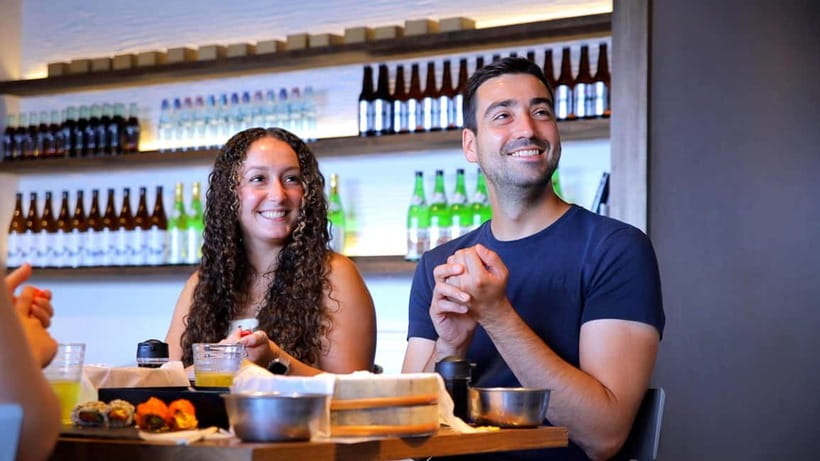
The second technique is nigiri, the small hand-shaped mound of sushi rice topped with fish or another ingredient. It feels different from making a roll because there is nowhere to hide uneven shaping or too much rice.
The instructor demonstrates how to form the rice and place the topping. You then repeat the process under guidance. This is a useful contrast with maki because you learn that sushi is not one single method. The class gives you two recognizable styles, rather than spending the entire session on one basic roll.
The teachers use encouragement and humor to keep the pace comfortable. Yui, Rika, Takara, Fuko, Fujiko, and Miho are among the instructors praised for patience, warmth, and clear teaching. The names may vary by session, but the consistent point is that the staff are active in the room and ready to help.
A detailed account of the class describes making about six maki pieces and six nigiri-style pieces, enough to function as a light lunch or a solid snack. The exact serving can depend on the session and menu, so arrive expecting a meal-sized tasting rather than a large restaurant feast.
The food is one of the strongest parts of the value. You are not paying $45 just to watch someone else prepare sushi. You learn a technique, make several pieces yourself, and eat the finished food at the end.
More Sushi and Ramen Tours in Osaka
- Sushi Making Osaka Roll and Authentic Japanese Sushi Class
★ 5.0 · 1,220 reviews - Osaka: Five Must-See Highlights Walking Tour & Ramen Lunch
★ 4.7 · 411 reviews - Osaka Sushi Making Experience
★ 5.0 · 400 reviews - Osaka: Sushi Class in Dotonbori
★ 4.9 · 160 reviews
Eating your own sushi is part of the lesson
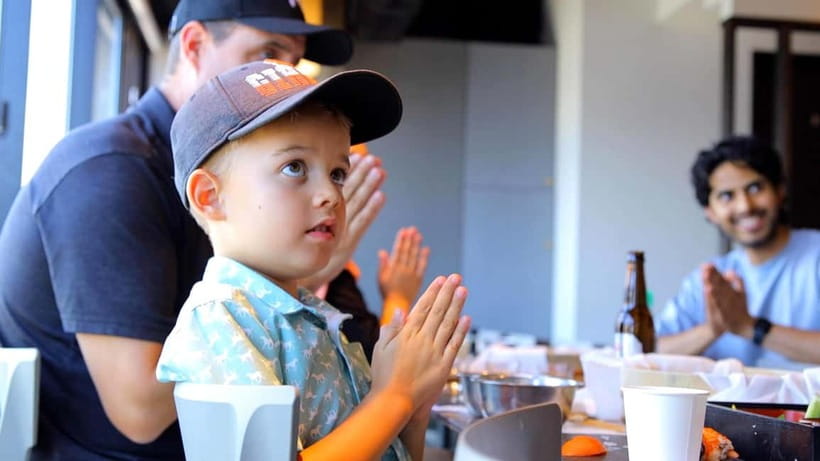
The final eating period is simple but important. You sit down with the sushi you have prepared and taste the difference between the two styles.
This is also where the class can feel slightly rushed. Several detailed comments point to the same issue: the group wants more time to eat, and the ingredients tray may be removed before every piece or condiment has been used. If you like to photograph your food, chat with other people, or eat slowly, keep an eye on the clock.
My advice is to pay attention during the demonstration, prepare each piece steadily, and avoid spending too long perfecting one roll. The aim is to enjoy the meal, not win a sushi beauty contest.
The class includes ingredients, but not hotel pickup or drop-off. You are responsible for reaching the venue and continuing your Osaka plans afterward. That is not a major disadvantage because the location is central, but it is worth building the class into your day rather than treating it as a complete transportation package.
The Dotonbori and Shinsaibashi setting
The meeting point is on the third floor of the Galleria Acca Building, about a five-minute walk from Shinsaibashi Station. The building entrance can be easy to miss, so allow a little extra time rather than arriving at the last second.
This location is useful because it fits neatly into a day in Osaka. You can take the class before exploring Dotonbori, or use it as a planned food stop between shopping and sightseeing around Shinsaibashi.
The setting also gives the activity a stronger sense of place. You are making sushi in one of Osaka’s best-known food districts, rather than traveling to an isolated cooking school outside the central area. After class, you can continue through the surrounding streets and compare your handmade sushi with the city’s restaurants and food stalls.
There is no hotel pickup, so the experience is best for people comfortable navigating central Osaka on their own. The short walk from the station keeps the logistics manageable.
Dietary requests need advance planning
The class can accommodate vegan, vegetarian, gluten-free, halal, and allergy-related menu changes. Meat, nuts, fruits, and dairy are not used according to the provided menu information.
You must contact the provider when making your reservation, and the deadline for changes is three days in advance. Same-day requests cannot be handled, and the kitchen does not accept ingredient specifications beyond the listed dietary options.
That rule is important. Do not assume you can arrive and ask for a different filling. If you have halal requirements, an allergy, or a strict vegetarian diet, arrange it before the deadline. One class experience specifically notes that a halal ingredient request was handled successfully when made ahead of time.
Because the menu is prepared for the group, flexibility is limited once the class begins. The safest plan is to state your needs clearly at booking and confirm that the requested option has been recorded.
How the $45 price holds up
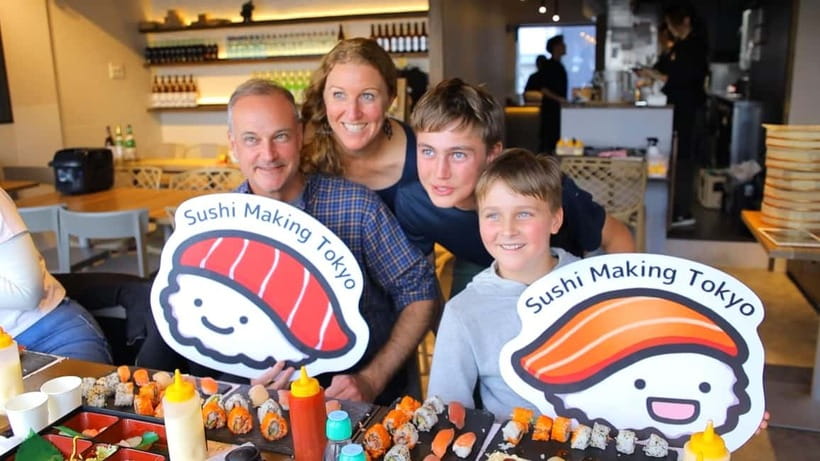
At $45, this is not the cheapest possible meal in Osaka. You can find inexpensive sushi elsewhere, especially if your only goal is to eat.
The comparison changes when you include the lesson. Your fee covers the cooking class, ingredients, instructor, and the food you prepare. You also get the social side of the activity and a skill you can try again at home. That makes the price reasonable for a 100-minute experience in central Osaka.
I would consider it especially good value for couples and families who might otherwise spend the same amount on a meal with less interaction. It is also useful for a rainy day, a mid-trip change of pace, or an evening when you want something more memorable than another restaurant reservation.
The value is weaker if you already make sushi regularly or want advanced knife work, fish preparation, or professional culinary training. The ingredients are prepared in advance, and the class focuses on accessible techniques. That is exactly why it works for beginners, but experienced cooks may want a more technical course.
Flexible booking helps if your schedule is still changing. You can reserve now and pay later, and cancellation is free up to 24 hours before the activity for a full refund. These terms are useful in a busy Osaka schedule, where weather, train plans, and restaurant reservations can shift.
Who should book this experience
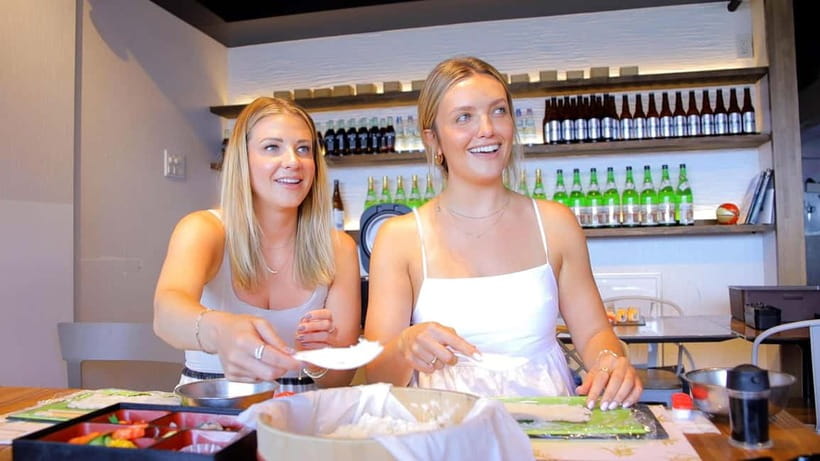
This class is a strong match for:
- First-time sushi makers who want clear instruction
- Families looking for an activity that children and adults can share
- Couples who want a food-centered memory in Osaka
- Solo visitors who enjoy meeting people in a small class setting
- Visitors interested in Japanese food culture, not only restaurant meals
- People with approved dietary needs who can provide notice in advance
It is less suitable if you dislike group activities, want a quiet private lesson, or need a long leisurely meal. The staff are energetic and social, and the schedule keeps moving.
The class is described as wheelchair accessible, but one practical note matters: an elevator is available in the building, yet one account says it does not reach the workshop floor. If you use a wheelchair or have difficulty with stairs, contact the provider before booking and confirm the current access arrangement.
Tips for getting the most from the 100 minutes
Arrive early enough to find the third-floor entrance without stress. Shinsaibashi is easy to reach, but the building entrance may not be obvious from the street.
Tell the staff about dietary needs at least three days ahead. Do not wait until the day of the class.
During the demonstrations, watch the instructor’s hand position closely. The most useful part of the class is not simply learning what ingredients go together. It is learning how to handle rice, seaweed, and toppings without crushing them.
Take photos before the trays are cleared, not after. If you want to keep eating every condiment or finish a final piece, place what you need on your plate before the staff begin clearing the work area.
Finally, do not judge your sushi by its appearance alone. The instructors care about making the class fun, and the point is to leave with a technique you understand. A slightly crooked roll can still be excellent lunch.
Should you book this Osaka sushi class?
Yes, if you want a friendly, hands-on food activity in a convenient part of Osaka. The strongest reasons are the two sushi techniques, the short history lesson, the English-speaking staff, and the fact that you eat what you make.
Book it with realistic expectations. This is not advanced chef training, and the eating time may feel short. It is a lively beginner class with prepared ingredients, clear demonstrations, and a social atmosphere.
For $45, the combination of instruction, food, and location makes sense. I would recommend it most strongly to first-time sushi makers, families, couples, and solo visitors who want to bring home more than a food photograph from Osaka.
FAQ
How long does the sushi-making class last?
The class lasts 100 minutes.
How much does the experience cost?
The listed price is $45 per person.
Where does the class meet?
The meeting point is on the third floor of the Galleria Acca Building, about a five-minute walk from Shinsaibashi Station.
Which types of sushi will I make?
You will make two types of sushi: maki rolls and authentic Japanese sushi, including nigiri-style sushi.
Is the class taught in English?
Yes. The instructor language is English, and English-speaking local staff guide the class.
Do I need previous cooking or sushi-making experience?
No. The class is designed for beginners, and the instructors provide demonstrations and step-by-step guidance.
Can dietary requirements be accommodated?
Vegan, vegetarian, gluten-free, halal, and allergy-related menu changes are available. You must request a change at least three days before the class, and same-day changes are not accepted.
Is the class wheelchair accessible?
The activity is listed as wheelchair accessible. However, one practical note says the building elevator does not reach the workshop floor, so confirm the current access arrangement with the provider before booking.
More Workshops in Osaka
- Sushi Making Tokyo Roll and Authentic Japanese Sushi Class
★ 5.0 · 3,971 reviews - Tokyo: Sushi Making Class in a Happi Coat near a Famous Spot
★ 4.9 · 1,377 reviews - Tokyo Sushi Making Class in Tsukiji with Professional Chef
★ 5.0 · 1,177 reviews - Athens: Food Market Visit and Cooking Class with Wine
★ 4.9 · 1,087 reviews
More cooking classes in Osaka
- Authentic Pizza Making Class in Naples with Appetizers and Drink
★ 5.0 · 3,178 reviews - Tokyo: Roll and Authentic Sushi Making Class in Asakusa
★ 4.9 · 1,957 reviews - Ramen Cooking Class at Ramen Factory in Kyoto
★ 5.0 · 1,937 reviews - Small Group Cooking Class & Market Food Tour in Florence
★ 5.0 · 1,574 reviews
Just added in Osaka
- Hidden Osaka – Yukaku Red Light Tour & Culinary Adventure★ 4.8 · 96 reviews
- Eat Like a Local in Osaka – Private Custom Street Food Tour★ 4.3 · 33 reviews
- Osaka: Sushi Class in Dotonbori★ 4.9 · 160 reviews
- Osaka: Sushi Making in Spacious Studio (SAME-DAY OK!)★ 5.0 · 75 reviews
- Osaka: Gluten-Free Ramen and Gyoza Cooking Class★ 5.0 · 42 reviews
- Osaka: Kuromon Market Food Walking Tour (6 stops, 6 tastes)★ 4.6 · 272 reviews
- Osaka: Local Foodie Tour in Dotonbori and Shinsekai★ 4.7 · 95 reviews
- Osaka: Guided Food Tour with 12 Dishes at 4 Local Eateries★ 4.9 · 90 reviews
Cooking Classes, compared.
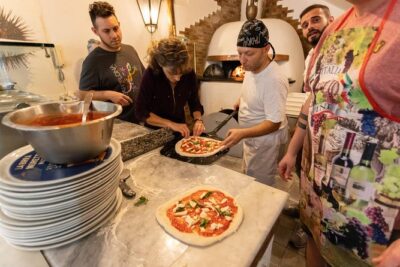
Authentic Pizza Making Class in Naples with Appetizers and Drink
Read our review →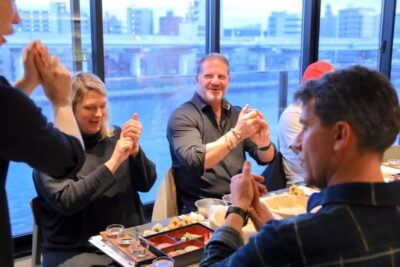
Roll and Authentic Sushi Making Class in Asakusa
Read our review →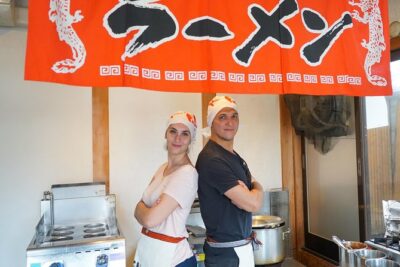
Ramen Cooking Class at Ramen Factory in Kyoto
Read our review →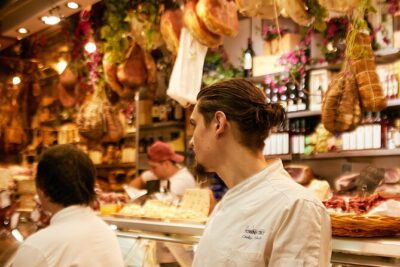
Small Group Cooking Class & Market Food Tour in Florence
Read our review →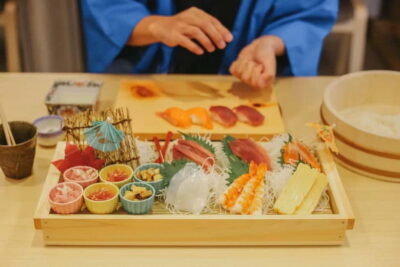
Sushi Making Class in a Happi Coat near a Famous Spot
Read our review →
Tokyo Sushi Making Class in Tsukiji with Professional Chef
Read our review →
Food Market Visit and Cooking Class with Wine
Read our review →
Browse the lists this tour appears in