
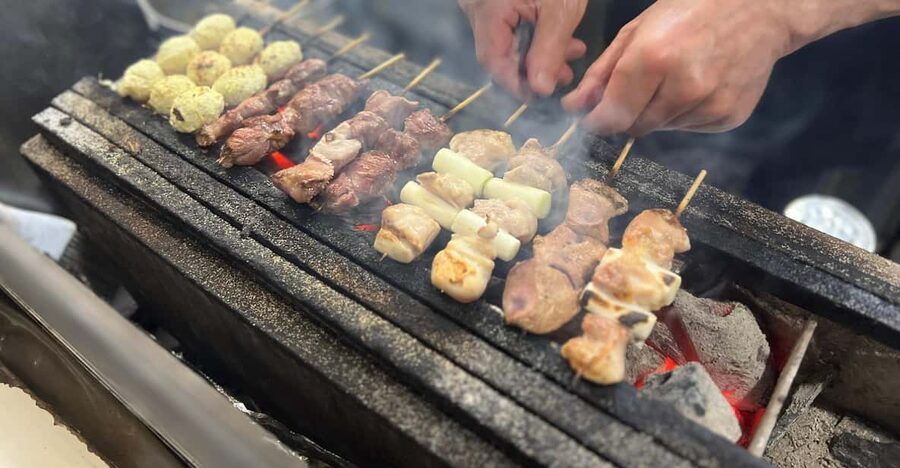
REVIEW · TOKYO FOOD TOURS
Tokyo: Authentic Food Tour in Ginza and Shimbashi
Tokyo eats best off the main street. This three-hour walk links Ginza, Yurakucho, and Shimbashi, pairing local food with a useful look at how Japanese dining works. I like the small group limit of 10, and I like that the route moves through three distinct areas rather than keeping you in one restaurant district. The main consideration is price: at $146 per person, you should confirm exactly which food and drink costs are included before booking.
I also like the meeting point at Tokyu Plaza Ginza, which is easy to find near Ginza Station. Guides such as Doren, Reo, Ryota, and Yota have earned especially warm praise for being friendly, funny, considerate, and generous with Tokyo food advice. The tour is in English, but it is not suitable for wheelchair users.
Key points at a glance
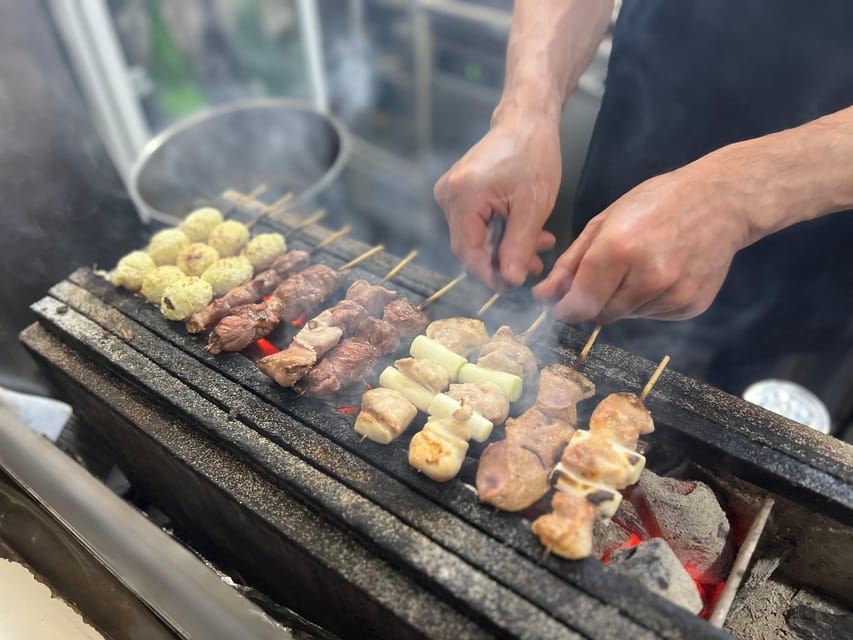
- Three food districts in one evening: The route covers Ginza, Yurakucho, and Shimbashi, with about 50 minutes devoted to food in each area.
- A small group capped at 10: This gives you a better chance to ask questions and keep up during the short walks.
- Guides who add cultural context: Doren, Reo, Ryota, and Yota have been praised for their conversation, humor, and advice about Japanese life and dining.
- A central starting point: Meet in front of the BOSS store at Tokyu Plaza Ginza, near Ginza Station exits C2 and C3.
- Traditional food and desserts: The tour focuses on Japanese dishes loved by locals, along with traditional sweets.
- A useful first-night orientation: You can ask the guide for help shaping the rest of your Tokyo plans.
Why this Ginza food tour makes sense
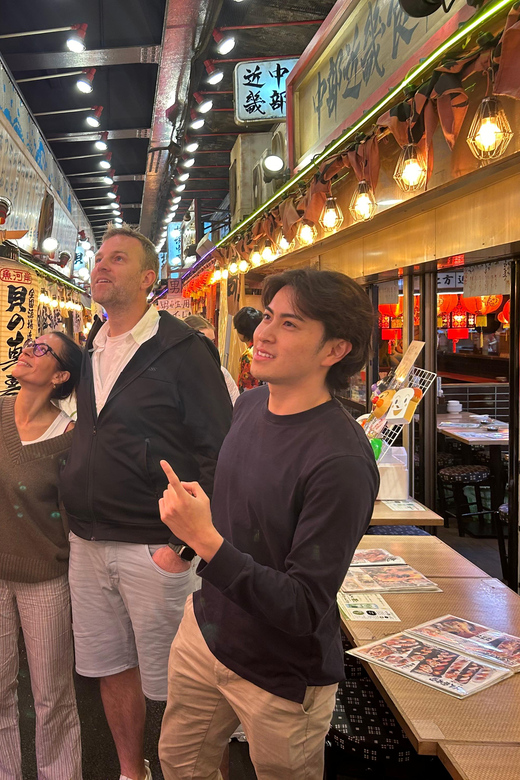
Ginza is best known for department stores, polished shopping streets, and expensive restaurants. That can make it feel a little formal if you only see it from the pavement. This tour aims to show you another side of the district, one built around small eateries, regional dishes, and places that are easy to miss when you do not know where to look.
I like that the experience does not stop at Ginza. The short walks to Yurakucho and Shimbashi give the evening some shape. You get to compare three nearby districts instead of judging Tokyo food from one dining room.
The route is also practical for a first visit. A local guide can explain how to approach unfamiliar menus, how Japanese food customs work, and which types of places deserve a return visit. The supplied information does not list the exact dishes, so you should expect variety rather than a fixed menu of named specialties. That may suit you if you want an introduction to local tastes, but it may disappoint you if you are booking for one very specific food.
The tone appears social rather than formal. The strongest praise goes to the guides themselves. Doren was described as an excellent host for a relaxed evening, while Reo was called passionate and considerate. Ryota was praised for interesting conversation and humor, and Yota for his friendly grasp of Japanese culture and Tokyo dining. Those details matter because a food walk depends as much on explanation and company as on what arrives on the plate.
A few more food tours in Tokyo worth a look
- Tokyo: Shinjuku Food Tour (13 Dishes at 4 Local Eateries)
★ 5.0 · 6,603 reviews - Tokyo Tsukiji Fish Market Food and Culture Walking Tour
★ 5.0 · 3,184 reviews - Tokyo: Shinjuku Food Tour (15 Dishes and 4 Eateries)
★ 4.9 · 2,033 reviews
Meeting at Tokyu Plaza Ginza
Your meeting point is in front of the BOSS store at Tokyu Plaza Ginza. From Ginza Station, use exit C2 or C3, go up to street level, and look for the store directly in front of the exit. The listed coordinates are 35.672245, 139.762406.
This is a sensible place to begin. Tokyu Plaza is a clear landmark in a busy part of Tokyo, and the station access helps if you are arriving from elsewhere in the city. Still, give yourself a little time to get oriented. Ginza Station has several lines and exits, and choosing the wrong exit can turn a simple meeting into an unnecessary search.
The tour returns to the same location at the end. That is useful if you have plans afterward, although the exact starting times vary, so check the available departure when you reserve.
Ginza: polished streets, local eating
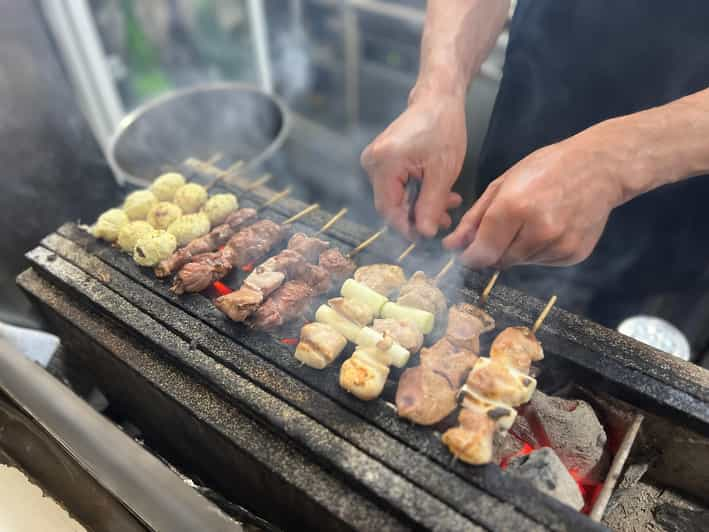
The first food stop lasts about 50 minutes. The walk begins with the public face of Ginza, but the point is to move beyond luxury storefronts and find smaller places that most first-time visitors would not locate alone.
This is where the guide’s local judgment has the most value. Ginza can be costly and confusing, with restaurants tucked above shops, behind narrow entrances, or away from the obvious shopping avenues. A guide can make the area feel less intimidating and help you understand why a plain-looking restaurant may be worth your time.
Expect a selection of regional Japanese food and traditional desserts, but not a published list of dishes. That lack of detail is worth noting. You have more freedom to enjoy the route as it comes, yet anyone with allergies, dietary restrictions, or strong food preferences should ask about suitability before paying.
The first stop also sets the cultural tone. You are not only eating. You are walking through one of Tokyo’s best-known central districts while learning how locals choose food and spend an evening. I would treat this portion as an introduction to the city rather than a full meal on its own, since the activity divides the evening among three locations.
Yurakucho: a five-minute walk to a different mood
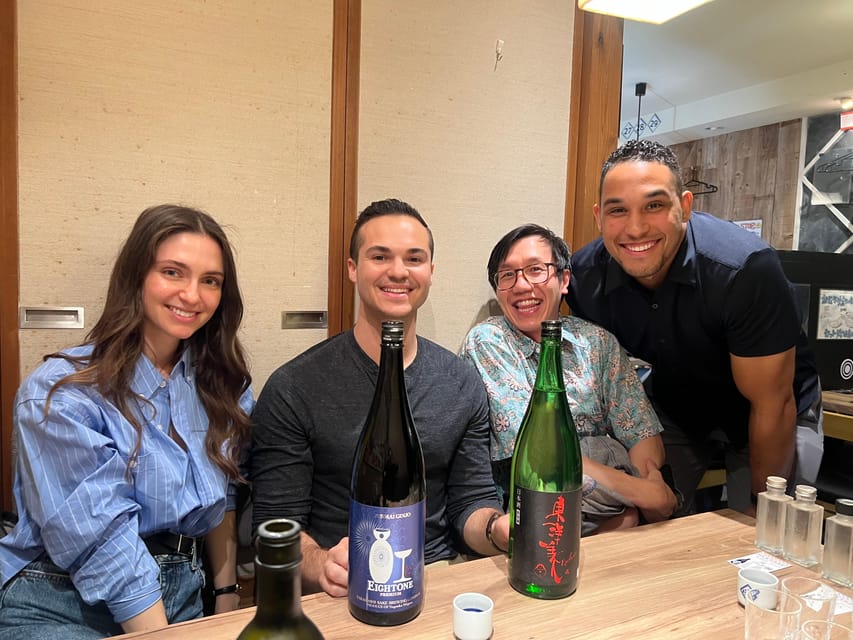
After Ginza, the group walks for roughly five minutes to Yurakucho. The distance is short, so you do not need special hiking gear, but comfortable shoes remain a smart choice. Tokyo’s sidewalks can be crowded, and you will be on your feet for most of the three hours.
Yurakucho gives the route a useful change of pace. It sits close to Ginza, but the food culture feels less polished and more everyday. The tour allots another 50 minutes here for regional food, giving the guide time to explain what you are eating and how it fits into Japanese dining habits.
This middle section may be especially useful if you are unsure where to eat after dark. The guide can help you understand the difference between a destination restaurant and a place people use for a casual meal. The available information does not name the restaurants, so I would not book this expecting a particular famous address. Book it for the chance to be led to places you might otherwise pass.
One practical point: the tour is not advertised as a drink-focused experience. Some guide comments mention advice about food and drinks, but the formal details emphasize food, regional dishes, and desserts. If alcohol pairings are important to you, ask before booking rather than assuming they are part of the price.
Same city, a different table:
- Sushi Making Tokyo Roll and Authentic Japanese Sushi Class
★ 5.0 · 3,971 reviews - Tokyo: Roll and Authentic Sushi Making Class in Asakusa
★ 4.9 · 1,957 reviews - Best of Shinjuku: Izakaya Food Tour (4 Stops, 14+ Tastings)
★ 5.0 · 1,863 reviews - Tokyo: Sushi Making Class in a Happi Coat near a Famous Spot
★ 4.9 · 1,377 reviews
Shimbashi: finishing among local favorites
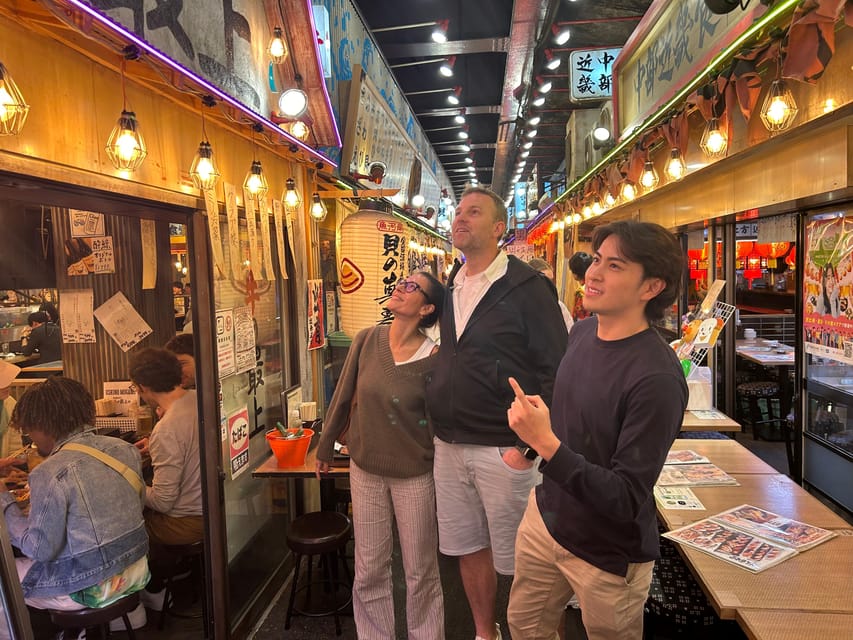
The final food area is Shimbashi, reached after another five-minute walk. The group spends about 50 minutes on regional food before returning to Tokyu Plaza Ginza.
Shimbashi is a useful final stop because it gives the evening a more relaxed, local feel after Ginza’s polished image. The guide can connect the food to ordinary city life and offer suggestions for the rest of your stay. One of the most useful benefits of the tour is that you can ask where to eat next, what neighborhoods fit your interests, and how to plan the rest of your Tokyo itinerary.
That advice can be worth more than a simple list of restaurant names. Tokyo has an enormous number of eating options, and a short conversation with someone who knows the city can save you from choosing only places aimed at first-time visitors. Yota was praised for his understanding of Japanese culture and Tokyo’s food scene, while Doren was singled out as a strong companion for a relaxed evening.
The route ends where it starts, at Tokyu Plaza Ginza. In total, the itinerary includes three food areas, three short walks of about five minutes each, and roughly 150 minutes assigned to visits. The remaining time covers walking, introductions, and conversation.
What the guide adds to the meal
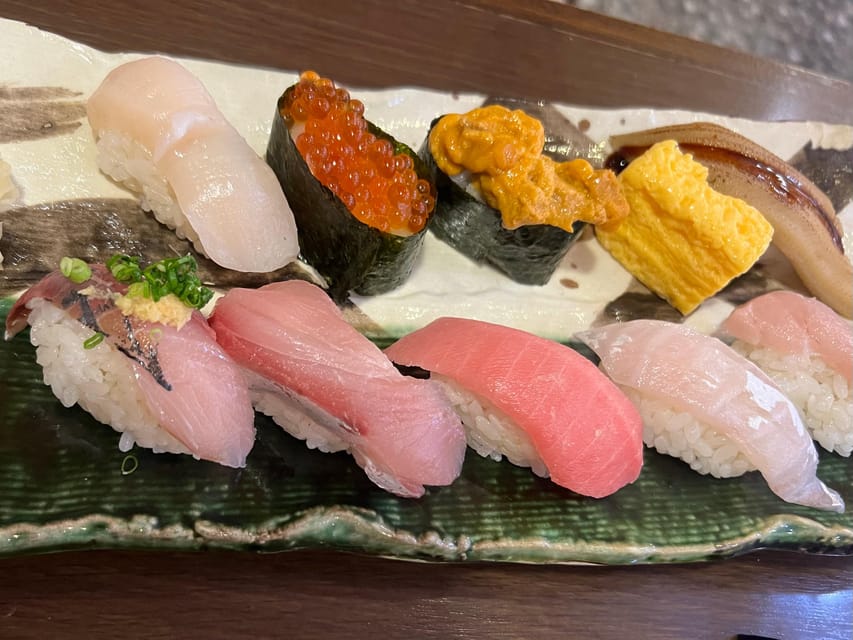
The guide is the heart of this experience. Food by itself is easy to find in Tokyo. What you are paying for is the context, the selection, and the confidence to enter places you may not understand on your own.
The strongest praise focuses on personality. Reo was described as considerate and enthusiastic about showing good food and drinks. Ryota was praised for being funny and easy to talk with. Yota was noted for making the evening enjoyable while explaining Japanese culture. Doren received praise for making the outing calm and enjoyable while offering practical advice about Tokyo’s food customs.
That pattern tells me the experience works best for people who enjoy conversation. You should be ready to ask questions and share the evening with a small group. If you prefer to eat quietly at your own pace, a self-guided food plan may suit you better.
The small-group cap of 10 is important. It is large enough to create a social atmosphere but small enough for the guide to answer individual questions. One booking became a private tour when no other participants arrived, though you should not count on that happening.
Is $146 good value?
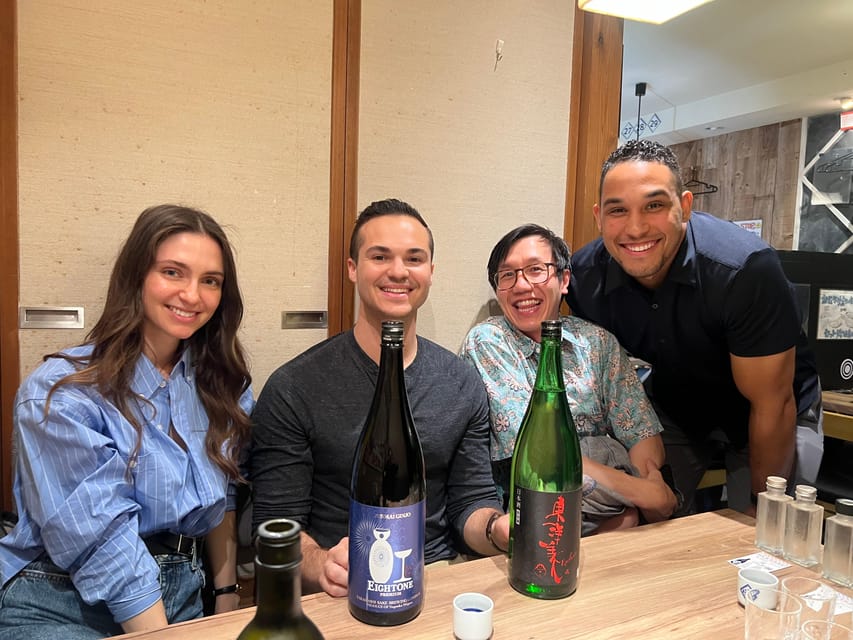
At $146 per person, this is not a cheap way to find dinner. Tokyo offers many lower-cost meals, and the food list is not specific enough to judge the value by dish count alone. You should check the booking details carefully to see what tastings and drinks are included.
The price makes more sense if you value three things: access to places you may not find yourself, an English-speaking local guide, and advice you can use during the rest of your trip. It also covers three food areas in one evening rather than one fixed restaurant.
I would consider booking it early in your Tokyo stay. The guide’s itinerary advice has more use when you still have several days left. You can ask about areas to visit, food styles to seek out, and ways to handle unfamiliar dining customs.
The value is weaker if you already know Tokyo well, have a strict food budget, or want a detailed menu in advance. It is also harder to recommend for anyone who cannot comfortably walk between stops or who needs wheelchair access, since the activity is not suitable for wheelchair users.
Who should book this experience?
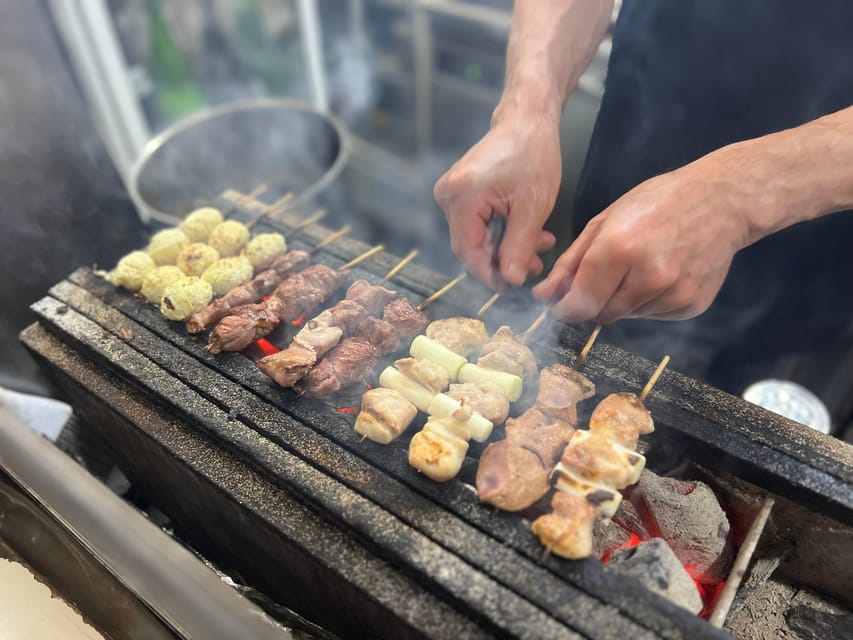
I would recommend it to first-time visitors who want a friendly orientation to central Tokyo. It suits solo visitors, couples, and small groups who like trying several foods instead of sitting through one long meal.
It also works well for people who want cultural explanation without signing up for a full-day sightseeing program. The three-hour length leaves most of your day free, while the central location makes it easy to continue with evening plans afterward.
Families should consider the food uncertainty before booking. The information does not specify a children’s menu, dish sizes, or allergy arrangements. Ask the provider directly if those details matter to you.
Food-focused visitors may want something more precise. Nearby alternatives include food walks centered on Shinjuku, Shibuya, Ueno, or Tsukiji, as well as a Ginza and Shimbashi nightlife option featuring izakaya food and drinks. Those choices may be better if you want a named theme, more dishes, or a stronger nightlife focus.
Practical details before you reserve
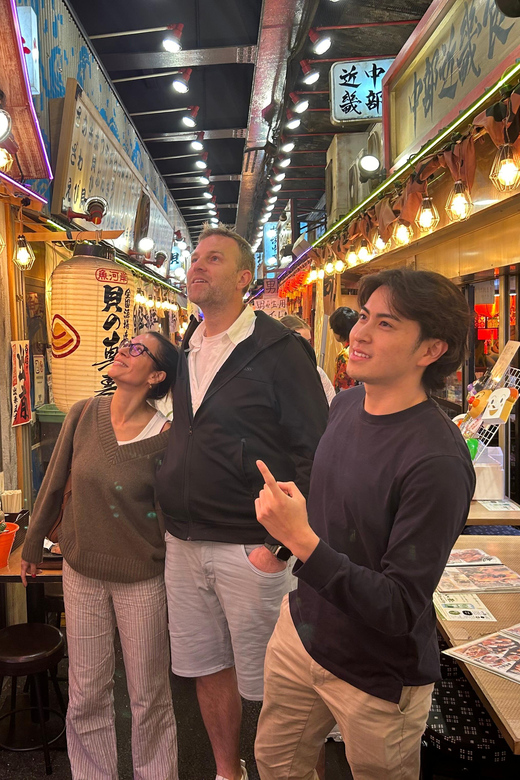
The tour lasts three hours and is conducted in English. The group is limited to 10 people, and the route is on foot.
Wear comfortable shoes and arrive at Tokyu Plaza Ginza with enough time to locate the correct station exit. Meet in front of the BOSS store, not simply somewhere inside the shopping complex.
The experience allows cancellation up to 24 hours before the start for a full refund. You can also reserve now and pay later, which helps if you are still arranging a longer Japan itinerary.
Because the food stops are not listed by name, confirm important details before booking. Ask about included food, included drinks, allergies, dietary restrictions, and the expected amount of food. Those questions are especially worthwhile at this price.
My verdict: a smart first taste of central Tokyo
I would book this tour if I had just arrived in Tokyo and wanted an easy, social introduction to Japanese food. The route is well shaped, the walks are short, and the guides appear to be the experience’s strongest point. The comments about Doren, Reo, Ryota, and Yota suggest that you are likely to get more than a basic restaurant escort.
I would skip it if you need a fixed menu, want a low-cost dinner, or cannot walk comfortably. At $146, the tour earns its price through local guidance and access, not through clearly published dish details. Check the inclusions first, then book it early in your stay if friendly conversation and practical Tokyo advice matter as much to you as the food itself.
FAQ
Where does the Tokyo food tour meet?
Meet at Tokyu Plaza Ginza, in front of the BOSS store. From Ginza Station, use exit C2 or C3, where the store is located directly in front of the station exit.
How long does the experience last?
The food tour lasts three hours.
Which areas does the route visit?
The route visits Ginza, Yurakucho, and Shimbashi. It begins and ends at Tokyu Plaza Ginza.
How long do you spend at each food area?
The itinerary allows about 50 minutes in Ginza, 50 minutes in Yurakucho, and 50 minutes in Shimbashi.
How long are the walks between stops?
The listed walks take about five minutes each.
Is the tour conducted in English?
Yes. The live tour guide language is English.
How many people can join the group?
The tour is limited to 10 participants.
Is the tour suitable for wheelchair users?
No. The activity is not suitable for wheelchair users.
Can you cancel for a refund?
Yes. You can cancel up to 24 hours in advance for a full refund. You can also reserve now and pay later.
Just added in Tokyo
- Tokyo: Allstar Food Tour★ 4.7 · 29 reviews
- Tokyo: West-Side Cycling and Food Tour with Guide★ 5.0 · 37 reviews
- Tokyo: Togoshi Ginza Street Food Tour★ 5.0 · 34 reviews
- Tokyo Tsukiji Food & Culture Private Tour Licensed Guide★ 4.9 · 28 reviews
- Tokyo: Wagyu and Sushi Gastronomic Journey★ 4.3 · 24 reviews
- Tokyo: Sushi Making Class★ 4.9 · 390 reviews
- Tokyo: Sushi and Ramen Cooking Class with Sake Pairing Set★ 5.0 · 81 reviews
- Tokyo: Ramen Tasting Tour with 6 Mini Bowls of Ramen★ 4.9 · 432 reviews
Tokyo Food Tours, compared.
Shinjuku Food Tour (13 Dishes at 4 Local Eateries)
Read our review →
Sushi Making Tokyo Roll and Authentic Japanese Sushi Class
Read our review →
Tokyo Tsukiji Fish Market Food and Culture Walking Tour
Read our review →
Shinjuku Food Tour (15 Dishes and 4 Eateries)
Read our review →
Roll and Authentic Sushi Making Class in Asakusa
Read our review →
Best of Shinjuku: Izakaya Food Tour (4 Stops, 14+ Tastings)
Read our review →
Sushi Making Class in a Happi Coat near a Famous Spot
Read our review →
Sushi Making Tokyo! Popular Maki Sushi & Japanese Sushi(+Recipe!)
Read our review →Browse the lists this tour appears in