
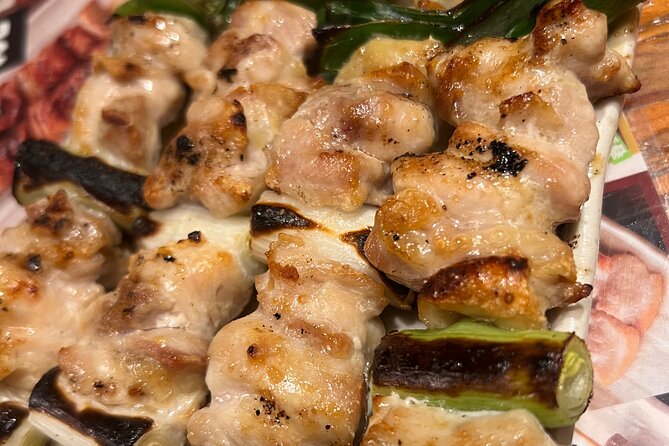
REVIEW · TOKYO FOOD TOURS
Tokyo: Shibuya Food Tour (13 dishes and 4 Eateries)
Shibuya tastes better after dark. This three-hour walk pairs 13 Japanese dishes with four local eateries, taking you beyond the famous crossing and into Dogenzaka and Center-gai. I like the generous food selection and the small group size, capped at 10 people. The main drawback is that the guide-led experience can vary, especially in how much history and food detail you receive.
The tour also works well if you are uneasy about finding small bars and izakayas at night. Guides such as Hoshi, Naruto, Kei, Will, Benjamin, and Mat have earned strong praise for friendliness, humor, clear explanations, and useful restaurant tips. Still, the route may feel repetitive to anyone expecting a long sightseeing walk.
Key points at a glance
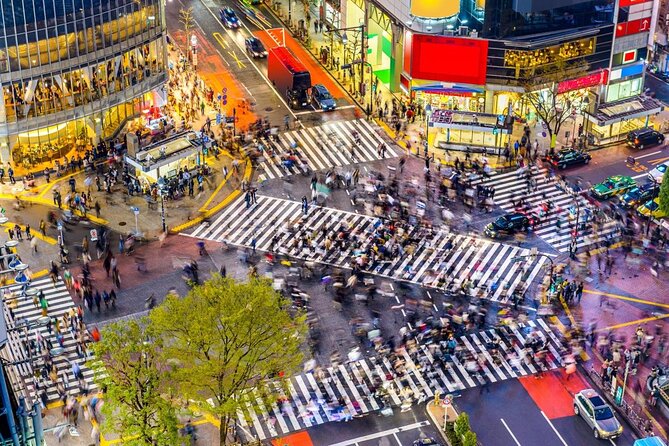
- Thirteen tastes in four stops: Expect a broad sample of Japanese food, including sushi, tuna, dumplings, yakiniku, udon, karaage, drinks, and dessert.
- A compact Shibuya route: The tour covers Shibuya Crossing, Hachiko, Dogenzaka, and Center-gai, with most of the time spent eating.
- Small groups matter: With a maximum of 10 people, you have a better chance to ask questions and receive help with unfamiliar dishes.
- Come hungry: Several people found the portions generous enough to fill a family group, not just provide small samples.
- Guide quality is important: Hoshi and Naruto receive especially warm praise for energy and food explanations, while some feedback points to less engaging guiding.
- Good evening value, with limits: Food and drinks are included, but the $77.44 price makes the guide’s performance a major part of the value.
Four eateries and 13 dishes in three hours
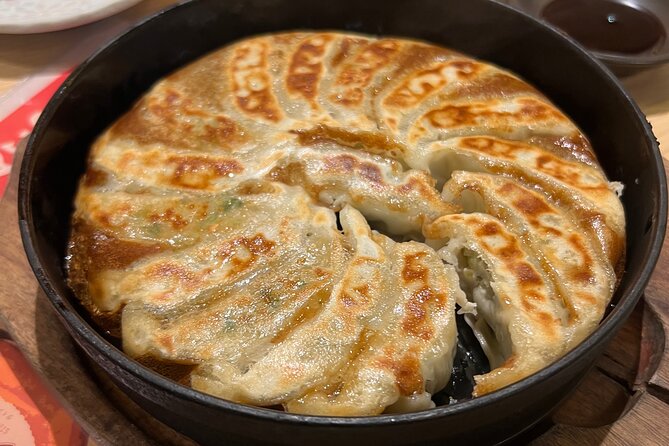
This is a food-first tour, not a long walking tour with a few snacks attached. You move between four eateries around Shibuya and try 13 different Japanese dishes, with drinks and dessert included in the planned experience.
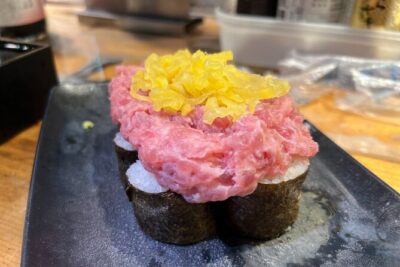
The selection can include sushi, several kinds of tuna, dumplings, yakiniku, udon, karaage, alcoholic drinks, and a sweet finish. The exact menu may change, so you should think of the number and range of tastings as the promise, rather than a fixed restaurant menu.
I like this format for a first evening in Tokyo. You get a quick introduction to several types of Japanese dining instead of committing to one restaurant. A guide can also order a spread for the group, which removes the pressure of decoding a menu when you are tired, hungry, or not sure what pairs well.
The tradeoff is choice. You do not generally select each dish yourself. The guide orders for the group within the tour arrangement, so anyone with strong preferences may find the meal less flexible than dining independently.
The portions appear to be more than token samples. Several accounts describe the food as plentiful, with enough to satisfy a family group. One especially positive experience included dumplings, multiple tuna preparations, drinks, and dessert, with no one leaving hungry. I would still arrive ready for a full meal, since the tour is designed around substantial eating.
A few more food tours in Tokyo worth a look
- Tokyo: Shinjuku Food Tour (13 Dishes at 4 Local Eateries)
★ 5.0 · 6,603 reviews - Tokyo Tsukiji Fish Market Food and Culture Walking Tour
★ 5.0 · 3,184 reviews - Tokyo: Shinjuku Food Tour (15 Dishes and 4 Eateries)
★ 4.9 · 2,033 reviews
Starting beneath the Shibuya lights
The meeting point is at Kusumoto Building, 1-chome-3-3 Dogenzaka, Shibuya. The tour begins near the western side of the station area, a useful location for an evening outing because Shibuya Station is close by and the route ends in Shibuya.
Your first sightseeing stop is Shibuya Crossing, where the group pauses for about 15 minutes. This is Japan’s best-known pedestrian crossing, and seeing it with a guide gives you a natural opening to understand the district’s scale and energy.
The practical benefit is orientation. Shibuya can feel like a wall of signs, lanes, exits, and crowds when you first arrive. Starting together helps you get your bearings before the food stops begin.
Still, do not expect a long talk at the crossing. The stated itinerary allows only a short stop, and the quality of the explanation depends on the guide working that evening. One criticism specifically noted that the crossing was visited without much information about it. If you want a full lesson on Shibuya’s development, you may need to ask questions directly.
Hachiko and the short sightseeing section
The next planned stop is Hachiko, the famous dog statue near Shibuya Station. The scheduled pause is also about 15 minutes, enough to see the statue and hear the story of Hachiko’s loyalty.
This stop adds a human detail to an otherwise commercial district. It is a quick photo and history moment before the group turns toward food.
There is one practical caution: the statue was not reached on every reported outing. If seeing Hachiko matters to you, tell your guide early and confirm the stop. You can also return independently after the tour, since the experience ends in Shibuya and the station is nearby.
I appreciate that the itinerary includes Hachiko, but I would not book this primarily as a sightseeing tour. The crossing and statue are brief markers along the way. The food and the guide’s handling of local eateries are the real reasons to choose it.
Dogenzaka: Shibuya’s food-and-nightlife side
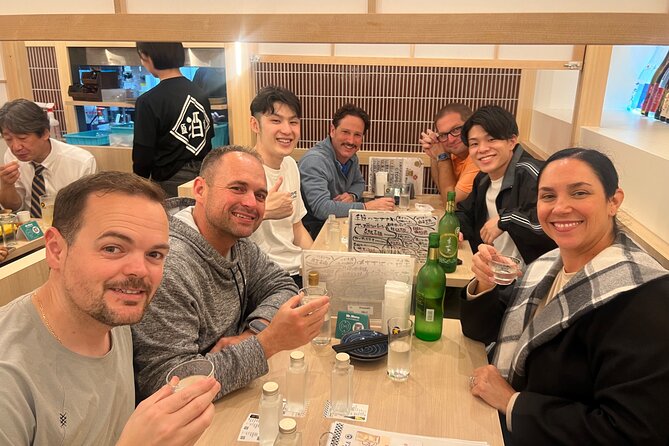
Dogenzaka receives about an hour of the route, and this is where the experience begins to feel less like a standard first-time Tokyo visit. The area is known for local izakayas and small shops, giving you a look at the side streets around Shibuya’s main station district.
The guide leads you through the evening setting and into local bars or izakayas. This is useful because finding a small, busy drinking spot on your own can be awkward when you cannot read the menu or understand the ordering system. A guide also helps keep the group together in a district where streets can bend, split, and change character quickly.
The food may include grilled dishes such as yakiniku, fried chicken such as karaage, noodles, sushi, and other Japanese specialties. The point is variety. You are not simply eating the same style of food at four different addresses.
The walking itself is manageable for most people, with the eateries reached on foot. The tour lasts around three hours, so you spend enough time moving between stops without turning the evening into a long march. Wear shoes you can walk in, especially if you have plans afterward.
Same city, a different table:
- Sushi Making Tokyo Roll and Authentic Japanese Sushi Class
★ 5.0 · 3,971 reviews - Tokyo: Roll and Authentic Sushi Making Class in Asakusa
★ 4.9 · 1,957 reviews - Best of Shinjuku: Izakaya Food Tour (4 Stops, 14+ Tastings)
★ 5.0 · 1,863 reviews - Tokyo: Sushi Making Class in a Happi Coat near a Famous Spot
★ 4.9 · 1,377 reviews
Center-gai and the final taste
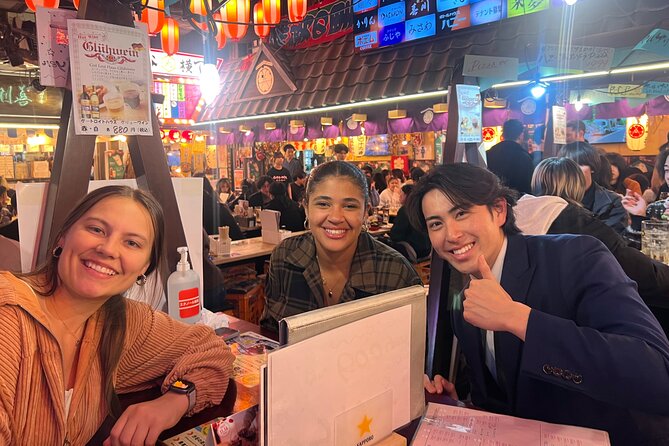
Center-gai is one of Shibuya’s busiest central streets, and the tour spends about an hour in this part of the district. It is a good contrast with Dogenzaka: both are crowded and food-focused, but Center-gai places you closer to the district’s main commercial flow.
By this stage, the group is likely working through the later dishes, drinks, and dessert. Some accounts describe the dessert as a pre-ordered pastry collected from a basement mall location. That can feel less polished than sitting down at a dedicated dessert shop, but it also suggests the guide may be arranging a popular item that can sell out.
This final stop shows the tour’s basic character. You get a lot of food in a short period, but not every stop is designed as a grand restaurant experience. The value comes from the full sequence, the range of tastes, and the ease of having someone organize it for you.
One person described the route as circling around Shibuya Station more than once and passing near the starting point again. If you want a carefully plotted sightseeing circuit, that may frustrate you. If you mainly want a series of food stops without getting lost, the compact route is less of a problem.
The guide can make or break the evening
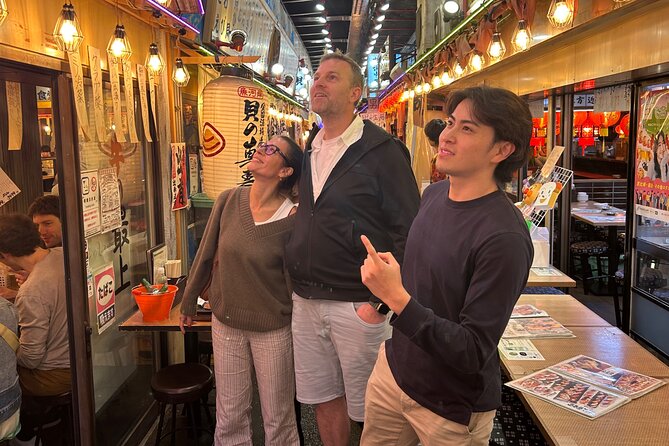
The strongest part of this experience is often the person leading it. Hoshi is praised for explaining how to eat each dish, keeping the mood light, and making the food easy to understand. Naruto is frequently described as friendly, funny, helpful, and able to connect with families and children. Kei receives praise for restaurant suggestions, clear communication, and enthusiasm for Tokyo’s food scene.
Will and Mat are also described as friendly and clear, while Benjamin is praised for guiding the group through four restaurants and explaining Japanese delicacies and drinks. Since several guides may operate the tour, you should expect some variation in style.
A good guide adds more than directions. You want help with unfamiliar ingredients, context about why a dish is served a certain way, and honest suggestions for what to eat later in your trip. Several strong experiences included recommendations for other restaurants and cities, which can make the tour useful beyond its three-hour schedule.
The weaker experiences point to a clear risk. One account described very good and plentiful food but almost no explanation of Shibuya, Hachiko, or the dishes. Another found the guide’s attitude toward Japan discouraging. These are not small details. At this price, you are paying partly for interpretation and company, not only for food.
If your guide seems quiet at the beginning, ask direct questions. Ask what you are eating, how locals order it, and which dishes the guide personally recommends. That may bring out more detail and help you get the experience you paid for.
Is $77.44 a fair price?
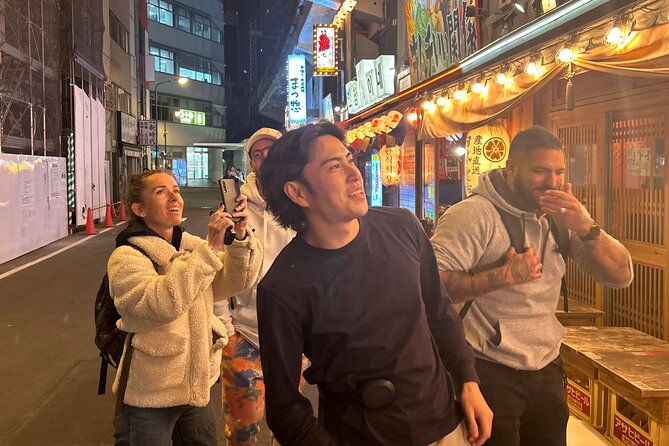
At $77.44 per person, this is not the cheapest way to eat in Shibuya. You can spend less by choosing your own noodle shop, sushi counter, or izakaya. The tour’s value depends on how much you want help selecting food and moving through the district.
The package includes the English-speaking local guide, walking tour, food, drinks, and entry to local bars and izakayas. The planned menu covers 13 dishes at four eateries, which is a substantial amount for three hours.
I see the price as reasonable for a first night in Tokyo if you value convenience, variety, and a social setting. It is less convincing for an experienced Japan diner who already knows how to order and can comfortably explore Shibuya alone. One account compared the cost unfavorably with a separate Michelin meal, so budget-minded food lovers should keep their expectations in check.
Alcohol is included only for people aged 20 or older. Additional food and drinks are not included, so you should not assume you can add freely at each stop without paying extra.
Who will enjoy this Shibuya food walk?
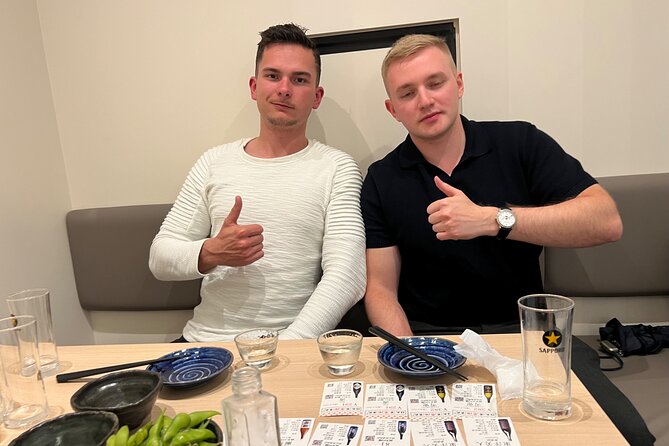
I would recommend it most strongly to first-time Tokyo visitors who want a structured introduction to Japanese food. It suits people who like trying several dishes but do not want to spend an evening researching restaurants, managing reservations, or translating menus.
It also fits families and small groups. The maximum group size is 10, and the food appears generous enough to work well for mixed appetites. Guides have received praise for engaging children and helping people with different food preferences.
You may also like it if you are staying in Shibuya and want an early orientation to the district. The guide can point out places for later meals and take you back toward Shibuya Station at the end.
I would be more cautious if you need strict dietary control, because the included menu is arranged for the group and the available accommodations are not fully specified. Ask before booking if allergies or dietary restrictions are central to your plans.
Timing, meeting point, and cancellation details
The experience lasts about three hours and uses a mobile ticket. It begins at the Dogenzaka meeting point and ends in Shibuya, with the guide able to take you to Shibuya Station.
Most people can participate, and the tour operates near public transportation. It requires good weather and a minimum number of participants. If poor weather or low enrollment causes a cancellation, you are offered another date or experience, or a full refund.
You can cancel for a full refund up to 24 hours before the start time. Changes or cancellations inside that 24-hour window are not accepted for a refund, and cut-off times follow Tokyo local time.
Should you book the Shibuya food tour?
Book it if you want a full evening of Japanese food without planning every stop yourself. The 13-dish format, four eateries, compact walking route, and small group make it an easy introduction to Shibuya’s food scene.
I would book with realistic expectations. This is not a formal culinary class, and the sightseeing stops are short. The experience is best when your guide is active, warm, and eager to explain the food. Hoshi, Naruto, Kei, Will, Benjamin, and Mat have all been praised for qualities that can make the difference.
The overall rating is 5 out of 5 from 771 reviews, with 99 percent recommending it, which supports the tour’s strong reputation. Even so, the lower ratings identify a real issue: the food may be excellent while the guiding feels thin. If you want to try many dishes, meet people, and get an easy first taste of Shibuya, the price is fair. If you want precise history, a fixed high-end menu, or complete control over what you eat, explore independently instead.
FAQ
How long does the Shibuya food tour last?
The tour lasts approximately three hours.
How many dishes and eateries are included?
You visit four local eateries and taste 13 different Japanese dishes. Food and drinks are included in the experience.
What foods might be served?
Possible dishes include sushi, tuna, yakiniku, udon, karaage, dumplings, drinks, and dessert. The exact selection may vary.
Where does the tour begin and end?
It begins at Kusumoto Building, 1-chome-3-3 Dogenzaka, Shibuya, Tokyo. It ends in Shibuya, and the guide can take you to Shibuya Station.
How large is the group?
The tour has a maximum of 10 participants.
Are alcoholic drinks included for everyone?
Alcoholic beverages are served only to participants aged 20 or older. Additional food and drinks are not included.
Just added in Tokyo
- Tokyo: Allstar Food Tour★ 4.7 · 29 reviews
- Tokyo: West-Side Cycling and Food Tour with Guide★ 5.0 · 37 reviews
- Tokyo: Togoshi Ginza Street Food Tour★ 5.0 · 34 reviews
- Tokyo Tsukiji Food & Culture Private Tour Licensed Guide★ 4.9 · 28 reviews
- Tokyo: Wagyu and Sushi Gastronomic Journey★ 4.3 · 24 reviews
- Tokyo: Sushi and Ramen Cooking Class with Sake Pairing Set★ 5.0 · 81 reviews
- Tokyo: Sushi Making Class★ 4.9 · 390 reviews
- Tokyo: Ramen Tasting Tour with 6 Mini Bowls of Ramen★ 4.9 · 432 reviews
Tokyo Food Tours, compared.
Shinjuku Food Tour (13 Dishes at 4 Local Eateries)
Read our review →
Sushi Making Tokyo Roll and Authentic Japanese Sushi Class
Read our review →
Tokyo Tsukiji Fish Market Food and Culture Walking Tour
Read our review →
Shinjuku Food Tour (15 Dishes and 4 Eateries)
Read our review →
Roll and Authentic Sushi Making Class in Asakusa
Read our review →
Best of Shinjuku: Izakaya Food Tour (4 Stops, 14+ Tastings)
Read our review →
Sushi Making Class in a Happi Coat near a Famous Spot
Read our review →
Sushi Making Tokyo! Popular Maki Sushi & Japanese Sushi(+Recipe!)
Read our review →Browse the lists this tour appears in