
REVIEW · TOKYO FOOD TOURS
Eat/Drink like a LOCAL-Taverns & Ramen
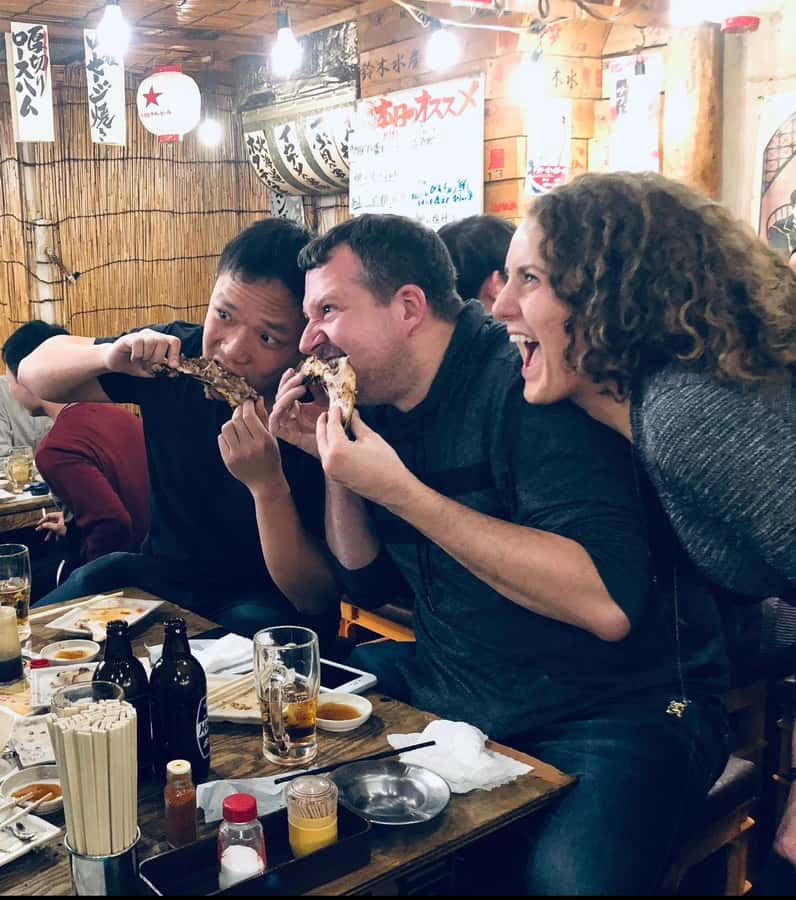
Skip the usual tourist streets. This three-hour Ueno food tour takes you into Japanese taverns where locals eat, staff speak Japanese, and the food comes in generous waves. I like the focus on small neighborhood restaurants rather than famous sightseeing districts, and I like that the guide explains customs as you eat instead of simply pointing at dishes. The main consideration is pace: with three taverns and a ramen stop, you need to arrive genuinely hungry.
The tour also earns points for its friendly, social guiding style. Aki is praised for his humor, cultural explanations, and care in including solo visitors, while Yumi sometimes helps create an easy group atmosphere. You will sample at least seven dishes and five drinks, but this is not a quiet tasting menu. It is a full meal spread across several stops, with walking, conversation, and a little mystery on the plate.
Key points to know before booking
- Ueno instead of Shibuya or Shinjuku: The route centers on a food-focused part of Tokyo that is less tourist-oriented.
- Three taverns plus ramen: Expect sashimi, grilled fish, skewered chicken and pork, other shared dishes, and a final bowl of ramen.
- At least five drinks included: Beer, cocktails, spirits, wine, and soft drinks may be part of the tasting, depending on the selections.
- Aki brings the personality: His jokes, stories, and explanations of Japanese customs are among the strongest parts of the experience.
- Come hungry and wear practical shoes: The food is substantial, and the route includes short walks between restaurants.
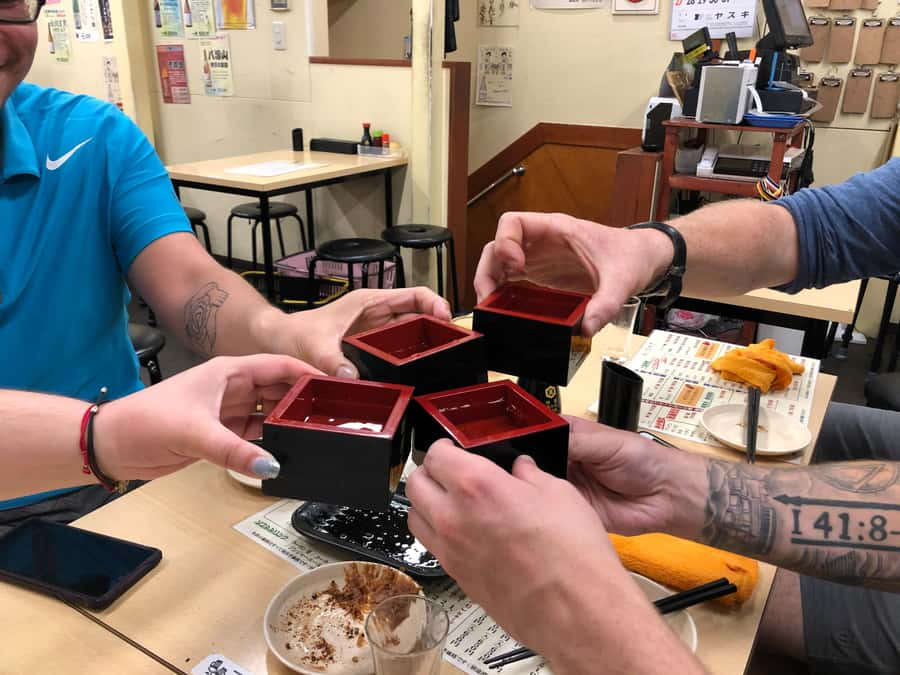
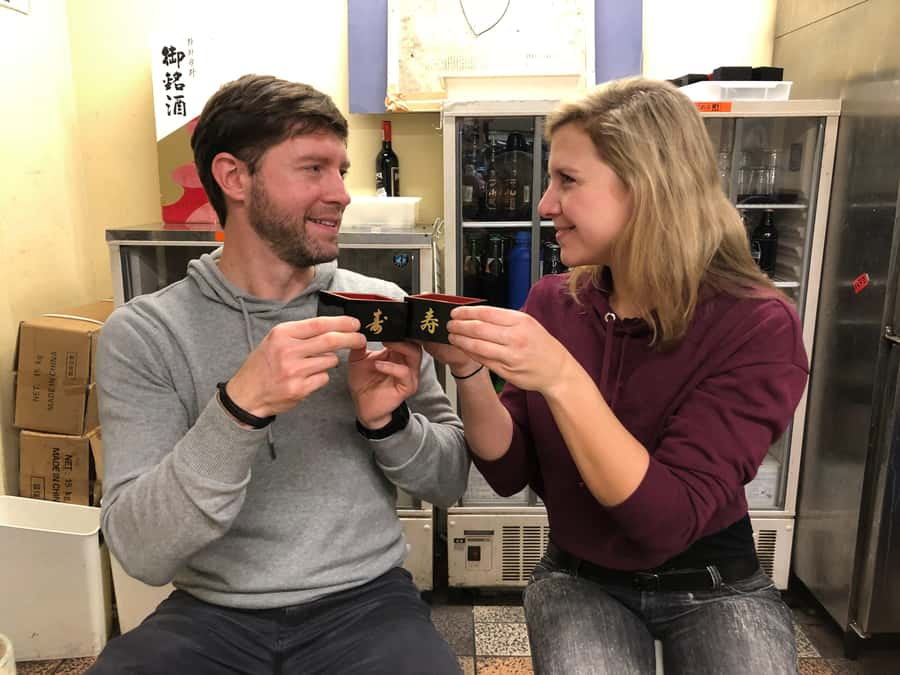
- A small porcelain cup is included: You receive a souvenir connected to the tour, and one is used during the experience.
Why Ueno is a smart place for a food tour
Ueno is a useful counterpoint to the Tokyo most first-time visitors picture. Shibuya and Shinjuku have their flashing signs, giant crossings, and endless restaurant choices. Ueno feels more grounded in everyday eating and drinking, especially around the station and nearby Taito City streets.
That makes the neighborhood a good setting for a tavern tour. You are not being led from one famous photo stop to another. Instead, you are shown how an evening meal can unfold in places where Japanese is the working language and menus may not be designed for foreign visitors.
This is valuable even if you already know Japanese food. A guide can explain the social side of taverns, how dishes are ordered and shared, and why certain drinks pair well with particular foods. You can ask questions as the meal goes on, which is much more useful than trying to decode every menu item alone.
The meeting point is Starbucks Coffee beside the atré Ueno complex, near the Hirokōji exit of Ueno Station. Ueno is a large station, so allow time to find the correct exit. If you arrive by JR, look for the Central Gate, then follow signs to Hirokōji Exit. From the Tokyo Metro Ginza or Hibiya lines, use JR Ueno Station District Gate and Exit 9 before heading to street level.
Pay close attention to the distinction between Ueno Station and Ueno Hirokōji Station. They are not the same place. The meeting point is at the Starbucks entrance beside Ueno Station’s Hirokōji exit, near a large crossing.
More Food Tours with Locals in Japan
- Eat and Drink Like a Local: Tokyo Ueno Food Tour-Taverns&Ramen
★ 5.0 · 957 reviews - Hungry Osaka Street Food Tour:15 Tastings & 3 Drinks with a Local
★ 5.0 · 1,727 reviews - Osaka Food Adventure Tour: Walking with a Local Guide
★ 5.0 · 119 reviews
Starting with a welcome drink and local context
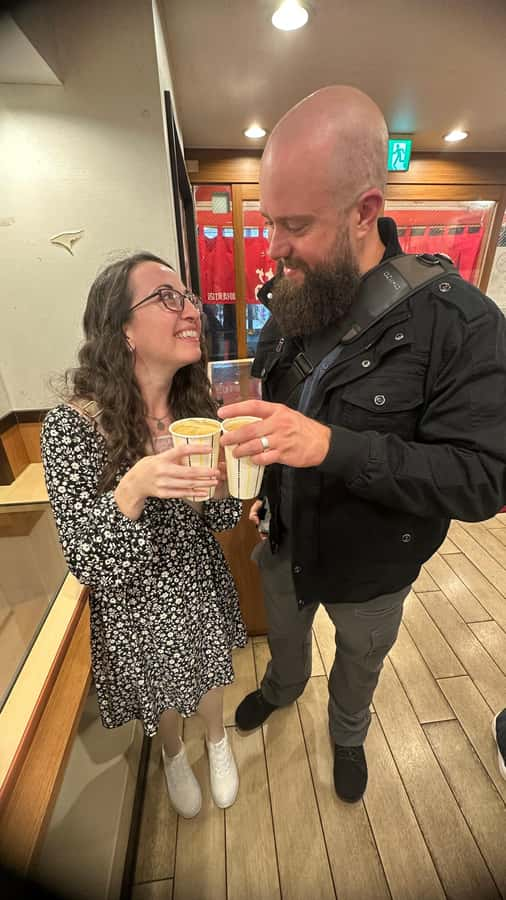
The tour begins with a welcome drink at the meeting spot. This gives you a chance to meet the guide and other members of the group before the restaurant visits begin. A small souvenir porcelain cup is also presented, and one cup is used during the tour.
That opening matters because the experience is built around conversation. Aki is not simply there to deliver food and keep an eye on the clock. He explains Japanese food and drink culture, answers questions, and shares suggestions for things to do in other prefectures.
The personal guidance is especially useful at the start of a Japan trip. You can ask about regional foods, drinking habits, or where to look for similar dining experiences elsewhere. The information is not limited to Ueno.
The route then includes a short walk of about 15 minutes. This is an easy chance to get a feel for the area, but remember that the tour is on foot between several stops. Comfortable shoes will make the evening more pleasant.
First tavern: sashimi and the rhythm of Japanese drinking
The first restaurant stop is built around food tasting and lasts about 45 minutes. Sashimi is included among the dishes served during the tour, along with other foods selected by the guide.
For many people, this is the moment when the tour shifts from explanation to participation. Sashimi is not just a famous Japanese dish checked off a list. The guide can talk you through what you are eating, how it is served, and how it fits into a meal with drinks.
You should expect a shared tasting rather than a private, customized dinner. The appeal is the range of dishes arriving for the group. You may try something familiar, then something you would not have ordered on your own.
The first stop also helps you understand the tavern format. You are not sitting in one dining room for three hours. You move from place to place, sampling the specialty of each restaurant. That keeps the evening varied, though it also means you will not have much time to linger over any single dish.
The tour includes alcohol, but soft drinks are also listed. Dietary needs can be accommodated with other options, although you should communicate restrictions in advance and understand that specific substitutions are not guaranteed in the supplied details.
Second tavern in Taito City: grilled food and unusual drinks
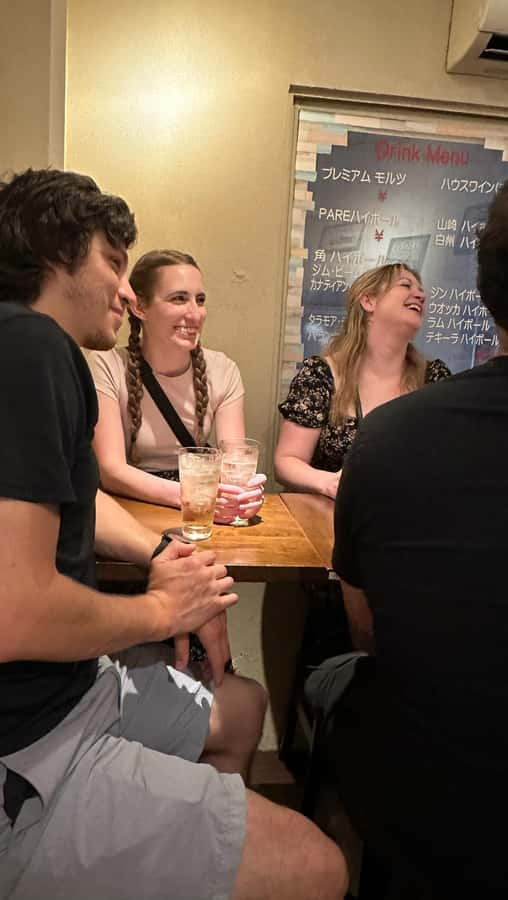
After another short walk of about five minutes, the group reaches a second food stop in Taito City. This part lasts about 45 minutes and includes food tasting, drinks, and a guided explanation of the local dining culture.
Grilled fish is one of the promised food types. Skewered chicken and pork are also part of the overall meal, giving you a taste of the casual foods commonly associated with Japanese taverns. The skewers make the meal feel less formal and more like the kind of food ordered with drinks at the end of a workday.
The drink portion is a major reason to book this tour. You will sample at least five different drinks in total, with beer, cocktails, spirits, wine, and soft drinks listed among the possibilities. The precise lineup can vary, but the point is to go beyond the standard beer or sake order.
This is where the guide’s explanations add real value. Japanese drinks have their own customs, serving styles, and vocabulary. You can ask what you are drinking rather than treating each glass as a mystery.
One note of caution: the amount of alcohol can add up quickly. Five or more drinks spread across three hours is a generous allowance, particularly when combined with a full meal. Pace yourself, use the soft drink option if needed, and remember that the purpose is to enjoy the food and conversation rather than to finish every alcoholic sample quickly.
More Sushi and Ramen Tours in Tokyo
- Sushi Making Tokyo Roll and Authentic Japanese Sushi Class
★ 5.0 · 3,971 reviews - Tokyo: Roll and Authentic Sushi Making Class in Asakusa
★ 4.9 · 1,957 reviews - Best of Shinjuku: Izakaya Food Tour (4 Stops, 14+ Tastings)
★ 5.0 · 1,863 reviews - Tokyo: Sushi Making Class in a Happi Coat near a Famous Spot
★ 4.9 · 1,377 reviews
Third tavern: regional dishes and a local-style setting
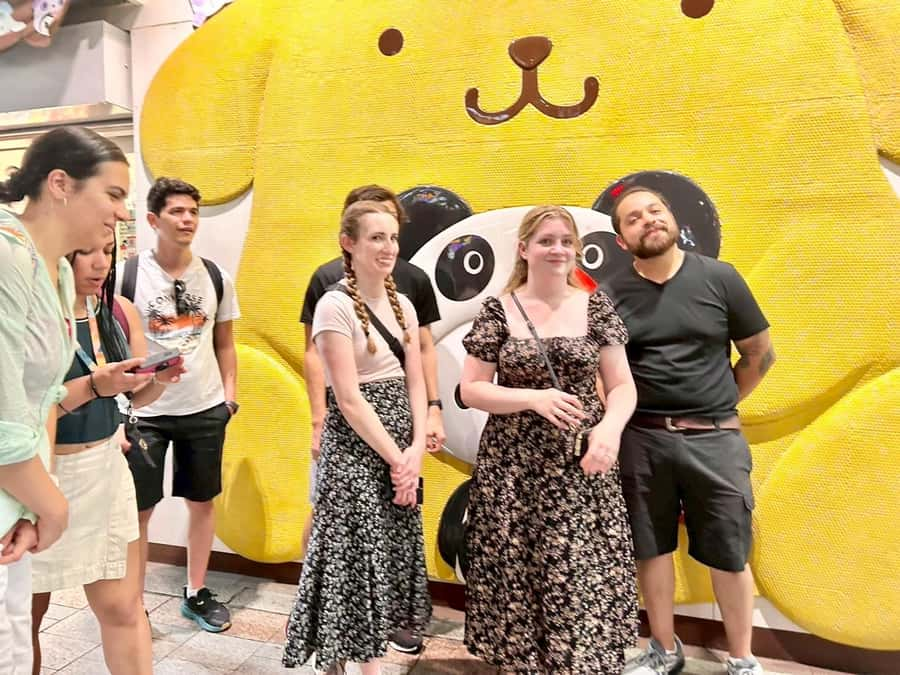
The third stop is another five-minute walk away, again in the Taito City area. This guided food stop lasts roughly 45 minutes and focuses on regional food.
The exact dishes are not fixed in the supplied information, which is part of the charm and part of the uncertainty. You may find that the selection reflects what is available that day or what the guide considers a good introduction to Japanese tavern cooking.
This stop is also where the tour’s local focus becomes clearest. The restaurants are described as places used by locals, and the staff speak only Japanese. That can be a little intimidating if you are used to tourist-friendly restaurants with English menus, but it is also why the guide matters.
Aki helps bridge that gap. The guide orders signature dishes, explains what arrives, and gives you a way to ask questions without relying on guesswork. This is a better setup than being dropped into a Japanese-only tavern with no context.
A review of the experience specifically praises the fun of trying mystery pork. That detail tells you something useful about the tone: you may be encouraged to try foods without knowing every ingredient in advance. If you have strict dietary rules, allergies, or strong dislikes, speak up clearly before ordering.
Ending with ramen instead of dessert
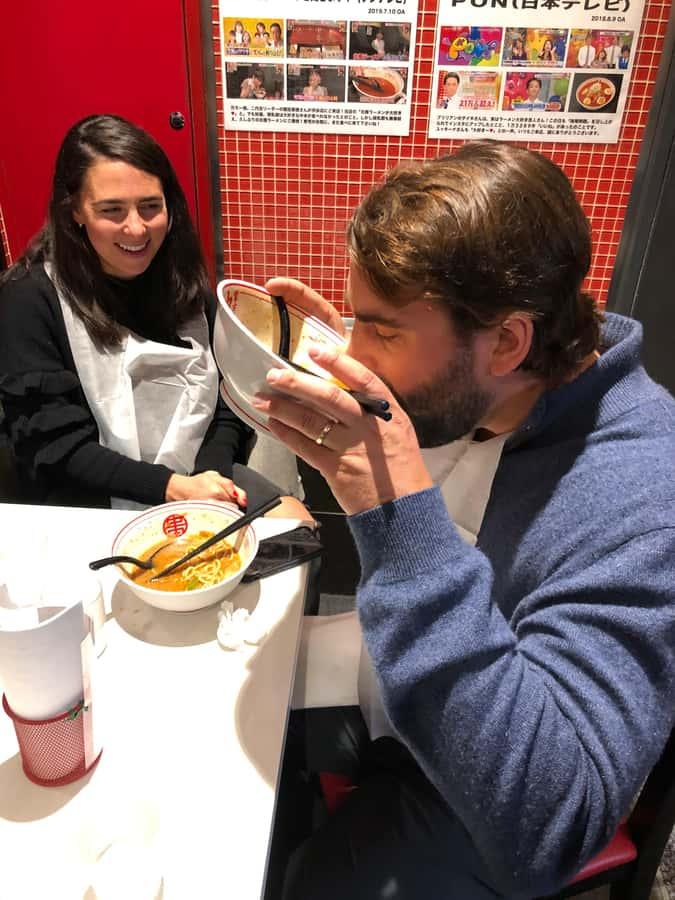
After three taverns, the evening ends at a ramen shop popular with locals. Ramen is included in the meal, so this is not a token final bite. It is a proper final course after several savory stops.
That ending makes the tour unusually filling. Many food walks offer small samples and leave you looking for dinner afterward. This one does the opposite. You are specifically told to come hungry because the meal includes at least seven dishes, at least five drinks, and ramen.
Ramen also provides a satisfying contrast to the earlier tavern food. The meal begins with foods such as sashimi and grilled fish, moves through skewers and regional dishes, then finishes with a hot bowl of noodles. You get a broad look at Japanese eating rather than one narrow specialty.
The drawback is obvious: this may be too much food for light eaters. If you prefer small portions or want room for a later dinner, this tour may feel excessive. For most people, though, the generous meal is part of the value.
A guide who adds more than directions
Aki receives especially strong praise for being funny, attentive, and well informed about Japanese culture. Those traits matter on a food tour because the guide sets the tone between courses. A dry list of facts would not do much for a three-hour restaurant crawl. Humor and easy conversation make the stops feel connected.
Aki also makes an effort to include everyone in the group. That is helpful for solo visitors, who can otherwise feel like an extra chair at a couple’s dinner. One solo female visitor found the experience comfortable and appreciated the guide’s care and expertise.
Yumi may also assist with introductions and group interaction. The tour can therefore work well for solo visitors and couples, not just for larger groups who already know one another.
The cultural explanations are another strength. You will hear about Japanese food and drink customs, not just dish names. The guide can also suggest activities in other prefectures, which adds value if this tour happens early in your Japan trip.
Do not expect a formal lecture. The information comes through conversation while you eat, which suits the setting. You can pepper the guide with questions and steer some of the discussion toward your own interests.
What the $126 price includes

At $126 per person, this is not a cheap way to grab dinner. It is also more than a simple street-food walk. The fee includes a welcome drink, at least seven dishes, at least five drinks, ramen, an English-speaking guide, and a small porcelain souvenir cup.
The value depends on how much you would otherwise spend on several separate meals and drinks in Tokyo. Three taverns plus a ramen shop could cost a similar amount if you ordered freely, and you would still face the challenge of choosing places, explaining dietary needs, and understanding unfamiliar menus.
The guide is the main added value. You are paying for access to Japanese-only taverns, someone to order signature dishes, explanations of the food culture, and help navigating the area. If you already speak Japanese and are comfortable ordering anywhere, the price may feel less attractive.
For a first visit, I think the package makes sense if you want a full evening meal and cultural guidance in one booking. It is also a practical choice for solo visitors who want company without joining a large sightseeing bus.
Timing, walking, and practical limits
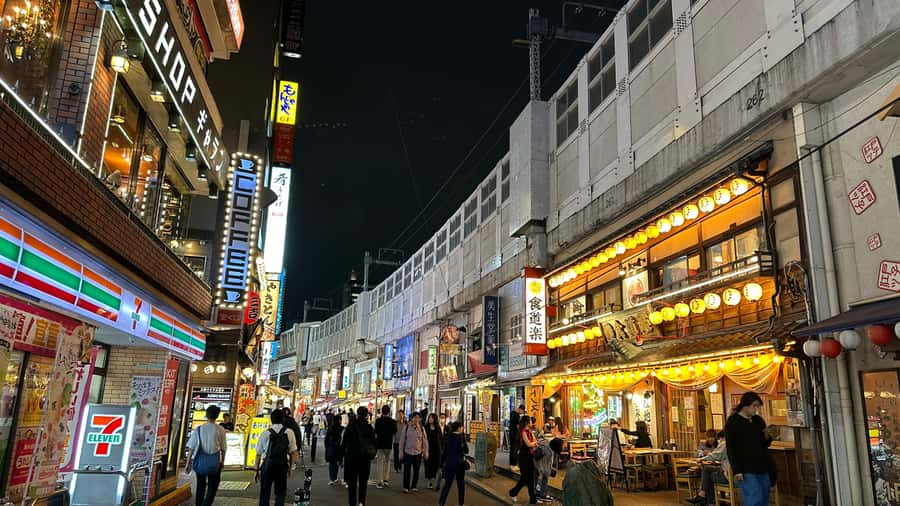
The activity lasts three hours, with starting times shown according to availability. Because the route includes several restaurants, short walks, and a final ramen stop, the schedule is structured rather than open-ended.
You should arrive ready to eat. This is not a quick tasting with one bite at each stop. The included food is described as a full-size meal, and the portions add up across the evening.
The route is not suitable for wheelchair users. The short walks between restaurants may sound easy, but the tour involves several changes of location and dining venues. Anyone with mobility concerns should ask the provider for current details before booking.
The experience is offered in English. That makes a real difference in places where restaurant staff speak only Japanese. Still, the food selection can vary, and dietary alternatives are described only in general terms. Contact the provider before the tour if you need a specific kind of meal.
The route information places the finish at Okachimachi Station, where the guide can show you the entrance to the train line you need. Another note describes the activity as ending back at the meeting point, so confirm the final meeting and exit details when booking. Either way, the guide’s help with station entrances is useful in a busy rail area.
Who should book this Ueno food tour?
I would recommend it to first-time visitors who want a relaxed introduction to Japanese food culture without spending the night in a tourist district. It suits people who like trying several dishes, asking questions, and letting a guide handle the ordering.
It is also a strong match for solo visitors. The social setup, group introductions, and friendly guide help prevent the awkwardness that can come with eating alone in unfamiliar restaurants.
Couples can enjoy it too, especially if both people are happy to share dishes and drinks. The tour works best when you are open to trying foods that may not be familiar, including dishes whose ingredients are not immediately obvious.
I would hesitate to recommend it to picky eaters, light eaters, or anyone seeking a refined, slow restaurant dinner. The format is active, the meal is large, and the atmosphere is casual. People with strict dietary restrictions should ask detailed questions before paying.
FAQ
Where does the tour start?
It starts at Starbucks Coffee beside atré Ueno, near the Hirokōji exit of Ueno Station.
Is the meeting point at Ueno Hirokōji Station?
No. The meeting point is at Ueno Station, near its Hirokōji exit. Do not go to Ueno Hirokōji Station.
How long does the experience last?
The tour lasts three hours. Starting times depend on availability.
What food is included?
The meal includes at least seven dishes and ramen. Foods listed include sashimi, grilled fish, and skewered chicken and pork, along with other possible dishes.
How many drinks are included?
At least five drinks are included. Options may include beer, cocktails, spirits, wine, and soft drinks.
Is ramen part of the price?
Yes. Ramen is included as the final food stop.
Is the tour conducted in English?
Yes. The tour has a live English-speaking guide.
Can dietary restrictions be accommodated?
Other food options may be available depending on your dietary restrictions. You should communicate your needs before the tour.
Is the tour suitable for wheelchair users?
No. The activity is listed as unsuitable for wheelchair users.
Should you book Eat and Drink Like a Local?
Book it if you want a large, social food experience that shows you a less tourist-focused side of Tokyo. The combination of Japanese-only taverns, guided ordering, several drinks, regional dishes, and ramen gives you much more than a single restaurant meal.
The strongest reasons to go are Aki’s humor and cultural explanations, the generous amount of food, and the chance to enter places you might not choose on your own. Come hungry, pace your drinks, wear comfortable shoes, and confirm the finish point and dietary arrangements before booking. If that sounds like your kind of evening, the $126 price is reasonable for a full meal, several tastings, a guide, and a memorable introduction to Ueno after dark.
More food tours with locals in Tokyo
- Naples: Street Food Walking Tour with Local Guide
★ 4.9 · 4,976 reviews - Rome: Street Food Tour with Local Guide
★ 4.8 · 4,077 reviews - Eat Like a Local: Venice 3-Hour Small-Group Food Tasting Tour
★ 5.0 · 3,137 reviews - Marrakech: Street Food Tour with a Local Guide
★ 4.9 · 3,119 reviews
Just added in Tokyo
- Tokyo: Allstar Food Tour★ 4.7 · 29 reviews
- Tokyo: West-Side Cycling and Food Tour with Guide★ 5.0 · 37 reviews
- Tokyo: Togoshi Ginza Street Food Tour★ 5.0 · 34 reviews
- Tokyo Tsukiji Food & Culture Private Tour Licensed Guide★ 4.9 · 28 reviews
- Tokyo: Wagyu and Sushi Gastronomic Journey★ 4.3 · 24 reviews
- Tokyo: Sushi Making Class★ 4.9 · 390 reviews
- Tokyo: Sushi and Ramen Cooking Class with Sake Pairing Set★ 5.0 · 81 reviews
- Tokyo: Ramen Tasting Tour with 6 Mini Bowls of Ramen★ 4.9 · 432 reviews
Sushi and Ramen Tours, compared.
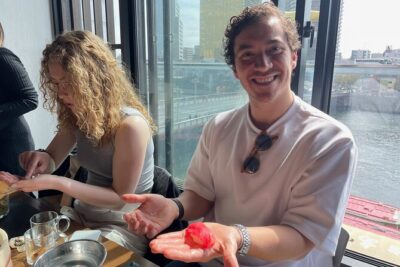
Sushi Making Tokyo Roll and Authentic Japanese Sushi Class
Read our review →
Roll and Authentic Sushi Making Class in Asakusa
Read our review →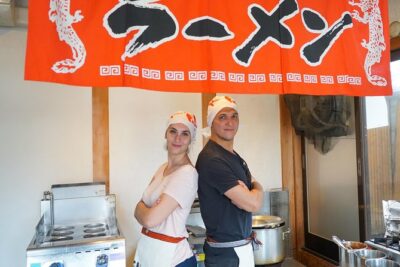
Ramen Cooking Class at Ramen Factory in Kyoto
Read our review →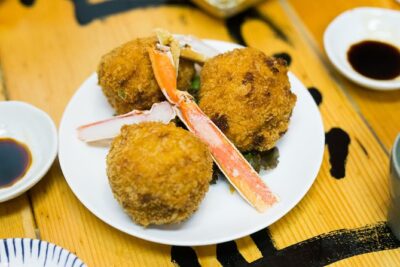
Best of Shinjuku: Izakaya Food Tour (4 Stops, 14+ Tastings)
Read our review →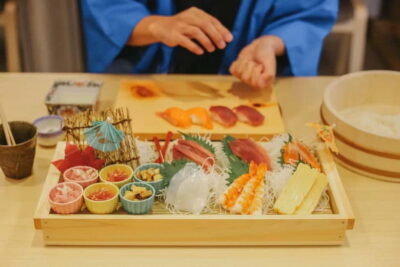
Sushi Making Class in a Happi Coat near a Famous Spot
Read our review →
Sushi Making Tokyo! Popular Maki Sushi & Japanese Sushi(+Recipe!)
Read our review →
Sushi Making Osaka Roll and Authentic Japanese Sushi Class
Read our review →
Tokyo Sushi Making Class in Tsukiji with Professional Chef
Read our review →Browse the lists this tour appears in