REVIEW · TOKYO FOOD TOURS
Tokyo: Tsukiji Fish Market Food and Culture Walking Tour
Tsukiji rewards hungry curiosity. This three-hour walk through Tokyo’s famous outer market combines excellent food tastings with a useful introduction to Japanese food customs. I especially like the small groups of two to eight people and the chance to finish with either a fresh seafood bowl or sushi, depending on the day. The main drawback is that the experience is not suitable for vegetarians, vegans, halal diners, or people avoiding gluten.
The tour also makes a good first Tokyo food outing because a guide helps you handle the market’s crowded lanes and unfamiliar stalls. Guides such as Shun, Nazu, Luna, Robert, and Yoshiko have been praised for explaining food, shrine manners, and the area’s past in an easy, friendly way. Just pay close attention to the calendar: some stalls and the fish wholesaler area close on Wednesdays, Sundays, public holidays, and other market closure days.
Key points at a glance
- A filling three-hour food walk: Expect Wagyu beef, fish cakes, Japanese omelet, seasonal fruit, and a final seafood bowl or sushi meal.
- A small group of two to eight: The size allows your guide to answer questions and help you choose items at busy stalls.
- A cultural start at Tsukiji Honganji Temple: The meeting point adds context before you enter the market lanes.
- The best stop is often the Wagyu skewer: Several people singled out the beef as the top bite of the morning.
- Market days matter: Wednesdays, Sundays, public holidays, and other closure days can mean fewer open shops and missing tastings.
- Bring comfortable shoes and an open palate: There is moderate walking, standing, seafood, and no provision for special diets.
Starting at Tsukiji Honganji Temple
The meeting point is the main gate of Tsukiji Honganji Temple, formally listed as 浄土真宗本願寺派 築地本願寺. This is a practical place to begin because it is easy to identify and gives the tour a calm opening before the market’s narrow lanes take over.
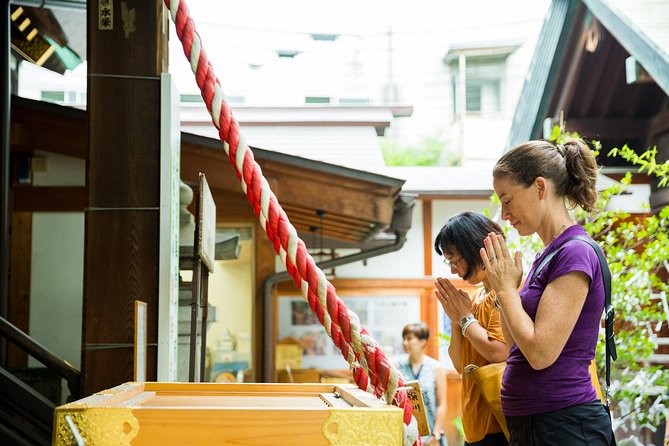
Some guides include a short explanation of the temple and the development of the Tsukiji area. One particularly useful part, noted by several people on similar outings, is learning proper shrine or temple etiquette, including the cleansing ritual. That small introduction helps you understand that the market is not just a collection of food stalls. It is part of a working neighborhood with religious, commercial, and culinary traditions packed close together.
Arrive ready to walk. The tour lasts three hours, with about 30 minutes set aside for the first look at the outer market and another two and a half hours for food stops and guided exploration. The pace is generally relaxed rather than rushed, but this is still a food market, not a seated restaurant tour.
More Market Food Tours in Japan
- Tokyo Tsukiji Fish Market Food and Culture Walking Tour
★ 5.0 · 3,184 reviews - Tsukiji Fish Market Guided Tour and Sushi Making with Pro Chef
★ 5.0 · 775 reviews - Tsukiji Fish Market: Street Food & Culture Walking Tour
★ 5.0 · 669 reviews
Entering the outer market’s crowded lanes
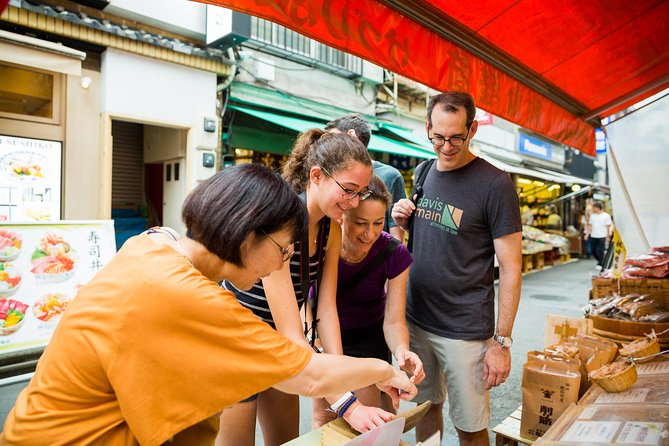
Tsukiji’s outer market is a maze of small shops and food counters. You might find fish, shellfish, prepared foods, cooking supplies, sweets, tea, fruit, and snacks sold within a short walk of one another. The fun comes from the contrast: one doorway may lead to a seafood counter, while the next offers tamagoyaki, or Japanese omelet.
A guide earns the fee here by helping you make sense of the choices. On your own, you can certainly wander and buy food, but you may not know which stall fits the tour’s tasting plan, how much to order, or what an unfamiliar item is. Your guide also handles much of the communication with vendors, which makes the experience less awkward when you do not speak Japanese.
The market can be hard to hear in. Crowds, umbrellas, conversations, and stall activity all compete with the guide’s voice. Rain makes this worse. If the forecast looks poor, bring suitable clothing and stay close to the group. One useful tip is to save a little time after the tour if possible. You may see shops you want to revisit once you know the layout.
The tasting route: Wagyu, omelet, fruit, and fish cake
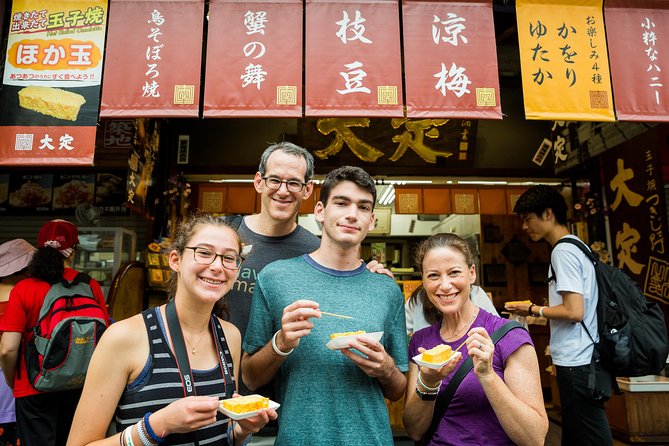
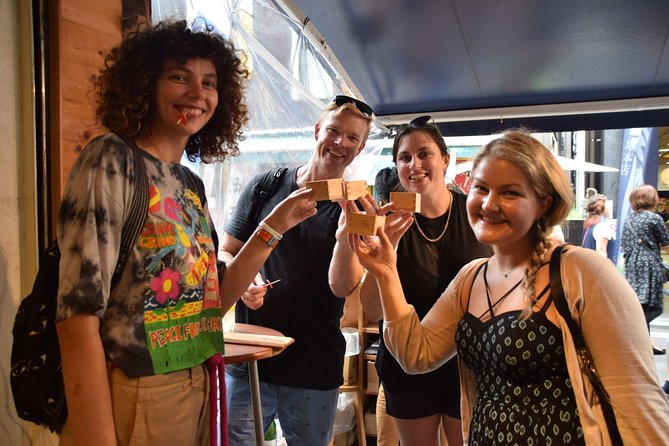
The food is the main reason to book this outing, and the menu offers a good range of textures and flavors rather than one large meal. The included tastings are high-grade Wagyu beef skewers, Japanese omelet, seasonal fruit, fried fish cake, and either sushi or a seafood bowl at the final stop.
The Wagyu skewer is the most widely praised bite. The beef gives the walk an immediate sense of occasion, and several people considered it the best food they ate that day. If you enjoy beef, this is likely to be a highlight. One useful advantage of a guide is that you do not need to guess which stalls are worth your limited stomach space.
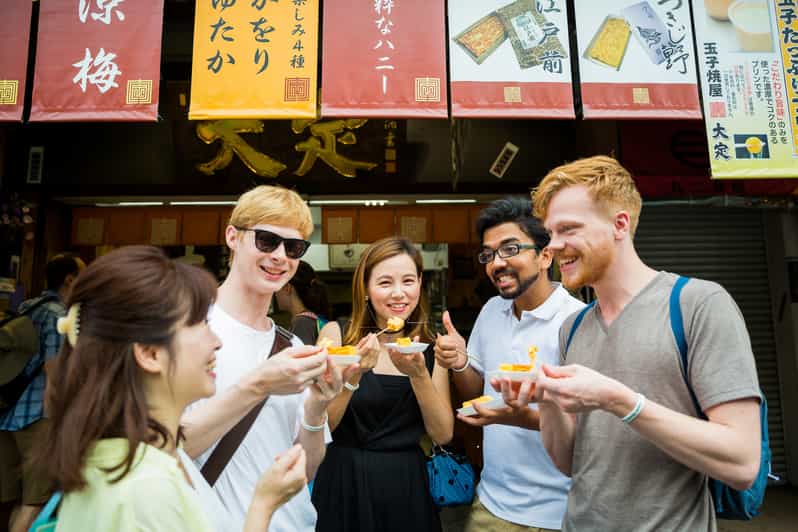
Japanese omelet offers a completely different experience. Tamagoyaki is soft, sweet, and savory, and it shows how a familiar egg dish can take many forms in Japan. Fish cake adds another local snack, while seasonal fruit gives the route a fresh break from meat and seafood.
The exact foods can change with the market calendar and shop availability. On Wednesdays, Sundays, and other closed market days, the omelet, fish cake, and fruit may not be available because the relevant shops are closed. That is not a minor detail. If these tastings matter to you, choose a regular open market day.
You may also have chances to buy extra items during the walk. Possible purchases can include additional seafood, fruit, tea, or other snacks, but these are not part of the set price. Bring a payment method for optional purchases and ask your guide what is included before ordering drinks or extras. One person felt that sake or beer should have been covered, so it is wise to confirm costs before accepting them.
The final seafood bowl or sushi stop
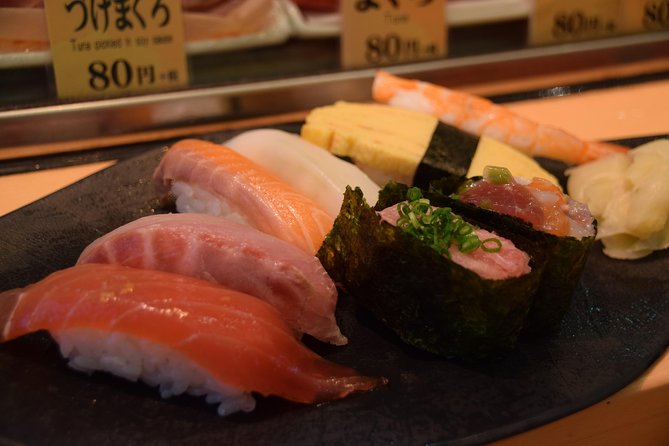
The tour ends with a proper seafood dish, which helps turn a series of samples into a satisfying meal. Depending on the day, you receive sushi or a fresh fish bowl. The choice is based on what is available, so do not book expecting one fixed presentation.
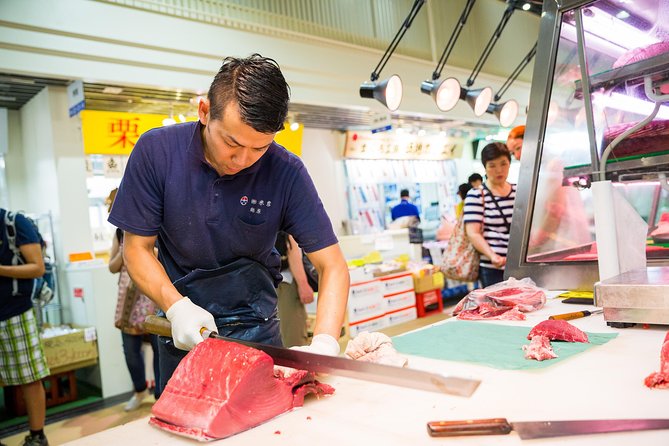
Several guides have arranged a short preparation demonstration before the final dish. You may see a chef cut fish and prepare it for the bowl, then sit down to eat the result. This gives the last stop a little theater without making the whole tour feel like a formal cooking class.
The seafood bowl is a strong finish for anyone who likes sashimi. Some people found it so filling that they were no longer hungry after the tour. That is worth noting if you plan a large lunch soon afterward. The meal is also a good reminder that Tsukiji’s importance rests on the quality and handling of its ingredients, not simply on the market’s fame.
There is one practical uncertainty here: if the restaurant suddenly closes or cannot provide the planned meal, an alternative is offered. The exact replacement is not specified, so treat sushi or the seafood bowl as the likely ending, not an absolute guarantee.
More Market Food Tours in Tokyo
- Tsukiji Fish Market Small-Group Food Walking Tour
★ 5.0 · 621 reviews - Tokyo: Tsukiji Fish Market Sushi Making Class with Pro Chef
★ 4.9 · 506 reviews - Tsukiji Fish Market: Street Food & Culture Walking Tour
★ 4.8 · 259 reviews - Tokyo: Toyosu Tuna Auction &Tsukiji Market Gourmet Adventure
★ 4.8 · 187 reviews
What your guide adds to the experience
The guides are central to the quality of this tour. The strongest comments focus on guides who are friendly, patient, and able to explain food without turning the walk into a lecture. Shun was praised for being kind, entertaining, and well informed about both culture and ingredients. Nazu was noted for explaining the market’s past and helping with food choices. Robert received praise for humor, history, and practical recommendations.
Other names that received warm attention include Miki, Luna, Yuki, Yoshiko, Keiko, Nori, Miwako, Tomoko, and Chi Haru, also known as Sunny. A particularly positive account of Miwako described how her local connection helped make the market feel less intimidating. Chi Haru was praised for guiding the group through the market, serving excellent Wagyu, and ending with a fish preparation demonstration.
You cannot choose a specific guide from the information provided, so do not book on the assumption that one named person will lead your group. The consistent pattern is more useful: the best part of the tour depends on a guide who can explain what you are eating, keep the group together, and adjust to different interests.
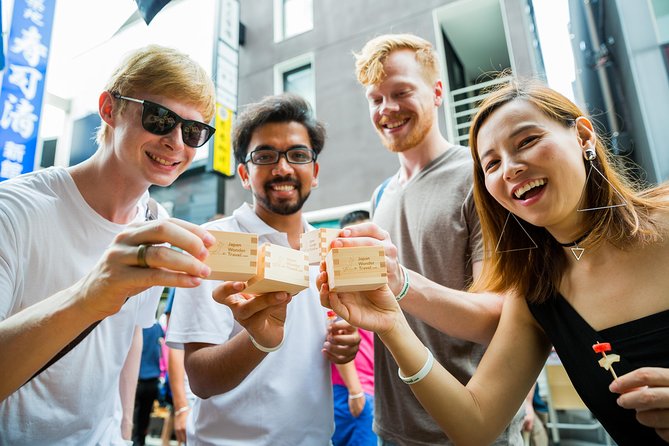
A small group makes that easier. With two to eight people, you can ask questions without holding up a busload of people. The guide can also wait for someone moving slowly, explain an item twice, or help a first-time visitor decide what to try.
Market hours, dates, and crowd levels
Timing deserves more attention than it often gets. The fish wholesaler market is closed on Wednesdays, Sundays, and other specified closure days. Some outer-market businesses also close on those dates. The tour may still operate, but the route and food selection can change.
A public holiday can create the same problem. One person arrived on a holiday Monday and found that the indoor market and some outdoor shops were closed. Read the available date information carefully before booking, especially if you want to see as many stalls as possible.
Crowds vary. Saturday mornings can be very busy, and rain adds umbrellas and makes it harder to stay together. A midweek open day may offer a calmer experience, though you should still verify that it is not a market closure day. Early starts are useful for food freshness and atmosphere, but the supplied schedule does not guarantee one particular starting time, so check availability when choosing your date.
Is $96 fair for three hours?
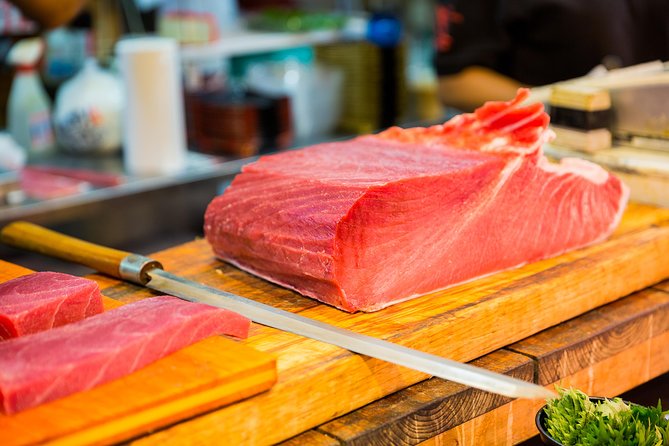
At $96 per person, this is not the cheapest way to eat at Tsukiji. You can buy individual snacks on your own for less. The price makes more sense if you place a value on guidance, several included tastings, cultural explanation, and the final seafood meal.
The food list is substantial. Wagyu, fish cake, omelet, fruit, and sushi or a seafood bowl can add up quickly if purchased separately, particularly if you are tempted by extra snacks. You are also paying to avoid much of the guesswork in a market where menus and vendor routines may be unfamiliar.
I would call the value good for first-time visitors who want a structured introduction. It is less compelling for confident food explorers who already know Tsukiji, speak Japanese, and prefer choosing every bite themselves. The small group and guide support are the main reasons to pay the premium.
The flexible booking terms help if your Tokyo schedule may change. You can cancel up to 24 hours ahead for a full refund, and the reserve-now, pay-later option lets you hold a place without paying immediately. These details are useful, but the market closure calendar matters more to the quality of the actual visit.
Who should book this food walk?
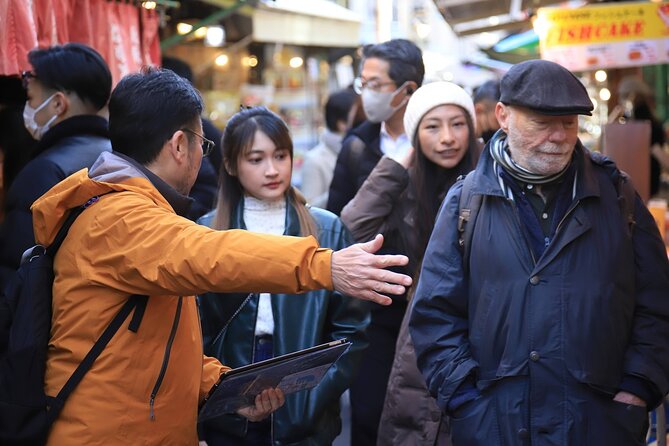
This tour suits you if you want to sample many Japanese foods without planning a stall-by-stall route. It is also a good choice for a first Tokyo morning, a food-loving couple, or a small family group with older children who can manage several hours on foot.
It works particularly well for people who want context with their meal. You learn about the market, local customs, shrine etiquette, ingredients, and the role of Tsukiji in Tokyo’s food trade. The guide can also suggest other places to visit afterward, as several people appreciated.
You should think twice if you are vegetarian, vegan, halal, or gluten-free. The tour does not accommodate those requests, and the menu centers on meat, seafood, egg, and prepared market foods. It is also not suitable for wheelchair users or people with mobility impairments, and the moderate walking may be tiring if you have difficulty standing or moving through crowded lanes.
The minimum drinking age is 20, though alcohol is not the core of the experience. Any sake or beer purchased along the way should be treated as an extra unless the guide clearly says otherwise.
Practical tips for a smoother morning
- Wear comfortable shoes. You will walk and may spend time standing at stalls.
- Wear clothing suited to the weather. Rain can make the market harder to hear and navigate.
- Bring a camera, but stay aware of vendors and other shoppers.
- Eat lightly beforehand. The tasting route is designed to leave you satisfied.
- Check the market calendar before selecting a Wednesday, Sunday, or holiday date.
- Keep a little time after the tour if you want to return to shops that catch your eye.
- Ask about optional purchases and drinks before ordering.
- Stay close to the guide when the lanes are crowded.
Final verdict: book it for guidance, not just food
I would recommend the Tsukiji Fish Market Food and Culture Walking Tour to first-time Tokyo visitors who want an easy, filling introduction to the market. The best parts are the small group, the excellent Wagyu, the varied snack route, and the final sushi or seafood bowl. The guides add the background that turns random bites into a clearer picture of Japanese food culture.
I would not book it for a vegetarian, vegan, halal, or gluten-free diet, or for anyone who needs wheelchair access. I would also avoid a closure day if your priority is seeing the full market selection.
Choose an open market day, wear good shoes, arrive at the temple gate on time, and keep your appetite ready. At $96, you are paying for access, guidance, and a well-organized introduction rather than simply three hours of eating. For many first visits, that is a fair trade.
FAQ
How long does the Tsukiji food tour last?
The tour lasts three hours. About 30 minutes are set aside for the initial outer-market visit, followed by roughly two and a half hours of guided walking and food tastings.
Where does the tour meet?
Meet your guide at the main gate of Tsukiji Honganji Temple, written in the supplied information as 浄土真宗本願寺派 築地本願寺.
What food is included?
The included menu features high-grade Wagyu beef skewers, Japanese omelet, seasonal fruit, fried fish cake, and either a fresh fish bowl or sushi, depending on the day.
Is sushi or the seafood bowl guaranteed?
No. The final meal depends on the day. The tour provides either sushi or a seafood bowl, and an alternative is offered if the restaurant unexpectedly cannot provide the planned meal.
Can vegetarians or vegans join?
No. The tour does not accommodate vegetarian, vegan, halal, or gluten-free requests. It is also not suitable for people with mobility impairments or wheelchair users.
What happens if I need to cancel?
You can cancel up to 24 hours before the tour for a full refund. The reserve-now, pay-later option allows you to book while keeping payment for later.
More seafood tours in Tokyo
- Seafood trail
★ 5.0 · 766 reviews - From Santiago: Rías Baixas Galicia Seafood & Wine Day Tour
★ 4.6 · 209 reviews - Boston Seafood Lovers Food and History Walking Tour
★ 5.0 · 208 reviews - New Orleans: Food Tour with Seafood Boil in French Quarter
★ 4.6 · 146 reviews
More Seafood Tours in Japan
- Tokyo: Sushi Making with Pro Chef & Tsukiji Fish Market Tour
★ 4.6 · 49 reviews - Osaka: Wakayama Cat Train, Seafood market, Hot Springs Tour
★ 4.6 · 24 reviews
Just added in Tokyo
- Tokyo: Allstar Food Tour★ 4.7 · 29 reviews
- Tokyo: West-Side Cycling and Food Tour with Guide★ 5.0 · 37 reviews
- Tokyo: Togoshi Ginza Street Food Tour★ 5.0 · 34 reviews
- Tokyo Tsukiji Food & Culture Private Tour Licensed Guide★ 4.9 · 28 reviews
- Tokyo: Wagyu and Sushi Gastronomic Journey★ 4.3 · 24 reviews
- Tokyo: Sushi and Ramen Cooking Class with Sake Pairing Set★ 5.0 · 81 reviews
- Tokyo: Sushi Making Class★ 4.9 · 390 reviews
- Tokyo: Ramen Tasting Tour with 6 Mini Bowls of Ramen★ 4.9 · 432 reviews
Market Food Tours, compared.

Tokyo Tsukiji Fish Market Food and Culture Walking Tour
Read our review →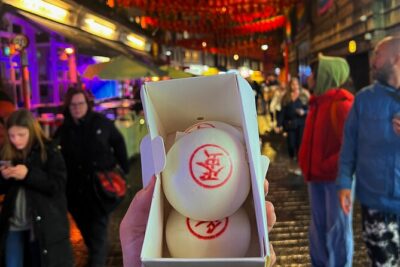
London Bridge & Borough Market Food Tour with 7 Authentic Dishes
Read our review →
Small Group Cooking Class & Market Food Tour in Florence
Read our review →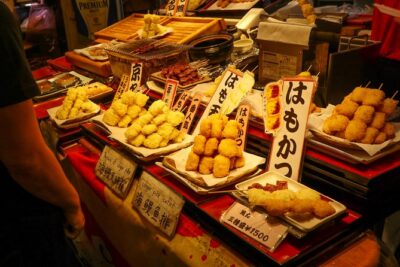
Nishiki Market Brunch Walking Tour (7 Tastings + Brunch)
Read our review →
Bologna Food & Market Tour with 6 Tastings, Pasta, Wines & More
Read our review →