
REVIEW · KYOTO FOOD TOURS
Sushi Making in Kyoto! Same-day bookings welcome!
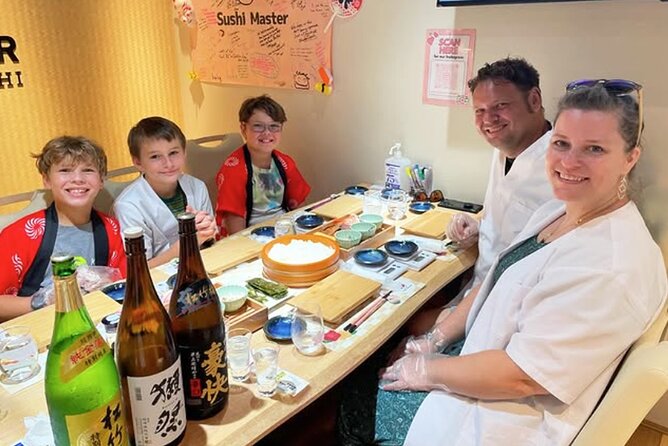
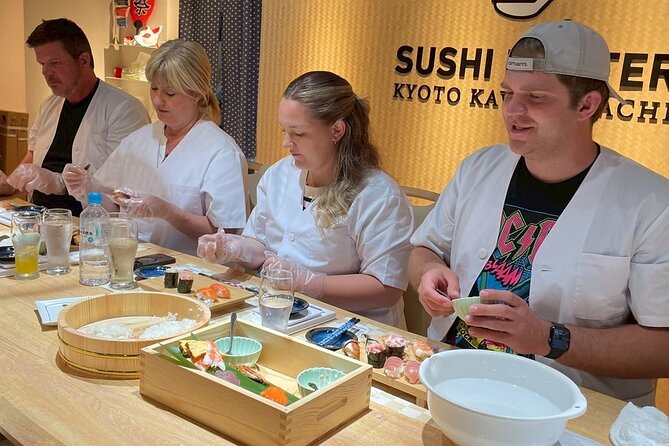
Sushi is better when you make it yourself. This 90-minute class in Kyoto’s Kawaramachi district gives you a friendly introduction to Japanese food culture, sushi rice, nigiri, and rolls, with English-speaking instructors guiding each step. I especially like the hands-on format and the chance to eat the sushi you prepare, rather than simply watching a demonstration.
The class also works well for families and first-time cooks. Children as young as six have enjoyed the activity, and instructors such as Kioko and Rio have been praised for making younger participants feel included. The main drawback is practical: the room can be difficult to find, and the exact number and types of sushi may vary by session and ingredient supply.
Key points to know before booking
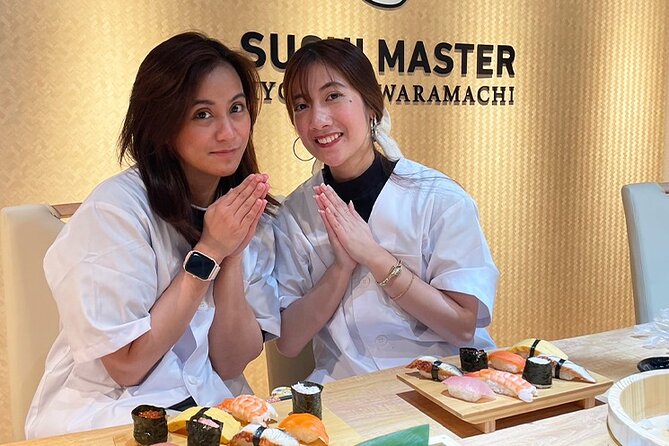
- You make and eat your own sushi, including nigiri and rolls in the standard course.
- English-speaking instructors explain the food culture and guide beginners through each stage.
- Kawaramachi location puts the class near one of Kyoto’s most convenient shopping and dining areas.
- Family-friendly teaching makes this a good choice for children, couples, and first-time cooks.
- Sake and soft drinks cost extra, and some drinks may feel expensive for what you receive.
- Allow extra time to find the room, especially if you are relying only on the street address.
What the 90-minute sushi class is really like
This is a short food activity, not a professional chef course. You get an introduction to sushi and Japanese cuisine, a practical lesson, time to prepare your food, and a meal at the end.
That distinction matters. If you want to learn every technical detail of sushi making, this class may feel light. One part of the instruction focuses on shaping and rolling, while topics such as preparing sushi rice from scratch or cutting fish may receive less attention than a serious cooking student expects.
For most visitors, though, the simple approach is the point. You do not need cooking experience, special equipment, or Japanese language skills. The instructors demonstrate the basic movements, then help you copy them. The mood is more cheerful workshop than formal culinary school.
The advertised course includes nigiri and rolls, with 10 pieces listed as the standard amount. Some sessions have included three styles and 12 pieces instead, so your exact menu may change. Ingredients can vary based on availability, and you should treat the listed dishes as a guide rather than a fixed promise.
More Sushi and Ramen Tours in Kyoto
- Ramen Cooking Class at Ramen Factory in Kyoto
★ 5.0 · 1,937 reviews - Kyoto: Ramen Cooking Class at a Ramen Factory with Souvenir
★ 4.9 · 532 reviews - Kyoto: Ramen, Gyoza, and Onigiri Cooking Class
★ 5.0 · 445 reviews
Starting with sushi culture and rice
The class begins with a brief introduction to sushi and Japanese food culture. You learn how sushi developed and how different types of sushi are prepared. This opening gives the activity some context, so you are not simply handling rice and fish without knowing what you are making.
A video is part of the introduction. For some people, this will be a useful way to get the basic story quickly. If you already know a lot about sushi, it may feel too general, especially since the class does not appear designed for professional cooks.
The lesson also covers sushi rice. The experience description says you will learn how to make perfect sushi rice, but the practical depth can vary. If you are hoping to learn the full process of washing, cooking, seasoning, and cooling rice, ask your instructor how much of that will be demonstrated. The class’s strongest focus is the actual assembly of sushi.
That is still valuable. Rice texture and hand pressure affect the final result, and beginners often learn more by watching an instructor shape one piece than by reading a long explanation. You get a feel for how much rice to use and how gently to handle it.
Making nigiri and rolls with English-speaking instructors
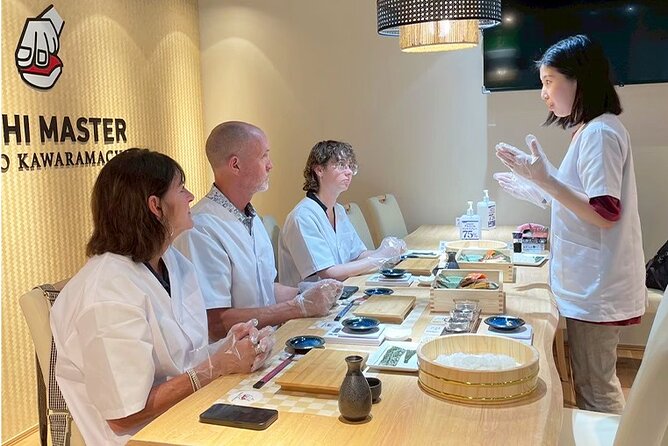
The most enjoyable part is the hands-on work. The instructors show you how to form sushi and then help as you try it yourself. Nigiri requires a little control because the rice must hold together without becoming a dense lump. Rolls bring a different challenge, especially when you need to spread the ingredients evenly and cut the finished roll cleanly.
The teaching style is aimed at beginners. Instructors have been praised for being patient, warm, funny, and encouraging. That matters in a class where your first roll may look more like a small rice bundle than a restaurant masterpiece.
English is used throughout the activity. You can ask questions and follow the demonstrations without depending on translation. Instructors named Kioko and Rio have received particular praise for creating a relaxed class, while other sessions have been led by friendly young women who offer close help at the table.
The class can be social, too. You may share the room with people from several countries, which gives the activity a light group energy. The maximum group size is 30, so do not assume every session will be a tiny private lesson. Some groups are described as small, while a full class is also possible.
Eating what you made for lunch
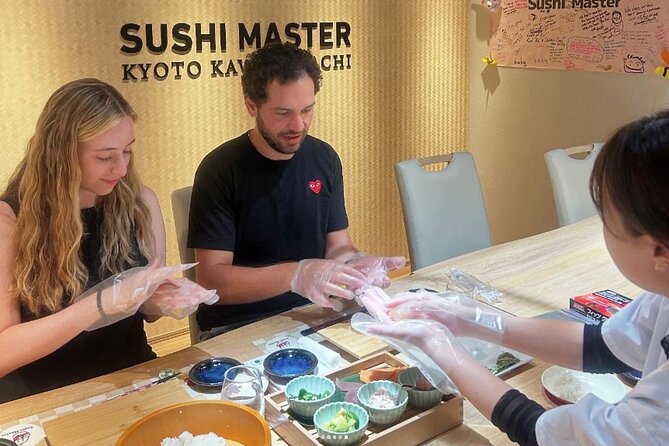
At the end, you eat the sushi you prepared. This is more satisfying than receiving a separate meal because you can see exactly how your work turned out. Even uneven pieces tend to taste better when you made them yourself.
The portion is described as a good lunch size by some participants. Since the advertised course includes 10 pieces, and some sessions provide 12, you should arrive ready to eat what you make. This is not a class followed by a large restaurant meal.
The food is part of the instruction. You can compare the different styles you prepared and see how the shape and amount of rice affect each bite. The class also gives you a practical memory of Kyoto food culture, not just another tasting at a counter.
Drinks are not included. You can order soft drinks and alcohol during the class, including Japanese sake. A sake flight or sampler has been available and can be a fun addition for adults who want to try several styles. The caution is price: some people have found the drinks costly for their quality, so check the cost before ordering.
Children may enjoy the soft drinks, including Japanese soda with a marble in the bottle. That small detail has been a hit with families, but it is an optional purchase rather than part of the included package.
Same city, a different table:
- Kyoto Night Foodie Tour in Gion (9+ dishes + 6 Sake tastings)
★ 5.0 · 1,762 reviews - Nishiki Market Brunch Walking Tour (7 Tastings + Brunch)
★ 5.0 · 1,355 reviews - Kyoto Sake Brewery & Tasting Walking Tour
★ 5.0 · 623 reviews - Kyoto Night All-Inclusive Eats and Streets, Gion and Beyond
★ 4.6 · 576 reviews
Finding the Kawaramachi meeting point
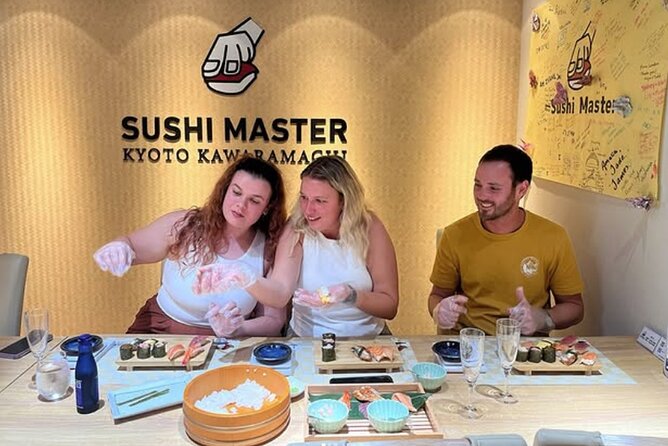
The location is central but not obvious. Search for Sushi Master Kyoto Kawaramachi on Google Maps rather than relying only on the formal address.
The meeting point is listed as:
Japan, 604-8035 Kyoto, Nakagyo Ward, Sakuranochō, 4071, College Town Shino Koji Building
The room is inside a shopping center and may be up the stairs near the Skechers store on the second floor. Another description points to a small street and a less visible entrance. These details are worth taking seriously. One person spent about an hour looking for the room, while another found it easily after paying close attention to the instructions.
I would arrive early, especially for a morning or early afternoon class. Kyoto’s narrow streets, shopping arcades, and building entrances can make a simple address less useful than a recognizable shop or stairway. Save the exact name in your map app, and look for the building rather than expecting a large street-facing restaurant sign.
The activity begins and ends at this same meeting point. There is no hotel pickup or drop-off, so you need to make your own way to Kawaramachi.
How much value do you get for $53.72?
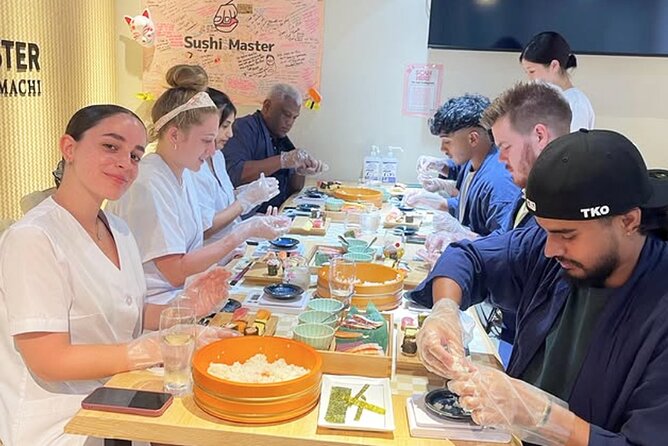
At $53.72 per person, this is not the cheapest meal in Kyoto. You are paying for ingredients, instruction, a guided activity, and the meal you make, rather than only for a plate of sushi.
I think the price is fair if you want an activity as well as food. The class gives you about an hour and a half of structured time in a central location. It can fill a rainy afternoon or provide an air-conditioned break on a very hot day. Families also get an activity that keeps children involved instead of asking them to sit quietly through a long meal.
The value is weaker if your only goal is to eat excellent sushi. A specialist restaurant may offer more refined fish, better knife work, and a wider menu. This class is about participation and confidence, not a high-end dining experience.
The included special gift helps the experience feel complete. Some people have also received a Sushi Master Certificate, which is a playful souvenir rather than a formal qualification. Children and first-time cooks are likely to enjoy this extra touch more than serious food professionals.
Who will enjoy this class most?
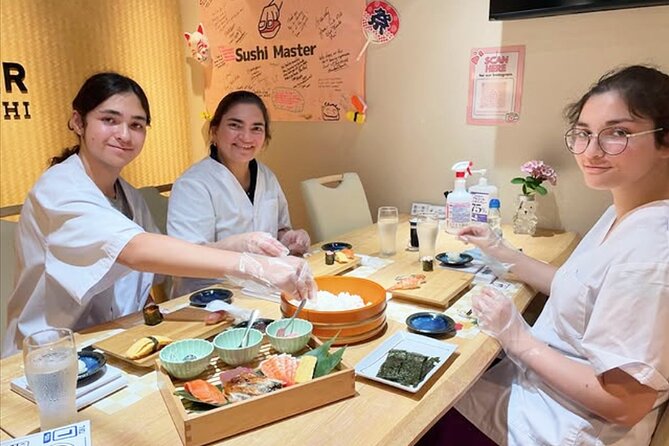
I would recommend it most strongly to:
- Families with children who enjoy making things with their hands
- Couples looking for a casual food activity
- First-time sushi makers
- Visitors who want an indoor activity in hot or rainy weather
- Food lovers curious about basic Japanese preparation
- People who enjoy meeting others in a shared class
Children aged six, eight, nine, and eleven have taken part successfully, according to the experiences described. The instructors seem especially good at encouraging young participants and giving them a small moment of attention.
You may want to choose another activity if you are a trained cook seeking advanced knife skills, fish preparation, or detailed rice technique. One cook found the class more about fun than professional instruction. That is a fair description and helps set the right expectation.
Allergies, vegetarian requests, and changing ingredients
Tell the provider about allergies or vegetarian preferences in the Special Requirements section when you book. Do not wait until you arrive if you need substitutions.
Ingredients can change depending on availability. That is normal for a food class, but it means you should not expect every listed ingredient or fish type on every date. If a specific ingredient matters to you, confirm it before booking.
The class includes sushi ingredients, the sushi you make, English-speaking staff, and special gifts. Drinks are separate, and transportation is not included.
Booking, cancellation, and timing advice
Same-day bookings are welcome according to the experience information, but availability can change quickly. The class has a maximum of 30 people, so a same-day place is not guaranteed.
Confirmation is provided at booking, and the activity lasts about 90 minutes. I would add extra time before the start for finding the building and getting settled. If you have a tight lunch reservation or train connection, avoid scheduling them immediately afterward.
Free cancellation is available until 24 hours before the start time for a full refund. Cancellations or changes made less than 24 hours before the start are not accepted for a refund, and the cut-off follows local Kyoto time.
Should you book Sushi Making in Kyoto?
Book it if you want a friendly, practical introduction to sushi and you like the idea of eating your own work. The warm English-speaking instructors, family-friendly approach, central Kawaramachi location, and included meal make this a good-value activity for many first-time visitors.
Go in expecting a fun workshop, not a detailed chef-training course. Prepare for a little hunting inside the shopping center, budget extra for sake or soft drinks, and tell the provider about dietary needs in advance. If you do that, this class offers a tasty break from temple visits and a souvenir you can use long after your Kyoto trip: the confidence to try making sushi at home.
FAQ
How long does the sushi-making experience last?
The experience lasts about 90 minutes, including the introduction, sushi preparation, and time to eat what you make.
Where does the class take place?
It takes place at Sushi Master Kyoto Kawaramachi in Kyoto’s Nakagyo Ward, at 4071 Sakuranochō, College Town Shino Koji Building, postal code 604-8035.
How can I find the meeting point?
Search for Sushi Master Kyoto Kawaramachi on Google Maps. The room may be inside the shopping center, up the stairs near the Skechers store on the second floor.
Is the class taught in English?
Yes. The class has English-speaking instructors who demonstrate the sushi-making steps and help participants during the activity.
What types of sushi will I make?
The standard course includes nigiri and rolls, with 10 pieces listed. The exact types and amount can vary, and some sessions have included three styles and 12 pieces.
Is the sushi meal included?
Yes. The sushi you make is included, and you eat it during the experience.
Are drinks included in the price?
No. Soft drinks and alcohol, including Japanese sake, can be ordered separately during the class.
Can children join the activity?
Yes. The class is described as suitable for families, and children aged six, eight, nine, and eleven have taken part.
Can I request vegetarian ingredients?
Yes. You should provide vegetarian preferences or allergy information in the Special Requirements section before the experience.
What is the cancellation policy?
You can cancel up to 24 hours before the start time for a full refund. Cancellations or changes made less than 24 hours before the start are not accepted for a refund.
Just added in Kyoto
- Kyoto: Sushi Making Class with Sushi Chef★ 4.8 · 64 reviews
- Nishiki Market Food Tour with Cooking Class★ 4.9 · 42 reviews
- Kyoto: Small-Group Authentic Sushi Making Workshop★ 5.0 · 137 reviews
- Kyoto: Sake Brewery and Tasting Tour in Fushimi★ 4.8 · 55 reviews
- Kyoto Evening Gion Food Tour★ 4.9 · 35 reviews
- Kyoto: Foodie Night Tour in Gion with 9 dishes + 6 Sake★ 4.4 · 26 reviews
- Kyoto: Nishiki Market Tour with a Local Foodie & Tastings★ 4.5 · 67 reviews
- Kyoto: Gion & Pontocho Food Tour with 13 Dishes★ 4.9 · 235 reviews
Sushi and Ramen Tours, compared.
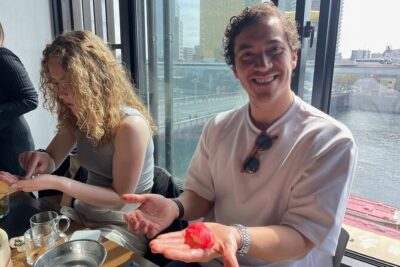
Sushi Making Tokyo Roll and Authentic Japanese Sushi Class
Read our review →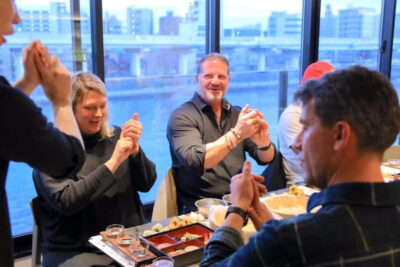
Roll and Authentic Sushi Making Class in Asakusa
Read our review →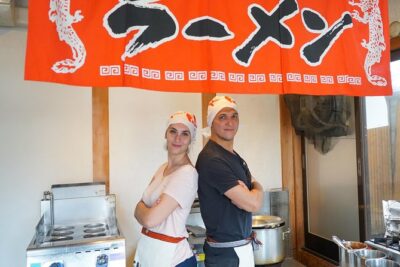
Ramen Cooking Class at Ramen Factory in Kyoto
Read our review →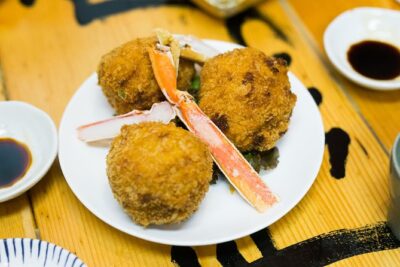
Best of Shinjuku: Izakaya Food Tour (4 Stops, 14+ Tastings)
Read our review →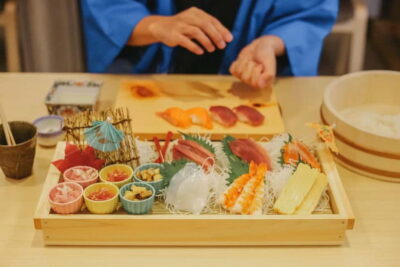
Sushi Making Class in a Happi Coat near a Famous Spot
Read our review →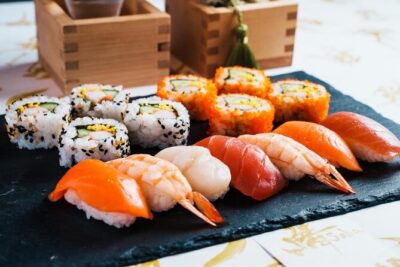
Sushi Making Tokyo! Popular Maki Sushi & Japanese Sushi(+Recipe!)
Read our review →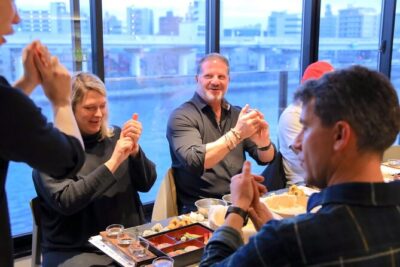
Sushi Making Osaka Roll and Authentic Japanese Sushi Class
Read our review →
Tokyo Sushi Making Class in Tsukiji with Professional Chef
Read our review →Browse the lists this tour appears in