
REVIEW · TOKYO FOOD TOURS
Eat and Drink Like a Local: Tokyo Ueno Food Tour-Taverns&Ramen
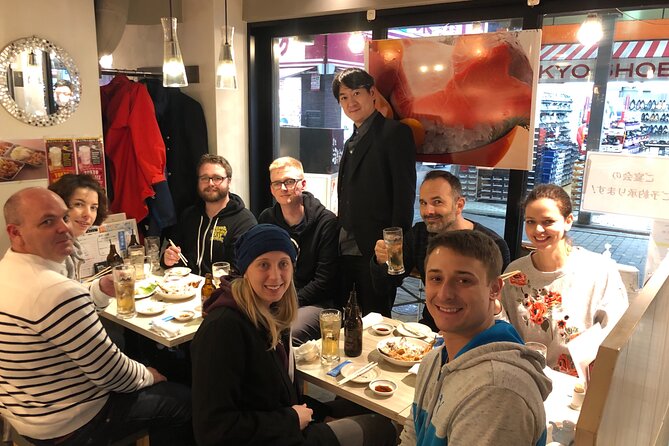
Ueno tastes better after dark. This three-hour walk through Ueno and Okachimachi takes you into standing bars and izakayas that are easy to miss on your own, with a guide handling the Japanese conversation. I especially like the generous food-and-drink format and the chance to learn how local dining works, not just sample a few bites.
The small group, capped at 10 people, should make it easier to ask questions and keep the evening social. The main caution is the food: some dishes can be unusual, and one unhappy customer found the explanations difficult to follow and the menu too adventurous. This is a better choice for open-minded eaters than for anyone seeking familiar Japanese dishes or polished restaurant dining.
Key details before you book
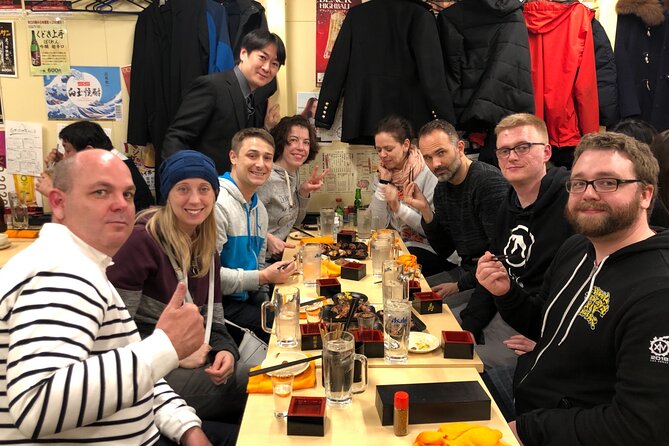
- Four food stops in about three hours: Expect sashimi, skewered meat, grilled or cooked dishes, Japanese drinks, and ramen.
- Ueno after dark: The route passes through Ameya Yokocho and Okachimachi, giving you a look at everyday food streets and nightlife.
- Food and drinks are included: You are not simply paying for a guide and then buying dinner at each stop.
- A guide handles the language: English explanations and ordering help are a major part of the value.
- Small groups only: The maximum group size is 10, though some departures may be smaller.
- Come hungry: The tastings add up, and several people found the portions plentiful.
What this Tokyo food tour is really about
This is not a restaurant-hopping tour built around famous names or fancy dining rooms. It is a guided introduction to the way many people eat and drink around Ueno: quick stops, shared plates, standing bars, neighborhood taverns, conversation, and a final bowl of ramen.
That distinction matters. Tokyo can be easy to enjoy from the outside, but a narrow doorway, a handwritten menu, or a packed counter can make a small local place feel difficult to enter. Here, your guide chooses the stops, explains the food, helps with ordering, and translates questions. You can concentrate on eating instead of worrying about etiquette or vocabulary.
The tour has earned a 4.9 rating from 957 ratings, with 99 percent recommending it. That is unusually strong, and the praise centers on a few clear points: the guide’s energy, the amount of food and drink, the relaxed social mood, and the confidence people gain for eating on their own later.
The tour is closely associated with Aki, also called Akira in some tour details. One account names Shota as the guide, so the person leading your departure may vary. The strongest guide-related praise is consistent: friendly, funny, attentive, well prepared, and able to explain Japanese food and drinking customs in clear English.
More Food Tours with Locals in Japan
- Eat/Drink like a LOCAL-Taverns & Ramen
★ 4.9 · 23 reviews - Hungry Osaka Street Food Tour:15 Tastings & 3 Drinks with a Local
★ 5.0 · 1,727 reviews - Osaka Food Adventure Tour: Walking with a Local Guide
★ 5.0 · 119 reviews
Meeting at Ueno Station and getting oriented
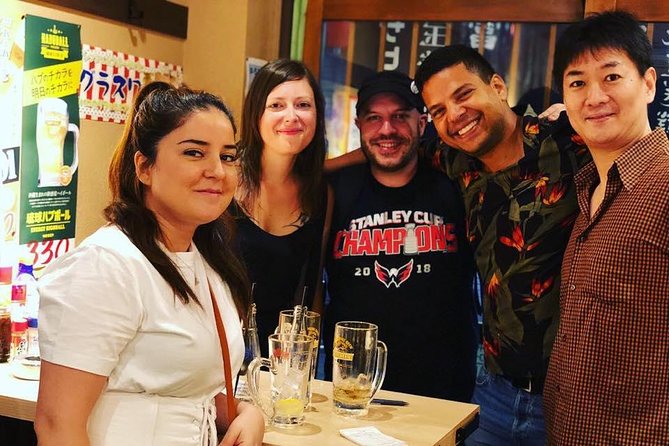
The meeting point is Starbucks Coffee at atré Ueno, on the first floor of the station complex at 7-chome Ueno. This is a practical start because Ueno is served by several train lines and is one of Tokyo’s easiest areas to reach by public transportation.
The opening introduction covers Tokyo, Ueno Park, and Ueno Zoo. That may sound like a short orientation, but it gives the evening a useful sense of place. Ueno is not just a collection of restaurants. It is a major city district with a park, cultural attractions, a famous zoo, shopping streets, commuter traffic, and a long-standing eating and drinking scene.
The group then sets off toward the first food stop. A small opening drink has been offered on some departures, including pear-infused sake for a first kampai. Treat that as a possible welcome rather than a guaranteed part of every tour.
You should arrive ready to walk through crowded streets and restaurant areas. The route is near public transportation, but the experience is still a walking tour, and standing at counters is part of the evening.
Stop one in Ueno: four dishes and a first lesson in Japanese food
The first restaurant stop serves four dishes and gives the guide time to explain what you are eating. This is where the tour begins to work as more than dinner. Instead of seeing an unfamiliar plate arrive and guessing, you can ask about ingredients, preparation, and the customs around eating it.
The dishes can include familiar choices such as sashimi, along with less obvious items. Several people specifically enjoyed trying food they would not normally order, including what one person called mystery meats. That is a useful warning as well as an invitation. You should be prepared for offal or less familiar cuts, rather than expecting a menu of sushi, tempura, and chicken teriyaki.
The food is shared in the style common to many izakayas. That makes the stop social, especially when the group is made up of couples and solo visitors together. It also means you may not control every dish placed in front of you.
If you are curious but cautious, ask the guide what each item is before trying it. The tour is designed for questions, and the best way to enjoy the less familiar food is to know what you are choosing. People who loved this stop tended to appreciate the surprise. If you have a narrow diet, tell the provider ahead of time and repeat your needs at the start.
Walking through Ameya Yokocho
Between restaurants, the route passes through Ameya Yokocho, the lively market street beside the railway tracks. This section breaks up the meal and gives you a feel for one of Ueno’s most recognizable public spaces.
The guide uses the walk to explain the neighborhood and point out details you might otherwise pass without noticing. You may also hear about the Tokyo train system, which is useful early in a Japan trip. Ueno can be a confusing area when you are looking for a particular exit or trying to connect with another line, so even a short explanation can save time later.
This is not a sightseeing tour with long museum visits or formal attractions. The local context comes in short pieces while you move from one eating place to the next. I like that format because the information stays connected to what you are seeing, though anyone wanting a detailed history lecture will find the cultural commentary brief.
More Sushi and Ramen Tours in Tokyo
- Sushi Making Tokyo Roll and Authentic Japanese Sushi Class
★ 5.0 · 3,971 reviews - Tokyo: Roll and Authentic Sushi Making Class in Asakusa
★ 4.9 · 1,957 reviews - Best of Shinjuku: Izakaya Food Tour (4 Stops, 14+ Tastings)
★ 5.0 · 1,863 reviews - Tokyo: Sushi Making Class in a Happi Coat near a Famous Spot
★ 4.9 · 1,377 reviews
Stop two on Okachimachi Ekimae Street
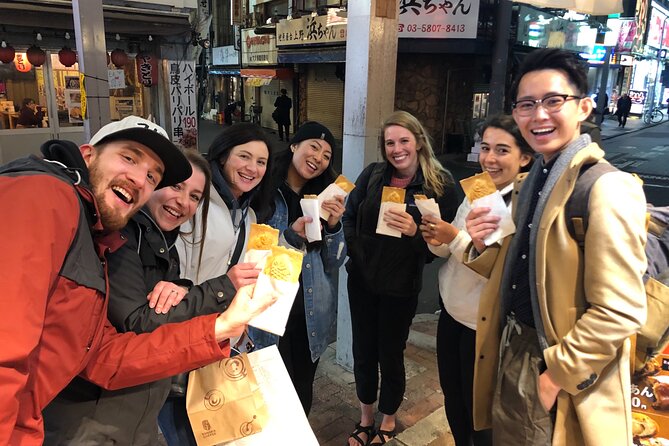
The second food stop is on Okachimachi Ekimae Street. Here, the guide explains the dishes and the drinking culture around the Okachimachi area.
Okachimachi is a good setting for this kind of meal. It has the feel of a working commercial district, and the small restaurant scene is part of the point. You are not being led to a formal dining room where everything has already been adjusted for international visitors. You are learning how to read a neighborhood tavern and how a local evening meal can unfold.
Expect another round of food and drinks rather than a single tasting plate. Exact dishes can change, but the overall selection has included sashimi, skewered pork or meat, grilled fish, stews, miso soup, and other small dishes. Drinks can include sake and other Japanese alcoholic drinks.
The guide explains how the dishes are ordered and paired. That pairing is one of the most praised parts of the tour. The evening is not only about eating as much as possible. It is also about understanding why a certain drink works with a particular dish and how shared plates fit into an izakaya meal.
Non-drinkers can still enjoy the tour. The food is a major part of the program, and people who did not drink were able to take part in the meal and conversation. If you want only alcohol-free drinks, confirm your preference before booking or at the start.
A practical lesson in izakaya dining
The third stop is in the Ueno district and focuses most directly on Japanese tavern culture. This is where you get the clearest picture of what an izakaya can be: a casual place for food, drinks, conversation, and several small orders rather than one large main course.
The guide explains each dish as it arrives and invites questions. That simple service is valuable because Japanese menus can contain ingredients that are difficult to identify from an English translation alone. You also get help with the social side of the meal, such as how to approach shared plates and how drinks are commonly enjoyed.
Some people described the food as plentiful and superb. Others found several dishes too unusual. Both reactions make sense, and you should plan around them. This tour is not a carefully controlled tasting menu. It is closer to a guided introduction to local tavern food, including items that may be unfamiliar outside Japan.
The guide’s personality matters here. Aki is described as energetic, funny, and attentive to details. Several people felt the evening was like going out with a friend rather than attending a formal class. That relaxed mood can make it easier to try something new, but it also means the experience depends partly on the chemistry of the group and the guide.
The final bowl near Okachimachi Panda Hiroba
The last stop is a ramen shop near Okachimachi Panda Hiroba. The guide explains how to order and how to eat ramen, which is useful if this is your first visit to a Japanese noodle shop.
Ramen is a strong ending because it gives the meal a familiar anchor after several more adventurous dishes. It is also the dish most often singled out for praise. More than one person called the ramen the best they had eaten, and even the less positive food assessment praised the sashimi and ramen.
Do not assume the ramen will be the only food you eat that evening. The earlier stops can be substantial, so arriving hungry is wise. By the time the final bowl arrives, you may want to pace yourself rather than rush through every tasting at the start.
The tour ends at 5-chome-27 Ueno, near the Okachimachi area. That is different from the starting point at Ueno Station, so you should allow for a separate trip back to your hotel or your next evening stop.
Food, drinks, and dietary needs
At $95.21 per person, the price is not cheap for a three-hour walk, but it includes food tastings and drinks at several stops. You are paying for more than a bowl of ramen and a guide. The value comes from the access to small local places, translation help, cultural explanations, and the planning that removes guesswork.
The amount of food appears to be one of the better features. You may taste sashimi, skewered meat, grilled fish, stews, soup, snacks, and ramen, though the exact menu can change. Drinks may include sake and other Japanese alcoholic choices.
Dietary care has been a strong point. The guide has worked with food allergies, special requests, vegetarians, and non-drinkers. For vegetarian visitors, arrangements have included calling restaurants in advance to check for suitable choices. You should still provide detailed information before the tour rather than assuming every dish can be changed once you arrive.
This is not the right tour for strict diners who want a fixed menu with familiar ingredients. It is a good fit if you want to test your comfort zone while still having someone explain what is in front of you.
Group size, language, and the social side
The maximum group size is 10 people. That is small enough for the guide to answer questions and help with ordering, though a full group will still feel social rather than private.
The language promise is important. The guide handles translation and explains the dishes in English. Most comments praise the guide’s English and communication, but one person found about 75 percent of the explanation difficult to understand. That is the main communication caution to keep in mind.
The evening seems particularly well suited to couples, solo visitors, and friends who want an easy first night in Tokyo. You meet other people over shared plates, and the guide helps the group talk rather than leaving everyone at separate tables.
It also makes a good first or second night activity because the guide introduces both food and the neighborhood. You can return to Ueno later with more confidence, or use what you learn in other izakayas around Tokyo.
Who should book this Ueno evening?
I would choose this tour if you:
- Want local-style food without having to choose every restaurant yourself
- Feel unsure about entering small Japanese bars or taverns
- Enjoy sashimi, ramen, sake, and shared plates
- Are willing to try unfamiliar cuts and dishes
- Want a social evening with a guide rather than a private fine-dining meal
- Need help with ordering and basic Japanese dining customs
- Prefer a neighborhood introduction to a major sightseeing attraction
I would hesitate if you want high-end restaurant quality, a fixed list of dishes, or a quiet dinner. One very negative assessment objected to both the menu and the guide’s delivery, while another noted that the food felt too unusual. The tour can introduce you to foods you would miss alone, but that also means you may encounter flavors or textures you do not enjoy.
The experience is mobile-ticketed, confirmation is provided at booking, and it is near public transportation. Most people can participate, but the supplied details do not give a specific accessibility assessment for every stop. Ask before booking if stairs, standing, or crowded streets are a concern.
Free cancellation is available up to 24 hours before the start time. Cancellations within 24 hours are not refunded, and changes in that final period are not accepted.
Should you book it?
Book it if you want a lively introduction to Ueno food culture and like the idea of letting an experienced guide choose the stops. The strongest reasons are the included food and drinks, the small group, the translation help, and the chance to enter local-style taverns that may feel intimidating alone.
Skip it if your priority is refined dining or predictable food. The menu leans adventurous, and the quality is best understood as a series of authentic neighborhood meals rather than one carefully designed culinary production.
For most first-time visitors who arrive hungry, stay curious, and tell the guide about dietary needs early, this is a strong-value way to spend three hours in Tokyo.
FAQ
How long does the Tokyo Ueno food tour last?
The tour lasts approximately three hours.
How much does the tour cost?
The listed price is $95.21 per person.
Are food and drinks included?
Yes. Food tastings and drinks are included during the tour.
Where does the tour begin?
The meeting point is Starbucks Coffee at atré Ueno, 1F, 7-chome Ueno, Taito City, Tokyo 110-0005.
Where does the tour end?
The tour ends at 5-chome-27 Ueno, Taito City, Tokyo 110-0005.
How many people can join?
The maximum group size is 10 people.
Is the tour available with a mobile ticket?
Yes. The experience provides a mobile ticket, and confirmation is received at the time of booking.
Can people with dietary restrictions join?
Dietary needs have been accommodated, including vegetarian requests, food allergies, and non-drinkers. You should provide your requirements before the tour.
What happens if I cancel?
You receive a full refund if you cancel at least 24 hours before the start time. Cancellations or changes made within 24 hours are not accepted and are not refunded.
More food tours with locals in Tokyo
- Naples: Street Food Walking Tour with Local Guide
★ 4.9 · 4,976 reviews - Rome: Street Food Tour with Local Guide
★ 4.8 · 4,077 reviews - Eat Like a Local: Venice 3-Hour Small-Group Food Tasting Tour
★ 5.0 · 3,137 reviews - Marrakech: Street Food Tour with a Local Guide
★ 4.9 · 3,119 reviews
Just added in Tokyo
- Tokyo: Allstar Food Tour★ 4.7 · 29 reviews
- Tokyo: West-Side Cycling and Food Tour with Guide★ 5.0 · 37 reviews
- Tokyo: Togoshi Ginza Street Food Tour★ 5.0 · 34 reviews
- Tokyo Tsukiji Food & Culture Private Tour Licensed Guide★ 4.9 · 28 reviews
- Tokyo: Wagyu and Sushi Gastronomic Journey★ 4.3 · 24 reviews
- Tokyo: Sushi Making Class★ 4.9 · 390 reviews
- Tokyo: Sushi and Ramen Cooking Class with Sake Pairing Set★ 5.0 · 81 reviews
- Tokyo: Ramen Tasting Tour with 6 Mini Bowls of Ramen★ 4.9 · 432 reviews
Sushi and Ramen Tours, compared.
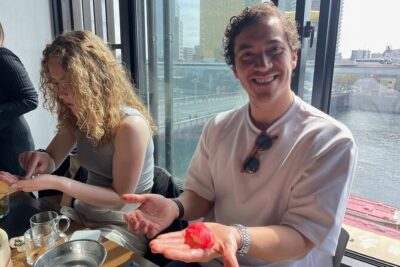
Sushi Making Tokyo Roll and Authentic Japanese Sushi Class
Read our review →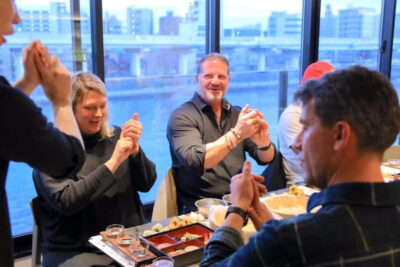
Roll and Authentic Sushi Making Class in Asakusa
Read our review →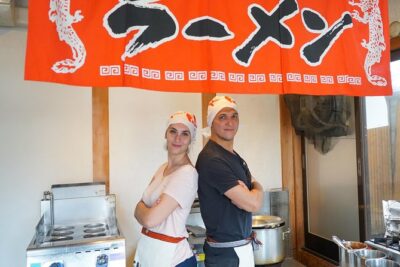
Ramen Cooking Class at Ramen Factory in Kyoto
Read our review →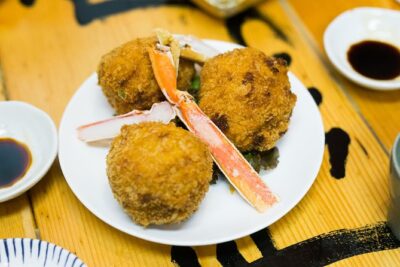
Best of Shinjuku: Izakaya Food Tour (4 Stops, 14+ Tastings)
Read our review →
Sushi Making Class in a Happi Coat near a Famous Spot
Read our review →
Sushi Making Tokyo! Popular Maki Sushi & Japanese Sushi(+Recipe!)
Read our review →
Sushi Making Osaka Roll and Authentic Japanese Sushi Class
Read our review →
Tokyo Sushi Making Class in Tsukiji with Professional Chef
Read our review →Browse the lists this tour appears in