
REVIEW · TOKYO FOOD TOURS
Exclusive Tokyo Ramen Kitchen Experience
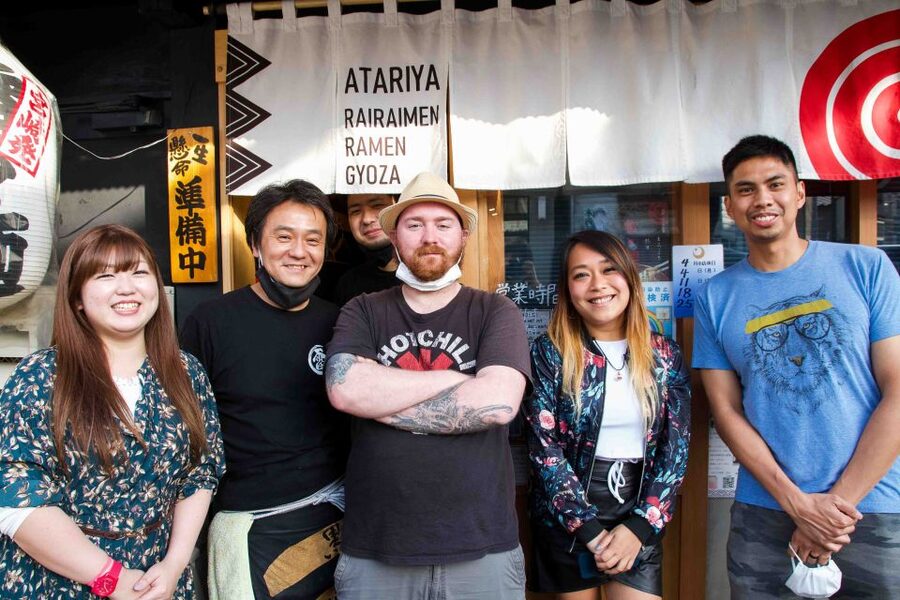
Ramen is dinner with a backstage pass. This one-hour visit gives you rare access to the working kitchen of an award-winning Tokyo ramen shop, where you learn how the ingredients, broth, noodles, and toppings come together. I like the small group of six because it keeps the kitchen visit personal, and I like that you get two small bowls of ramen rather than a quick taste.
The best part is the chance to watch and take part in a real shop, not a classroom dressed up with restaurant props. The guide explains ramen origins, styles, and preparation, while the chef shows you what the job demands. The main drawback is value: at $83 per person, this is costly for a one-hour activity, especially for a family, and it is not a full cooking class where you make broth or noodles from scratch.
Key points to know before booking
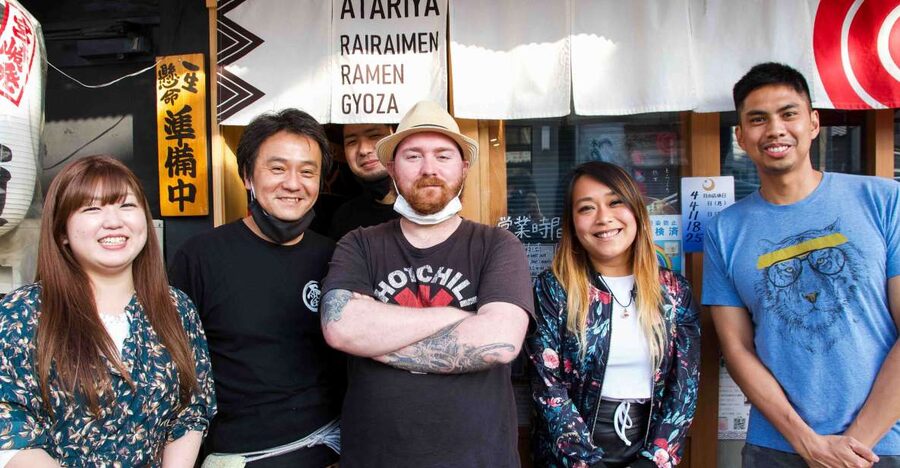
- You enter a real award-winning ramen kitchen: This is a behind-the-counter visit, not a standard restaurant meal.
- You prepare two small bowls of ramen: The process is shortened, but you still take part in assembling the finished dishes.
- The broth takes about 10 hours to make: You learn why the kitchen relies on advance preparation rather than making everything during your visit.
- You also receive two fried gyoza: They add a small extra course to the ramen tasting.
- The group is limited to six people: That matters in a tight kitchen, where personal attention can make or break the visit.
- The food contains chicken, pork, and fish: This is important for dietary and religious requirements.
A rare look behind the ramen counter
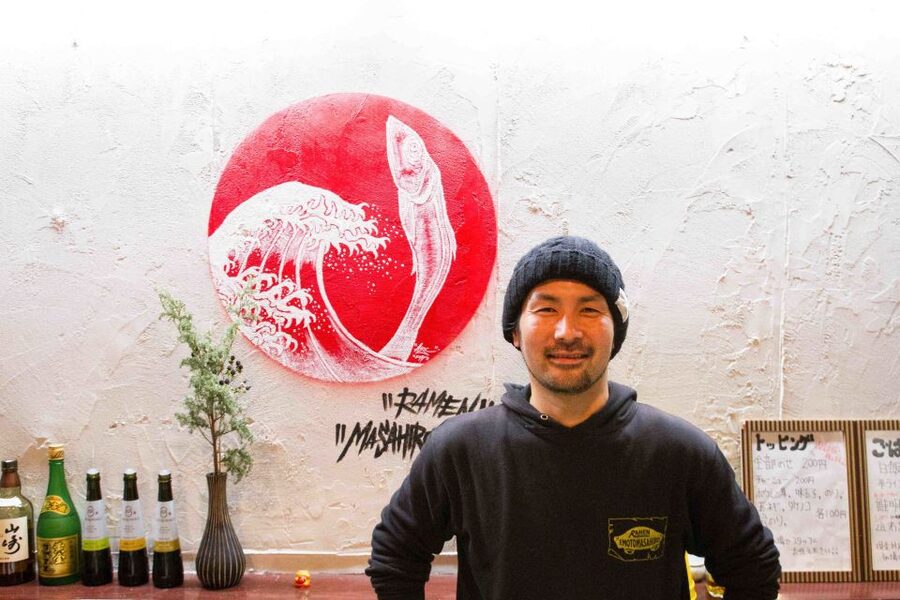
Most ramen shops show you only the final bowl. You sit, order, and watch the noodles arrive a few minutes later. This experience changes that view by taking you into the working area, where heat, timing, ingredients, and quick movements shape the meal.
You are not simply eating ramen while someone talks about it. You take part in the preparation of the bowls and see how the kitchen operates. The setting gives the lesson some weight because you are learning in an actual shop rather than from a demonstration kitchen.
That distinction matters. Ramen can look simple: noodles, broth, toppings, and seasoning. Yet the broth alone takes around 10 hours to prepare. The shortened format lets you see the important stages without waiting through a full day of kitchen work.
I would describe this as a ramen workshop with a meal attached, rather than a meal with a little explanation. You get a practical look at the work behind a dish that many people eat casually but rarely consider in detail.
More Sushi and Ramen Tours in Tokyo
- Sushi Making Tokyo Roll and Authentic Japanese Sushi Class
★ 5.0 · 3,971 reviews - Tokyo: Roll and Authentic Sushi Making Class in Asakusa
★ 4.9 · 1,957 reviews - Best of Shinjuku: Izakaya Food Tour (4 Stops, 14+ Tastings)
★ 5.0 · 1,863 reviews
Meeting your guide near Nezu Station
You meet at Nezu Station, Exit 1, in front of the Akafudado supermarket. Your guide carries a Tokyo Ramen Tours sign, so look for that rather than trying to identify the restaurant on your own.
Nezu is useful as a meeting area because the instructions give you a clear landmark and a specific station exit. Still, allow enough time to find Exit 1 and get to the supermarket. A one-hour activity has little room for late arrivals, especially when the kitchen schedule is fixed.
The tour is conducted in English, and several guides may lead the experience. Frank is one guide who has received especially warm praise for his passion for ramen and his friendly approach. Other feedback also points to guides who explain the subject clearly and keep the tone relaxed.
The group limit of six is one of the strongest practical features. A ramen kitchen is not a spacious cooking studio, so a smaller party should make it easier for you to see the chef, hear the explanations, and get a turn at the counter.
What happens during the one-hour visit
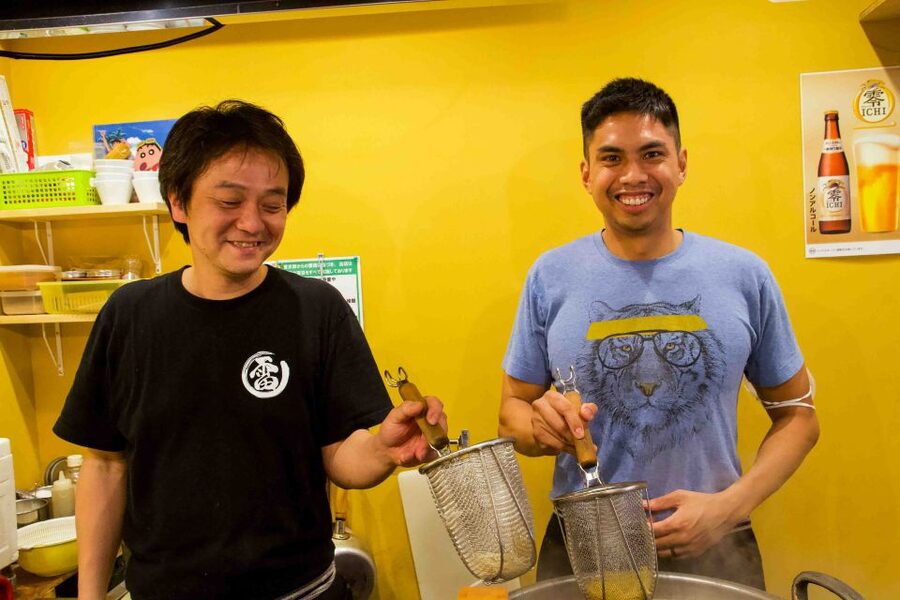
The exact order may vary because this is a live restaurant kitchen rather than a staged class. Still, the hour has a clear shape.
First, the guide introduces ramen and explains its origins, types, ingredients, and preparation. This gives you a useful framework before you handle the food. You learn that the finished bowl depends on several separate parts, each with its own purpose and source.
Next comes the kitchen access. You see the chef working in the shop and learn what it takes to prepare ramen at a professional level. The point is not to train you to open a restaurant in an hour. It is to show you the speed, care, and organization required in a busy ramen kitchen.
The cooking process has been shortened so you do not spend hours waiting for stock. That means some of the work has already been completed before you arrive. The broth, for example, has required roughly 10 hours of preparation, so you will not be starting with raw ingredients and finishing a pot during the tour.
Instead, you take part in the stages that can be completed during the visit. You learn about the ingredients, help put together the ramen, and experience the feel of working behind the counter. The activity gives you a practical sense of the process without pretending that a professional bowl can be produced from scratch in 60 minutes.
The session finishes with food: two small bowls of ramen and two fried gyoza. The two bowls are useful because you get more than one taste and can pay attention to the differences in preparation or toppings as you eat. They are still described as small bowls, so do not book this expecting a large dinner.
The ramen is the heart of the visit
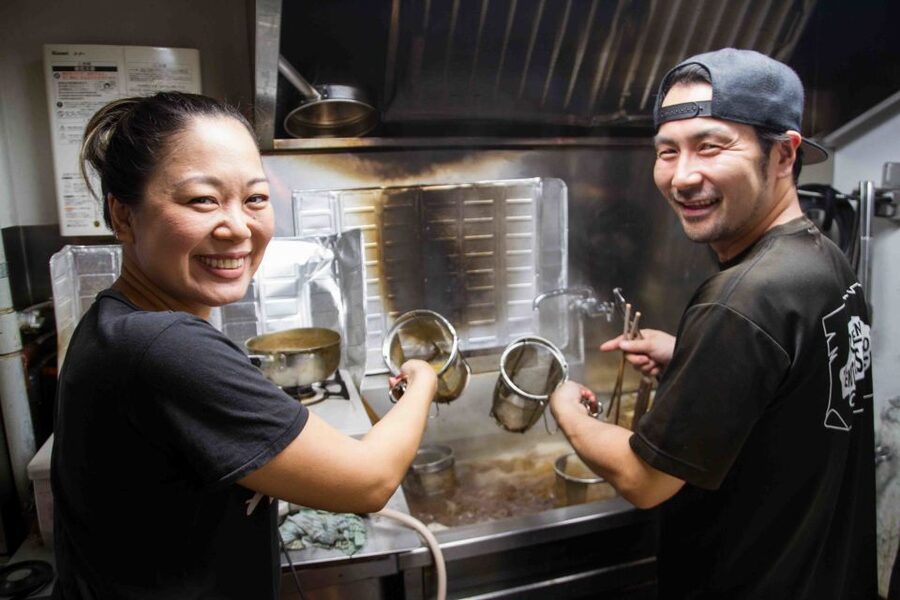
The food receives some of the strongest praise attached to this activity. Several people describe the ramen as the best they ate during their Japan trip, while others single out the bowls as delicious and memorable.
That is important because the meal is not merely a prop for the kitchen lesson. You are paying for access and instruction, but the final ramen needs to justify part of the cost. The combination of professional preparation and immediate tasting gives the experience a satisfying finish.
The two gyoza are also included. They are fried dumplings, and while they are a small portion, they give you another familiar Japanese dish to enjoy alongside the ramen.
Do keep the ingredients in mind before booking. The ramen contains chicken, pork, and fish. The information provided does not indicate vegetarian, vegan, halal, kosher, or allergy-specific alternatives, so you should treat this as a dish containing all three animal ingredients unless the operator tells you otherwise.
Same city, a different table:
- Tokyo: Shinjuku Food Tour (13 Dishes at 4 Local Eateries)
★ 5.0 · 6,603 reviews - Tokyo Tsukiji Fish Market Food and Culture Walking Tour
★ 5.0 · 3,184 reviews - Tokyo: Shinjuku Food Tour (15 Dishes and 4 Eateries)
★ 4.9 · 2,033 reviews - Tokyo: Sushi Making Class in a Happi Coat near a Famous Spot
★ 4.9 · 1,377 reviews
What you learn about ramen craft
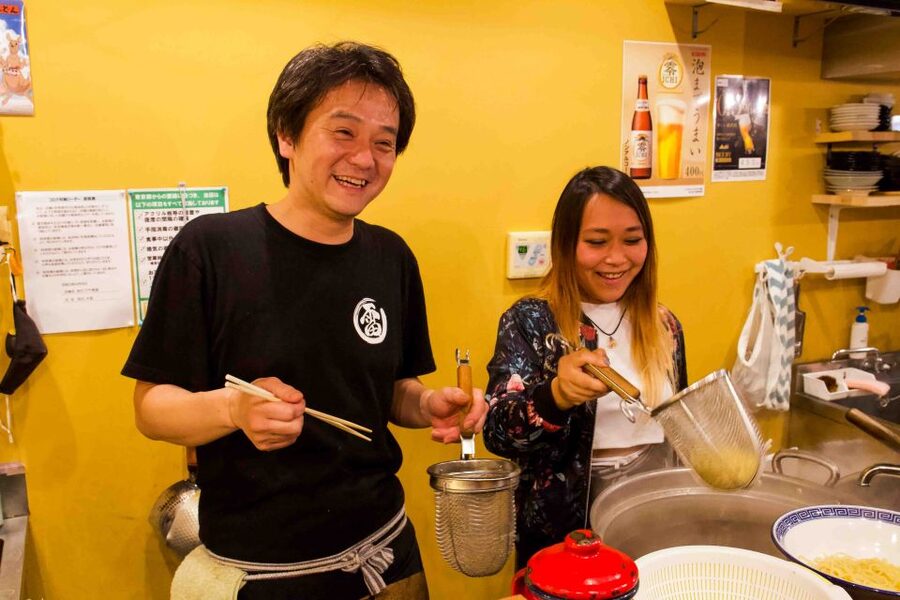
The guide covers ramen origins, different types, and the purpose of the ingredients. That makes the activity useful even if you already eat ramen regularly. You begin to see the bowl as a set of choices rather than one fixed recipe.
The broth is a good example. A 10-hour preparation period shows why ramen kitchens need planning and patience. You are also introduced to the ingredients used by the shop and where they come from, which adds context to the final taste.
The kitchen lesson can also reset your expectations. Professional ramen is not simply instant noodles with toppings added at the end. The work involves preparation, timing, heat, assembly, and consistency. You get to see enough of that process to appreciate why a serious bowl costs more than a quick convenience meal.
The visit does not provide a full recipe or a complete do-it-yourself method. One participant specifically wished for take-home recipes. If you want instructions you can follow in your own kitchen, this may leave you wanting more.
If you mainly want to understand how a ramen shop functions and eat a good bowl at the end, the format makes more sense. It offers access and explanation rather than a manual.
Safety and clothing inside the kitchen
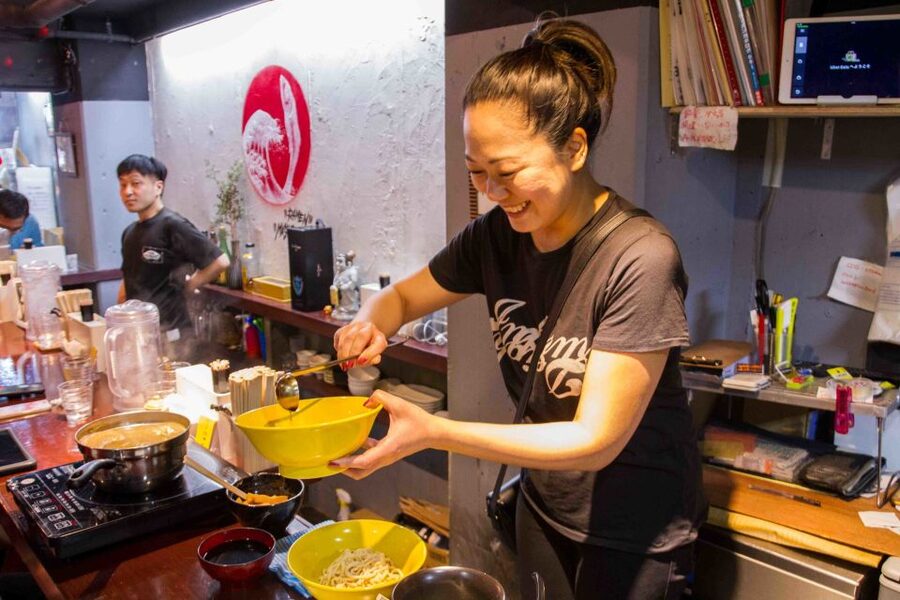
This is an active kitchen, not a quiet tasting room. You will deal with hot water and hot soup, so you need to follow the chef’s instructions carefully and stay alert around the cooking area.
Wear comfortable clothes. That is the only clothing guidance provided, but it is sensible advice for a short activity involving movement and heat. Avoid treating the visit like a formal dinner. You are there to participate, watch the kitchen, and handle food.
The chef has worked carefully with children during the activity. An eight-year-old and an eleven-year-old were included successfully in one visit, which suggests that interested older children can take part when supervised. The hot liquids still make adult attention essential.
The experience is best for people who enjoy food and do not mind a little kitchen activity. If you want to sit quietly and eat, a normal ramen shop visit will be cheaper and simpler.
Is $83 a fair price?
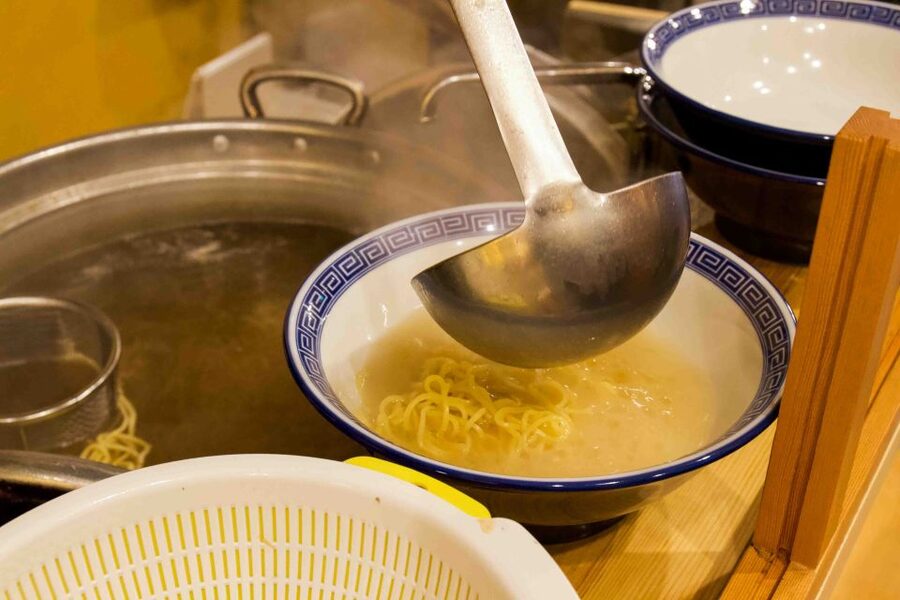
At $83 per person, this is expensive for one hour and two small bowls of ramen. You can find a filling ramen meal in Tokyo for far less, so the price cannot be justified by the food alone.
The real question is how much you value the access. You are paying for a small group, an English-speaking guide, a look inside a real award-winning shop, chef interaction, ramen education, two bowls, and gyoza. That package is different from ordering at the counter and leaving with no idea how the dish was made.
I think the price works best for a food-focused visitor who wants a special activity rather than a budget meal. It is also easier to justify for a couple or a small group of adults who will pay for the unusual setting and personal attention.
Families need to think harder. The format can work well with children who are interested in cooking, but the cost adds up quickly. One family calculated a total of about $500 and felt the activity needed a family discount. That is a fair concern, since children may not value the food history or kitchen access as much as adults.
The strongest value comes from the experience itself, not the quantity of food. If your main goal is to eat excellent ramen, spend the money on several restaurant meals instead. If your goal is to understand the craft and enter a working kitchen, the price becomes easier to defend.
Who will enjoy this most?
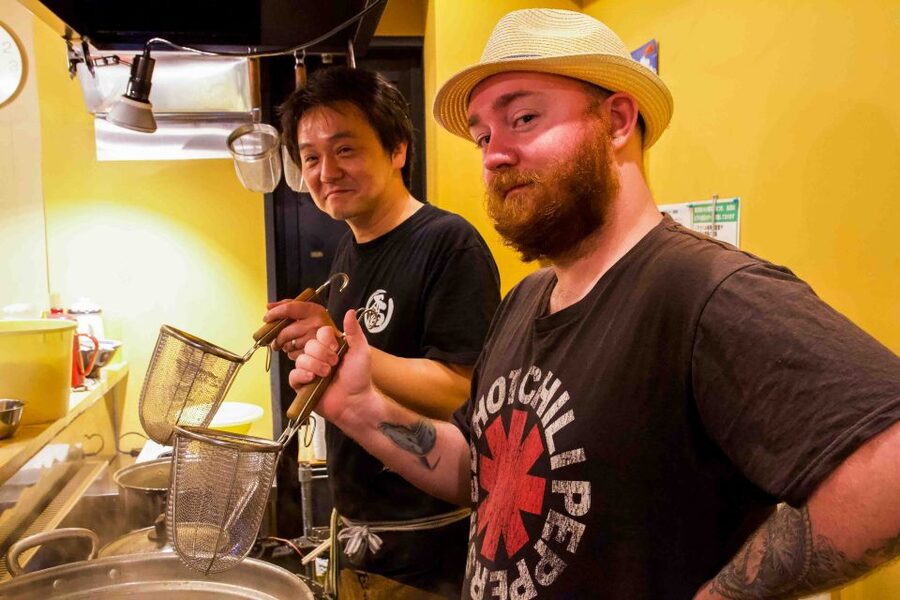
I would recommend it first to ramen fans and food-focused visitors. You get the most from the session if you want to know why ramen tastes the way it does, how a shop organizes its work, and what happens before the bowl reaches the table.
It also suits first-time visitors who want an activity with a strong Tokyo food connection. The guide provides background on ramen, and the kitchen setting gives the lesson a local feel without requiring a long commitment.
It can suit families with older children, especially if the children enjoy food and can follow safety instructions. The small group and hands-on format are more engaging than a lecture, but the price may make a family booking hard to justify.
I would be less likely to recommend it to people with strict dietary restrictions because the ramen includes chicken, pork, and fish. I would also steer away anyone expecting to prepare noodles, broth, and seasoning entirely from raw ingredients. This is not that kind of class.
Practical booking advice
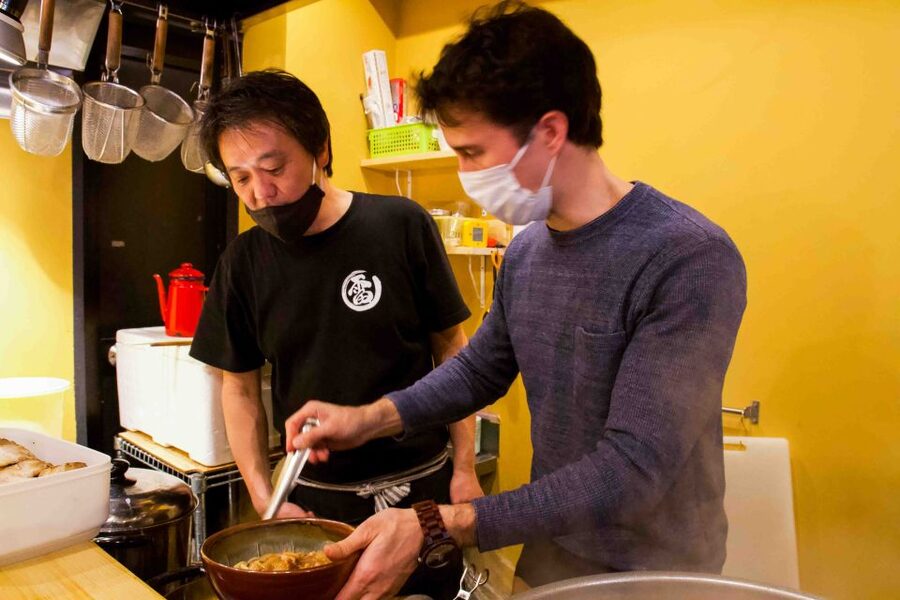
The activity lasts one hour, so think about what you want to do before and after it. It is easy to pair with another visit in Tokyo, but keep some breathing room around the appointment for the trip to Nezu Station and the possibility of lingering over the food.
Comfortable clothing is the only item you need to bring. The guide speaks English, and the group is limited to six participants. Multiple guides operate the experience, so the person leading your visit may not be Frank, even though he has been praised for his warm and passionate presentation.
You can cancel up to 24 hours before the activity for a full refund. You can also reserve now and pay later, which helps if your Tokyo schedule is still shifting.
FAQ
Where does the ramen experience meet?
Meet at Nezu Station, Exit 1, in front of the Akafudado supermarket. Your guide will hold a Tokyo Ramen Tours sign.
How long does the activity last?
The experience lasts one hour.
What language is the experience in?
The live tour guide speaks English.
How many people are in the group?
The group is limited to six participants.
Is this a full ramen cooking class?
No. It is a behind-the-counter kitchen experience. The process is shortened, so you do not make every part from scratch.
Will I make the ramen myself?
You take part in putting together the ramen, but the broth and other preparations are completed in advance. The broth alone takes about 10 hours to make.
What food is included?
You receive two small bowls of ramen and two fried gyoza.
Does the ramen contain meat or fish?
Yes. The ramen contains chicken, pork, and fish.
What should I wear?
Wear comfortable clothes. You will be in a working kitchen with hot water and soup.
Can I cancel for a refund?
You can cancel up to 24 hours in advance for a full refund. Reserve now and pay later is also available.
Should you book the Tokyo ramen kitchen experience?
Book it if you want more than a bowl of noodles. The strongest parts are the rare kitchen access, the small group, the English explanation, and the chance to see why professional ramen takes real planning and time. The food itself also earns its place, with two tasty small bowls and gyoza at the end.
Skip it if you are counting every yen, need a large meal, or expect a complete recipe-based cooking class. At $83, the experience is a special food activity, not a cheap lunch.
For ramen fans, curious cooks, and visitors who enjoy seeing how everyday dishes are made, I think the unusual access makes this worth considering. For families, compare the total cost carefully before booking, and remember that the hot kitchen and meat-and-fish ingredients may not suit everyone.
Just added in Tokyo
- Tokyo: Allstar Food Tour★ 4.7 · 29 reviews
- Tokyo: West-Side Cycling and Food Tour with Guide★ 5.0 · 37 reviews
- Tokyo: Togoshi Ginza Street Food Tour★ 5.0 · 34 reviews
- Tokyo Tsukiji Food & Culture Private Tour Licensed Guide★ 4.9 · 28 reviews
- Tokyo: Wagyu and Sushi Gastronomic Journey★ 4.3 · 24 reviews
- Tokyo: Sushi and Ramen Cooking Class with Sake Pairing Set★ 5.0 · 81 reviews
- Tokyo: Sushi Making Class★ 4.9 · 390 reviews
- Tokyo: Ramen Tasting Tour with 6 Mini Bowls of Ramen★ 4.9 · 432 reviews
Sushi and Ramen Tours, compared.
Sushi Making Tokyo Roll and Authentic Japanese Sushi Class
Read our review →
Roll and Authentic Sushi Making Class in Asakusa
Read our review →
Ramen Cooking Class at Ramen Factory in Kyoto
Read our review →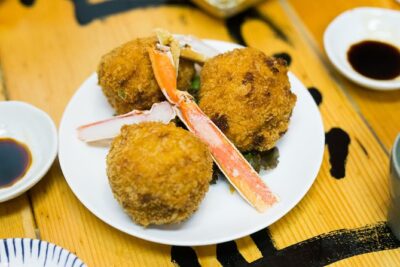
Best of Shinjuku: Izakaya Food Tour (4 Stops, 14+ Tastings)
Read our review →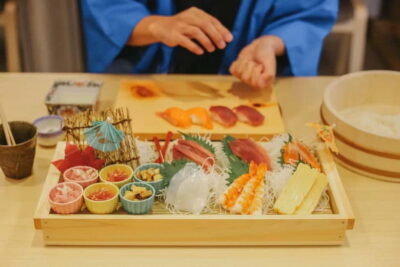
Sushi Making Class in a Happi Coat near a Famous Spot
Read our review →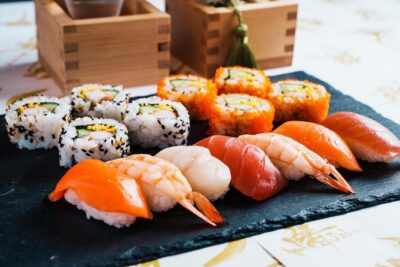
Sushi Making Tokyo! Popular Maki Sushi & Japanese Sushi(+Recipe!)
Read our review →
Sushi Making Osaka Roll and Authentic Japanese Sushi Class
Read our review →
Tokyo Sushi Making Class in Tsukiji with Professional Chef
Read our review →Browse the lists this tour appears in