REVIEW · TOKYO FOOD TOURS
Tokyo: Sushi and Ramen Cooking Class with Sake Pairing Set
Good food makes Tokyo easier to remember. This three-hour class brings sushi, ramen, sake, and Japanese food culture together in a small, friendly setting. I like the hands-on cooking and the way the class explains the origins of both dishes instead of treating them as simple recipes. I also like the fresh ingredients, practical recipe booklet, and personal guidance from English-speaking instructors such as Sato, Haruko, Risa, Alex, Misa, and Luna.
The main thing to consider is that this is not suitable for vegans or vegetarians. Some preparation is also completed ahead of time so the class fits into three hours, although the timing still allows you to cook, eat, ask questions, and relax. At $129 per person, it is not a cheap meal, but the combination of instruction, food, sake, recipes, and a souvenir makes it a fair value for the right visitor.
Key points at a glance
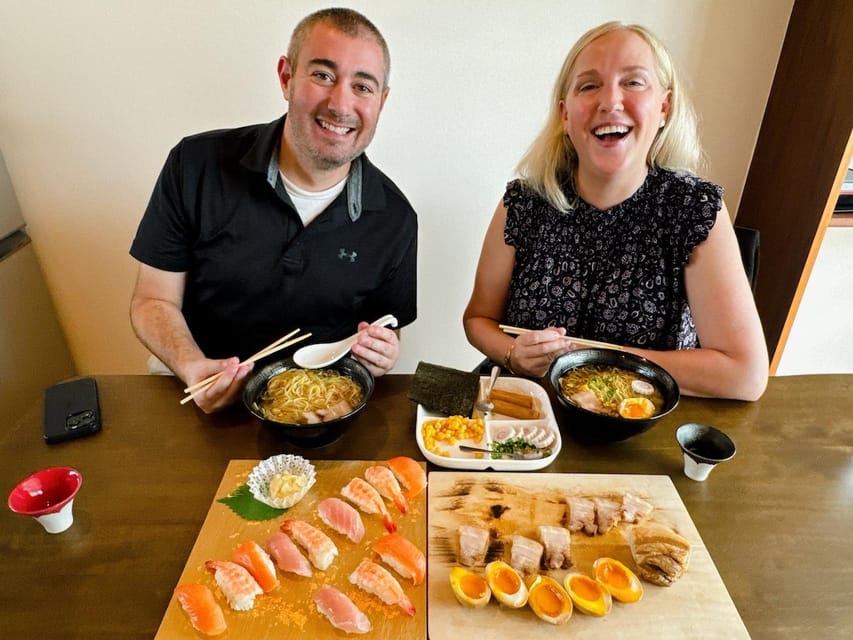
- Two Tokyo staples in one class: Prepare ramen with broth and chashu pork, then shape nigiri sushi by hand.
- Small-group instruction: The class is limited to eight people, with many sessions feeling much smaller.
- Three sake pairings: A certified sake sommelier selects three Japanese sakes to taste with the meal.
- Useful take-home material: You receive recipes for ramen, gyoza, and sushi, plus tips for ingredient substitutions outside Japan.
- Central but quieter location: The class is a five-minute walk from Tsukishima Station, with Ginza, Tsukiji, and Tokyo Station nearby by taxi.
- A practical souvenir: You receive a pair of high-quality chopsticks rather than another disposable tourist trinket.
What the three-hour class is really like
This is best understood as a meal you help create, not a quick demonstration followed by a tasting. You work with the ingredients, follow instructions, and then sit down to enjoy what you have made.
The format is useful for beginners. You do not need to arrive with sushi skills or experience making broth. The instructors speak English and guide you through each step, correcting technique when needed and explaining why certain ingredients or methods matter.
The class also aims to make the food possible at home. That is important because ramen and sushi can look simple on a plate while requiring very different kinds of care in the kitchen. The recipe booklet includes ramen, gyoza, and sushi instructions, along with ingredient suggestions for cooks living outside Japan.
The atmosphere sounds intentionally relaxed. Past sessions have included families, couples, solo participants, and small groups of friends. The instructors have been praised for being patient, warm, and generous with their time. Names that come up often include Sato, Haruko, Risa, Alex, Misa, and Luna.
More Cooking Classes in Japan
- Tokyo: Roll and Authentic Sushi Making Class in Asakusa
★ 4.9 · 1,957 reviews - Tokyo: Sushi Making Class in a Happi Coat near a Famous Spot
★ 4.9 · 1,377 reviews - Tokyo Sushi Making Class in Tsukiji with Professional Chef
★ 5.0 · 1,177 reviews
Starting with ramen, broth, and chashu pork
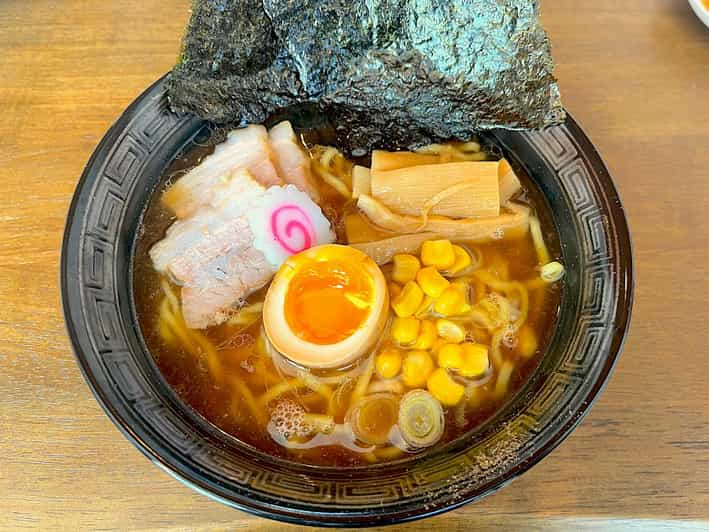
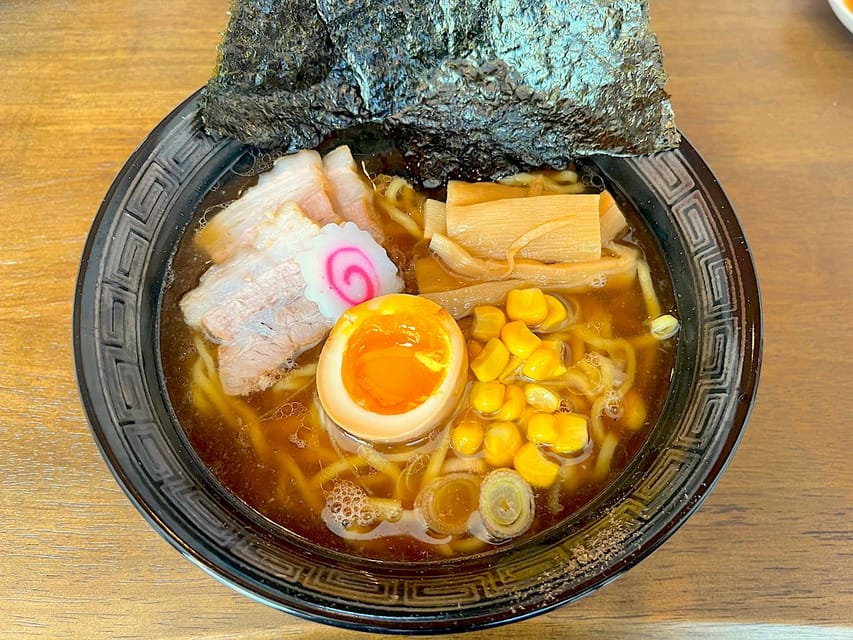
The ramen portion focuses on the parts that give the dish its character: soup, noodles, toppings, and chashu. You learn how to make a flavorful ramen broth and prepare chashu, the soft pork belly commonly served on top.
This is a valuable lesson because ramen is far more than noodles dropped into hot liquid. The broth provides the base, while the pork adds richness and texture. Even if some elements have been prepared in advance to fit the schedule, you still take part in the cooking and learn how the components come together.
I especially like that the class includes ingredient advice for home cooking. Japanese recipes can become frustrating when a cook returns home and cannot find the exact products used in Tokyo. Practical substitution tips give you a better chance of repeating the dish instead of leaving the recipe in a suitcase.
The food portions are described as generous. That matters because this is both a lesson and lunch or dinner. You are not paying for a tiny sample after three hours of work.
Shaping nigiri sushi by hand
The sushi section introduces the history and origins of sushi before moving into preparation. You use the provided ingredients and tools to hand-form nigiri sushi.
Nigiri is a good choice for a class because the technique is visible and tactile. You need to handle the rice carefully, use the right amount, and shape it without crushing it. The process gives you a clearer sense of why restaurant sushi can require so much training.
You also get to see how presentation affects the experience. Nigiri is small, but the balance between rice and topping matters. The instructors offer guidance throughout, so you can focus on learning rather than worrying about making every piece perfect.
For a first visit to Japan, this part connects an everyday meal with the culture behind it. You are not simply eating sushi in Tokyo. You are learning how one familiar food developed and how its preparation reflects Japanese attention to proportion, texture, and technique.
Three sakes with a certified sommelier
The sake set adds a second layer to the meal. You taste three premium Japanese sakes selected by a certified sake sommelier.
The tasting is not just an extra drink poured beside the food. It gives you a chance to compare different styles and consider how sake works with ramen and sushi. One of the instructors is from a sake brewing family, which adds a personal connection to the subject.
You should still treat this as a tasting rather than a drinking session. The class lasts three hours, and the main purpose is cooking. Some past sessions also included beer, but the advertised pairing is three sakes.
If you do not know much about sake, that is no problem. The class is designed for visitors who want an introduction, not for specialists. You can ask questions in English and enjoy the social part of the meal without needing to recognize technical terms.
More Cooking Classes in Tokyo
- Ramen & Gyoza Cooking Class in Tokyo with Local Supermarket Visit
★ 5.0 · 823 reviews - Tokyo: Tsukiji Fish Market Sushi Making Class with Pro Chef
★ 4.9 · 506 reviews - Tokyo: Sushi Making Class
★ 4.9 · 390 reviews - Shibuya Tokyo: Sushi Making Class (Vegan/Vegetarian/Halal)
★ 4.7 · 29 reviews
Why the small group makes a difference
The class is limited to eight participants. That number is small enough for instructors to watch your technique and answer questions without turning the room into a lecture.
Some sessions have had only one or two participants, creating something close to a private lesson. You should not assume every booking will be private, but the group limit gives you a better chance of personal attention than a large cooking school can offer.
The small format also helps families and couples. You can work alongside other people without losing the friendly, personal tone. Several instructors may be present, and their role appears to be active rather than distant. They help with the cooking, explain cultural details, and keep the room moving.
This is also a good setting for solo visitors. Cooking gives you a natural way to meet other participants, and the shared meal provides an easy conversation afterward.
Ingredient quality and cultural context
The food is the reason to book, but the cultural explanations give the class more value. You learn about the origins of sushi and ramen, Japanese food customs, ingredient choices, and methods that make sense in a home kitchen.
Fresh ingredients are emphasized, and one session used products sourced from Toyosu Market. The class does not promise a market visit, so you should not expect to tour Toyosu. The value is in the quality of the food used during the lesson.
I like this approach because it avoids reducing Japanese cuisine to a few tourist clichés. The instructors share practical food knowledge as well as personal stories and cultural background. That can make the class feel like an exchange rather than a staged performance.
There is also a small educational element. One session included a pop quiz that encouraged participants to work together. That sort of activity will appeal to some people and may feel a little formal to others, but it shows that the class tries to make the cultural material active and memorable.
A meal you can recreate at home
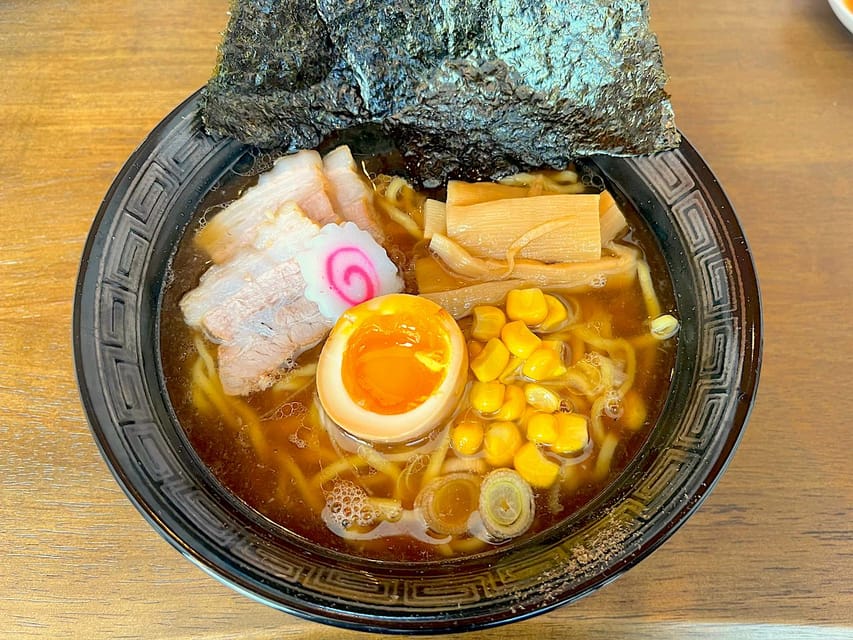
The recipe booklet is one of the strongest practical features. You take home instructions for ramen, gyoza, and sushi, along with ingredient substitutions for cooking outside Japan.
Of course, home results will depend on your ingredients and equipment. A Tokyo cooking lesson cannot recreate every condition in your kitchen. Still, the booklet gives you a clear starting point, and the class helps you understand the techniques behind the recipes.
The experience is especially useful if you already cook. You can ask about broth, pork preparation, sushi rice, and substitutions while the instructors are beside you. Beginners also benefit because the recipes are introduced step by step.
The chopsticks are a simple but sensible souvenir. They are useful, easy to pack, and connected to the meal you prepared. I would rather receive that than a generic Tokyo trinket.
Location and getting there
The class takes place on the second floor of HAUS Tsukishima, at 2-13-5 Tsukuda, Chuo-ku, Tokyo 104-0051. From Tsukishima Station, it is about a five-minute walk from Exit 4, marked as Exit Y21.
The location works well if you are already sightseeing in central Tokyo. By taxi, the class is about six minutes from Tsukiji Fish Market, nine minutes from Ginza, and ten minutes from Tokyo Station. It is also about eleven minutes from teamLab Planets and thirty minutes from Shinjuku, depending on traffic.
I would pair the class with nearby sightseeing rather than crossing the city just for the lesson. Tsukiji, Ginza, and Tokyo Station make sensible additions to the same day. If you use a taxi, show the driver the Japanese address: 東京都中央区佃2-13-5 HAUS Tsukishima 2階.
Arrive five minutes early. That sounds minor, but a cooking class has a fixed sequence, and late arrival can make the first steps harder to follow.
Price, timing, and what you receive

The price is $129 per person for three hours. That includes the sushi class, ramen class, ingredients, English-speaking instruction, the sake tasting, the recipe booklet, and chopsticks.
The value depends on how you use it. If you only want to eat ramen and sushi, you can spend less at a Tokyo restaurant. If you want an organized lesson with cultural context, personal guidance, a full meal, three sake samples, recipes, and a keepsake, the price is easier to justify.
The class also saves you from arranging separate activities. You get two major Japanese dishes in one session, and the meal is part of the learning rather than an additional expense afterward.
Free cancellation is available up to 24 hours before the start time, and you can reserve while paying later. Check the available start times before building the class into a busy sightseeing day.
Who should book this experience
I would recommend it to first-time visitors who want more than restaurant meals. It is also a strong choice for couples, families, solo food lovers, and anyone who wants a shared activity during a rainy afternoon.
You do not need prior cooking experience. The instructors are set up to help beginners, while experienced home cooks can ask more detailed questions and focus on technique.
The class is not suitable for vegans or vegetarians. It may also be a poor fit if you dislike seafood, pork, sake, or hands-on food preparation. Wear comfortable clothing that you do not mind getting a little dirty.
The strongest part of the experience is the human element. The food is delicious and plentiful, but the warm instruction, cultural stories, and relaxed conversation are what turn the class into a memorable part of a Tokyo visit.
Should you book the Tokyo sushi and ramen class?
Book it if you want to cook, eat, and learn in the same afternoon. The small group, English instruction, generous meal, three sake pairings, and take-home recipes make this more useful than a simple food tasting.
I would especially choose it for a first Tokyo trip, a family celebration, or a couple looking for a shared activity. At $129, it is best viewed as a three-hour food lesson and cultural experience, not just lunch.
Skip it if you need a vegan or vegetarian menu, prefer a large professional kitchen, or only want to sample sushi and ramen without cooking. For everyone else, this is a warm, practical introduction to two of Japan’s best-known dishes.
FAQ
How long does the cooking class last?
The class lasts three hours.
Where does the class take place?
It takes place on the second floor of HAUS Tsukishima, at 2-13-5 Tsukuda, Chuo-ku, Tokyo 104-0051.
How do I reach the meeting point by train?
The location is about a five-minute walk from Exit 4, also marked Y21, at Tsukishima Station.
What dishes will I learn to make?
You will learn to make ramen, including broth and chashu pork, and nigiri sushi. The recipe booklet also includes gyoza recipes.
Is sake included?
Yes. The class includes three premium Japanese sakes selected by a certified sake sommelier.
Is the class taught in English?
Yes. The instructors speak English.
How many people can join the class?
The class is limited to eight participants. Some sessions may have fewer people.
Is the class suitable for vegetarians or vegans?
No. The experience is not suitable for vegans or vegetarians.
What should I wear and when should I arrive?
Wear comfortable clothing that you do not mind getting slightly dirty. Arrive five minutes before the class begins.
More drinks tours in Tokyo
- Madrid Tapas & Wine Tasting Walking Tour – Small Group Local Bars
★ 5.0 · 3,644 reviews - Kyoto Night Foodie Tour in Gion (9+ dishes + 6 Sake tastings)
★ 5.0 · 1,762 reviews - Porto Craft Beer Tour: 7 Beers + 3 Food Pairings in a Small Group
★ 5.0 · 1,725 reviews - Rhodes Exclusive Swim Cruise Cocktail Open bar & Gourmet Buffet
★ 5.0 · 1,230 reviews
More Sushi and Ramen Tours in Tokyo
- Sushi Making Tokyo Roll and Authentic Japanese Sushi Class
★ 5.0 · 3,971 reviews - Best of Shinjuku: Izakaya Food Tour (4 Stops, 14+ Tastings)
★ 5.0 · 1,863 reviews - Sushi Making Tokyo! Popular Maki Sushi & Japanese Sushi(+Recipe!)
★ 5.0 · 1,314 reviews - Tokyo Night Foodie Tour in Shinjuku – Seasonal Sushi, Wagyu Beef
★ 5.0 · 1,161 reviews
Just added in Tokyo
- Tokyo: Allstar Food Tour★ 4.7 · 29 reviews
- Tokyo: West-Side Cycling and Food Tour with Guide★ 5.0 · 37 reviews
- Tokyo: Togoshi Ginza Street Food Tour★ 5.0 · 34 reviews
- Tokyo Tsukiji Food & Culture Private Tour Licensed Guide★ 4.9 · 28 reviews
- Tokyo: Wagyu and Sushi Gastronomic Journey★ 4.3 · 24 reviews
- Tokyo: Sushi Making Class★ 4.9 · 390 reviews
- Tokyo: Shibuya Food Tour (13 dishes and 4 Eateries)★ 5.0 · 178 reviews
- Tokyo: Best of Shibuya Food Tour★ 4.7 · 119 reviews
Cooking Classes, compared.
Authentic Pizza Making Class in Naples with Appetizers and Drink
Read our review →
Roll and Authentic Sushi Making Class in Asakusa
Read our review →
Ramen Cooking Class at Ramen Factory in Kyoto
Read our review →
Small Group Cooking Class & Market Food Tour in Florence
Read our review →
Sushi Making Class in a Happi Coat near a Famous Spot
Read our review →
Tokyo Sushi Making Class in Tsukiji with Professional Chef
Read our review →
Food Market Visit and Cooking Class with Wine
Read our review →