REVIEW · TOKYO FOOD TOURS
Tokyo: Sushi Making Class in a Happi Coat near a Famous Spot
Sushi tastes better when you make it. This 90-minute Tokyo workshop turns lunch into a hands-on lesson, with tuna and salmon nigiri, maki rolls, a Japanese chef, and a traditional happi coat for photos. I like the friendly, small-group teaching and the generous amount of sushi you prepare and eat. The main point to consider is that the meeting point can change with the option you book, so check your confirmation carefully.
I also like that this is more than a quick demonstration. You shape the rice, handle the fish, and learn techniques you can try at home. The tradeoff is simple: this is a beginner class, not an advanced lesson in knife work or high-end sushi craft.
Key points at a glance
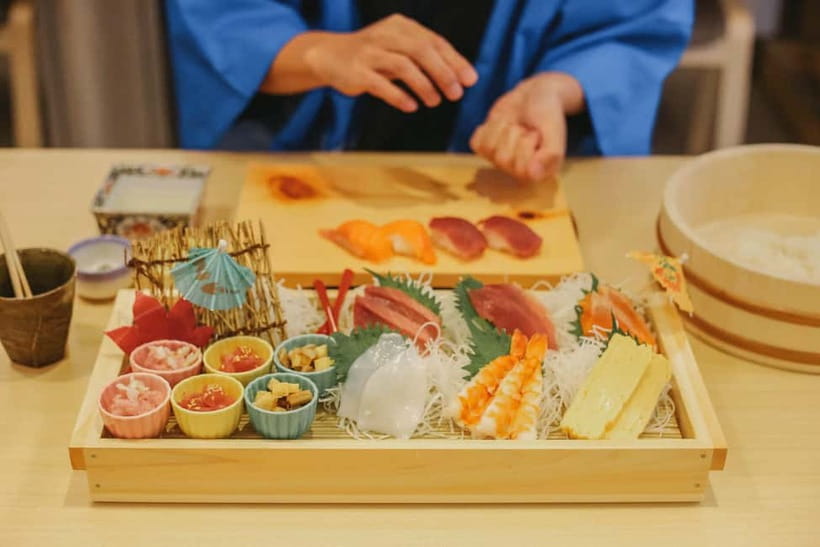
- A proper meal as well as a class: You make enough sushi to leave satisfied, not just sample one or two pieces.
- Nigiri and maki practice: The lesson covers hand-formed nigiri and rolled sushi, giving you two useful skills.
- Small-group attention: Some sessions have about five people per instructor, while quieter time slots may feel almost private.
- English and Japanese instruction: Several instructors are praised for clear English and patient explanations.
- Traditional photo props: The happi coat adds a playful Japanese touch and makes for memorable pictures.
- Flexible booking: Cancellation is free up to 24 hours before the activity, and you can reserve now and pay later.
What this Tokyo sushi class is really like
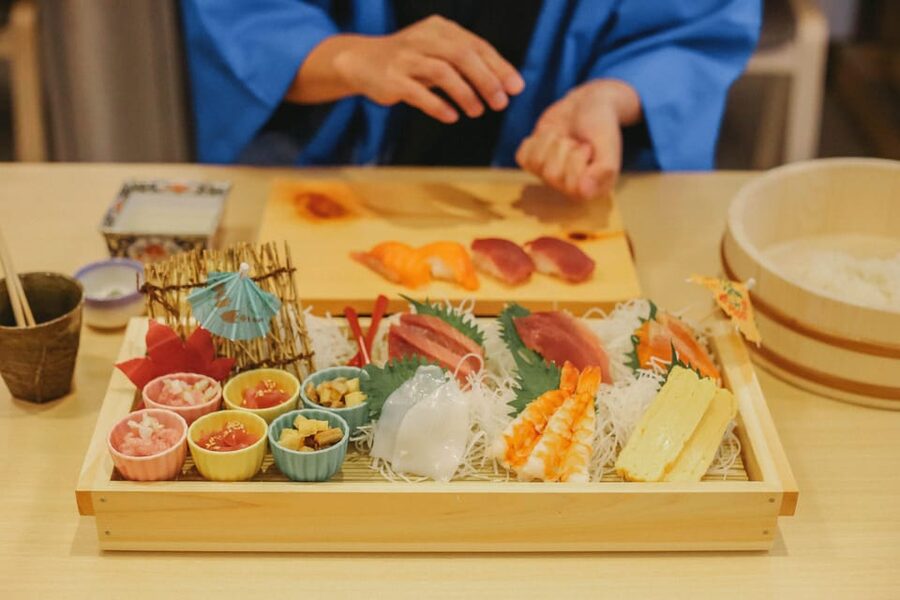
SUSHI GARYU keeps the experience focused and easy to follow. You arrive at the designated meeting point, put on a happi coat, and settle into a Japanese-style cooking space. The coat is not just a costume for the sake of it. It helps set the mood, gives the class a traditional look, and makes the photos more fun.
The instructor first explains the basics. You learn how sushi rice is handled, how the fish is placed, and how to shape nigiri without crushing the rice. The teaching is aimed at beginners, so you do not need previous cooking experience. Several instructors are praised for breaking each step into manageable parts and helping whenever someone gets stuck.
Then the real work begins. You make nigiri using familiar fish such as tuna and salmon. You also prepare maki, or rolled sushi, and some sessions include onigiri-style rolls. The exact mix can vary, but the central idea remains the same: you are not watching someone else do all the work. You are making the food yourself.
That distinction matters. Sushi can look simple when an expert makes it. Pressing the rice into the right shape, adding the fish, and keeping everything neat takes more control than it first appears. The instructor gives you a practical introduction without turning the lesson into a technical lecture.
More Cooking Classes in Japan
- Tokyo: Roll and Authentic Sushi Making Class in Asakusa
★ 4.9 · 1,957 reviews - Tokyo Sushi Making Class in Tsukiji with Professional Chef
★ 5.0 · 1,177 reviews - Ramen & Gyoza Cooking Class in Tokyo with Local Supermarket Visit
★ 5.0 · 823 reviews
Learning nigiri without the pressure
Nigiri is the heart of the lesson. You work with rice and fish, then learn how to form each piece by hand. This is a useful skill because nigiri depends on touch and proportion, not only on ingredients. You quickly see why a sushi chef makes the process look effortless.
The class is designed for first-timers. Instructors such as Hide, Mikoto, Ami, Mai, and Mizuki are praised for being patient, clear, and good-humored. Names and staff assignments can change, but the teaching style seems consistent: demonstrate, let you try, then correct the small details.
That friendly approach is important for families and couples. Nobody expects your first piece to look like it came from a master sushi counter. You can ask questions, repeat a technique, and improve as you go. The atmosphere is casual enough that mistakes become part of the fun rather than a source of embarrassment.
You also learn small tricks that are useful at home. The lesson does not turn you into a sushi professional in 90 minutes, but you leave with a better sense of how to shape rice, place fillings, and roll maki. Several people specifically found the class simple enough to repeat in their own kitchens.
Tuna, salmon, and a surprisingly filling lunch
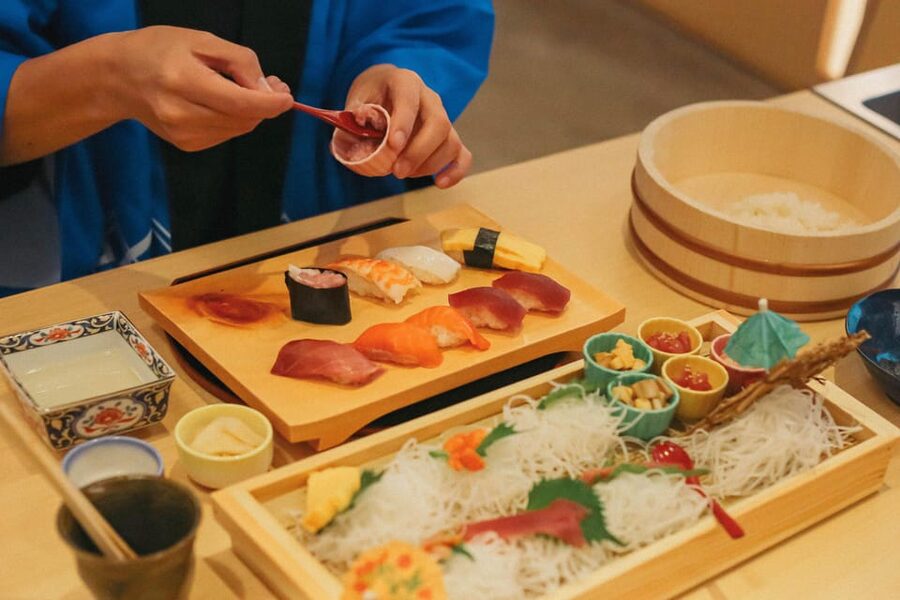
The ingredients are provided, and tuna and salmon form the main fish choices for the nigiri. These are familiar flavors, which makes sense for a beginner workshop. You can concentrate on technique rather than trying to identify unusual seafood.
The quantity is one of the strongest parts of the experience. You make and eat a generous serving, and one session produced enough food to feel like a proper lunch. At $42 per person, that changes the value calculation. You are paying for instruction, ingredients, an activity, and a meal in one package.
The food quality also receives strong praise. The sushi is described as fresh and tasty, and the satisfaction of eating something you have just prepared adds to the meal. It may not replace a serious sushi restaurant visit, but it offers something a restaurant cannot: you understand the work behind each piece.
If you have allergies, tell the operator in advance. Vegetarian, vegan, and gluten-free options are available, but a same-day request might not be possible. This is especially important for seafood allergies or dietary restrictions that affect soy sauce, fillings, or preparation.
The happi coat and the cultural side
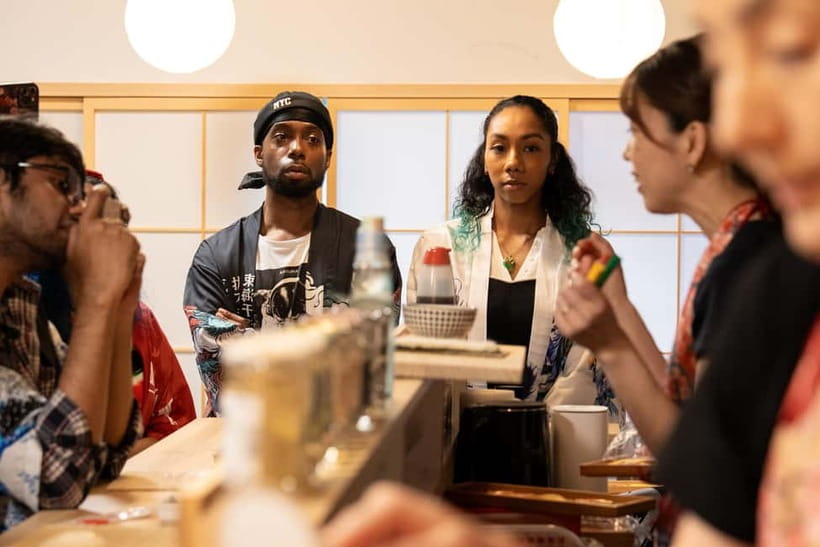
The happi coat is a traditional Japanese-style coat with tube sleeves. Putting one on is a small detail, but it gives the activity a clear sense of place. You look the part while learning a food that is closely tied to Japanese daily life and hospitality.
The cultural content comes through the food rather than a long history talk. You learn how sushi is assembled, why the technique matters, and how a few careful movements affect the finished result. Some instructors also answer questions about Japanese culture and offer suggestions for places to visit around Tokyo.
Photo opportunities are part of the appeal. The staff may take pictures or videos while you work, and the coats and other props create easy souvenirs of the class. If you are building a Tokyo itinerary around food, this gives you something more personal than simply ordering sushi at a counter.
Still, keep expectations reasonable. The cultural element is informal and connected to the cooking lesson. If you want a detailed study of sushi history, fish sourcing, or professional knife skills, you will need a more advanced course.
More Cooking Classes in Tokyo
- Tokyo: Tsukiji Fish Market Sushi Making Class with Pro Chef
★ 4.9 · 506 reviews - Tokyo: Sushi Making Class
★ 4.9 · 390 reviews - Tokyo: Sushi and Ramen Cooking Class with Sake Pairing Set
★ 5.0 · 81 reviews - Shibuya Tokyo: Sushi Making Class (Vegan/Vegetarian/Halal)
★ 4.7 · 29 reviews
Group size can shape the experience
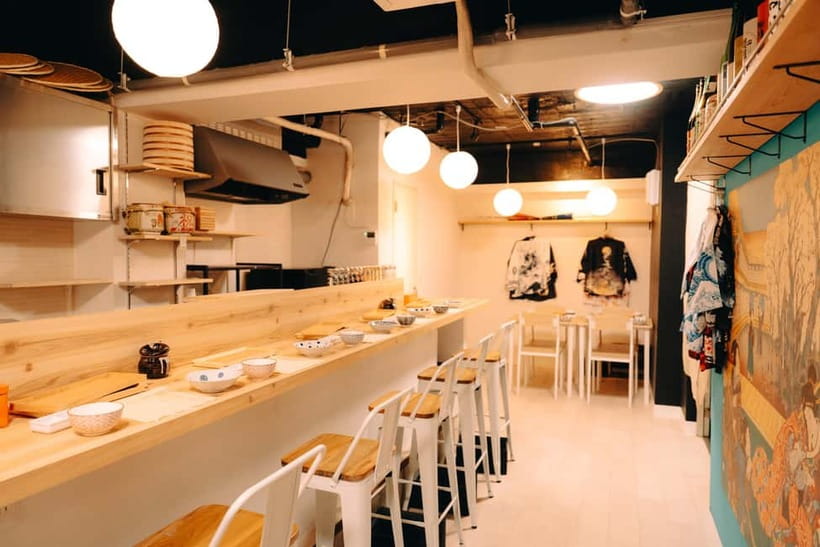
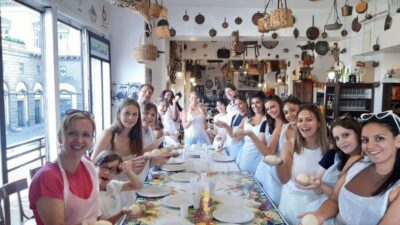
The class may place you with other customers when the venue is busy. That can make the session more social, especially if you enjoy meeting people from different countries. The instructors appear comfortable teaching mixed groups, and English and Japanese are offered.
Group size is less fixed than the headline description may suggest. One session had about five people per host, which gave each person plenty of attention. Other bookings, especially at quieter times, turned into private or near-private lessons. A couple who attended an 11 a.m. class had room to ask many questions and receive personal food suggestions.
That means your experience can vary by time and demand. A small group gives you more direct help and a calmer pace. A fuller class may feel livelier but leave less time for extended conversation. If personal attention matters most, choose a time with better availability rather than assuming every session will be private.
The class also suits families. Children enjoyed making and eating the sushi, and the simple structure makes it easy to follow. Children over four are charged according to the listed child policy, while a child under four may share a dish. Check the exact booking terms for your group before paying.
Timing, location, and planning advice
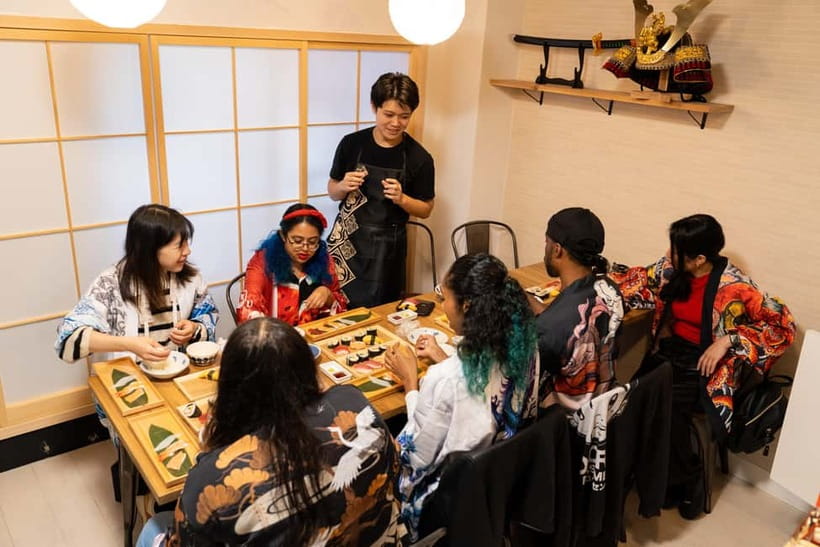
The activity lasts 90 minutes, which fits neatly into a Tokyo sightseeing day. You can schedule it before visiting a nearby temple or market, and one family used the class as a productive stop during a short stay in the city. It is also a good rainy-day choice because the main activity takes place indoors.
The meeting point varies by the option booked. Do not rely only on the general Tokyo location. Check the confirmation for the exact address and allow time to find the venue. One person had trouble locating the place at first, although the directions became manageable once they were close.
Starting times vary, so look at the available slots before planning train connections or a meal afterward. Arriving on time is still the safest choice, but the staff has shown kindness when people were delayed by bad weather. I would not count on special treatment, though. Tokyo schedules work best when you leave a little extra time for stations and transfers.
The class is located in Tokyo on Honshu, but the supplied information does not identify a single fixed neighborhood for every option. That is another reason to check the meeting point before you commit the rest of your day.
Is $42 a fair price?
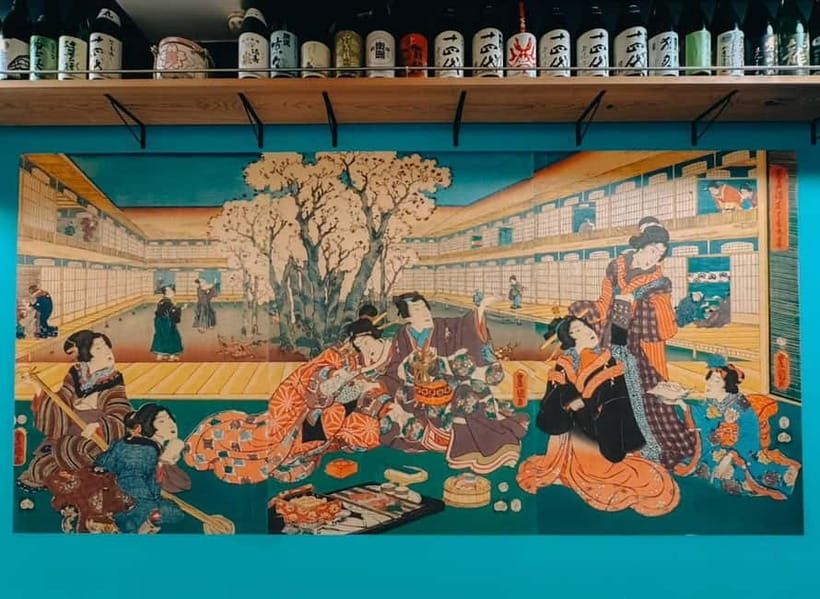
Yes, for most people. At $42, you receive a 90-minute lesson, ingredients, an instructor, a meal-sized portion of sushi, and the happi coat experience. Comparable sightseeing activities can cost more while giving you only a short demonstration or a small tasting.
The value is strongest if you would otherwise buy lunch. You are not paying only for food, since the instruction and cultural setting are the main attractions, but the food helps make the price feel practical. You also leave with techniques you can repeat at home, which gives the activity a longer life than a standard restaurant meal.
The value is lower if you already make sushi regularly or want premium seafood and advanced instruction. The course is built for beginners, and the ingredients center on accessible tuna and salmon. Think of it as a cheerful introduction, not professional training.
Reserve now and pay later is available, which helps if your Tokyo plans are still shifting. You can cancel for a full refund up to 24 hours in advance. Keep in mind that dietary requests should be sent ahead of time, not saved for the day of the class.
Who will enjoy this most?
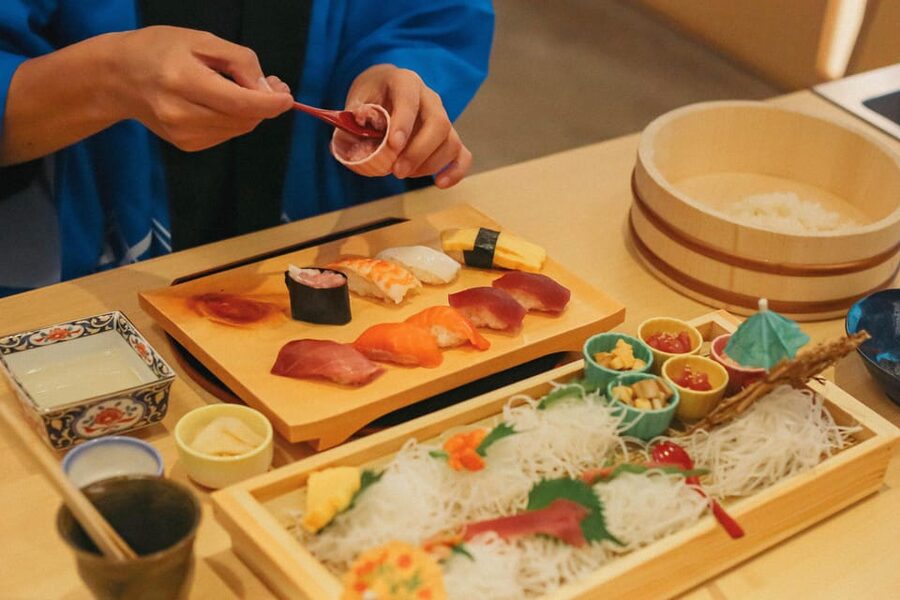
I would recommend the class to couples looking for a relaxed date activity, families wanting something hands-on, and solo visitors who like meeting people through food. It also works well for anyone who has always wanted to make sushi but never knew where to begin.
It is especially good for first-time visitors to Japan because the activity combines food, clothing, conversation, and a simple cultural lesson. You get a taste of Japanese hospitality without needing to commit half a day to a formal tour.
The class may not suit you if you dislike raw fish, need guaranteed private teaching, or want a serious culinary qualification. Vegetarian, vegan, and gluten-free arrangements are available with advance notice, but confirm your needs before booking.
My practical verdict on SUSHI GARYU
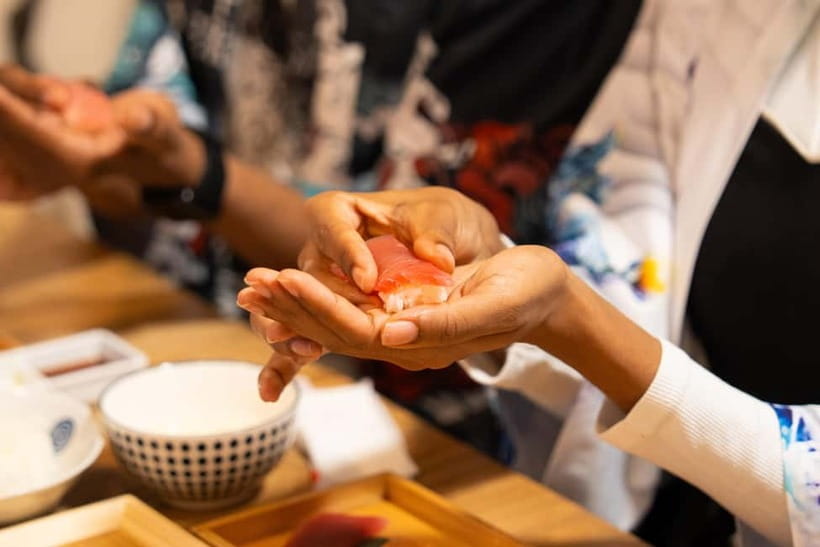
I like the balance here. The class is short enough for a crowded Tokyo schedule, active enough to hold your attention, and generous enough to count as lunch. The best instructors make the lesson funny and relaxed while still teaching real technique.
The strongest feature is the personal attention. Staff members such as Kohji, Mikoto, Emi, Mai, and Ami are praised for clear explanations, fluent English, patience, and warm conversation. Names can change, but the repeated pattern is clear: the human side of the class matters as much as the sushi.
Book it if you want an approachable food activity with a useful souvenir skill. Choose a less busy time if you want more questions answered, send allergy or dietary information early, and verify the meeting point before you set out. Skip it only if you already know sushi-making well or would rather spend $42 on a restaurant meal alone.
FAQ
How long does the sushi-making class last?
The class lasts 90 minutes. Starting times vary, so check availability when booking.
What types of sushi will I make?
You will learn to make nigiri sushi with ingredients such as tuna and salmon. The class also includes maki, or rolled sushi, and some sessions mention onigiri-style rolls.
Is the class suitable for beginners?
Yes. The workshop is designed for beginners, and the instructor demonstrates each step before you try it yourself.
Is instruction available in English?
Yes. The listed instruction languages are English and Japanese.
Can I request vegetarian, vegan, or gluten-free food?
Yes, these options are available if you tell the operator in advance. A request made on the day might not be possible.
Can I cancel my booking?
You can cancel up to 24 hours in advance for a full refund. Reserve now and pay later is also available.
More Workshops in Tokyo
- Shinjuku Tokyo: Authentic Japanese Home-Style Culinary Class
★ 4.9 · 125 reviews - Ramen Making from Scratch +Akihabara Tour –Cooking Class
★ 5.0 · 25 reviews - Authentic Pizza Making Class in Naples with Appetizers and Drink
★ 5.0 · 3,178 reviews - Ramen Cooking Class at Ramen Factory in Kyoto
★ 5.0 · 1,937 reviews
More Sushi and Ramen Tours in Tokyo
- Sushi Making Tokyo Roll and Authentic Japanese Sushi Class
★ 5.0 · 3,971 reviews - Best of Shinjuku: Izakaya Food Tour (4 Stops, 14+ Tastings)
★ 5.0 · 1,863 reviews - Sushi Making Tokyo! Popular Maki Sushi & Japanese Sushi(+Recipe!)
★ 5.0 · 1,314 reviews - Tokyo Night Foodie Tour in Shinjuku – Seasonal Sushi, Wagyu Beef
★ 5.0 · 1,161 reviews
Just added in Tokyo
- Tokyo: Allstar Food Tour★ 4.7 · 29 reviews
- Tokyo: West-Side Cycling and Food Tour with Guide★ 5.0 · 37 reviews
- Tokyo: Togoshi Ginza Street Food Tour★ 5.0 · 34 reviews
- Tokyo Tsukiji Food & Culture Private Tour Licensed Guide★ 4.9 · 28 reviews
- Tokyo: Wagyu and Sushi Gastronomic Journey★ 4.3 · 24 reviews
- Tokyo: Sushi and Ramen Cooking Class with Sake Pairing Set★ 5.0 · 81 reviews
- Tokyo: Sushi Making Class★ 4.9 · 390 reviews
- Tokyo: Best of Shibuya Food Tour★ 4.7 · 119 reviews
Cooking Classes, compared.
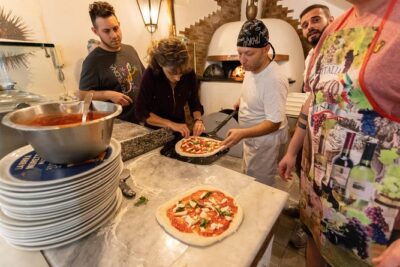
Authentic Pizza Making Class in Naples with Appetizers and Drink
Read our review →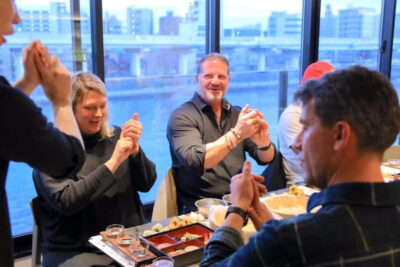
Roll and Authentic Sushi Making Class in Asakusa
Read our review →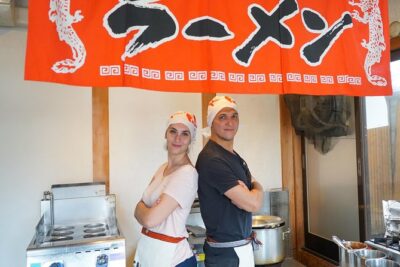
Ramen Cooking Class at Ramen Factory in Kyoto
Read our review →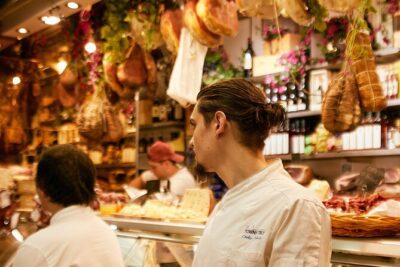
Small Group Cooking Class & Market Food Tour in Florence
Read our review →
Tokyo Sushi Making Class in Tsukiji with Professional Chef
Read our review →
Food Market Visit and Cooking Class with Wine
Read our review →