
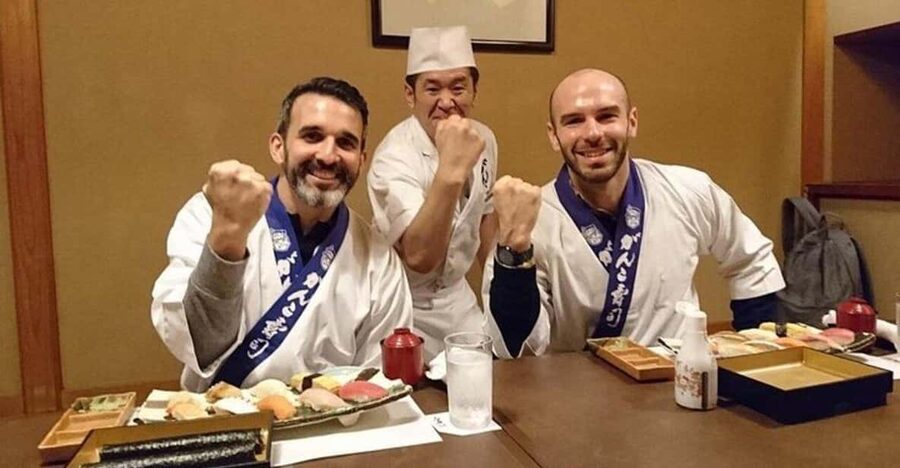
REVIEW · JAPAN FOOD TOURS
Tokyo: Sushi Making with Pro Chef & Tsukiji Fish Market Tour
Fresh fish, sharp knives, and a Tokyo food lesson. This four-hour experience pairs a guided walk through Tsukiji Fish Market with hands-on sushi making at a professional kitchen. I like the small group, limited to eight people, and the chance to taste foods you might otherwise walk past. I also like that the tour explains where sushi ingredients come from instead of treating lunch as just another meal.
The main drawback is that this is not a flexible food tour. Sushi toppings cannot be changed on the day, vegetarian, vegan, halal, and gluten-free diets cannot be accommodated, and you need to manage stairs to the third-floor classroom. At $101 per person, the price is fair for a market tour, lunch, and a chef-led class, but it makes the most sense if you want to learn as well as eat.
Quick points to know
- Tsukiji comes first: You walk through the market with an English-speaking guide before making lunch.
- The group stays small: A maximum of eight participants gives you more room to ask questions and follow the chef.
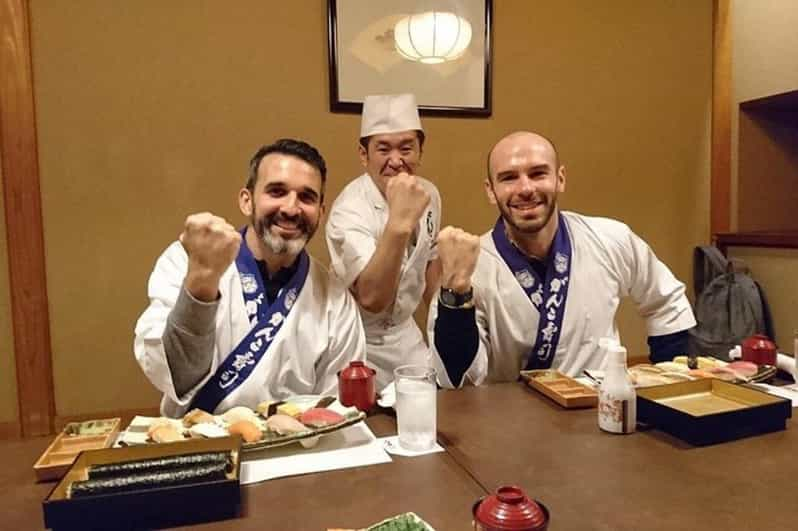
- The sushi lesson is hands-on: You learn to prepare several sushi styles, including nigiri and a maki roll.
- The meeting point matters: Meet at the main gate of Tsukiji Honganji Temple, not the back entrance shown by some map directions.
- Food limits are strict: Vegetarian, vegan, halal, and gluten-free requests cannot be accepted.
- Allow a full morning or afternoon: The experience lasts four hours, and late arrivals do not receive extra time.
Starting at Tsukiji Honganji Temple
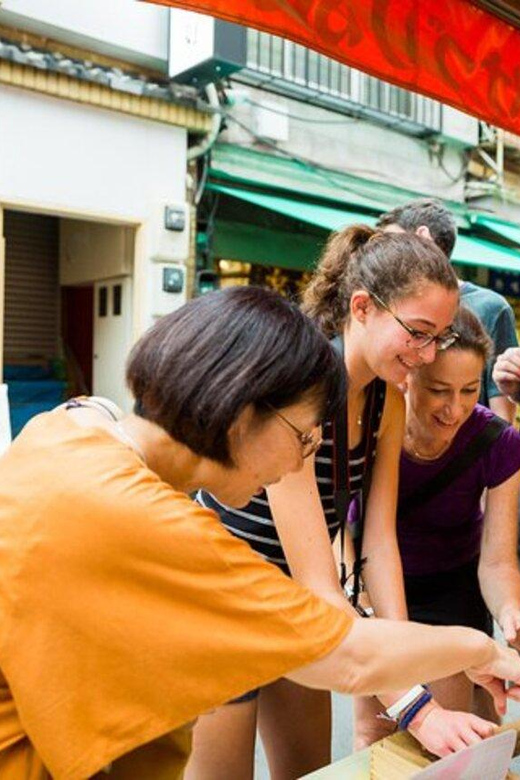
Your meeting point is the main gate of Tsukiji Honganji Temple, at the front of the temple. This detail matters because Google Maps may guide you to the rear of the building. Give yourself extra time to find the correct entrance, especially if Tokyo is still new to you.
The temple adds a useful cultural opening before the food portion begins. One participant described receiving an explanation of Buddhism at the meeting point, which gives the morning more shape than a simple walk between shops. You are not only looking at fish. You are starting with a place tied to Tokyo’s religious and civic life.
The tour uses an English-speaking guide. Guides named in past tours include Tadashi, often called Tad, Yusei, Kate, Yuko, and Matsayo. The individual guide can shape the feel of the outing, but the strongest pattern is clear: you get a person who can explain the area, point out worthwhile stalls, and help you make sense of what you are seeing.
Wear comfortable shoes. You will walk around the market and later climb stairs to the third-floor classroom, so this is not a good choice for anyone who needs step-free access.
More Market Food Tours in Japan
- Tokyo Tsukiji Fish Market Food and Culture Walking Tour
★ 5.0 · 3,184 reviews - Nishiki Market Brunch Walking Tour (7 Tastings + Brunch)
★ 5.0 · 1,355 reviews - Tsukiji Fish Market Guided Tour and Sushi Making with Pro Chef
★ 5.0 · 775 reviews
Reading Tsukiji Fish Market with a Local Guide
Tsukiji is no longer Tokyo’s main wholesale fish market in the way it once was, but its food streets remain an important place for seeing Japanese ingredients up close. The experience takes you through the fish market area and introduces the products used by sushi restaurants and home cooks.
A good guide makes a major difference here. Rather than wandering from stall to stall without context, you can ask what a product is, how it is used, and why local food lovers come to this part of Tokyo. The tour focuses on the working side of food culture, including the people handling ingredients and the source of fish later served in the class.
You may also have a chance to sample unusual foods. One tour included whale meat, along with other market offerings. That is not a promise that every food will appear on every departure, but it shows the range of tastes you may encounter. If you prefer familiar foods, tell your guide clearly and do not feel pressured to sample everything.
The pace appears to be one of the better features. You have time to stop for pictures, look at different foods, and make purchases or try snacks where appropriate. That is more useful than a rushed march through the market, especially if you want to understand what you are seeing.
The guide may also take you to places that are easy to miss. Tadashi, for example, has helped visitors sample foods at stalls where casual passersby would not normally receive samples. That kind of local connection gives the walk a personal feel, though it can vary with the day, vendor, and group.
Keep in mind that the fish market portion does not operate every day. The Uogashi wholesaler market is closed on Wednesdays, Sundays, and other official market-closure days. Check the available date carefully before booking, since the market experience is a central part of the tour.
From Market Ingredients to Sushi Lunch
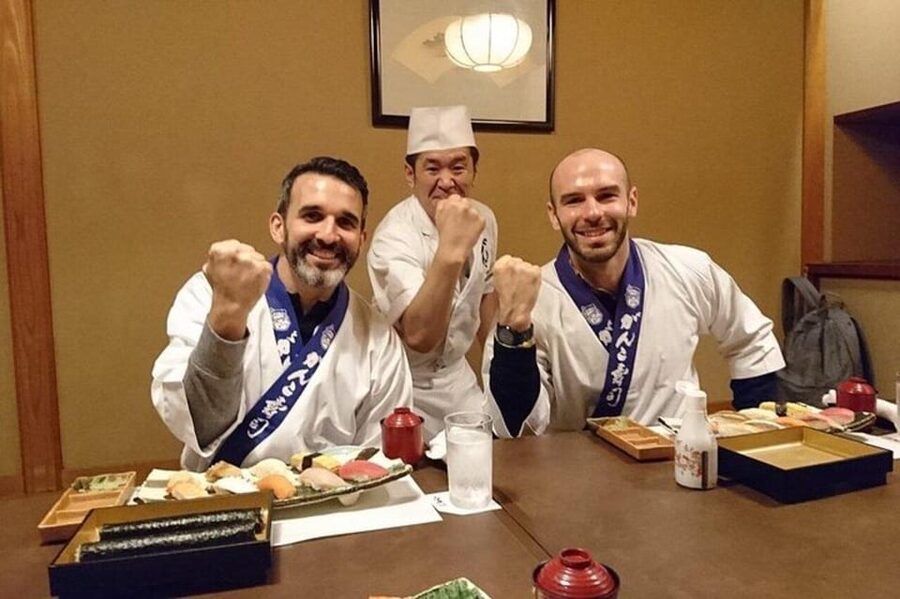
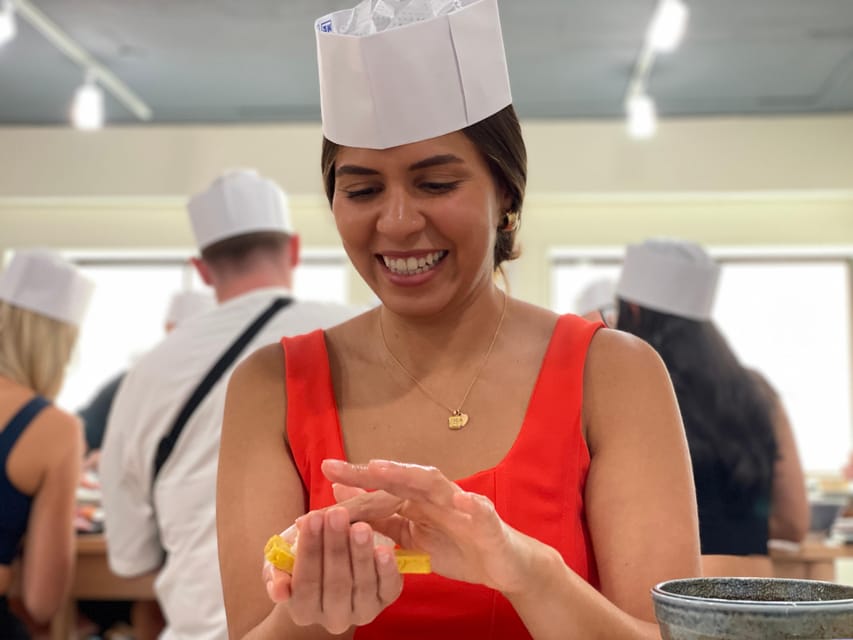
The walk leads into the second half of the experience: a sushi workshop taught by a professional sushi chef. This is where the tour earns much of its price. You are not simply handed a plate and told the names of the fish. You watch preparation, learn basic technique, and then make your own lunch.
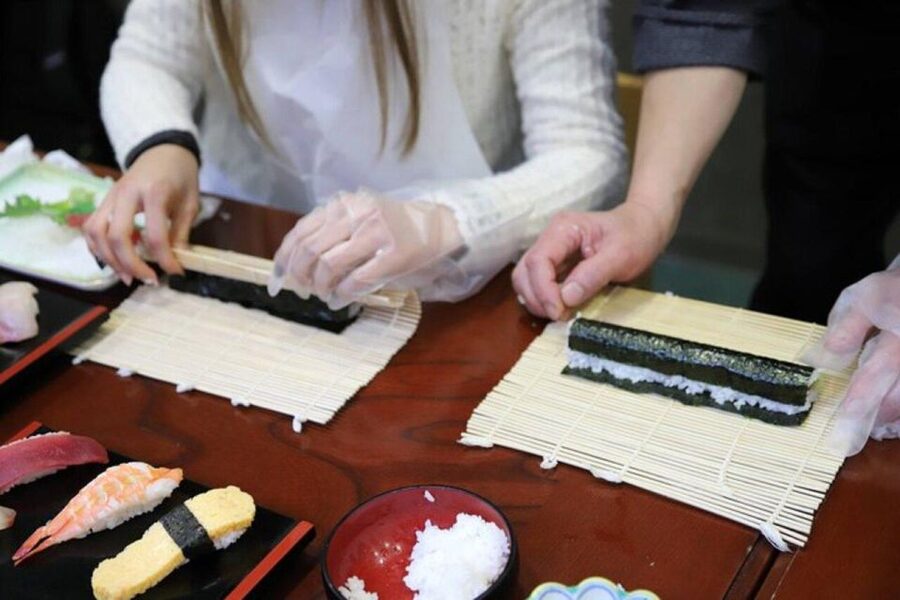
The chef teaches step by step. You can expect an introduction to different fish and guidance on how to handle the rice, toppings, and rolling process. Some participants have made five pieces of nigiri and one maki roll, though the exact selection may depend on the class setup and available ingredients.
Nigiri is simple in appearance but not always easy to shape well. You need the right amount of rice, a neat topping, and enough pressure to hold the piece together without crushing it. The class gives you a chance to try this under supervision, which makes it more useful than watching a demonstration from across a room.
The maki roll offers a different lesson. It requires control of the filling and the rolling motion, and the final result can look less polished than the chef’s version. That is part of the fun. You are learning the craft, not entering a sushi competition.
The chef also explains how to eat sushi properly and provides information about the fish. That context helps you notice the difference between the finished pieces rather than simply eating them as lunch. A professional sushi chef can show details that a general food guide may not have the time or training to cover.
You should expect encouragement if your sushi looks uneven. One participant arrived worried about having little cooking experience and left proud of the result after receiving tips from the instructors. That is exactly the right tone for a class like this: practical help, no need to pretend you already know what you are doing.
Why the Small Group Makes a Difference
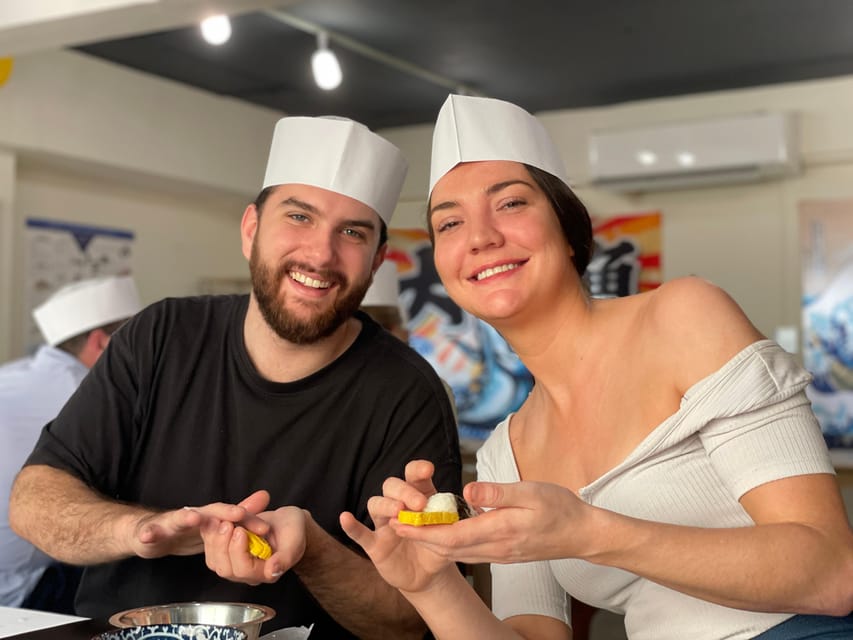
With a maximum of eight people, the class has a better chance of feeling personal. You can see the chef’s hands, ask questions, and receive help while forming sushi. In a large class, a small mistake can go unnoticed. Here, the guide and instructors have more opportunity to correct your technique.
The small size also helps during the market walk. You are less likely to block a narrow aisle or lose sight of the guide, and there is more room to pause at a stall. This matters at Tsukiji, where the food streets can be tight and active.
The group size does not guarantee a private tour. You will still share the experience with other participants, and the exact rhythm can change depending on group interests. Some people may want to take many pictures or stop often for food. The four-hour duration gives some breathing room, but late arrivals still lose part of their scheduled time.
Arrive early. The operator does not extend the tour for late arrivals, and same-day cancellations or late arrivals do not receive a refund. That is especially important here because the starting point is easy to misunderstand.
More Seafood Tours in Japan
- Tokyo: Tsukiji Fish Market Food and Culture Walking Tour
★ 4.7 · 757 reviews - Tsukiji Fish Market: Street Food & Culture Walking Tour
★ 5.0 · 669 reviews - Tsukiji Fish Market Small-Group Food Walking Tour
★ 5.0 · 621 reviews - Tokyo: Tsukiji Fish Market Sushi Making Class with Pro Chef
★ 4.9 · 506 reviews
What the $101 Price Really Covers
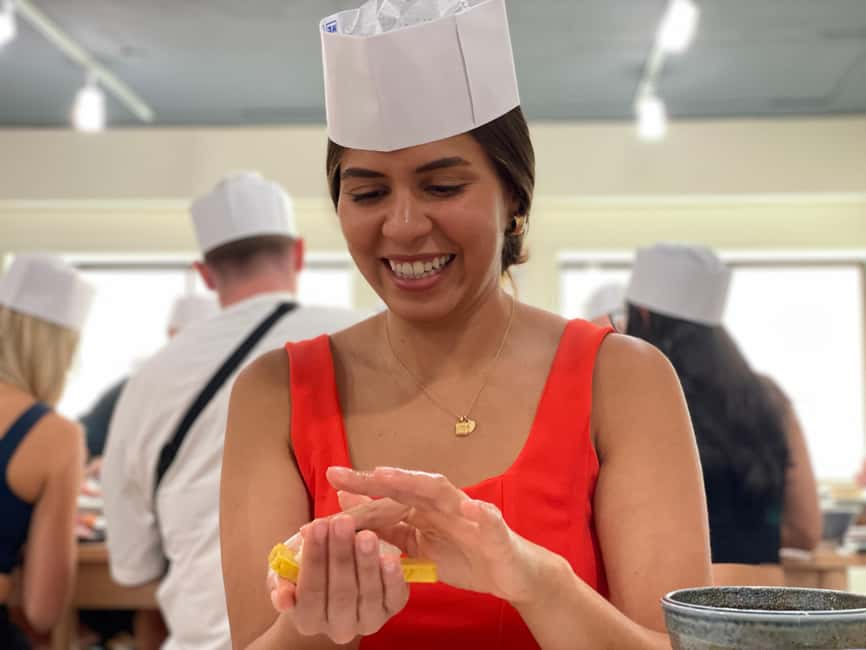
At $101 per person, this is not the cheapest way to visit Tsukiji or eat sushi in Tokyo. You could walk through the market on your own, buy food as you go, and spend less. The question is what you want from the outing.
The fee includes a local guide, the market visit, the sushi workshop, and the sushi you make for lunch. You are paying for interpretation, ingredient guidance, chef instruction, and the convenience of joining the market and class in one four-hour plan.
I think the value is strongest for first-time visitors to Japan. You get a useful introduction to Japanese food culture without needing to research every market stall or understand sushi technique beforehand. The tour also reduces the uncertainty of choosing what to taste and where to go.
The value is weaker if you already know Tsukiji well or have taken a sushi class elsewhere. In that case, the market walk may repeat familiar ground, and $101 may feel high for a lunch you prepare yourself. Still, the professional chef and small group add more substance than a basic restaurant meal.
Keep extra money available if you want to buy market snacks or products. Those purchases are separate from the tour price. Also, do not assume the workshop can simply replace fish with another ingredient. Toppings are fixed on the day, and food restrictions must be sent to the operator by 5:00 p.m. Japan time on the day before the tour.
Food Restrictions and Practical Limits
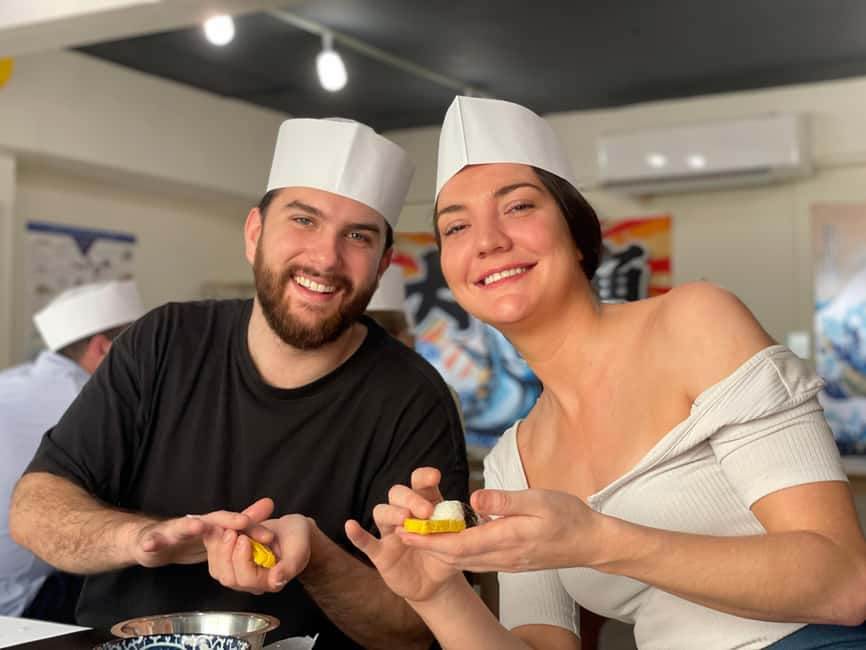
This experience is built around traditional sushi and market foods, so dietary limits need careful attention. Vegetarian, vegan, halal, and gluten-free requests cannot be accommodated. Allergy-related requests may be considered, but they are not guaranteed.
Contact the operator before the deadline if you have an allergy. Do not wait until you arrive, since the toppings cannot be changed on the day. If you need a fully vegetarian or vegan class, choose a different experience.
Infants and toddlers can attend free of charge, but they do not receive their own sushi kit if they want to try making sushi. Children under four are not suitable for the activity, and the stairs and walking make it a poor fit for wheelchair users or people with mobility impairments.
The class takes place on the third floor, reached by stairs. Comfortable shoes are the only specific item listed, but practical clothing and a willingness to walk are sensible choices.
Weather can affect your comfort during the market portion. One outing took place in snow, making the walk much colder than expected. The tour still went ahead, but winter visitors should dress warmly and check the forecast.
The Guides and the Human Side of the Tour
The guide is not just there to keep the group moving. The best parts of this experience depend on explanations and small acts of help.
Tadashi, known as Tad, has been praised for waiting when a group was late in the rain, showing them much of the market, and explaining the area’s role in Tokyo life. Yusei has been noted for explaining local history and taking time with different foods. Kate, Yuko, and Matsayo have also been described as kind, professional, and entertaining.
Those names should not lead you to expect one particular guide every time. Staff assignments can change. But they indicate the kind of service the tour aims to provide: friendly guidance, clear explanations, and enough time to look around.
The best match for this tour is someone who enjoys asking questions. If you want a fast checklist of sights and a quick lunch, the four hours may feel long. If you want to understand what you are eating, talk with vendors, and learn a skill, the pace should suit you well.
Should You Book This Tsukiji and Sushi Experience?
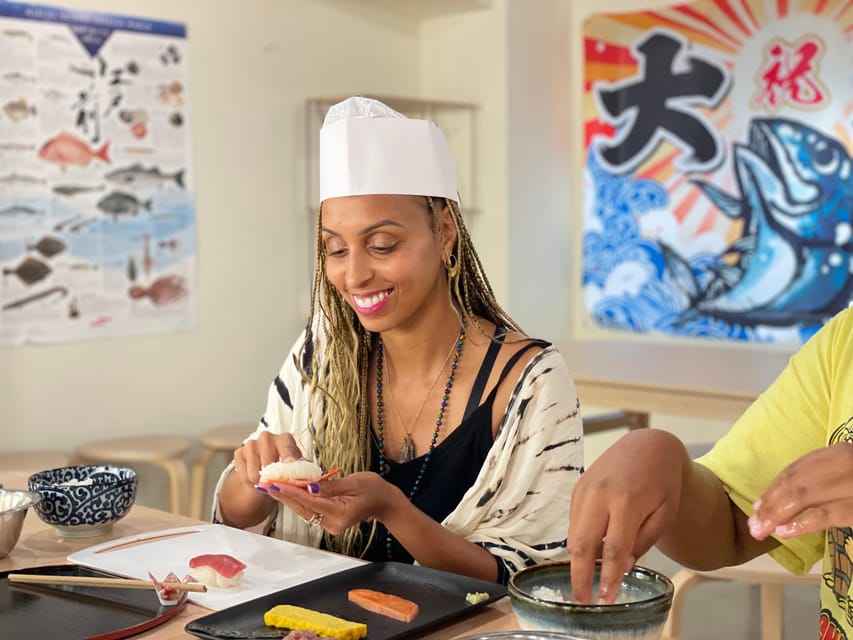
Book it if you want a structured introduction to Tokyo food culture, especially on a first visit to Japan. The combination of Tsukiji, market samples, Buddhist temple context, fresh fish, and chef-led practice gives the morning or afternoon real variety.
I would also recommend it to couples, families with older children, and adult groups who prefer doing something together rather than sitting through a standard meal. The class gives everyone a task, and the small group keeps the lesson manageable.
Skip it if you need vegetarian, vegan, halal, or gluten-free food, cannot manage stairs, or dislike fixed menus. You may also prefer exploring Tsukiji independently if you already know the market and want complete freedom over your food choices.
For most suitable participants, $101 is a reasonable price for four hours of guided access, instruction, and lunch. Book ahead, confirm the market is open on your chosen day, meet at the front gate of Tsukiji Honganji Temple, and notify the operator about allergies before the deadline.
FAQ
How long does the Tokyo sushi and Tsukiji tour last?
The experience lasts four hours and includes the market visit, sushi workshop, and the sushi you make for lunch.
Where is the meeting point?
Meet at the main gate of Tsukiji Honganji Temple, at the front of the temple. Google Maps may direct you to the back, so use the main entrance instead.
Is the tour offered in English?
Yes. The tour includes a live English-speaking guide.
How many people can join the tour?
The group is limited to eight participants.
Is lunch included?
Yes. Lunch consists of the sushi you prepare during the workshop.
Can the sushi toppings be changed?
No. Sushi toppings cannot be changed on the day of the event. Tell the operator about food allergies or restrictions by 5:00 p.m. Japan time on the day before the tour.
Is the experience suitable for wheelchair users or vegetarians?
No. The experience is not suitable for wheelchair users, people with mobility impairments, vegans, or vegetarians. You also need to climb stairs to reach the third-floor classroom.
More Shopping Tours in Japan
- Kuromon Market Food Walking Tour in Osaka (6 stops, 6 tastes)
★ 5.0 · 550 reviews - Kyoto Nishiki Market Food and Culture Walking Tour
★ 5.0 · 412 reviews - Osaka: Kuromon Market Food Walking Tour (6 stops, 6 tastes)
★ 4.6 · 272 reviews - Tsukiji Fish Market: Street Food & Culture Walking Tour
★ 4.8 · 259 reviews
More sushi and ramen tours in Japan
- Sushi Making Tokyo Roll and Authentic Japanese Sushi Class
★ 5.0 · 3,971 reviews - Tokyo: Roll and Authentic Sushi Making Class in Asakusa
★ 4.9 · 1,957 reviews - Ramen Cooking Class at Ramen Factory in Kyoto
★ 5.0 · 1,937 reviews - Best of Shinjuku: Izakaya Food Tour (4 Stops, 14+ Tastings)
★ 5.0 · 1,863 reviews
Just added in Japan
- Tokyo : Asakusa Food Tour – 12 Dishes & 3 Drinks★ 5.0 · 44 reviews
- Tokyo: Asakusa & Sensoji ー Oldest Temple Walking Tour (2hrs)★ 5.0 · 213 reviews
- Asakusa Highlights: Street Food Crawl Tour (7+ Local Bites)★ 5.0 · 206 reviews
- Tokyo: Allstar Food Tour★ 4.7 · 29 reviews
- Tokyo: West-Side Cycling and Food Tour with Guide★ 5.0 · 37 reviews
- Tokyo Tsukiji Food & Culture Private Tour Licensed Guide★ 4.9 · 28 reviews
- Tokyo: Wagyu and Sushi Gastronomic Journey★ 4.3 · 24 reviews
- Tokyo: Togoshi Ginza Street Food Tour★ 5.0 · 34 reviews
Market Food Tours, compared.

Tokyo Tsukiji Fish Market Food and Culture Walking Tour
Read our review →
London Bridge & Borough Market Food Tour with 7 Authentic Dishes
Read our review →
Small Group Cooking Class & Market Food Tour in Florence
Read our review →
Nishiki Market Brunch Walking Tour (7 Tastings + Brunch)
Read our review →
Bologna Food & Market Tour with 6 Tastings, Pasta, Wines & More
Read our review →
Browse the lists this tour appears in